
For those planning a visit to Tekfur Palace, the first question often arises: is it truly possible to explore this magnificent structure from the inside? The answer is a resounding yes! Today, the palace operates as a museum under the Istanbul Metropolitan Municipality, closed on Mondays, and showcasing a fascinating collection of tiles, glass, and pottery artifacts. The structure is the sole surviving section of the vast Blakhernai Palace Complex, described by the municipality itself as the southernmost and highest part of the complex. This comprehensive guide explores the palace in its full historical context, detailing what you'll discover inside, other remnants of the Blakhernai area, how to navigate the ascent from the coast to the city walls, and the ideal itinerary for a memorable half-day visit.
Quick Facts
| Topic | Information |
|---|---|
| Location | Ayvansaray Mahallesi, Şişhane Caddesi; wall section between Edirnekapı and Eğrikapı, Fatih |
| Current Function | Museum affiliated with IBB; tile, glass, and pottery collection |
| Closed Day | Monday |
| Visiting Hours | 10:00-18:00 on the operator's museum page; ticket office closes at 16:30 |
| Tickets | Different rates apply based on visitor type; current fees are on the operator's page |
| Structure | Three-story; situated between an old city wall and the Theodosian Walls |
| Coastal Access | T5 tram line's Ayvansaray stop and City Lines' Ayvansaray pier are at coast level |
| Recommended Duration | Approximately one hour for the palace; half a day including the wall section |
What to See at Tekfur Palace?
Your visit revolves around three key elements: the impressive three-story facade nestled against the city walls, the exquisite collection of Ottoman-era tiles, glass, and pottery, and the breathtaking views of the Golden Horn from the upper floors. These three elements collectively narrate the building's journey through different centuries. To simply view it as "just another Byzantine ruin" would be to miss half its captivating story.
The Three-Story Facade Adjoining the City Walls
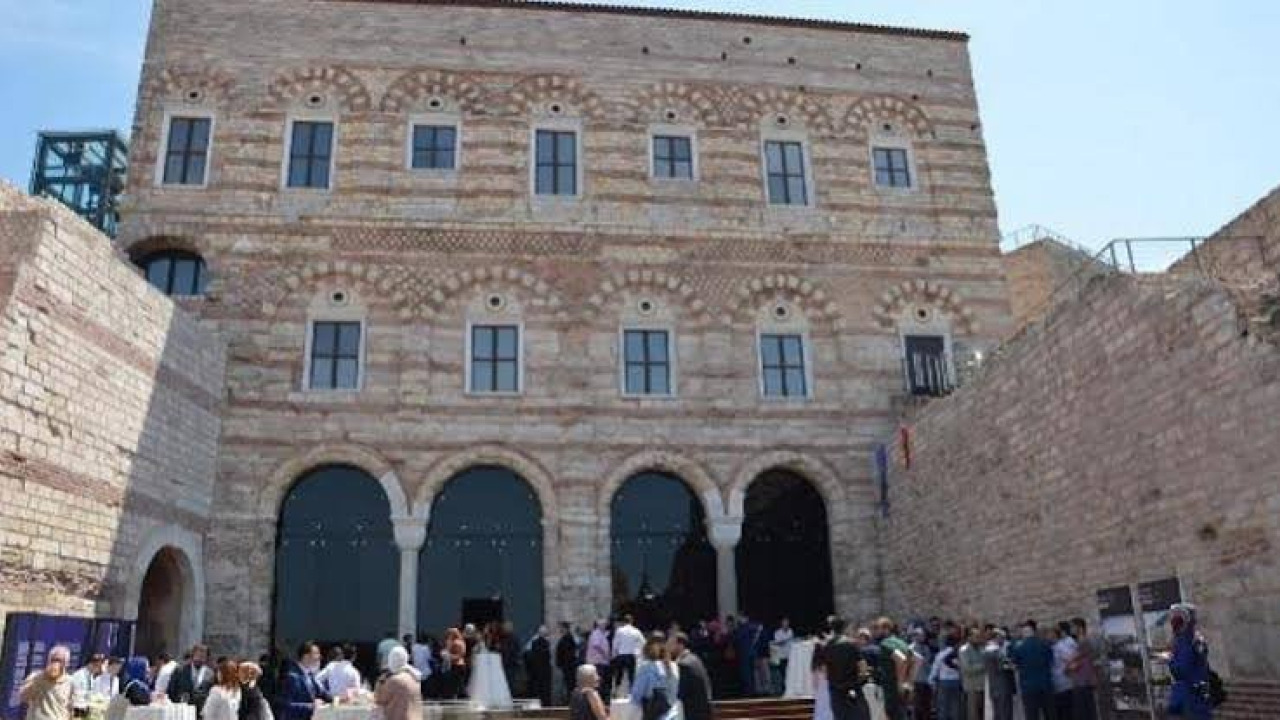
According to municipal records, this three-story structure is ingeniously built between an older city wall and the formidable Theodosian Walls. This unique placement sets its facade apart from typical palaces; instead of facing a grand square or garden, it leans directly against a vital defensive line. The distinctive alternating brick and stone masonry, coupled with a series of wide arched windows, creates a captivating rhythm on the facade. As you gaze, notice how the windows widen at different levels, offering clues about which floors were likely designed as living spaces.
The exact construction date of the palace remains a subject of historical debate. While the Fatih District Governorship's promotional material suggests a link to the 10th century and Emperor Porphyrogennetos, the prevailing academic consensus places its addition to the Blakhernai Palace after the 13th century. This historical ambiguity doesn't detract from the visit; rather, it invites a different perspective. Look closely at the facade for subtle changes in the masonry pattern – these are the very stones that bear witness to centuries of architectural evolution and historical discussion.
What's Exhibited Inside
The museum's collection, featuring exquisite tiles, glass, and pottery, directly reflects the building's diverse functions during the Ottoman era. Historical records from the District Governorship indicate that the structure served as an animal shelter in the late 17th century, hosted a vibrant tile workshop in the 18th century, and later transitioned to bottle and glass production in the 19th century. Thus, the artifacts displayed in the museum's showcases aren't merely a thematic selection brought in from elsewhere; they are a direct continuation of the craftsmanship that once thrived within these very walls. Interestingly, the same records also mention the legendary Spoonmaker's Diamond being discovered amidst the building's rubble. It's perhaps best to view this not as a factual document, but as a captivating echo in public memory from the palace's long period of abandonment.
The Upper Level and Views Towards the Golden Horn
From the upper floors, the panoramic window views reveal the shimmering Golden Horn and the dramatic, winding path of the city walls as they descend towards the water. As the accessibility of upper floors can vary daily, it's wise to inquire at the entrance to save time; a closed floor might mean missing the specific vista you hoped to capture. The courtyard, often overlooked by visitors, is a beautifully excavated and restored space that occasionally hosts concerts and cultural events. Check the operator's announcements for current programs. For those eager to delve deeper into both Byzantine and Ottoman layers with expert guidance, Istanbul cultural tours offer curated itineraries that seamlessly connect such historical gems.
What Remains of the Blakhernai Palace Today?
Tekfur Palace stands as the only largely intact structure from the extensive Blakhernai complex. The rest manifests as scattered cellars, towers, and gate sections, largely integrated into the city wall line. Consequently, searching for "Blakhernai Palace" as a standalone, visitable palace might be misleading; instead, tracing the city wall line will reveal its remnants. UNESCO's World Heritage designation for Istanbul's historical areas comprises four components, one of which encompasses the region along the Theodosian land walls. This component explicitly includes the remains of the Blakhernai Palace. Therefore, the seemingly scattered ruins you encounter in the vicinity are, officially, part of the same protected historical zone.
The table below summarizes the surrounding layers and their visit status. Please verify days and hours on the respective institution's page, as they may change seasonally.
| Structure / Section | Layer / Period | Visit Status |
|---|---|---|
| Tekfur Palace | Byzantine palace, Ottoman tile and glass production | Open as a museum, closed Mondays |
| Anemas Dungeons | Cellars and towers belonging to Blakhernai | Restoration by IBB, visit status depends on announcement |
| Eğrikapı section | End of land walls descending to the Golden Horn | Viewable from the street, no enclosed area |
| Ayvansaray coast | Level where the wall meets the water | Free access, pier and tram stop here |
| Kariye Mosque | Byzantine church, now a mosque | Functions as a mosque; visiting hours vary on Fridays and prayer times |
| Zeyrek Mosque | Pantokrator monastery church | Listed as a separate component in UNESCO record |
The Anemas Dungeons and Eğrikapı Section
The Anemas Dungeons, a fascinating structure adjacent to the land walls near Eğrikapı, encompasses cellars and towers that were once part of the Blakhernai Palace. This imposing line, beginning from a bastion and descending towards the Golden Horn, reveals that the palace had a dual purpose – not only as a residence but also as a place of imprisonment. The Istanbul Metropolitan Municipality undertook extensive restoration, envisioning the area for future museum and exhibition functions. If you plan to visit, it's advisable to confirm its opening status before you set out. Even if closed, observing the impressive alignment of the bastions from the upper wall line still makes the journey worthwhile.
The Slope Where the City Walls Descend to the Golden Horn
The defining characteristic of this section isn't its horizontal distance, but rather the dramatic change in elevation. The formidable land walls stretch from Yedikule in the south, culminating as they descend to the Golden Horn shore in the north. Tekfur Palace marks the upper starting point of this descent, while Ayvansaray lies at the lower end, where the walls meet the water. What looks like a short distance on a map feels considerably longer and more challenging on foot. The expropriation and development of the area outside the walls into walking paths and green spaces have made this slope more accessible, but certainly haven't eliminated its steep incline.
How to Get to Tekfur Palace?
Public transport will drop you at either the coast level or the upper level, and since the palace is situated at the upper level, knowing this distinction upfront can save you from an unexpectedly tiring climb. Here are your three main options:
- Arriving from the Upper Level: Edirnekapı serves as a major transfer hub for IETT bus lines, and Tekfur Palace is located along the city walls between this point and Eğrikapı. As the most suitable bus line depends on your starting district, always check the latest route and stop information on the IETT website.
- Arriving from the Coast Level: The Ayvansaray stop of the T5 Eminönü-Alibeyköy tram line is conveniently located right on the Golden Horn shore. However, be prepared for a steep uphill walk to reach the palace from here.
- Arriving by Water: City Lines' Üsküdar-Golden Horn ferry line makes a stop at Ayvansaray pier and operates daily. Do note, however, that some early and late services may have different schedules on Sundays and public holidays.
Ascending from the Coast Level to the Upper City Walls
For visitors arriving from the coast, the primary challenge isn't the distance, but the significant incline. In Ayvansaray, both the ferry pier and tram stop are at sea level, while the palace proudly sits atop the city walls. This uphill trek will take considerably longer and be more strenuous than a flat walk of the same length. Therefore, we highly recommend planning your visit from top to bottom: first, reach the upper level to explore the palace, then follow the historic wall line downhill towards the coast. This approach offers a much more comfortable experience than tackling the steep ascent with weary legs. After rain, the stone pavements around the walls can become quite slippery, so wearing shoes with excellent grip will truly make a difference on this route.
Arriving by Water: Ayvansaray Pier
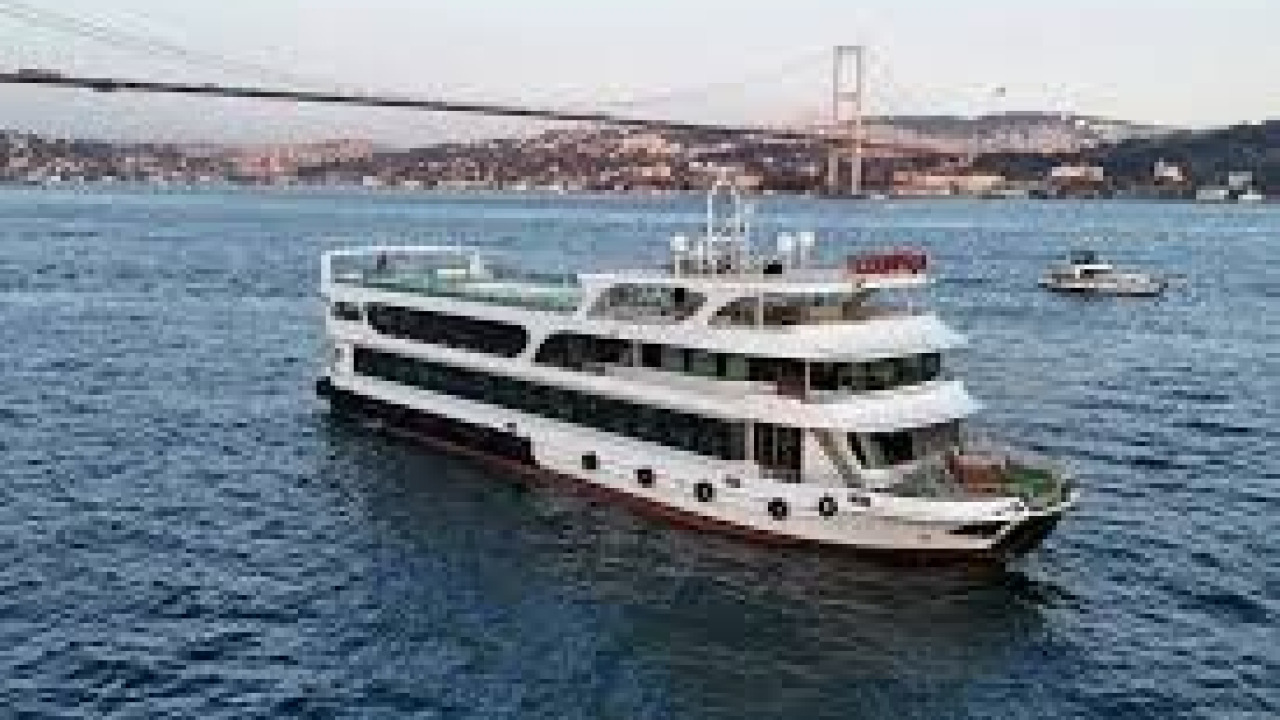
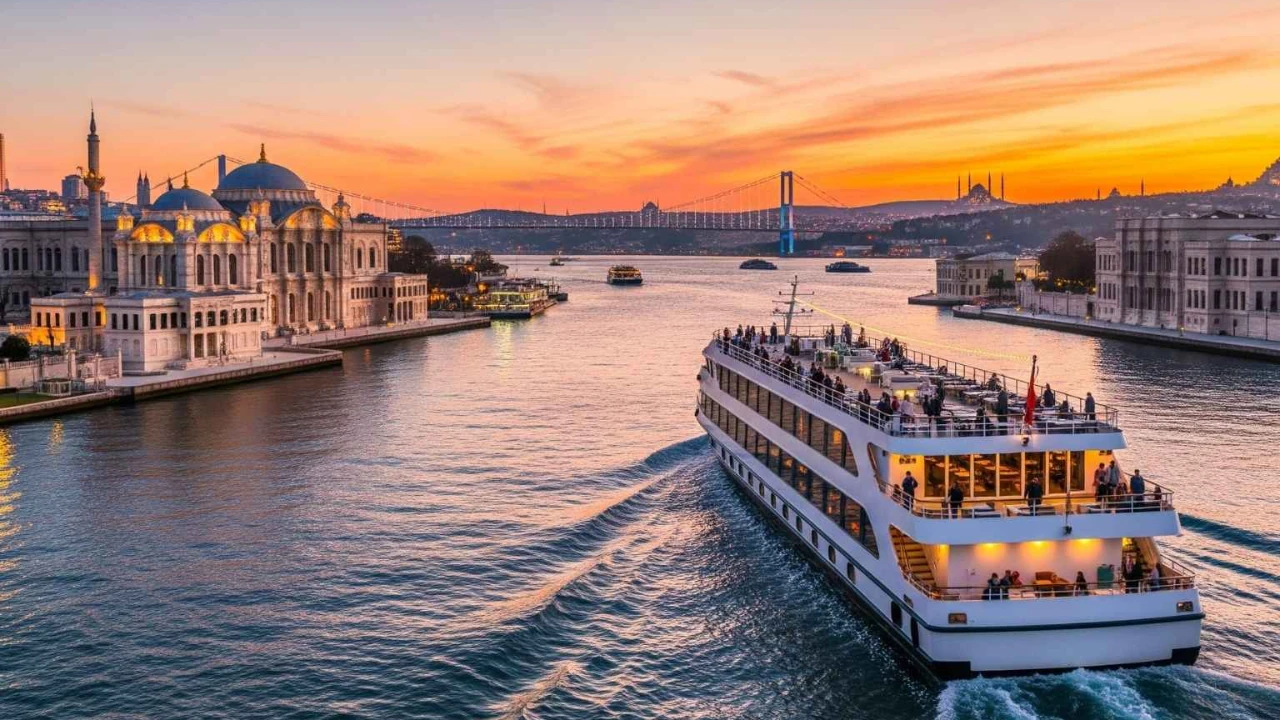
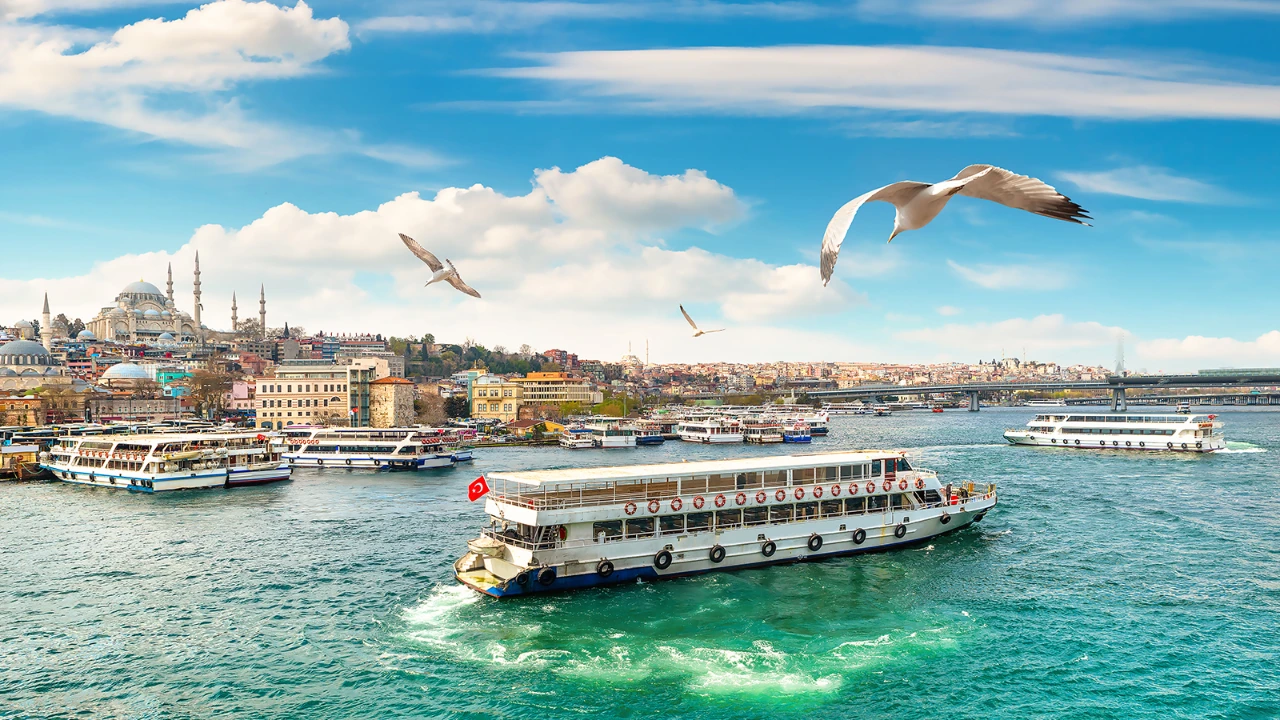
Arriving by ferry transforms your journey from a mere commute into an integral part of the experience. The dramatic descent of the city walls towards the Golden Horn is far more striking from the water; you'll witness the full sweep of the slope as you approach the pier, rather than just walking along it. For those who wish to dedicate a separate day to experiencing the Golden Horn and Bosphorus from the water, various boat tours departing from the city center operate independently with their own schedules and fares.
When to Visit: Seasons and Times
While the palace itself is an indoor attraction, the season significantly impacts the experience of walking along the surrounding city walls. With the ticket office closing at 16:30, your day can feel quite compressed. Setting off late in the afternoon might mean missing the chance to explore the interior altogether.
| Period | Advantage for Wall Section | Blakhernai-Specific Note |
|---|---|---|
| April-June | Uphill walk cooler, days are long | When hillside grasses are tall, ruin edges are obscured |
| July-August | Early mornings are bright and quiet | Little shade on wall line, carry water |
| September-October | Light softens brickwork | As days shorten, ticket office closes earlier |
| November-March | Surroundings quiet, no queues | Wet stone surfaces slippery, descent slows |
Breaks and Dining Options in the Vicinity
To be frank, the upper section of the city walls is not exactly a bustling cafe strip. Between Edirnekapı and Eğrikapı, you'll find very few visitor-oriented establishments, so it's best to plan your breaks and meals either before you start or after you've descended to the coast. Bringing your own water and a small snack is far more practical than trying to find something halfway up the incline.
What Changes When You Descend to the Coast
As you walk southwest along the Golden Horn coast from Ayvansaray, the urban landscape transforms, and dining options become noticeably more abundant. If you conclude your wall exploration and wish to spend the rest of your day by the coast, the vibrant neighborhood of Balat, with its charming streets, offers a ready-made itinerary. Explore the Balat walking route to fill the second half of your day. This way, you can dedicate your morning to the historical stone and elevation changes, and your afternoon to the more relaxed, flat terrain of the coastal district.
Half-Day Visit Itinerary
Allowing approximately one hour for the museum itself, and half a day including the walk along the city walls, is a realistic timeframe. To experience the palace and its surroundings comprehensively, we recommend a top-down approach. The following steps outline an ideal itinerary starting from Edirnekapı:
- Approach the city walls from Edirnekapı and observe the palace facade from the outside before entering. The alternating masonry and window arrangement appear more cohesive from this distance.
- Enter the museum, follow the floor sequence to explore the tile, glass, and pottery collection, and confirm which floors are open on the day of your visit at the entrance.
- Step out into the courtyard and explore the excavated and arranged area, observing how the palace integrates with the city wall from this vantage point.
- Walk north from the palace towards Eğrikapı, following the line of bastions and cellars in the Blakhernai section. Check at the entrance if the Anemas Dungeons are open on that day.
- Follow the city wall line down to Ayvansaray and conclude your day at the coast level, around the pier.
If you're considering integrating this itinerary into a guided experience, explore the historical peninsula-focused options among our Istanbul city center cultural tours. For visitors keen to delve deeper into the Byzantine layers and museum offerings with a broader scope, our dedicated Historical Peninsula and Museums Guide provides an extensive framework.
Budget and Ticket Information
Specific prices are not listed in this guide, as museum tariffs are subject to periodic updates. When planning your budget, consider the following points:
- Museum tickets often have different categories based on visitor type; be aware that separate tariffs may apply for local and foreign visitors, and check the operator's website for current prices.
- The ticket office closes before the museum's official closing time, so the last entry time is not the same as the closing time. Plan your visit according to the ticket office's closing hours, not the museum's.
- Age-based free entry policies may apply; check the operator's website for specific conditions.
- Whether separate tickets are required for other nearby ruins depends on their operational status; for enclosed areas, this information will be available at the entrance.
Frequently Asked Questions 6
Which day is Tekfur Palace closed?
The museum is closed on Mondays. Official visiting hours are published as 10:00-18:00 on the operator's museum page, with the ticket office closing at 16:30. As different sources may list varying times, it's always best to confirm directly on the operator's official website before your visit.
When was Tekfur Palace built?
There is no definitive record regarding the exact construction date of Tekfur Palace. While some theories link the palace to the 10th century and Emperor Porphyrogennetos, the prevailing historical consensus suggests it was added to the Blakhernai Palace complex after the 13th century. It is known that Byzantine emperors utilized the broader Blakhernai complex starting from the 12th century.
Are Tekfur Palace and Blakhernai Palace the same structure?
No, they are not the same; rather, Tekfur Palace is a part of a larger whole. It is the sole surviving, largely intact section of the extensive Blakhernai Palace Complex, specifically its southernmost and highest part. The remainder of the complex exists as cellars, towers, and gate sections largely integrated into the city wall line.
How to get to Tekfur Palace?
Tekfur Palace is located in Ayvansaray Mahallesi, along the city walls between Edirnekapı and Eğrikapı. You can reach the upper level via IETT bus lines through Edirnekapı. For the coast level, use the Ayvansaray stop on the T5 Eminönü-Alibeyköy tram line or the Ayvansaray pier on City Lines' Üsküdar-Golden Horn ferry line. Be aware that an uphill walk awaits you if you arrive from the coast.
Can Anemas Dungeons be visited?
The Anemas Dungeons, a structure adjacent to the land walls near Eğrikapı, contains cellars and towers that were part of the Blakhernai Palace. Its restoration was undertaken by the Istanbul Metropolitan Municipality, with plans for museum and exhibition functions. As its opening to visitors depends on official announcements, it's advisable to confirm its status before your visit.
What is exhibited at Tekfur Palace?
The collection primarily features exquisite tile, glass, and pottery artifacts. This selection directly reflects the building's historical functions during the Ottoman era, which included a tile workshop in the 18th century and later, bottle and glass production in the 19th century.