
Few cities in the world possess the layered history of Istanbul. As the capital of three great empires—the Roman, Byzantine, and Ottoman—this metropolis is a living museum where centuries of heritage coexist on a single street, or often within the walls of a single building. For those seeking a deep dive into cultural tourism, the "Historical Peninsula" (the area around Sultanahmet and Fatih) is the ultimate destination. By concentrating iconic landmarks like Hagia Sophia, Topkapi Palace, the Blue Mosque, and the Basilica Cistern in one walkable area, it allows visitors to grasp the cultural essence of the city even on a tight schedule. In this guide, we’ll show you how to plan your Istanbul culture tour, which sites to prioritize, and practical tips to make your journey seamless.
At Travel Tour Shop, we believe in quality over quantity. We have filtered out approximately 83% of the tour and transfer providers in our network, listing only those who have passed our rigorous standards for local expertise and guest satisfaction. The following itinerary suggestions and travel insights are a result of this quality filter; our goal is to provide you with a streamlined, high-value cultural program that truly respects your time.
Quick Facts
| Topic | Details |
|---|---|
| Primary Area | Historical Peninsula (Sultanahmet, Fatih, Eminönü) |
| Must-See Landmarks | Hagia Sophia, Topkapi Palace, Blue Mosque, Basilica Cistern |
| Historical Layers | Roman, Byzantine, Ottoman |
| Recommended Duration | Half-day to 2 full days |
| Best Time to Visit | Spring (April-May) and Autumn (September-October) |
| Ideal For | History buffs, families, first-time visitors, photography enthusiasts |
| Transportation | Tram (Sultanahmet stop), Ferry, Walking |
What Does an Istanbul Culture Tour Include?
A true Istanbul culture tour is about more than just checking monuments off a list. A well-curated program weaves together the stories of ancient structures, the daily rhythm of historic neighborhoods, world-class museum collections, and the city's rich gastronomic traditions. The Historical Peninsula is the perfect starting point because the Byzantine cathedral of Hagia Sophia, the Ottoman administrative hub of Topkapi Palace, and the architectural masterpiece of the Blue Mosque are all within walking distance of each other.
With a guided culture tour, visitors can unlock the hidden meanings behind these structures with an expert, learn about the city's multicultural past through tangible examples, and navigate crowded sites efficiently. For first-time visitors, this transforms a potentially overwhelming city into a coherent and fascinating narrative. To explore a wider variety of themed programs, you can compare options on our Istanbul tours page.
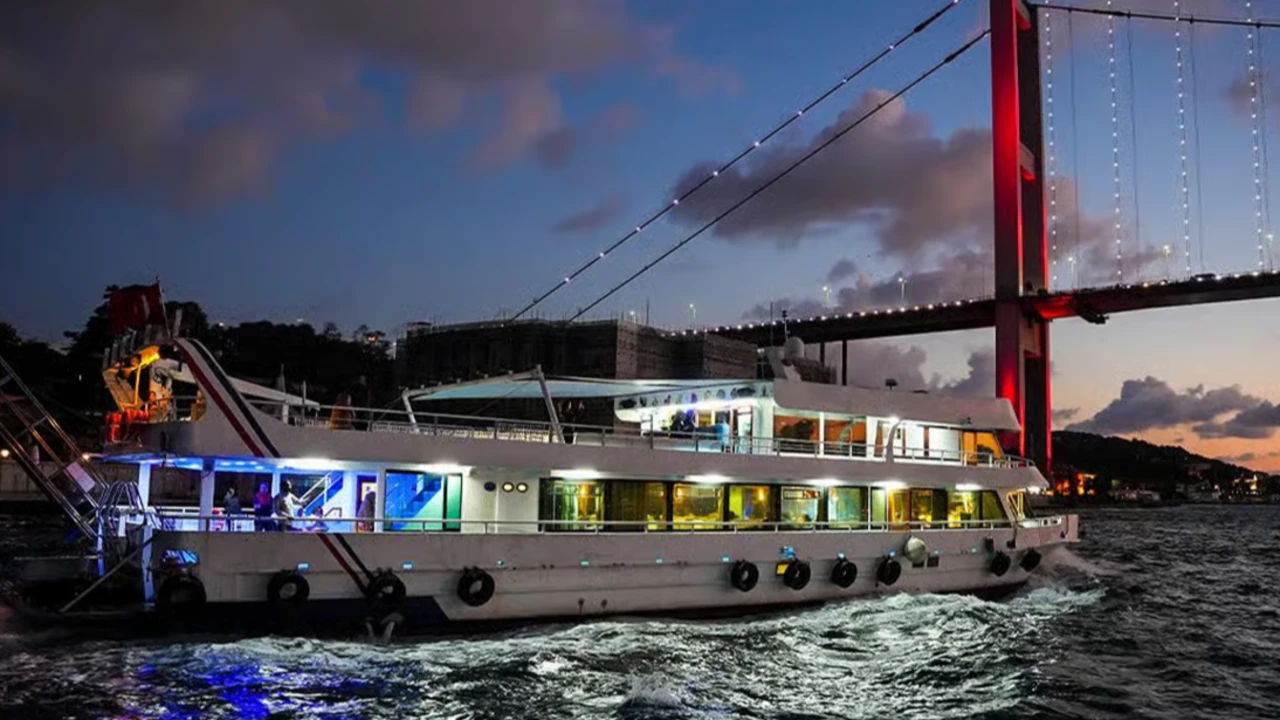
The Historical Peninsula: Istanbul's Cultural Heart
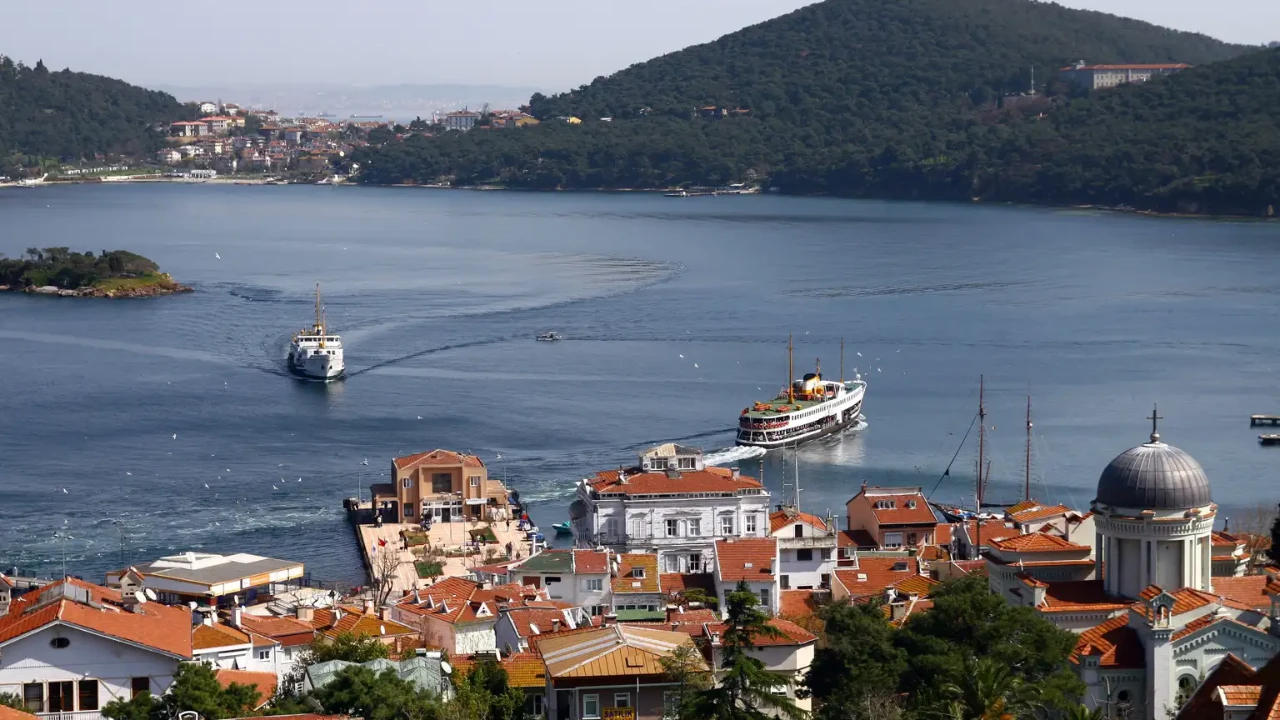
Stretching between the Golden Horn and the Sea of Marmara, the Historical Peninsula is the oldest settlement core of the city. The area surrounding Sultanahmet Square offers centuries of history packed into roughly one square kilometer, making it both possible and pleasant to explore on foot. At one end of the square, you'll find the remnants of the ancient Hippodrome, the Obelisk, and the Serpentine Column; at the other, Hagia Sophia and the Blue Mosque stand facing one another in a timeless architectural dialogue.
One of the greatest advantages of this district is the proximity of the sites. Transitioning from Hagia Sophia to Topkapi Palace, and then to the Basilica Cistern, takes only a few minutes of walking. If you venture into the side streets of the Fatih district, you'll discover the majestic Süleymaniye Mosque and the preserved classical atmosphere of the area. For those looking for focused itineraries, our Sultanahmet culture tours and more comprehensive Fatih culture tours make planning your route effortless.
Hagia Sophia: Where Byzantium and the Ottomans Meet
With a history spanning nearly 1,500 years, Hagia Sophia is perhaps the most powerful symbol of Istanbul. Built as a cathedral in the 6th century during the reign of Byzantine Emperor Justinian, its massive dome pushed the engineering limits of the era, making it the world's largest enclosed space for centuries. Following the Ottoman conquest, it was converted into a mosque, with the addition of minarets, a mihrab, and a minbar.
What makes Hagia Sophia truly unique is how it houses the traces of two great civilizations side-by-side. Inside, Byzantine mosaics exist in harmony with exquisite Ottoman calligraphy. Standing beneath the soaring dome and feeling the sheer scale of the space is often the highlight of any visitor's trip. For a deeper dive into its layered history, our Hagia Sophia guide provides a detailed breakdown of its various eras and must-see details.
Topkapi Palace: The Seat of Ottoman Power
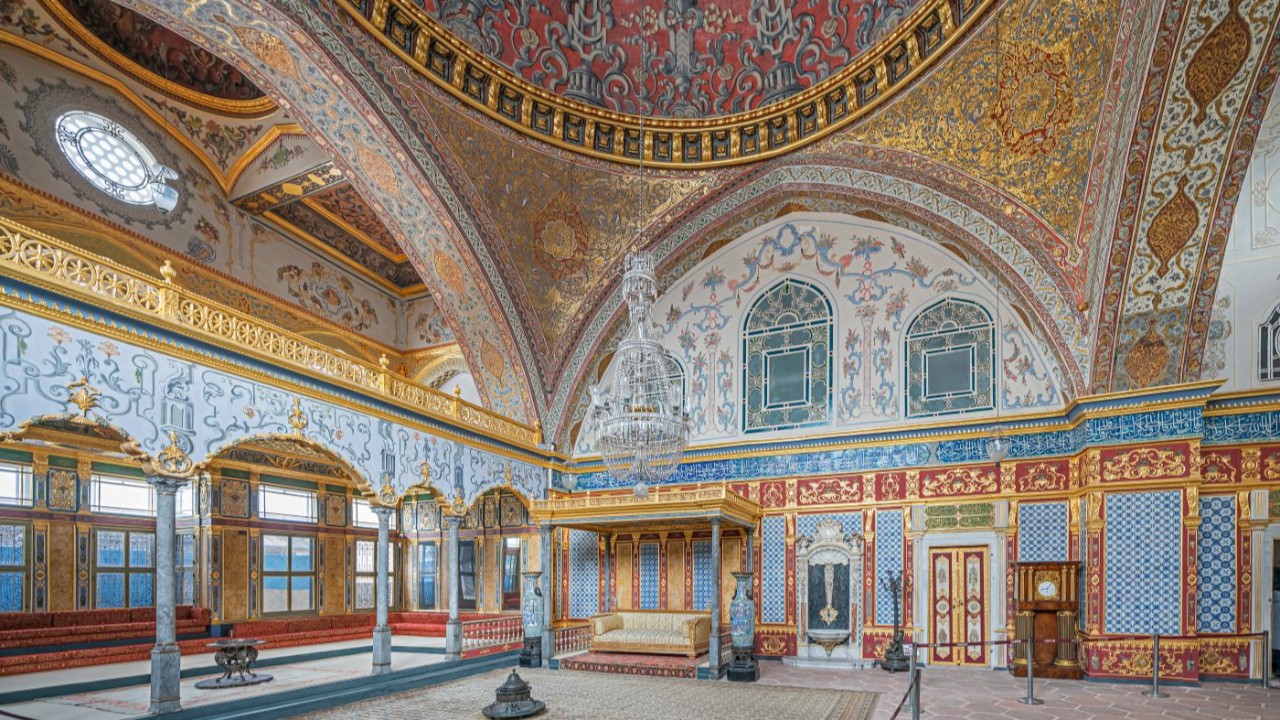
For nearly four centuries, Topkapi Palace served as the administrative center and primary residence of the Ottoman Sultans. Perched on Sarayburnu, it offers commanding views of both the Golden Horn and the Marmara Sea. Rather than a single building, the palace is a sprawling complex of courtyards, pavilions, kitchens, and the legendary Harem. Because of its size, it requires more time to explore than other sites.
The Treasury, the Sacred Relics, the Imperial Kitchens, and the Harem are the most captivating sections. As you move through the courtyards, you can observe how the strict protocols of the Ottoman court were reflected in the architecture. Since the Harem often requires a separate ticket and extra time, we recommend allocating a significant portion of your day here. To plan your visit and the best order of exploration, check out our Topkapi Palace guide.
The Blue Mosque and Surrounding Landmarks
Also known as the Sultan Ahmed Mosque, the Blue Mosque is one of the most stunning examples of classical Ottoman architecture from the 17th century. It derives its nickname from the breathtaking blue and green Iznik tiles that adorn its interior. With its six minarets—a rarity at the time of its construction—and its symmetrical dome arrangement, it stands as a majestic counterpart to Hagia Sophia.
As the mosque is an active place of worship, it is important to remember that visiting hours are scheduled around prayer times. Respecting the silence and adhering to the dress code is essential for a smooth and respectful visit. Since the Hippodrome, the Egyptian Obelisk, and the German Fountain are all located immediately adjacent to the mosque, you can experience multiple historical landmarks in a single stroll.
Museums and Underground Treasures
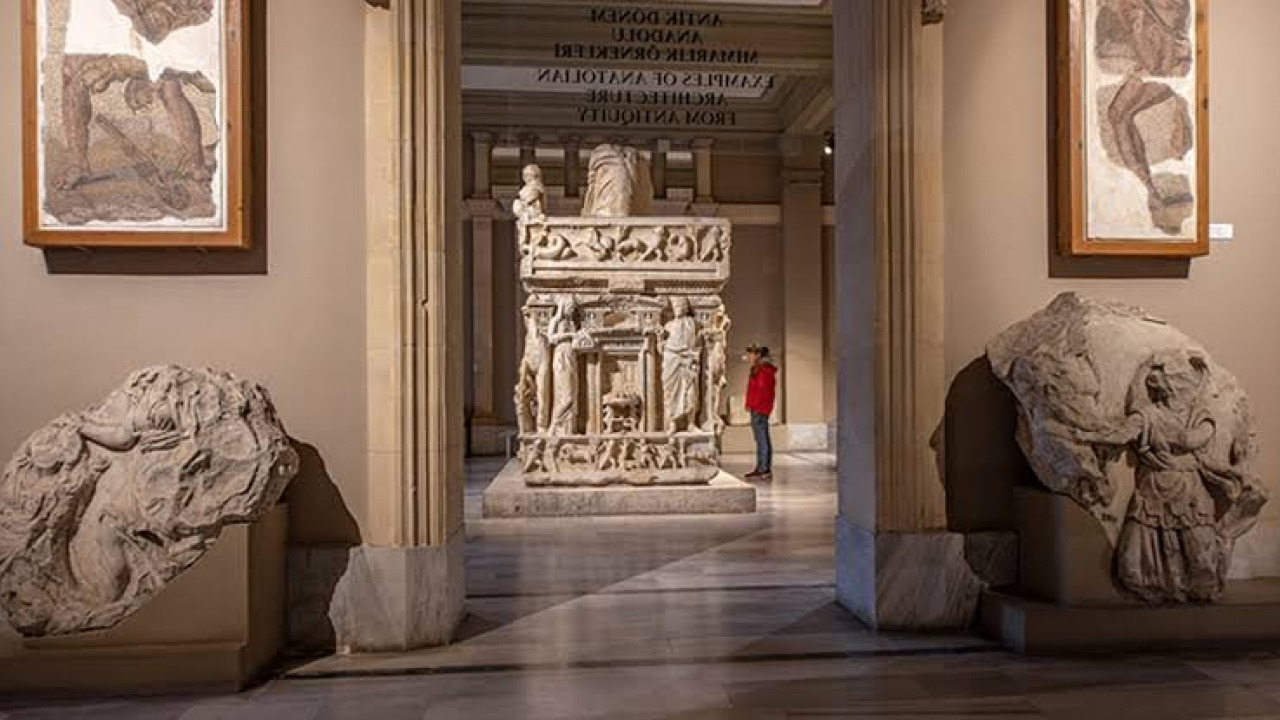
No Istanbul culture tour is complete without exploring the city's museums. The Basilica Cistern, a Byzantine-era water reservoir, is one of the city's most mystical spots, featuring atmospheric lighting, a forest of columns, and the enigmatic Medusa heads. This cool, subterranean environment provides a refreshing break, especially during the heat of the summer.
When combined with the Istanbul Archaeology Museums, the Turkish and Islamic Arts Museum, and the collections within Topkapi Palace, the Historical Peninsula becomes a dense museum circuit. To truly enrich the experience, we suggest taking your time to read the stories behind the collections. To avoid long queues, planning your museum visits for the early morning is a smart move.
Galata, Karaköy, and the Modern Culture Route
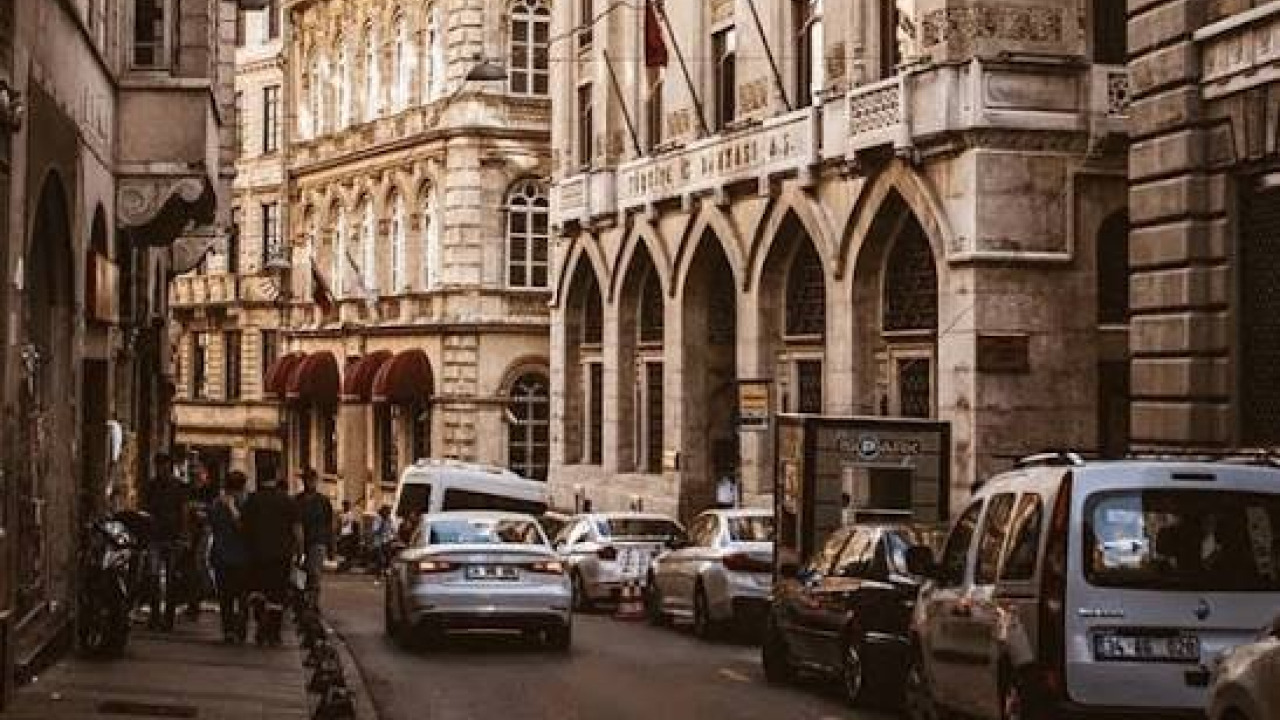
After exploring the Historical Peninsula, crossing the Golden Horn to Galata and Karaköy connects Istanbul's ancient past with its contemporary face. The narrow streets surrounding the Galata Tower—filled with art galleries, design studios, and boutique cafes—add a different rhythm to the traditional history tour. This area is ideal for those who want to see not only where the city has been but where its modern culture is heading.
Karaköy and Galata are perfectly suited for walking exploration. A balanced day plan involves climbing the Galata Tower for a panoramic view of the city and then wandering through the surrounding alleys. After the intensity of the Historical Peninsula, this area offers a more relaxed, free-flowing experience. Getting here is easy via ferry from Eminönü or a combination of tram and walking.
Balat and Fener: The Colorful Face of Istanbul
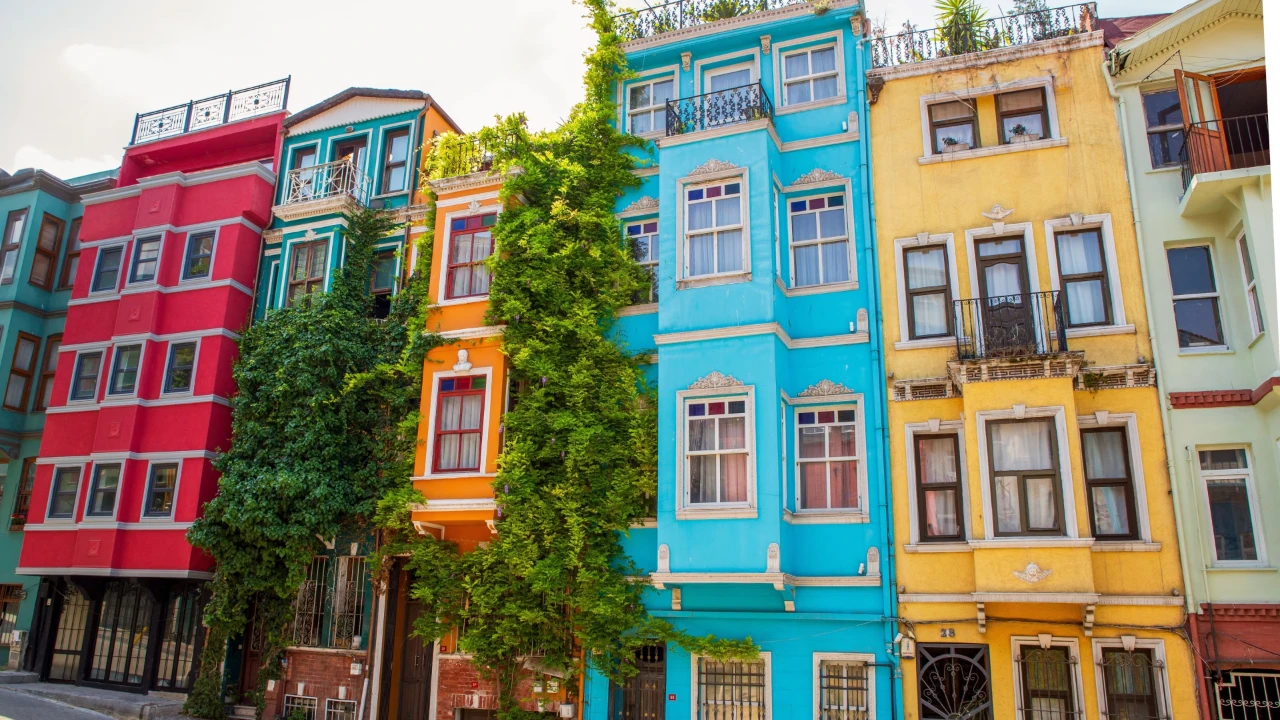
Fener and Balat are among the most vivid reflections of Istanbul's multicultural heritage. With their brightly colored houses, historic churches, synagogues, and steep cobblestone streets, these neighborhoods are favorites for photographers and travelers seeking an authentic atmosphere. Walking here, you can feel how the city hosted diverse communities side-by-side for centuries.
As you move away from the main roads, the streets of Balat reveal a quieter, more domestic side of the city. Antique shops, ornate door knockers, and local coffee houses enhance the charm of the area. After the monumental scale of the Historical Peninsula, Balat and Fener complete the cultural journey by showing Istanbul's more intimate, human-scale side.
Recommended Itineraries and Duration
Given Istanbul's cultural density, smart planning is key. If you only have a half-day, focus on the Sultanahmet Square area: Hagia Sophia, the Blue Mosque, and the Basilica Cistern. If you have a full day, adding Topkapi Palace is a must, though keep in mind that the palace alone can take several hours.
A two-day plan allows for a much more relaxed experience. Devote the first day to the Historical Peninsula and the second day to Galata, Karaköy, Balat, and Fener. This ensures you see both the grand monuments and the local neighborhood textures without rushing. For those planning a more extensive journey, you can use Istanbul as a starting point and expand your trip with our Turkey culture tours, which cover historical centers across the country.
The Best Time for a Culture Tour in Istanbul
While Istanbul is open year-round, spring and autumn are generally the most comfortable seasons for cultural tours. In April and May, the mild weather makes outdoor exploration and long walks delightful. September and October offer a calmer experience as the summer crowds thin and temperatures stabilize. Museum queues are also typically shorter during these windows.
Since the midday summer sun can be draining, we recommend scheduling outdoor walks for the early morning or late afternoon, and visiting cool indoor sites like the Basilica Cistern during the heat of the day. In winter, the city is quieter, making it the perfect time to focus on museums, palaces, and indoor galleries. On rainy days, an indoor-centric itinerary ensures your trip continues uninterrupted.
Transportation and Practical Tips for Istanbul
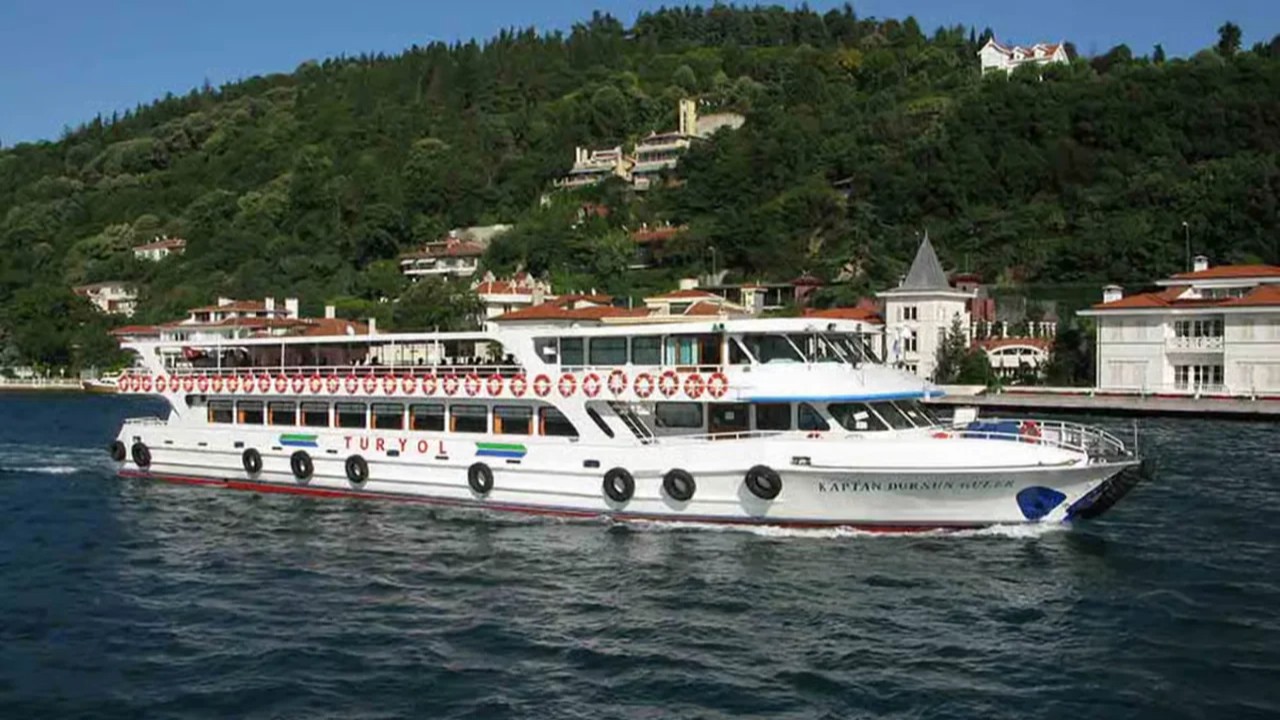
One of the biggest advantages of the Historical Peninsula is the ease of access via public transport. The Sultanahmet tram stop puts you within walking distance of almost every major landmark. Ferries from Eminönü provide a scenic transition to Karaköy and Galata, offering a beautiful view of the Bosphorus. During rush hour, public transport is almost always faster than a private car.
Comfortable walking shoes are essential, as the best way to experience this area is on foot. Carrying a bottle of water, respecting dress codes at mosques and museums, and arriving early at popular sites will make your trip much smoother. Additionally, keep an eye on your valuables in crowded areas and double-check the current visiting hours of the sites you plan to visit to avoid any surprises.
Experience Istanbul with Travel Tour Shop
You can compare and plan your Istanbul cultural journey—including transportation and professional guiding—all in one place via Travel Tour Shop. We provide clear details on tour scope, included services, and itineraries before you book, allowing you to choose the option that best fits your needs. Because our listed providers are vetted based on local experience and guest reviews, you can plan your cultural escape with complete peace of mind.
For first-time visitors, prioritizing sites in such a massive city can be daunting. Our pre-curated cultural programs turn a scattered map into a logical flow, saving you time and stress. To explore our specialized options, visit the Istanbul culture tours page to compare programs of different durations and scopes.
Frequently Asked Questions 5
How many days does an Istanbul culture tour take?
Depending on your interests, a tour can range from a half-day to two full days. A half-day is enough for the main landmarks around Sultanahmet, but a full two-day itinerary is recommended to include Topkapi Palace and the diverse neighborhoods like Balat and Galata.
What are the must-visit sites in the Historical Peninsula?
The top priorities are Hagia Sophia, Topkapi Palace, the Blue Mosque, and the Basilica Cistern. You can expand your visit by adding the Hippodrome ruins, the Istanbul Archaeology Museums, and the Süleymaniye Mosque.
When is the best time for an Istanbul culture tour?
Spring (April-May) and Autumn (September-October) are ideal due to the mild weather and smaller crowds. In summer, plan outdoor activities for the early morning or late afternoon. In winter, focus more on indoor museums and palaces.
How do I get to the Historical Peninsula?
The easiest way is via the tram to the Sultanahmet stop, which is walking distance from most major sites. You can also take ferries from Eminönü to reach Karaköy and Galata. Public transport is generally more practical than cars during peak hours.
What should I keep in mind when visiting mosques and museums?
Mosques are active places of worship; visiting hours are based on prayer times, and a modest dress code is required. For museums, we recommend arriving early in the morning to avoid long queues and verifying the current visiting hours in advance.