
Istanbul's historic bazaars and hans (caravanserais) are concentrated in a narrow area nestled between Eminönü and Beyazıt on the southern shore of the Golden Horn: covered bazaar streets, thick-walled bedestens, courtyard hans, and arastas linked to mosque complexes. Most of these structures are not museums but still bustling workplaces; your visiting hours will coincide with the shopkeepers' business hours. This guide goes beyond a mere shop directory, offering a deeper understanding of the area: what each building type signifies, who built them and when, how to get there, the best days and times to visit for a smooth experience, and how to structure a perfect half-day itinerary.
Quick Facts
| Topic | Information |
|---|---|
| Location | Fatih district; the slope between Eminönü waterfront and Beyazıt |
| Building Types | Bedesten, han, arasta, covered bazaar street |
| Period | Ottoman trade network built upon Byzantine trade routes |
| Transport | T1 tram (Eminönü, Çemberlitaş, Beyazıt-Kapalıçarşı), Marmaray transfer at Sirkeci, Eminönü ferry piers |
| Closing Day | Grand Bazaar closed on Sundays and religious holidays |
| Recommended Duration | Half-day walk; a full day including han courtyards |
| Terrain | Stone-paved, with some steep inclines; flat, comfortable shoes are recommended |
What to See in the Bazaars and Hans?
Four types of structures can be observed in the region: the thick-walled bedesten where valuable goods were stored, the courtyard han where merchants lodged, the arasta generating income for a mosque complex, and the covered bazaar street. Each type has a distinct function and a unique architecture born from that function; knowing the difference explains why the courtyard you enter is built in a certain way and transforms the rest of your visit.
Bedesten: The Thick-Walled Core
A bedesten is a secure, enclosed structure where valuable goods were safely stored and exchanged. Thick stone walls, a series of domes above, and iron gates that closed at night all stem from the same need: a protected space against fire and theft. The core of the Grand Bazaar is also a bedesten. According to the Culture Portal, the bazaar was established in 1461 by Fatih Sultan Mehmet to generate income for Hagia Sophia, gradually expanding with surrounding streets to its current impressive size.
Han (Caravanserai): Courtyard, Stables, and Room Layout
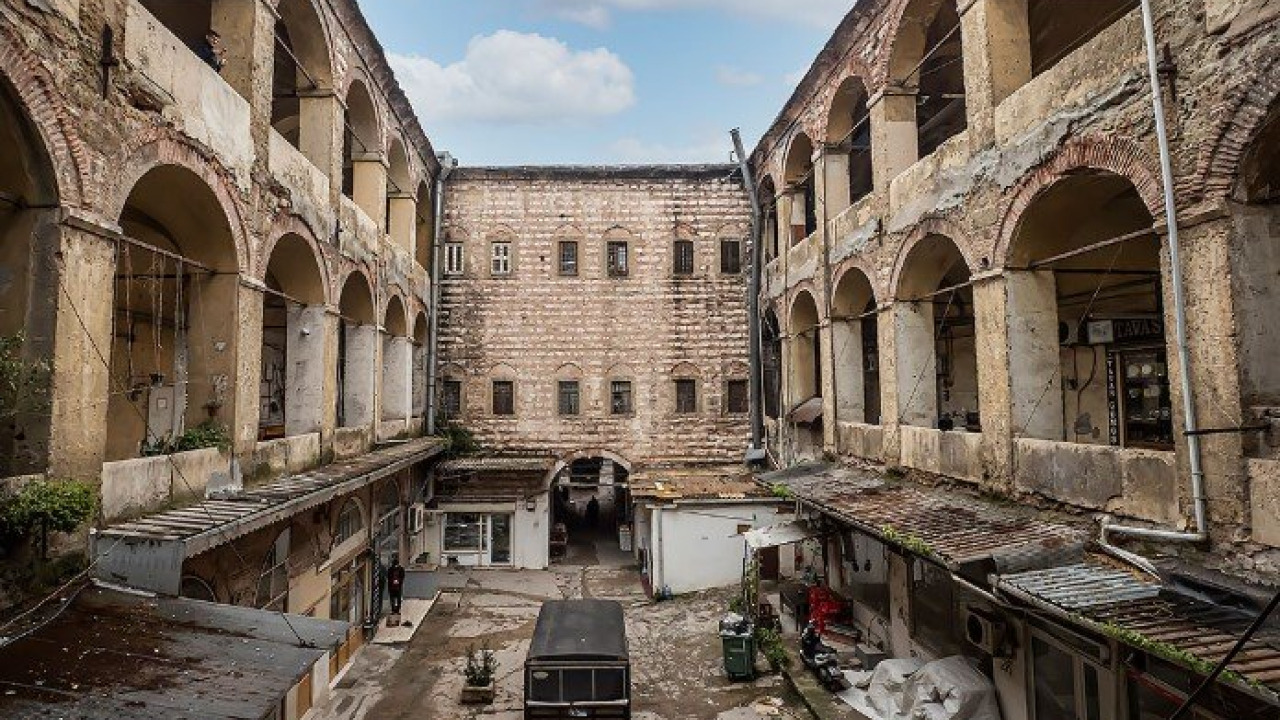
A han serves as the accommodation and storage hub for trade. Merchants arriving from outside the city would bring both themselves and their goods behind the same gate: stables, storage, and workshops on the ground floor, rooms on the upper floor, and a courtyard in the center. Büyük Valide Hanı on Çakmakçılar Yokuşu is a large-scale example of this type. According to the Turkish Religious Affairs Foundation's Encyclopedia of Islam, it was commissioned during the reign of Murad IV by the Valide Sultan Kösem Sultan to support her foundations. This grand structure boasts three courtyards and approximately 210 rooms, with a Byzantine-era tower still standing proudly in one corner.
Arasta and Bazaar Street: Architecture of Endowment Income
An arasta is a linear row of shops, typically attached to a mosque complex, whose rents would cover the expenses of the mosque, madrasa, or soup kitchen. The Spice Bazaar in Eminönü was established with this logic, serving as the arasta for the Yeni Cami (New Mosque) complex. The Arasta Bazaar in Sultanahmet, on the other hand, is a smaller-scale example of this layout. The entrance to the Great Palace Mosaics Museum is also located on this street, though according to the Istanbul Provincial Directorate of Culture and Tourism, the museum has been closed for earthquake strengthening and restoration works since April 10, 2023. You can still explore the street, but don't plan a museum visit.
| Building Type | Function | Architectural Signature | Where to Spot It |
|---|---|---|---|
| Bedesten | Trade of valuable goods and secure storage | Thick walls, dome series, iron gates | The inner core of the Grand Bazaar |
| Han | Accommodation, storage, wholesale, manufacturing | Courtyard, portico, stables and storage on lower floor | Çakmakçılar and Mahmutpaşa slopes |
| Arasta | Row of shops generating income for a mosque complex | Linear plan, sequential corridor | Spice Bazaar, Sultanahmet Arasta |
| Bazaar Street | Retail sales and craft production | Covered street, small shops in a row | Grand Bazaar streets, Tahtakale line |
For those who wish to understand this distinction on-site with a guide, Istanbul city center cultural tours are structured with this walking logic; the program fits a bedesten, han courtyard, and arasta into the same day.
Who Built the Grand Bazaar and Spice Bazaar, and When?
The Grand Bazaar was commissioned by Fatih Sultan Mehmet in 1461, while the Spice Bazaar was built between 1660-1664 by Turhan Sultan, the mother of Mehmet IV; there are approximately two centuries between the two structures. According to Fatih District Governorship records, the Grand Bazaar today spans a vast 45,000 square meters of covered space, featuring 65 streets, 3,600 shops, and 11 gates; within its boundaries, 14 hans are counted. The Spice Bazaar, as per the Culture Portal, is an arasta with six gates, constructed by the chief imperial architects Kâzım Ağa and Mustafa Ağa. According to the Istanbul Governorship, the bazaar was repaired after the 1940 fire, its infrastructure renovated between 2013 and 2018, and it currently houses 113 shops.
| Structure | Commissioned By | Period | Current Status |
|---|---|---|---|
| Grand Bazaar | Fatih Sultan Mehmet | 1461 | Open Monday-Saturday, closed Sunday |
| Spice Bazaar | Turhan Sultan, Yeni Cami complex | 1660-1664 | Open seven days a week (except October 29 and religious holidays), 113 shops |
| Büyük Valide Hanı | Kösem Sultan | Murad IV era | Courtyards operational, roof closed to visitors |
| Rüstem Paşa Camii | Mimar Sinan | 16th century | Open for worship after restoration began in 2016 |
| Great Palace Mosaics Museum | Great Palace of Eastern Rome | 5th-6th century | Closed to visitors due to earthquake strengthening and restoration |
Three rows in the table, in particular, might alter your plans. The famed rooftop of Büyük Valide Hanı, known for its panoramic views, has been closed to visitors for years following a collapse caused by visitors climbing onto the domes. While entering the courtyards is still possible, do not include a rooftop visit in your itinerary. According to the General Directorate of Foundations, the restoration of Rüstem Paşa Camii, which began in 2016, has been completed, and the structure reopened for worship in November 2020. This mosque, located just above the Spice Bazaar, offers a natural break during your bazaar stroll, renowned for its exquisite tile work. As it is an active place of worship, it's best to plan your visit outside of prayer times, especially Friday prayers. The third row is the Great Palace Mosaics Museum: since its restoration closure continues, do not visit the Arasta Bazaar with the expectation of entering the museum. For those wishing to delve deeper into the Grand Bazaar's internal structure and history, you can explore our guide on The Grand Bazaar: Istanbul's Historic and Commercial Heart. The Tahtakale line and the Sahaflar Çarşısı (Booksellers' Bazaar) on the Beyazıt side are also extensions of the same trade network and form the two ends of the walk.
How to Get to the Historic Bazaars Area?
The most practical way to enter the area is via the T1 Kabataş-Bağcılar tram line: the Eminönü, Sirkeci, Çemberlitaş, and Beyazıt-Kapalıçarşı stops are all within walking distance of the bazaar gates. Transfers to Marmaray can be made at Sirkeci, and to ferries at Eminönü.
By Tram and Marmaray
According to Metro Istanbul data, the 19.3-kilometer T1 line traverses the bazaar district from end to end. A Marmaray transfer is possible at the Sirkeci stop, offering a traffic-free entry for those coming from the Anatolian side. The walk from the Eminönü tram stop to the Spice Bazaar gate takes just a few minutes. If you wish to go from the same point to the Nuruosmaniye side of the Grand Bazaar, an uphill walk of approximately one kilometer via the Tahtakale and Uzunçarşı line will take 15-20 minutes at a brisk pace.
From Eminönü Shore by Ferry
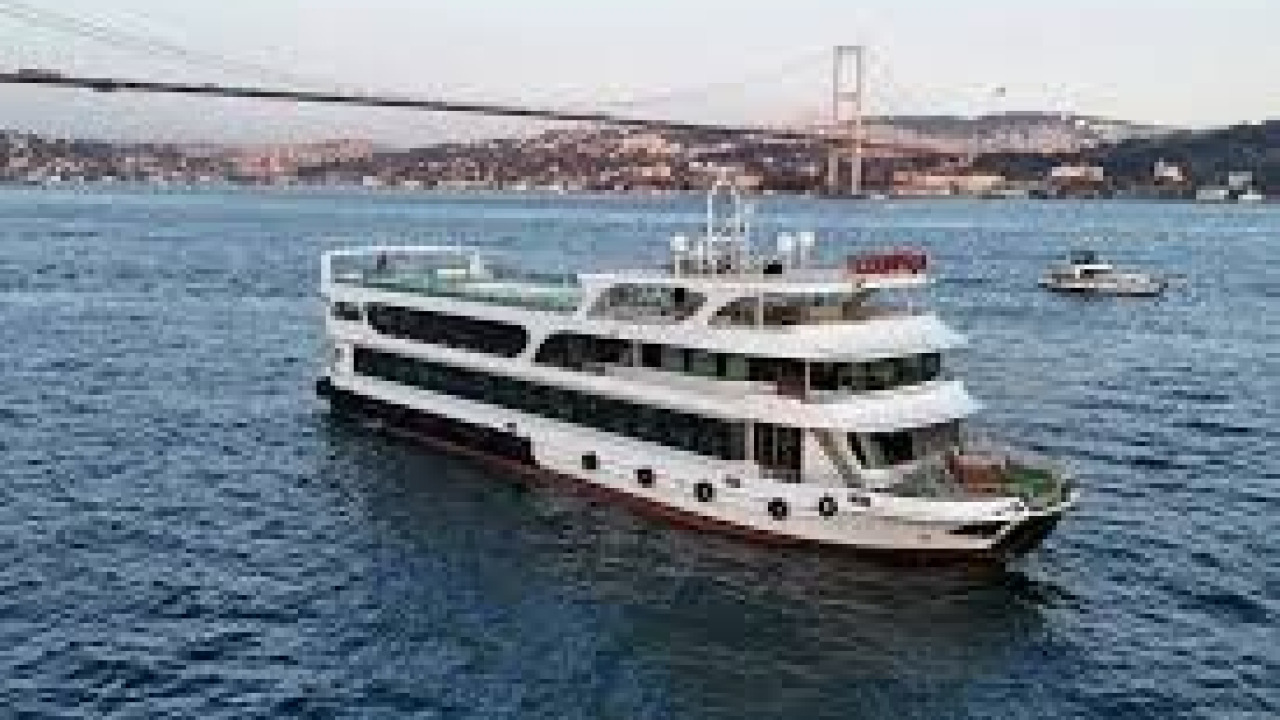
The sea route offers a different starting point for those wishing to enter the area from the coast. According to Şehir Hatları (City Lines) records, Eminönü hosts multiple piers, including Evliya Çelebi, Hezarfen Ahmet Çelebi, and Galata. Since some lines may be subject to periodic adjustments and services occasionally shortened to Karaköy, it's advisable to confirm the current schedule via Şehir Hatları's official announcements before setting off, to save time. For Şehir Hatları Bosphorus tour tickets, different tariffs apply based on visitor type; the fare table includes separate lines for local and foreign passengers. For current prices, please check the sehirhatlari.istanbul fare page. Once you exit the pier and cross the coastal road, you'll find yourself at the waterfront edge of the bazaar district.
When to Visit the Historic Bazaars: Days and Hours?
If you plan to visit the Grand Bazaar, avoid Sundays. The most comfortable walking window is weekdays between 9:00 AM and 11:00 AM, as the choice of day and time is often more crucial than the season in this area. According to the Culture Portal, the Grand Bazaar is open from Monday to Saturday between 8:30 AM and 7:00 PM, and is closed on Sundays and religious holidays. According to the Istanbul Governorship, the Spice Bazaar is open seven days a week until evening hours; it only closes on October 29 and religious holidays. Hans, being active commercial establishments, operate on a business schedule: they come alive after 9 AM, empty out in the late afternoon, and are largely quiet on Sundays.
| Time Slot | Benefits | Things to Note |
|---|---|---|
| Weekdays 09:00-11:00 | Shops are just opening, streets are empty | Some workshops open later |
| Weekdays 12:30-13:30 | Tradesmen's restaurants at their busiest | Heavy loading and handcart traffic |
| Saturday afternoon | All bazaars open simultaneously | Crowded, walking pace slows |
| Sunday | Han courtyards and streets quiet | Grand Bazaar closed, most shops closed |
| November-March | Covered streets advantageous in rain | Stone pavement can be slippery when wet |
| July-August | Early morning hours are cool | Humidity increases in covered streets in the afternoon |
Visitors wishing to combine this area with other stops on the Historic Peninsula can plan an itinerary using the Istanbul cultural tours options.
Taking a Break in a Han Courtyard: The Rhythm of Dining
In this area, dining isn't just a standalone activity; it's a logistical element that sets the rhythm of your walk. Tea houses operating in the han courtyards are open all day, and sitting in a courtyard offers visitors a complimentary vantage point for observation. Tradesmen's restaurants fill up with bazaar workers during lunchtime; waiting in line between 12:30 PM and 1:30 PM is common, so it's easier to either take your break around 11:30 AM or postpone it until after 2:00 PM. Prices vary by establishment, so it's best to check with the business for current rates. Continuing your walk with a quick bite is often more practical than sitting down at a table in the covered streets.
A Half-Day Bazaar and Han Walking Tour
Starting your route from the coast ensures you tackle the uphill sections with fresh legs and avoids climbing the same incline twice. The following sequence reads the area according to the evolution of building types.
- Start at the Shore: Begin at Eminönü pier square, observe the historical line where sea trade met land, and cross the coastal road.
- Enter an Arasta: Go through one of the Spice Bazaar's six gates and walk the linear corridor from end to end, observing how the mosque complex and bazaar seamlessly connect.
- Turn to the Slope: Veer into the Tahtakale streets and witness the daily hustle of the wholesale district; this is the bazaar's unadorned, 'windowless' face.
- Explore Han Courtyards: Enter the open han gates lined along Çakmakçılar Yokuşu (Çakmakçılar Slope) and examine the layout of courtyards, porticoes, and upper-floor rooms.
- Reach the Bedesten: Enter the Grand Bazaar through the Mahmutpaşa or Nuruosmaniye gate and proceed towards the inner bedesten, noticing how streets are named after specific craft guilds.
- Finish at Beyazıt: Exit through the Beyazıt gate, visit the Sahaflar (Booksellers') Bazaar line, and conclude your walk at the tram stop.
Visitors arriving at the port with limited time can complete the same sequence with a shortened program. For those wishing to combine the day with museums on the Historic Peninsula, our Historic Peninsula and Museums Guide offers a continuation of the route.
Visiting Tips and Etiquette
Photography and Permissions
Taking photos in the streets, courtyards, and of general architectural details is usually welcomed. When photographing inside shops, employees, or displayed products, it's a courtesy to ask for permission from the shopkeepers; some workshops may not allow indoor photography due to their production methods. It's both a safety and etiquette matter to avoid blocking the path of workers loading goods in han courtyards.
Bargaining and Shopkeeper Relations
Bargaining is a well-established trade tradition in this region, but the process is expected to be conducted with respect. Asking about a product's story or learning which workshop it came from often opens up a more fruitful conversation than just discussing the price.
A few tips to make your walk easier:
- Opt for flat, non-slip shoes; the ground is stone-paved and hilly.
- Yield to handcarts carrying goods and porters; avoid stopping to take photos in narrow streets.
- Han courtyards are generally open during the day; do not attempt to enter rooms and storage areas, as they are private property.
- If you plan to visit the Grand Bazaar, avoid Sundays, otherwise you'll find closed doors.
- If making a valuable purchase, request documentation and an invoice during the transaction.
Practical tip: The street names in the area often derive from professional guilds; following gate and street names like Kuyumcular (Jewelers), Örücüler (Weavers), or Takkeciler (Cap Makers) can help you navigate faster than consulting a map.
Frequently Asked Questions 5
Is the Grand Bazaar open on Sundays?
The Grand Bazaar is closed on Sundays. According to the Culture Portal, the bazaar is open from Monday to Saturday between 8:30 AM and 7:00 PM and is also closed on the first day of religious holidays. If your itinerary falls on a Sunday, the Spice Bazaar and the surrounding open-air bazaar lines offer alternatives, but keep in mind that han courtyards are also largely quiet on this day.
Is there an entrance fee for historic hans?
There is no fee to enter the courtyards of hans and observe their common areas; these structures are active commercial establishments, not museums. However, rooms, storage areas, and workshops are for private use and may be closed to visitors. The situation changes if you add a museum affiliated with the Ministry of Culture and Tourism to your program: at Ministry museums, the Museum Pass (Müzekart) is only valid for Turkish citizens, and different tariffs apply based on visitor type. For current prices, please check muze.gov.tr.
How do I get to the bazaar and han area by public transport?
The T1 Kabataş-Bağcılar tram line traverses the area from end to end; the Eminönü, Sirkeci, Çemberlitaş, and Beyazıt-Kapalıçarşı stops are all within walking distance of the bazaars' gates. A Marmaray transfer is possible at the Sirkeci stop. Those preferring the sea route can use the Eminönü piers, but since services can be subject to periodic adjustments, it's necessary to confirm the current schedule via Şehir Hatları's official announcements.
How long does it take to visit the historic bazaars?
Walking the route between the Spice Bazaar and the Grand Bazaar takes about half a day. Entering han courtyards and examining architectural details, along with breaks, extends the visit to a full day. Since the labyrinthine layout of the streets slows down walking speed, planning based on the number of stops rather than distance yields more realistic results.
What's the difference between a bedesten, han, and arasta?
A bedesten is a thick-walled, enclosed structure where valuable goods were stored, forming the core of a bazaar. A han is a multi-story, courtyard structure where merchants lodged and stored their goods; it features stables and storage on the lower floor and rooms on the upper floor. An arasta, on the other hand, is a linear row of shops that generates income for a mosque complex; the Spice Bazaar is a prime example of this type in Istanbul.