
Nestled in the eastern foothills of the Jordan Valley, right next to the village of Tabaqat Fahl, lies a valley mouth cradled between two slopes. The spring emerging from this cleft, known as Wadi Jirm, has been the lifeblood of the surrounding olive groves and the reason for millennia of continuous settlement. The very name of the tell (mound) speaks to this continuity: Fahl, from the village's name, is the modern echo of the Semitic Pihil mentioned in ancient texts, while Hellenistic inhabitants adapted the sound to resemble Pella, a city in Macedonia. As you step onto the site, you won't find the rock-cut facades of Petra or the unbroken colonnaded streets of Jerash. Instead, Pella Ancient City tells a story that's more vertical than horizontal: within the same ten-hectare area, a Neolithic house foundation sits beneath a Bronze Age palace, which in turn lies under a Roman bathhouse, topped by a Mamluk-era mosque. VisitJordan.com, the official tourism board, describes Pella as one of the country's settlements with the longest continuous pre-classical history.
Quick Facts
| Topic | Information |
|---|---|
| Location | Eastern foothills of the Jordan Valley, Irbid Governorate, adjacent to Tabaqat Fahl village |
| Ancient Name | Pella (Hellenized form of the Semitic Pihil) |
| Settlement Span | Approximately 6000 BCE (Neolithic dwellings) to 1350 CE (Mamluk mosque) |
| Site Scale | Approximately ten-hectare tell (mound) and surrounding excavation areas |
| Key Remains | Civil complex, odeon, bathhouse, fountain structure, three Byzantine churches, bishop's residence |
| Drive from Amman | Approximately 1.5 to 2 hours north |
| Best Time to Visit | Spring and Autumn |
| Recommended Duration | 2.5 to 4 hours |
| Ticket | Included in the Jordan Pass site list |
What Sets Pella Apart from Other Ancient Cities in Jordan?
Most ancient cities in northern Jordan greet visitors with architecture from a specific period. Pella's distinction lies in the successive layers of history, one atop the other on the same tell, which excavations have brought to light. The University of Sydney team has been working on the site for over forty-five years, and their published chronology vividly illustrates which centuries correspond to the layers beneath your feet. The table below summarizes which periods are represented by which remains on the site.
| Period | Approximate Date | Remains on Site |
|---|---|---|
| Neolithic | 6000 BCE | Dwelling remains |
| Chalcolithic | 4th Millennium BCE | Settlement traces |
| Early Bronze Age | 3200 BCE | Defensive platforms |
| Middle Bronze Age | 1800 BCE | Mudbrick city walls |
| Middle and Late Bronze Age | 1800 to 1200 BCE | Temples and palaces |
| Late Bronze Age | 1350 BCE | Egyptian governor's residence and clay tablets |
| Hellenistic Period | Destruction by war in 80 BCE | Extensive areas of the Hellenistic city |
| Roman Period | 150 CE | Theater, bathhouse, and fountain |
| Byzantine Period | 550 CE | Three churches and a bishop's residence |
| Umayyad Period | 750 CE | Islamic city destroyed by earthquake |
| Abbasid Period | 950 CE | Caravanserai |
| Mamluk Period | 1350 CE | Mosque and administrative complex |
Two Layers of a Name: From Pihil to Pella
The name of the place itself is a summary of its history. Pihil, the Semitic name for the region, was adapted to the Greek pronunciation as Pella during the Hellenistic period. Fahl, in the name of the modern village, is the Arabic equivalent of that same ancient root, meaning the name has revolved around the same sound for over three millennia. On road signs and in local conversation, you'll see Tabaqat Fahl, while excavation reports and ticketing systems refer to Pella; both denote the same location.
Its Place Within the Decapolis
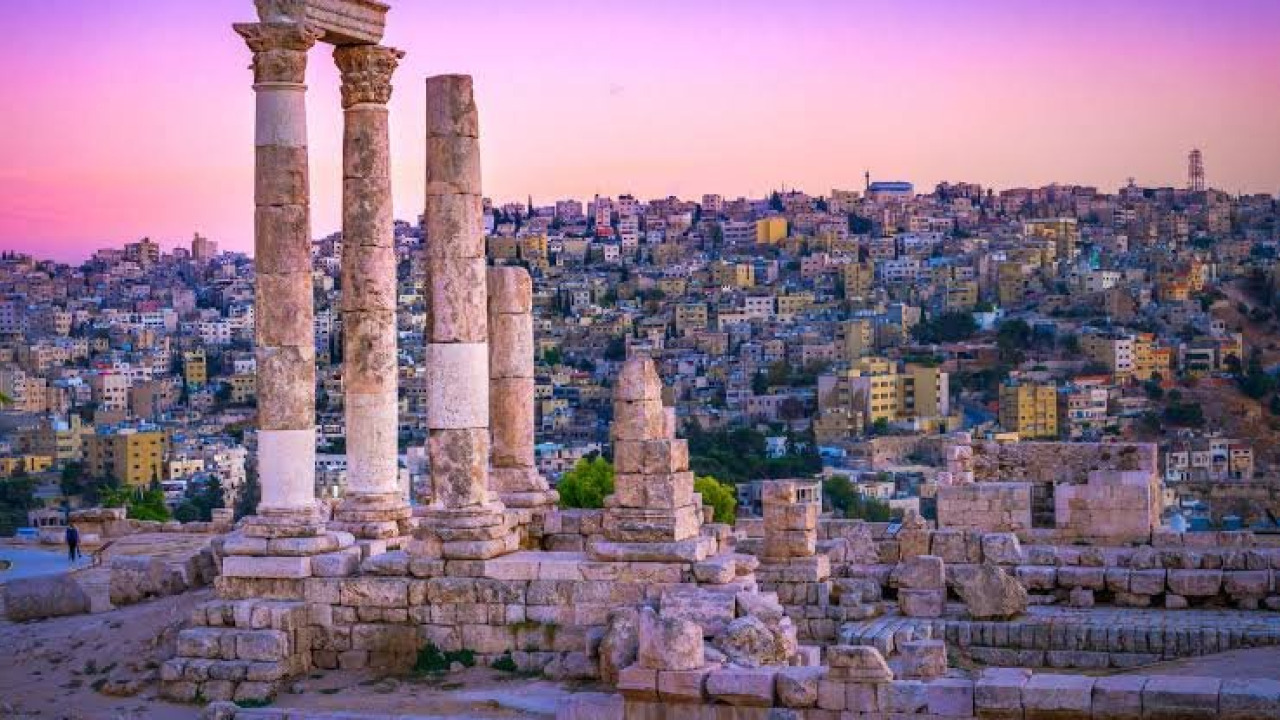
Pella is counted among the Decapolis cities, a network connected by paved roads during the Roman era. Other well-known members of this network include Amman (then Philadelphia), Umm Qais (Gadara), and Jerash (Gerasa). Pella's strength within this network came less from monumental scale and more from its strategic location: the fertile agricultural lands of the valley floor and the constantly flowing spring sustained the city in terms of production. For readers interested in exploring Roman-era architecture as a whole, our Italy travel guide offers a look at the same architectural language at its heart.
When to Visit Pella?
The primary factor determining your visit period is the site's elevation. Unlike the highland plateau where the capital is located, Pella is close to the Jordan Valley floor and gets significantly hotter in summer. Shade is scarce, and much of the walking is on slopes.
| Period | Site Conditions | Planning Note |
|---|---|---|
| March to May | Mild weather, green slopes, and wildflowers | Days are long; early mornings are the most comfortable for walking |
| June to August | High temperatures due to valley elevation, dry ground | Spend midday off-site, increase water intake |
| September to November | Temperatures drop, light softens, crowds are smaller | Early and late hours of the day are best for photography |
| December to February | Cool and rainy period, muddy slopes | Paths become slippery; sturdy, grip-sole shoes are essential |
Excavation season dates vary year to year; if you happen to visit during a season, you'll see freshly opened sections. Outside these periods, some areas might be covered for protection.
Structures and Excavation Areas to See in Pella
The Main Tell and the Mouth of Wadi Jirm
The core of the site is the main tell, referred to as Khirbet Fahl in excavation publications. The tell rises at the point where Wadi Jirm opens into the valley, overseeing the intersection of spring water and agricultural land. This is precisely why settlement persisted here for so long: water, a defensible elevation, and fertile plains all converge. As you walk on the tell, you can discern different colored soil bands in the walls of the excavation sections; each band corresponds to a distinct phase of settlement. There's no shade here at midday, so it's advisable to schedule your tell tour for the early hours.
The Civil Complex and Odeon
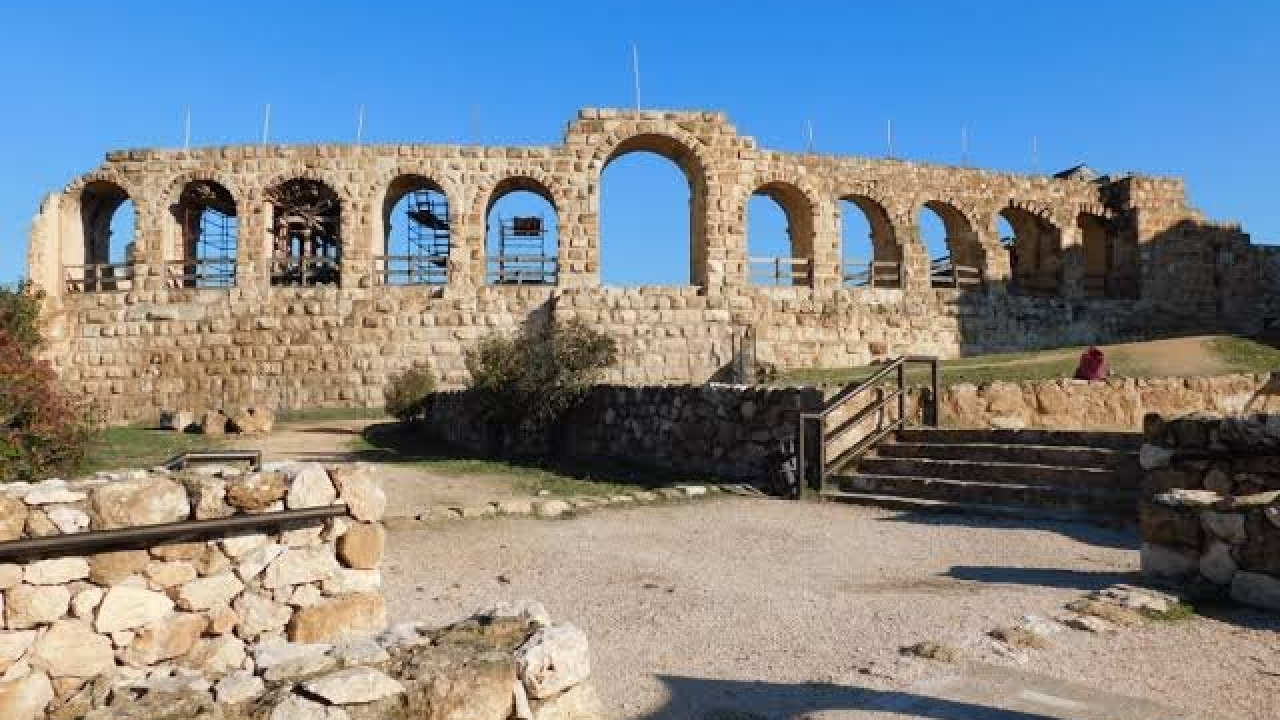
On the flat plain at the head of Wadi Jirm, you'll find the area the excavation team calls the civil complex. This group includes the large church identified as a cathedral, an odeon, and remains believed to be part of a bathhouse structure. The odeon served as the city's venue for meetings and performances, with its seating rows built into the hillside. As you sit on the steps, the agricultural fields stretching along the valley come into view, a panorama that also speaks to the ancient city's economy.
Roman Bathhouse and Fountain Structure
According to excavation reports, the site's theater, bathhouse, and public fountain date back to approximately 150 CE. The fountain structure marks the point where spring water became visible in the city center. Reading these two together truly illustrates why Pella was established at this valley mouth: water is the common denominator of every era here. Pay close attention to the traces of channels and pipes on the remains; these details reveal how water was transported from the spring to the structures.
Byzantine Churches and the Episcopal Center
Three Byzantine churches, dating to approximately 550 CE, along with a bishop's residence, have been unearthed at the site. This concentration indicates that Pella was an episcopal center during the Byzantine period. The churches are scattered across different points of the tell, with the largest being the cathedral within the civil complex. Early church writers, Eusebius and Epiphanius of Salamis, recount a tradition that the Christian community sought refuge in Pella before the destruction of Jerusalem in 70 CE. The historical accuracy of this account is debated in academic circles, thus it represents a written tradition rather than a definitively confirmed archaeological finding on site. For those seeking a program focused on ancient cities and religious architecture, our cultural tours in Turkey category offers similar themes within the geography of Turkey.
Bronze Age Temple and Palace Layers
Pella's pre-classical layer is the section that defines the site's archaeological significance. Excavations have revealed mudbrick city walls dating to approximately 1800 BCE, along with temple and palace structures from between 1800 and 1200 BCE. Among these, an Egyptian governor's residence from around 1350 BCE and the clay tablets found there hold particular importance, as they document the region's inclusion in the Egyptian administrative network of that period. For visitors, this layer may not appear monumental at first glance, consisting mainly of foundation walls and floor traces. It's crucial not to bypass the information panels, as the true depth of the site's history lies hidden here.
Tell Husn and the Opposite Slope
The elevation opposite the main tell is known as Tell Husn in excavation literature. From this vantage point, the civil complex, the valley mouth, and the tell all appear within the same frame, making it the preferred spot for panoramic photos of the site. The slope is steep and the path stony; postponing this climb during hot hours will make the rest of your day more comfortable.
Islamic Period Layers
Pella's story doesn't end with Rome and Byzantium. Excavations have documented an Umayyad-era city destroyed by an earthquake around 750 CE, an Abbasid caravanserai from approximately 950 CE, and a Mamluk mosque and administrative complex dating to around 1350 CE. The earthquake layer is particularly striking: everyday objects found beneath the collapsed walls offer a direct glimpse into daily life in the city at that time. The caravanserai, meanwhile, indicates that the settlement continued to thrive as a trade route even after the destruction. For those who enjoy exploring city textures and historical layers on foot, our historical city tours in Turkey offer similar experiences.
Which Walking Order Saves Time on Site?
Signage at Pella is limited, and excavation areas are connected by paths. The following order is designed to help you avoid spending the hottest hours on exposed slopes.
- After entering, descend to the civil complex at the valley mouth, starting with the odeon and bathhouse remains.
- Explore the cathedral structure and surrounding church remains on the same plain.
- Ascend the main tell, following the excavation sections and the foundation traces of the Bronze Age layer.
- From the top of the tell, survey the valley views and the overall layout of the site.
- Climb the opposite rise of Tell Husn to get your panoramic photos from there.
- On your return, proceed through the olive groves around the spring and past the Islamic period layers towards the exit.
This route typically takes between 2.5 and 4 hours.
Getting There from Amman and Irbid
Visa requirements vary by nationality and are updated periodically; please confirm with the official source of the Jordan Tourism Board before your trip.
Entry to Jordan from Turkey and Driving from Amman
Scheduled flights from Turkey to Jordan primarily land at Amman's international airport. The drive north from the city, according to visitjordan.com, takes approximately 1.5 to 2 hours. The route generally proceeds as follows:
- From Amman, head west towards Salt and follow the road descending to the valley floor.
- Once you reach the valley floor, turn north and join the main road that traverses the Jordan Valley.
- Follow signs for Irbid and Tabaqat Fahl, turning east off the valley road towards the hillside.
- Pass through the village to reach the site's parking area.
The valley road is flat and fast, but the final section climbing the hillside can be narrow. The site is on the same route as Umm Qais to the north, making it a common choice to combine both locations in one day.
Public Transport vs. Rental Car
Public transport options in the region are limited, and schedules are not flexible. The common method is to take a bus from Amman to Irbid, then transfer to a minibus or shared taxi heading towards Tabaqat Fahl. Be sure to clarify the return time before boarding, as evening services become less frequent. A rental car, however, offers a more flexible solution due to the site's location, allowing you to combine it with other stops along the valley route. Opting for a guided tour is another excellent option that bridges the gap in on-site signage.
Dining and Accommodation Areas
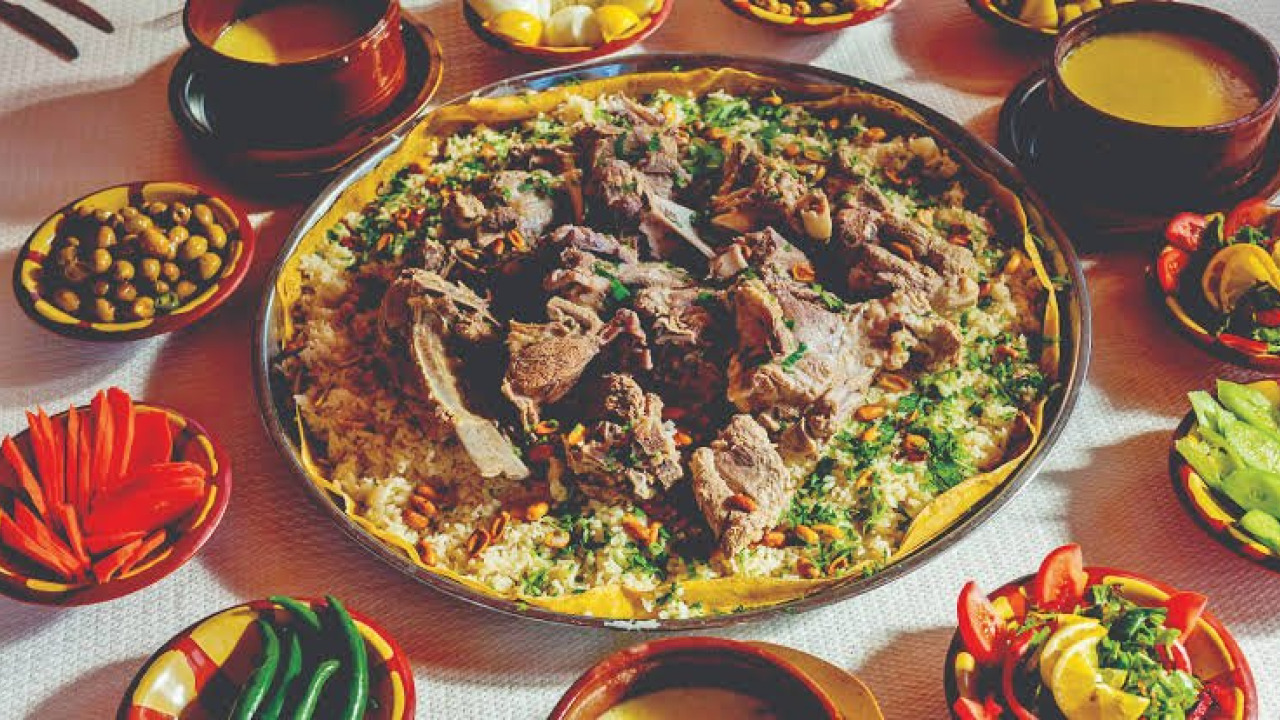
There are no restaurants within the ancient city itself. In Tabaqat Fahl village and at local establishments along the valley road, you'll find simple dining options; menus typically revolve around grilled dishes, mezze, and baked goods. The Jordan Valley is a zone of intensive agricultural production, so depending on the season, you might find citrus, bananas, and vegetables sold at roadside stalls. Fuel and grocery stops become sparse along the valley road, so stocking up on your essentials in Irbid or larger settlements on the main highway will save you time.
| Accommodation Area | Character | Suitable for |
|---|---|---|
| Amman | Widest range of facilities, airport connection | Those exploring the country from a central base |
| Irbid | Closest urban base in the north, university town vibe | Those dedicating a few days to the northern route |
| Jordan Valley villages | Limited number of small-scale accommodations | Those wanting to be on-site early in the morning |
| Northern hills route | At highland elevation, cooler than the valley in summer | Those visiting during hot periods |
Practical Information Before Your Visit
Pella is an open-air site explored over uneven terrain. The table below summarizes site-specific conditions.
| Topic | Site Condition |
|---|---|
| Visiting Hours | Opens in the morning, closes in the late afternoon; check the Jordan Pass site list for current hours |
| Ticket | Included among Jordan Pass sites; coverage and cost vary periodically, confirm on the official website |
| Terrain | Stony paths and hillside walking, few flat sections |
| Shade | Limited; mostly open-air except around the spring |
| Tour Duration | 2.5 to 4 hours |
| Signage | Limited number of panels; a guide significantly enhances site understanding |
| Nearest City | Irbid |
Useful items to bring with you include:
- Sturdy hiking shoes with good grip and ankle support
- Hat, sunglasses, and high-SPF sunscreen
- Sufficient water per person and light snacks
- Offline downloaded map, as coverage can be weak along the valley route
- Some cash, as card payments may not be accepted at small establishments
- Small binoculars for those wishing to examine excavation sections up close
For those who enjoy comparative exploration of multi-layered ancient sites, our Egypt travel guide illustrates how another long chronology was established in the same geographical belt.
Frequently Asked Questions 5
Where is Pella Ancient City located?
Pella is located in northern Jordan, within the borders of the Irbid Governorate, on the eastern foothills of the Jordan Valley. It is adjacent to the modern village of Tabaqat Fahl and was established around the spring at the mouth of Wadi Jirm.
How long does it take to visit Pella Ancient City?
Exploring the site, including the civil complex, the tell, and the opposite slope, typically takes between 2.5 and 4 hours. Visitors who wish to examine excavation sections and information panels in detail may spend a significant portion of the day on site.
How do I get to Pella from Amman?
The drive north from Amman takes approximately 1.5 to 2 hours, according to visitjordan.com. The common route is to descend to the valley floor via Salt, turn north, and follow signs for Tabaqat Fahl. For public transport, transfer via Irbid using a minibus or shared taxi.
What can be seen at Pella Ancient City?
The site features Roman-era remains including an odeon, bathhouse, and fountain structure; three Byzantine churches, including a cathedral, and a bishop's residence; Bronze Age temple and palace layers; an Umayyad-era city; an Abbasid caravanserai; and a Mamluk-period mosque.
What is the best time to visit Pella?
Temperatures are milder during spring and autumn. Since the site is close to the Jordan Valley floor, temperatures rise in summer, and shade is limited; early morning hours are preferred for summer visits.