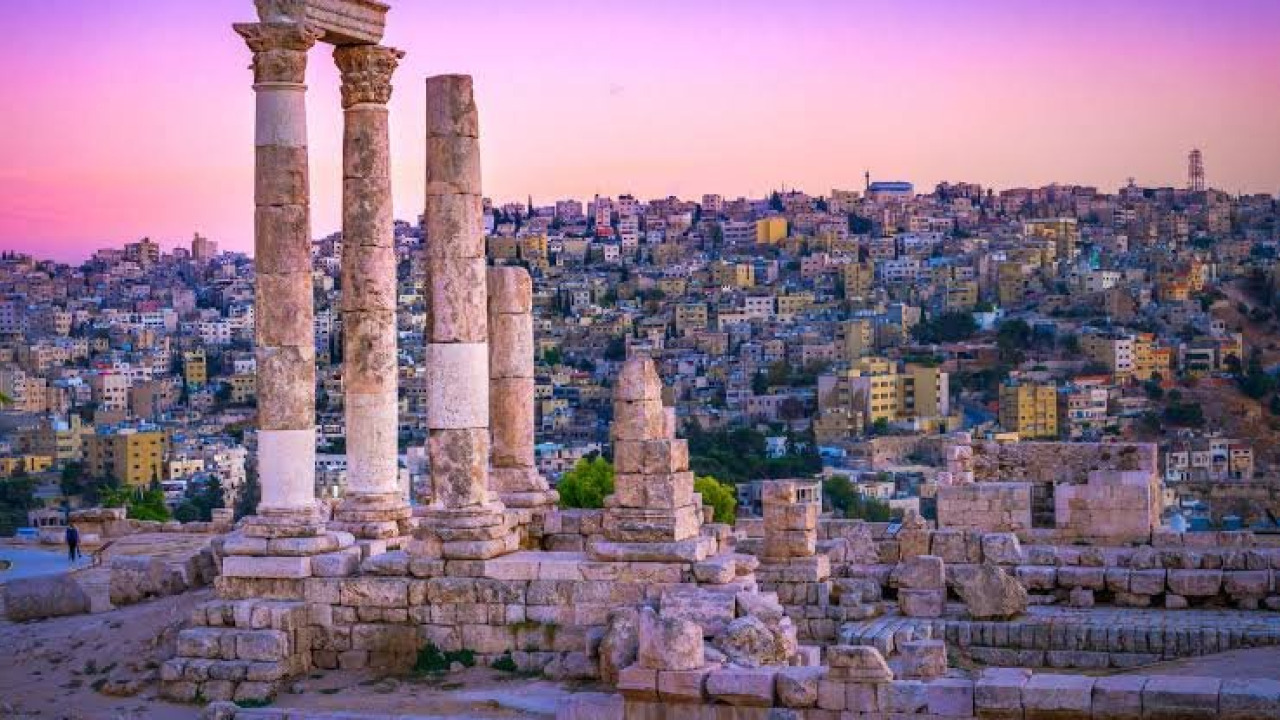

Aqaba is Jordan's sole coastal city, its vibrant gateway to the Red Sea. Imagine starting your day with a swim over a coral reef, exploring a Mamluk-era castle in the afternoon, and then browsing a bustling bazaar on the edge of the desert by evening – all in a single day. This captivating blend is what makes Aqaba (or Akabe, as it's known locally) such a magnet for travelers. This comprehensive Aqaba travel guide will help you plan your trip from start to finish, covering entry requirements, transportation, best seasons to visit, must-see attractions, shopping, accommodation, and a suggested three-day itinerary. A quick heads-up before we dive in: the city's two main historical sites, the castle and the archaeology museum, are occasionally closed for restoration. It's always a good idea to confirm their current status before your visit.
Where is Aqaba, and What Makes it Unique?
The city is nestled at Jordan's southwestern tip, on the northern shore of the Gulf of Aqaba. Jordan's entire coastline, a mere 26 kilometers, is concentrated around Aqaba. This means the country's port activities, beach tourism, and diving scene all converge in this one dynamic city. The capital, Amman, lies approximately 350 kilometers to the north.
Aqaba's second distinguishing feature is its administrative status. Established in 2001 and managed by ASEZA, the Aqaba Special Economic Zone operates under a distinct tax and customs regime. This special status influences everything from shopping to coastal management.
Quick Facts
| Topic | Information |
|---|---|
| Location | Southwestern Jordan, northern shore of the Gulf of Aqaba |
| Administrative Status | Aqaba Special Economic Zone, managed by ASEZA since 2001 |
| Airport | King Hussein International Airport (AQJ), north of the city |
| Distance to Amman | Approx. 350 km; 4-5 hours by road, 45-min flight |
| Key Attractions | Aqaba Castle, Aqaba Archaeological Museum, coastline, coral reefs |
| Best Time to Visit | March-May and September-November; mild winters, very hot summers |
| Recommended Duration | 2-3 days; 4-5 days if including Petra and Wadi Rum |
| Currency & Language | Jordanian Dinar (JOD), Arabic |
Entry Requirements and How the Jordan Pass Works
Visa requirements vary by nationality and are subject to change. Always confirm your specific situation with official Jordanian embassies or consulates and the official Jordan Pass website before traveling. Aqaba's special economic zone status means that entry procedures might differ from other entry points in the country.
The Jordan Pass is an official tourist card that grants access to over forty archaeological sites and museums across the country. Under specific conditions, it also covers the cost of a tourist entry visa. According to official guidelines, this exemption applies if you stay in Jordan for a minimum of two full nights and if the pass is purchased before your arrival in the country. The price of the card depends on the package type and the number of days covered; check the official website for current rates.
Getting to Aqaba and Around the City
There are two main ways to reach Aqaba: direct flights to the coast or connecting via Amman within Jordan.
Arriving by Air
King Hussein International Airport (AQJ) is located on the northern outskirts of the city, and a short taxi ride will get you to the center. According to the Jordan Tourism Board, the flight from Amman takes approximately 45 minutes. In addition to year-round connections from Amman, scheduled and seasonal flights from Europe also land here, with frequency increasing during the winter months.
Practical tip: Exploring Petra and Wadi Rum from north to south and then departing from Aqaba can save you from backtracking.
Overland Connections within Jordan
The primary route between Amman and Aqaba is the Desert Highway, which traverses the country on a north-south axis. A bus journey typically takes around 4-5 hours, depending on stops and traffic; the bus terminal is conveniently located near the city center. Renting a car offers more flexibility on this route, especially since the turn-off for Wadi Rum is directly along the way.
Practical tip: During summer, avoid driving the desert route in the midday heat; there's no shade along the highway, so aim for an early morning departure.
Getting Around the City
Aqaba is a compact city; the center, coastal strip, and bazaar are all within easy walking distance. For venturing to the outer beach areas, taxis are the most common mode of transport. To avoid any misunderstandings, it's wise to discuss the destination and fare beforehand and confirm that the meter is in use.
When to Visit Aqaba?
Where desert meets sea, the seasonal differences are stark. While the sea temperature remains swimmable year-round, the air temperature is the main factor to consider.
| Period | Air Temperature | Sea Temperature | Notes |
|---|---|---|---|
| March-May | Mild, comfortable during the day | Starting to warm up | Ideal for combining sightseeing and swimming |
| June-August | Very hot, daytime temps can reach 40°C (104°F) | Hottest time of the year | Outdoor activities best shifted to early morning and evening |
| September-November | Gradually cools down | Stays warm for a long time | Easy to balance underwater and land-based activities |
| December-February | Mild during the day, cool at night | Coolest water of the year, but still swimmable | Peak season for those escaping European winters |
Things to See and Do in Aqaba
The land-based attractions in Aqaba are few but rich in history and culture. All are conveniently located in the city center and along the coastline, making them easily explorable in half a day.
Aqaba Castle
The castle is situated close to the city center's waterfront, right next to the main square. The Jordan Tourism Board dates the current structure to the reign of Mamluk Sultan Qansuh al-Ghuri (1501-1517). It wasn't merely a military outpost; it was also a vital link in the caravanserai chain serving Hajj pilgrims on their way to Mecca, and its courtyard plan reflects this function. An inscription at the entrance bears the sultan's name. The castle remained in use during the Ottoman period but was damaged during conflicts in the Arab Revolt of 1917.
What to see: Thick stone walls, semi-circular towers, a two-story series of rooms, and the courtyard mosque. Wall inscriptions reveal how the structure was periodically restored and modified.
Practical tip: The castle might be closed for restoration; confirm it's open before you go. If open, plan your visit for early morning or late afternoon, allocating forty-five minutes to an hour; the courtyard offers little shade.
Aqaba Archaeological Museum and Sharif Hussein bin Ali House
The museum is housed in the Sharif Hussein bin Ali House, right next to the castle. According to the Jordan Tourism Board, the building, constructed in 1917, is an example of Hijazi architecture in the city and was converted into a museum after restoration. Being in the same complex as the castle, it also experiences periods of closure. The collection primarily features artifacts unearthed from Ayla, the early Islamic settlement in the city center, with pieces dating from the mid-7th to the early 12th century.
What to see: A stone with a Kufic inscription from one of Ayla's gates, period coins, and ceramic and glass artifacts. It's also reported that remnants of one of the earliest known church structures, dating to the late 3rd century, were discovered in the city. For travelers seeking a similar ancient city and museum-focused itinerary, the Turkey cultural tours category on Travel Tour Shop offers a comparable framework.
Coastline, Beaches, and Beach Clubs
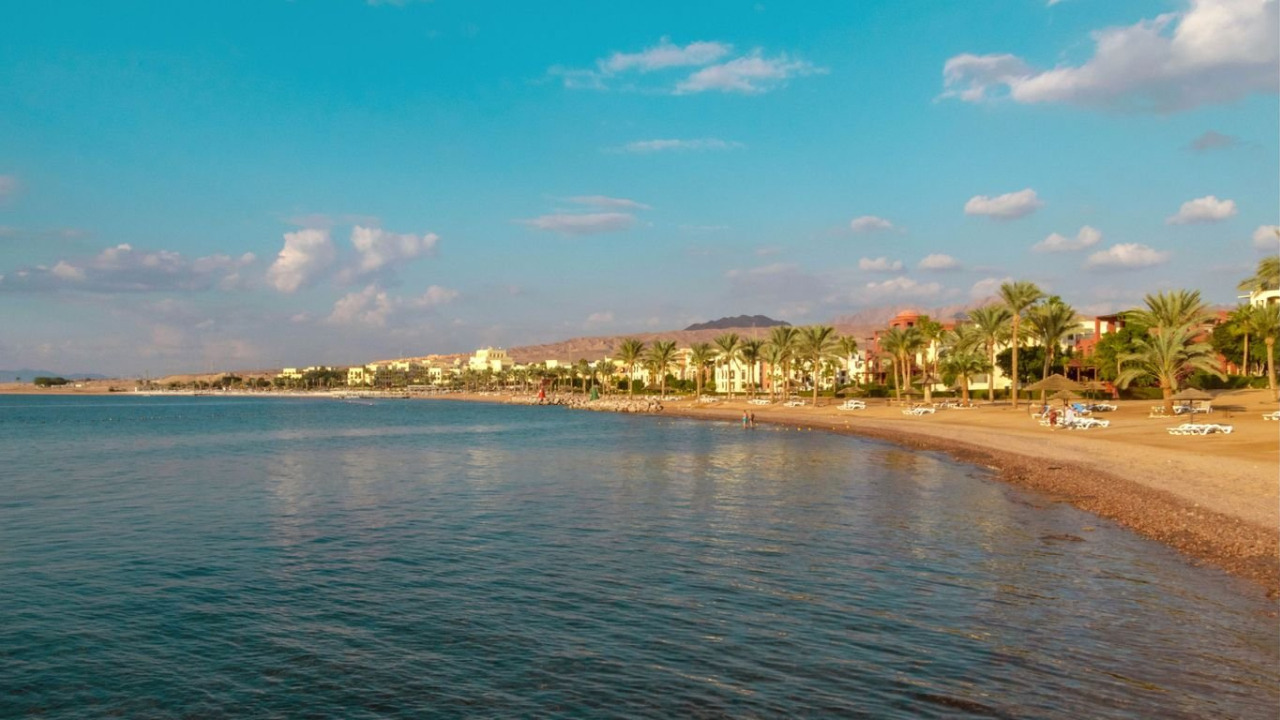
Aqaba's coastline offers three distinct experiences. The public beaches in the city center are free and perfect for those wanting to immerse themselves in local life, though they can get crowded on weekends. Stretching south, the hotel strip features beach clubs that offer sun loungers, showers, and food and drink for an entrance fee. Further south, the Tala Bay area, with its calm waters and planned development, is ideal for family-focused getaways.
The entire coastline is subject to regulations. ASEZA established the Aqaba Marine Park in 1997, which was declared the country's first marine protected area in 2020. In practice, this means strict enforcement of rules against touching coral, collecting live organisms or shells, and littering.
Practical tip: In some sections of the coast, coral begins directly from the shore; water shoes will protect both your feet and the reef.
Diving and Snorkeling in the Red Sea
The coast is considered excellent for diving thanks to its sheltered nature and year-round suitable water temperatures. Official tourism sources highlight spots like the Japanese Gardens, known for colorful coral formations, and the Cedar Pride cargo ship, intentionally sunk in 1985. The ship lies on its side at a depth suitable for a wide range of experience levels. ASEZA's underwater military museum, comprising military vehicles and aircraft placed on the seabed in 2019, is also located close to the shore. No certification is required for a trial dive, but wreck diving requires certification; ensure your chosen dive center is accredited.
Shopping in Aqaba and the Special Economic Zone
The allure of shopping here isn't about marketing; it's about legislation. The special economic zone status exempts a significant portion of goods and services consumed in the region from sales and customs taxes. This means a wide array of products, from electronics and cosmetics to textiles and handicrafts, can be found at budget-friendly prices within the city.
Duty-free shops operate under specific rules: there are per-person spending limits for foreign visitors and a defined period from the date of entry into the country. As limits can change, always check the official announcements at the shop entrance. In the bazaar, spices, incense, dates, olive oil soaps, and silver jewelry are popular items. Bargaining is common, and checking a few shops will give you a good reference point for prices.
What's on the Aqaba Menu?
The city's cuisine draws from two main traditions. First is Jordan's inland culinary heritage: Mansaf, prepared with lamb, rice, and dried yogurt, is the country's most famous traditional dish. Hummus, falafel, and fresh pita bread are available at any time of day. Second is the coastal influence: fish from the Red Sea is served simply grilled or accompanied by spiced rice.
Practical tip: Planning lunch at small local eateries in the center and dinner along the waterfront creates a balanced day in terms of both price and atmosphere.
Where to Stay? Aqaba's Accommodation Areas
Your accommodation choice should align with the focus of your vacation. Selecting a region rather than just a hotel brand is often a more effective approach.
| Region | Character | Suitable For | Point to Note |
|---|---|---|---|
| City Center | Walking distance to bazaar, castle, and museum | Short stays, sightseeing-focused itineraries | Public beaches can be crowded |
| North Beach Strip | High concentration of hotels and beach clubs | Those seeking a balance of sea and city | Beach access often requires a fee |
| South Coastline | Resorts close to the reef | Dive and snorkel-focused travelers | Requires transport to reach the city center |
| Tala Bay | Planned, tranquil coastal development | Families, longer stays | Farthest region from the city center |
When choosing a region, ask these three questions: Is beach access free or paid? Is there a shuttle service to the city center? How far is it to a dive center? The answers to these questions will often impact your daily costs more than the room rate itself.
Day Trips from Aqaba
What truly enhances Aqaba's value is its proximity to Jordan's two other major attractions; both are accessible for day trips but shouldn't be squeezed into the same day.
Petra
Petra, the Nabataean rock-carved capital, is approximately 125-130 kilometers north of Aqaba's center; the drive typically takes around two hours under normal conditions. To truly experience the site, you'll need a full day, as walking through the Siq (the main entrance canyon) alone takes considerable time. Petra admissions are covered by the Jordan Pass.
Wadi Rum
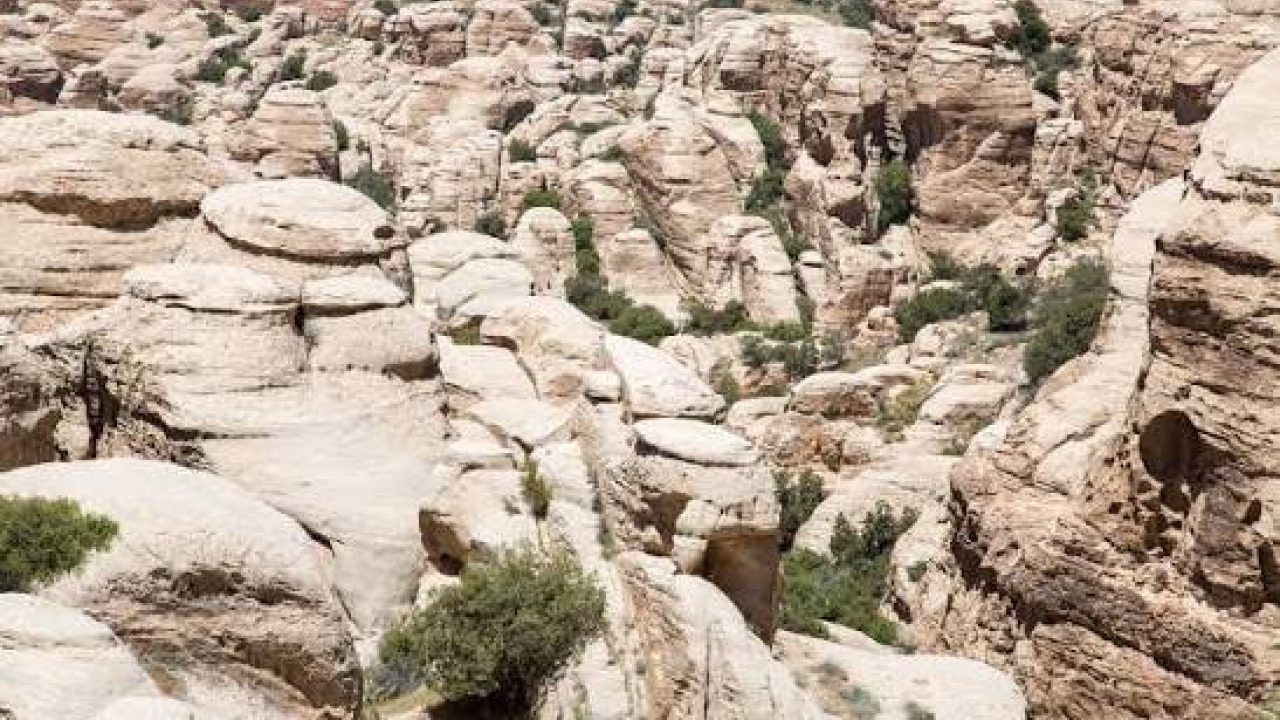
The Wadi Rum desert, sprawling amidst sandstone and granite formations, is closer to Aqaba than Petra, about an hour's drive by road. You cannot enter the protected area with your own vehicle; local operators provide jeep tours. For those seeking a desert night, adding an overnight stay at a Bedouin camp is highly recommended. For travelers seeking a similar desert and canyon experience in Turkey, the Turkey nature and adventure tours category on Travel Tour Shop can be a starting point.
Suggested Three-Day Aqaba Itinerary
- Day One: City Exploration – Morning dedicated to Aqaba Castle and the adjacent archaeological museum, afternoon for the bazaar and duty-free shops, and an evening stroll along the waterfront.
- Day Two: Red Sea Adventures – Morning boat trip or snorkeling excursion, afternoon relaxation at a beach club on the southern coast, and fresh fish for dinner at a waterfront restaurant.
- Day Three: Desert Immersion – Early departure for Wadi Rum, a thrilling jeep tour, and enjoying the sunset over the desert. Return to Aqaba in the evening.
- Bonus Day (if you have four days): Petra – If your program allows for four days, dedicate a separate full day to Petra. Trying to combine Wadi Rum and Petra into a single day will only allow for a superficial visit to both.
Practical Information Before You Go
| Topic | Information |
|---|---|
| Currency | Jordanian Dinar (JOD); banks and ATMs are widely available in the city center |
| Language | Official language is Arabic; English is commonly spoken in the tourism sector |
| Time Zone | The country observes GMT+3 year-round; local time zone does not change |
| Electricity | 230 volts, 50 Hz; mostly British-style plugs (Type G), some European (Type C/F) |
| Emergency | 911 is the national emergency number |
| Tourist Police | A separate helpline is available for tourists |
Here are some essential items to pack that will make your trip smoother:
- High-factor sunscreen, a hat, and sunglasses; shaded areas along the coast are limited.
- Water shoes; they protect both your feet and the reef when entering coral-rich waters.
- A light outer layer; useful for cool winter evenings and air-conditioned bus journeys.
- Culturally appropriate clothing; outside of beach areas, prefer outfits that cover shoulders and knees.
- A refillable water bottle; water consumption significantly increases during desert excursions.
Budget your trip item by item: flights or bus, accommodation, entry passes, beach club fees, diving or boat trips, taxis, and meals. The season and your choice of accommodation area will be the biggest variables affecting your total cost. For those looking to expand their Red Sea exploration, our Egypt travel guide offers further insights.
Frequently Asked Questions 6
Do I need a visa to enter Aqaba?
Visa requirements vary by nationality and are updated periodically. Due to Aqaba's special economic zone status, entry procedures might differ from other entry points in Jordan. Before traveling, confirm your specific situation with official Jordanian embassies or consulates and the official Jordan Pass website.
What are the best months to swim in Aqaba?
The sea water remains swimmable year-round; the coolest period is around February, and the warmest is around August. When considering air temperature as well, the periods of March-May and September-November offer a balanced choice. During summer months, daytime temperatures can reach around 40°C (104°F), so outdoor activities are best scheduled for early morning and evening.
How do I get from Aqaba to Petra, and how long does it take?
There is approximately a 125-130 kilometer drive from Aqaba's center to Petra, and the journey typically takes around two hours under normal conditions. Options include intercity buses, rental cars, or day trip transfers. To properly explore Petra requires a full day, so plan your return for the evening.
How many days are enough for Aqaba?
For Aqaba itself, 2-3 days are sufficient: one day for the castle, museum, and bazaar; one day for the sea; and one day for relaxation or diving. If you plan to add Wadi Rum and Petra to your itinerary, extending your total stay to 4-5 days will allow you to see both areas without rushing.
Why is shopping considered advantageous in Aqaba?
The city holds special economic zone status, which means a significant portion of goods and services consumed in the region are exempt from sales and customs taxes. Duty-free shops have per-person spending limits for foreign visitors and a defined period from the date of entry; check the official announcements at the shop entrance for current limits.
Is Aqaba suitable for families with children?
Yes, it is suitable. Calm and shallow entry coastal areas, a compact city center, and mild winter weather year-round make family itineraries easier. The extreme heat of summer months can be challenging for young children, so spring and autumn are preferred; water shoes and sun protection are even more crucial for kids.