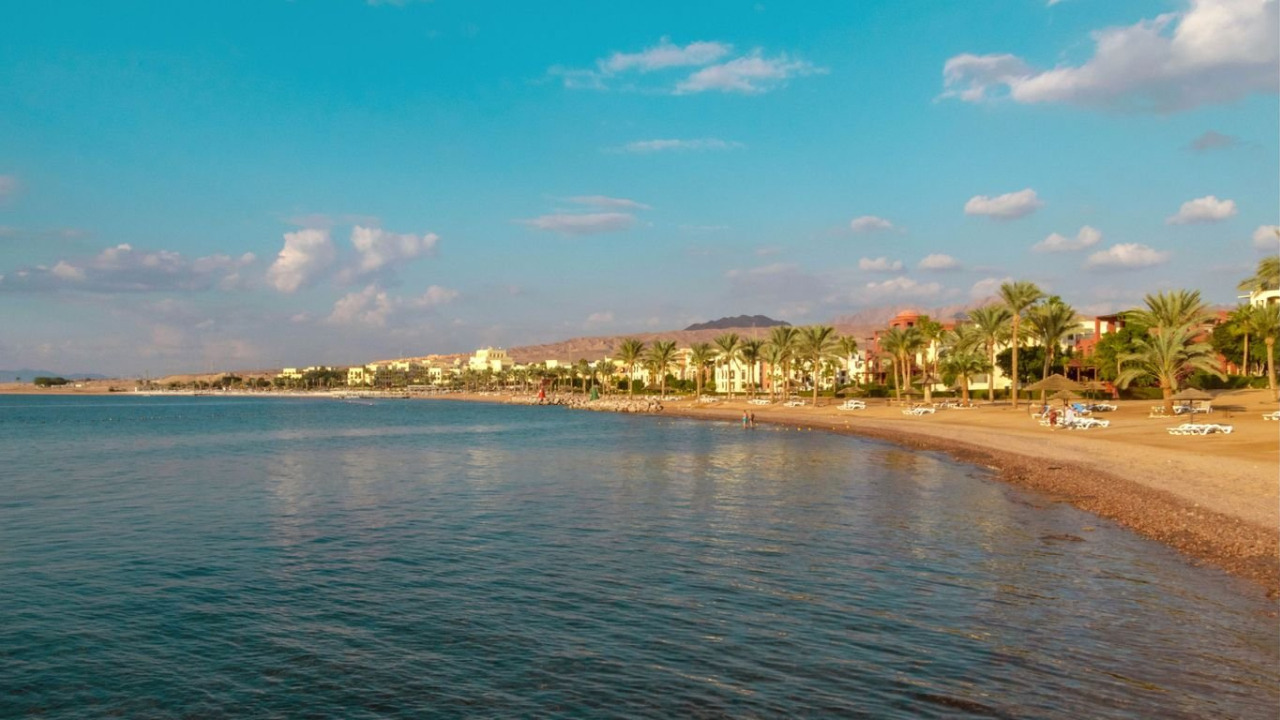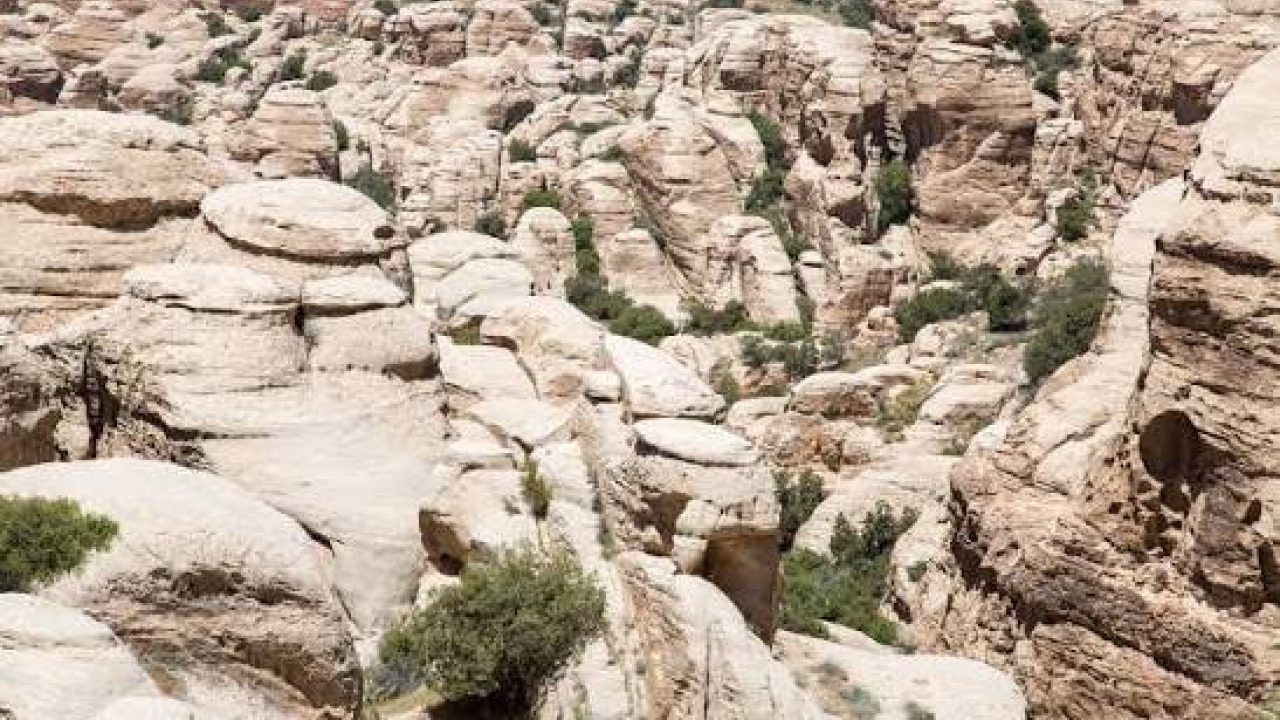

The first question many parents ask is: Can you truly explore Jordan with kids, or is the itinerary strictly for adults? The short answer is a resounding yes! Thanks to the country's compact geography, a family-friendly itinerary is not only possible but easily achievable. The route from the capital, Amman, to the southern port city can be covered in a single day's drive, with all the major stops conveniently lined up along the same 'spine.' Each destination offers a unique sensory experience: a magnificent facade carved into rock, a vast desert of crimson sands, a salty lake that defies gravity, and a vibrant coral-fringed coast. The real challenge isn't the destinations themselves, but managing the pace. This guide will help you craft an itinerary tailored to your child's age, driving comfort, and the time of year.
Quick Facts
| Topic | Information |
|---|---|
| Main Highlights | Amman, Petra, Wadi Rum, Dead Sea, Aqaba |
| Recommended Duration | 6 to 8 days for a family itinerary |
| Flights from Turkey | Direct flights from Istanbul take 2.5 to 3 hours |
| Best Time to Visit | March to May, September to November |
| UNESCO Sites | Petra (1985), Wadi Rum Protected Area (2011) |
| In-Country Transport | Rental car or private transfer with driver |
| Water | Tap water is not safe to drink; bottled water is recommended |
How Many Days Do You Need for a Family Trip to Jordan?
If the itinerary is too short, your trip can quickly turn into a driving marathon. Each stop typically requires a half-day of walking, climbing, or swimming. For a family itinerary, the key metric isn't the number of places you see, but the amount of time spent in the car.
| Duration | Covered Highlights | Best For |
|---|---|---|
| 4 days | Amman, Petra | Short school break; excludes desert and sea experiences |
| 6 days | Amman, Petra, Wadi Rum, Dead Sea | Families with school-aged children |
| 8 days | All of the above, plus Aqaba | Families with young children, seeking relaxation |
| 10 days | All of the above, plus Jerash and Dana | Families interested in nature and archaeology |
Six days is the minimum to strike a good balance between sightseeing and rest. Extending to eight days allows for two nights at each major stop, ensuring a more relaxed pace without disrupting sleep schedules. Visa requirements vary by nationality and are updated periodically; always confirm with official sources from the Jordan Tourism Board before your trip.
How Your Child's Age Shapes the Itinerary
The same itinerary can mean very different things for a three-year-old versus a thirteen-year-old. Petra's iconic Siq canyon might be a thrilling playground for one age group, and a long trek for another. Matching destinations to age groups can significantly reduce on-the-ground negotiations and meltdowns.
| Age Group | Comfortable Stops | Itinerary Suggestion |
|---|---|---|
| 0 to 3 | Dead Sea coast, Aqaba, hotel pool | Baby carrier backpack essential; long walks and desert nights can be challenging |
| 4 to 7 | Wadi Rum jeep tour, Children's Museum, boat trip | Schedule excursions for the morning, allow for afternoon rest |
| 8 to 12 | Petra main trail, Amman Citadel, snorkeling | Encourage them to carry their own bag with water and snacks |
| 13 and up | Petra's upper trails, Dana hikes, diving | Let them help choose the day's activities |
For younger children, temperature and shade are key considerations, while for older kids, curiosity and autonomy are paramount. Giving them a camera can be a great way to keep them engaged and interested.
Distances Between Stops and Transportation Tips
Road fatigue can be the weakest link in any family itinerary. Here are the main travel legs from their starting points:
| Leg | Distance | Driving Time |
|---|---|---|
| Queen Alia Airport to Amman city center | Approx. 35 kilometers | 30 to 45 minutes |
| Amman to Dead Sea coast (Jordanian side) | Short leg heading west | Around 1 hour |
| Amman to Petra (Wadi Musa) | Approx. 230 kilometers | 3 to 3.5 hours |
| Petra to Wadi Rum village | 100 to 110 kilometers | 1.5 to 2 hours |
| Wadi Rum to Aqaba | 66 kilometers | Under 1 hour |
Arrival from Turkey and Your First Day
Direct flights from Istanbul arrive at Queen Alia International Airport in Amman in 2.5 to 3 hours. The airport is located about 35 kilometers south of the city center; an express bus service operates day and night, though travel time can extend to an hour during heavy traffic. Keeping your first day light with city exploration helps prevent flight fatigue from carrying over to the next day.
Getting Around Jordan
Renting a car or arranging a private transfer with a driver allows you the flexibility to adjust stops and breaks to your family's pace. Public transportation between major sites is limited, and transfers can be challenging with young children. Make sure to request a child seat during the booking process; assuming one will be available on arrival is a risky plan. For longer drives, a break every 90 minutes can help break up the monotony and keep everyone happy.
Family-Friendly Attractions in Jordan
Amman Citadel and Roman Theater
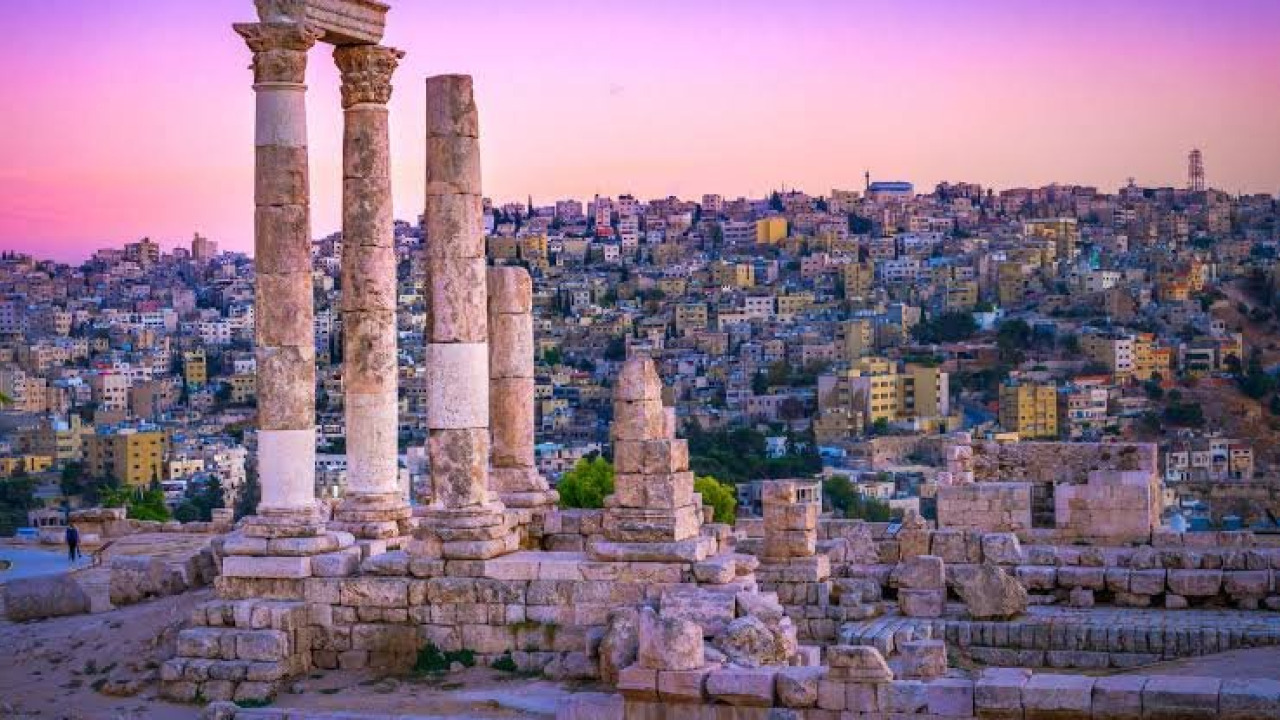
The Amman Citadel is a sprawling archaeological site perched atop Jabal al-Qal'a hill in the heart of the city. Here, you'll find the impressive columns of the Temple of Hercules, dating back to the 2nd century AD, alongside Umayyad palace structures and the remains of a Byzantine church. Its open and relatively flat terrain makes it one of the rare archaeological sites where children can freely run around and explore.
At the foot of the hill lies the Roman Theater, a magnificent amphitheater carved into the hillside with seating for approximately 6,000 spectators, which still hosts cultural events today. The steep steps require caution, but sitting in the middle tiers and testing the acoustics is usually enough to captivate most children. Practical tip: Visit both sites early in the morning to avoid the midday heat, saving indoor activities for later.
The Children's Museum Jordan
The Children's Museum Jordan in Amman, founded by Queen Rania Al Abdullah, is an expansive 8,500-square-meter learning space featuring over 185 interactive exhibits. Designed for children under twelve, it encourages hands-on exploration, allowing kids to touch exhibits and conduct experiments themselves. The museum also includes an art studio, a library, and a garden, all accessible during your visit.
The museum serves as an excellent backup plan for rainy or excessively hot days. It is closed one day a week, and opening hours vary between weekdays and weekends, so be sure to confirm your visit day on their official website.
Petra
Petra, the ancient Nabataean capital, has been a UNESCO World Heritage Site since 1985. Your visit begins with an approximately 1.2-kilometer walk through the Siq, a dramatic natural gorge that narrows to just 3 meters in some places, eventually opening up to reveal the iconic Treasury facade carved into the rock. The sudden appearance of this magnificent structure after the narrow, shaded corridor is truly a breathtaking moment.
The round trip to the Treasury is at least 2.5 kilometers, and the site extends much further beyond. For younger children, it's best to limit the itinerary to the main flat path between the Treasury and the Roman Theater; tackling the upper trails is generally recommended for those aged ten and above. Horse-drawn carriages and camels share the path within the Siq, so holding your child's hand is crucial. The Petra by Night candlelit tour, according to the current schedule on visitpetra.jo, takes place on Sunday and Thursday evenings, starting at 8:30 PM from the visitor center and ending around 10:30 PM, which might conflict with younger children's bedtime.
Wadi Rum
The Wadi Rum Protected Area was designated a UNESCO World Heritage Site in 2011 for its mixed natural and cultural significance. Spanning 74,000 hectares, it holds evidence of 12,000 years of human presence, with 25,000 rock carvings and 20,000 inscriptions documented. For children, this place feels like stepping onto another planet: a breathtaking landscape of crimson sand dunes, natural arches, and towering rock formations.
Your visit begins at the visitor center. 4x4 tours, accompanied by a driver-guide, typically last two to three hours. Entrance fees and child exemptions should be confirmed with the visitor center's current rates. For those staying overnight in the desert, there are camping options available with private bathrooms. Desert nights can get significantly cooler, so even in mid-summer, a long-sleeved layer is essential.
Dead Sea
The Dead Sea, on the Jordanian side, is a hypersaline lake located approximately 427 meters below sea level, making it the lowest point on Earth's landmass. Its salinity is about ten times that of ocean water, rich in magnesium, sodium, potassium, and bromine salts. The incredible buoyancy, allowing you to float effortlessly, is a unique and fun experience for children, but this part of the trip requires the most rules.
- Take a shower before entering and cover any skin abrasions; salt can sting open wounds.
- Explain how to float on their back beforehand; this position helps prevent water from getting into their eyes and mouth.
- Keep time in the water short, and rinse off with fresh water immediately after.
- If applying mud, keep it away from the face and rinse off quickly.
Aqaba
Aqaba, nestled on the Red Sea coast, is the perfect relaxation stop on your itinerary. Jordanian waters boast hundreds of fish species and a rich diversity of corals. With reefs close to the shore, the water clarity is exceptional. For children who prefer to stay dry, glass-bottom boat tours offer a fantastic way to view the vibrant marine life without getting wet. The Aqaba Marine Park, located south of the city, stretches for approximately seven kilometers along the coast.
Jerash and Dana: Two Optional Additions to Your Itinerary
Jerash, located 45 kilometers north of Amman and known by its ancient name Gerasa, is one of the best-preserved examples of a Roman provincial city. Its 1st-century columns encircling the 90-by-80-meter Oval Plaza and Hadrian's Arch, built for his visit in 129 AD, bring textbook history to life.
Established in 1989, the Dana Biosphere Reserve is a protected area spanning approximately 292 square kilometers. From its 1,500-meter-high plateau descending into the Wadi Araba desert, the RSCN (Royal Society for the Conservation of Nature) has recorded 891 plant species and 250 bird species. Shorter trails are suitable for school-aged children. Families looking for similar nature and adventure experiences in Turkey can explore our nature and adventure tours in Turkey category.
An Eight-Day Itinerary: Mornings in Stone, Evenings in Sand
The following itinerary is designed with two nights at each major stop, keeping daily driving time under three and a half hours.
- Arrive in Amman, check into your hotel, and enjoy a short evening stroll around the area.
- Morning exploration of Amman Citadel and Roman Theater, followed by the Children's Museum Jordan in the afternoon.
- Head west for an overnight stay on the Dead Sea coast; keep time in the water brief.
- Drive to Petra via the Desert Highway, enjoy a light program in Wadi Musa, and an early night.
- Enter Petra first thing in the morning; complete the Siq and Treasury route before the midday heat.
- Transfer to Wadi Rum, enjoy an afternoon 4x4 tour, and spend the night at a desert camp.
- Descend to Aqaba; opt for a glass-bottom boat tour or enjoy free time by the coast.
- Half-day at the beach in Aqaba, followed by your return flight or transfer to Amman.
For a six-day trip, omit the Aqaba leg. Those extending to ten days can add Jerash on day two and Dana between days five and six. If you're looking for a similar blend of desert and ancient heritage in a nearby region, check out our Egypt travel guide.
Best Time to Visit Jordan with Kids
Choosing the right season is even more critical than selecting your stops when traveling with children. Summer afternoons often see temperatures soaring above 35 degrees Celsius (95°F). Keep in mind that Wadi Musa, being at an altitude of approximately 1,000 meters, is generally cooler than the desert plains.
| Period | Weather Character | Ideal for Family Trips |
|---|---|---|
| March to May | Mild days, hillsides briefly green | Excellent for hiking and desert exploration |
| June to August | Afternoons often above 35°C (95°F) | Morning excursions, afternoon pool time |
| September to November | Similar comfort to spring, clear light | Great for longer walks and photography |
| December to February | Cool, sunny days, possibility of rain | Dress in layers, heated camps in the desert |
Dining and Accommodation Areas
Jordanian cuisine offers plenty of simple, child-friendly options. Hummus, lentil soup, grilled chicken, fresh pita bread, and rice are staples that most children will enjoy without hesitation; spice levels can often be adjusted upon request.
- Tap water is not safe to drink; bottled water is recommended even for brushing teeth.
- Keep snacks like nuts, fruit, and water in the car for longer drives to minimize unplanned stops.
- Desert camp menus are often fixed; bring along any specific snacks your child is accustomed to.
Your choice of accommodation area directly impacts your itinerary. In Amman, areas close to the city center offer walking access to archaeological sites, while the west side is rich in resorts with pools. Dead Sea accommodations are concentrated along the coastline. In Petra, the town of Wadi Musa makes early morning entry to the site easier due to its proximity to the visitor center. Options in Wadi Rum are limited to desert camps, while in Aqaba, you'll choose between the beachfront and the city center.
Essential Preparation Steps Before You Go
- Check passport validity and entry requirements for your nationality from official sources.
- Book flights and internal transfers, and request a child seat when reserving a rental car.
- Secure accommodations according to your itinerary; desert camps can book up quickly during peak season.
- Confirm that your health insurance policy covers children and all planned activities.
- Prepare any regular medications for your children, along with their prescription reports and in original packaging.
- Write out the daily itinerary and share it with your children; knowing what to expect can reduce resistance.
Here are some essential items to pack that will make your trip smoother:
- Wide-brimmed hat, sunglasses, and high-SPF sunscreen
- Sturdy, closed-toe walking shoes; sandals are insufficient for Petra and Wadi Rum
- Reusable water bottle, wet wipes, and a small first-aid kit
- A light fleece or cardigan for cool desert nights and air-conditioned vehicles
- Spare swimwear and a waterproof bag for after the Dead Sea
Budget considerations include flights, in-country transportation, accommodation, archaeological site entrance fees, desert camping, and sea activities. As costs vary by season and exchange rates, always confirm prices on official websites. For those interested in culture-focused itineraries within Turkey, explore our cultural tours in Turkey category, or if you're looking for a multi-stop European adventure, check out our Italy travel guide article.
Frequently Asked Questions 6
How many days are needed for a trip to Jordan with kids?
A program covering the main highlights without rushing typically lasts 6 to 8 days. Six days are sufficient for Amman, Petra, Wadi Rum, and the Dead Sea; if you wish to add the coastal leg in Aqaba, eight days will provide a more relaxed pace.
How long does the walk in Petra with children take?
The visit begins with an approximately 1.2-kilometer walk through the Siq canyon, opening up to the Treasury facade. The round trip is at least 2.5 kilometers; allowing three to four hours, including breaks, is realistic.
How is transportation arranged in Jordan with children?
A rental car or private transfer with a driver allows you to adjust stops and breaks to your own pace. Amman to Petra is approximately 230 kilometers and 3 to 3.5 hours, Petra to Wadi Rum is 100 to 110 kilometers and 1.5 to 2 hours, and Wadi Rum to Aqaba is 66 kilometers and under an hour.
What should be considered when entering the Dead Sea with children?
The water has about ten times the salinity of ocean water. Shower before entering, explain how to float on their back beforehand, keep time in the water short, and rinse off with fresh water immediately after exiting.
Which months are suitable for traveling to Jordan with children?
The periods from March to May and September to November are suitable for family itineraries due to mild temperatures. In summer afternoons, temperatures often exceed 35 degrees Celsius (95°F), and excursions are best scheduled for the morning. Winter days are cool, sunny, with occasional rain.
Is it difficult to find food for children in Jordan?
It is not difficult. Simple options like hummus, lentil soup, grilled chicken, fresh pita bread, and rice are common, and spice levels can be reduced upon request. Since tap water is not safe to drink, bottled water is preferred.