
Jordanian cuisine is a delightful fusion where the portable feast of the desert meets the garden bounty of the Eastern Mediterranean, often on the same platter. In the north, olive oil, fresh herbs, and vegetables take center stage. As you venture south, lamb, dried dairy products, and slow-cooked dishes become more prominent. This guide outlines an Amman-centric culinary journey: what to eat at each meal, how the table changes with the seasons, and how to craft a perfect one-day itinerary. Rather than memorizing dish names, understanding the flow of the Jordanian table will simplify most of your decisions as you explore the country.
Quick Facts
| Topic | Information |
|---|---|
| Scope | Essential Jordanian dishes and an Amman-focused culinary itinerary |
| National Dish | Mansaf; inscribed on UNESCO's Representative List of the Intangible Cultural Heritage of Humanity in 2022 |
| Street Food | Falafel, hummus, fatteh, ful, shawarma |
| Signature Dessert | Kunafa; the type made with Nabulsi cheese is widely popular |
| Dining Neighborhoods | Al-Balad (Downtown), Jabal Amman, and Rainbow Street |
| Best Time to Visit | March to May, and September to November |
| Recommended Duration | 2 days for Amman, 5-7 days for a country-wide itinerary |
The Two Pillars of Jordanian Cuisine: Bedouin Heritage and Levantine Flavors
The quickest way to grasp Jordanian cuisine is to recognize the coexistence of two distinct culinary philosophies within the same country. First, there's the nomadic Bedouin tradition: dried milk, grains, and pulses that could endure long journeys without spoiling. Second, there's the garden culture of the Eastern Mediterranean coastline, known as the Levant: olive oil, chickpeas, tahini, lemon, and fresh vegetables. It's a direct result of this geography that you'll find an olive oil-based mezze alongside a lamb dish cooked with dried yogurt. For readers seeking a similar food-focused travel experience in Turkey, our gastronomy and event tours in Turkey category offers a comparable planning approach.
Meal Structure and Dining Etiquette
The day typically begins with a warm breakfast, the heaviest meal shifts to lunch, and dinner is often lighter in most homes. Dining is a communal affair: mezzes are placed in the center, bread serves as your utensil, and it's customary to use your right hand when taking food from the shared platter.
Tea and cardamom-infused coffee mark the conclusion of the meal. Persistent offers of refills are a sign of hospitality; you can politely decline with a thank you when you've had enough.
The Spice Cabinet: Za'atar, Sumac, and Cardamom
The defining characteristic of Jordanian cuisine isn't heat, but aroma. Za'atar, a fragrant blend of thyme, sesame, and sumac, is a breakfast staple, often enjoyed with bread and olive oil. Sumac lends a tangy base to salads, while cumin balances the richness of legumes.
Practical Tip: If you're buying spices, opt for smaller packages from downtown spice shops and always ask for the grinding date to ensure freshness.
Mansaf: Jordan's National Dish on the UNESCO List
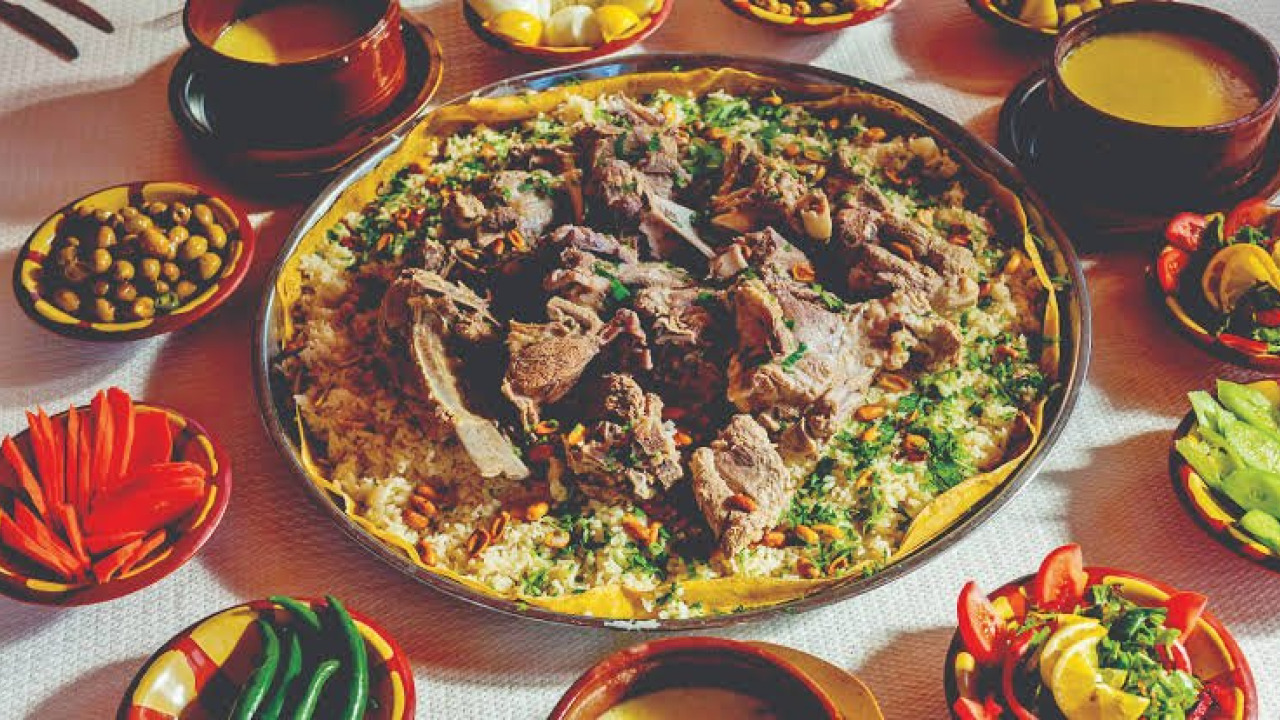
Mansaf is widely regarded as Jordan's national dish. In 2022, UNESCO recognized this tradition, inscribing "Al-Mansaf in Jordan: a festive dish and its social and cultural meanings" on its Representative List of the Intangible Cultural Heritage of Humanity. According to UNESCO's definition, the dish consists of large pieces of lamb or goat meat cooked in a spiced yogurt sauce, served over a layer of thin bread, topped with rice or bulgur.
The inscription highlights that the preparation itself is a social event: conversations flow and stories are shared during cooking. Trays are carried into the living room by the host's relatives, five to seven people gather around each tray, and the recipe is passed down from mother to daughter.
What is Jameed and What Does it Bring to the Dish?
The ingredient that truly defines Mansaf's character is jameed, a dried fermented dairy product. Yogurt is strained, salted, rolled into balls, and left to harden in the sun. The resulting sphere is a practical solution for nomadic life, as it can be transported for extended periods without spoiling. When cooked, it's rehydrated in water, imparting a unique tangy and salty depth to the meat.
Practical Tip: Jameed has an intense flavor profile and might be unfamiliar on your first try. Sharing a portion is a great way to ease into this distinctive taste.
How Mansaf is Served and Eaten
The dish arrives on a large communal platter, with diners gathering around it. Traditionally, rice, meat, and sauce are combined with the right hand and formed into small balls to eat; using a piece of bread to scoop is also common. In a restaurant setting, using a spoon is perfectly acceptable.
Mansaf is typically a lunch dish, and portions are generous. Don't plan a second heavy meal on the same day!
Amman Street Food: Falafel, Hummus, Fatteh, and Shawarma
In Amman, street food isn't just an option; it's the backbone of daily life. Stalls open early, get busy towards lunchtime, and experience a second wave of activity in the late afternoon. A practical tip for freshness is to choose spots with high local traffic.
The Morning Platter: Hummus, Fatteh, and Ful
In Jordan, hummus isn't just a mezze; it's a main meal. It's served warm, drizzled with olive oil, sometimes topped with pine nuts, and always accompanied by freshly baked flatbread. Ful mudammas is a spiced fava bean paste, while fatteh is a more substantial dish, layered with chickpeas, yogurt, toasted bread, and olive oil.
Practical Tip: This trio is at its freshest between morning and lunchtime. Shops might close their pots in the afternoon, so don't leave breakfast too late.
Afternoon and Evening: Falafel and Shawarma
Falafel is made from spiced ground chickpeas or fava beans, deep-fried, and typically served in bread with tahini sauce, pickles, and fresh greens. Shawarma is the go-to for late afternoon and evening: thinly sliced chicken or lamb, cooked on a vertical spit, served wrapped in flatbread.
| Meal Slot | Highlighted Dish | Why this time |
|---|---|---|
| Morning | Hummus, ful, fatteh, za'atar bread | Pots are freshly prepared, bread is hot from the oven |
| Lunch | Mansaf and rice-based meat dishes | The heaviest meal of the day is traditionally lunch |
| Late Afternoon | Falafel wrap, fresh fruit juice | Stalls refresh for the second wave of customers |
| Evening | Shawarma, grilled meats, mezze platter | Skewers are prepared for evening service |
| Night | Kunafa and cardamom tea | Dessert shops stay open late |
Established Eateries and Sweet Shops: The Al-Balad Trail
Amman's dining identity can be understood in two layers. Al-Balad, the downtown area, is home to humble eateries that have operated on the same streets for decades. The Jabal Amman and Rainbow Street area, on the other hand, boasts a more modern vibe with cafes, restaurants, and galleries; the Jordan Tourism Board describes Rainbow Street as one of the city's oldest thoroughfares. Dividing your culinary exploration between these two areas on separate days will help minimize time lost in traffic.
Hashem: Downtown's Enduring Institution
Hashem is celebrated by the Jordan Tourism Board as one of the country's most established eateries, renowned for its hummus and falafel. The menu is concise: hummus, ful, falafel, and fresh bread. The true value of the experience here isn't fancy service, but rather becoming a part of the city's daily rhythm.
Practical Tip: Tables turn over quickly, so even if you arrive during peak hours, your wait won't be long.
Habibah Sweets and Nabulsi Kunafa
Kunafa is a delightful dessert made by baking cheese nestled between shredded phyllo dough, then drenching it in sweet syrup. In Jordan, the version prepared with Nabulsi cheese is particularly popular. According to its own corporate history, Habibah Sweets was founded in Amman in 1951, following the entrepreneurial journey of its founder, Hajj Mahmoud Habibah, which began in 1947. Its first shop opened in the alleyway of the Arab Bank in downtown.
Practical Tip: Kunafa is best eaten fresh out of the oven. Enjoying it on the spot rather than getting it to-go will preserve its perfect texture.
Beyond Amman: What to Eat in Petra, Wadi Rum, and the Red Sea Coast
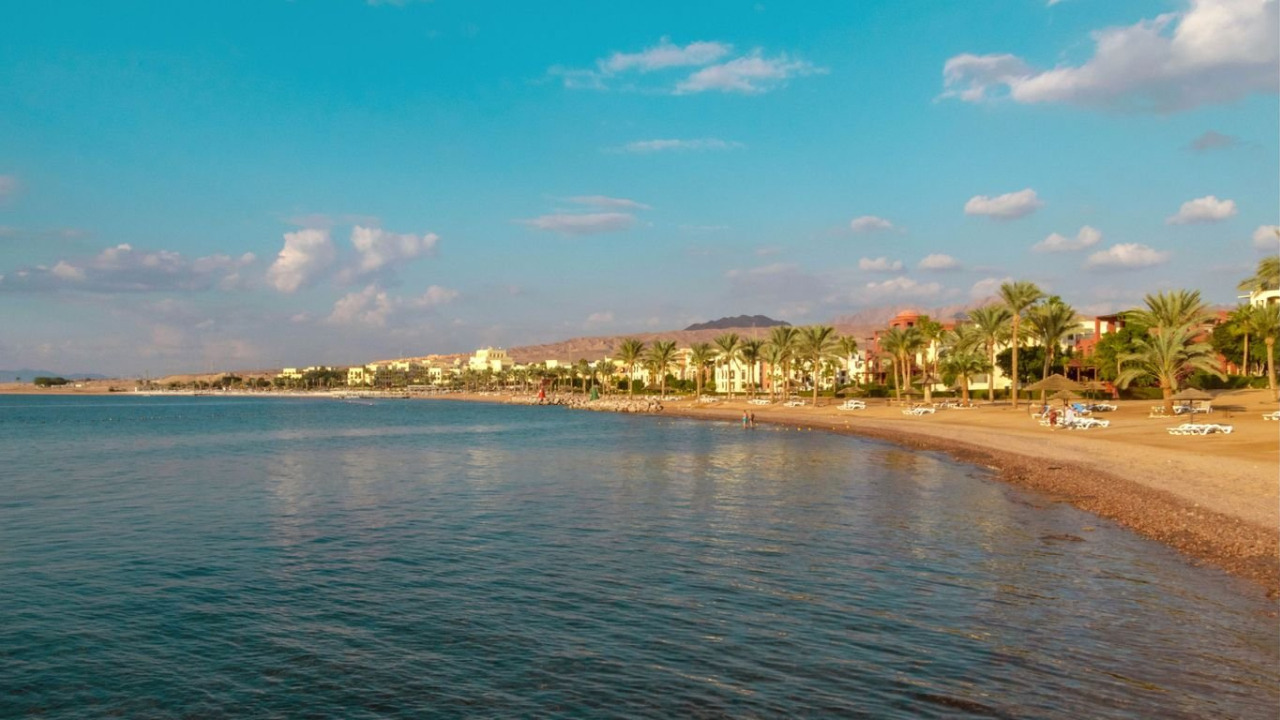
As you venture across the country, the cuisine shifts regionally. The area around Petra, due to its tourist density, offers mixed menus. The real culinary gems are found in the surrounding villages, where home-style dishes are cooked using traditional coal-fired methods. Moving south, desert cuisine takes over, and as you approach Aqaba on the Red Sea coast, fish and seafood become the main attractions.
Zarb in Wadi Rum: A Feast Cooked Under the Sand
Zarb is a traditional Bedouin cooking method where a sealed tray of meat and vegetables is placed in a pit dug in the sand, covered with hot coals and sand, and slow-cooked for hours. The meat and vegetables become incredibly tender and infused with a smoky aroma, and the uncovering of the zarb is often the centerpiece of evening programs at desert camps.
Practical Tip: Zarb preparation takes a long time, so camps usually require advance notice. Confirm the evening menu when arranging your accommodation.
Seasonal and Ramadan Calendar
According to the Jordan Tourism Board, the most comfortable times to visit are between March and May, and September and November. During these months, daytime temperatures remain pleasant for exploring on foot. In summer, afternoon temperatures rise significantly, making daytime activities challenging, especially in the Jordan Valley and the south. Winters are cool and rainy.
| Period | What changes on the table | Program Note |
|---|---|---|
| March-May | Mezzes featuring fresh herbs and greens | Ideal for outdoor dining |
| June-August | Lighter mezzes for lunch, heavier dishes shifting to evening | Shift daytime activities to the morning |
| September-November | Olive harvest season, new olive oil | Clear weather, crowds are relatively smaller |
| December-February | Focus on legumes and soups, demand for warm kunafa | Plan for indoor dining alternatives |
Dining During Ramadan
The month of Ramadan alters the daily rhythm significantly. Many businesses may be closed or offer limited service during the day. After the evening call to prayer, tables are set, and the city comes alive for Iftar, the breaking of the fast, usually with dates and soup. Since Ramadan follows the lunar calendar, it shifts approximately eleven days earlier each year; check if your travel dates coincide with it in advance.
Jordanian Cuisine for Vegetarian and Vegan Travelers
A significant portion of Jordanian cuisine is built around legumes, vegetables, and olive oil, which opens up a wide array of options for travelers who don't consume meat.
- Hummus, ful mudammas, mutabbal, baba ghanoush, tabbouleh, and fattoush are plant-based and together can create a satisfying meal.
- Falafel is made with chickpeas or fava beans. If you're concerned about shared frying oil, it's sufficient to ask the shop.
- Ordering a mixed mezze platter is a quick way to build a balanced meal without scrutinizing the menu line by line.
- Fatteh and some mezze sauces contain yogurt; vegans should specify this when ordering.
- Flatbread, za'atar, olives, and fresh vegetables complete a breakfast without any extra preparation.
A One-Day Culinary Itinerary in Amman
The following sequence provides a practical one-day plan.
- Start your morning downtown: order warm hummus, ful, fresh bread, and mint tea.
- Afterward, wander through the market streets in the city center; compare za'atar and sumac blends at spice shops.
- Dedicate your lunch to a traditional dish; if you choose Mansaf, be mindful of the generous portion size.
- In the afternoon, head towards Jabal Amman and take a coffee break around Rainbow Street.
- Return downtown in the late afternoon for a kunafa break, making sure to eat the dessert fresh out of the oven.
- Conclude your day at a shawarma stall or with a light, mezze-focused dinner.
Practical Information: Transport, Visa, and Budget
According to essential information published by the Jordan Tourism Board, the currency is the Jordanian Dinar (JD), which is divided into 100 qirsh (piasters) or 1000 fils. The official language is Arabic, with English widely spoken in cities. The time zone is GMT+03:00, the electrical grid operates at 220 volts and 50 hertz, and sockets are typically round two-pin. For emergencies, the Public Security Directorate operates the 911 line.
| Item | Information |
|---|---|
| Currency | Jordanian Dinar (JD); 100 piasters or 1000 fils |
| Official Language | Arabic; English is widely spoken in cities |
| Time Zone | GMT+03:00 |
| Electricity | 220 volts, 50 Hz; round two-pin plugs |
| Emergency Number | 911 |
| Main Airport | Queen Alia International Airport (AMM), approximately 35 km from Amman city center |
Getting There from Turkey and Getting Around the City
The main air gateway, according to the airport authority's own promotion, is Queen Alia International Airport (AMM), located approximately 35 kilometers from Amman city center. Options for travel between the airport and the city include airport buses and taxis. Within the city, distances can be more strenuous than they appear on a map due to the hilly terrain, so plan your walking routes neighborhood by neighborhood.
Visa requirements vary by nationality and are updated periodically; confirm them with official Jordanian tourism sources and consular announcements before your trip. The Jordan Pass tourism package, as stated on its terms page, covers the cost of a tourist entry visa. This exemption depends on purchasing the pass before arrival and staying in the country for at least two nights. For those planning a trip focused on ancient cities in the region, our Egypt travel guide article offers a point of comparison.
Where to Stay and How to Budget
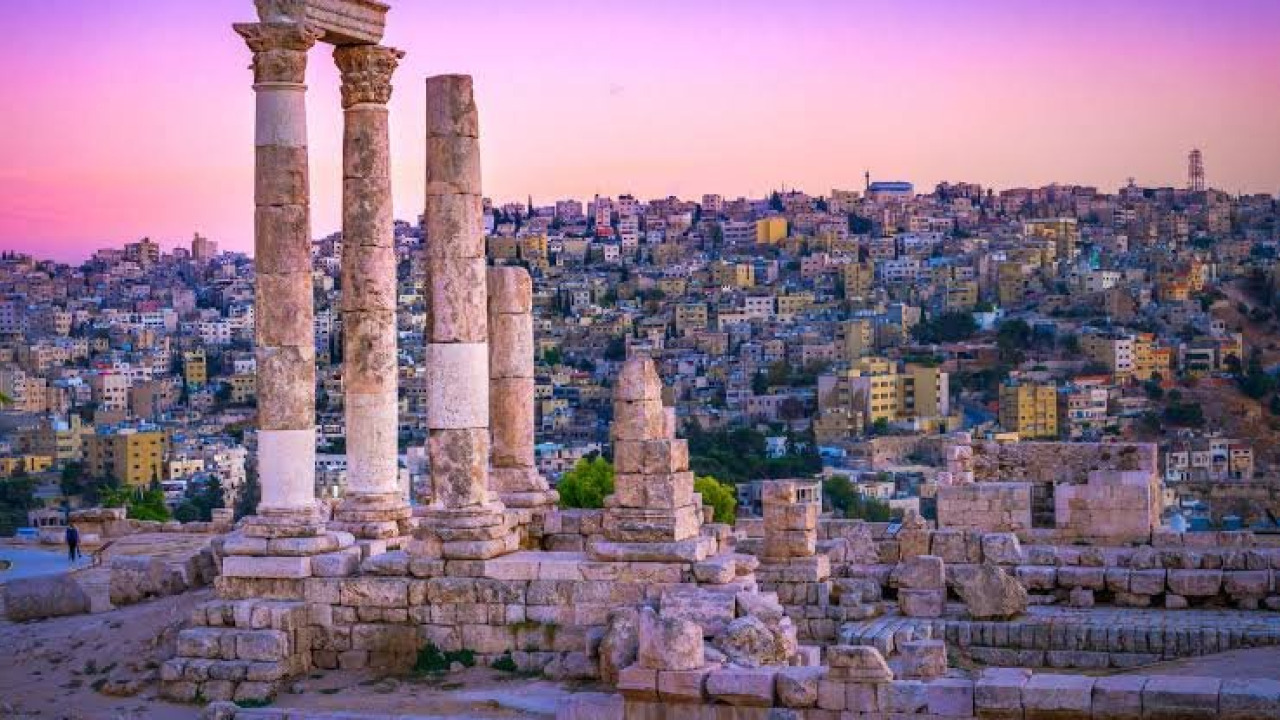
Your choice of accommodation neighborhood will significantly impact how walkable your dining itinerary is. The downtown area offers walking access to established eateries but can be noisier at night. The Jabal Amman area strikes a balance with a concentration of cafes and quieter streets, while West Amman is known for its modern restaurants.
Providing a fixed budget amount can be misleading, as exchange rates, seasons, and venue types vary. It's more practical to itemize: street stalls and humble local restaurants form the lower end of the spectrum, while menus in tourist areas represent the higher end. Desserts and drinks should be budgeted separately. If a service charge isn't included in the bill, leaving a tip is a common practice.
Summary: Turning Jordanian Cuisine into an Itinerary
If you want Jordanian cuisine to be the backbone of your trip, not just a backdrop, the sequence is simple: dedicate your morning to hummus and ful, reserve lunch for Mansaf, head to a sweet shop in the late afternoon, and finish the evening with a lighter dish. If you're interested in a food-centric itinerary in a different geography, our Italy travel guide article provides an example of regional culinary exploration. For those seeking a similar ancient city-focused program in Turkey, our culture tours in Turkey category is a great starting point.
Frequently Asked Questions 6
What dishes should I try in Jordanian cuisine?
At the top of the list is Mansaf, considered the national dish. Alongside it, try warm hummus, ful mudammas, fatteh, falafel, shawarma, and for dessert, kunafa made with Nabulsi cheese. In the desert regions, zarb, cooked under hot coals, offers a unique culinary experience.
How is Mansaf eaten?
The dish is served on a large communal platter, with diners gathering around it. Traditionally, rice, meat, and sauce are combined with the right hand and formed into small balls to eat; using a piece of bread to scoop is also common. In restaurants, using a spoon is perfectly acceptable.
Do I need a visa to enter Jordan?
Visa requirements vary by nationality and are updated periodically; confirm them with official Jordanian tourism sources and consular announcements before your trip. The Jordan Pass tourism package, as stated on its terms page, covers the cost of a tourist entry visa. This exemption depends on purchasing the pass before arrival and staying in the country for at least two nights.
How should I budget for food in Jordan?
Your budget will be determined by the type of venue, neighborhood, and number of meals. Street stalls and humble local restaurants represent the lower end, while menus in tourist areas and hotel restaurants form the higher end. Desserts and drinks should be calculated as separate items. Rather than a fixed amount, it's healthier to pre-determine your daily meal count.
Is Jordanian cuisine suitable for vegetarians?
A significant portion of the cuisine is based on legumes, vegetables, and olive oil, offering a wide range of options. Hummus, ful, mutabbal, baba ghanoush, tabbouleh, fattoush, and falafel are plant-based. Vegans should simply ask about dishes containing yogurt, such as fatteh, when ordering.
Are restaurants open in Jordan during Ramadan?
During daylight hours, many establishments may be closed or offer limited service. However, after the evening call to prayer, tables are set, and the city comes alive. Since Ramadan follows the lunar calendar, it shifts approximately eleven days earlier each year. If your travel dates coincide with this period, making reservations for evening meals will make things easier.