
When dreaming of the best places to visit in Italy, the mind immediately drifts to the ancient ruins of Rome, the Renaissance masterpieces of Florence, the romantic canals of Venice, the gothic grandeur of Milan, the rolling hills of Tuscany, and the vibrant cliffs of the Amalfi Coast. This boot-shaped peninsula stretching into the Mediterranean is a rare destination where history, art, and a world-class culinary culture coexist on a single itinerary. Rather than a simple list of cities, this guide explores the unique character of each region, helping you decide on the perfect sequence, the best season to visit, and the practicalities of travel and visas.
At Travel Tour Shop, we leverage our on-the-ground expertise to curate Italian routes that balance sightseeing with relaxation. From managing museum crowds to optimizing intercity rail connections, we help you design a journey that matches your expectations. Below, you will find a detailed breakdown of Italy's most iconic stops, followed by itinerary planning and essential travel tips.
Quick Facts
| Category | Details |
|---|---|
| Country | Italy (Southern Europe, Mediterranean) |
| Best Time to Visit | Spring (April-June) and Autumn (September-November) |
| Suggested Duration | 7-10 days for a multi-city itinerary |
| Top Destinations | Rome, Florence, Venice, Milan, Naples |
| Transport & Visa | Schengen Visa; High-speed rail (Frecciarossa) |
Where to Go in Italy?
The best places to visit in Italy offer an incredible diversity from north to south. A classic Italian itinerary typically follows the "cultural axis": starting with Venice and Milan in the north, moving through Florence and Tuscany in the center, visiting the capital city of Rome, and ending with Naples and the Amalfi Coast in the south. The most sought-after landmarks include the Colosseum, Trevi Fountain, and Pantheon in Rome; the Duomo in Milan; and the Florence Cathedral and Leaning Tower of Pisa.
Because of this popularity, strategic planning is essential. The distances between cities and the long queues at world-famous museums require a well-thought-out schedule. Italy’s greatest strength is its ability to cater to every type of traveler: history buffs and archaeology enthusiasts will love Rome and the south; art lovers will find paradise in Florence; romantics will be enchanted by Venice; fashionistas will gravitate toward Milan; and nature lovers will be captivated by the Amalfi Coast. If you are looking for an immersive, expert-led experience, we invite you to explore our cultural tours category.
Rome: The Eternal City and Ancient Heritage
For most travelers, Rome is the heartbeat of any Italian adventure. Every cobblestone street here reveals layers of history spanning millennia. The Colosseum (Flavian Amphitheatre), the most tangible remnant of Ancient Rome, remains an iconic symbol of the city's gladiatorial past. Right next to it, the Roman Forum stands as the former political and commercial center of the ancient world.
Enclaved within Rome is the Vatican City, an independent city-state housing some of the world's most significant art collections. The Sistine Chapel, with Michelangelo's breathtaking ceiling frescoes, and St. Peter's Basilica serve as the spiritual center of the Catholic world. To experience the city's Baroque elegance, the Trevi Fountain and the Spanish Steps (Piazza di Spagna) are essential stops for photography and people-watching. Legend has it that tossing a coin into the Trevi Fountain ensures your return to the Eternal City. The Pantheon and Piazza Navona are also staples of any Rome itinerary, while Castel Sant'Angelo offers a scenic addition to a walk toward the Vatican. While Rome is walkable, its sheer scale means you should allocate at least two full days. We highly recommend "skip-the-line" tickets for the Colosseum and Vatican Museums to maximize your time.
Florence and Tuscany: The Cradle of the Renaissance
The heart of the Tuscany region, Florence, is essentially an open-air museum and a pilgrimage site for art lovers. Thanks to the patronage of the Medici family, the city became the epicenter of the Renaissance, forever changing the course of art history.
Highlights of Florence
The Duomo (Cathedral of Santa Maria del Fiore), with its massive red-brick dome engineered by Brunelleschi, dominates the skyline and serves as the city's architectural landmark. The Uffizi Gallery and the Accademia Gallery house the world's most important paintings and sculptures, including Michelangelo's David and Botticelli's The Birth of Venus. To truly appreciate the depth of these works, professional guided tours are highly recommended.
The Tuscan Countryside and the Leaning Tower of Pisa
Beyond the city limits, the Tuscan countryside offers a serene escape with its rolling vineyards, olive groves, and hilltop villages. Medieval towns like Siena and San Gimignano, with their stone streets and historic squares, capture the rustic essence of the region. The Leaning Tower of Pisa, one of Italy's most photographed structures, is typically visited as a day trip from Florence. A Tuscan itinerary is the perfect choice for those seeking a blend of fine art, breathtaking landscapes, and world-class gastronomy.
Venice and Northern Italy: Canals and Cosmopolitan Style
Northern Italy offers a striking contrast, from the floating dreamscape of Venice to the sleek, modern energy of Milan.
Venice: The City of Bridges
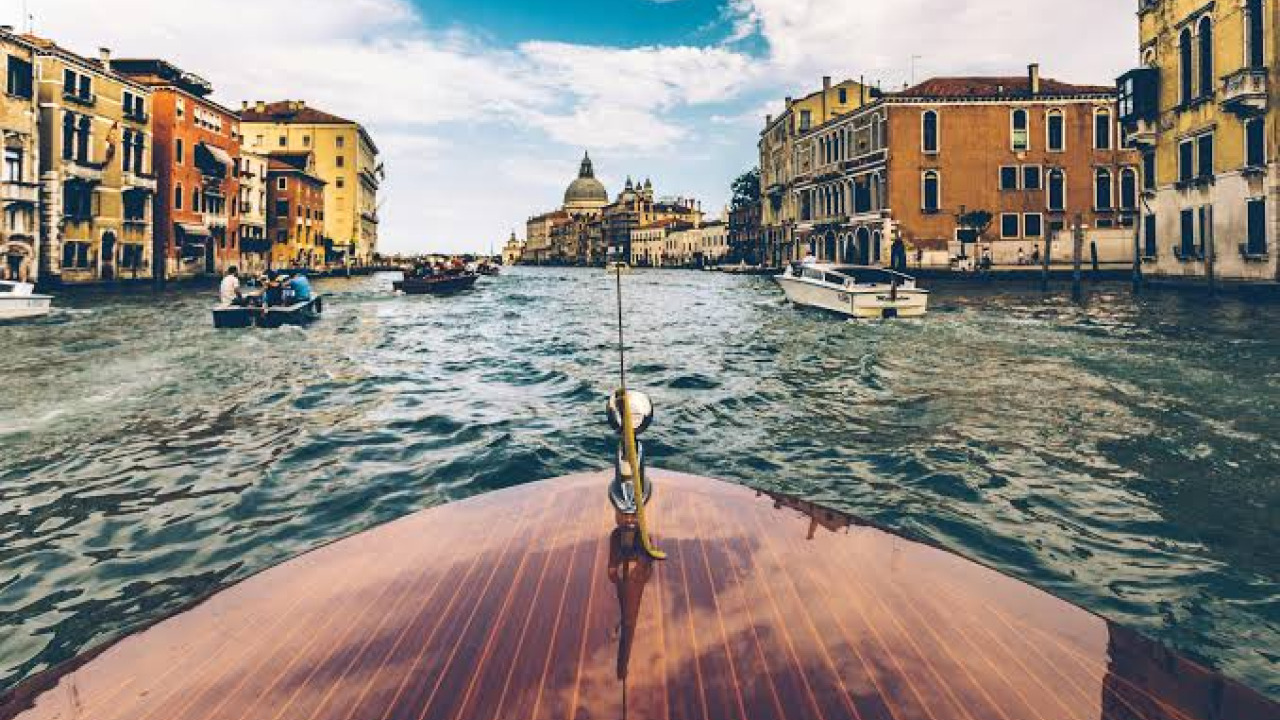
Built across more than 100 small islands in the Adriatic lagoon, Venice is a city where motorized traffic is non-existent in the historic center. St. Mark's Square and Basilica, blending Byzantine and Gothic styles, are the city's symbolic core. The primary "streets" here are waterways; gliding through the city in a traditional gondola or taking a vaporetto (water bus) past historic palaces is a quintessential Venetian experience. Don't forget to visit the Rialto Bridge and the colorful houses of Burano island.
Milan: The Cathedral and Modernity
Milan, the commercial and fashion capital of the north, is defined by the stunning Duomo di Milano, a masterpiece of Gothic architecture. The Galleria Vittorio Emanuele II, with its magnificent glass roof, and the Sforzesco Castle are the city's primary landmarks. Milan often serves as the perfect gateway for travelers entering Northern Italy. For those with extra time, the nearby shores of Lake Como and the dramatic cliffs of Cinque Terre are popular extensions of a Milan-based trip.
Southern Italy: The Amalfi Coast, Naples, and Pompeii
Southern Italy possesses a raw, passionate character, defined by dramatic coastlines and haunting ancient ruins. The Amalfi Coast, located on the Sorrento Peninsula, is world-famous for its pastel-colored villages perched precariously on cliffs, azure waters, and fragrant lemon groves. Positano and Amalfi are the crown jewels for those seeking sun and scenery.
The regional hub, Naples, is a vibrant city known for its chaotic charm and as the birthplace of pizza. Nearby, the Ancient City of Pompeii offers a chilling yet fascinating glimpse into the past; frozen in time by the eruption of Mount Vesuvius, its streets and villas provide an intimate look at Roman daily life. Due to the narrow, winding roads of the Amalfi Coast, we recommend using ferry services to travel between coastal villages—it's not only faster but offers the most breathtaking views of the coastline.
A Culinary Journey: Italian Gastronomy
No trip to Italy is complete without diving deep into its culinary traditions. Every region boasts its own signature flavors. In Naples, you'll find the authentic, wood-fired Pizza Napoletana; in Rome, the creamy Carbonara made with pecorino cheese; and in Bologna, the rich, slow-cooked Bolognese ragù. For meat lovers, the thick-cut Bistecca alla Fiorentina of Tuscany, grilled over oak charcoal, is a must-try.
For dessert, the espresso-soaked Tiramisu and artisanal Gelato are timeless classics. If you want to make food the centerpiece of your trip, explore our gastronomy tours category for curated tasting experiences.
Planning Your Route: Where to Start and in What Order?
The most efficient way to see Italy is to follow a linear path from north to south (or vice versa). For first-time visitors, Rome is the most popular starting point due to its excellent flight connections and concentrated historical sites. If you have a limited schedule, the "Golden Triangle" of Venice, Florence, and Rome provides the most comprehensive introduction to Italian art and history.
If you have more time, head south to explore Naples, Pompeii, and the Amalfi Coast, or venture north to see Milan, Lake Como, and Cinque Terre. As a general rule, allocating two nights per major city allows you to see the main sights without feeling rushed. For a short 2-3 day getaway, we recommend focusing on a single hub like Rome or Venice to maintain a relaxed pace. When planning your sequence, consider your arrival and departure airports (usually Rome or Milan) to simplify your train transfers. For complex, multi-stop itineraries, guided tours can save you significant time and stress. You can compare all our tour options to find the best fit for your style.
When to Visit, Visas, and Transportation
Summer (July-August) is the peak tourist season; while the weather is sunny, popular sites become extremely crowded and temperatures can be very high. For a more pleasant experience, we recommend the shoulder seasons: Spring (April-June) and Autumn (September-November), when the weather is mild and the crowds are thinner. Winter is an excellent time for those who prefer visiting museums and indoor galleries in peace.
Italy is a member of the European Union and the Schengen Area. Depending on your nationality, a valid Schengen visa may be required for entry. We recommend checking the official consulate websites or authorized visa centers well in advance of your trip. Special regulations may apply to holders of diplomatic or service passports.
For domestic travel, Italy's high-speed rail network (Frecciarossa) is the most practical way to move between city centers. Rome, Florence, Venice, and Milan are all seamlessly connected by rail. For longer distances, domestic flights are an option, while buses are useful for shorter, regional hops. In our guided tours, all these transfers are typically pre-arranged for your convenience.
Frequently Asked Questions 6
Which cities and places should I visit in Italy?
The top destinations are Rome, Florence, Venice, Milan, and Naples. Key highlights include the Colosseum and Vatican in Rome; the Uffizi and Duomo in Florence; St. Mark's Square in Venice; the Duomo in Milan; and the Amalfi Coast and Pompeii in the south.
Where is the best place to start for a first-time visitor?
Rome is the ideal starting point due to its transport links and historical density. A classic first-timer's route typically combines Venice, Florence, and Rome to capture the essence of the country.
What is the best order to visit Italian cities?
Most travelers follow a north-to-south or south-to-north axis. A common route is Venice $ ightarrow$ Florence $ ightarrow$ Rome. Depending on your duration, you can add Milan and Cinque Terre in the north or Naples and Amalfi in the south.
When is the best time to visit Italy?
Spring (April-June) and Autumn (September-November) are ideal for mild weather and fewer crowds. July and August are very hot and crowded, while winter is perfect for museum-focused trips.
Do I need a visa for Italy?
Italy is part of the Schengen Area. Many non-EU citizens require a Schengen visa. We recommend verifying current requirements with the official Italian consulate or an authorized visa application center.
How do I get around between cities in Italy?
The high-speed train network (Frecciarossa) is the most efficient way to travel between major hubs like Rome, Florence, Venice, and Milan. For regional travel, buses and local trains are available.