
When people imagine Egypt, the Giza Pyramids and the Great Sphinx usually spring to mind first. However, this land of pharaohs offers so much more than its iconic monuments. From the treasures of the Grand Egyptian Museum in Cairo and the open-air temples of Luxor to the majestic Abu Simbel near Aswan, the life-giving Nile River, and the crystal-clear waters of Hurghada and Sharm El Sheikh on the Red Sea, Egypt is a destination that caters to every type of traveler. In this guide, we don't just list cities; we provide a strategic itinerary to help you blend history, nature, and relaxation into one unforgettable journey.
At Travel Tour Shop, we curate Egyptian itineraries based on our own high standards of quality. Whether you are looking for a deep dive into antiquity or a luxurious seaside escape, we help you balance your budget and timeframe to get the most out of your trip. Below, you will find a quick-reference summary followed by a detailed regional breakdown.
Quick Facts
| Category | Details |
|---|---|
| Country | Egypt (Capital: Cairo) |
| Best Time to Visit | October to April (Cooler weather) |
| Suggested Duration | 5-8 days (Depending on the regions covered) |
| Top Highlights | Giza Pyramids, Nile River, Valley of the Kings, Red Sea |
| Transport & Visa | Direct flights available; always check official sources for the latest visa regulations |
Cairo: Pyramids, the Sphinx, and the Grand Egyptian Museum
Cairo is the beating heart of Egypt and the most common starting point for any adventure. It is a city of stark contrasts, where ancient wonders stand just a stone's throw away from a bustling modern metropolis. You can spend your mornings exploring desert monuments and your afternoons getting lost in historic bazaars. To explore our curated cultural tours focusing on Cairo's heritage, feel free to browse our categories.
The Giza Pyramids and the Great Sphinx
The Pyramids of Giza (Khufu, Khafre, and Menkaure) are the only remaining members of the Seven Wonders of the Ancient World. Standing guard beside them is the Great Sphinx, the legendary lion-bodied, human-headed statue that has become the symbol of Egypt. The surrounding Giza Necropolis offers a glimpse into the burial customs of various eras. For those interested in the evolution of architecture, the Step Pyramid at Saqqara is a must-visit, representing one of the earliest attempts at pyramid building.
The Grand Egyptian Museum (GEM) and Khan el-Khalili Bazaar
One of Cairo's most significant cultural landmarks is the Grand Egyptian Museum (GEM), which houses tens of thousands of artifacts. The collection dedicated to King Tutankhamun is a particular highlight for visitors. To experience the authentic pulse of the city, head to the Khan el-Khalili Bazaar. This vibrant marketplace is perfect for hunting for spices, traditional handicrafts, and unique souvenirs. Combining a museum visit with a stroll through the bazaar is the perfect way to experience both the royal and the street-level history of Cairo.
For those who want to uncover more layers of the city, Coptic Cairo (Old Cairo) is a hidden gem. This district, where different faiths have coexisted for centuries, features historic churches and narrow, winding alleys that transport you back in time.
The Citadel of Saladin, Mosques, and the Cairo Tower
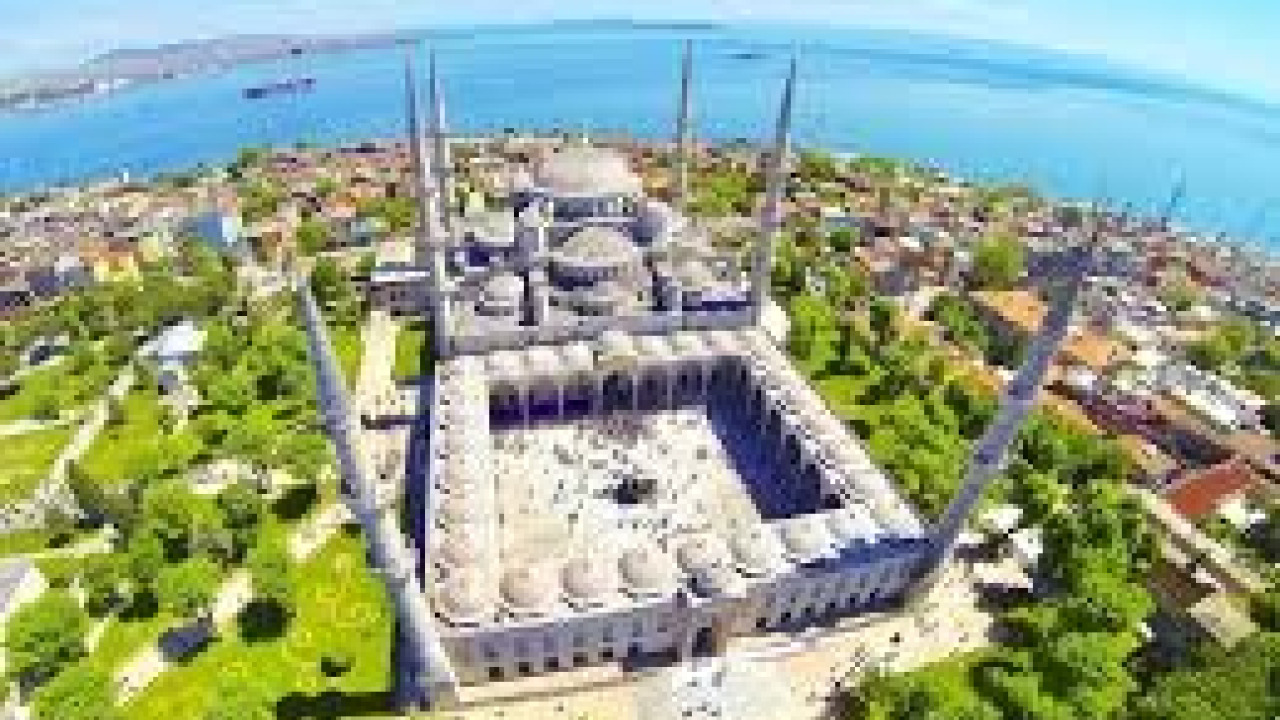
Overlooking the city skyline, the Citadel of Saladin is a masterpiece of medieval defensive architecture and offers the best panoramic views of Cairo. Inside the fortress, the Mosque of Muhammad Ali stands out with its striking domes and minarets. Architecture enthusiasts should also visit the Al-Azhar and Ibn Tulun mosques, two of the city's most venerable places of worship. To wrap up your city tour, the Cairo Tower provides a modern perspective and a stunning view of the Nile.
Luxor and Aswan: The World's Largest Open-Air Museum
As you travel south, you enter the region with the highest concentration of ancient ruins on earth. Luxor is often described as the world's largest open-air museum, while Aswan offers a more serene, sunny, and laid-back atmosphere. These two cities are typically connected to Cairo via domestic flights or sleeper trains and form the backbone of any comprehensive Egyptian tour.
The Valley of the Kings, Karnak, and Luxor Temple
The Valley of the Kings is a sacred site containing the rock-cut tombs of the pharaohs, famous for their incredibly preserved, colorful wall paintings. These underground chambers provide an intimate look at ancient Egyptian beliefs and daily life. The Karnak Temple Complex is equally awe-inspiring, particularly its Great Hypostyle Hall, where a forest of massive columns leaves visitors breathless. In the city center, Luxor Temple takes on a magical atmosphere when illuminated at night. Don't miss the Temple of Hatshepsut on the west bank, known for its unique terraced design. For a truly unforgettable experience, a sunrise hot air balloon ride over the Nile Valley is highly recommended.
Aswan, Abu Simbel, and Nile River Cruises
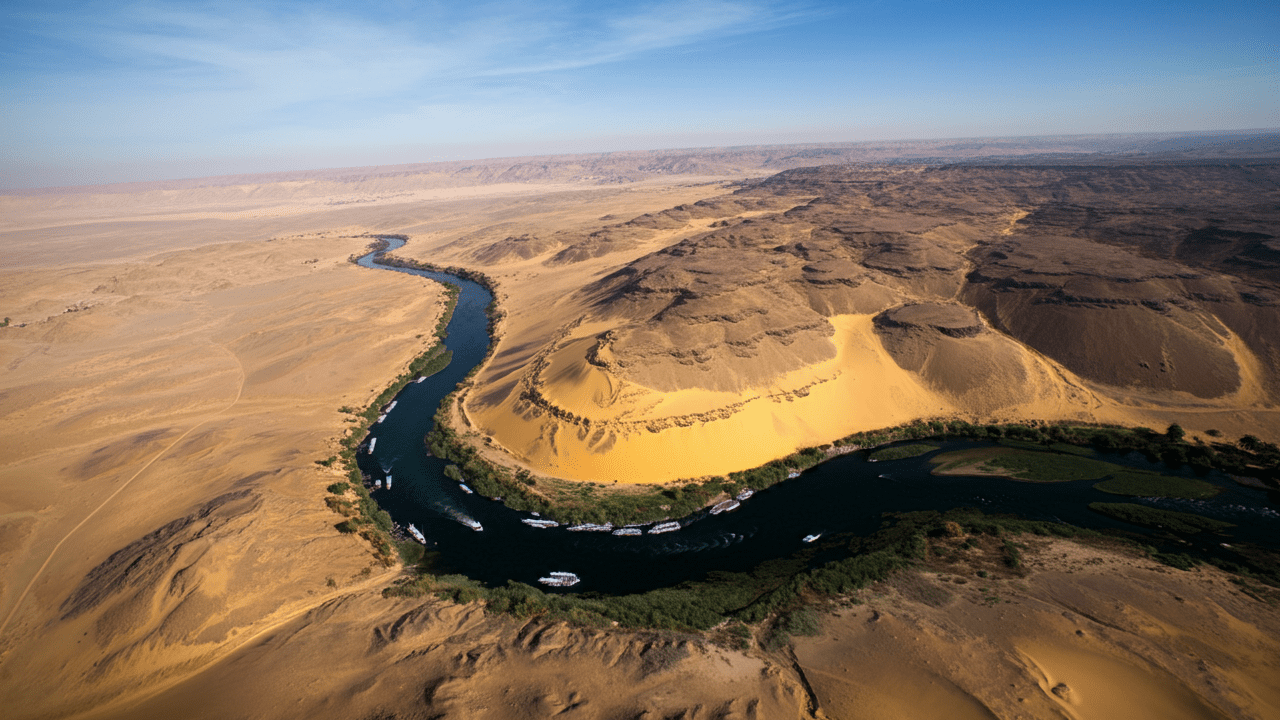
Aswan is beloved for its stunning islands and tranquil pace. The Nubian Museum adds depth to any visit by showcasing the rich heritage of the Nubian people. Further south lies Abu Simbel, where the colossal statues carved directly into the mountainside remain some of the most impressive monuments in the world. Most itineraries also include the Philae Temple in Aswan and the temples of Edfu and Kom Ombo. The most traditional way to experience this region is via a Nile River cruise between Luxor and Aswan. Spending your days exploring temples and your nights drifting down the river is often the highlight of any trip to Egypt. You can find our curated cruise and boat tours in our specialized category.
The Red Sea: Hurghada and Sharm El Sheikh
Where the desert meets the sea, you'll find the Red Sea coast—Egypt's premier destination for sun, sand, and adventure. Hurghada and Sharm El Sheikh are world-renowned for their crystal-clear waters, vibrant coral reefs, and diverse marine life, making them paradises for divers and snorkelers. Ras Mohammed National Park near Sharm El Sheikh is a protected sanctuary of underwater biodiversity, while Giftun Island near Hurghada is a favorite for day-trip boat tours. For those seeking a quieter, more raw experience, Marsa Alam in the south is becoming a top choice for serious divers. To add some adrenaline to your beach holiday, consider a desert safari with ATV rides and camel treks.
Another spiritual highlight of the region is Saint Catherine's Monastery in the Sinai Peninsula. As one of the oldest continuously operating monasteries in the world, it offers a unique blend of history and rugged mountain scenery. The Red Sea is the perfect way to unwind after a few days of intensive sightseeing in the cities.
Alexandria: A Mediterranean Breath of Fresh Air
In the north, Alexandria offers a completely different vibe, blending Egyptian history with a Mediterranean breeze. The modern Library of Alexandria, a tribute to the ancient center of learning, is a contemporary architectural marvel. Other highlights include the Citadel of Qaitbay, standing on the coast, and the lush gardens of Montaza Palace. The city's corniche, lined with cafes and seafood restaurants, offers a slower pace of life compared to the intensity of Cairo. Due to its proximity to the capital, Alexandria is an easy addition to any itinerary as a day trip or an overnight stay.
How Many Days Do I Need in Egypt and Which Cities Should I Prioritize?
The duration of your trip depends entirely on your interests. A short getaway focused solely on Cairo and the Pyramids can be done in 2-3 days. For a history-heavy route covering Cairo, Luxor, and Aswan, a 5-7 day program is ideal. If you add a Red Sea beach holiday, you should plan for 8-10 days.
Your choice of cities should align with your goals: - History & Archaeology: Focus on Cairo, Luxor, and Aswan. - Diving & Relaxation: Prioritize Hurghada and Sharm El Sheikh. - Coastal Culture: Add Alexandria to your list.
A classic one-week itinerary usually begins with the Pyramids in Cairo, moves to a Nile cruise between Luxor and Aswan, and concludes with a few days of relaxation on the Red Sea. This balance ensures you experience both the ancient heritage and the natural beauty of the country.
For multi-city trips involving domestic flights, guided tours are highly recommended to handle the logistics and timing. For independent travelers, we suggest planning temple entry times and inter-city transfers well in advance. You can compare all our tour options to find the one that fits your travel style.
When to Visit, Visas, and Transportation
The best time to visit Egypt is generally between October and April, when the weather is mild and comfortable. From June to August, the desert heat can be intense, making daytime visits to the pyramids and temples challenging. If you travel in summer, we recommend scheduling your sightseeing for the very early morning or late afternoon. Be sure to pack sunscreen, a hat, sunglasses, lightweight cotton clothing, and comfortable walking shoes for the sandy and rocky terrain.
Visa regulations can change frequently. While some travelers can obtain a visa on arrival or through an e-visa, we strongly recommend verifying the current requirements with your local embassy or the official Egyptian consulate before booking. Similarly, stay updated on official travel advisories regarding health and safety. Regarding transport, there are regular flights from major hubs to Cairo and the Red Sea resorts. Within the country, domestic flights, sleeper trains, and Nile cruises are the most efficient ways to get around.
Frequently Asked Questions 6
How many days are enough to visit Egypt?
For just Cairo and the Pyramids, 2-3 days are sufficient. A history-focused trip to Cairo, Luxor, and Aswan typically takes 5-7 days. Adding a Red Sea vacation extends the ideal trip to 8-10 days.
What is the best month to visit Egypt?
October through April is the most comfortable period for exploring open-air temples and pyramids. The summer months (June-August) can be extremely hot, making midday excursions difficult.
Which cities are the most important to visit?
For history, Cairo, Luxor, and Aswan are essential. For diving and beaches, Hurghada and Sharm El Sheikh are the top choices. For a Mediterranean atmosphere, Alexandria is a great alternative.
What are the most iconic symbols of Egypt?
The Giza Pyramids, the Great Sphinx, the Nile River, the Valley of the Kings, Karnak and Luxor Temples, Abu Simbel, and the coral reefs of the Red Sea are the most famous landmarks.
Do I need a visa for Egypt?
Visa rules vary by nationality and can change. Some travelers can get a visa on arrival, while others need to apply in advance. Always check the latest official government sources or the Egyptian consulate before your trip.
What is a Nile River cruise and where does it take place?
A Nile cruise is a floating hotel experience typically running between Luxor and Aswan. These cruises include stops at temples like Edfu and Kom Ombo, offering a traditional and relaxing way to see the heart of ancient Egypt.