
The road to Mount Nebo gently ascends from the plains of Madaba, and at the final bend, the panorama dramatically unfolds. To the west, the land dips below sea level; your gaze first falls upon the verdant ribbon of the Jordan Valley, then settles on the shimmering, muted expanse of the Dead Sea. The peak itself is a modest elevation; what truly magnifies the view isn't its height, but the dramatic drop-off on the opposite side. On this plateau, known as Ras Siyagha, you'll find a church complex, hundreds of square meters of mosaic flooring, and a terrace facing west. This guide will walk you through what to see at the peak, the best times to visit, how to get there from Amman and Madaba, and essential practical tips for your journey.
Quick Facts
| Topic | Information |
|---|---|
| Location | Approximately 10 kilometers west of Madaba, according to the Jordan Tourism Board |
| Visited Peak | Ras Siyagha, 710 meters |
| Highest Point of the Ridge | Jebel an-Neba (Nebo Dağı), 802 meters |
| Administering Authority | Custody of the Holy Land (Franciscan Order) |
| Main Structure | Moses Memorial Church (Memorial of Moses) |
| Mosaic Surface Area | Approximately 700 square meters, across three to four layers |
| Recommended Visit Duration | Approximately 45 to 60 minutes; those who linger over the mosaics may spend over an hour |
| Opening Hours | Hours announced by the administration: Winter 08:00-16:30, Summer 08:00-18:00 |
| Admission | Paid at the gate; not covered by the Jordan Pass |
| Drive from Amman | Approximately 45 minutes |
| Drive from Madaba | Approximately 15 minutes |
| Best Time to Visit | Spring and Autumn |
What Sets Mount Nebo Apart
While other hills along Jordan's western edge offer scenic views, what truly sets Nebo apart is the unique convergence of geography and archaeology: beneath your feet lies the floor of a Byzantine church, while before your eyes, the land plunges hundreds of meters below sea level.
Two Peaks, Two Elevations: Ras Siyagha and Jebel an-Neba
The elevation commonly referred to as "Nebo Dağı" is actually a short ridge comprised of several peaks. The peak visitors ascend, where the memorial church stands, is Ras Siyagha, measuring 710 meters according to the Custody of the Holy Land. The ridge's higher point, Jebel an-Neba, stands at 802 meters but lies outside the visitor's route. Discrepancies in elevation figures found in popular sources often stem from confusing these two peaks.
The Panoramic Reach
From the western terrace, you can behold the Jordan Valley, the Dead Sea, and Jericho. On a clear day, the view extends to the hills of Jerusalem, approximately 46 kilometers away as the crow flies, and south towards Bethlehem. It's important to note here: these mentioned settlements are on the opposite bank of the Jordan River, outside Jordan's borders; they are only visible from a distance and cannot be included as stops in the same day's itinerary. At night, the lights of the settlements on the opposite bank can be discerned. The clarity of the view varies significantly with the season and time of day, making the timing of your visit as crucial as the location itself for experiencing the best panorama.
Administration and Status: Dispelling Two Common Misconceptions
The site is not managed by the state's antiquities department but by the Custody of the Holy Land, which acquired the peak in the first half of the 1930s. The practical implication for visitors is that admission tickets are purchased separately at the gate, and the site is not included in the Jordan Pass, which covers state-run archaeological sites. The second common misconception concerns UNESCO. Mount Nebo is not among Jordan's UNESCO World Heritage Sites; its conservation and restoration framework is managed through the religious institution operating the site, not a state body.
Your Visiting Window: Month, Time, and Visibility Conditions
A visit to Mount Nebo is relatively brief, making the time of day you go almost as important as the month. The crucial variable isn't temperature, but the density of haze on the horizon.
| Period | Weather & Visibility | Visiting Notes |
|---|---|---|
| March-May | Mild; horizon clears after rain | Ideal window for green landscapes and clear views |
| June-August | Hot; dust and haze increase in the afternoon | Choose hours close to opening, shaded areas are limited |
| September-November | Temperatures drop, weather stabilizes | Long daylight hours, mild breezes |
| December-February | Cool, windy, rainy | Visibility improves between rain showers; early closing time |
Best Time of Day to Visit
Morning hours offer an advantage for visibility, as the air settles overnight; haze typically intensifies in the afternoon, especially during warmer months. It's crucial to highlight a common planning mistake here: the site closes around 16:30 in winter and 18:00 in summer, meaning sunset often occurs after closing time. The idea of "watching the sunset from the peak" is therefore often unfeasible. For photography, early morning is best, and for comfort, morning hours are generally a safer bet. Since opening and closing times vary by season, it's always wise to confirm details on the administering institution's website (custodia.org) before your visit.
What to Explore at the Summit
The visitor area is compact enough to explore on foot; the path from the parking lot to the memorial church and terrace has a gentle incline. There are three main stops.
The Moses Memorial Church and its Layered History
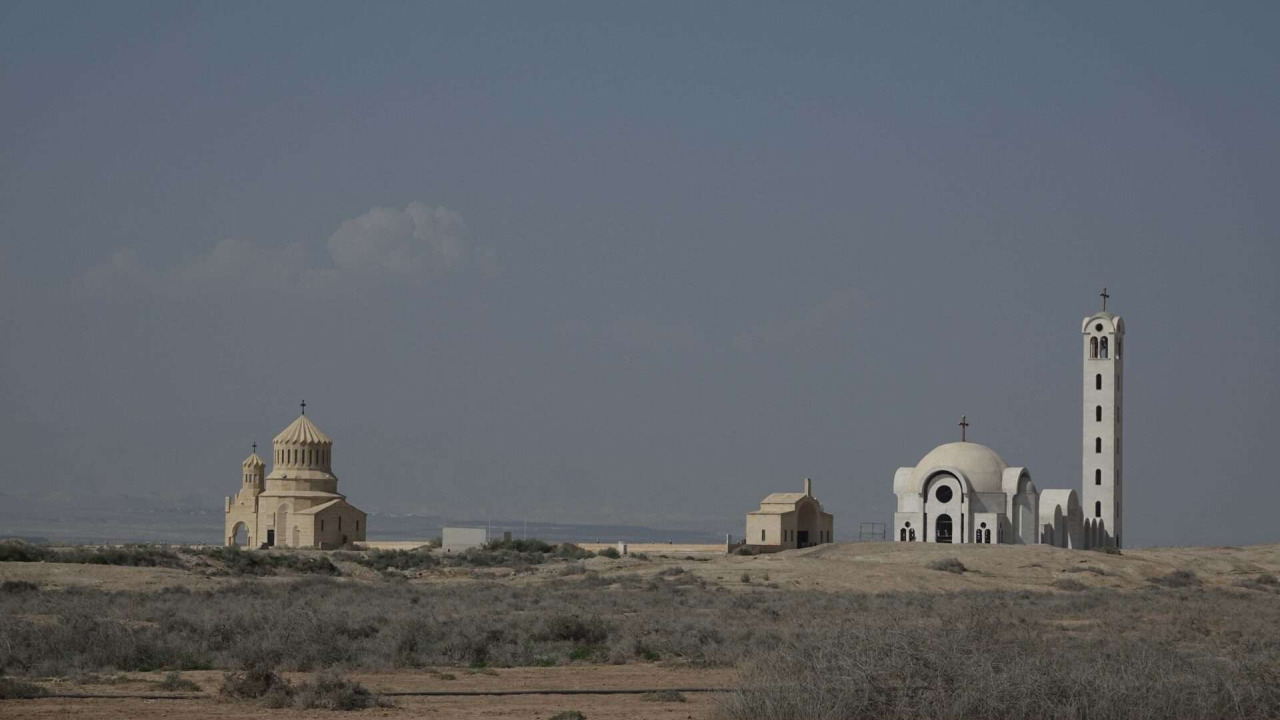
Beneath the modern shell you see today lie successive phases of construction. Initially, a small church stood on the peak; in the 4th century, a semi-circular synthronon for the clergy was added. In the 6th century, this early chapel was expanded and transformed into the apse of a basilica. In 597, a new baptistery was built to the south of the basilica, and at the beginning of the 7th century, the Theotokos Chapel was added to the west. The peak came into the hands of the Franciscans in the first half of the 1930s, initiating a long period of excavation; archaeologist Michele Piccirillo led the research from 1976 to 2008. The reconstruction of the structure was completed in 2016, and the monument was opened to visitors with a ceremony held in October of the same year. Therefore, any information circulating online suggesting it is "closed" is now outdated.
As you walk through the structure, you'll notice the floor remaining at different levels; this is a deliberate arrangement to display the lower layers without disturbing the upper pavement. The most rewarding way to visit is to walk through the hall once, then return to the mosaic panels for a closer look.
The 531 AD Mosaic of the Old Diakonikon-Baptistery
The mosaic surface area at the site spans approximately 700 square meters, laid in three to four layers. Among these, the most renowned is the large panel depicting hunting and pastoral scenes, located in the old diakonikon-baptistery section of the basilica's northern hall. This section is distinct from the aforementioned southern baptistery dated 597 AD, predating it by about seventy years; distinguishing between the two baptisteries helps in understanding the site. The panel's inscription indicates its creation in 531 AD and names the mosaicists: Soelos, Kaiomos, and Elias. The scenes depict hunters, grazing animals, and the regional flora of the period; color transitions are achieved with increasing detail as the stone size diminishes. The mosaic in the Chapel of Mary (Theotokos) to the west of the basilica was commissioned during the time of Bishop Leonzio, who served between 603 and 608 AD, but its figures were later destroyed during the iconoclastic wave. Pausing for a few minutes in front of the panels to observe the direction of the stones reveals how the same floor was reworked across different centuries. For those keen to trace the Byzantine mosaic tradition in the northern Mediterranean, our Italy travel guide clarifies the regional sequence.
The Bronze Serpent Monument and Western Terrace
At the edge of the terrace, the copper serpent sculpture with a cross-shaped staff is a work by Florentine sculptor Gian Paolo Fantoni, dating from 1983-84. The artwork merges the bronze serpent motif from the desert narrative with the figure of the cross in a single form; it's one of the most photographed spots at the site. The terrace behind the sculpture faces west, providing a natural vantage point for describing the panoramic view. During peak hours, the terrace can feel crowded, so taking your photos before tour groups arrive can make for a more relaxed experience.
The Story Behind the View: Mount Nebo in Belief
The peak's fame stems not just from its view, but from the profound narrative associated with it. This section should be read as a narrative of faith, without claiming archaeological proof.
The Deuteronomic Narrative in the Old Testament
According to the final chapter of Deuteronomy in the Old Testament, after leading the Israelites through the wilderness, Moses ascended Mount Nebo, saw the land across the river from afar, and completed his journey there. The same narrative explicitly states that the location of his burial is unknown. Therefore, the structure on the peak is a memorial, not a tomb; any site presented as "Moses' tomb" does not align with this text. For those planning a separate route to explore the geography where the Exodus narrative began, our Egypt travel guide outlines the itinerary logic.
Moses in Islamic Tradition
Stories of Moses feature prominently in the Quran, though the name of the peak itself is not mentioned in the text. Local Islamic tradition associates the prophetic narratives with various pilgrimage sites around the Jordan Valley. Mount Nebo's mention across three faith traditions has made it a common point of reference, and its visitor profile reflects this diversity.
Morning on the Peak, Afternoon in the Plains: A Half-Day Itinerary
A visit to Mount Nebo alone won't fill half a day. An efficient plan is to make the peak your first stop of the day, then incorporate the descent into your itinerary.
- Finish breakfast early in Madaba; arriving at opening time is the best way to catch the view before haze intensifies.
- Upon arrival at the parking lot, first walk to the western terrace to see the panoramic view and the bronze serpent monument in the clearest hours of the day.
- Enter the memorial church, walk through the hall once, then return to the baptistery mosaic; details often emerge on a second look.
- Complete your visit by following the open-air exhibition and walking paths; the total duration is typically 45 to 60 minutes.
- Around lunchtime, head back towards Madaba for a meal break, then transition to your afternoon plans from there.
- If you wish, follow the road descending west to the Dead Sea coastline; the descent is a continuous incline and requires more than a half-hour drive.
- Plan your return journey during daylight hours; lighting on rural two-lane roads is limited.
Getting to Mount Nebo: Travel & Access
There is no direct public transport route to Mount Nebo; travel is typically arranged via Amman or Madaba.
Flights and Airport Connection
Entry to Jordan is most commonly via Queen Alia International Airport in Amman. Scheduled direct flights from Istanbul take approximately two and a half hours; flight frequency and times vary by season. The airport is located south of Amman city center and close to Madaba, making it a practical choice to spend your first night in Madaba to shorten transfer times.
Road Travel from Amman and Madaba
Driving from Amman city center to the peak takes approximately 45 minutes, depending on traffic, while from Madaba center, it's about 15 minutes. The road is asphalted and well-signposted; the incline increases in the final kilometers. For those arriving by rental car, parking is available at the site entrance.
| Departure Point | Approximate Duration | Method |
|---|---|---|
| Madaba Center | 15 minutes | Taxi or rental car |
| Amman City Center | 45 minutes (may extend with traffic) | Rental car, taxi, guided tour |
| Queen Alia Airport | Around half an hour | Transfer vehicle or rental car |
| Dead Sea Coastline | More than half an hour (hilly drive) | Rental car |
Car-Free Transportation Options
Hiring a taxi from Madaba and having the driver wait is a common solution; since the visit is brief, the waiting cost is often more predictable than searching for a return taxi. Guided day tours typically combine Mount Nebo with Madaba and the Dead Sea on the same day. Costs are determined by vehicle type, number of passengers, and waiting time; request a written quote for current rates from local operators.
Dining and Accommodation Options
Dining Around the Peak and in Madaba
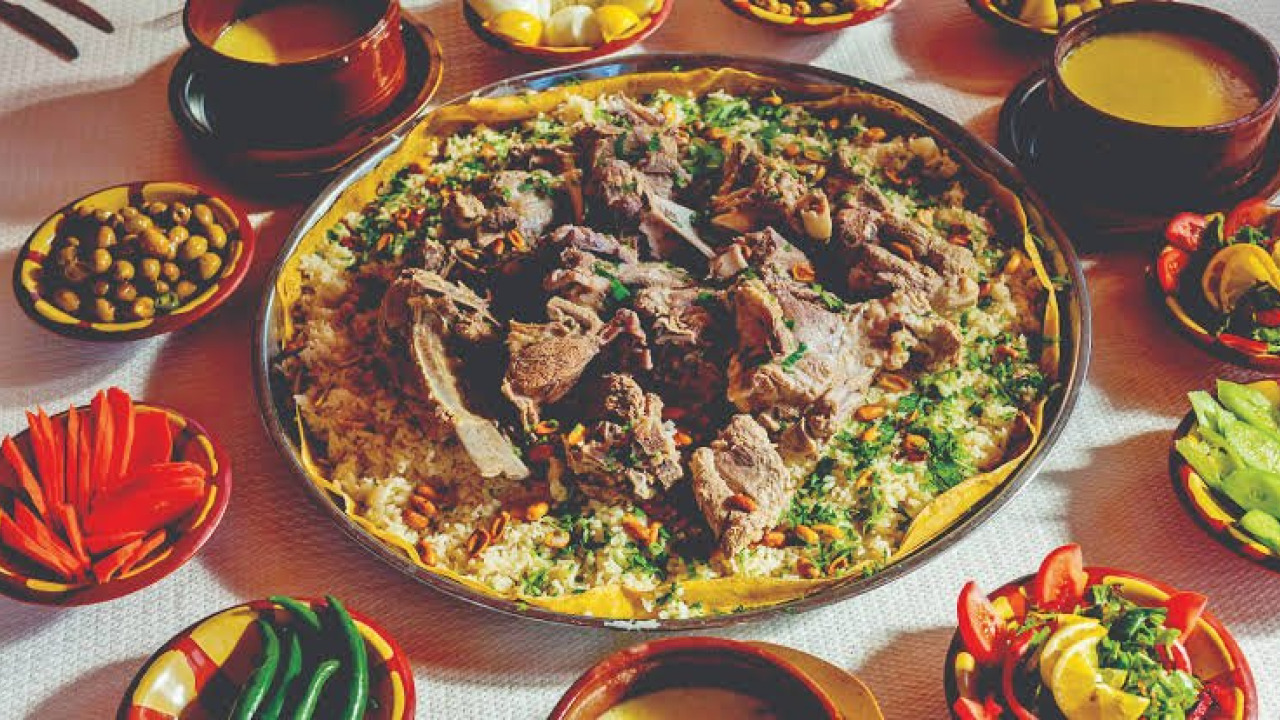
At the site entrance, you'll find a small souvenir shop and a service area, but the main dining options are in Madaba. Restaurants in the city center offer local menus ranging from mezzes to grilled dishes; for lunch, you might find lentil soup, hummus, roasted vegetables, and freshly baked bread served together on a plate. Instead of expecting a canteen at the peak, it's advisable to bring your own water, especially during summer visits, for a more comfortable experience.
Where to Stay
- Madaba Center: This is the closest accommodation area to Mount Nebo; you'll find small-scale hotels and guesthouses within walking distance of local restaurants. It's ideal for those planning an early start.
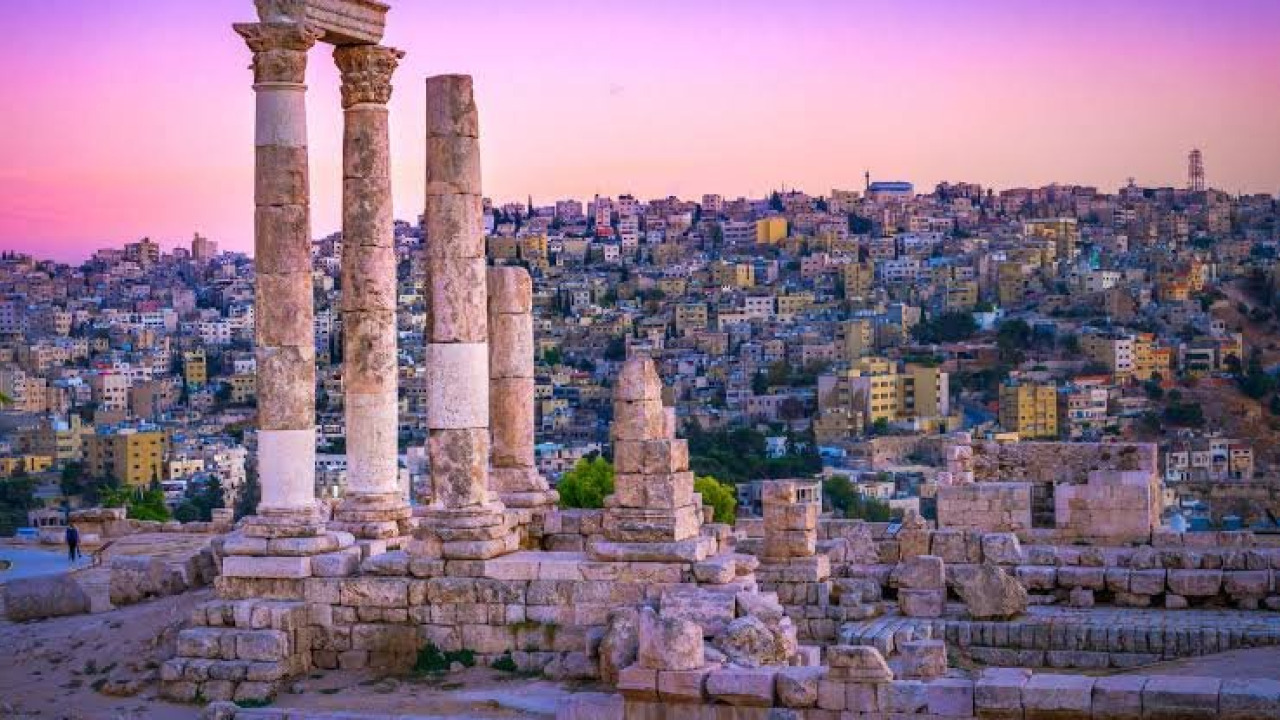
- Amman: Offers a wider range of hotels, vibrant nightlife, and excellent transport links; sufficient time for a day trip to the peak.
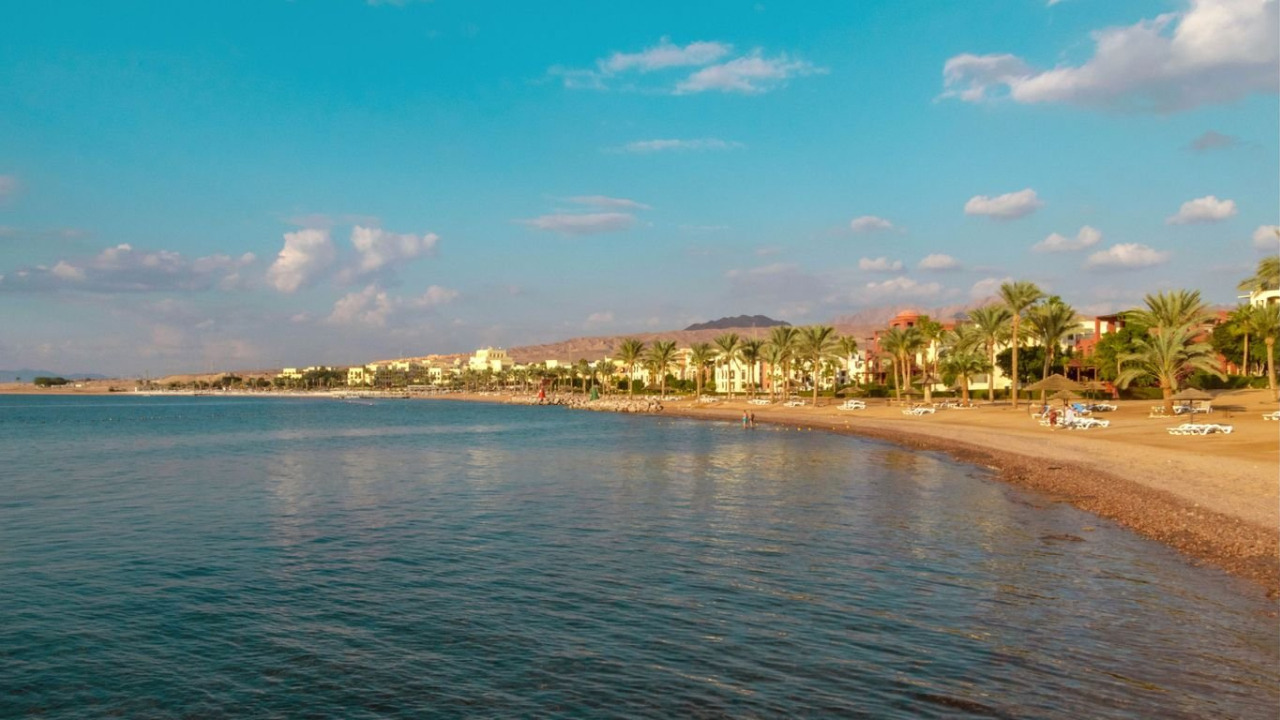
- Dead Sea Coastline: Thermal and coastal resorts are concentrated along this strip; due to the climate difference below sea level, it is noticeably hotter during the summer months.
Practical Tips Before Your Visit
- As it is an active place of worship, modest attire covering shoulders and knees is appropriate; silence is expected inside the church.
- Admission tickets are purchased at the gate, and the site is not covered by the Jordan Pass; fees may vary based on the visitor's residency status, so check the administering institution's website for current rates.
- Visa requirements vary by nationality and are updated periodically; confirm details on the official Jordan Tourism Board website before your trip.
- The terrace is exposed to wind; a light layer in spring and autumn, and a hat and sunscreen in summer, will be useful.
- Shade at the site is limited, and walking paths are stone-paved; opt for non-slip footwear.
- If combining your visit with Madaba on the same day, dedicate the morning to the peak and the afternoon to the city; reversing the order will diminish the view due to haze.
Mount Nebo is a brief but delicately planned stop: the right time, the right season, and the right sequence can transform your experience of both the view and the site itself. For travelers seeking similar themes in Turkey, our cultural tours in Turkey, focusing on ancient cities and museums, or our historic city tours in Turkey category for those who prefer exploring centers with a rich historical fabric on foot, offer excellent starting points.
Frequently Asked Questions 6
Is Mount Nebo covered by the Jordan Pass?
No, it is not. The site is managed by the Custody of the Holy Land, distinct from state-run archaeological sites, and is not included in the Jordan Pass. Admission tickets are purchased separately at the gate.
How do I get to Mount Nebo from Amman, and how long does it take?
There is no direct public transport. Driving from Amman city center by rental car or taxi takes approximately 45 minutes, depending on traffic. From Madaba center, the journey shortens to about 15 minutes.
How long does it take to visit Mount Nebo?
The average visit duration is 45 to 60 minutes. This includes exploring the western terrace, the bronze serpent monument, and the mosaic panels inside the Moses Memorial Church. Those who spend more time admiring the mosaics may exceed an hour.
Is Prophet Moses' tomb on Mount Nebo?
According to the book of Deuteronomy in the Old Testament, Moses completed his journey on this peak, but the same text states that the location of his burial is unknown. The structure on the peak is a memorial site, not a tomb.
What is the best time to visit Mount Nebo?
Spring (March-May) and autumn (September-November) are favorable for both temperature and visibility. During summer months, morning hours are preferred as increasing haze in the afternoon can obscure the view.
Is there a dress code for Mount Nebo?
As the site is an active place of worship, modest attire covering shoulders and knees is appropriate. Silence is expected inside the church; a light outer layer is useful on the windy terrace.