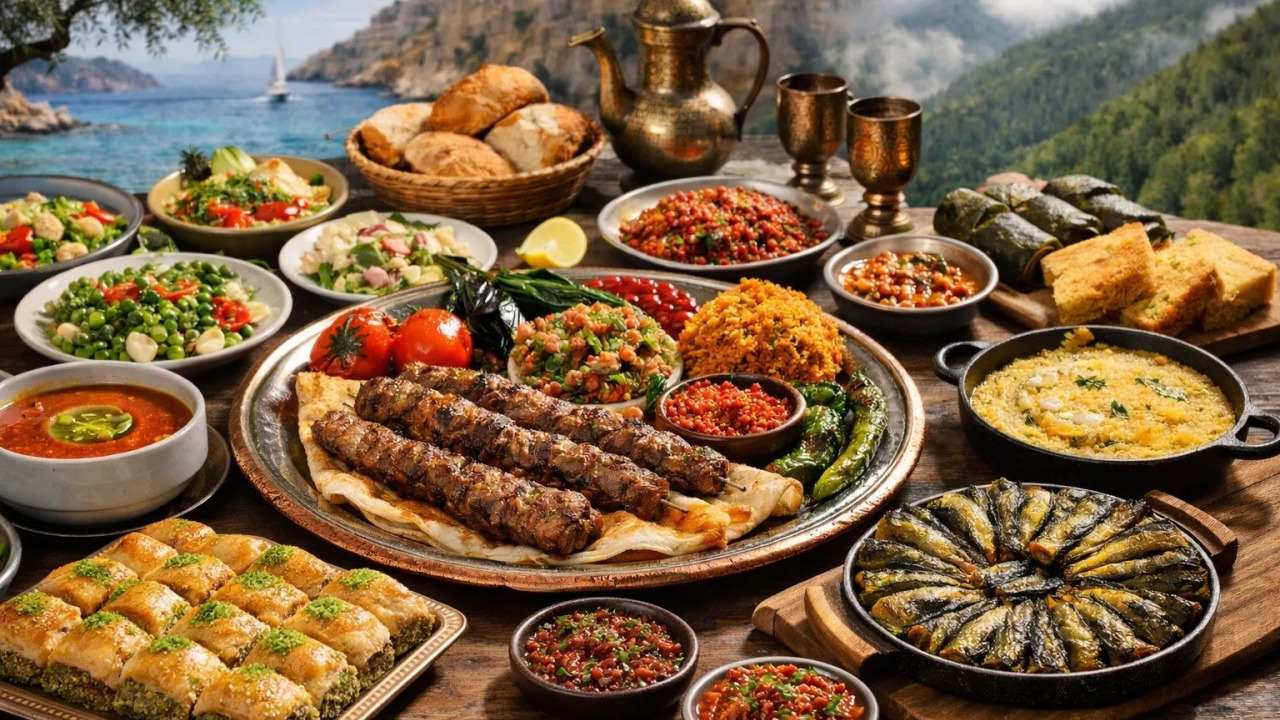

For travelers who want more than just photos of ancient ruins, a Southeast Turkey food tour offers a deep dive into the very soul of the region through its flavors. The cuisines of Gaziantep, Şanlıurfa, Mardin, Diyarbakır, and Hatay have woven together a massive culinary atlas—a result of centuries of influence from Silk Road merchants, diverse ethnic communities (Armenian, Syriac, Arab, Kurdish, and Turkish), and the unique intersection of Mediterranean and Mesopotamian climates. In this guide, Travel Tour Shop explores this gourmet route city by city. We combine our field expertise to show you exactly what to eat at every stop, the heritage behind each dish, and how to practically plan your journey. From flaky baklava to spicy çiğ köfte, stuffed ribs, and honeyed künefe, this journey traces the footsteps of geographically indicated products and multicultural dining traditions.
Quick Look: Route Summary
| Feature | Details |
|---|---|
| Cities Covered | Gaziantep, Şanlıurfa, Mardin, Diyarbakır, Hatay |
| Culinary Character | Meat-centric, spicy, multicultural Mesopotamian fusion |
| Signature Flavors | Antep baklava, beyran, çiğ köfte, kaburga dolması, liver kebab, künefe |
| Geographically Indicated Products | Antep baklava, Karacadağ rice, Urfa isot, Nizip olive oil |
| Ideal Season | Spring (April–May) and Autumn (September–October) |
| Cultural Axis | Silk Road; Armenian-Syriac-Arab-Kurdish-Turkish heritage |
This route is a vibrant slice of Turkey's regional culinary map. For those looking to explore the country's diverse food culture more broadly, check out our Turkey gastronomy guide and regional flavors article. Below, we turn our attention to the southeastern corner of Mesopotamia.
Gaziantep: UNESCO City of Gastronomy and the Capital of Baklava
When people think of gastronomy in Turkey, Gaziantep is the first city that comes to mind. It earned this prestige in 2015 as the first Turkish city to join the UNESCO Creative Cities Network in the field of gastronomy. The cuisine of Gaziantep is far more than just a list of dishes; it is a refined cultural system encompassing everything from raw ingredients and cooking techniques to seasonal rituals and presentation styles. As the starting point of our route, Gaziantep serves as the ultimate palate calibrator.
Starting the Day with Beyran
A gourmet traveler's day in Gaziantep begins at the crack of dawn, around 5:00 or 6:00 AM, with a bowl of beyran soup. Prepared over high heat with lamb meat, rice, garlic, and rich fat, beyran is the region's essential energy source. Served in traditional artisan restaurants that open in the early hours, this soup is a local morning ritual and offers an authentic introduction to gastronomic tourism. If you are planning your sightseeing around your meals, our Gaziantep travel guide is a great resource.
Katmer, Kebabs, and Antep Baklava
After beyran, the menu moves to succulent lamb kebabs served in legendary establishments like İmam Çağdaş. For a sweeter breakfast touch, there is katmer—a crispy pastry filled with fresh Antep pistachios. The crown jewel of the route, however, is the geographically indicated Antep baklava, crafted from 40 layers of paper-thin dough. In Gaziantep, every stage of eating is a ceremony. While wandering through the historic Elmacı Pazarı, you can experience the agricultural wealth of Mesopotamia through the scents of dried eggplants, chili flakes, and zahter.
The depth of Gaziantep's kitchen extends far beyond a few famous dishes. Plates like Ali nazik, yuvarlama, lahmacun, and pistachio sausage are all integral parts of this shared table culture. The city's mastery of pistachio production enriches both its desserts and its meat dishes. On this first leg of the journey, we recommend not rushing; rather than trying to cram too many meals into one day, savor each flavor in its rightful setting to elevate your gastronomic experience. The city's copper craftsmanship and spice bazaars also make for perfect culinary stops.
Şanlıurfa: Isot, Çiğ Köfte, and the Sıra Gecesi Tradition
Compared to Gaziantep, the cuisine of Şanlıurfa is much more intense, spicy, and meat-centric. The foundation of Urfa's food culture lies in the meat of livestock raised naturally in the region's pastures and the famous isot. Isot is a unique, dark, dried chili pepper native to Urfa that adds a profound depth to every dish. This stop is the part of the route that pushes spice levels to their peak.
The Power of Çiğ Köfte and Isot
The dish that defines the dining character of Şanlıurfa is authentic çiğ köfte, kneaded by master hands. This authentic version—made by kneading meat, isot, bulgur, and ice without cooking—is the region's gastronomic signature. The smoky heat of the isot blends perfectly with the texture of the çiğ köfte, creating a lasting memory on the palate. For those planning trips around the city, you can explore our Şanlıurfa cultural tours category.
Sıra Gecesi and the Mırra Ritual
The pinnacle of gastronomic tourism in Şanlıurfa is undoubtedly the Sıra Gecesi ritual. These gatherings are more than just a meal; they are an intangible cultural heritage where music, literature, social solidarity, and gastronomy intertwine. After enjoying çiğ köfte accompanied by traditional music, the ritual concludes with a cup of cardamom-infused mırra coffee, a mystical way to aid digestion. Gastronomy tourists can experience the sociological power and unifying role of food firsthand during these evenings.
Mardin: An Arab-Syriac Synthesis and Stuffed Ribs
Reflecting the city's multi-religious fabric, Mardin's cuisine is a refined Arab-Syriac synthesis where sweet meets sour and meat meets fruit. Spices like cinnamon, coriander, allspice, and mahleb are used heavily in meat dishes. Set against the backdrop of stone streets and ancient monasteries, this stop offers the most layered dining experience on the route.
Stuffed Ribs, İkbebet, and the Syriac Table
Unforgettable dishes from the Mardin leg include the famous kaburga dolması (stuffed ribs), Mardin pilaf (kitel) prepared with almonds and meat, and ikbebet, a savory meat-filled dough dumpling. Syriac pastries and local Syriac wine are also essential parts of this multicultural table. To explore the city's stunning stone architecture and monasteries, check out our places to visit in Mardin guide and our Mardin cultural tours options.
Diyarbakır: Liver Kebab and Karacadağ Rice
In the shadow of its ancient walls, Diyarbakır has created its own culinary school, fueled by fresh vegetables from the Hevsel Gardens (nourished by the Tigris River) and the registered Karacadağ rice grown in the basaltic soils of Mount Karacadağ. This stop is a place where the fertility of the land is served directly to the table.
Liver Kebab for Breakfast
Unlike its counterparts in western metropolises, Diyarbakır's liver kebab (ciğer kebabı) is a breakfast staple—a gourmet experience where the freshest lamb liver meets the grill. Meftune and burma kadayıf are other iconic gastronomic symbols of the city. Karacadağ rice, with its protected geographical indication, represents the region's agricultural identity and provides a distinctive flavor to local pilafs.
The Hevsel Gardens, a UNESCO World Heritage site, have nourished the city's tables for centuries. The fresh vegetables from these gardens bring life to dishes like meftune, which is rich in eggplant and garlic. Rib dishes and stuffed ribs also hold a strong place on the Diyarbakır table. Walking through the city's walls while simultaneously experiencing the historical texture and the culinary culture rising from this soil makes this stop truly multi-layered.
Hatay: Künefe, Hummus, and the Multicultural Table
The Mediterranean wing of our route, Hatay, brings the Mesopotamian synthesis to the seaside with its multicultural cuisine centered in Antakya. This culinary style, a blend of Arab, Armenian, and local traditions, is famous for its warm künefe made from shredded cheese pastry. Hummus made from chickpeas, muhammara, and various olive oil-based mezes provide the refreshing side of the Hatay table. The streets of the Antakya bazaar, filled with the scents of spices and sweets, provide a delicious finale to the Southeast Turkey food tour.
Geographically Indicated Products and the Silk Road Synthesis
The invisible thread holding this route together is the multicultural culinary synthesis accumulated over centuries of Silk Road trade. Geographically indicated products are the tangible proof of this heritage: Antep baklava, Urfa isot, Karacadağ rice, and Nizip olive oil are flavors inextricably linked to the local soil. Culinary staples like pomegranate molasses and dried tomatoes also spread from these lands. Buying these products from local markets is one of the fairest forms of tourism, as it directs income straight to the producers and local tradesmen.
Another value of a gastronomy-focused route is sustainability. While paying an entrance fee to a historical monument largely benefits large institutions, eating at a local restaurant or buying chili flakes, pomegranate molasses, and dried tomatoes from a market puts money directly into the hands of farmers and shopkeepers. This cycle supports the continuity of traditional agriculture and livestock farming in the region. As the market value of geographically indicated products rises, younger generations are more likely to engage in value-added production rather than leaving their villages. Thus, Mesopotamian cuisine becomes more than just a meal; it becomes a model for regional development.
How to Plan Your Route: Transport and Ideal Season
When planning your Southeast Turkey food tour, the distances between cities form the backbone of your itinerary. A classic route begins in Gaziantep, moves to Şanlıurfa (approx. 145 km), continues to Mardin (approx. 185 km), and proceeds to Diyarbakır (approx. 95 km). Since Hatay is about 200 km from Gaziantep, it can be treated as a separate Mediterranean leg at the beginning or end of your trip. Intercity travel is easily done by road, and the airports in Gaziantep, Şanlıurfa, Mardin, and Diyarbakır allow you to combine flights with regional driving.
Best Season and Where to Eat
Since the summer months in this region can be quite hot, spring (April–May) and autumn (September–October) are much more comfortable for a food tour. During these periods, the weather is mild and local produce is at its freshest. For those looking for dining advice, a good rule of thumb is: seek out artisan restaurants that open early for beyran and liver kebab, visit established masters for baklava and katmer, and choose local cultural venues for çiğ köfte and Sıra Gecesi to capture the authentic local vibe. If you want to combine these experiences into a structured itinerary, explore our gastronomy-focused cultural tours category.
Frequently Asked Questions 5
Which cities does the Southeast Turkey food tour cover?
A classic Mesopotamia flavor route covers Gaziantep, Şanlıurfa, Mardin, and Diyarbakır. Hatay is added to the route via its multicultural cuisine, specifically focusing on künefe and hummus. These cities are connected by road along the historic Silk Road.
Why is Gaziantep considered a UNESCO City of Gastronomy?
Gaziantep was the first Turkish city to join the UNESCO Creative Cities Network in the field of gastronomy in 2015. This title recognizes the city's highly refined culinary system, including its famous baklava, katmer, beyran, and kebab culture.
Which flavors should I try on the Mesopotamia gastronomy route?
Key highlights include beyran, katmer, and Antep baklava in Gaziantep; çiğ köfte and mırra in Şanlıurfa; kaburga dolması and ikbebet in Mardin; liver kebab and Karacadağ rice pilaf in Diyarbakır; and künefe and hummus in Hatay.
What is the best season for a Southeast Turkey food tour?
Because summer temperatures can be very high, spring (April–May) and autumn (September–October) are the most comfortable times for the route. During these months, the weather is mild and local ingredients are fresh.
What are the geographically indicated products on the route?
Among the region's registered products are Antep baklava, Urfa isot, Karacadağ rice, and Nizip olive oil. Purchasing these from local markets ensures your money goes directly to the producers.