The Black Sea caravan routes stand apart from other campervan itineraries in Turkey, seamlessly blending the asphalt comfort of the coastline with the challenging altitudes and winding roads of the highlands, all within a single journey. Stretching from the vicinity of Bolu and Zonguldak in the west to Rize and Artvin in the east, this route offers opportunities to stay in charming coastal towns and high-altitude plateaus alike. This guide isn't just a list of places to see; it's a practical resource for caravan travel, covering driving conditions, accommodation, and resupply points: which sections are best for which season, where to find water and electricity, and what type of vehicle is suitable for the highland roads.
When Does the Black Sea Caravan Season Open?
Given the region's high humidity year-round, the caravan season varies between the coast and the highlands. The D010 Black Sea Coastal Road, the backbone of the coastal route, remains accessible for most of the year. However, roads leading to the high plateaus open later due to snow and become challenging again with the first autumn flakes. It's wise to allow a flexible window for the coastal section and a narrower one for the highlands.
Quick Facts
| Topic | Information |
|---|---|
| Route Axis | From Bolu and Zonguldak areas to Rize and Artvin |
| Key Stops | Amasra, Safranbolu, Sinop, Trabzon, Rize |
| Best Time | Spring and Autumn for coast, Summer for highlands |
| Challenging Conditions | Humidity, fog, narrow and steep highland roads |
| Accommodation | Camping facilities and municipal caravan parks |
Essential Caravan Gear for the Black Sea
Humidity is the primary factor dictating your gear choices on this route; condensation can lead to mold in cupboards and contact issues with electronics. For the highland sections, vehicle size and brake endurance are paramount.
| Equipment | Why it's essential | Note |
|---|---|---|
| Roof ventilation fan | Expels condensation and humidity | A model that operates when closed in rain is ideal |
| Space heater | Maintains interior warmth on highland nights | Fuel consumption increases with altitude |
| Solar panel and leisure battery | Provides autonomy in off-grid areas | Production decreases in cloudy weather |
| Fresh and grey water tanks | Bridges distances between resupply points | Must be emptied at official stations |
Stops Along the Route
Stops are listed from west to east.
Bolu and Zonguldak: The Western Gateway to the Route
Bolu stands out as the ideal first overnight stop for caravans arriving from Istanbul and Ankara. Its forest-side rest areas and lakeside facilities are perfect for recuperating after a long highway drive. As you descend towards Zonguldak, the road hugs the coast, and inclines become steeper. Practical tip: Complete your resupply at the western entrance.
Bartın and Amasra: First Contact with the Coast
Amasra, a charming small port town connected to Bartın, was known as Sesamos in ancient times. It's famous for its castle ruins perched on the headland separating the Great Harbor from the Small Harbor. The town's streets are narrow and steep, so it's more comfortable to park your vehicle in an outer parking lot and walk down to the center.
Safranbolu and Kastamonu: A Detour Inland
Safranbolu, part of Karabük, has been a UNESCO World Heritage site since 1994, celebrated for its remarkably preserved Ottoman-era houses. Kastamonu adds another layer to your inland journey with its wooden mansions, historic castle, and surrounding canyons, offering a cool alternative when coastal humidity becomes overwhelming. For those looking to build a separate itinerary around this section, explore our historic city tours options.
Sinop, Samsun, and Amasya: The Central Black Sea
Sinop, a peninsula city, is home to İnceburun, considered the northernmost tip of Anatolia. Its inner castle, which served as a prison from 1887 until its closure and conversion into a museum in 1997, is a must-see. Samsun, with its wide, flat coastal parking areas, is convenient for an overnight stop; Amisos Hill, bearing traces of ancient Amisos, and the Bandırma Vapuru Museum are worth a quick visit. In Amasya, the rock-cut tombs of Pontus kings carved into Harşena Dağı and the Yalıboyu houses along the Yeşilırmak River warrant a short detour. Practical tip: Campsites are sparse in this section, so plan to finish your day early.
Giresun and Trabzon: Transition to the East
Giresun is a notable stop, known for its island approximately 1.6 kilometers offshore and its plump hazelnuts. Trabzon, on the other hand, serves as the main logistical hub for the eastern half of the route, offering services, markets, and spare parts. Navigating the city center with a caravan can be cumbersome due to traffic; it's more practical to park in the spacious areas along the ring road and use public transport to reach the center.
Rize and Artvin: The Highland Roads
Rize and Artvin mark the section of the Eastern Black Sea route where altitude truly begins to climb. Roads ascending from tea-covered slopes are narrow, winding, and sometimes lack guardrails. In Rize, Ayder and Pokut, both connected to Çamlıhemşin, are popular highland stops, as is Kafkasör in Artvin, about 8 kilometers from the city center. Some highland roads are unsuitable for long motorhomes and towed caravans; a common strategy is to leave your vehicle at a facility in the valley and ascend to the plateaus with a smaller car. Even in summer, night temperatures in the highlands can drop significantly. For a nature-focused itinerary, check out our nature adventure tours page.
Driving Order from West to East
- Spend your first night around Bolu; complete tire, brake, and fluid checks.
- Descend to Bartın via Zonguldak and join the coastal route at Amasra.
- Take a detour inland to Safranbolu and Kastamonu for an overnight stay.
- Dedicate a full day to the Sinop peninsula, replenishing water and fuel supplies.
- Make a short detour to Amasya via Samsun.
- Pass Giresun and take a maintenance break in Trabzon.
- Ascend to the Rize and Artvin highlands to complete the route.
Parking is Not the Same as Camping
Caravan usage in Turkey is regulated by the Highway Traffic Law and related regulations. With new rules coming into effect in 2025, O1 class towed caravans under 750 kilograms are now subject to registration, license plates, and periodic inspections; a transition period has been granted for vehicles manufactured prior to this. Motorhomes, on the other hand, are registered as M1 special-purpose vehicles and can be driven with a B-class license. As legislation is frequently updated, it's essential to confirm the current regulations before embarking on your journey.
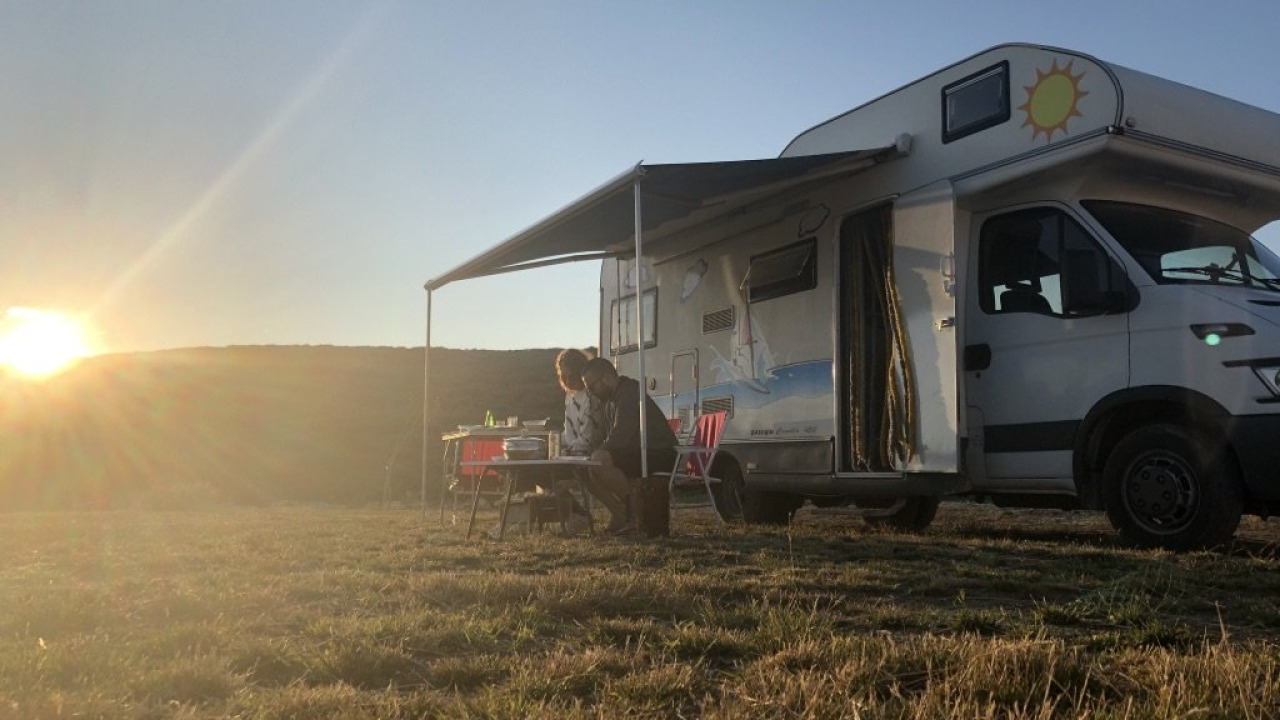
The distinction in practice is as follows: leaving your vehicle in a public parking lot or on the roadside and staying inside is considered parking. However, extending an awning, setting out tables and chairs, lighting a barbecue, or hanging laundry is considered camping, and administrative action may be taken in areas where camping is prohibited. Many municipalities along the coastline closely monitor this distinction during the summer months.
Tips Before You Go
- Rain is common throughout the year in this region; pack waterproof shoes and quick-drying clothing.
- Before heading to the highland roads, have your brakes, tires, and cooling system checked.
- Empty grey and black water at official stations; never discharge into riverbeds.
- As heating needs increase at higher altitudes, ensure your fuel and gas supplies are topped up in advance.
- Take your waste with you when you leave, and only light fires in designated areas.
Seasonal Comparison
| Period | Advantage | Note |
|---|---|---|
| Spring (April-May) | Green landscape at its most vibrant, quieter facilities | Highland roads may still be closed |
| Summer (June-August) | Highland roads open, comfortable cool nights | Coastal humidity and local holiday crowds increase |
| Autumn (September-October) | Fog decreases, light is ideal for photography | Rainfall increases, dirt roads may deteriorate |
| Winter (November-March) | Coastal route is calm and accessible | Highland sections close, heating consumption rises |
How Many Days Should You Allocate for the Route?
The entire route typically requires a seven to ten-day itinerary, with three to four hours of driving per day. If your time is limited, it's more efficient to split the route: the western section focuses on historical sites and coastal towns, while the eastern part emphasizes highland driving. For those who want to plan their culinary stops in advance, consult our Black Sea cuisine guide. If food is central to your travel plans, explore our gastronomy tour packages. For a plan rich in museums and historical settlements, visit our cultural tours page.
Frequently Asked Questions 7
Where should you start a Black Sea tour?
For those arriving by caravan, the western entrance is a logical starting point. Spending the first night around Bolu, then descending to the coast via Bartın and Amasra, allows for a seamless journey eastward.
What are the must-see places in the Black Sea region?
Along the coastline, Amasra, Sinop, Giresun, Trabzon, and Rize stand out. Inland, Safranbolu, Kastamonu, and Amasya are key highlights. When traveling by caravan, the distances between these stops can be divided into single-day drives.
What are the 5 wonders of the Black Sea Region?
Commonly cited wonders include Amasra's natural harbor, Safranbolu's preserved historical architecture, the Sinop peninsula, the highlands of Rize and Artvin, and the lush green landscape that defines the region's identity.
What are the most famous dishes of the Black Sea?
Anchovies (hamsi) are the region's symbol, often accompanied by cornbread, black cabbage dishes, and mıhlama – a fondue-like dish made with corn flour, butter, and cheese. In the Trabzon area, Akçaabat meatballs, named after the district, are a local specialty.
Is it possible to drive a caravan to the highlands?
Many highland roads are accessible with short to medium-sized vehicles. However, long motorhomes and towed caravans may struggle with narrow bends. A common solution is to leave your vehicle in a facility at the valley base and ascend with a smaller car.
How many days does the Black Sea caravan route take?
The entire route can be completed in seven to ten days, with three to four hours of driving per day. A shorter plan focusing solely on the eastern section can fit into four to five days.
What is the difference between parking and camping?
Leaving your vehicle in a parking lot or on the roadside and staying inside is considered parking. However, extending an awning, setting up tables and chairs, or lighting a barbecue falls under camping and may result in administrative action in prohibited areas.