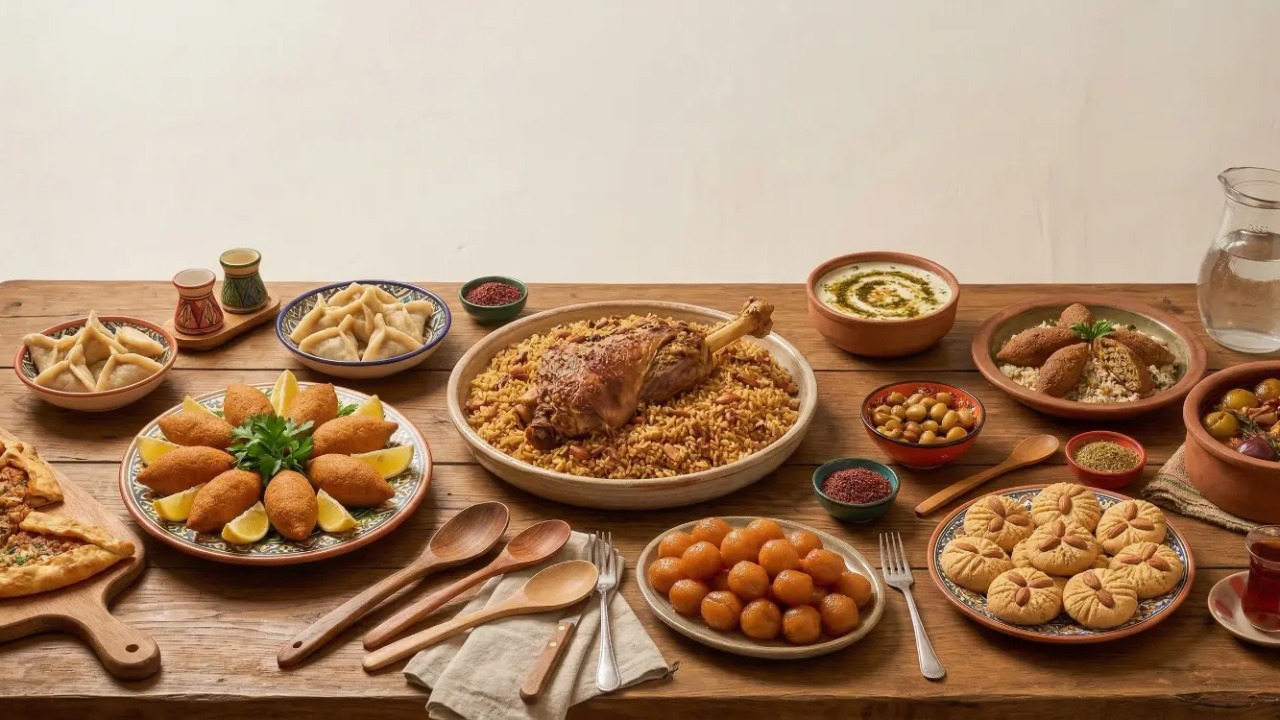

Turkey is far more than a destination for history buffs and sun-seekers; it is a global culinary powerhouse. Situated at the crossroads of Asia, Europe, the Middle East, and the Mediterranean, this land has spent centuries blending the traditions of diverse civilizations into a unique and sophisticated gastronomic heritage. From the buttery layers of Gaziantep baklava to the fresh anchovies of the Black Sea, the olive-oil-infused delicacies of the Aegean, and the aromatic künefe of Hatay, every region tells its own story through its flavors. In this guide, we dive deep into the historical roots of Turkish cuisine, regional specialties, the legendary breakfast culture, street food gems, and how to plan your own flavor-focused journey.
At Travel Tour Shop, we believe quality is non-negotiable. That is why we have vetted our tour and transfer providers rigorously, filtering out approximately 83% of suppliers to list only those who have proven their local expertise and earned stellar reviews from our guests. The regional recommendations and travel tips provided below are part of this quality filter; our goal is to ensure that when you visit a city, you have both the perfect table and a seamless ride waiting for you.
Quick Facts
| Topic | Details |
|---|---|
| Culinary Roots | Central Asia, Seljuk, and Ottoman Palace Cuisine |
| Key Regions | Southeast, Mediterranean, Aegean, Black Sea, Central Anatolia |
| UNESCO Cities of Gastronomy | Gaziantep, Hatay, Afyonkarahisar |
| Iconic Flavors | Baklava, Kebabs, Künefe, Mantı, Olive Oil Dishes |
| Best Time to Visit | Spring and Autumn (for local festivals and harvest seasons) |
| Ideal For | Foodies, cultural explorers, families, and groups |
The Historical Roots of Turkish Cuisine
The foundations of Turkish cuisine stretch back to the nomadic Turkic tribes of Central Asia. This nomadic lifestyle placed meat and dairy at the center of the table, leaving a lasting legacy of cured meats, yogurt, and diverse pastry work. As these tribes settled in Anatolia, grains, fresh vegetables, and legumes were integrated, creating a rich and varied culinary tapestry.
The Seljuk and, more prominently, the Ottoman eras brought a massive transformation. The Ottoman palace kitchen became a sophisticated hub where the finest chefs from across the empire converged, shaping many of the classics we enjoy today. Because the empire spanned the Balkans, the Caucasus, the Arabian Peninsula, and the Mediterranean, these distinct culinary worlds interacted and evolved together. This is why a single plate in Turkey can simultaneously evoke the spirit of the Balkans and the freshness of the Mediterranean. This historical depth makes Turkish gastronomy not just diverse, but profoundly meaningful.
Gaziantep: The Culinary Capital
Gaziantep is a proud member of the UNESCO Creative Cities Network for Gastronomy and holds a legendary status on Turkey's flavor map. The city's culinary signature is the masterful balance of bold spices and the world-renowned Antep pistachio. Here, the pistachio is more than just an ingredient; it is a cultural identity.
When in Gaziantep, your "must-try" list should include baklava with paper-thin layers, beyran soup (a hearty breakfast favorite that often has long queues), ali nazik (tender meat served over smoked eggplant and garlic yogurt), authentic lahmacun, and buttery katmer. The desserts made with fresh pistachios turn the city's pastry shops into galleries of edible art. The best way to experience the city is a full-day flavor route: start with a warming morning soup, move to savory kebabs for lunch, and end your evening with a decadent dessert.
Hatay Cuisine: A Table of Civilizations
With hundreds of distinct dishes, Hatay offers one of the most layered culinary experiences in Turkey and also carries the UNESCO Gastronomy City title. A seamless blend of Mediterranean, Arabic, and Anatolian influences, this cuisine is celebrated for its aromatic spice blends and abundance of fresh herbs.
The first thing that comes to mind in Hatay is the tepsi kebabı (tray kebab), roasted in the oven and topped with a savory minced meat mixture. For dessert, the künefe—shredded pastry filled with fresh melted cheese and served piping hot—is an absolute necessity. Other staples include creamy hummus, oruk (a blend of bulgur and meat), zahter salad with thyme and olive oil, and the spicy biberli ekmek (pepper bread). Tasting the flavors of Hatay is, in essence, tasting the multicultural history of the region.
Aegean Cuisine: The Land of Olive Oil and Wild Greens
The Aegean region offers some of the lightest and healthiest fare in Turkey. Two elements reign supreme here: premium olive oil and wild, seasonal herbs. Unlike the heavy sauces found elsewhere, Aegean cooking relies on simple techniques that preserve the natural taste of the ingredients.
Signature dishes include artichokes, şevketi bostan (blessed thistle), stuffed zucchini flowers, radika, and sea beans. Olive oil wraps (sarmalar), fresh vegetables, and a generous squeeze of lemon define the character of the Aegean table. Cities like İzmir and its surrounding districts are the perfect spots to experience these herbal appetizers and the region's famous breakfast culture. For those wanting to explore the coast through a gastronomic lens, we recommend checking out our İzmir tourism guide to plan your trip around the best food stops. Aegean cuisine is a beautiful example of the "slow food" philosophy in Turkey.
Black Sea Cuisine: Nature's Verdant Bounty
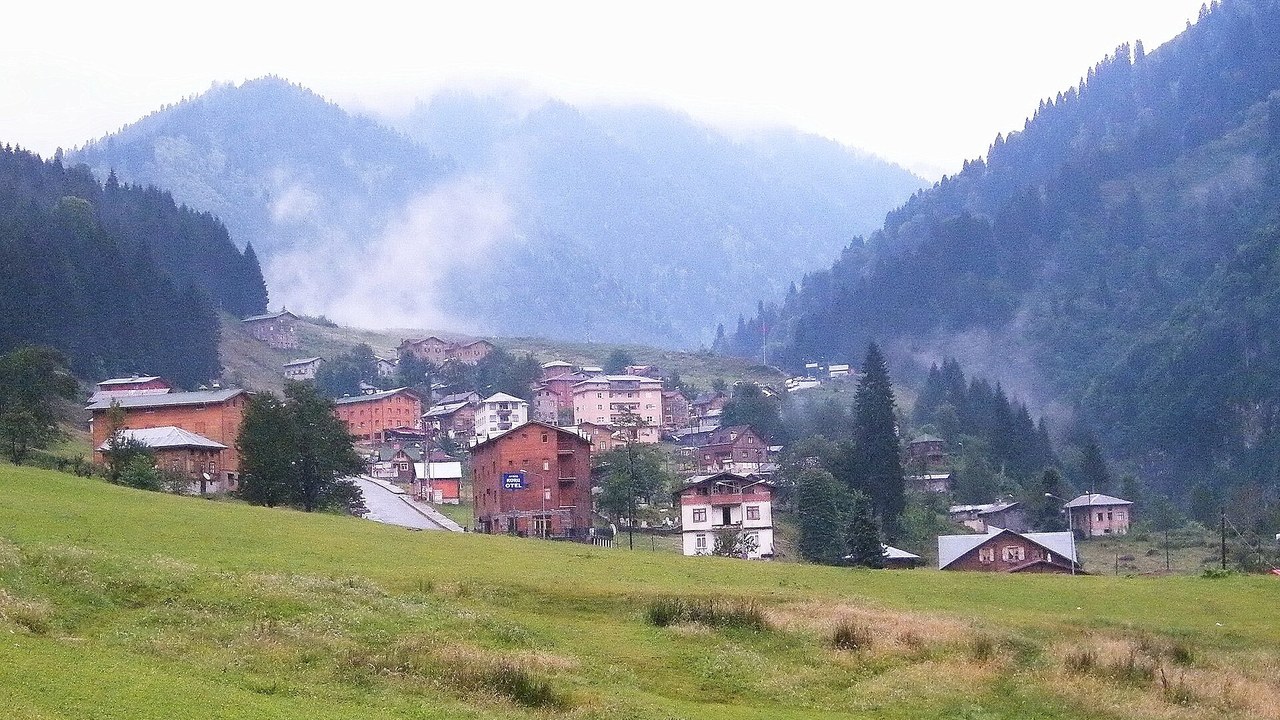
The cuisine of the Black Sea region brings the lush greenery and the abundance of the sea directly to your plate. With cornmeal, collard greens (kale), and, of course, anchovies (hamsi) taking center stage, this region stands out with flavors that are distinct from the rest of the country.
Anchovies are the symbol of the region, prepared in dozens of ways—fried, steamed, or even baked into a pilaf. Muhlama, a rich and stretchy blend of cornmeal and local cheese, is a legendary breakfast dish that provides lasting energy. Collard green soup, corn bread, and desserts enriched with local hazelnuts reflect the region's natural wealth. To explore the Black Sea's highlands and coastline, you can use our comprehensive Black Sea tourism guide to sync your nature adventures with your culinary discoveries.
Mediterranean and Antalya Flavors
Antalya and its surroundings are as famous for their rich tables as they are for their turquoise waters. Mediterranean cuisine here focuses on a simple, fresh marriage of vegetables, herbs, and seafood. A standout is the Antalya piyaz—a white bean salad made with tahini and vinegar, which sets it apart from any other bean salad in Turkey.
Hibeş, a characteristic appetizer made with hot peppers, garlic, and walnuts, is another regional highlight. Tahini-topped pumpkin dessert, fresh seafood, and the lavish "serpme" (spread) breakfast are the hallmarks of the Antalya table. In hubs like Belek, Side, Kemer, and Alanya, international cuisine blends with local flavors, making the region a versatile gastronomic center. Adding local dining experiences to your Antalya itinerary is the perfect way to complement a beach holiday with cultural depth.
Turkish Breakfast: The Ultimate Spread
Turkish breakfast is more than just a meal; it is a world-renowned ritual of generosity. Rather than a single plate, it is a symphony of dozens of small dishes that fill the table, usually enjoyed slowly over long conversations.
The cornerstones are various cheeses, olives, honey, kaymak (clotted cream), homemade jams, tomatoes, cucumbers, fresh bread, and simit (sesame bread rings). The spread is elevated with hot dishes like menemen (scrambled eggs with peppers and tomatoes), fried eggs, sucuk (spicy sausage), and börek (savory pastries), all accompanied by endless glasses of strong black tea. Depending on the region, the breakfast changes: the Aegean adds wild herbs, the Southeast adds spicy plates, and the Black Sea brings muhlama. To experience an authentic village breakfast, exploring Turkey breakfast tour options is a great way to find the right setting.
Turkish Street Food
Turkey is one of the richest countries in the world when it comes to street eats. Found in city squares, along coastlines, and in bustling bazaars, these flavors are fast, affordable, and incredibly satisfying. Street food is the most honest way to taste the daily pulse of a city.
Favorites include the sesame-crusted simit, spicy kokoreç (grilled lamb intestines), midye dolma (stuffed mussels with lemon), the famous "wet burger" (ıslak hamburger), fresh fish sandwiches (balık ekmek), döner, kumpir (loaded baked potatoes), and spicy tantuni. Eating a fish sandwich on the Bosphorus in Istanbul or grabbing a gevrek in İzmir are often the most memorable moments for travelers. These treats allow you to dive into the local culture without needing a huge budget.
Turkish Desserts and the Syrupy Tradition
Turkish desserts are a vast world built around dough, syrup, milk, and pistachios. These sweets are not just the end of a meal; they are symbols of hospitality and celebration.
The most iconic are baklava with its thin layers and pistachios, hot cheese-filled künefe, and rose-scented lokum (Turkish Delight). On the milky side, sütlaç (rice pudding), kazandibi (caramelized milk pudding), and tavuk göğsü (chicken breast pudding) stand out, while şekerpare and revani are beloved syrupy cakes. Every region has its own specialty, often tied to a local ingredient. If you want to try your hand at making these classics, organized cooking workshop tours offer a delightful way to learn the secrets of the trade.
How to Plan a Gastronomy-Focused Trip?
A food-centric trip requires a different approach than a standard vacation; here, the itinerary is built around flavors rather than just landmarks. A great plan starts by identifying the "signature" tastes of each region. For example, a Southeast route should center on Gaziantep and Şanlıurfa, an Aegean route on İzmir and its surroundings, and a Black Sea route on Trabzon and Rize.
Logistics and transfers are crucial because the most authentic tables are often located slightly outside city centers, near local producers. Cooking workshops, producer visits, and guided food tours allow you to understand the story behind the plate. To discover these curated experiences, browsing Turkey food experience tours and gastronomy organization tours can save you time and provide expert local insight. A well-planned flavor route is often what makes a city truly unforgettable.
The Best Time for a Culinary Journey
The ideal time for a gastronomic tour of Turkey depends largely on what you want to taste. Spring is the peak for the Aegean, when wild herbs are at their freshest and olive oil dishes are most vibrant. Summer is the best time for fresh seafood along the Mediterranean and Black Sea coasts.
Autumn is the most bountiful season due to the harvest; hazelnuts, grapes, pomegranates, and pistachios are fresh, and many regional food festivals take place. In winter, the focus shifts to warming soups, hearty pastries, and syrupy desserts—the robust dishes of the Southeast are especially comforting in the cold. Regardless of the season, researching seasonal specialties beforehand ensures you get the most out of every meal.
Flavor Routes with Travel Tour Shop
You can compare and plan your Turkish gastronomic journeys—including all transportation and transfers—through Travel Tour Shop. Whether you are looking for a cooking workshop, a village breakfast, a guided food tour, or a regional culinary experience, you can clearly see the tour scope, included services, and transport options before booking. Because our listings are filtered based on local experience and genuine guest feedback, you can plan your food adventure with total peace of mind. We ensure that when you arrive in a city, you find the right table and use your time most efficiently.
Frequently Asked Questions 5
Which city is the gastronomy capital of Turkey?
Gaziantep is a UNESCO Creative City of Gastronomy and is widely regarded as the culinary capital of Turkey. Its signature flavors include baklava, beyran, ali nazik, lahmacun, and katmer. Hatay and Afyonkarahisar also hold the UNESCO Gastronomy City title.
What is typically included in a Turkish breakfast?
A Turkish breakfast consists of various cheeses, olives, honey, kaymak (clotted cream), jams, tomatoes, cucumbers, simit, and fresh bread. It is often enriched with hot dishes like menemen, fried eggs, sucuk, and börek, and is almost always served with strong black tea.
Which regional cuisine is considered the lightest?
Aegean cuisine is considered the lightest due to its focus on olive oil and fresh wild herbs, using simple cooking techniques. Artichokes, şevketi bostan, and stuffed zucchini flowers are classic examples.
When is the best time for a gastronomy trip in Turkey?
Spring and autumn are the best times, as local produce is fresh and food festivals are frequent. Summer is ideal for seafood, while winter is perfect for hearty soups and syrupy desserts.
How do I plan a gastronomy tour in Turkey?
Start by choosing regions based on the flavors you want to taste, then arrange your transport and transfers. Organized experiences like cooking workshops, village breakfasts, and guided food tours make it easier to discover both the cuisine and the stories of local production.