Nestled between Diyarbakır's ancient basalt city walls and the meandering Dicle (Tigris) River, the Hevsel Gardens are a vast agricultural landscape, cultivated continuously for millennia. This guide invites you to experience these gardens not just as a distant panorama, but as the heart of an immersive walking route, starting from atop the historic walls and descending to the riverbanks. Below, you'll find step-by-step answers to all your questions: which bastion offers the best panoramic views, how to reach the iconic On Gözlü Köprü, the ideal times for birdwatching, and which captivating stops within Sur (the walled city) complete your journey.
What Are the Hevsel Gardens and Where Are They Located?
The Hevsel Gardens are an expansive 700-hectare area of orchards and gardens situated in Diyarbakır's Sur district, nestled between the eastern foothills of the city walls and the Dicle (Tigris) River basin. This fertile land has met the city's food needs for centuries, with agricultural activity reportedly continuing uninterrupted for approximately 8,000 years. Due to their integral relationship with the city walls, the gardens were inscribed on the UNESCO World Heritage List in 2015 as the "Diyarbakır Fortress and Hevsel Gardens Cultural Landscape." This designation signifies that what's preserved here isn't merely a green space, but the very essence of the enduring production relationship between the walls and the river.
Quick Facts
| Topic | Information |
|---|---|
| Location | Diyarbakır, Sur district; between the city walls and the Dicle River |
| Status | 2015 UNESCO World Heritage cultural landscape |
| Area | Approximately 700 hectares of agricultural and garden land |
| Key Highlights | Keçi Burcu (Goat Bastion), On Gözlü Köprü (Ten-Eyed Bridge), Diyarbakır City Walls |
| Best Time to Visit | Spring (April-June), Autumn (September-November) |
| Suggested Duration | Half-day for the gardens and wall perimeter; 2-3 days including the city |
| Transportation | Diyarbakır Airport, road, walking within Sur |
Stops Along the Route: From the Walls to the Tigris
This route is designed to descend from top to bottom: first, you gain elevation along the city walls, then you make your way down to the garden plains and the river.
Diyarbakır City Walls and Keçi Burcu (Goat Bastion)
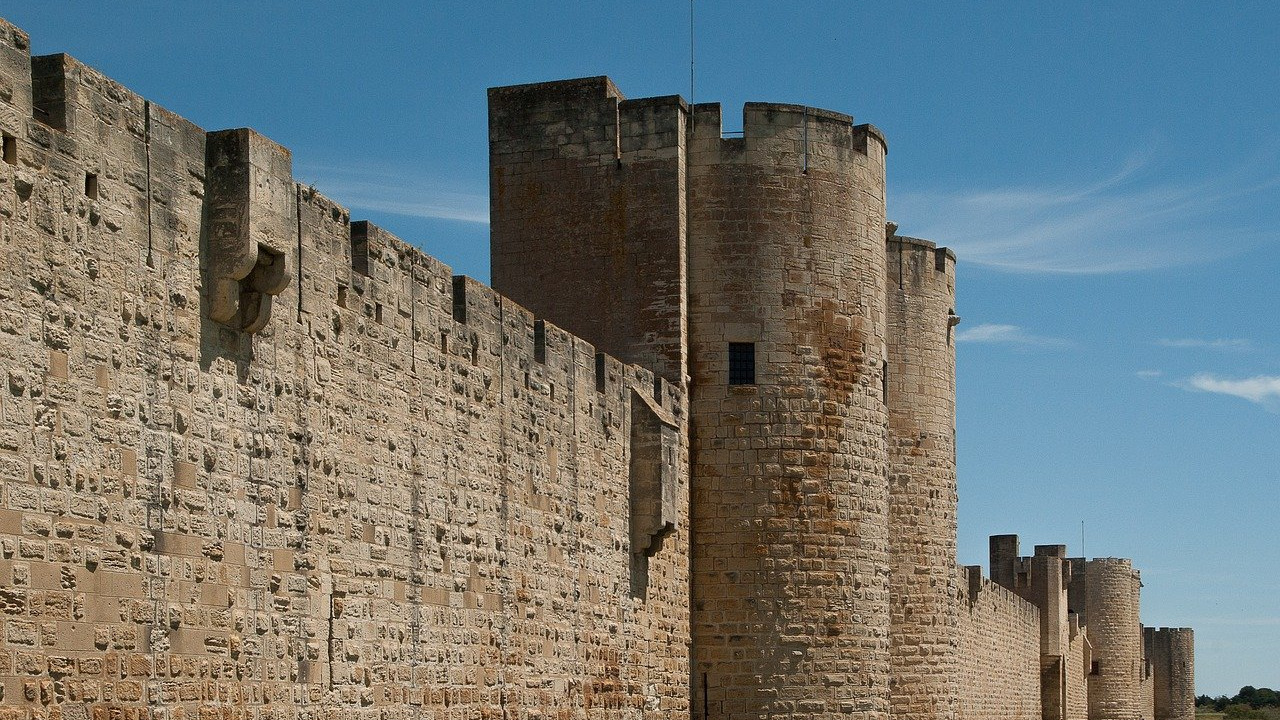
Encircling the city, the Diyarbakır Walls stretch approximately 5.7 kilometers, standing 10 to 12 meters high and 3 to 5 meters thick. Woven from dark Karacadağ basalt, these formidable walls lend the city its distinctive appearance, a legacy from its ancient days as "Amida." For a comprehensive view of the Hevsel Gardens, the area around Keçi Burcu (Goat Bastion) at the southeastern tip of the wall perimeter is ideal. From here, you can take in the gardens, the Dicle Riverbed, and the opposing slopes all within a single breathtaking panorama. Practical tip: Since there are sections around the bastion without railings, it's wise to keep a safe distance from the edge. Visiting in the morning ensures a more comfortable and less crowded experience.
The Agricultural Tapestry of the Gardens
As you descend, the segmented layout of the gardens becomes clear. Watermelons, vegetables, market garden produce, and fruit trees line the alluvial soil deposited by the river, interspersed with irrigation channels and earthen paths. As this is an active agricultural area, please stick to the designated paths and refrain from entering individual plots. In spring, you'll witness the gardens in their most vibrant green, while late summer brings the lively bustle of harvest season. Local farmers begin their work early in the morning, making that time of day both cool and wonderfully vibrant.
On Gözlü Köprü (The Ten-Eyed Bridge)
The historic On Gözlü Köprü (Ten-Eyed Bridge) spanning the Dicle River earns its name from its ten arches and is believed to have been constructed in the 11th century during the Marwanid period. The bridge offers a sweeping perspective over the river where the gardens conclude, bringing the city walls, orchards, and water into a single frame. The hours near sunset are perfect for photography, as the basalt walls deepen in color with the changing light. Practical tip: The walk down to the bridge involves a sloped and shadeless section, so be sure to carry plenty of water.
Birdwatching in the Dicle Valley
Thanks to its wetland characteristics, the valley is a popular stopover for migratory birds; over 180 bird species have been identified in the area, along with mammals such as otters, red foxes, martens, and hedgehogs. Dawn and dusk are the most productive times for observation; binoculars and a long-focus lens will greatly enhance your experience. Those who wish to make nature observation a central part of their itinerary can explore our nature and adventure tours category.
Completing Your Route Within the Walled City (Sur)
After your garden stroll, returning inside the city walls reveals the daily life that thrives amidst the same ancient stone architecture.
Diyarbakır Grand Mosque and Hasan Pasha Inn
The Diyarbakır Grand Mosque (Ulu Camii) is considered one of Anatolia's most venerable mosques; its courtyard, adorned with porticoes, column capitals, and stone carvings from various periods, speaks volumes about its long history. Directly opposite the mosque's eastern entrance stands the Hasan Pasha Inn (Hasan Paşa Hanı), built between 1572-1575 by Vizierzade Hasan Pasha. Its two-story courtyard today buzzes with breakfast eateries, spice shops, and silver merchants. For those eager to delve deeper into such multi-layered historical sites with expert guidance, consider our cultural tours options.
Sülüklü Han (Leech Inn) and the Four-Legged Minaret
The Sülüklü Han (Leech Inn) was built in 1683 by Hanilioğlu Mahmut Çelebi and his sister Atike Hatun. It derives its name from the leeches once extracted from its courtyard well, used by physicians of the era. Its arcaded courtyard offers a cool respite during the warmer hours. A few streets away rises the minaret of the Şeyh Mutahhar Mosque, constructed in 1500 during the reign of Akkoyunlu ruler Kasım Bey. It's famously known as the Dört Ayaklı Minare (Four-Legged Minaret) because it stands on four stone pillars. As you navigate the narrow streets, paying attention to the intricate stone door decorations and shaded passages leading to courtyards will truly enrich the rhythm of your exploration.
Mansion Museums, Churches, and the Dengbêj Tradition
The civilian architecture within Sur can be best appreciated through the Cahit Sıtkı Tarancı House Culture Museum, showcasing its summer and winter room arrangements, inner courtyard, and exquisite stone craftsmanship. The Surp Giragos Church represents the region's rich Armenian cultural heritage, while the Hazreti Süleyman Mosque highlights the dimension of faith tourism. The Diyarbakır Dengbêj House keeps the vibrant oral storytelling tradition alive. Additionally, the Diyarbakır Archaeology Museum, located near İçkale (the Inner Castle), brings together the various historical layers of the region along the same route.
How to Get to Hevsel Gardens?
- Visitors arriving by air will land at Diyarbakır Airport, which is conveniently close to the city center. You can reach the center by taxi or public transport.
- Those arriving by road should follow signs for the Sur district and head to one of the car parks on the outer perimeter of the city walls. Navigating within Sur by car is challenging due to its narrow streets.
- Begin your walk from the city center, starting near Mardinkapı or Yenikapı. Follow the wall perimeter to reach the viewpoints around Keçi Burcu.
- After enjoying the viewpoints, follow the paths descending into the gardens, completing your route at On Gözlü Köprü. Using the same route for your return will help prevent any confusion.
Practical Tips for Your Walk
- Opt for non-slip walking shoes; the paths are earthen, stony, and occasionally steep.
- Shade is limited along the route, so bring a hat and plenty of water.
- The gardens are active agricultural land; please do not enter individual plots, touch the produce, or leave any litter.
- The Turkish Ministry of Culture and Tourism Museum Card is valid for entry to museums and official archaeological sites.
- The route requires some navigation; downloading an offline map will save you time in areas with limited shade.
Seasonal Visit Comparison
| Season | Advantage | Note |
|---|---|---|
| Spring (April-June) | Mild weather, lush green gardens | Ideal period for walking and exploring the city walls |
| Summer (July-August) | Harvest activity, long daylight hours | Temperatures rise; plan your visit for early morning or late evening |
| Autumn (September-November) | Cooler weather, tranquil atmosphere | Softer light for photography, fewer crowds |
| Winter (December-March) | Peaceful exploration within Sur | Rain and mud can make paths challenging |
Dining and Accommodation Areas
The courtyards of the inns within Sur and the area around Gazi Caddesi are perfect for a break during your exploration. Local cuisine highlights include kaburga dolması (stuffed ribs), meftune (a savory stew), and richly spiced meat dishes. In summer, Diyarbakır watermelon is one of the city's most famous symbols. For accommodation, boutique hotels converted from restored basalt mansions offer an authentic stay within the historic fabric, while central hotels suit those prioritizing easy access. If local gastronomy is a key part of your travel plans, explore our gastronomy and culinary tours options.
How Many Days Should You Allocate for Your Trip?
The walking tour covering the city walls, Hevsel Gardens, and On Gözlü Köprü can be comfortably completed in half a day. Dedicating the second half of the day to the mosques, inns, and mansion museums within Sur allows you to experience the city center in a single day. For a more balanced itinerary, consider 2-3 days if you wish to include birdwatching, the Archaeology Museum, and nearby districts. Those looking to extend their route to explore the stone architecture of neighboring provinces can start with our historic city tours category; our guide to Mardin attractions will be helpful for a second stop.
Frequently Asked Questions 5
What are the must-see places in Diyarbakır?
The city walls and bastions, Hevsel Gardens, On Gözlü Köprü (Ten-Eyed Bridge), Diyarbakır Grand Mosque, Hasan Pasha Inn, Sülüklü Han (Leech Inn), the Four-Legged Minaret, Cahit Sıtkı Tarancı House Culture Museum, Surp Giragos Church, and the Archaeology Museum around İçkale (Inner Castle) are among the prominent attractions.
What is Diyarbakır's most famous landmark?
The city is renowned for its approximately 5.7-kilometer long walls, built from Karacadağ basalt, and the Hevsel Gardens nestled at their base. This duo was jointly inscribed on the UNESCO World Heritage List as a cultural landscape in 2015.
Can you visit Hevsel Gardens?
The gardens are an active agricultural area; visits are conducted via designated paths and viewpoints around the perimeter. Entering individual plots is not permitted. For a comprehensive view of the entire area, the elevated points along the city walls offer a more suitable perspective.
Where can you go in Diyarbakır in the evening?
An evening stroll along the city walls is ideal for observing the basalt's changing colors. After dark, the inn courtyards within Sur, cafes around Gazi Caddesi, and illuminated sections of the walls become lively spots.
How many days are needed to visit Diyarbakır?
The walled city (Sur) and the city walls can be explored at a relaxed pace in one to two days. Including Hevsel Gardens, On Gözlü Köprü, and surrounding districts, a 2-3 day itinerary provides a more balanced and comprehensive visit.