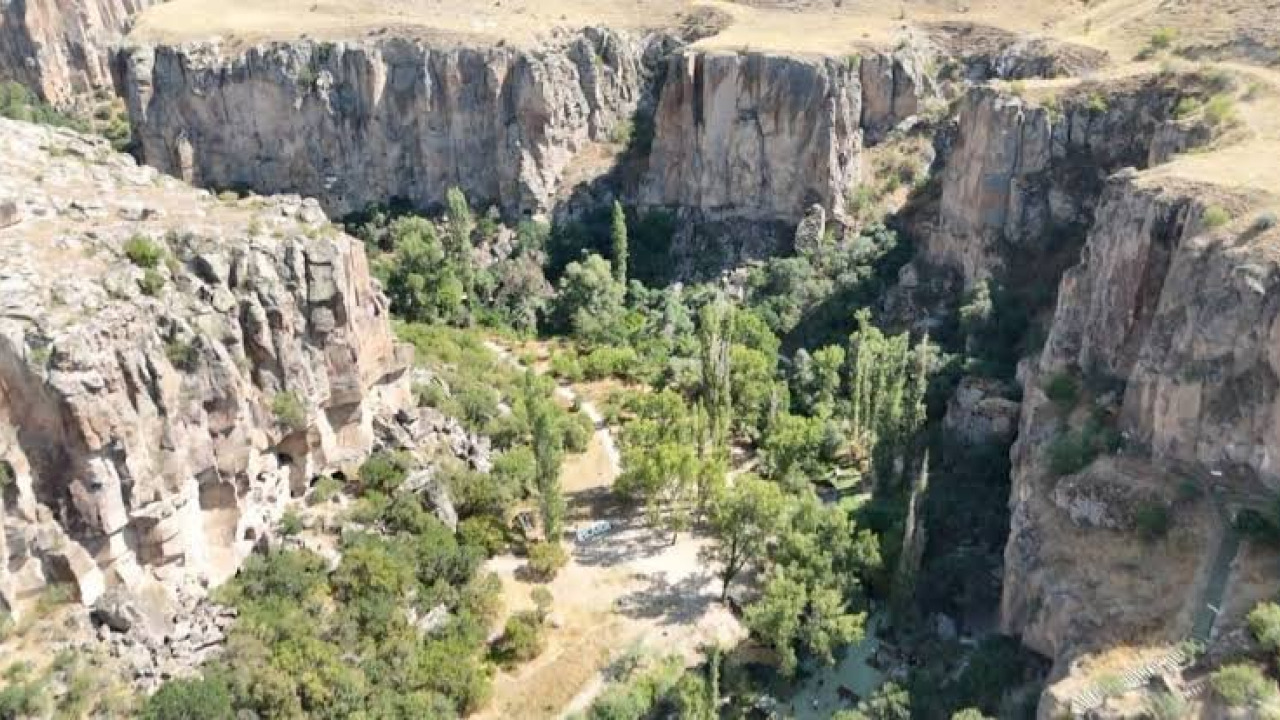
Nestled approximately 45 kilometers from Uşak city center, along the Uşak-İzmir highway near Yenişehir village, lies the breathtaking Taşyaran Canyon. According to the Uşak Governorship, this remarkable valley was sculpted by the combined forces of water, wind, and tectonic movements. Water seeping into cracks formed by earthquake faults literally 'split the rock' – a process that gave the canyon its evocative name. Declared a nature park in 2012, the area spans a protected 600 hectares. Within the same basin, you'll discover the magnificent Ulubey Canyons, carved by the Banaz Stream, complete with a stunning glass observation terrace, the ancient city of Blaundus, and the historic Clandras Bridge. This comprehensive guide will delve into the canyon's formation, optimal visiting seasons, transportation options, and a suggested two-day itinerary.
Where is Taşyaran Canyon and How Was It Formed?
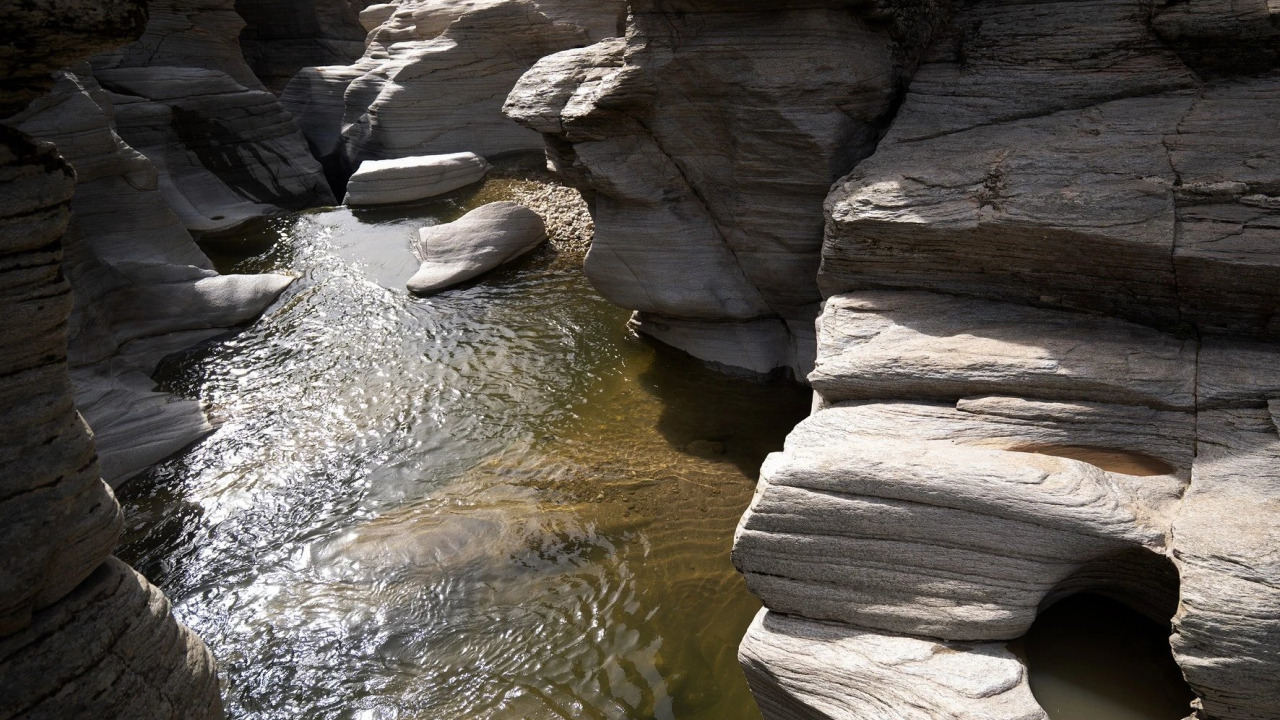
The valley is situated within the Ulubey district, at the northern tip of the canyon basin often associated with Karahallı. Cultural sources estimate the age of the rock formations here to be around 250 million years. Water, advancing through fault cracks, eroded softer layers while leaving harder sections intact, creating an open-air sculpture garden of perforated rock blocks, natural arches, and narrow gorges.
It's important to note that there are two distinct formations in the region: Taşyaran is a rock valley that you can walk through, while Ulubey Canyons is a network of gorges carved by the Banaz Stream, best viewed from above. The famous glass terrace is located on the Ulubey side, not within Taşyaran itself.
Quick Facts
| Topic | Information |
|---|---|
| Location | Ulubey district, Uşak province, along the Uşak-İzmir highway |
| Distance from Uşak city center | Valley ~45 km, Blaundus ~40 km |
| Status | Nature Park (2012), 600 hectares, entrance fee applies |
| Highlights | Unique rock formations, glass terrace, Blaundus, Clandras Bridge |
| Best time to visit | April-May and September-October; for ice formations, January-February |
| Transportation | Private car from Uşak city center or district minibuses |
| Recommended visit duration | Half-day for the valley, two days to explore the entire canyon basin |
What to See in Taşyaran Valley
The accessible part of the valley doesn't require a strenuous climb; the main challenge lies in the stony and sometimes wet ground.
Perforated Rock Formations and Natural Arches
Along the valley floor, you'll encounter fascinating round hollows carved by water, arch-shaped passages, and stacked rock blocks. The interplay of light and shadow is particularly striking during the early morning and late afternoon, making these times ideal for photography.
The Frozen Valley Floor in Winter
Since the valley floor doesn't receive direct sunlight throughout the day, the stream flowing through it freezes during colder weeks. News reports often mention a transparent ice layer, sometimes reaching 30-40 centimeters thick, beneath which fish can be observed. As the ice makes the ground slippery, certain sections of the trail may be temporarily closed.
Hiking Trails and Picnic Areas
The nature park offers approximately 2,500 meters of hiking trails, an observation terrace, a viewing tower, picnic areas with gazebos, restrooms, and a snack bar. For family visits, you can enjoy the upper-level viewing areas without descending to the valley floor. If you're looking to integrate your hike into a broader adventure, explore our nature and adventure tours.
Ulubey Canyons and Nearby Attractions
For those who complete their Taşyaran visit in half a day, three additional stops within the same basin perfectly complement the itinerary.
Ulubey Canyon Glass Terrace
Opened in 2015, this impressive observation terrace is built directly into the canyon wall, soaring approximately 150 meters above the ground with a glass section spanning about 135 square meters. Below, you'll gaze down into the valley carved by the Banaz Stream, reaching depths of up to 170 meters in places. Visiting on a weekday generally offers a more serene experience.
Ancient City of Blaundus
Located approximately 40 kilometers from Uşak, within the Sülümenli village borders of the Ulubey district, Blaundus sits on a plateau surrounded by deep valleys on three sides. It's believed that the city was founded during the Hellenistic period by Macedonian settlers who arrived after Alexander the Great's campaigns in Anatolia. On site, you can explore the arched northern gate, an Ionic-style temple, a theater, a stadium with seating on only one side, and impressive rock-cut tombs. If you're planning a trip focused on ancient cities, our cultural tours offer similar itineraries.
Clandras Bridge
Standing over the Banaz Stream in the Karahallı district, the Clandras Bridge is said to date back to the Phrygian period, approximately 2,500 years ago. This roughly 24-meter-long structure spans 17 meters above the water; its primary function was to transport water to the city of Pepouza, located a kilometer away, meaning the bridge also served as an aqueduct. Unfortunately, one of its keystone blocks was repaired with concrete after slipping, resulting in the loss of some of its original texture. The final stretch to the bridge is a narrow village road, requiring caution after rainfall.
How to Get to the Canyons from Uşak City Center
- From Uşak city center, take the highway towards İzmir and follow the signs for Ulubey.
- Around the 45-kilometer mark, turn onto the village road at the nature park sign; the final section is narrow and winding.
- After parking your vehicle, follow the stepped path that descends to the valley floor.
- If you plan to visit the observation terrace on the same day, continue through Ulubey town center towards Karahallı.
Private Car or Public Transport?
While there are minibus services from Uşak city center to Ulubey and Karahallı, connections between stops can be infrequent. For the flexibility to visit all three attractions in a single day, a private car is highly recommended.
Suggested Two-Day Itinerary
On your first day, descend into Taşyaran Valley from Uşak city center, then head to the Ulubey observation terrace in the afternoon. On the second day, combine a visit to Blaundus and the Clandras Bridge, stopping at the Uşak Atatürk and Ethnography Museum on your way back. For those looking to extend their route south, our Pamukkale and Hierapolis guide offers excellent insights.
When is the Best Time to Visit?
| Period | What You'll Experience in the Valley | Note |
|---|---|---|
| January-February | Ice formations from the frozen stream | Ground can be slippery, some trails may be shortened |
| April-May | Flowing water, lush green valley floor, mild weather | Ideal for hiking and photography |
| June-August | Shady picnic areas, long daylight hours | High midday heat, mornings are more comfortable |
| September-October | Quieter visits, softer light for photography | Trails can be muddy after rainfall |
Dining, Accommodation, and Budget Planning
Local Cuisine and Accommodation Options
Highlights of Uşak cuisine include Uşak-style tarhana, fermented in a clay pot for about twenty days, and arabaşı soup, made with sour plum juice. Local eateries in the district centers offer these authentic flavors. Since dining options around the valley are limited to snack bars, plan your main meals in Ulubey or Uşak city center. Accommodation is primarily concentrated in the city hotels of Uşak center. For those keen to explore local gastronomy, our gastronomy and event tours programs are worth a look.
Budget Breakdown
- Transportation: private car fuel or district minibus tickets
- Entrance and parking: the nature park and glass terrace are charged separately
- Food and drink: park snack bar and district restaurants
- Accommodation: one night in Uşak city center for a two-day plan
Essential Tips Before You Go
- Phone signal can be weak on the valley floor, so save your route on an offline map.
- Opt for non-slip hiking shoes for wet stones and water crossings.
- For winter visits, confirm trail conditions with park staff before heading out.
- Please take all your waste with you and refrain from writing on the rock formations.
Who is This Itinerary For?
Taşyaran Canyon is a rewarding stop for hikers and photographers seeking rich geological formations within a compact area. When combined with Ulubey Canyons, it offers a perfect blend of nature, archaeology, and stunning landscapes all within a two-day itinerary. Those wishing to expand their route with museum stops can draw inspiration from our historic city tours.
Frequently Asked Questions 5
Is there an entrance fee for Uşak Ulubey Canyon?
The canyon line itself is an open area; however, the entrance to Taşyaran Valley Nature Park became subject to a fee after the operating tender in May 2025, and the glass terrace is charged separately. As fees can change seasonally, please confirm the current rates with the operators before your visit.
How high is the Ulubey Glass Terrace?
The terrace is approximately 150 meters above the ground; it is 12 meters long, 14 meters wide, and its glass section spans about 135 square meters. The canyon below plunges to depths of up to 170 meters in places.
What can you see at Ulubey Canyon?
Along the approximately 77-kilometer-long canyon system, you'll find observation terraces and a glass viewing point, hiking trails, the ancient city of Blaundus, Clandras Bridge, and the Banaz Stream valley. Cafeterias and picnic areas are available in the surrounding villages.
How does Ulubey Canyon rank among the world's largest canyons?
It is widely referred to in the region as the world's second-longest canyon, after the Grand Canyon in the USA. This ranking is based on long-standing promotional language rather than an official measured list.
When is the best time to visit Taşyaran Canyon?
For the frozen stream's ice formations, January-February is ideal. For hiking and photography, April-May and September-October are suitable. During the summer months, plan your visit for the morning.