
Karak Castle, a formidable Crusader-era defensive structure, stands majestically on a ridge approximately 900 meters (about 2,950 feet) above sea level in the city of Karak, southern Jordan. It's located roughly 120-140 kilometers (75-87 miles) south of Amman, depending on your chosen route. The castle is open to visitors, though ongoing restoration work may mean some passages are temporarily closed; it's always wise to confirm your route at the ticket office upon arrival. Construction began in the 1140s, and by 1142, it became the heart of the Lordship of Oultrejordain, which governed the lands east of the Jordan River for the Kingdom of Jerusalem. Karak Castle witnessed fierce sieges by Saladin's forces and was subsequently reinforced during the Ayyubid and Mamluk periods. Today, visitors can discern three distinct historical layers: the Frankish stonework of the original ramparts, the towers added during the Islamic era, and the archaeology museum nestled within its vaulted halls. Below, we'll guide you through the castle's various sections, compare two main routes from Amman, and suggest a perfect one-day itinerary that includes exploring the city.
Quick Facts
| Topic | Information |
|---|---|
| Location | Karak city, Jordan; approximately 120-140 kilometers (75-87 miles) south of Amman (route dependent) |
| Elevation | Approximately 900 meters (2,950 feet) above sea level |
| Construction Period | Built in the 1140s; became the center of the lordship in 1142 (Crusader era) |
| Founder | Payen le Bouteiller, Lord of Oultrejordain |
| Subsequent Layers | Ayyubid and Mamluk renovations (13th and 14th centuries) |
| Inside the Castle | Karak Archaeology Museum, housed in a vaulted hall |
| Recommended Duration | 3-4 hours for a detailed visit |
| Visiting Hours | Closes in the evening during summer, in the afternoon during winter |
| Admission | Fee required; included with the Jordan Pass |
| UNESCO Status | Not a UNESCO World Heritage Site |
What to See at Karak Castle?
The castle boasts a trapezoidal plan, cleverly adapted to the ridge it occupies, and is built around two courtyards. The upper courtyard once housed essential living structures like a church, press, and bakery, while the lower sections descend into impressive vaulted underground halls. A steep, stone-clad glacis protects the southeastern flank, with dry moats extending around the perimeter.
Underground Passages and Vaulted Halls
Some of the castle's best-preserved sections lie beneath the surface. The Jordan Tourism Board notes that access to this area is through a large gate, and you may need to consult the ticket office to have it opened. Beneath the lower courtyard, two grand halls stretch north-south, connected by a spacious central area. This ingenious layout was designed to provide shelter and provisions within the castle walls during prolonged sieges.
Lighting in these subterranean passages is dim, and the ground can be uneven. Be sure to bring a flashlight or use your phone's torch. A timing tip: the midday hours, when the sun is highest, are ideal for exploring this section, as it offers a cool respite from the diminishing shade outside. If you encounter a closed section, inquire about alternative access at the ticket office.
Western Ramparts and Dead Sea Views
You can carefully walk along the crenellated ramparts of the western facade. According to the Jordan Tourism Board, on clear days, it's possible to see the opposite shore of the Dead Sea (Lut Gölü) from here, with views extending all the way to the Mount of Olives in Jerusalem. The castle's strategic defensive value stems precisely from this commanding vantage point: the westward descent makes any movement in the valley below easily observable from the walls.
The clarity of the view depends on atmospheric haze: visibility significantly improves after rainfall and on winter mornings, whereas summer afternoons often present a hazy horizon. Be aware that railings on the ramparts are not continuous; stay clear of the edges and secure any loose items on windy days.
Mamluk Towers and Upper Courtyard
The castle's dominant silhouette today isn't solely a product of the Crusader era. Mamluk Sultan Baybars initiated an extensive reconstruction program starting in 1263, during which the massive tower at the northern end was added. While much of the monumental inscription on the tower's exterior is unreadable, Baybars' name can still be discerned, framed by panther reliefs – the sultan's emblem – at both ends of the text. In the upper courtyard, alongside the remnants of a church, press, and bakery, you'll find palace units dating from the Islamic period.
Here's a handy tip: pay attention to the stonework. Frankish-era walls were constructed with dark reddish, hard chert stone, while Ayyubid and Mamluk additions used finer, yellowish limestone. By observing these color variations, you can often distinguish which walls belong to which century, even without a guide.
Karak Archaeology Museum
The museum is housed within the castle itself, in a grand vaulted hall that served as barracks for soldiers during the Mamluk period. Its collection spans from the Neolithic to the late Islamic eras, featuring artifacts discovered in the Karak and Tafila regions. Under one roof, you'll find exhibits from the Moabite, Nabataean, Roman, Byzantine, Islamic, and Crusader periods.
It's often more efficient to visit the museum in the middle of your tour rather than at the very end. Stepping out of the underground passages and into the museum, then returning to the ramparts, offers a refreshing break from the heat and helps contextualize the architecture you've seen outside.
Builders and Besiegers of the Castle
The story of Karak begins with its geography. The castle sits strategically on the ancient caravan route descending from Damascus towards Egypt and the Hijaz. Control of this vital artery meant control over regional trade and communication, explaining why the castle changed hands so many times throughout history.
Payen le Bouteiller and the Heart of Oultrejordain
Payen le Bouteiller, who held the Lordship of Oultrejordain (meaning 'beyond Jordan'), found his existing center inadequate and chose this ridge, closer to the Dead Sea and Jerusalem. The lordship's capital was moved here in 1142, making the castle a crucial link in the chain of fortifications between Jerusalem and Aqaba. The Crusaders named the structure "Crac des Moabites," or the castle in the land of Moab.
Renaud de Châtillon and Saladin's Sieges
Renaud de Châtillon acquired the castle by marrying Stephanie de Milly, the heiress to the lordship; sources cite the marriage date as either 1176 or 1177. His raids on caravans and pilgrim convoys disrupted regional stability, prompting Saladin to besiege the castle in November 1183. The siege was lifted in early December upon the approach of the Kingdom of Jerusalem's army. Saladin returned in 1184, but the outcome was unchanged: the castle's geographical position and defensive layout prevented a direct victory.
It wasn't a siege, but a pitched battle, that ultimately shifted the balance. Following the Battle of Hattin in 1187, Renaud was killed, and the castle was placed under a lengthy blockade. The garrison surrendered in 1188, departing with safe passage. Karak Castle never again fell under Crusader control. In subsequent centuries, the Ayyubids and Mamluks refortified the structure multiple times.
Getting to Karak from Amman
Karak is within day-trip distance from Amman, but your choice of route will significantly shape your entire day. There are two main itineraries, differing not just in scenery but also in travel time.
King's Highway or Desert Highway?
The King's Highway (Highway 35) is a historic route descending south from Amman, offering picturesque rural landscapes, valley views, and historical stops along the way. However, this route involves a winding descent into the Mujib Canyon and a climb up the opposite slope, making it both longer and slower. The curvy ascents and descents transform the map distance into a much more extended drive. In contrast, the Desert Highway (Highway 15) is flat and fast, offering less in terms of scenery but highly functional for those aiming to reach Karak before noon.
Practical tip: combine the two routes. Use the Desert Highway for your outbound journey to arrive at the castle early, then switch to the northern section of the King's Highway on your return to enjoy the scenic views in daylight. Avoid entering the Mujib section after dark.
| Route | Characteristics | Time Tendency | Best For |
|---|---|---|---|
| King's Highway (Highway 35) | Valley sections, rural scenery, historical stops | Longer; canyon descent/ascent significantly increases travel time | Those who consider the journey part of the experience |
| Desert Highway (Highway 15) | Flat, fast, less scenic | Shorter; backbone of a day trip plan | Those wanting to arrive at the castle early |
| Combined Use | Outbound Desert, return King's Highway | Balanced | Those seeking both speed and scenery in one day |
Public Transport and the Final Stretch in Town
If you don't have your own vehicle, local buses and minibuses departing from Amman's southern bus station provide connections to Karak. The frequency of these services is high in the morning but drops significantly in the afternoon; setting off without confirming your return time beforehand could mean spending the evening in Karak. For those relying on public transport, it's a safer plan to allocate about 3 hours for your castle visit.
The castle is situated within the walled old city; visitors arriving in the city center can reach the castle gate on foot. Those coming by car can park around the square near the castle entrance.
When to Visit Karak Castle?
Karak's elevation is the primary factor determining visitor comfort. At approximately 900 meters (2,950 feet) above sea level, the castle is noticeably cooler and windier than the Dead Sea basin below; travelers ascending from the coast will immediately feel the difference. Spring and autumn offer the most balanced conditions in terms of temperature and visibility.
| Period | Weather and Comfort | Scenery | Notes |
|---|---|---|---|
| Spring (March-May) | Mild, ideal for walking | Clear visibility after rain | Rural landscape is green; one of the busiest visitor periods |
| Summer (June-August) | Hot and dry during midday | Hazy horizon common | Water, hat, and sun protection essential; underground passages offer cool refuge |
| Autumn (September-November) | Mild, increasing winds | Generally clear visibility | Low light; favorable for rampart photography |
| Winter (December-February) | Cold, rainy, windy | Very clear visibility after rain | Stone surfaces can be slippery; visiting hours are shorter |
During winter, snow can be seen due to the elevation, and visiting hours end earlier. Wet stone staircases necessitate slow progress, so it's best to start your tour early in the morning during this season.
Dining and Accommodation in Karak
While a castle tour easily fills half a day, Karak is a vibrant city, and its bazaar adds significant value to your itinerary. Around the square at the castle entrance, restored 19th-century Ottoman administrative buildings have been repurposed for tourism, now housing restaurants and a handicraft center. The area around the square is undergoing a renovation program, so arrangements may change.
Mansaf and Local Cuisine
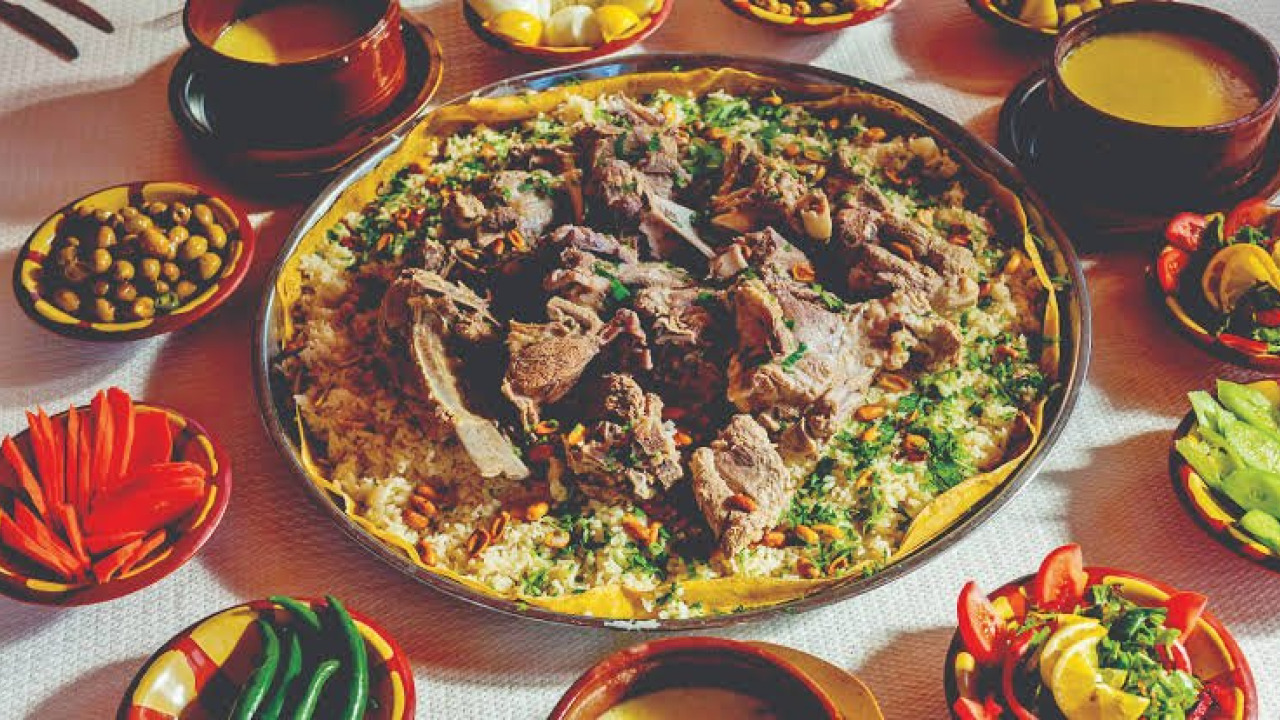
Jordan's national dish is Mansaf: a rich sauce made from dried and fermented yogurt (jameed), served with lamb and rice, all layered over thin shrak bread. Sharing from a communal platter is part of the tradition, and you're more likely to encounter it at lunch than dinner. As its preparation is time-consuming, inquiring about Mansaf in advance can help shorten your waiting time.
Food and drink sales within the castle are limited; purchasing water and snacks in the city beforehand will make your visit more comfortable, especially during the summer months.
Where to Stay?
Karak is not a major accommodation hub. You'll find small, family-run hotels and guesthouses in the city center and around the old town. These are convenient for those planning an early morning visit to the castle, as they are within walking distance. Some travelers, however, treat Karak as a stopover between Amman and the south, choosing to spend the night elsewhere.
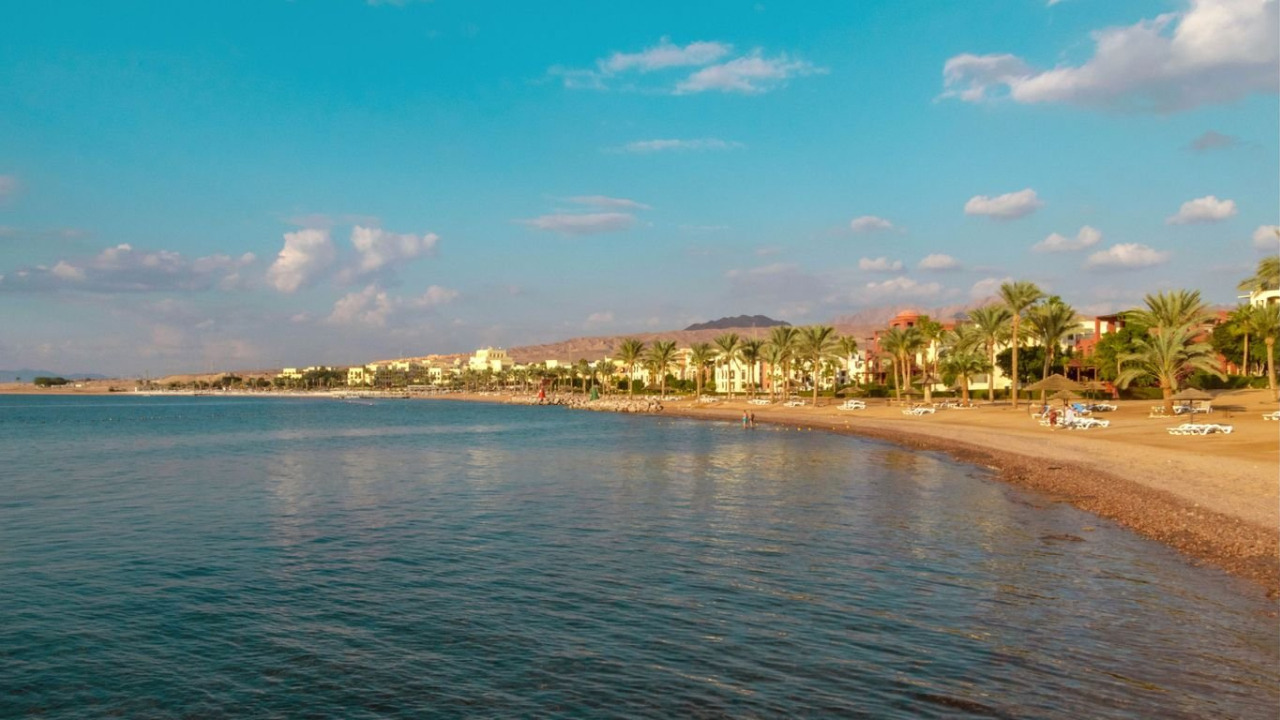
Your choice of lodging area will depend on your itinerary: those based in Amman will typically visit Karak as a day trip, while those continuing south might spend the night near Petra or Dana. Travelers staying on the Dead Sea coast will use the western route up to the castle.
Morning on the Ramparts, Afternoon in the Bazaar: A One-Day Karak Itinerary
The following sequence structures your day around the hotter hours and ensures the city isn't overlooked.
- Depart from Amman early in the morning and take the Desert Highway; your goal is to be at the castle gate right at opening time.
- Begin your visit on the western ramparts: the morning air is usually clearer, and views towards the Dead Sea are unobstructed at this hour.
- As the midday sun rises, descend from the lower courtyard into the underground passages; keep your flashlight ready to explore the vaulted halls and central area.
- After emerging from the passages, head to the Karak Archaeology Museum; enjoy the cool hall as you view the collection and escape the heat of the day.
- Ascend to the upper courtyard to examine the Mamluk-era northern tower and observe the distinct stone colors from different periods, then depart the castle.
- Dine around the square at the castle entrance, then head down to the bazaar to conclude your day at a local cafe.
Practical Notes Before Your Visit
- Visa requirements vary by nationality and are updated periodically; confirm them via the Jordan Tourism Board (Visit Jordan) website before your trip.
- Admission to the castle requires a fee; the amount depends on the season and ticket type. Check the official tourism website for current information. For Jordan Pass holders, castle entry is included.
- Visiting hours vary by season: the castle remains open until evening during summer but closes in the afternoon during winter. Confirm current hours before you set off.
- Walking shoes, a flashlight, water, a hat, and sun protection are essential gear; the ground in the passages and on staircases can be uneven.
- The castle presents challenges for wheelchair users or visitors with mobility impairments due to numerous stairs, steep ramps, and uneven terrain. For these visitors, the flatter sections of the upper courtyard and the museum hall are more accessible areas.
- Personal photography is permitted; however, commercial photography may require prior permission. If you have such plans, correspond with the authorities before your visit.
Is Karak Castle a UNESCO World Heritage Site?
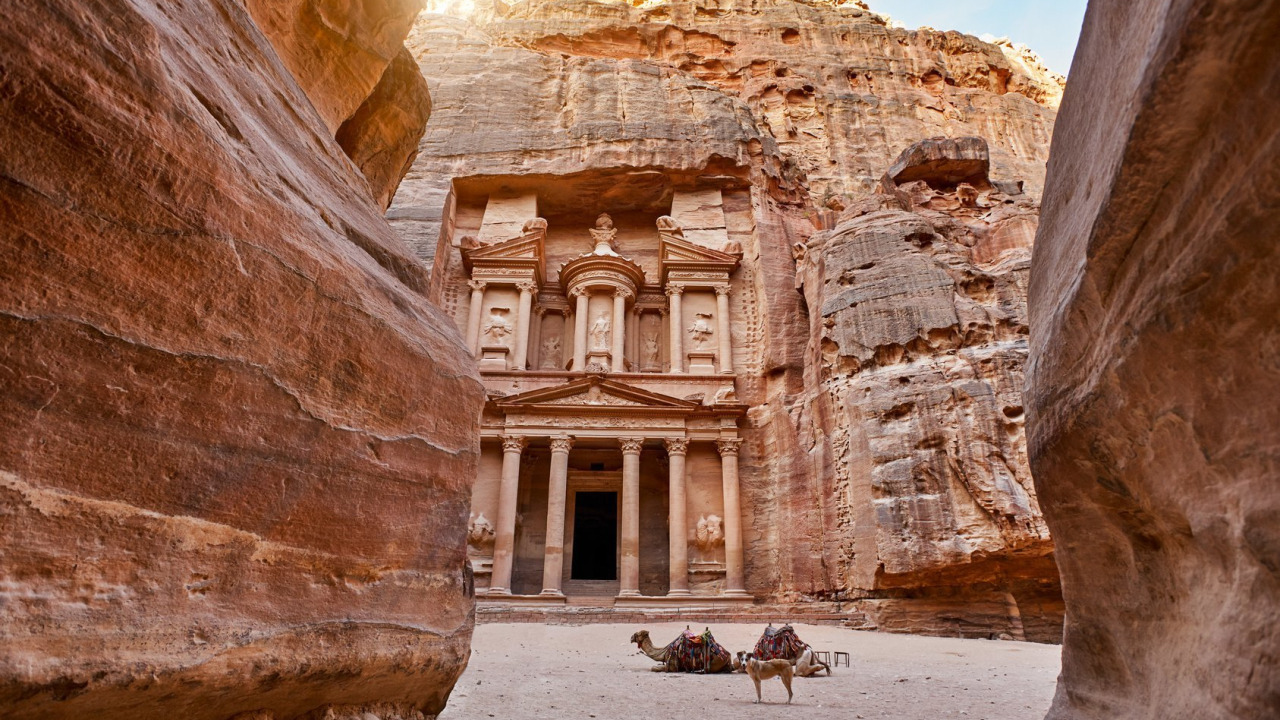
Karak Castle is one of those sites often mistakenly associated with UNESCO, but it is not included on the UNESCO World Heritage List. The structure was considered for evaluation in 1985, and while the Committee acknowledged its importance, it ultimately decided not to list it, believing there were more representative examples of Crusader castles elsewhere. Jordan's listed sites include Petra, Quseir Amra, Um er-Rasas, Wadi Rum, the Baptism Site, and As-Salt.
This clarification helps set the right expectations for your visit: Karak is an open-air site with sections undergoing phased restoration. Travelers interested in exploring medieval defensive architecture within a structured program can find similar themes in Turkey by starting with our cultural tours in Turkey category. For those who prefer to discover walled cityscapes on foot, our historic city tours in Turkey category is an excellent starting point. If you're looking to expand your Middle Eastern itinerary, our Egypt travel guide offers regional insights, while those heading to the northern Mediterranean coast can benefit from our Italy travel guide.
Frequently Asked Questions 6
How long does it take to visit Karak Castle?
As the castle spans a large area, a detailed exploration of its underground passages and museum typically takes 3-4 hours. If you're using public transport and planning a same-day return, it's safer to limit your visit to 3 hours and confirm your return journey beforehand.
How do I get to Karak from Amman?
Karak is located approximately 120-140 kilometers (75-87 miles) south of Amman; the distance varies depending on your chosen route. By car, two main routes are used: the fast and flat Desert Highway (Highway 15), and the scenic but much slower King's Highway (Highway 35), which navigates the Mujib Canyon. Those without a car can use buses and minibuses departing from Amman's southern bus station; services are more frequent in the morning.
Is there an admission fee for Karak Castle?
Yes, there is an admission fee for the castle. The cost depends on the ticket type and season; current information is published on the official tourism website. For Jordan Pass holders, castle entry is included.
Is Karak Castle on the UNESCO World Heritage List?
No. The castle was considered for evaluation in 1985, and while the Committee acknowledged its importance, it ultimately decided not to list it, believing there were more representative examples of Crusader castles elsewhere. Jordan's World Heritage Sites include Petra, Quseir Amra, Um er-Rasas, Wadi Rum, the Baptism Site, and As-Salt.
What is the best season to visit Karak Castle?
Spring (March-May) and autumn (September-November) offer the most balanced conditions in terms of temperature and visibility. During summer, midday heat can be tiring and the horizon hazy; in winter, stone surfaces can be slippery and visiting hours shorter, but views after rainfall are exceptionally clear.
Is Karak Castle suitable for visitors with disabilities?
The castle features medieval military architecture with numerous stairs, steep ramps, and uneven terrain, making access challenging for wheelchair users. The flatter sections of the upper courtyard and the vaulted museum hall are relatively more accessible areas; you can inquire about current conditions at the ticket office before your visit.