
The Jordan Pass is the country's official digital sightseeing package, offering a waiver on tourist entry visa fees when purchased online before arrival, and granting access to over forty archaeological sites, castles, and museums across Jordan. To qualify for the visa waiver, you must stay a minimum of two nights (three days) in Jordan. If the Pass is purchased after arriving in the country, the visa waiver benefit will not apply. Each Pass is personal, non-transferable, and non-refundable. This comprehensive guide will detail the differences between the three available packages, their validity, what's excluded, the main attractions covered, and an efficient Jordan itinerary to make the most of your Pass.
Quick Facts
| Topic | Information |
|---|---|
| What it is | Official digital package: visa fee waiver + entry to over forty sites |
| When to buy | Online, before arrival. Passes bought after arrival don't offer visa waiver |
| Waiver condition | Minimum two nights (three days) stay in Jordan |
| Packages | Jordan Wanderer, Jordan Explorer, Jordan Expert |
| Package difference | Consecutive entry days valid in Petra (1, 2, or 3) |
| Covered sites | Petra, Jerash, Amman Citadel, Ajloun, Karak, Wadi Rum, desert castles |
| Document | Issued with passport details; non-transferable, non-refundable |
| Official website | jordanpass.jo |
What the Jordan Pass Covers and Doesn't Cover
The Pass is an entry ticket: it grants you access but does not cover services within the sites. Understanding this distinction will help simplify both your budget and itinerary.
How the Visa Fee Waiver Works
Visa requirements vary by nationality and are updated periodically; always confirm before travel via jordanpass.jo and official consulate sources. The mechanism is straightforward: purchase the Pass online before arrival, ensure it matches your passport details, and present it to the officer at the border. The waiver is contingent on staying a minimum of two nights in the country; a Pass purchased after arrival, as per the official text, does not entitle the holder to the visa fee exemption.
Your entry method can also affect the outcome: Jordan's system for tourist groups defines a separate process for specific group sizes arriving via a licensed Jordanian tour operator. If you're traveling with an organized tour, inquire whether your visa process is handled by the operator.
What's Not Included
Official terms state that the Pass does not cover temporary exhibitions, guided tours, or access to restricted areas. Petra by Night is not included in any package.
| Item | Coverage | Official source |
|---|---|---|
| Tourist entry visa fee | Conditional yes | jordanpass.jo Terms & Conditions |
| Entry to listed archaeological sites, castles, and museums | Yes | jordanpass.jo Included Attractions |
| Petra daytime entry | Yes | 06:00-18:00/16:00 depending on season, jordanpass.jo |
| Petra by Night | No | Separate ticket, petrabynight.jo |
| Guided tours and temporary exhibitions | No | Excluded by official terms |
| Horse, camel, horse carriage rides | No | Charged separately within the site |
| Border departure tax | No | Collected at the border crossing |
| Sites not on the list | No | For nature reserves, see rscn.org.jo |
The last point is crucial in two areas: RSCN's nature reserves operate their own ticketing system, and the UNESCO-listed Baptism Site, on the Jordanian side, is not on the Pass list.
The Three Jordan Pass Packages: How Many Days in Petra?
According to the official package page, all three Jordan Pass packages offer the same benefits: entry to over forty sites and the visa fee waiver. The key difference lies in the number of consecutive visit days valid for Petra; this also determines the price variation. For current prices, check the jordanpass.jo Packages page.
| Package | Petra days | Best for | Itinerary impact |
|---|---|---|---|
| Jordan Wanderer | 1 day | Travelers dedicating one full day to Petra | Main highlights covered at a brisk pace |
| Jordan Explorer | 2 consecutive days | Those wanting to separate the Ad-Deir climb | Requires two nights in Wadi Musa |
| Jordan Expert | 3 consecutive days | Archaeology-focused travelers, keen hikers | Extends the southern itinerary |
Is One Day in Petra Enough?
Starting from the Visitor Centre, walking through the Siq to reach the Treasury (Al-Khazneh), then seeing the Colonnaded Street and the Royal Tombs facades, can be comfortably done in one day. As walking within the site can easily cover ten kilometers, a good pace and comfortable walking shoes are essential.
When Do Two or Three Days in Petra Make Sense?
Reaching the Monastery, known as Ad-Deir, requires a climb of hundreds of steps, and squeezing it into the same day as the Treasury route can make for an exhausting experience. The Explorer package splits this effort: the main route on the first day, the climb on the second. The Expert package caters to archaeology enthusiasts and those who wish to explore more remote trails. Don't overlook the consecutive day condition: if you visit another city in between, your multi-day Petra access will be forfeited.
Main Attractions Covered by the Jordan Pass
The official list includes over forty sites, distributed across Amman, the northern region, the desert, Madaba, and the southern areas. The following attractions form the backbone of most itineraries.
Petra
Established by the Nabataeans approximately two millennia ago, Petra is renowned for its rock-cut facade architecture and was inscribed on the UNESCO World Heritage List in 1985. Your visit begins with a walk through the Siq, a narrow canyon, which dramatically opens up to reveal the Treasury facade. As you proceed, you'll encounter the theatre, the Colonnaded Street, the Royal Tombs, and the high-perched Ad-Deir (Monastery). Since entry is valid during daytime hours, plan your day around the site's opening time. Practical tip: The Siq is shaded in the morning but warms up by midday; water, a hat, and sturdy, comfortable shoes will make your visit much more enjoyable.
Jerash
Ancient Gerasa, now Jerash, was one of the ten cities of the Roman Decapolis league and is considered one of the world's best-preserved Roman provincial cities, as described by the Jordan Tourism Board. Highlights include Hadrian's Arch, built in 129 AD, the Oval Plaza with its Ionic columns, the eight-hundred-meter Cardo Maximus, the North and South Theatres, and the Nymphaeum fountain. The city lay buried under sand for centuries and has been excavated over the last seventy years. The site offers little shade; early mornings are more comfortable during summer. For those who love exploring ancient cities, Travel Tour Shop's culture tours in Turkey category offers a similar program philosophy.
Amman Citadel and Roman Theatre
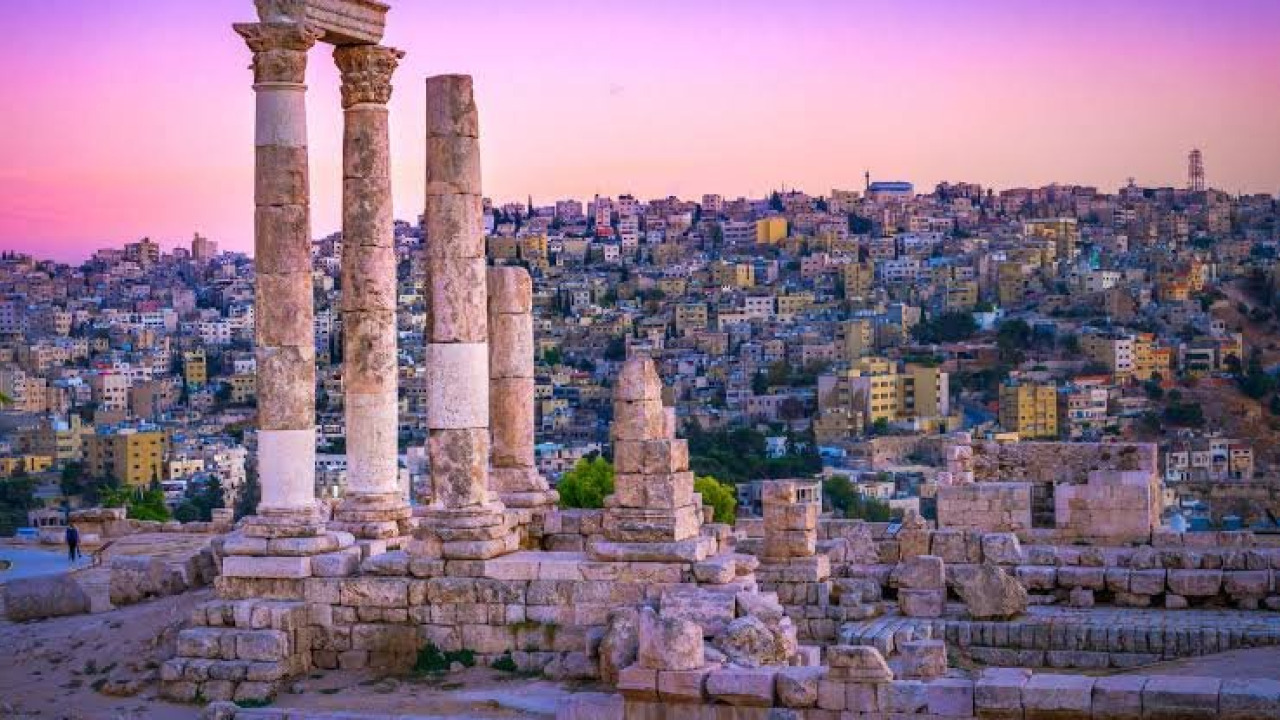
Perched atop the capital, Amman Citadel, locally known as Jabal al-Qal'a, houses the Umayyad Palace complex, the remains of the Temple of Hercules, and a Byzantine church. Below, the restored 2nd-century Roman Theatre, with a capacity of approximately six thousand, still hosts performances today. The Jordan Archaeological Museum and the Museum of Popular Traditions can also be visited within the same area. The walk between the Citadel and the theatre is uphill; combining both into a single half-day is a balanced plan. Travelers who enjoy exploring city centers on foot will find a similar pace in Travel Tour Shop's historical city tours in Turkey category.
Ajloun Castle
Rising in the forested hills of northern Jordan, Ajloun Castle, or Qal'at ar-Rabad in Arabic, was built in 1184 by Izz al-Din Usama, one of Saladin Ayyubi's commanders, and expanded to its current form in 1214, according to the Jordan Tourism Board. Its purpose was to protect trade routes and counter the Crusader threat to northern Jordan. Inside, you can explore galleries, water cisterns, and towers; the upper terrace offers panoramic views extending across the Jordan Valley.
Karak Castle and Desert Castles
Karak Castle, situated on the King's Highway, is one of the region's most significant examples of Crusader-era military architecture, explored through its underground galleries. To the east, the Umayyad desert castles are scattered: Quseir Amra, known for its frescoes and a UNESCO World Heritage Site since 1985; the square-planned Qasr al-Kharrana; the black basalt Qasr al-Azraq; and Qasr al-Mushatta. These castles are relatively close to each other east of Amman; dedicating a single desert day to them prevents repetitive travel.
Wadi Rum Protected Area
Inscribed on the UNESCO World Heritage List in 2011, the Wadi Rum Protected Area is famous for its towering rock formations rising from sandy plains, natural arches, and ancient rock inscriptions. The Jordan Pass covers the site's entry ticket component; vehicle tours, camel treks, and tented accommodation are separate services. The light changes rapidly at sunrise and sunset, offering breathtaking photographic opportunities.
Purchasing, Validity, and Border Procedures
The process is straightforward, but the order is crucial; if the sequence is broken, the visa waiver benefit will be lost.
Step-by-Step Process
- Clarify how many nights you will stay in Jordan; the visa waiver depends on a minimum two-night stay.
- Decide how many days you wish to dedicate to Petra; this will determine your Jordan Pass package choice.
- Purchase your Pass via jordanpass.jo, ensuring the name and passport number match your passport exactly.
- Download the document to your phone and print a physical copy; the official site recommends a printed document as the QR code might not be readable from a screen.
- Present the document along with your passport upon entry; the visa process is completed at this stage.
- Scan your document at the archaeological sites. The first scan activates the Pass, so plan your first visit accordingly.
- If your package includes consecutive day access to Petra, use those days back-to-back.
Validity Period
Validity is two-tiered: an overarching period tied to the purchase and entry date, and a shorter window that begins after the first archaeological site scan. The official text states these periods as three months and one month, respectively. Since these durations have been expressed differently in the past, always read the Terms & Conditions page before purchasing.
Common Mistakes to Avoid
- Purchasing the Jordan Pass after arriving in Jordan; the visa waiver component will not apply.
- Planning a stay shorter than the minimum night condition.
- Entering your name differently from your passport; the document is matched with your passport information.
- Making the first scan early and leaving Petra for the end of your trip; the short validity window might expire.
- Assuming guided tours and on-site transportation are included and not budgeting for them separately.
Getting Around Jordan, Best Seasons, and Accommodation
Airports and Domestic Travel
Air travel into Jordan primarily occurs via Queen Alia International Airport, located 35 kilometers south of Amman. The second gateway, on the Red Sea coast, is King Hussein International Airport in Aqaba; the Jordan Tourism Board states the flight between these two points takes approximately 45 minutes. Taxis and shuttle buses to the south terminal operate from Queen Alia Airport. Intercity services like JETT run scheduled buses; confirm schedules on the operator's website.
| Route (starting point) | Distance | Duration | Note |
|---|---|---|---|
| Queen Alia Airport, Amman city center | Approx. 35 km | Varies with traffic | Taxi or shuttle bus |
| Amman, Jerash | Approx. 45 km | Approx. 1 hour | Can be combined with Ajloun in one day |
| Amman, Petra (Desert Highway) | Approx. 235 km | Approx. 3 hours | Fastest route |
| Amman, Petra (King's Highway) | Approx. 274 km | 4 to 4.5 hours | Via Madaba and Karak |
When is the Best Time to Visit Jordan?
According to the Jordan Tourism Board, the most comfortable months are between March and May, and September and November; daytime temperatures generally range from the low to mid-twenties Celsius, making long walks more pleasant. In spring, the hills around Wadi Musa briefly turn green; September afternoons can still carry summer heat, while October and November bring milder days. Summer months are very hot in the Jordan Valley and the south; around the Dead Sea, the lowest point on Earth's land surface, prefer the early or late hours of the day. In winter, higher elevations see rainfall, and archaeological sites become less crowded.
Dining and Accommodation Areas
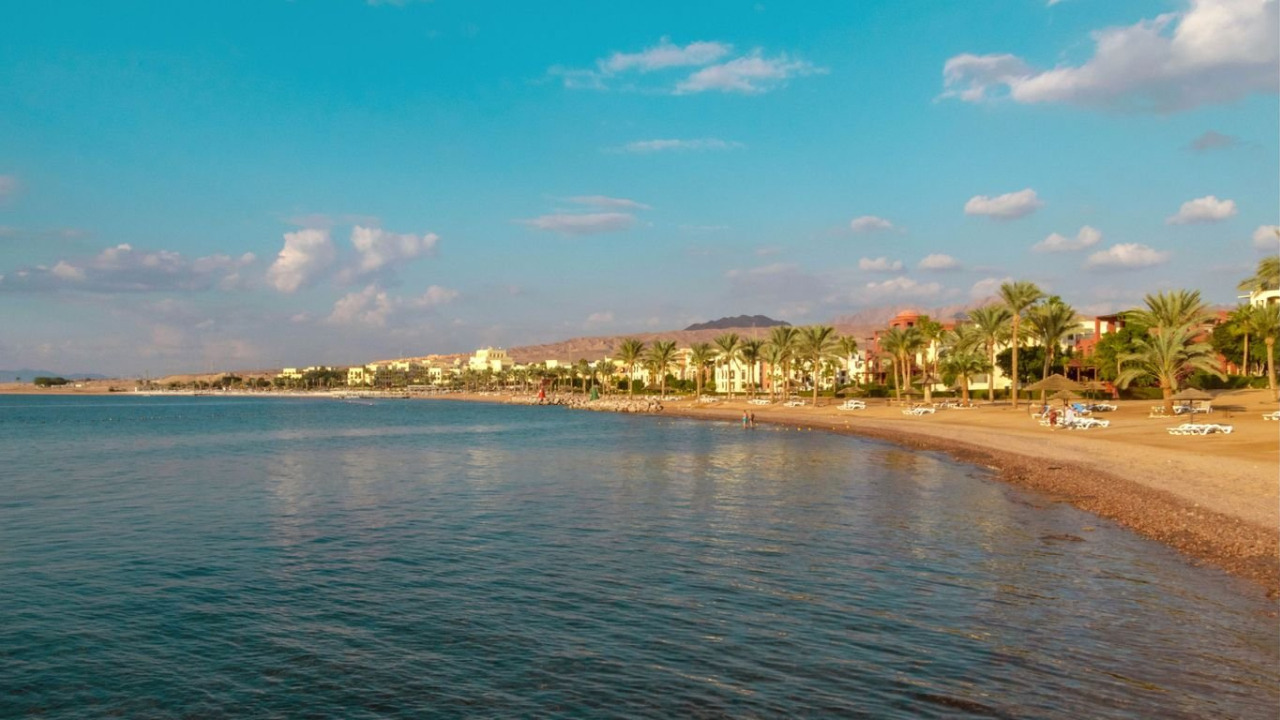
At the heart of Jordanian cuisine is Mansaf, a dish featuring lamb cooked in a fermented dried yogurt sauce, served over rice. Daily meals often follow the mezze concept: hummus, falafel, grilled vegetables, and fresh bread. For dessert, cheesy Kunafa is popular; in Wadi Rum camps, meat is prepared using the Zarb method, cooked in an underground oven. For accommodation, Amman city center is within walking distance of attractions, while Jabal Amman and Abdali offer a quieter stay. For Petra, Wadi Musa is the closest settlement to the entrance. Accommodation in Wadi Rum consists of desert camps; the Dead Sea coast and Aqaba serve as relaxing stopovers.
A North-to-South Jordan Pass Itinerary
The Jordan Pass's short activation window rewards planning your route in a single direction. The following sequence outlines an itinerary starting from Amman and concluding in the south.
- Begin in Amman: Explore the Citadel, Roman Theatre, and museums on the same day, and scan your Pass here to activate it.
- Head north: Jerash and Ajloun Castle can be comfortably visited in one day, returning to Amman in the evening.
- Dedicate a day to the eastern desert: Quseir Amra, Qasr al-Kharrana, and Qasr al-Azraq are along the same route.
- Descend south via the King's Highway: Madaba and Karak are on this route; spend the night in Wadi Musa.
- Utilize your Petra days consecutively: The main route on the first day, the Ad-Deir climb on the second.
- Conclude with Wadi Rum, then depart from Aqaba or add a relaxing day at the Dead Sea.
If you're looking to integrate the region into a broader travel plan, the sequencing logic in our Egypt travel guide might be helpful.
Jordan at a Glance & Pre-Trip Checklist
| Title | Information |
|---|---|
| Currency | Jordanian Dinar (JOD) |
| Language | Official language Arabic; English widely spoken in tourism areas |
| Time zone | GMT+3; no time difference with Turkey |
| Electricity | 220 volts, 50 hertz; round two-pin plug common |
| Emergency services | 911; police 191, fire 199, ambulance 193 |
| Country code | +962 |
| Best time to visit | March-May and September-November |
- Carry your Pass document both on your phone and printed; mobile network coverage isn't universal in the desert.
- Verify your passport's validity against your travel dates and confirm visa requirements from official sources.
- Archaeological sites offer little shade: carry a hat, sunscreen, and a refillable water bottle.
- Distances in Petra and Wadi Rum are extensive; sturdy, comfortable walking shoes are essential.
- Carry cash for separately charged items; prefer modest clothing (shoulders and knees covered) when visiting religious sites.
Here's the sequence: clarify your number of nights, choose your package based on Petra days, purchase before arrival, carry a printed document, and activate your Pass early. For those planning multi-stop European itineraries, our Italy travel guide offers comparative planning insights.
Frequently Asked Questions 6
Does the Jordan Pass cover the visa fee?
According to official terms, the Jordan Pass provides a waiver for the tourist entry visa fee; this waiver is contingent on staying a minimum of two nights in Jordan. Visa requirements vary by nationality and are subject to change; always confirm via jordanpass.jo and official consulate sources.
How long is the Jordan Pass valid for?
Validity is two-tiered: an overarching period tied to the purchase and entry date, and a shorter window that begins after the first archaeological site scan. The official text states these periods as three months and one month, respectively; always read the Terms & Conditions page before purchasing.
Can I buy the Jordan Pass after arriving in Jordan?
Yes, you can, but as stated in the official terms, a Pass purchased after arrival does not entitle the holder to the visa fee exemption. In this scenario, the archaeological site entry component will be active, but the visa component will not.
What is the difference between the three packages?
All three packages offer the same benefits: entry to over forty sites and the visa fee waiver. The difference lies in the number of consecutive visit days valid for Petra: Wanderer allows one day, Explorer two days, and Expert three days.
Are Petra by Night and guided tours included in the Pass?
No. According to official information, Petra by Night is not included in any package, and Petra visits with the Pass are limited to daytime hours: closing at 6:00 PM in summer and 4:00 PM in winter. Guided tours and temporary exhibitions are also excluded; horse, camel, and horse carriage transportation are charged separately.
Do children need a Jordan Pass?
According to official information, children under 12 years old enter tourist sites free of charge when accompanied by their parents. Since the visa application for children may vary by nationality, please verify this on jordanpass.jo.