
When choosing viewpoints in Istanbul, it's not just about height, but rather the direction a spot faces and the time of day you visit. The same city can appear narrow and deep from a hill overlooking the Golden Horn, long and horizontal from a ridge facing the Bosphorus corridor, or a close-up, intricate tapestry of domes from a tower balcony. This guide doesn't just list locations; it helps you understand the logic behind choosing the perfect spot: what kind of vista each point offers, the functional differences between hills and towers, which public transport lines lead where, when the horizon is clearest, and how to plan a half-day following the light. Our goal isn't to make you memorize a list, but to empower you to choose the right viewpoint yourself, based on your available time and the day's weather.
Quick Facts
| Topic | Information |
|---|---|
| Scope | Hills, parks, and tower observation decks overlooking the Bosphorus, Golden Horn, and Historic Peninsula |
| Selection Criteria | Not height, but direction faced, time of day for light, and clarity of the horizon |
| Entry Type | Municipal parks and groves are free, tower museums require tickets |
| Main Transport | T5 tram, TF2 cable car, Bosphorus ferry lines, Anatolian side metro and bus lines |
| Best Time | Early morning hours and the hour before sunset (golden hour) |
| Best Season | Autumn and dry days in winter after a northerly wind (poyraz) |
| Recommended Duration | 2-3 spots for a half-day, full day if combining both sides of the city |
What You See from Istanbul Viewpoints?
The city's panorama is practically divided into four distinct frames, and each viewpoint typically excels at showcasing only one or two of them. Deciding which frame you want to capture before you go will naturally shorten your long list of options.
Historic Peninsula Silhouette: Line of Domes and Minarets
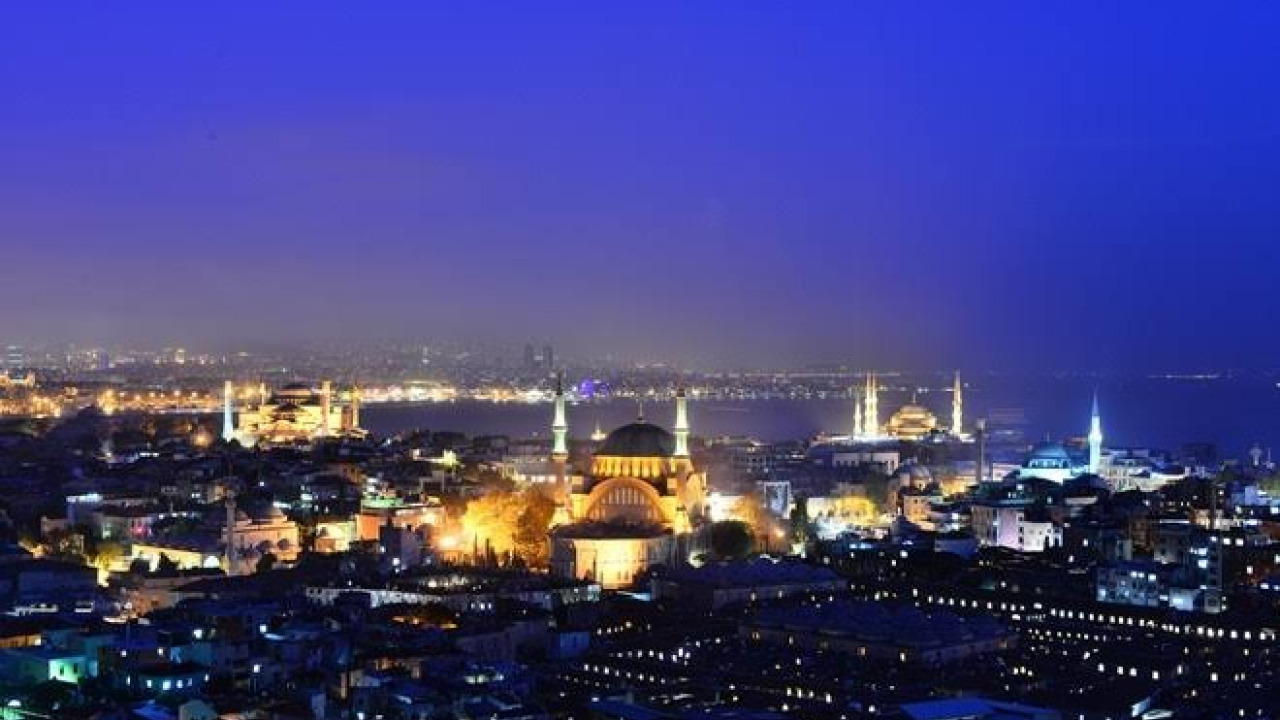
This frame captures the iconic sequence of domes and minarets stretching from Sarayburnu to the Süleymaniye ridge. Viewed from the north of the peninsula – that is, from the opposite bank of the Golden Horn and the Bosphorus entrance – the structures overlap, creating a dense, captivating silhouette. As the morning sun rises from the east, the domes are beautifully illuminated in the early hours; in the afternoon, these same surfaces fall into shadow, flattening the silhouette. For those who wish to delve deeper into this iconic skyline after admiring it from above, exploring the internal layouts and construction periods of these structures, guided Istanbul cultural tours offer excellent programs.
Bosphorus Corridor and Two Bridges
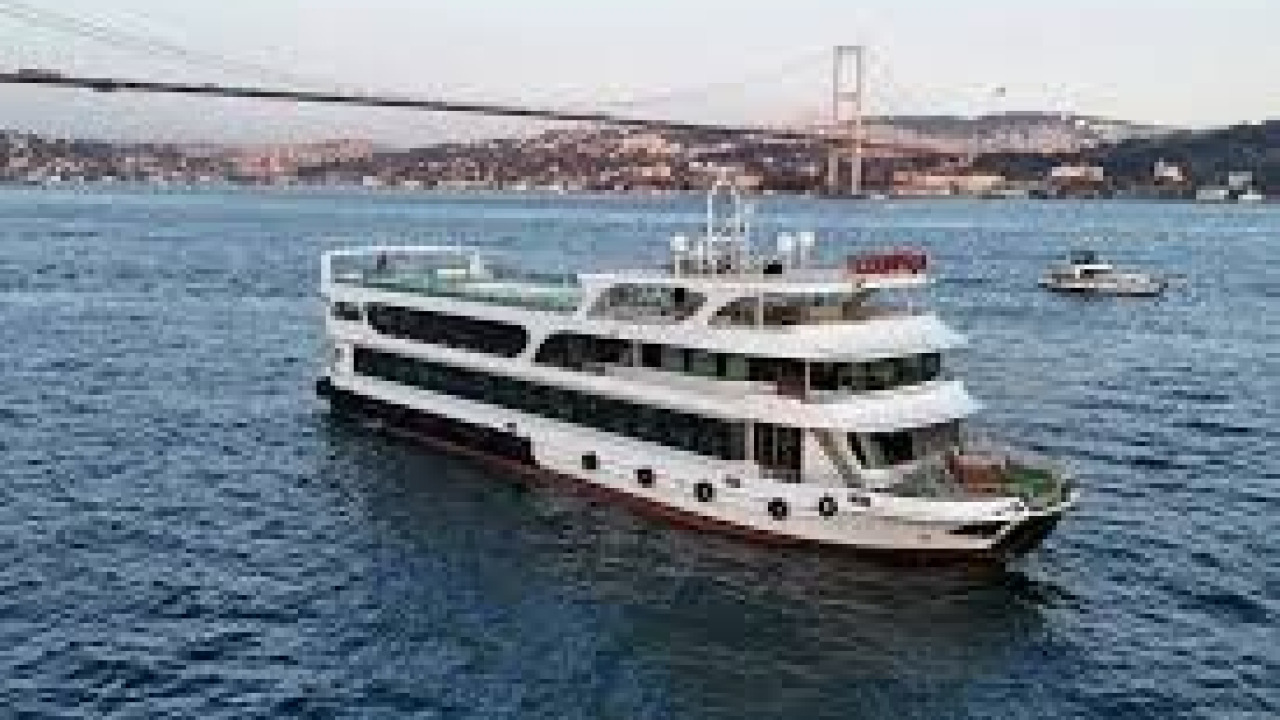
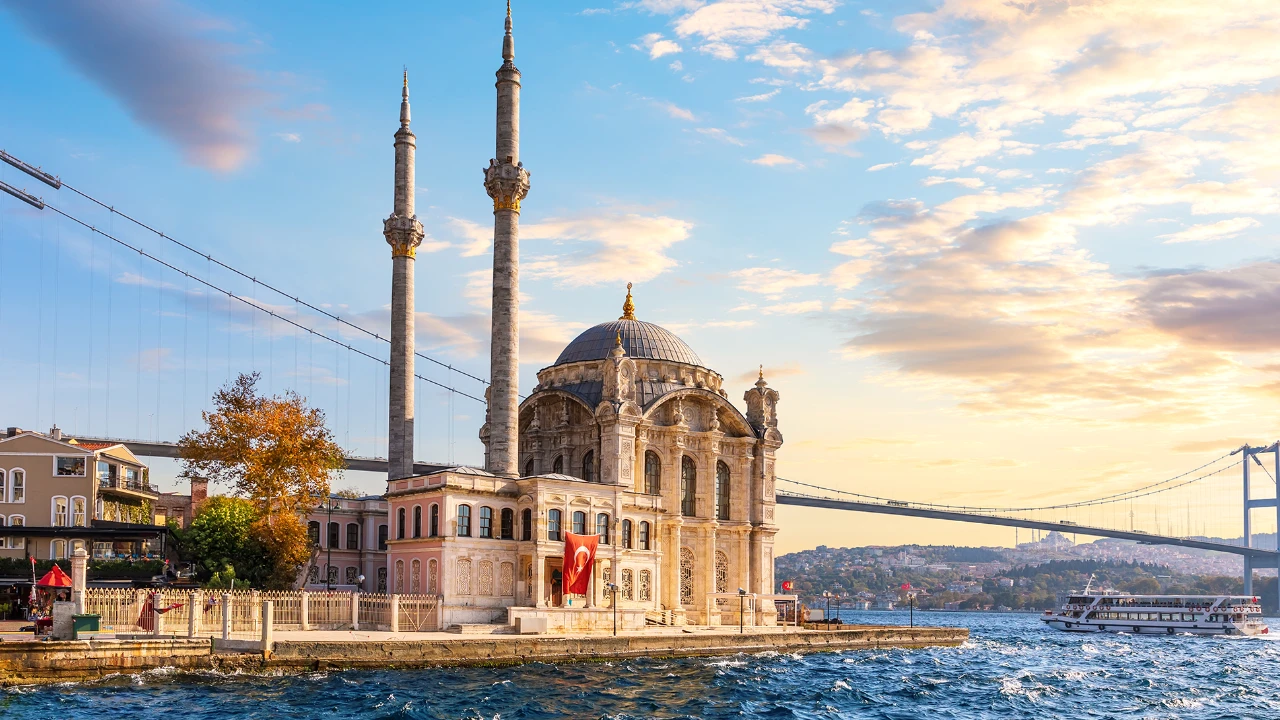
The Bosphorus frame is horizontal and expansive: both shores, the bustling water traffic, and the bridges are all captured in a single view. From northern viewpoints, the Fatih Sultan Mehmet Köprüsü stands out, while from southern viewpoints, the 15 Temmuz Şehitler Köprüsü (July 15th Martyrs Bridge) takes center stage. This frame is dynamic; the constant passage of ferries, cargo ships, and fishing boats continuously alters the scene, making it well worth the wait.
Golden Horn Curve and Western Light
Viewpoints overlooking the Golden Horn face west, making them particularly valuable between late afternoon and sunset. Because the waterway is narrower, the view is more intimate and cohesive than the Bosphorus; the neighborhood fabric on the opposite shore, the shipyard area, and the bridges are all discernible in a single glance. For those who wish to explore this same coastline at street level, our article Balat Must-See Places Guide transforms the waterfront into a walking route.
Marmara Expanse and Adalar
From the high, south-facing ridges of the Anatolian side, the Marmara Sea and the Princes' Islands (Adalar) come into view. This particular frame is more dependent on weather conditions than others: when humidity rises, the horizon line can become obscured, but after a northerly wind, the Adalar become strikingly clear.
The table below summarizes which vista each prominent viewpoint serves and its entry type.
| Viewpoint | Side | Main Vista | Entry Type | Optimal Light Time |
|---|---|---|---|---|
| Büyük Çamlıca Tepesi | Anatolian | Wide-angle view towards Bosphorus, Marmara, and Adalar | Municipal grove, free | Late afternoon |
| Çamlıca Kulesi | Anatolian | Bird's-eye city panorama | Tower terrace, ticketed | Clear days with low humidity |
| Pierre Loti Tepesi | European | Golden Horn curve and Historic Peninsula | Park and tea garden, free | Late afternoon and sunset |
| Galata Kulesi | European | Historic Peninsula, Golden Horn entrance, and Bosphorus entrance | Museum, ticketed | Morning and golden hour |
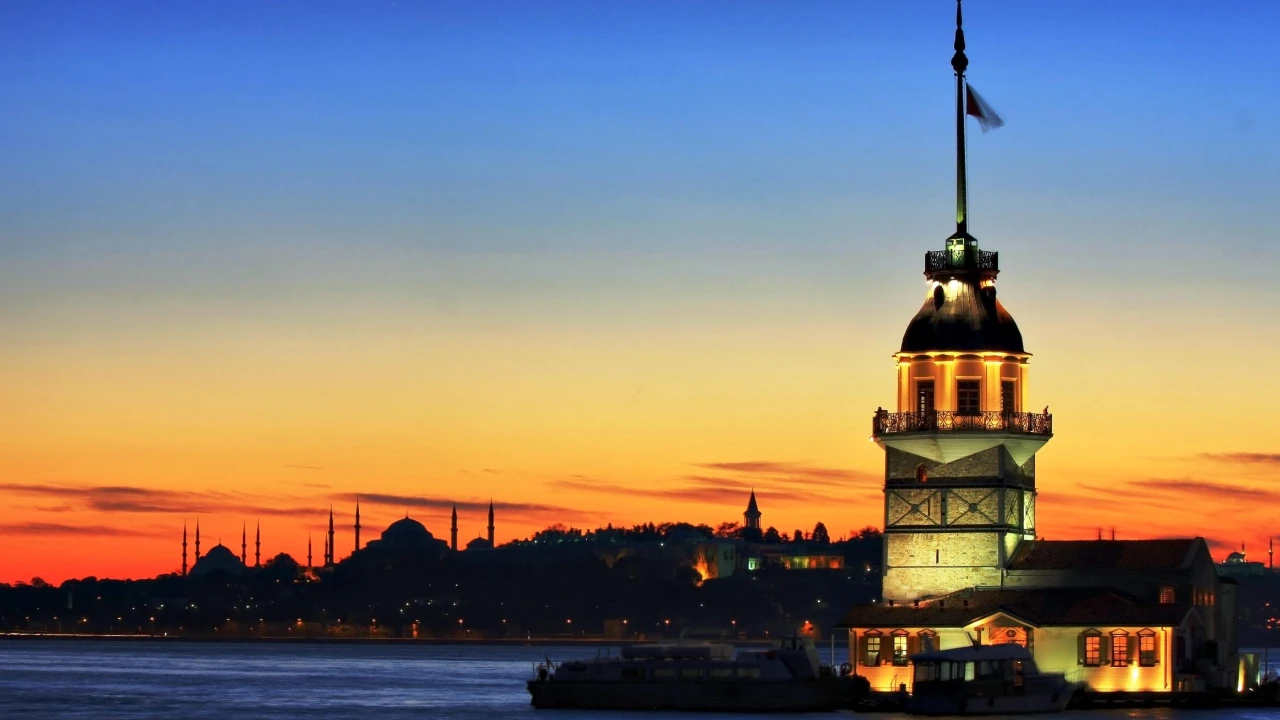
| Kız Kulesi | Bosphorus entrance | Sarayburnu and both shores aligned | Museum, ticketed, sea transport required | Late afternoon |
| Otağtepe | Anatolian | Fatih Sultan Mehmet Köprüsü and northern Bosphorus | Grove, free | Morning and midday |
| Ulus Parkı | European | Bosphorus corridor between the two bridges | City park, free | Morning and late afternoon |
| Nakkaştepe Millet Bahçesi | Anatolian | Bosphorus coastline and structures on the opposite shore | National garden, free | All day |
Hills or Towers: They Serve Different Purposes
Lumping all viewpoints together can complicate your planning. Hills and towers offer two distinct perspectives of the same city; they are not interchangeable.
Hills and Parks: Wide Angle, Flexible Hours
Hilltop and grove viewpoints provide a wide-angle perspective; the horizon line appears uninterrupted, and it's possible to frame your shot with foreground elements like trees or railings. Entry to municipal parks and groves is usually free, with no pressure from ticket times or closing hours, making them ideal for waiting for the perfect light. According to Üsküdar Municipality's description, Nakkaştepe Millet Bahçesi spans 90,000 square meters, featuring observation terraces, a wooden bridge, a biological pond, walking paths, and children's play areas. Here, the view isn't a standalone attraction but part of a broader park experience. Ulus Parkı, nestled on the hills of Beşiktaş, offers a direct view of the Bosphorus corridor between the two bridges, making it perfect for extended observation of the water traffic.
Towers: Close-Up, Tickets, and Closing Times
Tower terraces offer a close-up perspective rather than a wide-angle view: you can discern roof patterns, courtyards, and the intricate transitions of domes from above. In return, there are three common constraints: tickets, closing times, and queues. According to the Ministry of Culture and Tourism's museum information, the Galata Kulesi Museum is open daily from 08:30 to 23:00; after 18:30, it operates as a separately ticketed night museum session, with the last entry to the tower at 22:00. Kız Kulesi, on the other hand, is open from 09:00 to 21:00, with its ticket office closing at 20:00. Neither has a weekly closing day. Also, keep in mind that not every tower is an observation point: according to the Culture Portal, the 85-meter Beyazıt Kulesi within Istanbul University's Central Campus was built by architect Senekerim Balyan during the reign of Mahmud II, taking its current form in 1828, and served as a fire watchtower. According to the same source, the tower used to signal weather conditions with colored lights at night; thus, it was a distant landmark to be seen, not a place from which to view. Visiting conditions within the campus should be confirmed with the university.
Getting to Viewpoints: Which Line Goes Where
Since most viewpoints are located on slopes, transportation is typically a two-stage process: first, a rail line or ferry down to the coast, followed by a cable car, bus, or walk up the incline.
Golden Horn Arm: Tram and Cable Car
The backbone of transportation to viewpoints overlooking the Golden Horn is the T5 Eminönü-Alibeyköy Cep Otogarı tram line. According to Metro Istanbul data, the line has 14 stations and is 10.1 kilometers long; transfers to the TF2 cable car line are made from Eyüpsultan Teleferik station, and to City Lines ferry piers from Feshane, Ayvansaray, Balat, and Fener stations. The TF2 line operates with two stations between Eyüp and Pierre Loti, is 0.42 kilometers long, and takes approximately 3.25 minutes in one direction; operating hours are stated as 08:00-23:00 in summer and 08:00-22:00 in winter. Since temporary closures due to wind and maintenance can be announced, it's wise to keep the walking path as a backup if you're relying on the cable car for your ascent.
Bosphorus Arm: Ferry, Metro, and Ascent
For viewpoints overlooking the Bosphorus, the logic is different: you need to ascend from the pier level to the ridge level. Hills on the Anatolian side are reached by metro and bus lines departing from Üsküdar, while park ridges on the European side are accessible via a short but steep climb from the coastline. Kız Kulesi is an exception to this rule; according to Ministry information, access to the tower is provided by boats departing from Salacak and Karaköy piers, with the first services starting at 09:30. For those who prefer to see these same coastal structures from water level rather than from above, Istanbul Bosphorus boat and yacht tours complete the route without needing to ascend a hill.
Season and Weather: Days with Clear Horizons
For viewpoints, the season is less about temperature and more about visibility. The table below compares periods based on this criterion.
| Period | Horizon & Light Conditions | Planning Note |
|---|---|---|
| Spring (April-May) | Air clears after rain, visibility extends | The first hours after a downpour are usually the clearest |
| Summer (June-August) | Haze obscures the horizon at midday | Focus on 08:00-10:00 AM and the period before sunset |
| Autumn (September-November) | Humidity drops, distant silhouettes sharpen | Shorten evening plans as days are shorter |
| Winter (December-March) | Clarity after northerly winds, possibility of morning fog | Cable cars and open terraces may close on windy days |
The Difference Between Poyraz and Lodos Winds
Local observation is simple: after the northerly 'poyraz' wind, the air dries and the horizon clears; with the southwesterly 'lodos' wind, humidity rises, and distant shores become hazy. If your goal is to see the Adalar or distant structures on the opposite shore, choosing your day based on wind direction is more effective than choosing the hour. On 'lodos' days, instead of trying to force a distant shot, it's more productive to head to a tower terrace that offers close-up views.
Breaks at Viewpoints: What to Expect
This isn't a dining guide, but rather about how the amenities at each viewpoint can influence your itinerary. Break options vary depending on whether the spot is a free park or a ticketed tower.
- In municipal groves and parks, tea houses, 'gözleme' (Turkish flatbread), and breakfast facilities are common; seating time is flexible.
- In national gardens and city parks, it's often possible to bring your own drinks, making waiting for the perfect light both affordable and comfortable.
- Cafes in tower museums are limited by closing times; relying on them for evening plans in towers without night sessions can be risky.
- On high ridges, the number of open establishments decreases after evening hours, so it's best to plan your return stop at your descent point.
- Prices vary by establishment and season, so specific figures are not provided here.
A Half-Day Viewpoint Itinerary Following the Light
In a viewpoint itinerary, the sequence is determined by the sun's direction, not by distance. The following flow aims to capture the light twice within the same day.
- Start your day not with an east-facing spot, but with a facade that catches the morning light: viewpoints looking north towards the Historic Peninsula are rewarding in the early hours, as the domes are beautifully illuminated by the rising sun.
- Schedule your ticketed tower visit for midday. While the flat light isn't ideal for wide panoramas, it's sufficient for close-up views of rooftops and courtyards; plus, queues are often shorter than at opening or late afternoon.
- In the afternoon, cross to the opposite shore by ferry. The crossing itself is a scenic journey, allowing you to see both sides of the city from water level.
- In the late afternoon, ascend to a park ridge overlooking the Bosphorus corridor; at this time, water traffic intensifies, and the bridges catch the side light beautifully.
- Position yourself at a west-facing spot about an hour before sunset. As the sun dips behind the Historic Peninsula, its silhouette becomes clearly defined from the eastern shore and the Bosphorus entrance.
- After dark, bridge and facade illuminations come alive; however, check the closing times for tower terraces, as free hills offer more flexibility for night views.
If you prefer to follow this flow with a guide and without planning your own transportation, city center cultural programs often follow a similar sequence.
Practical Tips Before You Go
- Schedule ticketed tower visits for midday and free hills for golden hour; this way, closing times won't cut short the most valuable viewing period.
- On windy days, cable car services and open terraces might close, so have a backup viewpoint in mind.
- Paths in hills and groves are often sloped, with surfaces that can be cobblestone or dirt in places; comfortable, sturdy shoes will make your visit easier.
- A small pair of binoculars or a telephoto lens is useful for distinguishing distant silhouettes, while a wide-angle lens is needed for expansive panoramas.
- Winds on the ridges are often stronger than on the coast; even in summer, carrying a light windbreaker can extend your comfortable viewing time.
- Always verify visiting hours and potential maintenance closures on the official website of the relevant institution before you go.
Which Viewpoint to Choose: A Quick Decision Summary
If you have half a day, combine a free hilltop with a ticketed tower: one offers a wide-angle view, the other a close-up. If you have a full day, connect the two shores by ferry to see the same city from both east and west. If the weather is humid, don't strain for distant shots; head to a spot that offers close-up views. If photography is your priority, dedicate sunset to a west-facing spot and mornings to a facade viewing the peninsula from the north. For those wishing to add the city's historical layers to their viewpoint itinerary, the stops in our article Istanbul Cultural Tours and Museums Guide can be integrated into this route.
Frequently Asked Questions 6
Is there an entrance fee for Istanbul's viewpoints?
Entry fees vary depending on the type of viewpoint. Municipal groves, city parks, and national gardens generally offer free admission, while tower observation decks require a museum or operational ticket. Always verify current fees and ticket conditions on the official website of the relevant institution.
Do tower museums have a weekly closing day?
According to the Ministry of Culture and Tourism's museum information, neither the Galata Kulesi Museum nor Kız Kulesi has a weekly closing day; both appear to be open daily. Closing times differ: the daytime session at Galata Kulesi ends at 18:30, with a separately ticketed night museum experience from 18:30 to 23:00, and the last entry at 22:00; Kız Kulesi closes at 21:00, with its ticket office closing at 20:00. As temporary changes can occur due to maintenance or events, it's advisable to check the official website before your visit.
Is a tower's total height the same as its observation deck height?
No, these two are often confused. According to data from the Ministry of Transport and Infrastructure, the Küçük Çamlıca TV-Radyo Kulesi's main body is 369 meters from the ground, and its antenna tip is 587 meters above sea level; however, the publicly accessible observation decks are on the 33rd and 34th floors, approximately 148.5 to 153 meters from the ground. Therefore, when evaluating a tower, the figure to consider is the height of the terrace, not the total height of the structure.
How do I reach the Golden Horn-facing hills by public transport?
According to Metro Istanbul data, you can transfer from the T5 Eminönü-Alibeyköy Cep Otogarı tram line's Eyüpsultan Teleferik station to the TF2 Eyüp-Pierre Loti cable car. The cable car line has two stations, is 0.42 kilometers long, and takes approximately 3.25 minutes in one direction. Transfers to City Lines ferry piers are made from the same tram line's Feshane, Ayvansaray, Balat, and Fener stations.
Which direction-facing viewpoint should I choose for sunset?
Since the sun sets in the west, if you want to see the light itself, west-facing Golden Horn viewpoints are suitable. If you prefer to see the silhouette as a dark strip against the sunset, then Bosphorus entrance points that view the Historic Peninsula from the east are appropriate. No single spot offers both effects simultaneously, so you need to determine your priority beforehand.
Which season offers the clearest horizon?
The general trend is for visibility to extend in autumn, when humidity drops, and on winter days following northerly winds. Summer midday haze can obscure distant views, so it's more productive to plan summer visits for early mornings or just before sunset.