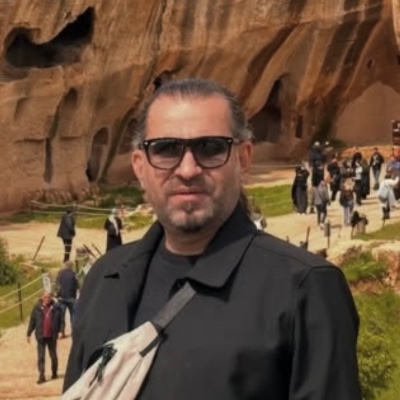
Hasankeyf, a district nestled on the banks of the Tigris River in Batman province, is renowned for its layered history. For centuries, its rock-carved cave dwellings, a majestic castle overlooking the river, and the mosques, tombs, and bridge remnants left by various dynasties made it an iconic stop in Southeastern Anatolia. With the filling of the Ilısu Dam, much of the settlement in the valley floor was submerged under the lake's waters, while some monumental structures were meticulously relocated to a new site on the opposite bank. In this guide, you'll discover what the region offers visitors today, practical starting points for your tour, the most comfortable times to visit, and how to combine Hasankeyf with other nearby attractions, all laid out step-by-step.
Why Was Hasankeyf Submerged, and What's Its Status Today?
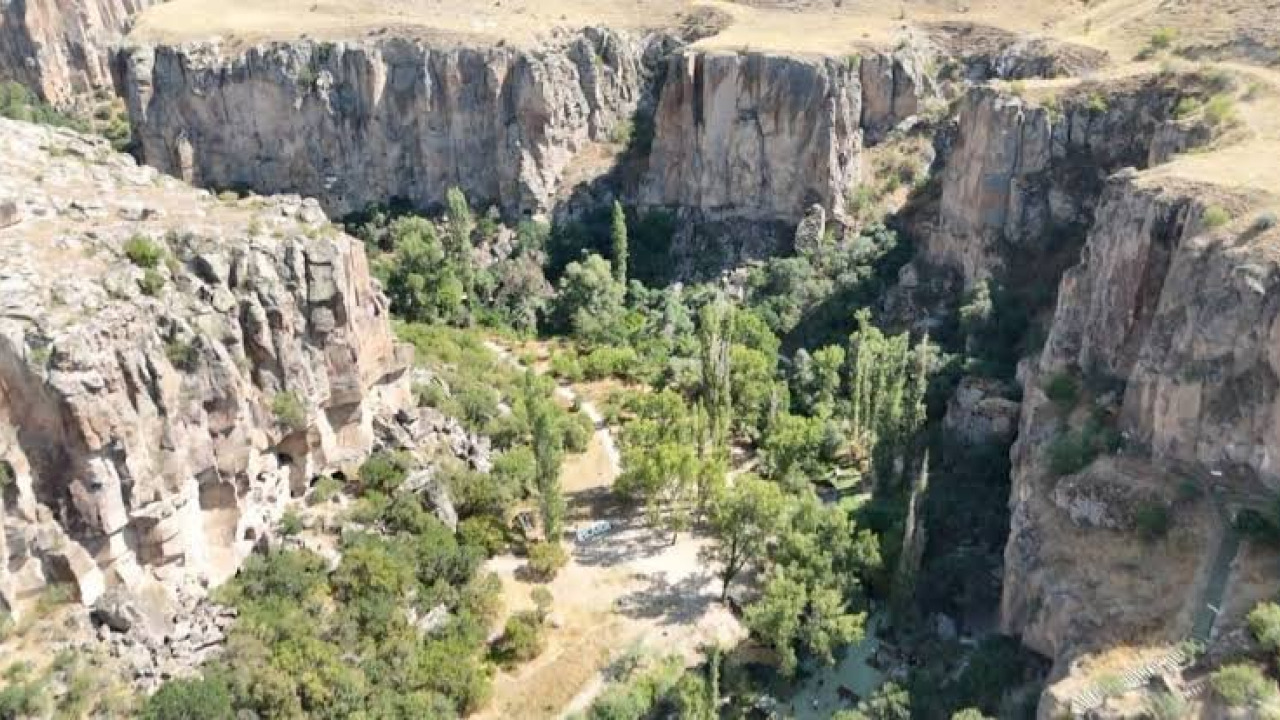
The short answer is: Hasankeyf is still very much open to visitors, though the accessible area differs from its past. A significant portion of the bazaar, the lower town, and structures along the Tigris riverbank are now beneath the dam lake's waters. However, the most characteristic elements of the settlement – the rocky plateau, the castle area atop it, and the rock-carved caves – remain above the water level.
Furthermore, a collection of monumental structures was carefully dismantled and transported across the river to higher ground using specialized carriers before the dam filled. These structures are now exhibited within a cultural park area adjacent to Yeni Hasankeyf (New Hasankeyf), all within easy walking distance of each other. Thus, your visit will focus on two distinct areas: the rocky plateau and castle on one side, and the new site housing the relocated monuments on the other.
From a visitor's perspective, the most noticeable change is the reduced duration of the tour and the replacement of riverside strolls with expansive lake views. For those keen to explore the region, this makes combining a visit to Hasankeyf with nearby centers like Batman, Midyat, and Mardin even more rewarding.
Quick Facts
| Topic | Information |
|---|---|
| Location | Hasankeyf district, Batman province, on the Tigris River |
| Current Status | Lower town in the valley floor submerged by the dam lake; rocky plateau, castle, and relocated monuments are accessible |
| Key Structures | Hasankeyf Castle, cave dwellings, Zeynel Bey Tomb, El Rızk Mosque, old bridge piers |
| Museum | Hasankeyf Museum and Archaeological Site (affiliated with the Ministry of Culture and Tourism; Müzekart accepted) |
| Best Time to Visit | April-May and September-October |
| Recommended Duration | Half a day; full day when combined with nearby attractions |
| Distances | Batman city center approx. 37 km, Midyat approx. 42 km |
| Nearby Hubs | Batman, Midyat, Mardin, Diyarbakır |
| Transportation | Batman Airport and by road |
Places to Visit in Hasankeyf
The following stops, representing different periods of the region's history, form a meaningful whole when explored together. Those looking to combine similar layered archaeological sites into one itinerary can choose a suitable route from our cultural tours.
Hasankeyf Castle and Upper City
The castle stands majestically on a rocky plateau rising steeply from the Tigris Valley. Known as Kiphas, Cepha, or Ciphas in Roman sources, the settlement was recognized as a Syriac bishopric center from the 4th century onwards. It fell under Artukid rule in 1102, serving as the capital of the Artukid Principality until 1232, and subsequently maintained its significance under Ayyubid, Akkoyunlu, and Safavid administrations.
On the plateau, you'll find the ruins of the Great Palace and Small Palace, cisterns, the foundations of the Grand Mosque (Ulu Cami), and rock-carved passages. From this vantage point, you get a sweeping view of how the dam lake has filled the valley and the location of the new settlement on the opposite bank – making it the most rewarding spot for photography.
The castle's accessibility has varied over time: after a fatal rockfall in 2010, the area was temporarily closed to visitors but later reopened following extensive safety and restoration work. Consequently, the route may be restricted periodically due to ongoing regulatory efforts.
Practical tip: The plateau path is sloped and offers little shade, so comfortable, non-slip shoes and a hat are highly recommended. It's wise to confirm the current visiting status with local tourism offices before heading out.
Rock-Carved Cave Dwellings
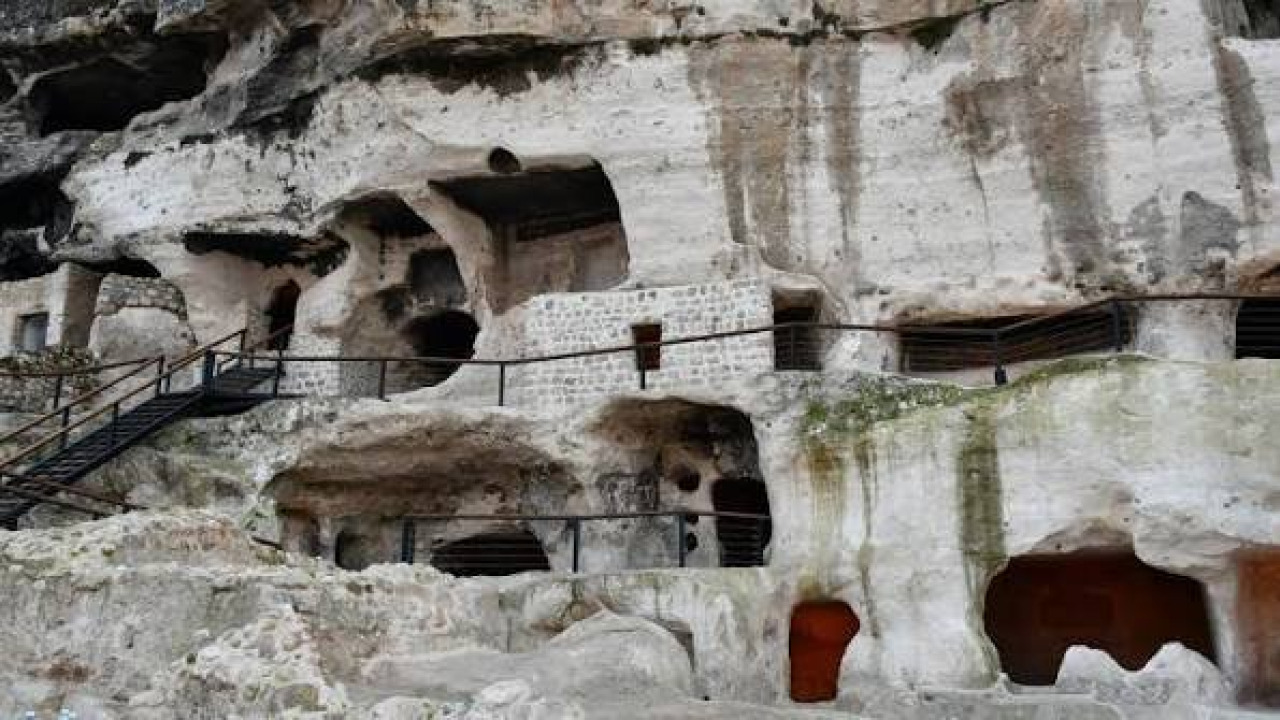
The slopes overlooking the valley are home to thousands of caves carved over centuries. Some served as residences, others as storage, stables, or places of worship; indeed, families lived in some of these caves until relatively recently.
The internal layout of the caves is a practical response to the region's climate: the thick rock mass keeps summer heat out and retains warmth in winter. Traces of chimneys, niches, and hearths offer glimpses into how daily life was organized.
At the archaeological site, a selection of restored caves has been opened to visitors, allowing for a close-up view of their interiors via a designated route. Conversely, some entrances on unmarked slopes are kept closed due to the risk of collapse.
Practical tip: It's advisable to stick to the marked routes. Early morning hours are ideal for exploring, offering both cooler temperatures and favorable side lighting for photography.
Zeynel Bey Tomb
Built in the 15th century in honor of Zeynel Bey, son of the Akkoyunlu ruler Uzun Hasan, this tomb is an unusual example in Anatolia with its cylindrical body and turquoise and navy-blue glazed brick decorations. It is said that masters from Tabriz were brought in for its construction; this architectural typology is represented by only a few examples in Turkey and is considered a link that brought Central Asian tomb traditions to the Southeast.
This approximately 550-year-old structure was lifted in its entirety before the dam waters rose and transported about 2 kilometers to the new site in a multi-hour operation using self-propelled modular transporters (SPMTs). This relocation, the first of its scale in Turkey, became as much a talking point for its engineering feat as for the structure itself. Today, you can walk around it and closely examine its exterior decorations.
Practical tip: The tomb's tiled surfaces are reflective, causing glare in the midday sun; the afternoon light typically highlights the intricate details more clearly.
El Rızk Mosque and Relocated Structures
The El Rızk Mosque, according to its inscription, was built in 1409 by the Ayyubid ruler Sultan Süleyman. Although much of the mosque has fallen into ruin over the centuries, its approximately 30-meter minaret has endured. The minaret's most striking feature is its double-staircase system, where the ascending and descending paths do not intersect. Its stone carvings and calligraphic inscriptions are visible upon closer inspection. This structure is among the monuments that were moved from its original riverside location.
Eight of the monumental structures examined under the Ilısu project were gathered in this area. These include the Artuklu Bath, Imam Abdullah Zawiya, Süleyman Koçhisar (Kızlar) Mosque, and the Middle Gate. As they are all located close to each other, this section can be comfortably explored on foot, allowing visitors to see the Artukid, Ayyubid, and Akkoyunlu layers of Hasankeyf side-by-side.
Practical tip: The park area is open-air with limited shade; visiting in the early morning or late afternoon during summer months will significantly enhance your comfort.
Old Tigris Bridge Piers
The Tigris Bridge, built in the 12th century during the reign of Artukid emir Fahreddin Karaarslan, was considered one of the largest span stone bridges of the Middle Ages. Its grand central arch rested on massive main piers, which contained rooms on either side. The superstructure vanished over centuries, leaving only these stone piers behind.
With the rising waters of the dam lake, the bridge remnants were largely submerged. Consequently, the bridge is now a site that can only be partially observed when the lake levels are low; visitors should plan their trip accordingly.
Practical tip: As water levels fluctuate seasonally, the extent to which the remnants are visible cannot be known in advance; levels are generally higher in the months following spring.
Hasankeyf Museum and Archaeopark
The area where the relocated monuments are gathered is known as the Archaeopark, and right next to it is the Hasankeyf Museum. The museum was established to exhibit findings from the salvage excavations conducted within the Ilısu Dam's impact zone; upon its opening, over fourteen hundred artifacts were displayed, and the collection has expanded as restoration work continues. In addition to ceramics, coins, and everyday items, visitors can also see scaled models of the relocated structures here.
Therefore, the museum is not a separate stop but a natural extension of your cultural park visit: you experience the monuments in their true scale outdoors and delve into their stories through the artifacts inside. For those interested in a broader archaeological context of the region, the Batman Museum in Batman city center offers a second option.
Practical tip: The Hasankeyf Museum and Archaeological Site is part of the museums affiliated with the Ministry of Culture and Tourism, and Müzekart is valid for Turkish citizens. As visiting hours vary seasonally, it's a good idea to inquire about the closing time of the ticket office early in the day.
Yeni Hasankeyf Settlement
Established on the elevated ground across the Tigris, Yeni Hasankeyf (New Hasankeyf) is a town planned for the households relocated from the old settlement. The Archaeopark is immediately adjacent to this settlement, making it easy to combine both stops into a single visit.
The new town doesn't replicate the exact fabric of old Hasankeyf; what you witness here is the story of an entire settlement being rebuilt. As accommodation and dining options are limited, most visitors plan this as their final stop before heading to a larger hub.
How to Get to Hasankeyf?
Access to the region for most visitors is typically via Batman. The following sequence provides a practical flow for those arriving by air.
- Those preferring air travel will land at Batman Airport; Mardin Airport also serves as an alternative gateway.
- From the airport, transfer to Batman city center by shuttle or taxi; minibuses heading to the district depart from around the bus terminal.
- The approximately 37-kilometer asphalt road from Batman city center to Hasankeyf takes about a half-hour drive.
- Visitors arriving by their own vehicle should follow the Batman-Midyat highway; directional signs at the district entrance will guide you separately to the castle and cultural park areas.
Public Transportation
Minibus services operate at regular intervals throughout the day between Batman bus terminal and Hasankeyf. As services become less frequent in the evening, it's advisable to ascertain the return schedule in advance to avoid being stranded in the district. Those arriving from the Midyat direction can also disembark along the same route.
Car Rental and Route Flexibility
Renting a car in the region offers flexibility for those wishing to combine their trip with nearby attractions like Malabadi Köprüsü or Midyat. Roads are generally well-maintained; however, temperatures can be high during midday in mid-summer, so keeping water in the car is a good idea for comfort.
Which Itineraries Pair Well with Hasankeyf?
Since a visit to Hasankeyf can typically be completed in half a day, it often forms part of a broader Southeastern Anatolia itinerary. The table below compares three popular combinations. For those interested in multi-stop cultural routes through pre-planned programs, explore our historic city tours options.
| Route | Highlights | Ideal for |
|---|---|---|
| Batman - Hasankeyf - Midyat | Short distances, stone craftsmanship, and filigree workshops | Those looking to fit it into a single day |
| Diyarbakır - Hasankeyf - Mardin | City walls, Tigris Valley, and Mesopotamian landscapes | A classic two to three-day itinerary |
| Batman - Hasankeyf - Malabadi Köprüsü | A trip focused on Artukid bridge architecture | Architecture and photography enthusiasts |
When to Visit?
The region experiences a continental climate; daytime temperatures are often high in mid-summer, while precipitation and cold are dominant in winter. As this is largely an open-air excursion, your choice of season directly impacts your comfort.
| Period | Advantage | Note |
|---|---|---|
| Spring (April-May) | Mild weather, greening valley, suitable for long walks | The most balanced period for a visit |
| Summer (June-August) | Long daylight hours, open-air activities | Midday hours can be challenging; plan your visit for early morning or late afternoon |
| Autumn (September-October) | Cooler weather, clear views | Excellent light quality for photography |
| Winter (November-March) | Quiet, low visitor density | Rainy and cold; rocky terrain can become slippery |
Dining and Accommodation Options
Highlights of Regional Cuisine
Southeastern Anatolian cuisine is a defining feature around Hasankeyf. Dishes like İçli köfte (stuffed meatballs), kaburga dolması (stuffed ribs), meftune, and various regional rice pilafs are commonly found on menus. For breakfast, local cheeses and butter are highlights. After your meal, don't miss trying mırra, a strong, traditional coffee widely consumed in the region, often served with a ceremonial flourish.
As dining establishments in the district center are limited, Batman and Midyat offer more extensive and comfortable options for those seeking a wider menu. If you want to make regional cuisine a central part of your itinerary, explore the alternatives under our gastronomy and event tours.
Where to Stay?
Accommodation capacity in Hasankeyf is limited; therefore, visitors typically spend the night in surrounding towns. Batman city center is practical for its transportation links. Midyat, with its boutique establishments converted from historic stone mansions, is ideal for those seeking a unique atmosphere. Mardin, on the other hand, offers a wider range of hotels and guesthouses and is convenient for extending your route southward. If you're considering spending the night in Mardin, our guide to places to visit in Mardin will help you plan your next day.
Tips Before You Go
- Wear non-slip shoes and a hat, as you'll be walking on rocky terrain for extended periods.
- Bring plenty of water during the summer months; shaded areas around the castle are scarce.
- As the visiting routes can change due to ongoing work, confirm the current status before your trip.
- Boat tours on the dam lake operate seasonally and are weather-dependent; inquire locally about their availability.
- Drone usage at archaeological sites requires permission; obtain information from the authorized unit before flying.
- Stick to marked routes in cave and ruin areas, and refrain from disturbing stones or ceramic fragments.
Is Hasankeyf Worth Visiting, and How Many Days Should You Allocate?
The short answer: absolutely worth it for travelers interested in history and architecture, but it's crucial to set your expectations based on its current state. The rocky plateau, castle surroundings, and Archaeopark can comfortably fit into a half-day itinerary; adding the Hasankeyf Museum easily extends the visit to a full day. Those planning a two-day trip can dedicate the second day to Midyat and Mardin to gain a comprehensive view of the region's stone architecture. If you opt for a route starting from Diyarbakır, the city walls and Tigris Valley can be explored as different chapters of the same historical narrative. For those extending their route westward, our Şanlıurfa and Göbeklitepe guide offers a natural continuation. If you wish to broaden your itinerary with other stops in the region, the alternatives on our all tour options page are an excellent starting point.
Frequently Asked Questions 6
Why was Hasankeyf submerged?
With the filling of the Ilısu Dam on the Tigris River, the valley floor was transformed into a lake area. Consequently, the lower town, bazaar, and some ruins along the riverbank were submerged. A portion of the monumental structures was relocated to the opposite bank before the water level rose.
What is unique about Hasankeyf?
Its uniqueness lies in the ability to observe the layered histories of Roman, Byzantine, Artukid, Ayyubid, Akkoyunlu, and Ottoman civilizations within the same settlement area. Thousands of rock-carved caves, a castle dominating the river, and mosques, tombs, and bridge structures from different periods make this layered history visible.
Is Hasankeyf worth visiting?
It is a rewarding destination for travelers interested in history and architecture. Although the accessible area has narrowed compared to the past, the story of the region becomes clear when the castle, rocky plateau, and relocated monuments are viewed together. Due to its half-day duration, combining it with Midyat, Mardin, or Diyarbakır creates a more fulfilling itinerary.
Where is the ancient city of Hasankeyf located?
It is located in the Hasankeyf district of Batman province, in the Southeastern Anatolia Region, on the banks of the Tigris River. It is approximately 37 kilometers from Batman city center and about 42 kilometers from Midyat.
How to get to Hasankeyf?
Those arriving by plane use Batman Airport, then transfer to the district by minibuses departing from the city center. Those preferring to travel by road should follow the Batman-Midyat route. Routes via Diyarbakır and Mardin are also commonly used.
How much time should I allocate for a visit to Hasankeyf?
Half a day is generally sufficient for the castle area and Archaeopark. If the Hasankeyf Museum and surrounding stops are added, the visit extends to a full day. For programs combining the region with Midyat and Mardin, a two or three-day plan is typically made.