
When thinking of the most captivating destinations in Turkey, one archaeological treasure stands above the rest: Göbeklitepe. As a UNESCO World Heritage site that fundamentally changed our understanding of human settlement, this 12,000-year-old marvel makes Şanlıurfa a bucket-list destination for any history enthusiast. But the magic of Şanlıurfa extends far beyond a single site. From the serene waters of Balıklıgöl and the iconic beehive houses of Harran to the golden-stone architecture of its ancient bazaars and the bold, spicy aromas of its world-famous cuisine, the city offers a profound cultural odyssey. In this guide, we’ve curated the must-visit spots, optimal itineraries, and essential travel tips to help you navigate this ancient land.
At Travel Tour Shop, we operate directly on the ground in this region. We have vetted every location and cultural route mentioned here against our own high service standards to ensure your journey through Şanlıurfa is seamless and enriching. Below, you will find a quick-reference summary followed by a detailed exploration of the city's highlights.
Quick Travel Facts
| Category | Details |
|---|---|
| Province | Şanlıurfa (Southeastern Anatolia, GAP region) |
| Best Time to Visit | Spring (April-June) and Autumn (September-November) |
| Recommended Duration | 2-3 days |
| Top Highlights | Göbeklitepe, Karahantepe, Balıklıgöl, Harran houses, Archaeology and Mosaic Museum |
| Getting Around | GAP Airport and road networks; Göbeklitepe is approx. 18 km from the center |
Göbeklitepe: The Zero Point in Time
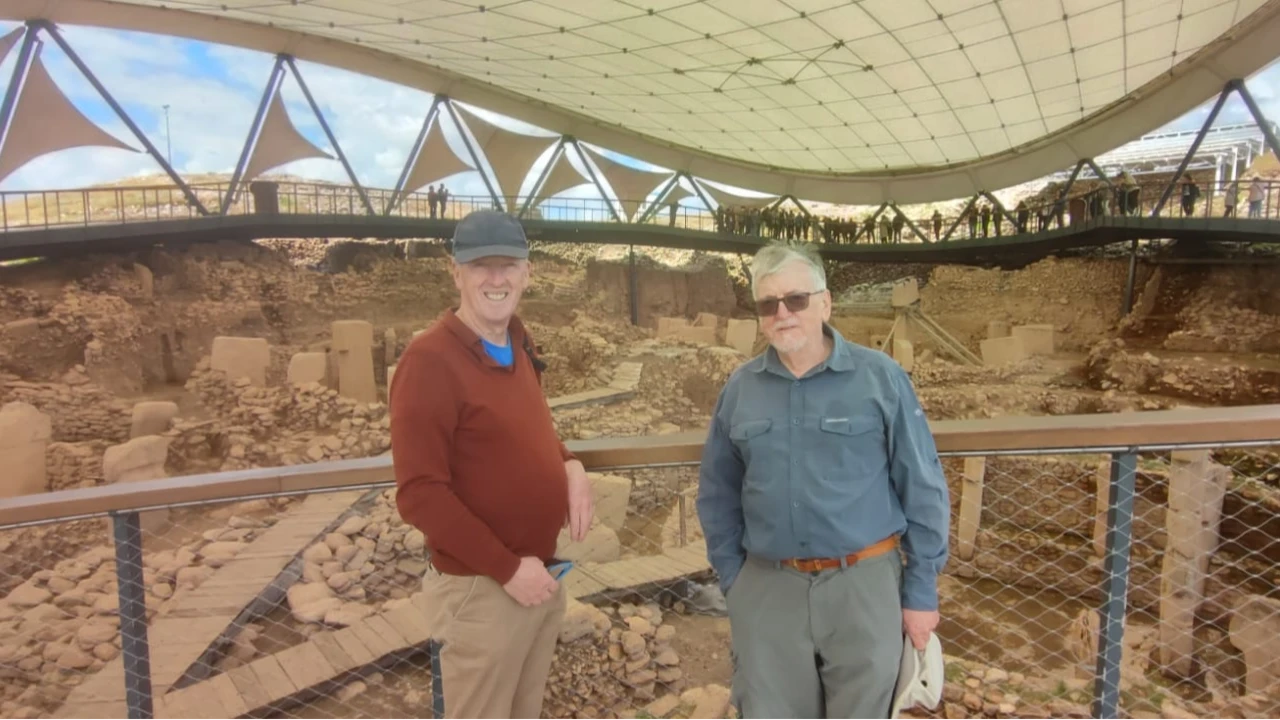
The global crown jewel of any Şanlıurfa trip is undoubtedly Göbeklitepe. Located about 18 kilometers northeast of the city center near Örencik Village, this megalithic site was constructed in an era before the invention of agriculture or writing. Upon arrival, visitors are whisked from the parking area via shuttle buses to a sophisticated protective canopy, where the site is explored via a series of wooden ramps and accessible walkways.
What we see today is only a glimpse of a much larger complex, with excavations still ongoing. This makes Göbeklitepe a living archaeological site—a place of continuous discovery. Most visitors spend their time on the observation platforms, gazing down at the massive circular enclosures and their towering pillars. For the best photography, we recommend visiting during the early morning light or the soft shadows of late afternoon to truly capture the intricate detail of the stone carvings.
Why is Göbeklitepe So Famous?
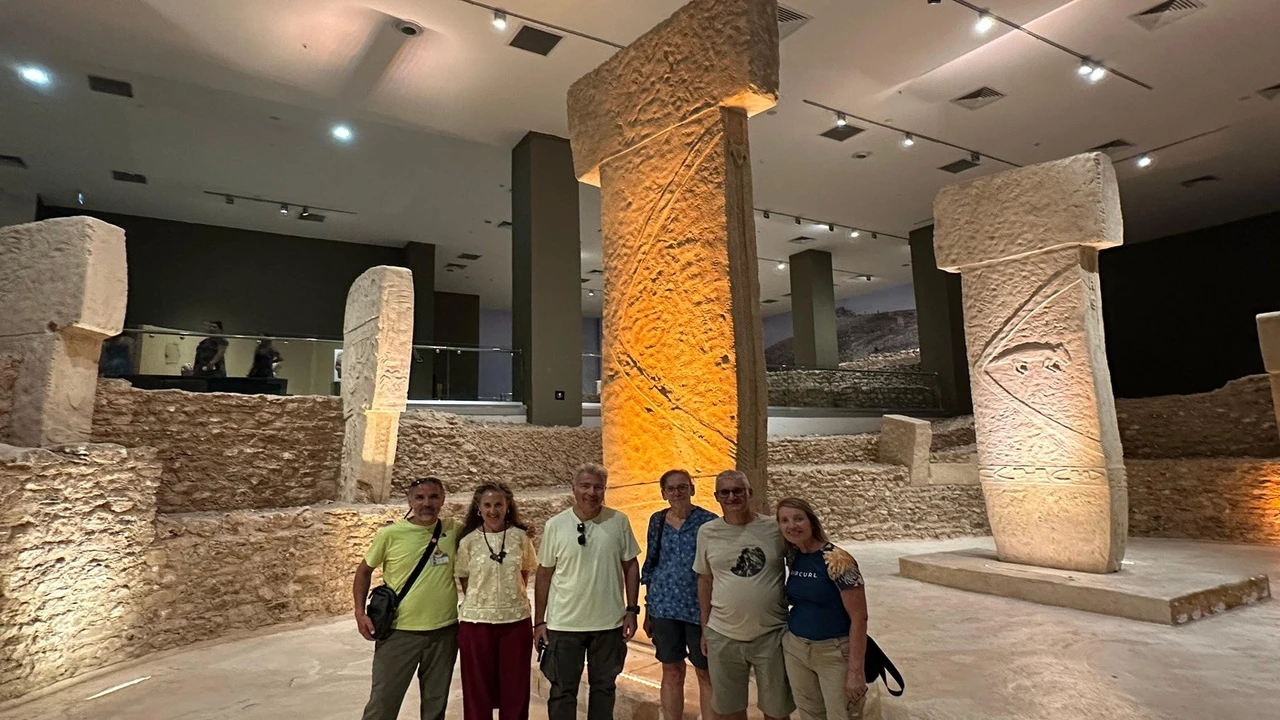
The fame of Göbeklitepe lies in its staggering age. Dating back to approximately 9600-9500 BC, these temple complexes are among the oldest known megalithic structures on Earth. The massive T-shaped limestone pillars, some weighing up to 15 tons, feature stunning reliefs of lions, snakes, cranes, and scorpions, showcasing the surprising artistic sophistication of Stone Age humans. The astronomical and religious symbolism embedded in the layout continues to fascinate scholars and travelers alike. To truly grasp the magnitude of this discovery, we highly recommend a professional guide. If you are looking to integrate this into a broader itinerary, explore our Göbeklitepe cultural tours for curated options.
Karahantepe and the "Stone Hills" Route
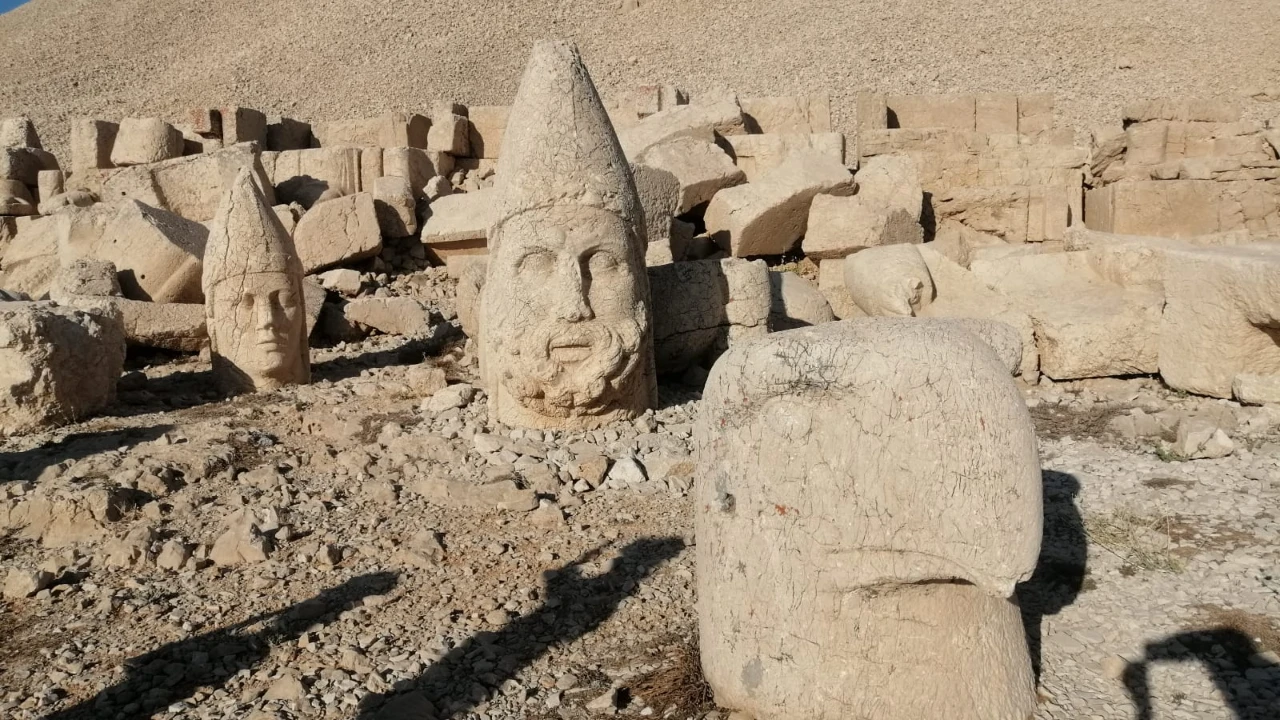
A contemporary to Göbeklitepe, Karahantepe has recently emerged as a thrilling addition to the "Stone Hills" (Taş Tepeler) project. Featuring unique human-head sculptures and ritualistic spaces, Karahantepe proves that Göbeklitepe was not an isolated phenomenon but part of a wider, sophisticated cultural network. For those with a passion for archaeology, Karahantepe is a must-add to your Şanlıurfa itinerary. Combining both sites in a single day provides a comprehensive understanding of the region's prehistoric layers.

Balıklıgöl: The Heart of Faith and Tranquility
In the center of the city lies the Balıklıgöl area, a peaceful oasis sacred to multiple faiths. The pools of Halil-ür Rahman and Ayn Zeliha, surrounded by lush gardens and elegant mosques, offer a moment of zen amidst the city's bustle. According to legend, the Babylonian King Nimrod threw the Prophet Abraham into a great fire on the hill where the Şanlıurfa Castle now stands; miraculously, the fire turned into water and the logs into the carp that still swim in the pool today. Feeding and watching these fish is a favorite ritual for visitors.
Adjacent to the pool is the cave believed to be the birthplace of the Prophet Abraham and the Mevlid-i Halil Mosque. This area is a major pilgrimage site, drawing visitors from across the globe. The nearby Rizvaniye Mosque, with its stunning courtyard, is a particular favorite for photographers. Because the Balıklıgöl complex is compact and pedestrian-friendly, it is the perfect first stop for any city center exploration.
Şanlıurfa Castle, Museums, and Ancient Bazaars
Overlooking Balıklıgöl is the Şanlıurfa Castle, whose two imposing columns define the city's skyline. From the ramparts, you get a panoramic view of the pools, mosques, and the winding streets of the old city—an ideal vantage point to orient yourself.
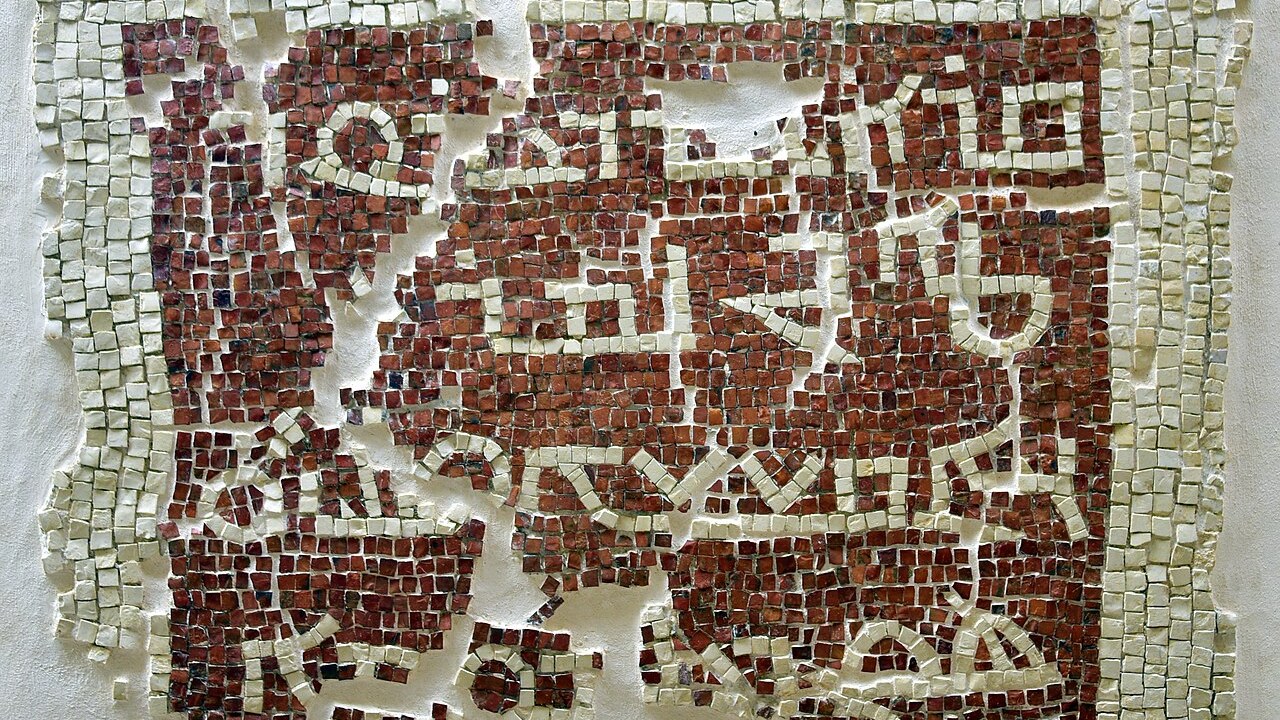
To fully appreciate the region's depth, a visit to the Şanlıurfa Archaeology Museum is essential. Housing the pillars and artifacts unearthed from Göbeklitepe and Karahantepe, the museum provides the necessary context for what you see at the dig sites. Right next door, the Haleplibahçe Mosaic Museum showcases breathtaking Roman-era floor mosaics, completing the artistic narrative of the city.
To experience the living culture of Şanlıurfa, wander through the historic bazaars with their signature yellow-stone architecture. The narrow, spice-scented alleys and historic inns like Gümrük Hanı are where the city's soul resides. Browsing the copper smiths, textile weavers, and spice merchants—and taking a break for a traditional cup of bitter mırra coffee—is one of the most rewarding parts of the trip.
Pro Tip: Since the Archaeology Museum and Haleplibahçe Mosaic Museum are adjacent, we recommend visiting them together. Seeing the artifacts in the museum immediately after visiting the ruins of Göbeklitepe creates a much more powerful and cohesive experience.
Harran and Halfeti: Cultural Escapes Beyond the City
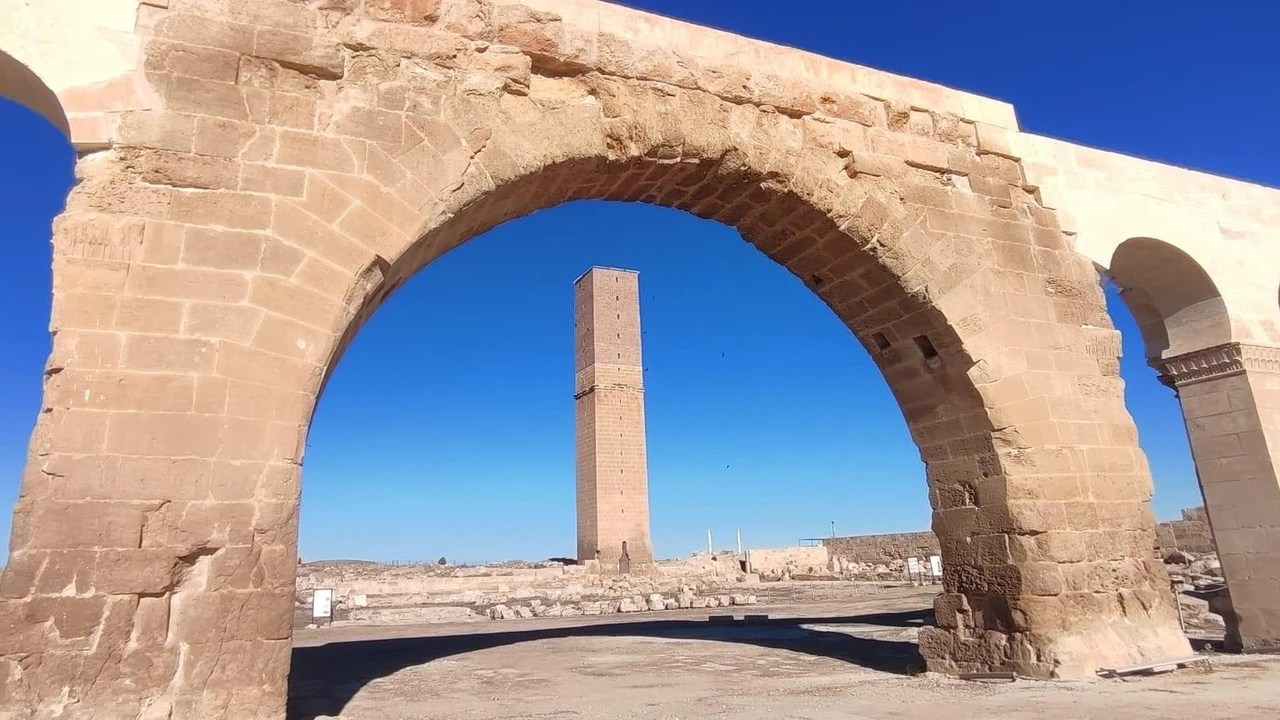
To truly experience the diversity of the region, day trips to the south and west are a must. To the south lies Harran, an ancient plain home to the ruins of one of the world's earliest Islamic universities. The most striking feature here is the "beehive" houses—conical mud-brick dwellings designed to keep interiors cool in the scorching summer and warm in the winter. Capturing photos in traditional attire against these unique structures is a highlight for many travelers.
To the west, along the banks of the Euphrates, is Halfeti—a "sunken town" partially submerged by the rising waters of the Birecik Dam. A boat tour in Halfeti is a surreal experience, taking you past half-submerged stone houses, the lonely minaret of Savaşan Village rising from the water, and the cliffside fortress of Rumkale. On land, keep an eye out for the "Black Rose," a rare flower that grows only in Halfeti's unique soil. These two excursions provide a stunning natural and rural contrast to the city's urban history. For those wanting to book these experiences, check out our Şanlıurfa cultural tours.
Traveler's Note: Because Harran and Halfeti are further away, we suggest planning them as separate day trips. Spreading them across your itinerary prevents travel fatigue and allows you to savor each location. Given the open terrain, these trips are best enjoyed during the cooler morning hours.
A Taste of Şanlıurfa: Gastronomy and Sıra Gecesi
Şanlıurfa is one of Turkey's premier gastronomic hubs. The local cuisine is a bold celebration of meat, spices, and the region's signature isot (dark, smoky chili pepper). The Urfa Kebab, prepared with traditional zırh knives, and the early-morning Urfa liver cooked over embers are legendary. For a true local experience, try the çiğ köfte, a spicy bulgur paste flavored with fresh isot.
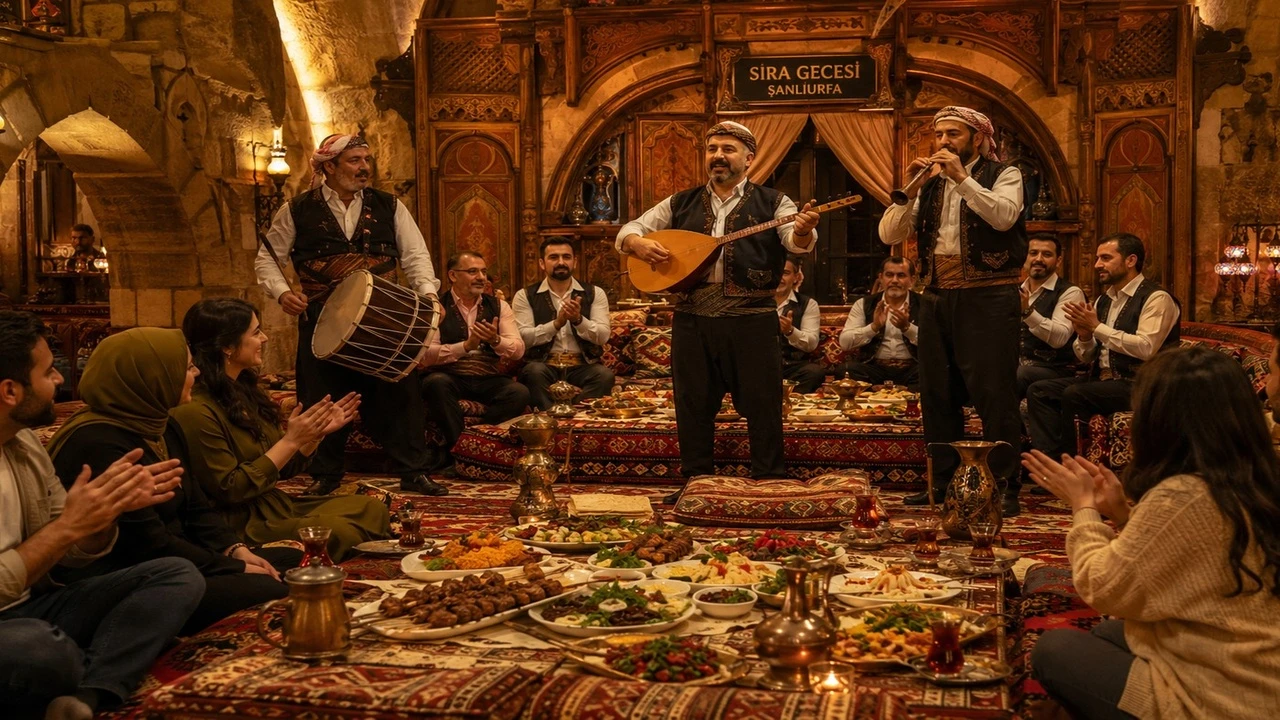
For those with a sweet tooth, don't miss the şıllık dessert (made with walnuts) or the local semsek pastries. To cap off your evening, immerse yourself in a Sıra Gecesi (Night of the Order). These are traditional musical gatherings held in historic mansions, featuring folk songs, dance, and dinner. Since these events are highly popular, especially on weekends, we recommend booking your spot in advance.
Visiting Göbeklitepe: Logistics and Timing
Two of the most common questions we hear are: "How do I get to Göbeklitepe from the center?" and "How long does it take to tour?" Since the site is about 18 km from the city center, it is a 25-30 minute drive via private car, tour shuttle, or scheduled public transport. Once at the site, shuttle buses transport you from the parking lot to the actual temple area.
The tour typically takes between one and two hours, depending on your interest. We recommend starting with the introductory video at the entrance to set the stage. Those with a professional guide usually spend more time deciphering the symbols on the pillars. To avoid the midday heat, early morning or late afternoon visits are the most comfortable.
When to Visit and How to Get There
Due to its location in Southeastern Anatolia, Şanlıurfa has a hot and arid climate. In the peak of summer (July-August), temperatures can soar above 45°C (113°F), making outdoor sites like Göbeklitepe and Harran quite challenging. For a comfortable experience, we strongly recommend visiting during the spring (April-June) or autumn (September-November).
The city is easily accessible via GAP Airport, with frequent flights from major hubs. From the airport, transfer vehicles can take you directly to your hotel. For those traveling by road, Şanlıurfa is well-connected by regular intercity buses. To maximize your time and ensure a logical flow between Göbeklitepe, Balıklıgöl, and the outlying districts, a guided tour is the most efficient choice. You can compare similar itineraries across Turkey by browsing all our cultural tours.
Frequently Asked Questions 6
Where is Göbeklitepe and how far is it from Şanlıurfa center?
Göbeklitepe is located approximately 18 kilometers northeast of Şanlıurfa city center, near Örencik Village in the Haliliye district. It is a 25-30 minute drive by car or shuttle.
Why is Göbeklitepe so important?
It is one of the oldest known megalithic temple sites in the world, dating back to 9600-9500 BC. Built before the advent of farming and writing, its massive T-shaped pillars and animal carvings have rewritten the history of human civilization and earned it a spot on the UNESCO World Heritage List.
How many days are needed to visit Göbeklitepe and Şanlıurfa?
You can cover Göbeklitepe and the city center in 2 days at a relaxed pace. However, if you wish to include Harran and Halfeti, a 3-day itinerary provides a much more complete experience.
What are the top sights in Şanlıurfa?
Beyond Göbeklitepe and Karahantepe, the must-visit spots include the Balıklıgöl and Halil-ür Rahman complex, Şanlıurfa Castle, the Archaeology Museum, Haleplibahçe Mosaic Museum, the historic bazaars, and the beehive houses of Harran.
Is Göbeklitepe accessible for elderly visitors or those with disabilities?
Yes. The site features a protective roof and is equipped with wooden ramps and flat walkways. Wheelchairs and strollers can navigate the area comfortably.
What is the best season to visit Şanlıurfa?
To avoid the extreme summer heat (which can exceed 45°C), the best times to visit are spring (April-June) and autumn (September-November).