
Hagia Sophia Minor is not merely a scaled-down replica of its grand namesake; it's a distinct architectural marvel built during the reign of the same emperor, with its own unique design principles. Today, it functions as an active mosque, open for worship and without an entrance fee. This guide addresses the common misconception about its relationship to the larger Hagia Sophia, then connects it to the Sokollu Mehmet Pasha Mosque, perched higher on the same slope, for a seamless walking tour. Approximately 400 meters separate these two structures, offering a journey through a millennium of history: from 6th-century Byzantine marble artistry to 16th-century Ottoman Iznik tiles. Below, you'll discover what to see, how the landscape influences the experience, the ideal walking sequence, and the best times to visit.
Quick Facts for Your Visit
| Topic | Information |
|---|---|
| Location | Fatih, Küçükayasofya Neighborhood; both structures are in the same neighborhood |
| Hagia Sophia Minor | Church of Saints Sergius and Bacchus; reign of Emperor Justinian (527-565 AD) |
| Sokollu Mehmet Pasha Mosque | Mimar Sinan, 1571 (H. 979); endowed by Ismihan Sultan |
| Distance between them | Approximately 400 meters, a 5-6 minute uphill or downhill walk |
| Transportation | T1 tram to Sultanahmet or Çemberlitaş stop; Cankurtaran station on the Sirkeci-Kazlıçeşme line |
| Entrance Policy | Both are active places of worship; no ticket office, visit outside of prayer times |
| Recommended Time | Approximately 1.5-2 hours for both prayer halls and courtyards |
| UNESCO World Heritage | Both are explicitly mentioned in UNESCO's "Historic Areas of Istanbul" designation |
Is Hagia Sophia Minor the Same as Hagia Sophia?
No, they are distinct structures, and their connection is one of kinship, not replication. Official records from the Fatih District Governorship identify Hagia Sophia Minor by its original name, the Church of Saints Sergius and Bacchus, and date its construction to the reign of Emperor Justinian (527-565 AD); architectural historians typically place its completion in the 530s. Thus, the common thread is the ruler and the century, not the scale or the architectural plan. Hagia Sophia Minor's main body measures approximately 30x34 meters, with its dome rising from an octagonal drum to a height of about 19 meters. The grand Hagia Sophia, in contrast, features a much larger central dome resting on a basilical plan.
The difference in visitor experience is even more pronounced. The tourist route for the grand Hagia Sophia has a separate entrance and fee for foreign visitors; please check the current rates on muze.gov.tr. Hagia Sophia Minor, however, has no such ticket system. For those curious about the layers of history within the larger structure and the impact of its ongoing main dome restoration, our Hagia Sophia guide provides a dedicated overview. If you prefer a guided experience over exploring this slope independently, you can browse programs focused on the Sultanahmet area among the Istanbul city center cultural tours offered by Travel Tour Shop.
Are Hagia Sophia Minor and Sokollu Mehmet Pasha Mosque Open for Visitors?
Both are active mosques, open for daily visits, and there is no entrance fee. However, this doesn't mean you can visit at any time: during prayer times, the main prayer hall is reserved for worshippers, and both mosques fill up for Friday noon prayers, increasing activity in the courtyards. Timing your visit between prayer times will allow you to explore comfortably inside and take photos without disturbing anyone.
The maintenance history of these structures is also part of the answer. Fatih District Governorship records mention restoration work on Hagia Sophia Minor between November 1502 and December 1505, and the minaret being rebuilt in stone in 1955. Damage caused by the railway line laid right next to the building in the 19th century is also cited as a turning point in its restoration history. If a major renovation is planned, parts of the prayer hall might temporarily close, so checking announcements from the relevant directorate can save you time if you're traveling from afar.
How Long Does it Take to Walk from Sokollu Mehmet Pasha Mosque to Hagia Sophia Minor?
The walk from Sokollu Mehmet Pasha Mosque on Şehit Mehmetpaşa Yokuşu to Hagia Sophia Minor Mosque Street is approximately 400 meters and takes about 5-6 minutes. Both structures are within the same Fatih neighborhood, Küçükayasofya Mahallesi; the difference isn't distance, but elevation. Sokollu sits higher on the slope, while Hagia Sophia Minor is on the flatter ground descending towards the sea. If you plan your walk from top to bottom, you'll use the incline to your advantage.
Reaching the slope itself also requires a short walk. From the Sultanahmet or Çemberlitaş stops of the T1 tram, you can reach the elevation of Sokollu in about ten minutes by taking the streets descending south towards the sea. For those arriving from the coast, the Cankurtaran station on the Sirkeci-Kazlıçeşme line drops you at the eastern edge of the neighborhood; this station is part of a separate line and not listed on Marmaray's own stops.
Two Structures Side-by-Side: What to Look For, What Changes
A single walk covers a thousand-year span. The table below summarizes how the two structures differ across various criteria; the details in each row are expanded upon in the body sections.
| Criterion | Hagia Sophia Minor Mosque | Sokollu Mehmet Pasha Mosque |
|---|---|---|
| Period | 6th century, reign of Justinian (527-565 AD) | 1571 (H. 979), classical Ottoman period |
| Founder and Architect | Eastern Roman structure; converted into a mosque by the endowment of Chief Eunuch of the Gate of Felicity, Hüseyin Ağa | Mimar Sinan, on behalf of Ismihan Sultan and Grand Vizier Sokollu Mehmet Pasha |
| Plan Scheme | Central plan with an octagonal drum, main body approx. 30x34 meters | Classical scheme resting on six piers, nearly rectangular |
| Dome Size | Dome height approximately 19 meters | Dome diameter approximately 13 meters |
| Surfaces to Admire | Marble column capitals and inscription frieze | Iznik tiles covering the mihrab wall up to the arches |
| Courtyard Layout | Cells originally built as a hospice, later converted into a madrasa | 16-room madrasa, portico, ablution fountain, and lecture hall |
| Elevation Relationship | On the same level as the street, close to the coastline | Higher on the slope, accessed by a staircase entrance |
What to See at Hagia Sophia Minor
The Octagonal Drum and Dome's Seating
Upon entering, the first thing you'll notice is that the dome rests not on a square space, but on an octagonal arrangement. The drum is built with eight corners, and the dome closes at a height of approximately 19 meters. This arrangement is considered an early example of an attempt to cover a large volume as a single, unified space; the outer dimensions of the main body are approximately 30x34 meters. As you gaze at the dome, observing the alternating sequence of flat and concave surfaces reveals why the space appears so fluid.
Column Capitals and Inscription Frieze
The marble frieze running beneath the gallery level is the building's primary historical surface. Architectural history sources state that this band features a Greek votive inscription commemorating Justinian and Theodora, and that the same couple's carved monograms can be found on the column capitals. To read the inscription, simply stand in the middle of the prayer hall and look up towards the gallery level; the band of writing circles at a height easily followed by the eye.
Hüseyin Ağa Foundation: Outer Prayer Portico, Minaret, and Tomb
The Ottoman layer of the structure demands a separate appreciation. According to Fatih District Governorship records, the endowment owner was Hüseyin Ağa, the Chief Eunuch of the Gate of Felicity. With its conversion into a mosque, a five-domed outer prayer portico, ten columns supporting an octagonal muezzin's platform, a marble mihrab, and a minbar were added. The white and pink marble inscriptions at the main door are hallmarks of this period. To the north stands Hüseyin Ağa's octagonal tomb, containing two cenotaphs. Hüseyin Ağa's role as the chief eunuch of the palace also explains the institutional link between the structure and Topkapı Palace.
Cells Surrounding the Courtyard
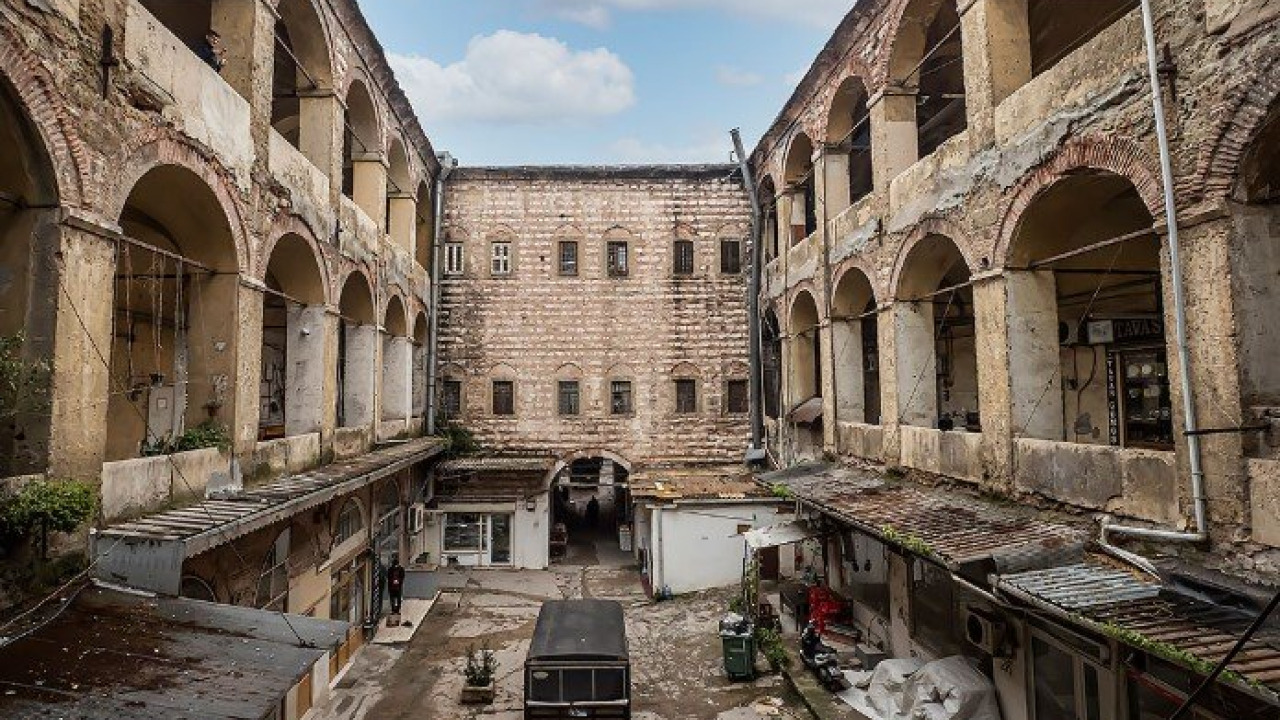
The rooms enclosing the courtyard were initially built as a hospice (tabhane) and later transitioned to function as a madrasa. Today, these cells have long been allocated to artisan workshops and small businesses; as the business arrangements change periodically, it's advisable to verify before you go if you plan to take a break in the courtyard. For those wishing to see another 6th-century structure left by the same emperor in the city, the Basilica Cistern visitor guide offers a continuation of the walk further north.
What to See at Sokollu Mehmet Pasha Mosque
Six-Pillared Plan and Staircase Entrance
Fatih District Governorship records describe the mosque with a classical six-pillared plan scheme; the nearly rectangular prayer hall is covered by a central dome approximately 13 meters in diameter. The real surprise of the structure is experienced at the entrance: because the street level is on a slope, you ascend to the courtyard via stairs beneath a vaulted gate. Emerging from the dim passage into a flat, porticoed courtyard with an ablution fountain is a clever solution that integrates the terrain's incline into the design rather than concealing it.
Iznik Tiles on the Mihrab Wall
The main surface to admire in the prayer hall is the mihrab wall. Records indicate that the wall is covered with Iznik tiles up to the arches, and this program reflects the mature phase of Turkish tile art. To appreciate the floral compositions on cobalt blue and emerald green backgrounds, you need to approach the mihrab and look upwards; the tiled surface doesn't just remain at eye level but rises to the springing of the arches.
Hacerü'l-Esved Fragments and Burial Ground
According to a widespread narrative about the mosque, four small fragments believed to be from the Black Stone (Hacerü'l-Esved) of the Kaaba are embedded in the prayer hall at four points: above the mihrab, on the minbar door, beneath the minbar's conical cap, and at the main entrance door of the prayer hall. This account relies more on established tradition than institutional inventory records; simply noting the location of the frames as you see the fragments is sufficient. The small burial ground (hazire) behind the qibla wall offers a quiet space for reflection, with its unique tombstone shapes and inscriptions.
The Külliye's Courtyard Layout
The courtyard is surrounded by 16 madrasa rooms, porticos, an ablution fountain, a lecture hall, and muezzin's rooms. This scheme explains why the mosque appears not just as a place of worship but as a small complex (külliye). Sitting in the courtyard for a few minutes allows you to realize how much the noise from the slope is kept outside. Those who wish to see these two structures as part of a guided program can compare Istanbul cultural tour options focusing on the Historical Peninsula.
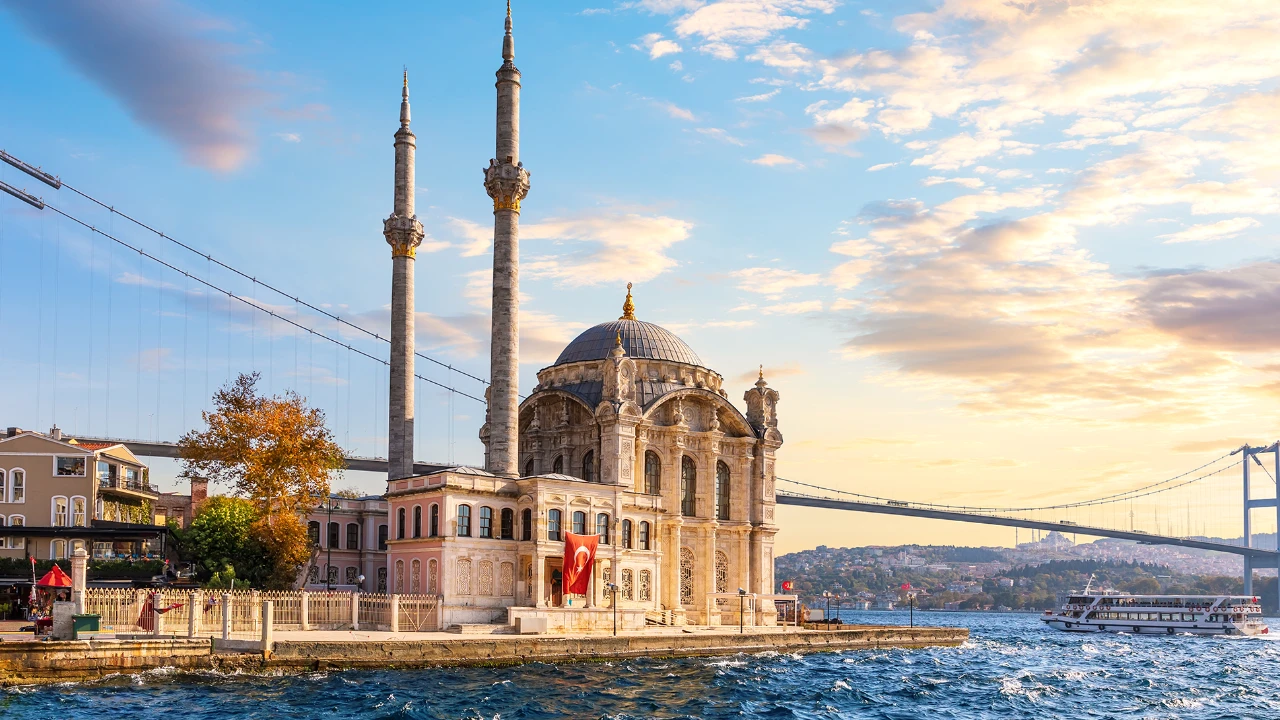
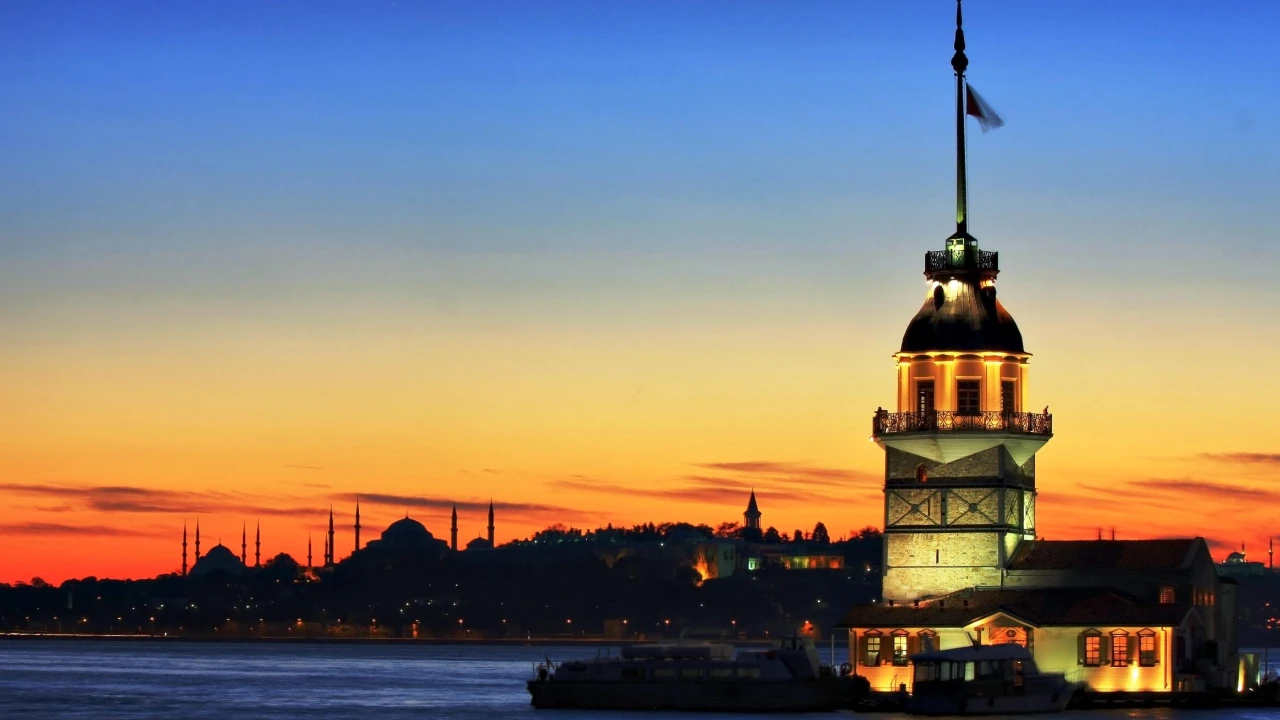
From Kadırga Level to the Marmara Coast: The Structures' Relationship with the Sea
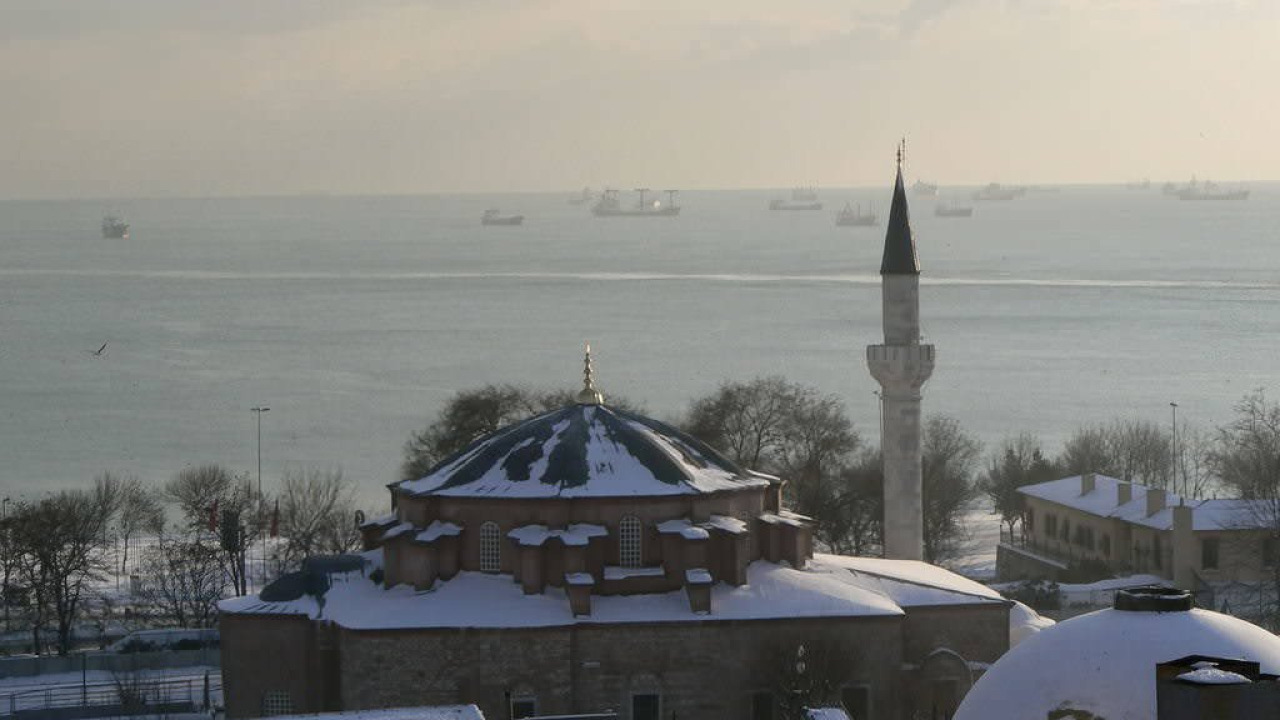
The location of these two structures is no accident. The sunken area where Kadırga Square now sits was once one of the city's southern harbors during the Byzantine period; in the Ottoman era, this cove, where galleys (kadırga) were pulled ashore, gave the neighborhood its name. Although the sea was later filled in, pushing the coastline back, looking down from the slope reveals why the elevation continuously drops.
To the south of Hagia Sophia Minor, near the coastline, lie the ruins of the Boukoleon Palace. During the restoration and excavation work carried out by İBB Miras, the site has occasionally been opened for guided visits; please confirm the current visiting arrangements through the institution's announcements. What physically severs the connection between the structure and the coast today is the railway line: the Cankurtaran station on this same line is the transportation counterpart for this section.
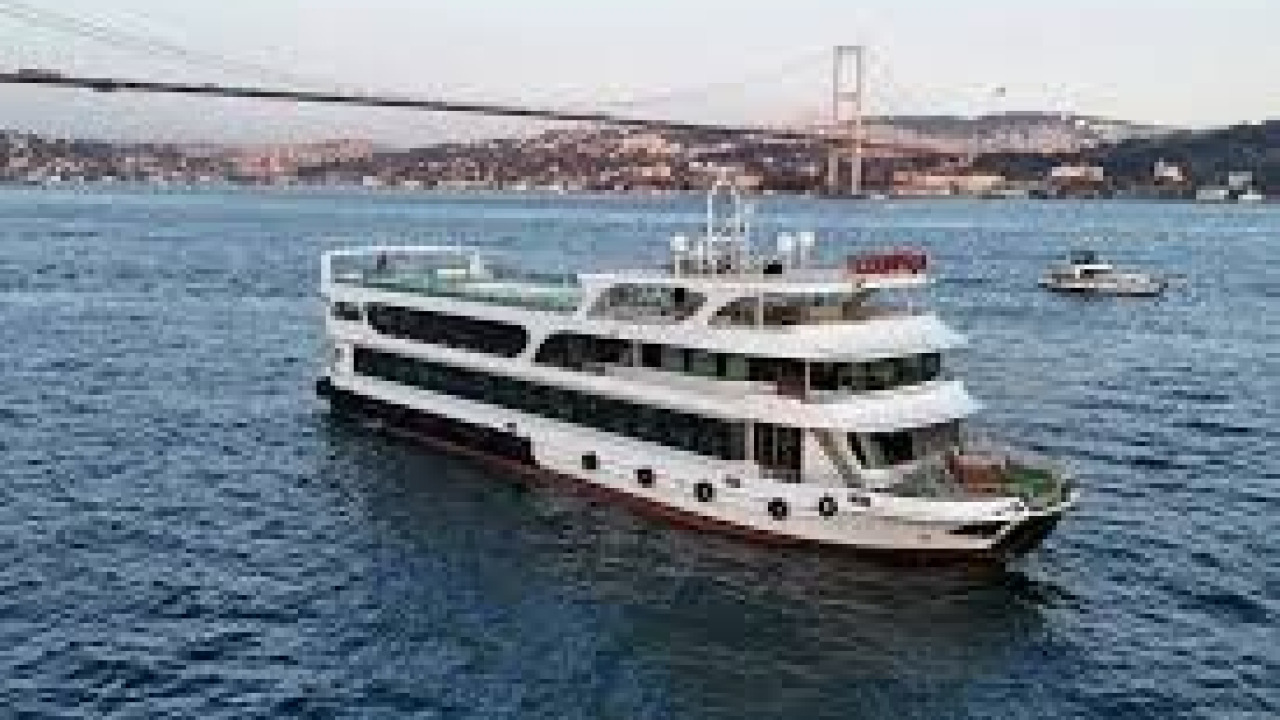
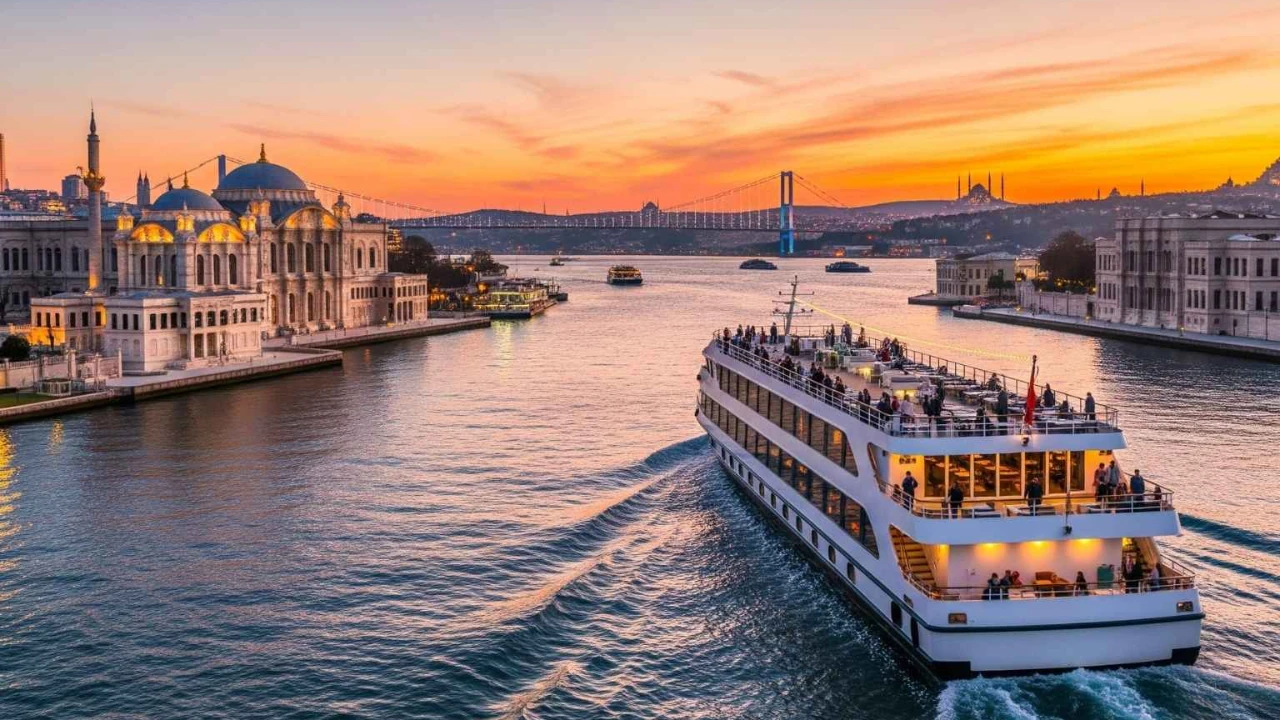
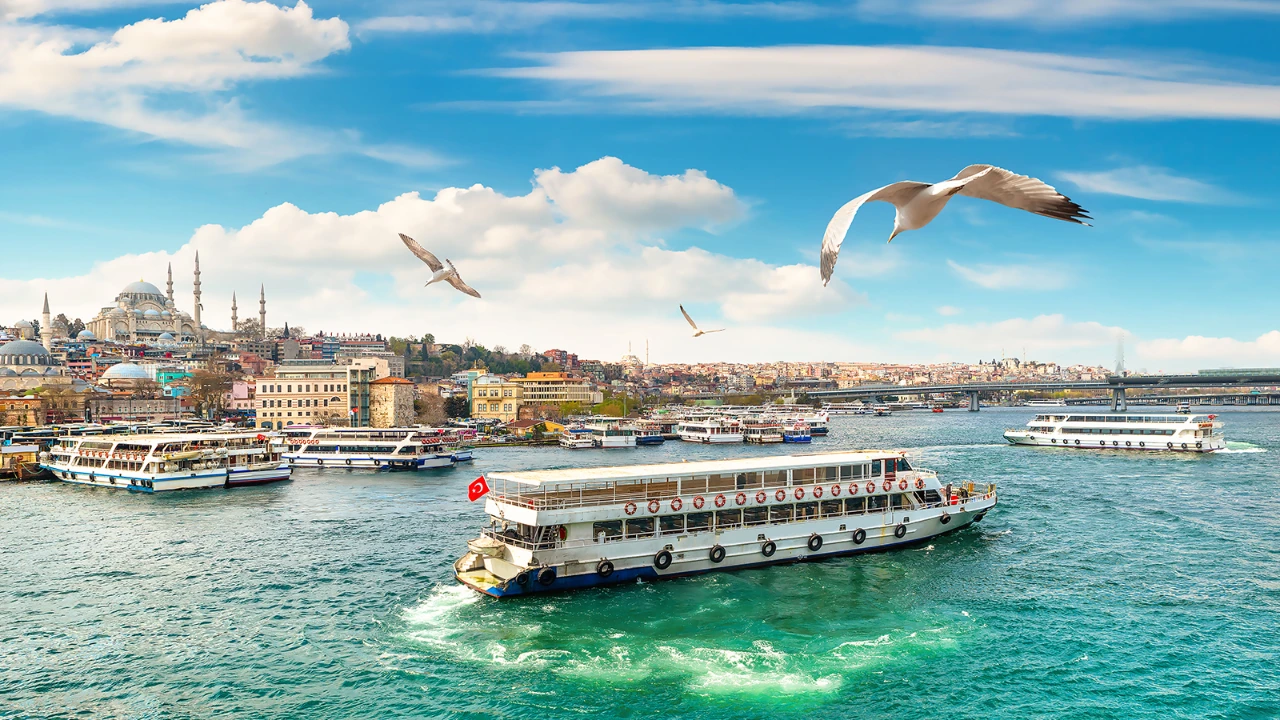
Because the coastline was filled in and the railway line intervened, the relationship of these two structures with the sea is not evident from land today; viewing the same slope from the water re-establishes that lost connection. The line of domes and minarets aligns in the same frame when viewed from the coast.
Order of Visit: From the Slope Towards the Sea
Starting your walk from the top of the slope turns the incline to your advantage, allowing you to explore both courtyards feeling refreshed.
- Ascend to the upper level: Get off the T1 tram at Sultanahmet or Çemberlitaş stop and walk into the streets descending south towards the sea; you'll reach the elevation of Sokollu in about ten minutes.
- Climb the stairs to the courtyard: From the vaulted gate on Şehit Mehmetpaşa Yokuşu, ascend the steps to discover the ablution fountain and porticoed layout.
- Explore the prayer hall: Observe the six-pillared plan, the tiled surface of the mihrab wall, and the frames of the four stone fragments in sequence; don't miss the burial ground on your way out.
- Descend the slope: Walk approximately 400 meters downhill for 5-6 minutes to reach Hagia Sophia Minor Mosque Street.
- Visit the second prayer hall: Examine the octagonal drum, column capitals, and the inscription frieze beneath the gallery; don't skip the tomb to the north.
- Descend to the coastal level: After a break in the courtyard cells, head down to the coastal area beyond the railway line to conclude your walk.
The Light of Two Courtyards: Choosing the Time and Season
Sokollu's courtyard is enclosed by high walls and remains shaded in the morning; Hagia Sophia Minor's prayer hall, relying on light from its windows, is more legible around midday. Planning your visit around these two factors allows you to experience two distinct lighting conditions on the same day.
| Period | What changes on the slope walk | Specific notes for this duo |
|---|---|---|
| April-June | The incline is less challenging in cooler hours, days are long | Sokollu's shaded courtyard can also be enjoyed in the afternoon |
| July-August | Little shade on the slope, bring water | The coolness of the prayer halls is welcome for a midday break |
| September-October | Light softens on marble and tiled surfaces | Favorable period for reading the inscription frieze |
| November-March | Streets become quieter, crowds disperse | Sokollu's staircase entrance and marble courtyard floor can become slippery when wet |
Preparing for Your Visit: Attire, Ground, and Light
What causes delays on this slope isn't the distance, but arriving unprepared. The following tips will make both visits easier.
- Shoes are removed at the entrance to the prayer hall, and women visitors are expected to cover their heads; keeping a scarf ready in your bag prevents waiting at the door.
- Exclude prayer times and Friday noon prayers from your plan; during these hours, the prayer hall is reserved for worshippers.
- Interiors are dim; leaning on a stable surface for photos instead of using flash yields clearer shots and avoids disturbing the congregation.
- The streets are cobblestone and sloped; comfortable, supportive footwear will significantly ease your walk.
- As the arrangement of workshops and businesses in the courtyard changes periodically, confirm before relying on them for a break.
- If you plan to add the Boukoleon ruins site to your itinerary, check its visiting schedule in advance.
Connecting Two Structures in One Day
The 400 meters between these two structures bridge two different architectural philosophies, built six centuries apart: one, an early Byzantine experiment supported by an octagonal drum, the other, a classical Ottoman scheme resting on six piers with a mihrab wall adorned in exquisite tiles. By starting your walk from the top of the slope and ending at the coastal level, you can explore these two UNESCO-listed structures in less than half a day, within the authentic fabric of a quiet neighborhood, away from the main crowds.
Frequently Asked Questions 6
Where is Hagia Sophia Minor located?
Hagia Sophia Minor Mosque is located in the Küçükayasofya Neighborhood of the Fatih district, on Küçük Ayasofya Camii Sokak. It sits on the lower part of the slope descending south from Sultanahmet towards the Marmara coast.
Is there an entrance fee for Hagia Sophia Minor?
The structure is an active mosque, and there is no ticket office at the entrance. Visits should be made outside of prayer times; for the grand Hagia Sophia, a separate entrance and fee apply to foreign visitors, with current rates available on muze.gov.tr.
Who built Hagia Sophia Minor?
The structure's original name is the Church of Saints Sergius and Bacchus; it was built during the reign of Emperor Justinian, at a time architectural historians place in the 530s. The endowment owner for its conversion into a mosque was Hüseyin Ağa, the Chief Eunuch of the Gate of Felicity.
Who built Sokollu Mehmet Pasha Mosque and when?
The mosque in Kadırga was built by Mimar Sinan on behalf of Ismihan Sultan, daughter of Selim II, and her husband, Grand Vizier Sokollu Mehmet Pasha. Fatih District Governorship records date the structure to 1571 (H. 979).
What is the distance between Hagia Sophia Minor and Sokollu Mehmet Pasha Mosque?
The two structures are approximately 400 meters apart and can be covered by a 5-6 minute uphill or downhill walk. Both are within the boundaries of the Küçükayasofya Neighborhood.
How do I get to Hagia Sophia Minor?
Get off the T1 tram at Sultanahmet or Çemberlitaş stop and walk south for about ten minutes. Those coming from the coast can use the Cankurtaran station on the Sirkeci-Kazlıçeşme line.