
Standing as a timeless sentinel of Istanbul's skyline, Hagia Sophia is one of the city's most iconic landmarks and ranks among the most significant historical structures in the world. With a legacy spanning nearly 1,500 years, it has evolved from a Byzantine cathedral to an Ottoman mosque, served as a museum, and returned to its status as a mosque in 2020. This layered history makes Hagia Sophia a rare witness to the rise and fall of successive civilizations. In this guide, we have compiled everything you need to know—from its architectural marvels and hidden details to logistics, visiting conditions, and the best nearby attractions.
At Travel Tour Shop, we prioritize quality over quantity. We have rigorously vetted our network of guides and tour providers, filtering out approximately 83% of options to ensure we only list those with proven local expertise and stellar guest reviews. The insights provided below are a reflection of this commitment to excellence.
Quick Facts
| Topic | Details |
|---|---|
| Location | Sultanahmet, Istanbul's Historic Peninsula |
| Construction | 537 AD (Emperor Justinian I) |
| Dome | 31m diameter, 55m height |
| Current Status | Mosque (since 2020) |
| Nearby Landmarks | Blue Mosque, Topkapi Palace, Basilica Cistern |
| Best Time to Visit | Spring (March-May) and Autumn (September-November) |
Where is Hagia Sophia and How to Get There?
Hagia Sophia is located in the heart of Istanbul's historic peninsula, situated right next to Sultanahmet Square. As one of the city's most central tourist hubs, it is incredibly accessible. For those using public transport, the most practical option is the T1 tram line; simply get off at the Sultanahmet stop, and you are just a few minutes' walk from the entrance. Since most of the area's major sights are within walking distance, Hagia Sophia is typically the perfect starting point for exploring the historic peninsula.
While taxis or private transfers are available depending on where you are staying, the tram is often faster due to the heavy traffic around Sultanahmet. If you are arriving from outside the city, planning your transport from the airport to the historic peninsula in advance will save you valuable time.


A Journey Through Time: From Cathedral to Mosque
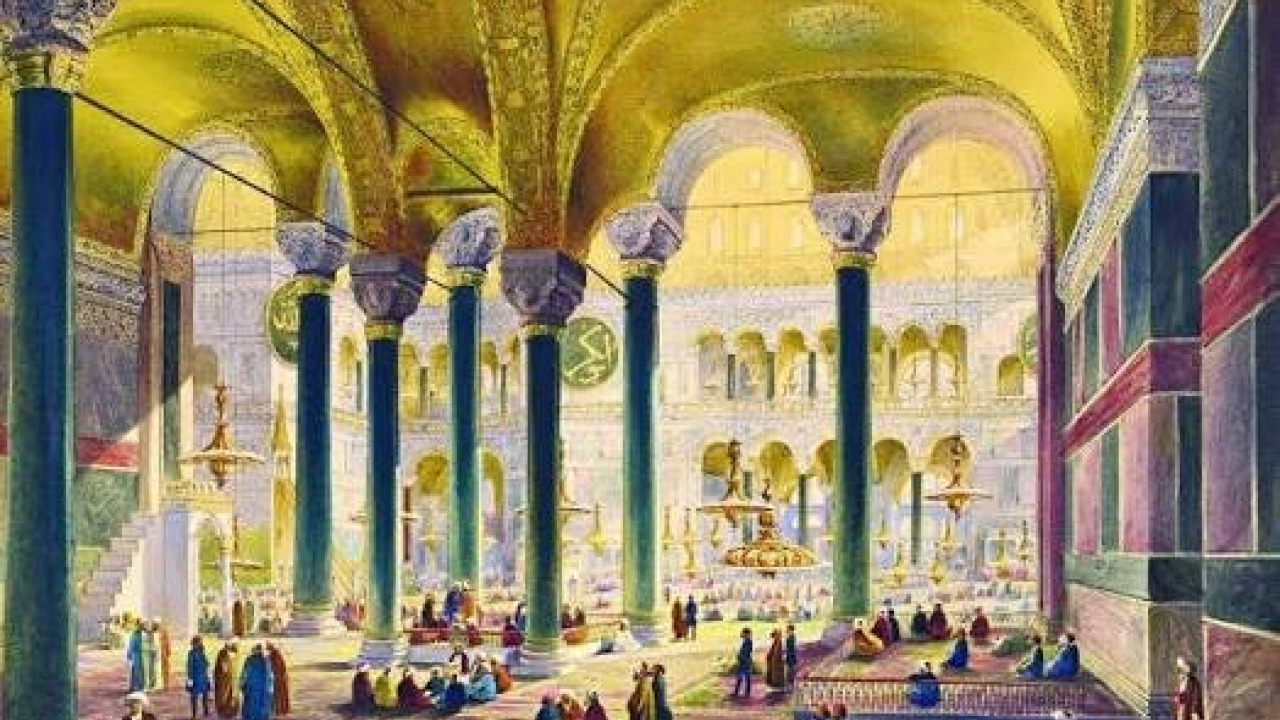
The story of Hagia Sophia begins in 537 AD during the reign of Emperor Justinian I. Built as the religious center of the Byzantine Empire, it was regarded as the largest cathedral in the Christian world for nearly a millennium. Following the Conquest of Istanbul in 1453, Fatih Sultan Mehmet converted the structure into a mosque, enriching it with Ottoman architectural elements. The addition of minarets, the mihrab, and the grand calligraphic disks shaped the silhouette we recognize today.
In 1935, during the early years of the Republic, Hagia Sophia was converted into a museum, before returning to its status as a functioning mosque in 2020. The following timeline summarizes this transformation:
| Year | Event |
|---|---|
| 537 AD | Opened as a cathedral under Emperor Justinian |
| 1453 | Converted into a mosque after the Conquest |
| 1935 | Granted museum status |
| 2020 | Re-opened for worship as a mosque |
This multi-layered past allows visitors to see Byzantine and Ottoman influences side-by-side, creating a cultural synthesis that is truly unique in the world.
Architectural Masterpieces
Hagia Sophia is considered a turning point in the history of architecture. Its most breathtaking feature is the massive dome, measuring 31 meters in diameter and reaching a height of approximately 55 meters. Thanks to the ring of windows at its base, the dome appears to float effortlessly in mid-air, an engineering feat that was far ahead of its time.
The interior is a symphony of marble columns, gold-ground mosaics, and an expansive open space. Over the centuries, countless architects have studied and drawn inspiration from the structure. In particular, the structural reinforcements added by Mimar Sinan played a crucial role in ensuring the building survived numerous earthquakes. The coexistence of Byzantine mosaics and Ottoman calligraphy makes the building's dual identity visually striking.
The Meaning and Significance of the Name
The name Hagia Sophia comes from the Greek "Hagia Sophia," meaning "Holy Wisdom." This name reflects the belief that the building is not merely a place of worship, but a symbol of wisdom and civilization. This profound meaning explains why the structure has been so cherished by different cultures across the ages.
Several key factors contribute to the enduring importance of Hagia Sophia:
- Historical Value: One of the few structures where the Byzantine and Ottoman eras meet under one roof.
- Architectural Legacy: Its dome system inspired religious architecture for centuries.
- Cultural Layers: It preserves the traces of different faiths and civilizations.
- Artistic Appeal: It remains one of the most photographed and painted landmarks in Istanbul.
- Prime Location: Situated at the center of the historic peninsula, making it a hub for tourism.
For these reasons, Hagia Sophia is almost always the first stop on any Istanbul itinerary and serves as a primary symbol of the city's cultural identity.
Must-See Details Inside Hagia Sophia
While the scale of the building is overwhelming, there are several intricate details that enrich the experience:
- The Four Seraphim: These winged angel figures are located on the pendentives (the triangular supports) of the main dome, reflecting the Byzantine tradition of mosaic art.
- The Wishing Column (The Crying Column): A famous column with a moist area where visitors traditionally place their thumb in a hole and make a wish.
- The Imperial Gate and Mosaics: The mosaics above the main entrance are stunning examples of Byzantine craftsmanship.
- The Upper Gallery: The second floor offers a closer look at the mosaics and a breathtaking bird's-eye view of the interior.
Knowing these details transforms a casual visit into a meaningful exploration. Guided tours are highly recommended to uncover the stories behind these hidden gems.
Visiting Conditions and Practical Tips
As Hagia Sophia is currently an active mosque, there are a few guidelines visitors should follow:
- Dress Code: Modest clothing that covers shoulders and knees is required. Women are expected to cover their hair (headscarves are usually available at the entrance).
- Footwear: Shoes must be removed before entering the prayer area; carrying a small bag for your shoes can be helpful.
- Prayer Times: Access may be restricted during prayer times. Checking the prayer schedule can help you avoid long waits.
- Entry and Fees: The main prayer area is free for worship. However, there may be an entry fee for tourists visiting the upper gallery. It is advisable to check current pricing and conditions before your visit.
To avoid the crowds, we recommend visiting early in the morning or on weekdays.
On peak days, queues can be long. Starting your day early or joining a guided tour can significantly reduce your waiting time. Furthermore, a professional guide can help you navigate the complex history of the site, making the experience far more rewarding—especially for first-time visitors. Don't forget to bring water and wear comfortable walking shoes for your journey through the historic peninsula.
Exploring the Neighborhood: Nearby Attractions
One of the greatest advantages of Hagia Sophia is its location. Many of Istanbul's most important sites are just a short walk away. You can easily plan a route that includes:
- The Blue Mosque (Sultanahmet Mosque): Located directly opposite Hagia Sophia, famous for its six minarets and exquisite blue tiles.
- Topkapi Palace: The administrative heart of the Ottoman Empire, featuring sprawling courtyards and the Imperial Treasury.
- Basilica Cistern: One of Istanbul's most atmospheric underground structures.
- The Grand Bazaar: A historic marketplace perfect for shopping and soaking in the local atmosphere.
- Gülhane Park: A lush green escape perfect for a mid-day break.
A Sample Half-Day Itinerary: Start early at Hagia Sophia, cross over to the Blue Mosque, explore the Basilica Cistern by midday, and spend your afternoon at Topkapi Palace. If you have extra time, leave the Grand Bazaar for a separate shopping excursion.
For more detailed planning, our Topkapi Palace guide and Grand Bazaar article are excellent resources. You can also compare professional guided options on our Turkey culture tours and culture tours category pages.
When is the Best Time to Visit?
Hagia Sophia is open year-round, but spring (March-May) and autumn (September-November) are the ideal times to visit due to the mild weather and slightly smaller crowds. Summer is the peak tourist season; if you visit during these months, early morning arrivals are essential for a comfortable experience. In winter, focusing on indoor sites like Hagia Sophia makes for a cozy and enjoyable trip despite the cold. Weekends and public holidays are typically the busiest, so we recommend visiting on a weekday for a more serene experience.
Discover Istanbul with Travel Tour Shop
Visiting Hagia Sophia and the surrounding historic peninsula with a professional guide ensures that you don't miss the subtle details and deep stories that define this landmark. Through Travel Tour Shop, you can compare Istanbul culture tours, professional guiding services, and transfer options, with clear itineraries and transparent conditions. Because our tours are curated based on local expertise and genuine guest feedback, you can plan your Istanbul adventure with complete confidence.
Frequently Asked Questions 6
What are the highlights of Hagia Sophia?
The main prayer hall, the massive dome, the Byzantine mosaics, the four seraphim (angels), the Wishing Column, and the upper gallery are the primary highlights. Nearby, the Blue Mosque, Topkapi Palace, and Basilica Cistern are all within walking distance.
Is there an entrance fee for Hagia Sophia?
The prayer area is free for worship. However, there is typically a fee for tourists wishing to visit the upper gallery. We recommend checking the latest pricing and entry requirements before your visit.
Who are the four angels in Hagia Sophia?
The winged figures located on the pendentives supporting the dome are depictions of seraphim. They are classic examples of Byzantine mosaic art.
Where is the Wishing Column located?
The Wishing Column (or Crying Column) is located near the entrance area. It is famous for the moisture on its surface and is a popular spot for visitors to make wishes.
How do I get to Hagia Sophia?
The easiest way is via the T1 tram line to the Sultanahmet stop, followed by a short walk. Taxis and private transfers are also available.
When is the best time to visit Hagia Sophia?
Spring and autumn offer the best balance of weather and crowd levels. During the summer, visiting as early as possible is the best way to ensure a comfortable trip.