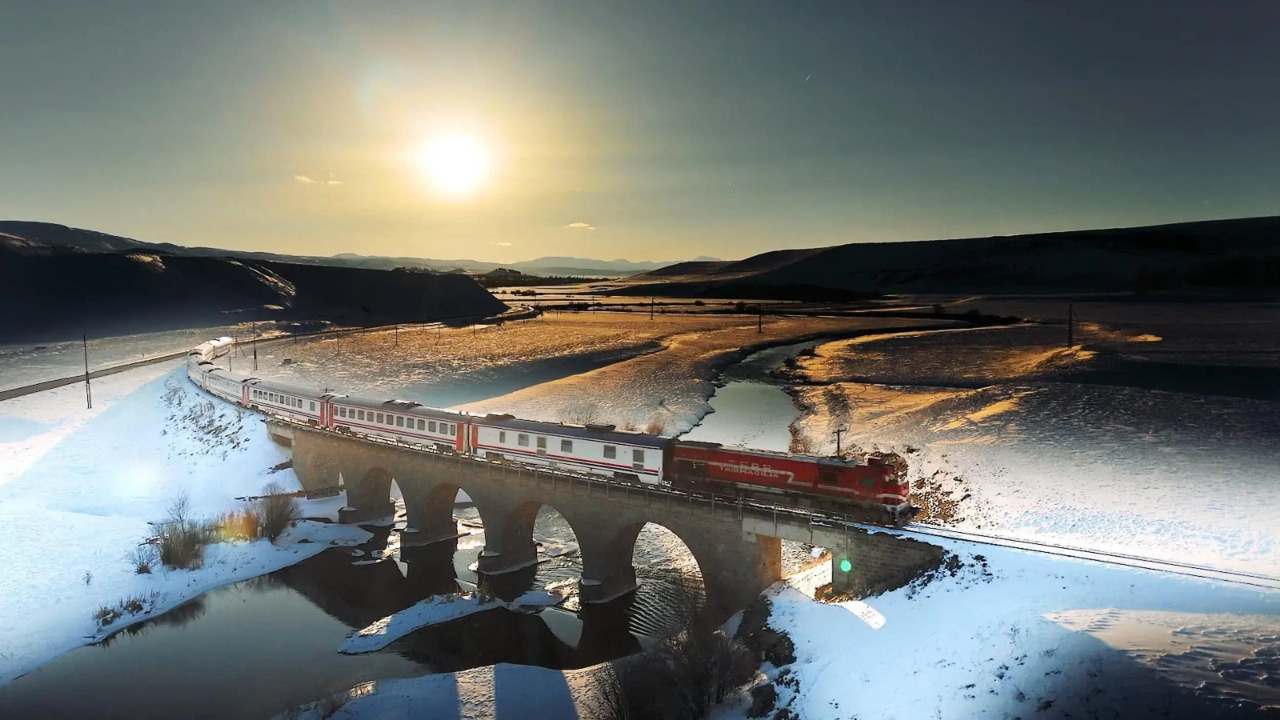

The Eastern Express is one of those rare gems where the journey itself becomes more iconic than the destination. Departing from Ankara and winding through the snow-covered plateaus, deep canyons, and rugged mountains of Eastern Anatolia toward Kars, this train ride has become a bucket-list trend for modern travelers, especially during the winter months. Spanning approximately 30 to 32 hours, this route is a favorite for those who value the experience of the road over the speed of arrival. In this guide, we cover everything you need to know about the Eastern Express winter journey—from routes and tickets to stops and must-see attractions in Kars—to help you plan the perfect trip.
At Travel Tour Shop, we scout these routes firsthand to ensure our winter tourism recommendations meet the highest standards. Below, you will find why this journey has become a winter classic, the key differences between the Tourist Eastern Express and the standard service, the major stops along the way, and the unforgettable experiences waiting for you in Kars. Whether you are planning a quick getaway or an extensive multi-day winter itinerary, this information will help you navigate your trip with ease. You can also explore our various tour options to add even more depth to your adventure.
Quick Facts
| Feature | Information |
|---|---|
| Route | Ankara - Kayseri - Sivas - Erzincan - Erzurum - Kars |
| Approximate Duration | 30-32 hours (including stops for the Tourist service) |
| Ideal Season | Winter (December to March for snowy landscapes) |
| Operator | TCDD Taşımacılık (official e-ticket system) |
| Carriage Types | Sleeper and dining cars (on the Tourist service) |
| Highlights | Dark Canyon, Erzurum, Ani Ruins, Çıldır Lake |
Why Has the Eastern Express Become a Winter Travel Classic?
The Eastern Express is more than just a train ride; it is a rediscovery of the "slow travel" philosophy in a world obsessed with speed. Passengers are invited to savor the passage of time, the shifting geography, and the evolving cultures, all set to the rhythmic clatter of the tracks. While planes and high-speed trains promise to "save time," this journey offers the ritual of "savoring time."
Social media has undeniably played a role in turning this train into a cultural icon. From young travelers aestheticizing their cozy compartments to sharing local delicacies in their cabins, the journey has gone viral globally. However, it is far more than just a visual trend. The views of the Euphrates River, the mountain ranges of Erzincan, and the snowy plains of Erzurum through the window offer a profound sense of the sheer scale and diversity of the Anatolian landscape. This combination has transformed Eastern Anatolia into one of the most shining stars of winter tourism.
Tourist Eastern Express vs. Standard Service: What’s the Difference?
When planning your trip, the most important distinction to understand is the difference between the two types of service. The Standard Eastern Express is a regular passenger train that runs year-round between Ankara and Kars. It does not make long stops at intermediate stations, making it faster and primarily serving the transportation needs of local residents.
The Tourist Eastern Express, as the name suggests, is specifically designed for travelers. Unlike the standard service, it makes extended stops of several hours at key historical and cultural hubs along the route. These breaks allow passengers to disembark in cities like Kayseri, Erzincan, and Erzurum for short exploration tours. The tourist service is usually limited in frequency and operates primarily during the winter season, meaning tickets sell out incredibly fast. Because of these scheduled stops, the journey takes about 30 to 32 hours. Since departure dates are updated annually, we recommend checking the official TCDD Taşımacılık schedule before finalizing your plans.
The Eastern Express Route and Major Stops
The Eastern Express route covers a vast landscape, starting from the steppes of Central Anatolia and rising to the high plateaus of Eastern Anatolia. Traveling from Ankara, the train passes through Kayseri, Sivas, Erzincan, and Erzurum before reaching Kars. Each stop defines the rhythm of the trip and offers a chance for a quick adventure. Here are the highlights of the route.
From Ankara to Kayseri and Sivas
The journey begins at Ankara Station, quickly opening up into the wide steppes of Central Anatolia. Kayseri is one of the first major stops, greeted by the majestic silhouette of Mount Erciyes. On the tourist service, Kayseri is a convenient spot for a short break. Next is Sivas, known as one of the capitals of Seljuk architecture; the city's historic madrasas and intricate stonework offer a deep cultural connection even during a brief stop. This first leg signals the transition from the steppe to higher altitudes and cooler temperatures. If you decide to start your journey a day early in Ankara, you can use our Anıtkabir Ankara guide to explore the capital's landmarks.
Erzincan and Kemah: Near the Dark Canyon
As the train reaches the Erzincan region, the scenery shifts dramatically, accompanied by the tributaries of the Euphrates and steep-walled valleys. Stops around Erzincan open up to the historical stone houses of the Kemah district and Kemaliye (Eğin), as well as the rugged cliffs of the Dark Canyon. This section is one of the most visually dramatic parts of the journey. Since stop durations and accessible points can vary by service type, we recommend following the guidance of the train staff during these stops.
Erzurum Stop: Cağ Kebabı and Seljuk Heritage
One of the most vibrant stops on the route is Erzurum. This high-altitude city is famous for its Seljuk-era masterpieces, such as the Çifte Minareli Medrese and the Yakutiye Medrese. An Erzurum stop is also the perfect opportunity to taste the region's famous Cağ Kebabı; this meat dish, cooked on horizontal skewers over a wood fire, is the culinary identity of the city. Additionally, Erzurum's traditional braided bracelets and Oltu stone carvings make for excellent local souvenirs. You can explore our guided options in the Erzurum tours category, or check our Erzurum sightseeing guide for more details on what to see during your break.
Must-See Attractions in Kars
Kars, the final stop of the train, has become a premier winter tourism brand thanks to the Eastern Express. The city welcomes guests with its unique grid-planned streets, Baltic-style stone buildings from the Russian administration era, and a rich cultural heritage. The core of most Kars-based winter tours revolves around the natural and historical sites surrounding the city. You can explore these cultural routes in our culture tours category.
Ani Archaeological Site
Kars's world-class heritage site is the Ani Archaeological Site, located on the border with Armenia. Once a major medieval center, the ancient city's structures—such as the Cathedral, the Church of the Redeemer, and the Abu'l Manuchihr Mosque—take on a mystical atmosphere under the snow. With its historical depth and commanding view of the border plain, Ani is a historical climax for any Eastern Anatolia tour. Due to the vast open spaces, we recommend wearing warm clothing and sturdy walking shoes.
Çıldır Lake and Life on Ice
One of the most spectacular parts of a Kars winter tour is Çıldır Lake, which freezes completely in winter. Spanning approximately 120 square kilometers, the ice can reach dozens of centimeters in thickness. During this time, visitors can enjoy horse-drawn sleigh rides across the frozen surface or watch local fishermen using traditional methods to catch fish through holes in the ice. This stop offers some of the most memorable, experiential moments of the entire journey. For safety during ice activities, always follow the guidance of local experts.
Sarıkamış and the Snowy Forests
The Sarıkamış district of Kars is a valuable destination for winter sports, thanks to its yellow pine forests and reliable snow quality. Known for its "powder snow," the area provides excellent conditions for skiing and snowboarding. For those not interested in skiing, the snowshoeing routes through the forests offer a serene nature experience. Sarıkamış can be easily added to a Kars itinerary for those looking to extend their Eastern Express adventure by a few days.
Tickets, Reservations, and Carriage Options
Eastern Express tickets are sold through TCDD Taşımacılık's official e-ticket system and station counters. Because the tourist service is in such high demand during the winter, tickets often sell out shortly after they are released. We strongly recommend monitoring the ticket calendar in advance and acting quickly once sales open. Prices vary depending on the service type and carriage class; for the most accurate rates and schedules, please refer to official sources. Rather than providing specific prices, we suggest planning your trip based on the official TCDD calendar.
Sleeper Carriages and Compartment Layout
The type of carriage is one of the most significant differences between the two services. The Tourist Eastern Express consists primarily of sleeper cars and is accompanied by a dining car; the private, lockable compartments and bed arrangements make the long journey much more restful, especially for those wanting to sleep during the night segments. The dining car serves as a social hub for hot drinks and conversation throughout the trip. Seated carriages, known as "pulman," are not available on the tourist service but are found on the year-round standard Eastern Express, offering a more economical option. Therefore, if comfort is your priority, opt for the tourist service; if you are looking for a budget-friendly seated option, the standard service is more suitable.
The Best Season for the Eastern Express
The snowy landscapes stretching along the route are what truly make the Eastern Express a winter classic. For those wanting to see snow-capped plateaus, frozen lakes, and forests draped in white, the period between December and March is ideal. During these months, the geography is at its most visually stunning, though the high altitude means the weather can be very cold and windy. In the non-winter months, the region reveals a completely different face with its green valleys and highlands; the orchards of Kağızman and the forests of Sarıkamış are excellent for nature tourism in spring and summer. You can compare our specialized winter programs on our winter tourism tours page.
What to Pack for the Eastern Express?
Since this is a long journey through cold regions, your preparation will directly impact your comfort. Thermal base layers, a heavy coat, a hat, gloves, and waterproof shoes with good grip will ensure you stay comfortable during snowy stops. For the hours spent in your compartment, a travel pillow, a light blanket, and personal toiletries will make life easier. It is also helpful to carry snacks, tea, and water for the journey, though you can certainly add local delicacies during the scheduled stops to your itinerary. Finally, don't forget a fully charged camera or phone, a power bank, and a patient eye for window-side photography to capture the soul of this slow journey.
Frequently Asked Questions 6
Where does the Eastern Express travel from and to?
The Eastern Express departs from Ankara and travels through Kayseri, Sivas, Erzincan, and Erzurum to reach Kars. The route covers a vast geography from the steppes of Central Anatolia to the high, snowy plateaus of Eastern Anatolia.
How long does the journey take?
The Tourist Eastern Express takes approximately 30 to 32 hours due to the several-hour breaks at intermediate stations. The standard service, which runs without these long breaks, is relatively shorter. Since duration depends on the service type, please confirm with the official schedule.
What is the difference between the Tourist Eastern Express and the standard Eastern Express?
The standard Eastern Express is a regular passenger train that runs year-round and does not make long stops. The Tourist Eastern Express operates primarily during the winter season and makes long stops in locations like Kayseri, Erzincan, and Erzurum to allow for sightseeing.
Where can I buy Eastern Express tickets?
Tickets are sold through the official TCDD Taşımacılık e-ticket system and at station ticket offices. Since tourist service tickets sell out quickly in winter, it is recommended to track the sales calendar in advance.
What is the best season for the Eastern Express?
For those wishing to see snowy landscapes, the period between December and March is best. During these months, the route is covered in a blanket of white, though the weather can be cold and windy due to the high altitude, so heavy winter clothing is essential.
What is there to see in Kars?
Key attractions in Kars include the Ani Archaeological Site, the frozen Çıldır Lake, and the snowy forests of Sarıkamış. The city center itself is worth exploring for its unique grid-planned streets and Baltic-style stone architecture.