
Perched atop Anıttepe in the heart of Ankara, Anıtkabir is more than just the final resting place of Mustafa Kemal Atatürk, the founder of the Republic of Turkey; it is one of the nation's most powerful symbols of independence. Far from being a mere monument, it serves as an open-air sanctuary of memory, blending striking architecture, a comprehensive museum, and solemn ceremonies to tell the story of Turkey's modern history. Every year, millions of domestic and international visitors gather here to pay their respects and explore the collections detailing the War of Independence and the birth of the Republic. In this guide, we cover everything you need to know—from the history and layout of the complex to visiting hours, free entry details, the changing of the guard, and the best ways to get there.
At Travel Tour Shop, we believe in quality over quantity. We rigorously vet our tour and transfer partners, filtering out approximately 83% of providers to ensure that only those with proven local expertise and exceptional guest ratings are listed. The information and recommendations provided here are a reflection of that commitment to quality.
Quick Facts
| Topic | Details |
|---|---|
| Location | Anıttepe, Çankaya (Ankara) |
| Opened | 1953 (Construction: 1944-1953) |
| Architects | Emin Onat and Orhan Arda |
| Key Areas | Lion Road, Ceremony Square, Hall of Honor, Atatürk and War of Independence Museum |
| Admission | Free |
| Ideal For | History buffs, families, student groups, international tourists |
Where is Anıtkabir and How to Get There?
Anıtkabir is located in the Anıttepe neighborhood of the Çankaya district, making it very accessible from Ankara's city center. You can easily reach the site via public transport from central hubs like Kızılay and Tandoğan. The most convenient option is the Ankara Metro; the Tandoğan (Anıttepe) station puts you within easy walking distance of the monument. For those arriving from outside the city, trains, buses, and flights bring you into central Ankara, from where a quick metro ride or private transfer will take you to the gates. If you are planning a one-day itinerary, we recommend browsing Ankara tour options to seamlessly combine Anıtkabir with other nearby museums and historical landmarks.
History and Architecture
Following the passing of Atatürk on November 10, 1938, an extensive effort was launched to determine the design and location of his final resting place. After an international design competition, the project by architects Emin Onat and Orhan Arda was selected. Construction began in 1944 and was completed in 1953. On November 10, 1953, Atatürk's remains were moved from the Ethnography Museum, where they had been temporarily kept, to Anıtkabir in a grand ceremony.
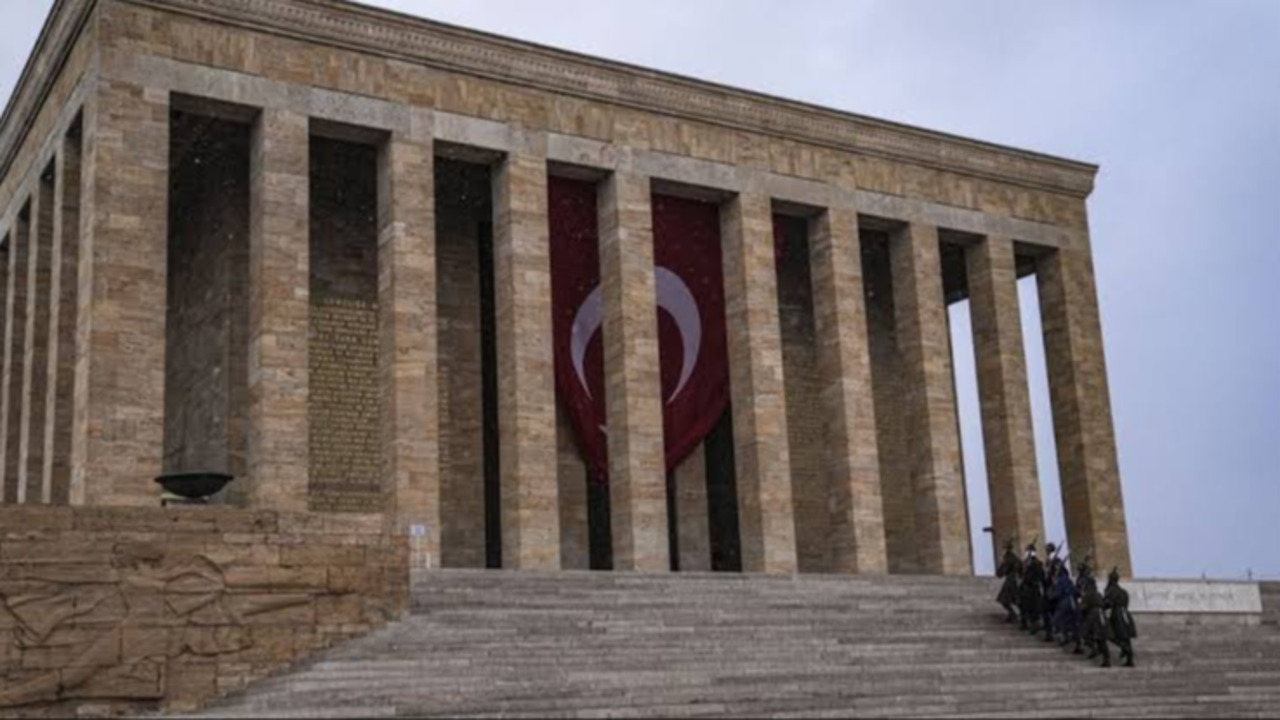
The architecture of Anıtkabir is characterized by its sober yet monumental lines. By blending influences from ancient Anatolian civilizations with modern architectural principles, the structure—with its masterful stonework, expansive ceremonial areas, and perfect symmetry—is designed to evoke a sense of profound respect and serenity. The complex is envisioned not as a single tomb, but as a cohesive journey through different symbolic sections.
Exploring the Complex
To make the most of your visit, it helps to understand the layout of the site. The primary areas include:
- The Lion Road (Aslanlı Yol): The majestic entrance path leading to the Ceremony Square. Lined with lion statues inspired by the Hittite period, these figures symbolize both power and peace.
- The Ceremony Square (Tören Meydanı): A vast open area used for official state ceremonies and where visitor groups gather on special national holidays.
- The Hall of Honor (Şeref Holü/Mausoleum): The heart of the complex, housing the symbolic sarcophagus of Atatürk. His actual burial chamber is located directly beneath the sarcophagus. The hall's high ceilings, exquisite marble work, and minimalist design create an atmosphere of solemnity.
- The Atatürk and War of Independence Museum: An immersive section featuring panoramas of the War of Independence, personal belongings, clothing, books, and photographs that provide a detailed account of the era.
The mausoleum of İsmet İnönü, the second president of Turkey, is also located within the complex, opposite the Ceremony Square, and is a standard part of the visiting route.
The Towers and Their Symbolism
Surrounding the ceremony area are ten towers, which are among the most striking symbolic elements of Anıtkabir. Each tower represents a core value of the Republic of Turkey, with reliefs depicting these concepts. These towers are named Independence (İstiklal), Liberty (Hürriyet), The Turkish Soldier (Mehmetçik), Victory (Zafer), Peace (Barış), April 23rd (23 Nisan), The National Pact (Misak-ı Milli), Republic (Cumhuriyet), Revolution (İnkılap), and the Defense of Rights (Müdafaa-i Hukuk). For instance, the Independence Tower symbolizes the struggle for sovereignty, while the April 23rd Tower commemorates the opening of the Grand National Assembly and the transfer of sovereignty to the people.
These towers are more than just architectural accents; they form a narrative that reminds visitors of the pillars upon which the Republic was built. As you walk along the Lion Road and enter the square, examining the names and reliefs of these towers allows you to experience Anıtkabir not just as a building, but as a manifestation of national values.
The harmony between the towers reflects the overall architectural language of the site. The clean stonework and symmetrical layout integrate perfectly with the values they represent. Most visitors observe these towers one by one as they move toward the center; the descriptions provided at each tower make the meaning of the space more tangible. For student groups, this section is an especially effective way to learn the fundamental concepts of Republican history on-site.
The Atatürk and War of Independence Museum
One of the most comprehensive parts of any visit is the museum located beneath and around the mausoleum. Here, large-scale panoramas bring the pivotal battles of the War of Independence to life through visual and auditory elements. The museum also displays Atatürk's personal effects, official vehicles, his library, and his formal attire. Because it tells the story of a nation's struggle for independence rather than just one man's life, it is a highlight for history enthusiasts. Those who enjoy deep dives into historical sites can expand their journey by exploring Turkey cultural tours to visit similar monuments in other cities.
The Changing of the Guard
One of the most anticipated moments for visitors is the changing of the guard. Performed at specific intervals, the guard change is a display of absolute discipline and ceremonial precision that captivates onlookers. On national holidays and anniversaries—particularly on November 10th—the atmosphere becomes significantly more intense and ceremonial. Because crowds peak on these dates, those seeking a more tranquil experience should consider visiting on weekdays or during the early morning hours.
Visiting Hours and Admission
Admission to Anıtkabir is free; no tickets or reservations are required. Visiting hours vary by season: the complex remains open later during the summer months, while closing times are earlier in the winter. Since schedules may change during official ceremonies or national holidays, we recommend confirming the current hours on the day of your visit. Please be aware that security checks are conducted at the entrance, and there may be restrictions on bringing large bags into the complex.
Pro Tips for Your Visit
To ensure a comfortable and meaningful visit, keep these practical tips in mind: - Footwear: The complex is vast and mostly outdoors, so wear comfortable walking shoes. - Clothing: Dress according to the season—bring a hat and water in the summer, and warm layers in the winter. - Timing: Allocate plenty of time for the museum section so you can explore the collection without rushing. - Etiquette: Photography is generally permitted, but please follow the guidance of the staff and maintain a respectful silence in areas like the Hall of Honor. - Families: The site is very family-friendly, offering a great balance of outdoor walking and educational history for children.
Combining Anıtkabir with Other Ankara Sights
Anıtkabir is the perfect starting point for exploring the historical and cultural fabric of Ankara. You can easily pair it with visits to the Ankara Castle, the Ethnography Museum, and the Museum of Anatolian Civilizations for a full day of cultural immersion. Its central location makes it a versatile addition to both half-day and full-day itineraries. As the heart of the capital, Ankara is also a practical hub for those traveling to other regions of Turkey. For those looking to explore historical sites across various cities with the same level of quality, we suggest checking out Turkey historical city tours. If you are also interested in the palaces and monuments of Istanbul, feel free to browse our Topkapi Palace guide and Hagia Sophia guide.
The Best Time to Visit
Anıtkabir is open year-round, and each season offers a different atmosphere. Spring and autumn are the ideal windows for visiting, thanks to the mild weather and relatively smaller crowds. In the summer, try to visit in the early morning or late afternoon to avoid the midday heat in the open squares. Winter is the quietest time to visit; on rainy days, focusing your time on the museum is a smart strategy. While November 10th is the most emotionally charged day to experience the ceremonial intensity, ordinary weekdays are best for those who prefer a peaceful environment.
Plan Your Ankara Trip with Travel Tour Shop
You can compare and plan your visit to Anıtkabir and other historical landmarks in Ankara—including transportation and transfers—all in one place via Travel Tour Shop. We provide clear details on tour scopes, included services, and logistics before you book, allowing you to choose the option that best fits your needs. Because our listed providers are vetted based on local experience and guest feedback, you can plan your cultural journey with total peace of mind.
Frequently Asked Questions 6
Where is Anıtkabir located?
Anıtkabir is located in the Anıttepe neighborhood of the Çankaya district in Ankara. It is centrally located and within walking distance of the Tandoğan (Anıttepe) Metro station.
How much is the entrance fee for Anıtkabir?
Entry to Anıtkabir is free of charge. No tickets or prior reservations are necessary, though all visitors must pass through a security check at the entrance.
What are the visiting hours for Anıtkabir?
Hours vary by season, with longer opening times in the summer and shorter hours in the winter. We recommend checking the current schedule before your visit, as it may change during official ceremonies.
What are the main sections of Anıtkabir?
The primary areas are the Lion Road, the Ceremony Square, the Hall of Honor (where Atatürk's symbolic sarcophagus is located), and the Atatürk and War of Independence Museum. The mausoleum of İsmet İnönü is also part of the complex.
How do I get to Anıtkabir?
The easiest way is via the Ankara Metro to the Tandoğan (Anıttepe) station, followed by a short walk. Visitors from outside the city can arrive via train, bus, or plane to central Ankara and then take the metro or a private transfer.
Is there a changing of the guard at Anıtkabir?
Yes, the guard change takes place at specific times throughout the day. It is a highly disciplined ceremonial event that is very popular with visitors. The atmosphere becomes even more formal during national remembrance days.