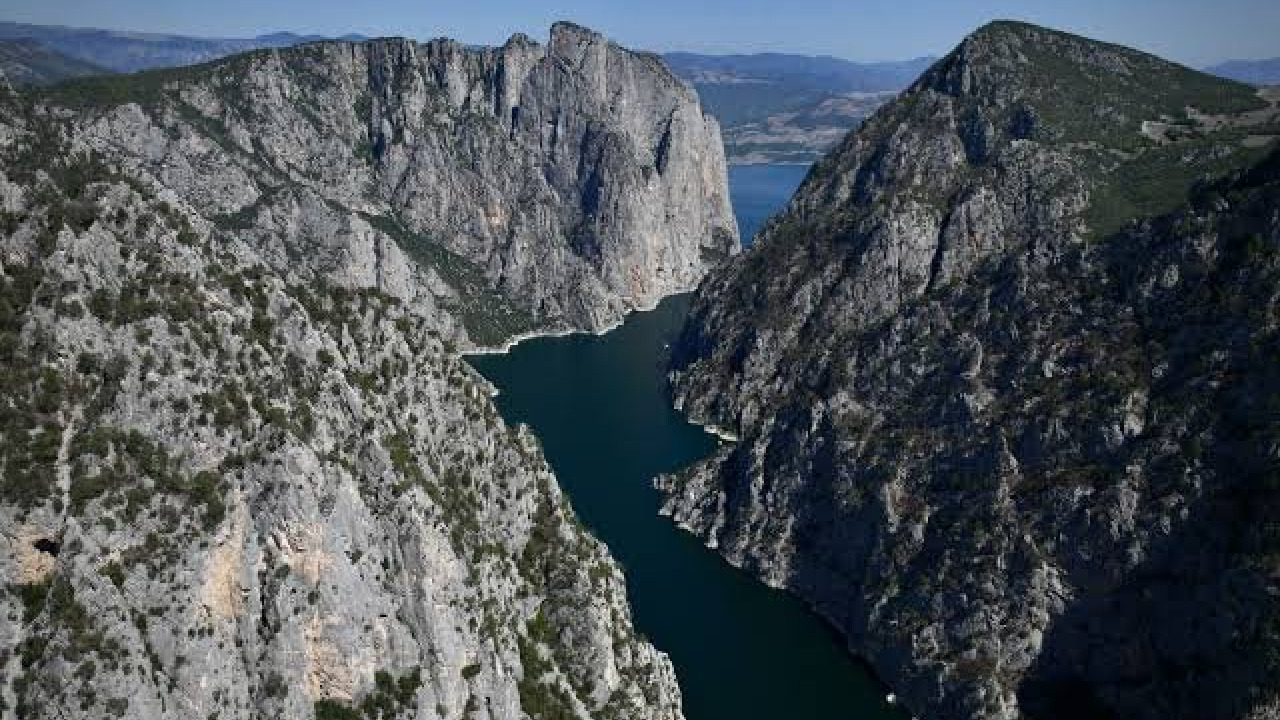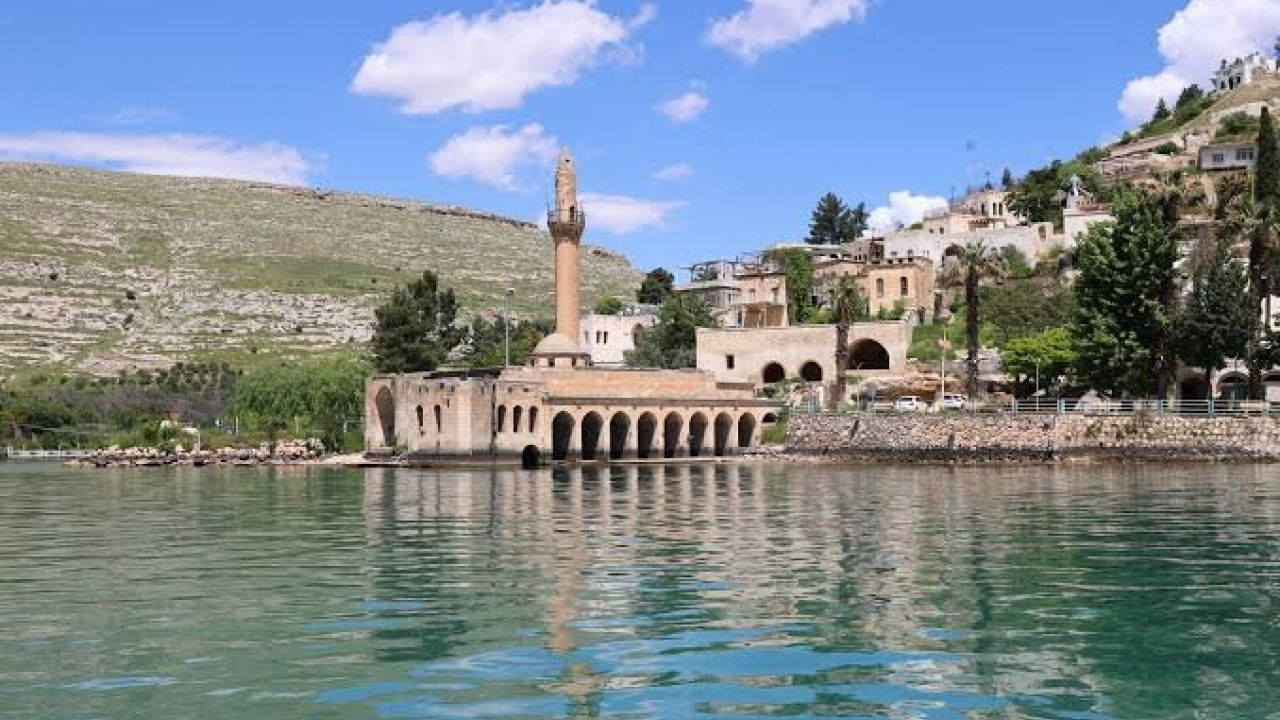
Halfeti Sunken City refers to the historic settlement in the Halfeti district of Şanlıurfa, nestled on the banks of the Fırat River, which was partially submerged by the rising waters of a dam lake. Since 2000, the lower parts of the town—houses, gardens, and the body of a mosque minaret—have been underwater. Visitors can witness this unique sight from boats departing from the shore's pier. Along the same route, you'll discover Rumkale, an ancient fortress perched on a rocky promontory of the Fırat, and the iconic minaret of Savaşan Village, rising dramatically from the water. In this comprehensive guide, you'll find the region's fascinating story, boat tour routes and durations, transportation options, seasonal considerations, accommodation areas, and a step-by-step itinerary to plan your visit.
Where is Halfeti Sunken City and Why Did it Go Underwater?
Halfeti is located on the eastern bank of the Fırat River, at the western edge of Şanlıurfa province, close to the Gaziantep provincial border. The term "sunken city" doesn't refer to a natural disaster, but rather describes the part of the settlement submerged due to the lake formed by a dam built on the river.
The Birecik Dam and Rising Waters
When the Birecik Dam on the Fırat River began impounding water in 2000, the lake level rose, submerging Halfeti's riverside neighborhoods, gardens, and some public buildings. The low-lying lands, famous for their pistachio and pomegranate orchards, also bore the brunt of this transformation. Since the water level fluctuates throughout the year, the extent of the visible submerged structures varies depending on your visit date.
From Old Halfeti to New Halfeti
Some of the households living in the submerged section relocated to higher parts of the district and to a new settlement established in the Karaotlak area, approximately 7 kilometers from the center; this region is locally known as Yeni Halfeti (New Halfeti). The district joined the Cittaslow (slow city) network in 2013, subsequently building its tourism promotion around the concept of slow tourism. Today, visitors can explore the old town's remaining stone houses, narrow streets, and the pier area along the shore. Structures just above the waterline create a visible boundary, telling the story of the town's former elevation.
Quick Facts
| Topic | Information |
|---|---|
| Location | Halfeti district, Şanlıurfa province, Fırat River banks |
| Key Highlights | Savaşan Village, Rumkale, Old Halfeti pier, black rose gardens |
| Getting There | Şanlıurfa GAP or Gaziantep airport, then by road |
| Main Activity | Fırat River boat tour, photography, riverside walks |
| Best Time to Visit | Spring and Autumn months |
| Recommended Duration | One full day, two days with surrounding attractions |
Must-See Sights Around Halfeti and Rumkale
Savaşan Village and the Half-Submerged Minaret
Savaşan is the poignant spot where the lake waters have covered the village square and the mosque's body, leaving only the minaret standing above the surface. When the dam began holding water in 2000, the village houses, trees, and the mosque's main structure were submerged, and the resilient minaret gradually became an iconic symbol of Halfeti. Most boat tours stop here, with some itineraries offering a brief photo break. For those seeking the perfect shot, a tip: the minaret receives softer light in the hours before sunrise and closer to sunset. When water levels are high, the visible portion of the minaret shortens, so it's wise to adjust your photographic expectations based on the conditions on your visit day.
Rumkale Fortress
Rumkale is a majestic fortress settlement rising on a rocky promontory where the Fırat and Merzimen Stream converge, bearing layers of Roman and Byzantine history. From 1150 until the Mamluk army captured it in 1292, it served as the center of the Armenian Catholicosate. Around the fortress base, you can explore cisterns, rock-cut passages, and defensive walls. Although administratively within Gaziantep's Yavuzeli district, visits are typically made by boats departing from the Halfeti pier. For those keen to explore such multi-layered historical sites, historic city tours offered by Travel Tour Shop are an excellent starting point.
Ruins of St. Nerses Church and Barşavma Monastery
To the south of the fortress settlement are the ruins of the Poet St. Nerses Church, built in 1173, and to the north, the remnants of the 13th-century Barşavma Monastery. The wall structures, arch traces, and rock-cut chambers indicate that the region served as a significant religious center for a long period. As excavation and conservation efforts are ongoing periodically, some sections might be closed to visitors. It's always a good idea to ask your boat captain for the latest information to ensure a smooth journey plan.
Old Halfeti Stone Houses and Pier Area
The old neighborhood, situated above the waterline, is well worth exploring with its cut-stone houses, courtyard gates, and river-facing terraces. As you stroll along the shore, you might notice retaining walls and stair steps still visible beneath the water's surface. The pier area is also where boat cooperatives gather; boats departing in the morning typically find calmer waters compared to the afternoon.
Halfeti Black Rose Gardens
Halfeti is renowned for its unique black rose, known for its deep burgundy to almost black hue. This intense coloration is attributed to the region's distinctive soil composition and climatic conditions. The roses begin to bloom in late April, with May and June being the most prolific period; they flower twice a year, in spring and autumn. Since the number of gardens where they are cultivated is limited, visitors wishing to see the roses in bloom should plan their trip to coincide with one of these two windows. Throughout the year, dried roses and local products made from them can be found in shops in the town center.
Birecik and the Bald Ibis Valley
Stopping in Birecik district on your way to or from Halfeti can enrich your itinerary. Birecik Castle, located on the Fırat's banks, and the bald ibis breeding station in the district are among the few places where this endangered bird species can be observed. If birdwatching is your interest, planning your visit for the morning will be more fruitful. For those looking to explore the region with a focus on nature, Travel Tour Shop offers a variety of nature and adventure tours.
Fırat River Boat Tours and Cultural Tour Options
At the heart of any Halfeti visit is a boat tour. Programs departing from the pier vary by duration and included stops: short tours around the sunken minaret typically last one to one and a half hours, while longer tours encompassing Rumkale and the monastery ruins can take two to two and a half hours. Shared cooperative boats depart once a certain number of passengers is reached; those chartering a private boat can set their own departure times and stop durations. For visitors preferring a guided experience, Travel Tour Shop offers Şanlıurfa cultural tours that combine the region with Göbeklitepe and Şanlıurfa city center.
| Tour Type | Scope | Best For |
|---|---|---|
| Short Shared Tour | Sunken minaret and nearby shoreline | Day-trippers with limited time |
| Long Shared Tour | Includes Savaşan Village and Rumkale stops | History and photography enthusiasts |
| Private Boat Charter | Flexible timing and route, free to stop | Families and small groups |
| Guided Cultural Program | Halfeti plus Şanlıurfa city center stops | First-time visitors |
How to Get to Halfeti?
Access to the region is a combination of air and road travel; there is no direct airport connection to the district center.
- Those arriving by plane should fly into Şanlıurfa GAP Airport or Gaziantep Airport. The road journey to Halfeti takes approximately two hours from Şanlıurfa GAP Airport and about one and a half hours from Gaziantep Airport.
- Travelers departing from Şanlıurfa city center should follow signs towards Birecik, then turn north after Birecik, following the Halfeti signs.
- Those opting for public transport can take a bus from Şanlıurfa or Gaziantep bus terminals to Birecik, then transfer to Halfeti minibuses. Since service times become less frequent later in the day, it's advisable to check return schedules in advance.
- Visitors arriving by private car can use the parking areas around the pier. During busy weekends, parking fills up quickly, so arriving in the morning offers an advantage.
| Departure Point | Distance and Approx. Duration | Note |
|---|---|---|
| Şanlıurfa city center | Approx. 115 km, 1.5-2 hours | Via Birecik, regular minibus connection |
| Gaziantep city center | Approx. 100 km, 1-1.5 hours | Yavuzeli and Nizip routes are alternatives |
| Birecik district | Short leg, around half an hour | Can be combined with the Bald Ibis station |
When to Visit? Seasons and Water Levels
Two main variables determine the comfort of your Halfeti visit: temperature and the dam lake's water level. While the intense heat of Southeast Turkey can make mid-day boat trips challenging in summer, spring and autumn offer a balanced experience in terms of both weather and water surface conditions.
| Period | Advantage | Note |
|---|---|---|
| Spring (April-May) | Mild weather, lush green shores, black rose blooming season | Water levels may be high, visible part of minaret shortens |
| Summer (June-August) | Long daylight hours, frequent boat tours | Mid-day temperatures are high, morning and evening tours preferred |
| Autumn (September-October) | Calm water surface, fewer crowds, second black rose bloom | Favorable light for photography, evenings get cooler |
| Winter (November-March) | Quiet atmosphere, flexible accommodation | Some boat tours become less frequent depending on weather conditions |
Dining and Accommodation Areas
Where to Eat?
The pier area and river-facing terraces are the culinary heart of the region. Menus prominently feature fresh fish from the Fırat, Urfa cuisine's kebab and lentil-based dishes, a variety of olive oil mezes, and desserts highlighting Antep pistachios. For breakfast, tables laden with local cheeses, pomegranate molasses, and pistachio paste are common. On busy weekends, river-view tables fill up quickly, so planning lunch before or after your boat tour can help minimize waiting times.
Where to Stay?
Accommodation primarily consists of boutique guesthouses and pensions converted from stone houses in the town center. Those seeking a wider range of room options might prefer to stay in Birecik or Şanlıurfa city center and visit Halfeti as a day trip. During spring and public holidays, room availability quickly diminishes, so booking your stay in advance ensures a more relaxed plan.
One-Day and Two-Day Itinerary Suggestions
Planning your itinerary around the optimal water levels and lighting conditions will greatly enhance your trip.
- Day 1 Morning: Arrive early at the pier, embark on a long boat tour visiting Savaşan Village and Rumkale.
- Day 1 Afternoon: Stroll through the charming streets of Old Halfeti, explore shops selling black rose products, and enjoy a late lunch by the river.
- Day 2 Morning: Head to Birecik, visit the castle area and the bald ibis breeding station.
- Day 2 Afternoon: Return to Şanlıurfa city center for a tour around Balıklıgöl, the Haleplibahçe Mosaic Museum, and Gümrük Hanı. For more details on these central attractions, please refer to our Şanlıurfa and Göbeklitepe Travel Guide.
Factors Affecting Your Trip Budget
Expenditure items for a Halfeti trip are not fixed; they vary depending on the program type and season. When planning your budget, considering the following points will provide a sufficient framework: whether your boat tour is shared or private, if the tour includes Rumkale, whether you're using your own vehicle or public transport, if accommodation is in Halfeti center or a surrounding district, and if your dining preference is a riverside establishment or a smaller local business in the town center. For shared boat tours, the per-person fee is set as a fixed tariff by the local cooperative at the start of the season and announced on pier boards. Current figures can be confirmed there before you depart, and archaeological site fees from official information. If you're considering a multi-stop itinerary for Şanlıurfa, Şanlıurfa tours offered by Travel Tour Shop, which combine transportation and guiding, can simplify your planning.
Practical Tips for Your Halfeti Trip
- Take your boat tour early in the morning; the water surface is calmer, and the light is softer for photography.
- Shade is limited, so bring a hat, sunglasses, and water.
- The pier stones can be wet and slippery; opt for non-slip footwear.
- Walking around Rumkale involves uneven terrain, so a light backpack will ensure comfort.
- If you wish to see the black roses in bloom, aim for the May-June or autumn flowering periods; dried products are available year-round.
- Find out the last return minibus schedule before you go, as service frequency decreases in the evenings.
A Brief Summary of Your Halfeti Trip
Halfeti Sunken City offers a unique itinerary where you can witness a townscape transformed by a dam lake, the majestic Rumkale on the Fırat's rocky promontory, and the iconic Savaşan minaret rising from the water, all within the same day. A full day covers the main highlights; adding Birecik and Şanlıurfa city center extends the plan to two days. Timing your visit for spring or autumn, taking an early morning boat tour, and booking accommodation in advance will ensure a smoother trip. For those who prefer to explore the region with a guided program, selecting a suitable option from Travel Tour Shop's cultural tours is a practical approach.
Frequently Asked Questions 6
Where is Halfeti Sunken City located?
Halfeti is a district of Şanlıurfa province, situated on the eastern bank of the Fırat River, near the Gaziantep provincial border. The "sunken city" refers to the lower parts of the district submerged by the dam lake's waters.
Why did Halfeti Sunken City become submerged?
When the Birecik Dam on the Fırat River began impounding water in 2000, the lake level rose, submerging the town's riverside neighborhoods, gardens, and the mosque's main body. Part of the settlement was relocated to higher ground and a newly established neighborhood.
What is the legend of Halfeti's sunken city?
The popular story of the town beneath the waters is not due to a supernatural event, but rather the rising waters of the dam lake. The minaret remaining above the water's surface made this narrative visible, leading the region to become known as the "sunken city" over time.
Where is Halfeti's "Hidden Paradise"?
"Hidden Paradise" (Saklı Cennet) is a promotional name used for scenic viewpoints and resting areas around Halfeti that overlook the lake; it is not a separate administrative settlement. When looking for directions, focus on Halfeti town center and the pier.
How long does a Halfeti boat tour last?
The duration varies by route. Short tours around the "sunken minaret" are completed in one to one and a half hours, while longer tours covering Rumkale and the monastery ruins can take two to two and a half hours. Departure times and durations can be learned from the cooperatives at the pier.
How many days should I allocate for a Halfeti trip?
A boat tour, a walk through the old town, and a meal break can fit into one full day. For those wishing to include Birecik, the bald ibis station, and attractions in Şanlıurfa city center, a two-day plan allows for a more relaxed pace.