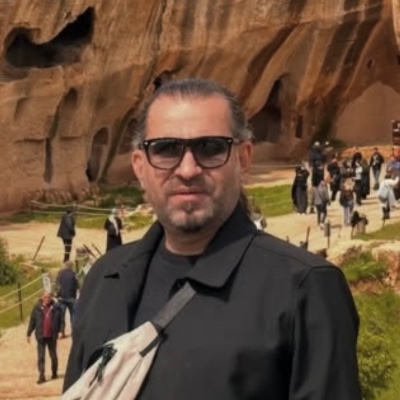
When you think of Erzurum, images of Seljuk architectural masterpieces, the powdery slopes of Palandöken, and the thundering cascades of the Tortum Valley immediately come to mind. Perched at an altitude of approximately 1,900 meters, this Eastern Anatolian gem offers a unique travel experience where centuries-old madrasas coexist with world-class winter sports resorts and dramatic landscapes. In this guide, we break down everything you need to plan your trip—from the historic heart of the city to the wild beauty of its outskirts, local delicacies, and essential travel tips.
At Travel Tour Shop, we operate on the ground, evaluating Erzurum's city center and surrounding attractions through our own high standards of service. Below, you will find a curated journey through the city's historical fabric, followed by winter and nature itineraries, and finally, a gourmet and practical travel guide. Whether you are planning a quick weekend getaway or a comprehensive cultural and skiing expedition, this guide will help you craft the perfect itinerary.
Quick Facts
| Category | Details |
|---|---|
| Province | Erzurum (Eastern Anatolia Region) |
| Best Time to Visit | Spring-Autumn for history and nature; December-April for skiing |
| Recommended Duration | 1-2 days for the city center; 3-4 days including nature excursions |
| Top Highlights | Çifte Minareli Medrese, Yakutiye, Palandöken, Tortum Waterfall |
| Transportation | Erzurum Airport, Eastern Express train, by road |
Top Sights in Erzurum: What to See?
Erzurum's city center is a compact historical hub that is best explored on foot. Because the monuments from the Seljuk, Ilkhanid, and Ottoman eras are located close to one another, you can visit the city's most iconic landmarks in a half-day walking tour. The following highlights form the core of any historical itinerary. For tailored programs and guided options, feel free to explore our cultural tours category.
Çifte Minareli Medrese
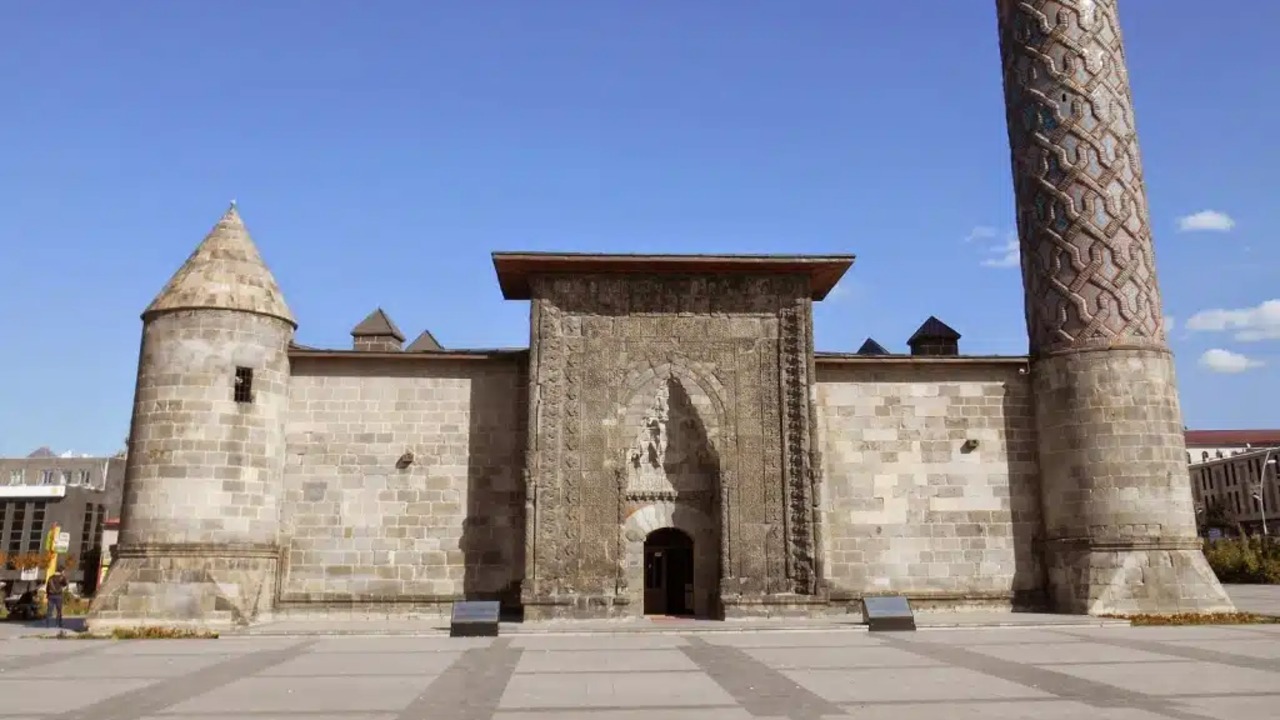
Defining the skyline of the city, the Çifte Minareli Medrese was built by the Seljuks in the late 13th century. Its magnificent portal, adorned with exquisite stonework, and its towering twin minarets decorated with tiles, showcase the architectural mastery of the era. With its open courtyard, porticos, and tomb section, the medrese is one of the most photographed spots in the city. Visiting it alongside the adjacent Ulu Cami provides a complete picture of Erzurum's medieval urban fabric.
Yakutiye Medresesi and Üç Kümbetler
The Yakutiye Medresesi, dating back to the Ilkhanid period, is a stunning example of the closed-courtyard medrese style and now serves as the Turkish-Islamic Art and Ethnography Museum. The ethnographic collection inside offers a rich glimpse into the region's traditional way of life. A short walk from here leads you to Üç Kümbetler, among the oldest monumental tombs in Anatolia. With their mystical architecture and austere stone textures, these tombs are essential stops for history enthusiasts.
Erzurum Castle and the Clock Tower
Symbolizing the city's defensive history, Erzurum Castle rises in the heart of the center, offering panoramic views of the city from its inner fortress. The Clock Tower, also known as Tepsi Minare, is a striking structure that bears the marks of different historical periods. The climb to the castle is relatively short, and from the summit, you can see the Palandöken mountain range and the city layout simultaneously. Those interested in Erzurum's role in the Turkish War of Independence should also add the Erzurum Congress Building and the Atatürk House Museum to their route.
Aziziye Forts and Nene Hatun Historical National Park
To understand Erzurum's more recent history, the forts to the north of the city are a poignant stop. The Aziziye and Mecidiye Forts were critical defensive trenches during the Ottoman-Russian War, known as the '93 War'. The surrounding Nene Hatun Historical National Park serves as both a memorial site and a lush green space for visitors. Thanks to its proximity to the center, the forts are a perfect way to round off a historical city tour. The observation points here offer sweeping views of the Erzurum plain, providing an excellent backdrop for photography, especially on clear days.
Winter Wonderland: Skiing in Palandöken
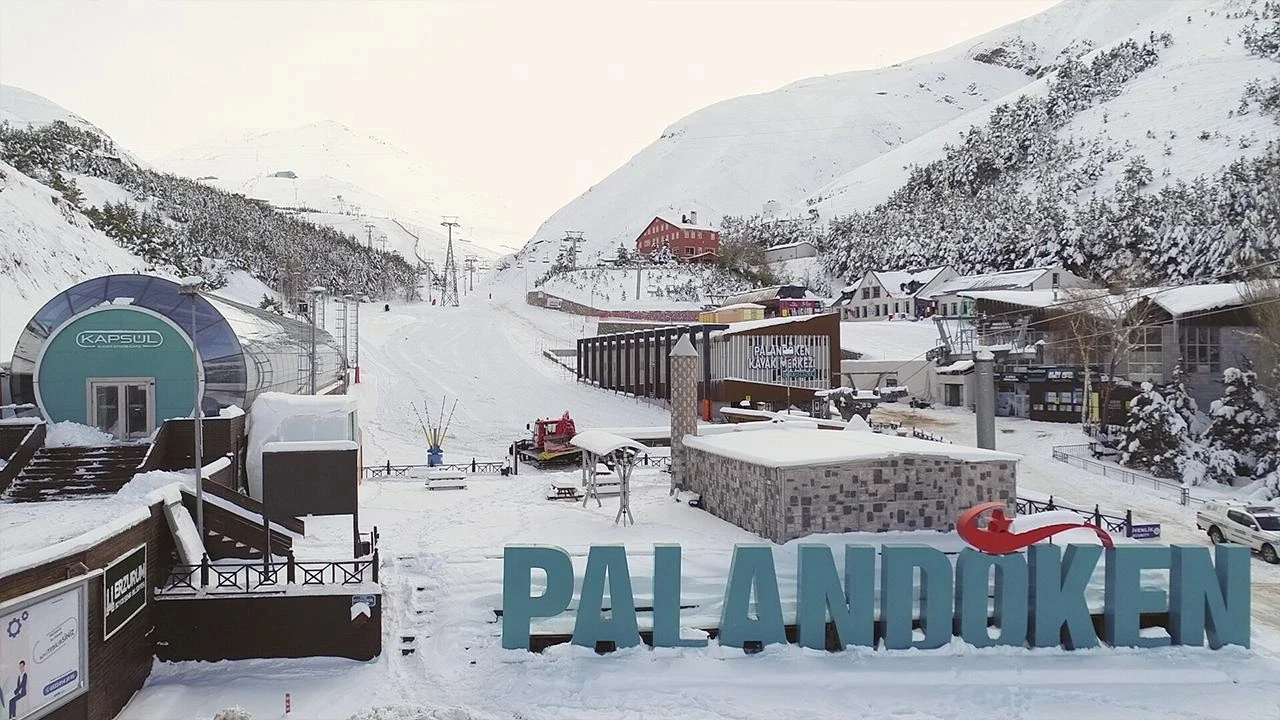
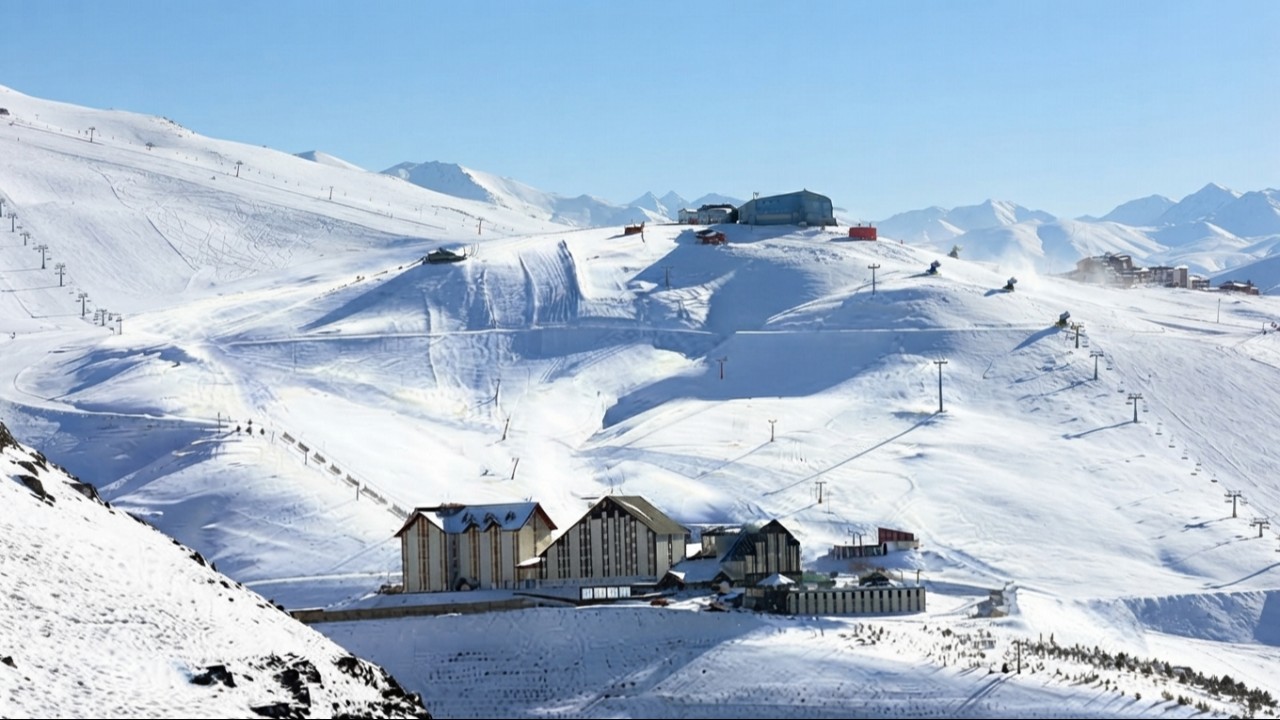
The crown jewel of Erzurum's winter tourism is Palandöken. Located just a few kilometers from the city center, the mountain is renowned for its high-quality powder snow, long runs, and the thrill of night skiing. The season typically opens in December and lasts until April, depending on snow conditions. With slopes catering to all skill levels—from beginners to experts—and a comprehensive network of lifts and gondolas, the mountain is accessible to everyone.
Palandöken is recognized as one of the most reliable snow centers in the country due to its high altitude and long season. A significant portion of the slopes is illuminated, allowing for the unique experience of skiing after sunset. Equipment rental shops and ski schools ensure that even first-timers can hit the slopes with confidence.
Even if you aren't a skier, Palandöken is a must-visit. The mountain hotels offer luxury accommodation with breathtaking snow views, while activities like snowboarding, sledding, and snowshoeing provide plenty of excitement. Because it is so close to the city, you can easily combine your trip—spending the morning exploring ancient ruins and the afternoon carving through the snow. You can compare our guided winter packages and accommodation options on our Erzurum winter tourism tours page.
Natural Wonders: Tortum and Narman
Erzurum's allure extends far beyond the city limits. The northern and northeastern districts open up a world of deep valleys, cascading waterfalls, and vivid geological formations. Since these spots are located one to two hours from the center, they can be easily added as day trips. For comprehensive itineraries that blend nature and history, check out our Erzurum tours category.
Tortum Waterfall and Uzundere
The Tortum Waterfall is the premier natural attraction of the region. Located about 1 to 1.5 hours from the center, on the border of the Uzundere and Tortum districts, the waterfall creates a breathtaking spectacle as water plunges down steep cliffs. Nearby, Tortum Lake—a natural lake formed by a landslide—offers stunning valley vistas from its various viewpoints. The Uzundere area is also noted for its greenery and ancient monastery ruins; the waterfall is at its most majestic during the spring and summer when the water flow is highest.
Narman Fairy Chimneys
Reminiscent of Cappadocia but with a distinct, fiery atmosphere, the Narman Fairy Chimneys are located in the eastern district of Narman. Often called the "Red Land," these geological formations, with their eroded valleys and sharp color contrasts, are a paradise for photographers. The best time to visit is toward sunset, when the red hues become most vivid. The surrounding highlands and lakes also offer excellent opportunities for nature hiking.
İspir and the Çoruh Valley
For those seeking adventure, the İspir district and the surrounding Çoruh Valley offer a different kind of thrill. The Çoruh River is known as one of the most challenging rivers in the world for rafting, carving a dramatic path through steep valley walls. The high mountains, plateaus, and lakes around İspir are ideal for trekking and camping during the summer. Due to its distance from the center, this region is best suited for longer itineraries; for shorter trips, Tortum and Narman remain the priority nature stops.
A Taste of Erzurum: What to Eat?
A trip to Erzurum is as much a culinary journey as it is a sightseeing one. The city's most famous delicacy is the certified Cağ Kebab—tender meat cooked on horizontal skewers over an open wood fire and served in thin slices. For dessert, the Kadayıf Dolması, filled with walnuts and soaked in syrup, is an absolute must. Other local staples include Erzurum-style kavurma (slow-cooked meat), su böreği (water pastry), and regional cheeses. The traditional restaurants in the city center are the best places to experience these flavors in an authentic setting.
The breakfast culture in Erzurum is equally robust. A traditional "serpme" (spread) breakfast featuring local honey, butter, various cheeses, and rich clotted cream (kaymak) is the perfect way to energize yourself, especially during the chilly winter months. To maximize your time, we recommend scheduling your meal breaks near the historical center to keep your walking tour seamless.
Shopping: The Erzurum Bazaar and Oltu Stone
The heart of Erzurum's shopping culture is the historic Taşhan, also known as the Rüstem Paşa Bedesten. The most prized product of this historic inn is Oltu stone, often referred to as "black amber." Mined in the Oltu district, this natural stone is transformed by master artisans into prayer beads, rings, necklaces, and various jewelry. In the workshops within the courtyard of Taşhan, you can watch the craftsmen at work and purchase handmade pieces directly from the source. Oltu stone is not just a souvenir; it is a living example of the region's artisanal heritage.
The streets surrounding the Bedesten are filled with copperware, local nuts, and traditional crafts. Wandering through the Erzurum bazaar allows you to witness the city's daily life and the warm culture of its tradespeople. Given its central location, combining a bazaar visit with your historical tour is the most practical choice.
When to Visit and How to Get There
The best time to visit Erzurum depends on your interests. If you want to explore historical sites and nature in mild weather, spring and autumn are ideal. For skiing and snowy landscapes, plan your trip between December and April. Summer is perfect for hiking in Tortum and Narman. Keep in mind that while winter adds a magical atmosphere to the city, the high altitude means it can be very cold and windy; heavy clothing and non-slip footwear are essential.
In terms of accessibility, Erzurum is a well-connected hub in Eastern Anatolia. Erzurum Airport offers flights from major cities and is conveniently located near the city center. For those who love the rails, the Eastern Express provides a scenic and legendary train journey from Ankara to Erzurum. Travelers can also arrive via intercity buses or private vehicles. While the city center is walkable, a private car or a guided tour is much more practical for reaching Palandöken, Tortum, and Narman. If you are planning a multi-stop itinerary across a wide geography, guided tours offer a significant advantage in terms of logistics and time management.
Frequently Asked Questions 6
What are the best places to visit in Erzurum?
In the city center, the top historical sites are Çifte Minareli Medrese, Yakutiye Medresesi, Üç Kümbetler, Erzurum Castle, and Ulu Cami. For nature and winter sports, Palandöken Ski Center, Tortum Waterfall, and Narman Fairy Chimneys are the primary destinations.
What should I eat in Erzurum?
The standout dish is the certified Cağ Kebab, cooked over a wood fire. For dessert, try the walnut-filled Kadayıf Dolması. Kavurma, su böreği, local cheeses, and a traditional spread breakfast are also highlights of the local cuisine.
When does the skiing season start in Palandöken?
The skiing season in Palandöken typically begins in December and lasts until April, depending on the snow. Its high-quality powder snow and night skiing options make it a top winter destination.
How many days are enough to see Erzurum?
1-2 days are sufficient for the historical sites in the city center. However, if you wish to include Palandöken, Tortum Waterfall, and Narman Fairy Chimneys, a 3-4 day trip allows for a more relaxed and comprehensive experience.
How far is Tortum Waterfall from Erzurum center?
Tortum Waterfall is located approximately 1 to 1.5 hours from the city center, on the border of the Uzundere and Tortum districts. It is most impressive during spring and summer when the water flow is at its peak.
How do I get to Erzurum?
You can reach Erzurum by plane via Erzurum Airport, by train via the Eastern Express from Ankara, or by road via bus or private car. The city center is walkable, but private transport or guided tours are recommended for the outlying nature spots.