
For travelers who associate Jordan primarily with desert landscapes, a journey an hour northwest of Amman reveals a surprising transformation. The sandy hues give way to lush green, olive groves line the roadsides, and rolling hills are cloaked in dense oak forests. At the heart of this verdant region, two compelling stories intertwine: Ajloun Castle, a formidable 12th-century fortress that once guarded a crucial defense line, and the sprawling oak forest covering the hillsides, now recognized with international conservation status. This guide is crafted for visitors eager to explore Ajloun (pronounced 'Aj-loon') in its dual splendor: what to see at the castle, which hikes suit different preferences, what to expect in each season, and how to plan your perfect day.
Quick Facts
| Topic | Information |
|---|---|
| Location | Northern Jordan, Ajloun Governorate |
| Distance from Amman | Approximately 76 km northwest; about a 1.5-hour drive |
| Castle Name | Ajloun Castle; also known as Qal'at ar-Rabad in some sources |
| Construction Period | 1184-1185; expanded to its current form in 1214 |
| Forest Status | Protected area managed by RSCN; accepted into UNESCO World Biosphere Reserve Network in 2025 |
| Reserve Elevation | Between 700 and 1,100 meters |
| Suggested Duration | Half a day for the castle; a full day or an overnight stay with the forest |
| Best Time to Visit | Spring and Autumn; reserve cabins are open year-round |
| Entry | Castle entry is included with the Jordan Pass; check jordanpass.jo for current details |
What Makes Ajloun Unique: Two Distinct Conservation Statuses on One Hilltop
On most Jordanian itineraries, ancient castles and natural wonders often occupy separate days. Ajloun's distinction lies in how these two experiences are seamlessly intertwined within a short drive of each other. The castle itself is an archaeological site managed by the Jordan Department of Antiquities, with admission covered by the nationwide Jordan Pass tourism card. On the forested side, the Royal Society for the Conservation of Nature (RSCN) oversees a protected area, which was accepted into the UNESCO World Biosphere Reserve Network in 2025.
This dual status is significant. The UNESCO designation for the Ajloun Biosphere Reserve covers an expansive 2,953 hectares, encompassing six surrounding villages (Mehnah, Tayyarah, Um El-Yanabie, Orjan, Ba'oon, and Rasoun). The core protected area, managed by RSCN, is approximately 12 square kilometers according to their records. This means the biosphere definition includes not only the forest cover but also the communities that thrive within it. It's important to note that the castle itself is not on the UNESCO World Heritage List; Jordan's World Heritage Sites are located in other regions.
When to Visit: A Seasonal Guide
The region enjoys a Mediterranean climate, with elevations never dropping below 700 meters. These factors shape the seasonal experience: summers are dry and sunny, winters are rainy, and the shoulder seasons offer the most balanced conditions for hiking.
| Season | What to Expect in the Forest | Visitor Notes |
|---|---|---|
| Spring (March-May) | Wildflowers bloom; 15 nationally endangered orchid species are recorded in the area | The most balanced window for hiking; expect more local visitors on weekends |
| Summer (June-August) | Oak shade provides coolness, herbaceous cover turns golden | Visit the castle early in the morning; bring a hat, water, and sun protection |
| Autumn (September-November) | Weather becomes mild, harvest season begins in surrounding villages | The second ideal window for hiking; finish your route early as days shorten |
| Winter (December-February) | Rainfall increases, occasional snow in higher elevations | Cabins remain open; trail access depends on weather conditions and guide availability |
Ajloun Castle: The Northern Sentinel of a Defense Line
Who Built It, When, and Why
The castle was constructed between 1184-1185 by Izz al-Din Usama, one of Saladin's commanders; some sources also refer to him as Saladin's relative. Its purpose was multifaceted: to protect the region's iron mines, control the vital crossings of the Jordan Valley, and establish a strategic counterpoint against the Crusader castles to the west. According to the Jordan Tourism Board, the structure functioned as a military watchtower protecting trade routes between the 12th and 15th centuries, reaching its current layout with an expansion in 1214.
Subsequent centuries reshaped the structure several times. Common accounts suggest the castle was damaged during the Mongol invasion of 1260, after which the Mamluk administration repaired the ramparts and cleared the moat following the Battle of Ain Jalut. Earthquakes in the 19th and 20th centuries caused further damage. Its current integrity is the result of the Department of Antiquities' efforts to reinforce the walls and renovate the moat bridge.
What to See Inside the Castle
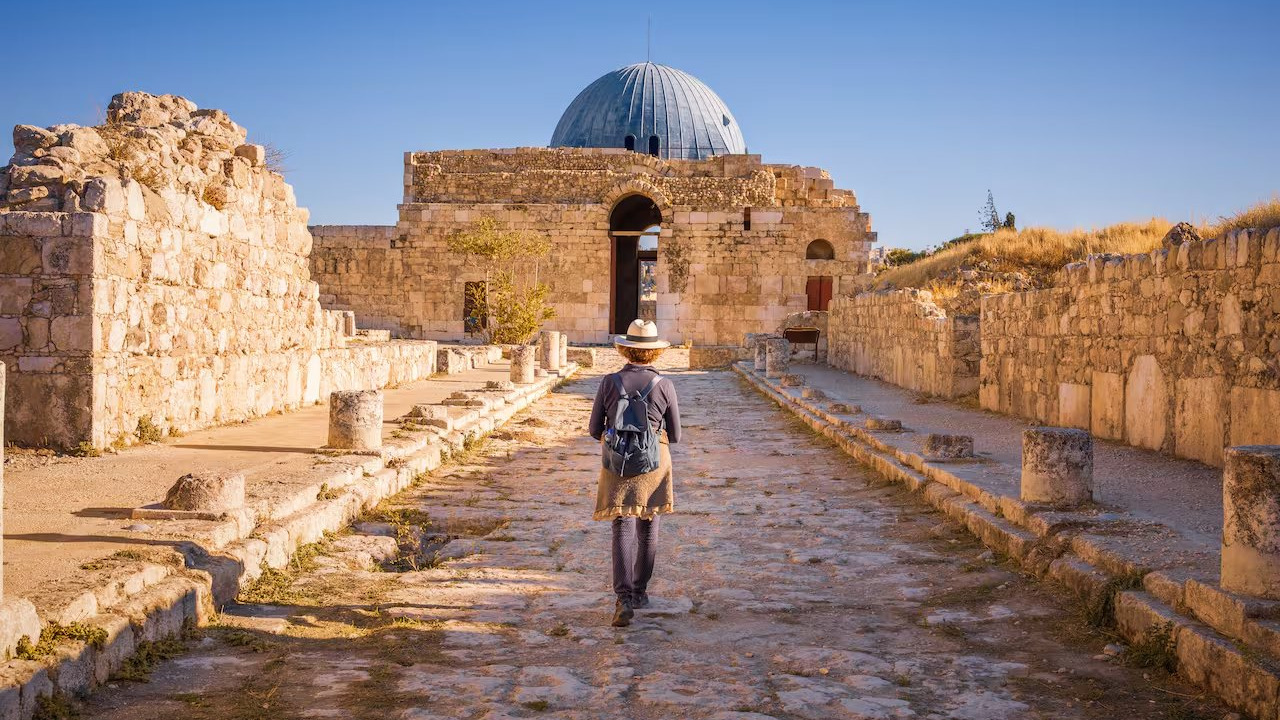
Your visit begins by crossing the bridge over the moat to the gate in the eastern wall. Inside, a sloping passage leads to an arched inner gate; narrow staircases, battlements, and cistern sections reveal the castle's defensive ingenuity step by step. A small exhibition area within the complex displays ceramic fragments, coins, and examples of daily artifacts from the period. From the upper levels of the ramparts, the panoramic views to the north and west vividly illustrate why the castle was built on this particular hilltop, encompassing descending valleys and opposing ridges.
The structure is not a flat museum but a military complex with constantly changing levels. Steps are steep, passages are narrow, and access to the upper levels can be challenging for visitors with limited mobility; however, the lower courtyard and surrounding grounds are easier to navigate.
Timing Your Visit and Duration
Allowing two to three hours for the castle, including the exhibition area, provides a comfortable pace. Summer and winter closing times differ, so confirm the hours for your visit day in advance. The early morning hours are more comfortable in terms of both light and temperature; by midday, shade diminishes, and the stone surfaces heat up. For those who enjoy exploring medieval castles and stone defensive architecture, you can continue this interest in Turkey by browsing our Turkey cultural tours category.
Ajloun Forest Reserve: A Day Beneath the Oak Canopy
Flora and Fauna of the Forest
The reserve is situated within the Mediterranean biogeographical zone, dominated by Kermes oak, accompanied by terebinth, strawberry trees, hawthorn, and buckthorn. UNESCO records list 15 nationally endangered orchid species and two rare iris species within the area. Mammals include golden jackals, red foxes, wild cats, and Persian squirrels; reptiles feature chameleons and vipers; and in the skies, you might spot hoopoes and short-toed snake eagles.
The reserve's most celebrated conservation success story involves the Roe Deer. Once extinct in the wild in Jordan, this species was reintroduced to the reserve in 2006 following RSCN's long-term breeding program. Today, it's considered the symbol of the area, and one of the shorter trails bears its name.
Trails: Which Hike Suits You?
The reserve's hiking program operates with guided tours; the trail fee includes guiding, reserve entry, and return transfer if needed. The minimum group size is four people, but private guides can be arranged for smaller groups. Trail availability depends on weather conditions and guide readiness.
| Trail | Duration | Description |
|---|---|---|
| Roe Deer Trail | Less than 1 hour | Short loop around the campsite; ideal first walk for overnight guests |
| Rasoun Trail | 2-3 hours | Moderate-paced route connecting the forest with the village edge |
| Rock Rose Trail | 3-4 hours | Longer route within the forest with inclined sections |
| Prophet's Trail | 4 hours | Ascending route through hill meadows and cave formations; includes packed lunch |
| Orjan Village Trail | 6 hours | Long route traversing gardens and village landscapes; includes snack |
| Ajloun Castle Trail | Full day | All-day hike from the forest to the castle; includes packed lunch |
Adventure Village and Workshop Experiences
Within the reserve, an adventure area features zip lines and climbing facilities. The zip line is set up in three lengths: 330, 150, and 60 meters. A 23-meter-high giant swing, a 17-meter climbing and rappelling wall, and low and high ropes courses complete the program. Participation requirements are clear: a weight between 40 and 110 kilograms, a height over 120 centimeters, and parental consent for those under 18. It is not recommended for visitors with heart conditions or those in recovery.
A second layer of experiences comes in the form of workshops. Run by local community enterprises, soap making, biscuit baking, calligraphy, and traditional cooking experiences are available by prior reservation. The calligraphy workshop operates from 09:00 to 14:00 on all days except Friday. These experiences highlight the forest's connection to the local economy. For those who love combining hiking with outdoor adventure, our Turkey nature and adventure tours category offers similar experiences.
Morning on the Ramparts, Afternoon in the Forest: A Perfect Day Itinerary
Given the short distance between the castle and the forest, both can comfortably be explored in a single day. The order is key: the stone fortress is best enjoyed in the cool morning, while the forest provides welcome shade during the midday heat.
- Depart from Amman early in the morning; the 76-kilometer journey northwest takes approximately 1.5 hours, depending on traffic and stops.
- Start your day at the castle: cross the moat bridge to the inner gate, explore the towers and cistern sections, and leave the exhibition area for last.
- Allow time for the views from the upper levels of the ramparts; you'll capture the panorama before the light becomes too harsh.
- Plan your lunch break as you transition towards the reserve; meals and snacks require advance booking.
- Choose a trail suitable for your remaining afternoon: a short loop if you have half a day, or one of the medium-distance routes if you have a full day.
- Conclude your day with a workshop experience, or stay overnight and embark on one of the longer trails the next morning.
Getting to Ajloun from Amman
Entering Jordan from Turkey
The usual route from many international hubs is to fly into Amman's Queen Alia International Airport (QAIA), which is located outside the city and connects to the highway leading towards Ajloun. Visa requirements vary by nationality and are updated periodically; always confirm with the official Jordan Tourism Board website before your trip.
Local Transportation Upon Arrival
The most flexible way to reach Ajloun is by private car or rental car; the approximately 76-kilometer journey from Amman takes about 1.5 hours. For those preferring public transport, bus and minibus routes operate from Amman's northern bus station to the region, but service frequency decreases throughout the day, and return options become limited towards evening. The distance between the castle and the forest reserve is a short drive; for visitors without a car, a local taxi or a transfer arranged through the reserve is a practical solution. Travelers combining the region with another Middle Eastern itinerary can find inspiration in our Egypt travel guide for planning their days.
Dining: Reserve Cuisine and Local Flavors
Restaurants within the reserve typically operate with a fixed menu, and breakfast is included with accommodation. Breakfast often features homemade hummus or foul (fūl), traditional white cheese, labneh, olives, halawa, seasonal fruit, and eggs. For hikers, packed lunches consisting of sandwiches, fruit, and a drink are prepared.
The dish that truly defines the region's culinary identity is Mansaf: lamb cooked in a dried yogurt sauce, served over rice. At the reserve, Mansaf can be prepared with a minimum number of guests and by prior order; barbecue arrangements also operate on a group basis. Workshops represent a second pillar of local production; biscuit baking and soap making contribute to the regional economy through both tasting experiences and souvenir sales.
Where to Stay: Accommodation Options
- Within the Reserve (Cabins): The area features 38 cabins with a total overnight capacity of 142 guests, operating year-round. Room types range from single-room layouts to those with living areas and duplex styles. The nightly rate includes reserve entry, breakfast, and a conservation contribution. Check-in is at 15:00, check-out at 12:00, and reservations must be made at least 24 hours in advance.
- Ajloun Town Center: A practical option for visitors who want to stay close to the castle and have easy access to markets and transport links. Dinner alternatives are more varied in the town center.
- Amman-Based Day Trip: If your itinerary is centered in the capital, Ajloun can be visited as a day trip. In this scenario, an early morning departure and an afternoon return window become the backbone of your plan.
Practical Information and Visitor Notes
| Topic | Note |
|---|---|
| Reservations | Book accommodation, meals, and workshop experiences at least 24 hours in advance |
| Accommodation Hours | Cabin check-in 15:00, check-out 12:00 |
| Trail Groups | Minimum four people for guided trails; private guides can be arranged for smaller groups |
| Adventure Activities | Weight requirement 40-110 kg, height over 120 cm; parental consent for under 18s |
| Workshop Hours | Calligraphy experience available 09:00-14:00 daily except Friday |
| Reserve Rules | No smoking or pets allowed; carry your ID or passport |
| Castle Visit | Summer and winter closing times vary; confirm with official sources on your visit day |
Items to bring that will make your visit easier:
- Sturdy hiking shoes; essential for both the castle's steep steps and the forest trails.
- Layered clothing; temperature differences between morning and midday are noticeable in the highlands.
- Plenty of water, sun protection, and a hat; some sections of the trails are exposed.
- Local cash for small vendors where cards may not be accepted.
- Binoculars if you're interested in birdwatching; the forest is home to both resident and migratory species.
Summary: Crafting Your Ajloun Itinerary
Ajloun caters to two distinct interests simultaneously. History buffs can explore a defensive structure established between 1184-1185 and expanded in 1214, while nature lovers can hike through an oak forest accepted into the UNESCO World Biosphere Reserve Network in 2025. The sequence is simple: castle in the morning, forest in the afternoon, and an overnight cabin stay if time permits. If time is limited, combine the castle with a short trail. If you have two days, one of the longer trails will showcase the region's village landscapes as well. For those curious about similar castle and nature combinations in Europe, our Italy travel guide offers a comparable experience in a different setting.
Frequently Asked Questions 5
How do I get to Ajloun Castle from Amman?
Ajloun is approximately 76 kilometers northwest of Amman, a journey that takes about 1.5 hours by road. The most flexible option is a private or rental car. For public transport, buses and minibuses run from Amman's northern bus station to the region; however, service frequency decreases during the day, so plan your return time in advance.
How long does it take to visit Ajloun Castle?
Allow two to three hours for a comfortable pace, including the castle and its exhibition area. If you add a trail in the forest reserve to your itinerary, the visit will extend to a full day. For those wishing to undertake a longer trail, an overnight stay in the region is recommended.
Is accommodation available at Ajloun Forest Reserve?
Yes. The reserve features 38 cabins with a total overnight capacity of 142 guests, operating year-round. The nightly rate includes reserve entry and breakfast. Check-in is at 15:00, and check-out is at 12:00. Reservations must be made at least 24 hours in advance.
What is the best season to visit Ajloun?
Spring and autumn offer the most balanced conditions for hiking; spring is known for its blooming wildflowers, and autumn for its mild weather. In summer, it's more comfortable to visit the castle in the early morning. Cabins remain open in winter, but trail access depends on weather conditions and guide availability.
Is Ajloun Castle a UNESCO World Heritage Site?
No. The castle is an archaeological site managed by the Jordan Department of Antiquities and is not listed as a UNESCO World Heritage Site. However, the surrounding forest was accepted into the UNESCO World Biosphere Reserve Network in 2025.