
Many visitors planning a trip to Zeyrek and Fatih often start with two separate lists: Byzantine structures on one side, Ottoman complexes on the other. Yet, on this hillside overlooking the Golden Horn, two distinct historical layers stand superimposed. At the lower end of the slope lies a 12th-century brick-built monastery church, while at the upper end is the külliye (complex) city established after the conquest. The connection between them is no coincidence, as the city's first madrasah opened in Zeyrek before relocating to the top of the hill. Rather than just listing places, this guide helps you prioritize your visit: who is this route for, how to read the differences between the two ends, what to expect at each gate, and how to structure your day.
Who Will Love (and Who Might Struggle With) a Zeyrek and Fatih Tour
This route is a treasure trove for visitors curious about the 'why' behind the structures they see. However, it's not ideal for those seeking quick photo ops or ready-made viewpoints, as the true value of this route comes from experiencing two distinct architectural philosophies back-to-back.
Who Will Find This Tour Rewarding
Architecture enthusiasts will discover a comparative laboratory here: within the same half-hour walk, you can witness both intricate Byzantine brickwork and the classical Ottoman courtyard layout. It's also perfect for those who prefer to avoid crowds, as the streets on the hillside still form an active residential neighborhood. Furthermore, for those interested in the history of education, the route tells a fascinating story, as the city's first madrasah faculty moved between these two stops.
Who Might Find This Tour Challenging
The Zeyrek hillside is steep, and the ground is largely cobblestone. This can be tiring for visitors with strollers, wheelchairs, or knee issues. Those who can only spare an hour might also struggle, as a visit without understanding the connection between the two stops might just feel like two separate photo breaks. The route is also different for those expecting a museum setup: the structures here are active places of worship, not exhibition halls.
Quick Facts
| Criterion | Information |
|---|---|
| Location | Fatih district; Zeyrek hillside overlooks the Golden Horn, Fatih Complex faces inland. |
| The Route's Two Ends | Zeyrek Mosque (Pantokrator Monastery Church) and Fatih Mosque & Complex |
| Historical Layers | 12th-century Byzantine monastery church and 15th-century Ottoman complex |
| Conservation Status | Zeyrek Conservation Area is one of the four components of Istanbul's Historic Areas, listed in 1985. |
| Rail Connection | M2's Haliç and Vezneciler-İstanbul Üniversitesi stations, T5's Cibali station. |
| Suggested Duration | Half a day; three to four hours including interiors. |
| Terrain | Steep incline and cobblestone; comfortable, flat-soled shoes are essential. |
| Entry Policy | Mosque and tomb visits are free; if a paid museum is added to your day, separate tariffs apply. |
What's the Difference Between Zeyrek and Fatih?
The difference stems from the distinct orders each structure represents: Zeyrek is a monastic complex founded by a dynasty, while the Fatih Complex was the heart of a city-rebuilding program. One established a closed communal order, the other an open public one; this difference in intent is most striking as you walk.
| Criterion | Zeyrek (Pantokrator) | Fatih Complex |
|---|---|---|
| Period | First quarter of the 12th century, Komnenian era | Built 1463-1470, rebuilt 1767-1771 |
| Founders | Empress Irene and her husband John II Komnenos | Fatih Sultan Mehmed; rebuilt by Sultan Mustafa III |
| Architects | No specific architect named in Byzantine sources | First structure by Sinanüddin Yusuf (Atik Sinan), 18th-century structure by Mehmed Tahir Ağa |
| Layout | Church formed by the unification of three chapels | Mosque surrounded by madrasahs, hospital, guesthouse, soup kitchen, caravanserai, Turkish bath, primary school, and library |
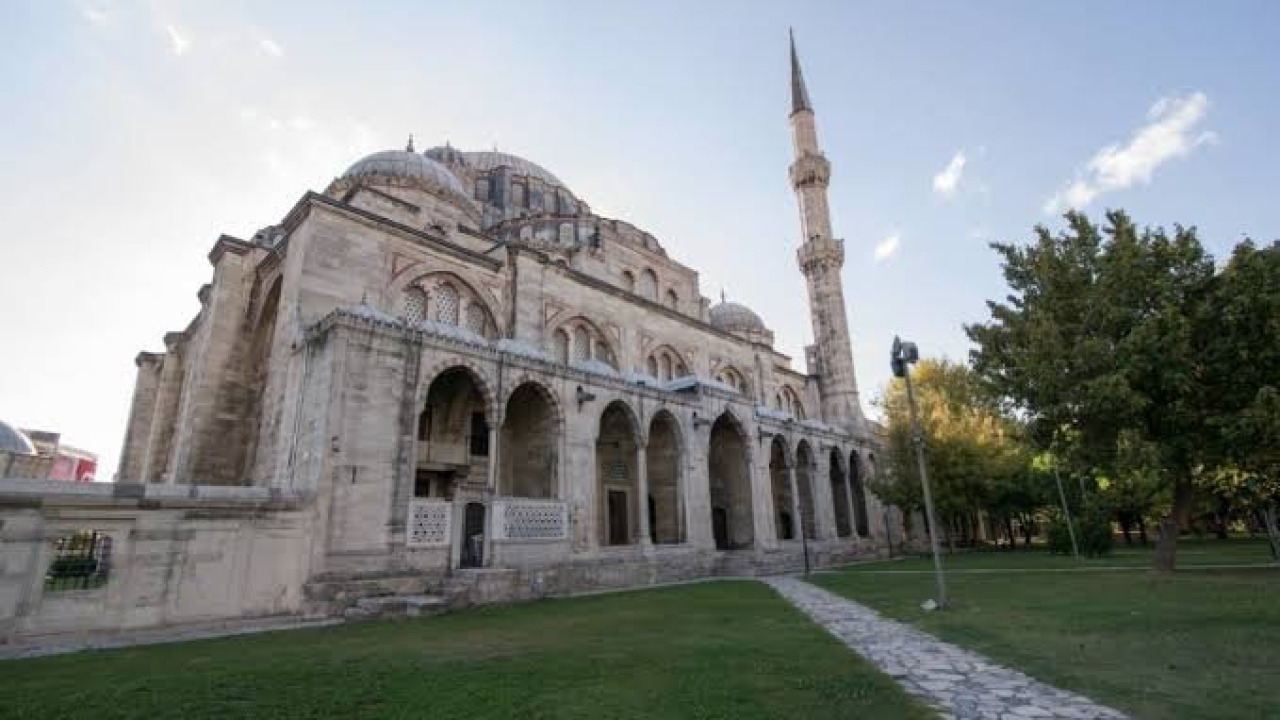
| Material Language | Predominantly brickwork, visible arches and niches from the exterior | Cut stone, marble courtyard, central dome with a 26-meter diameter |
| Current Function | Active mosque | Active mosque and standing madrasah structures |
Materials and Scale: From Intricate Brickwork to Monumental Stone
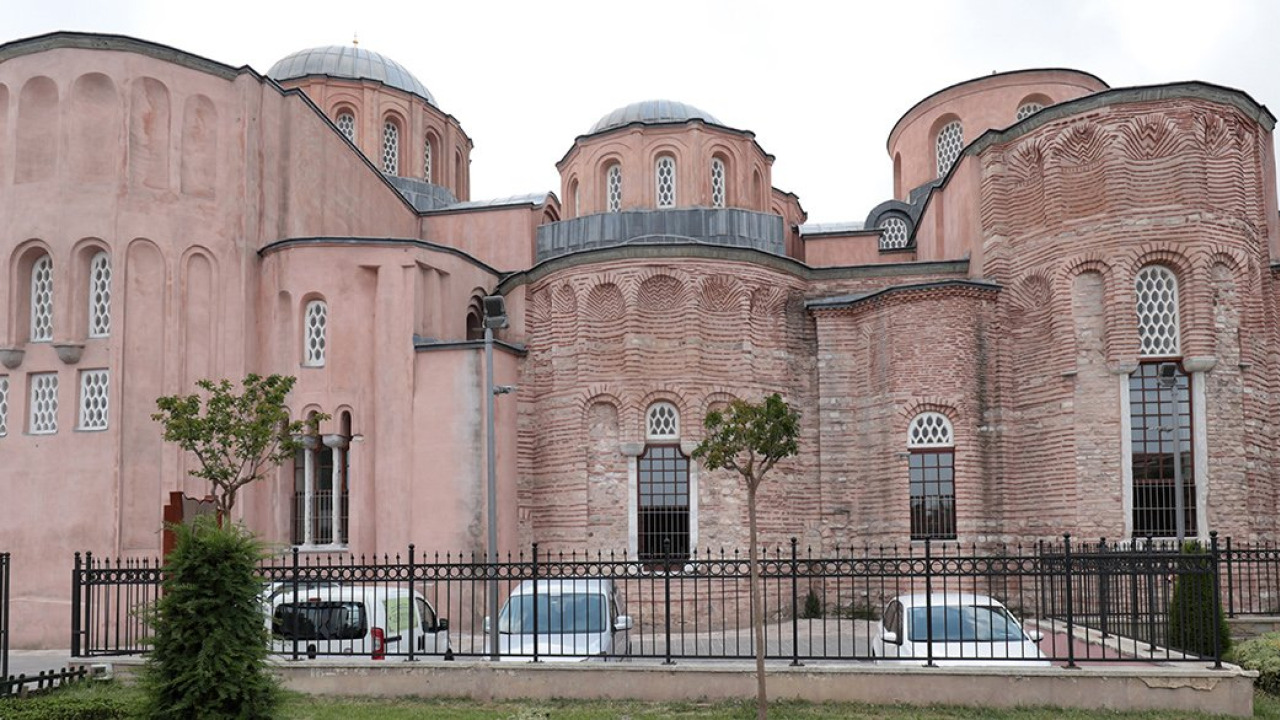
At Zeyrek, the facade isn't just a surface; it's a construction diary: brick courses, arch tympanums, and niches are visible from the outside, allowing you to visually trace where the structure expanded. At Fatih, the facade becomes more uniform; cut stone, a marble courtyard, and a mass hierarchy descending with semi-domes come into play.
A Third Layer on the Same Hillside: Roman Waterworks
Beneath these two layers lies a third. The Valens Aqueduct (Bozdoğan Su Kemeri), rising in Saraçhane, is believed to have been completed in 378 AD during the reign of Emperor Flavius Julius Valens and was part of a water transport system stretching approximately 250 kilometers. Fatih Sultan Mehmed had the aqueduct repaired to supply water first to the Old Palace in Beyazıt, and then to Topkapı Palace. The Zeyrek Cistern, which met the monastery's water needs, was also built with this network's logic, though it's not a regular stop for visitors. For those who wish to discern these two layers on-site with a knowledgeable guide, our Istanbul city center cultural tours list offers options covering this fascinating area.
What to See at Each Stop on the Route
The route consists of four main stops, designed to have you ascend the hillside just once.
Zeyrek Mosque (Pantokrator Monastery Church)
The structure is formed by the unification of three separate chapels. The first church was built in the first quarter of the 12th century by Empress Irene, wife of Emperor John II Komnenos. After her death, the emperor added a second church to the north, and the third section was constructed to connect the two. In the Fatih District Governorship's neighborhood guide, the structure is referred to as the largest surviving former church in Istanbul after Hagia Sophia. This scale is palpable even from the outside, as the mass resembles a complex of buildings rather than a single church.
Outside, pay attention to the points where the three sections merge: the arch alignments, wall thicknesses, and the series of apses on the eastern end reveal which sections were added later. After the conquest, Zeyrek Mehmed Efendi became the professor (müderris) of the madrasah here, and both the neighborhood and the structure took his name. Today, it is an active mosque under the responsibility of the General Directorate of Foundations; visits may be restricted during prayer times.
Zeyrek's Wooden Houses and Street Fabric
The narrow streets surrounding the mosque are known for their wooden houses with bay windows. The Zeyrek Conservation Area is one of the four components of Istanbul's Historic Areas, listed in 1985, and this urban fabric is cited as a distinct justification in the UNESCO listing: the traditional wooden residential neighborhoods in Süleymaniye, Zeyrek, and Kadırga are considered rapidly disappearing examples of civil architecture. For this reason, the scenery you encounter in the streets is not uniform; a restored facade might stand right next to a structure awaiting renovation.
As you walk, the detail to notice isn't just the facade ornamentation, but the underlying system: the wooden framework resting on a stone foundation, the bay windows extending over the street, and their supporting brackets. This is also an active residential neighborhood; respecting residential privacy means not entering courtyards or pointing cameras directly at windows.
Fatih Complex and Sahn-ı Seman Madrasahs
The Fatih Mosque and Complex were commissioned by Fatih Sultan Mehmed in his name between 867-875 AH (1463-1470 AD); its first architect was Sinanüddin Yusuf bin Abdullah, known as Atik Sinan. The complex is far more than just a mosque: it's a comprehensive public program comprising madrasahs, a hospital, guesthouse, soup kitchen, caravanserai, Turkish bath, primary school, library, clock house, and tombs. Depending on their location, the madrasahs on the Marmara side are known as the Mediterranean madrasahs, and those on the Golden Horn side as the Black Sea madrasahs.
Here lies the connection that completes the route's narrative: in 1470, the faculty of the Zeyrek and Hagia Sophia madrasahs were transferred to the Fatih Complex. In essence, the education that began at the bottom of the hill became institutionalized at the top. In the eight-madrasah system known as Sahn-ı Seman, theology, law, literature, mathematics, and astronomy were taught; names like Ali Kuşçu and Molla Hüsrev are associated with this system. Standing in the courtyard and observing the symmetrical arrangement of the madrasahs reveals why this scale was conceived more like a small city than just a complex.
Fatih Mosque Interior and Fatih Sultan Mehmed's Tomb
The mosque you enter today is not the original 15th-century structure. The original mosque, devastated by the 1766 earthquake (1180 AH), was rebuilt between 1767-1771 by Sultan Mustafa III, under the supervision of the Chief Imperial Architect of the time, Mehmed Tahir Ağa. The central dome covering the prayer hall is 26 meters in diameter and rests on four massive arches supported by four large 'elephant feet' piers; when you look up inside, this four-part structural system supporting the immense weight is immediately apparent.
Behind the qibla wall, in the graveyard (hazire), lies the Tomb of Fatih Sultan Mehmed, which receives visitors throughout the day. The pace of visitation at the tomb differs from that of the mosque: a queue forms, voices are hushed, and photography may be restricted by staff. Ending your route here means concluding a day that began with Byzantine brick walls with an Ottoman tombstone, a poignant moment where four centuries between the two layers truly materialize.
How to Plan Your Walk from Zeyrek to Fatih
The walk is best structured from bottom to top: you ascend from the Golden Horn level to the Zeyrek hillside, climb the slope once, and conclude your day in the Fatih Complex courtyard. Walking in the reverse direction means tackling the same incline twice. The ascent from the Cibali stop on the Golden Horn shore to the hillside is short but steep; the walk from Zeyrek Mosque to the outer courtyard gate of the Fatih Complex takes approximately fifteen minutes without lingering at intermediate stops.
- Tackle the incline first: Ascend from the shore level to the hillside and take your first break on the flat ground around Zeyrek Mosque.
- Read the exterior before the interior: Observe the merging points of the three sections, the arch alignments, and the series of apses on the eastern end from the outside.
- Enter the prayer hall: Inside, look for transitions between sections and traces on the ground level; choose a time outside of prayer hours.
- Wander into the wooden streets: In the narrow streets around the mosque, observe the bay window and timber frame structures, and be mindful of residential privacy.
- Proceed towards Saraçhane: The mass of the Valens Aqueduct (Bozdoğan Su Kemeri) becomes visible along the way; from here, transition to the Fatih axis.
- Conclude at the Complex: Enter through the outer courtyard, observe the madrasah layout, explore the prayer hall, and end your day at the Tomb of Fatih Sultan Mehmed in the hazire.
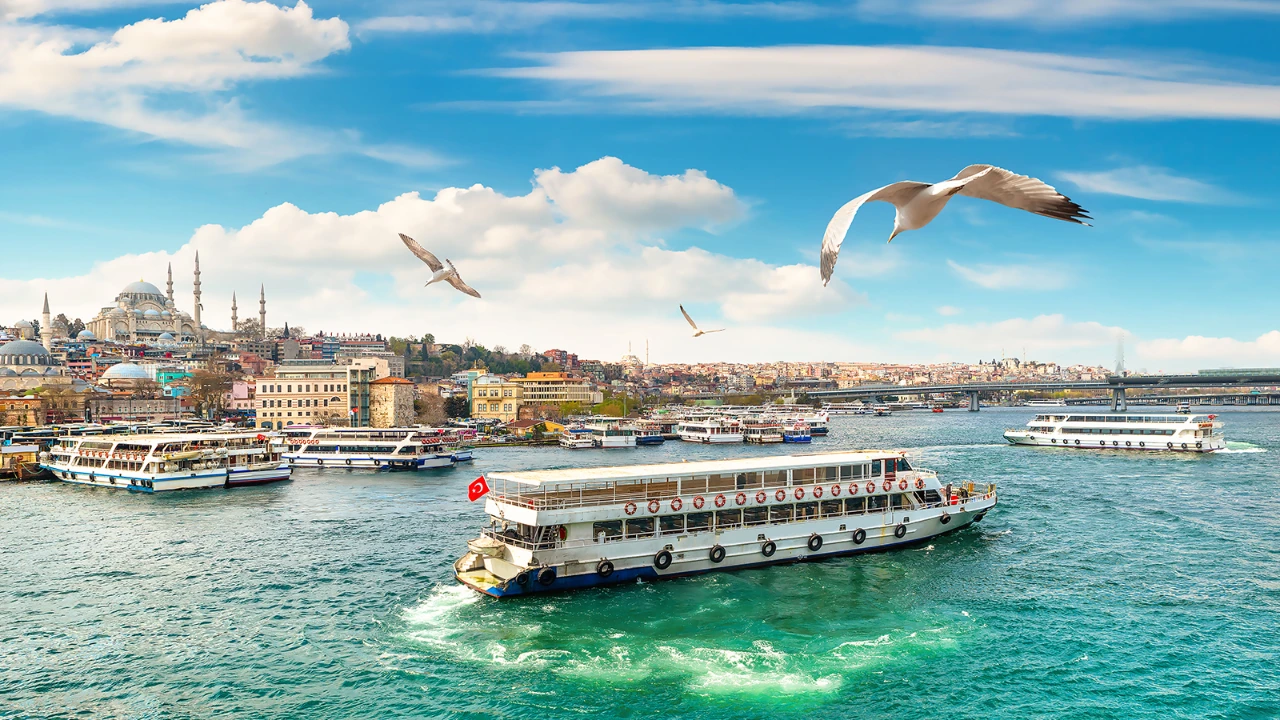
From the Fourth Hill to the Golden Horn: Concluding Your Day by Sea
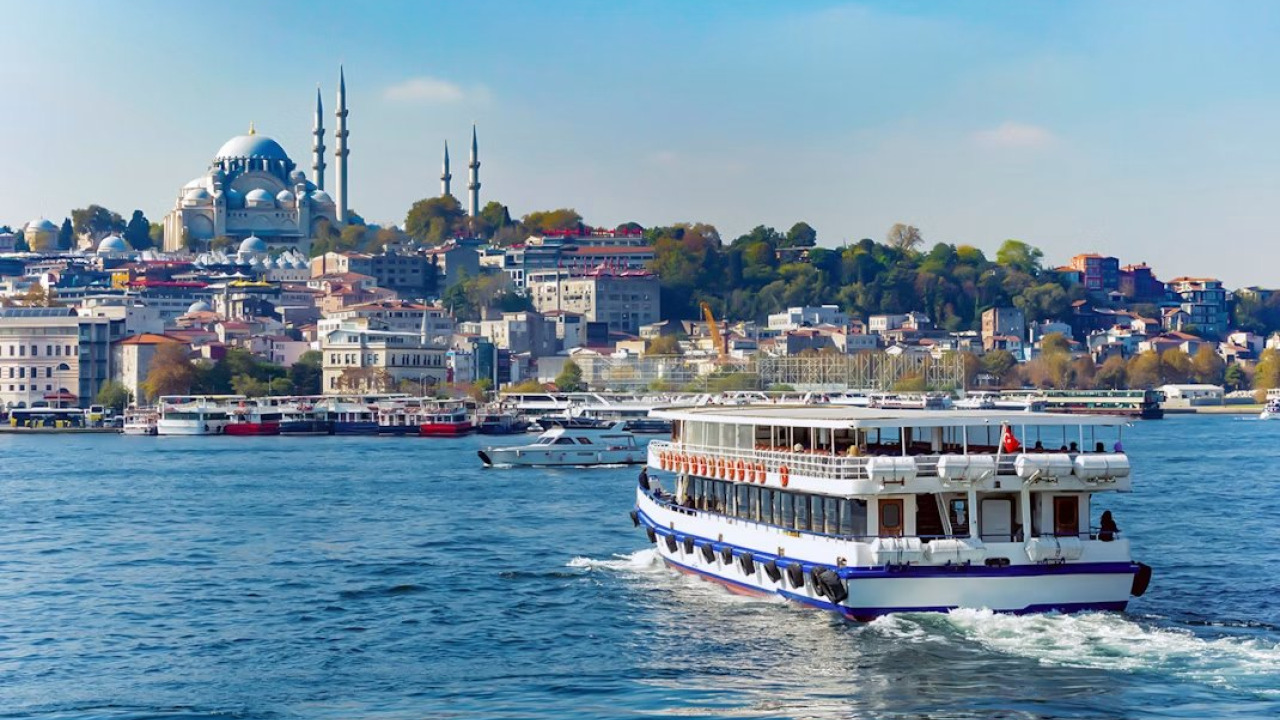
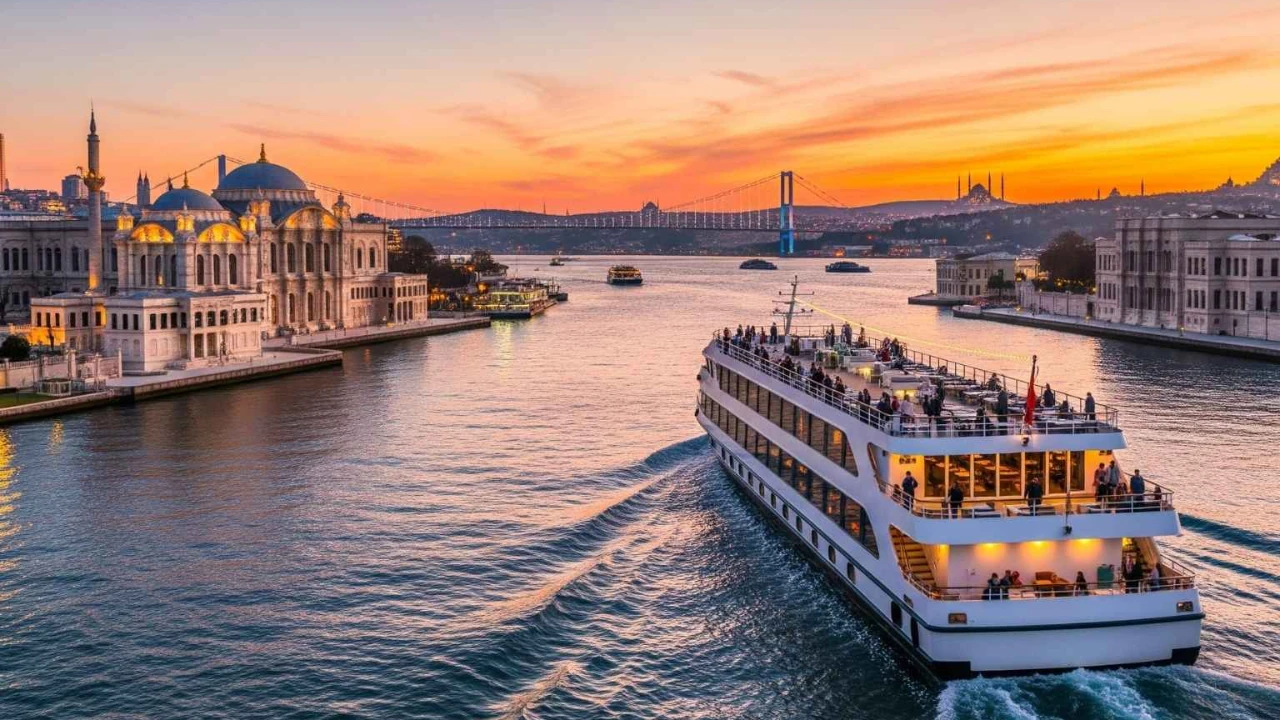
Since Zeyrek's hillside overlooks the Golden Horn, the start of this route also offers a coastal perspective. The curve of the water and the pier line below explain why the monastery was established at this elevation. For this hillside, water wasn't just a view; it was infrastructure. Materials and provisions were brought up from the shore.
Therefore, ending your walk by the shore makes for a logical conclusion. Some visitors prefer to complete their day on land, while others wish to see the same route from the water; for the latter group, the walk is scheduled for the morning, and the sea leg for the afternoon. Those wishing to add Balat, a few stops north on the same tram line, to their day can plan that neighborhood's street route separately in our Balat walking guide.
How to Reach the Route by Land and What to Expect at the Entrance
Both ends of the hillside are close to rail transport, so where you start your day will depend on your accommodation. The service information below is taken from the operator's line pages; as schedules can change seasonally, please verify before you set out.
| Line | Operator Details | Function on the Route |
|---|---|---|
| M2 Yenikapı-Seyrantepe-Hacıosman Metro | 23.49 km, 16 stations, 06:00-00:00 (weekend night metro service is separate) | Haliç and Vezneciler-İstanbul Üniversitesi stations open to both ends of the hillside. |
| T5 Eminönü-Alibeyköy Cep Otogarı Tram Line | 10.1 km, 14 stations, 06:00-00:00 | Cibali station is the closest stop for ascending the hillside from the Golden Horn shore. |
Key points to make your visit smoother:
- Both structures on the route are active mosques; tourist entry to the prayer hall may be restricted during prayer times, so plan your visit between prayer intervals.
- The dress code is the same at both stops: shoulders and knees covered, a headscarf for female visitors, and shoes removed at the entrance. In the tomb, a hushed tone is also part of the visit etiquette.
- Parts of the structures may be temporarily closed for maintenance; to avoid a wasted trip, inquire about the current status before you go.
- There is no entrance fee for the mosque and tomb. If you add a paid museum to your day, be aware that different tariffs apply based on visitor type, and check the current fees on the official website of the relevant institution.
- The streets on the hillside are residential areas; do not enter courtyards, and keep windows and doorways out of your camera frame.
Best Day and Season for Your Walk
The determining factor for choosing your day isn't the weather, but the market. According to the Fatih District Governorship's promotion, the Çarşamba Market, as its name suggests, is held on Wednesdays in the Çarşamba neighborhood of Fatih and is considered one of Istanbul's largest markets. Almost everything is sold, from clothing to vegetables, live flowers to porcelain. If you prefer a quiet architectural walk, skip Wednesday; if you want to experience local neighborhood life, intentionally plan your day for Wednesday and dedicate the morning to visiting the structures.
For a food and drink break, the hillside has its own stop: the Kadınlar Pazarı (Women's Market) is listed in the Fatih District Governorship records with a date of 1908 and a Zeyrek neighborhood address, meaning it fits into your meal break without straying from the route.
| Period | Impact on Your Walk | Specific Note for This Route |
|---|---|---|
| April-June | The incline is cooler, days are long. | Soft light on wooden facades, suitable for street photography. |
| July-August | Little shade on the hillside. | Spend the midday heat under the trees in the complex courtyard. |
| September-October | Light accentuates the brick texture. | Morning hours are better for viewing Zeyrek's eastern facade. |
| November-March | Days are shorter, streets are quieter. | Wet cobblestones can be slippery, watch your step. |
Summing Up Your Route
Zeyrek and Fatih aren't two separate trips, but two ends of the same fascinating incline. Below, you'll find 12th-century brickwork; above, an Ottoman complex established in the 15th century and rebuilt in the 18th. The thread connecting them is the academic staff relocated in 1470. To fit it into half a day, simply structure your walk from the shore upwards and decide in advance about visiting on a Wednesday. Those wishing to connect the area to a broader cultural program can explore our Istanbul cultural tours options, while those looking to extend their day with museums can consult our Historic Peninsula and museums guide.
Frequently Asked Questions 5
What was Zeyrek Mosque during the Byzantine era?
Zeyrek Mosque was established as the Pantokrator Monastery Church during the Byzantine era, formed by the unification of three separate chapels. The first church was built in the first quarter of the 12th century by Empress Irene, wife of Emperor John II Komnenos; a second church was added to the north, and a third section was constructed to connect the two. It is known as the largest surviving former church in Istanbul after Hagia Sophia.
Is Fatih Mosque, in its current form, a 15th-century structure?
No. The original mosque, commissioned by Fatih Sultan Mehmed to Atik Sinan between 1463-1470, was devastated by the 1766 earthquake. The structure seen today was rebuilt between 1767-1771 by Sultan Mustafa III, under the supervision of the Chief Imperial Architect Mehmed Tahir Ağa; its central dome covering the prayer hall is 26 meters in diameter.
How long does the Zeyrek and Fatih route take?
The route, starting from Zeyrek Mosque and ending at Fatih Mosque and its tomb, takes three to four hours, including time spent inside. The walk from Zeyrek Mosque to the outer courtyard gate of the Fatih Complex is approximately fifteen minutes without lingering at intermediate stops. The pace is slower than a flat city walk due to the steep incline and cobblestone terrain.
Which public transport lines go to Zeyrek and Fatih?
The Haliç and Vezneciler-İstanbul Üniversitesi stations of the M2 Yenikapı-Seyrantepe-Hacıosman metro line, and the Cibali station of the T5 Eminönü-Alibeyköy Cep Otogarı tram line, open to both ends of the hillside. Line schedules typically run from 06:00-00:00; the M2 has a separate weekend night metro service. As schedules can change seasonally, please verify on the operator's website before you depart.
Which day is best to visit Zeyrek and Fatih?
For a tranquil architectural walk, days other than Wednesday are more relaxed, as Wednesday sees one of Istanbul's largest markets set up in Fatih's Çarşamba neighborhood, making the streets very busy. Those who wish to experience the market atmosphere can plan their visit for Wednesday; in this case, it's advisable to visit the structures in the morning.