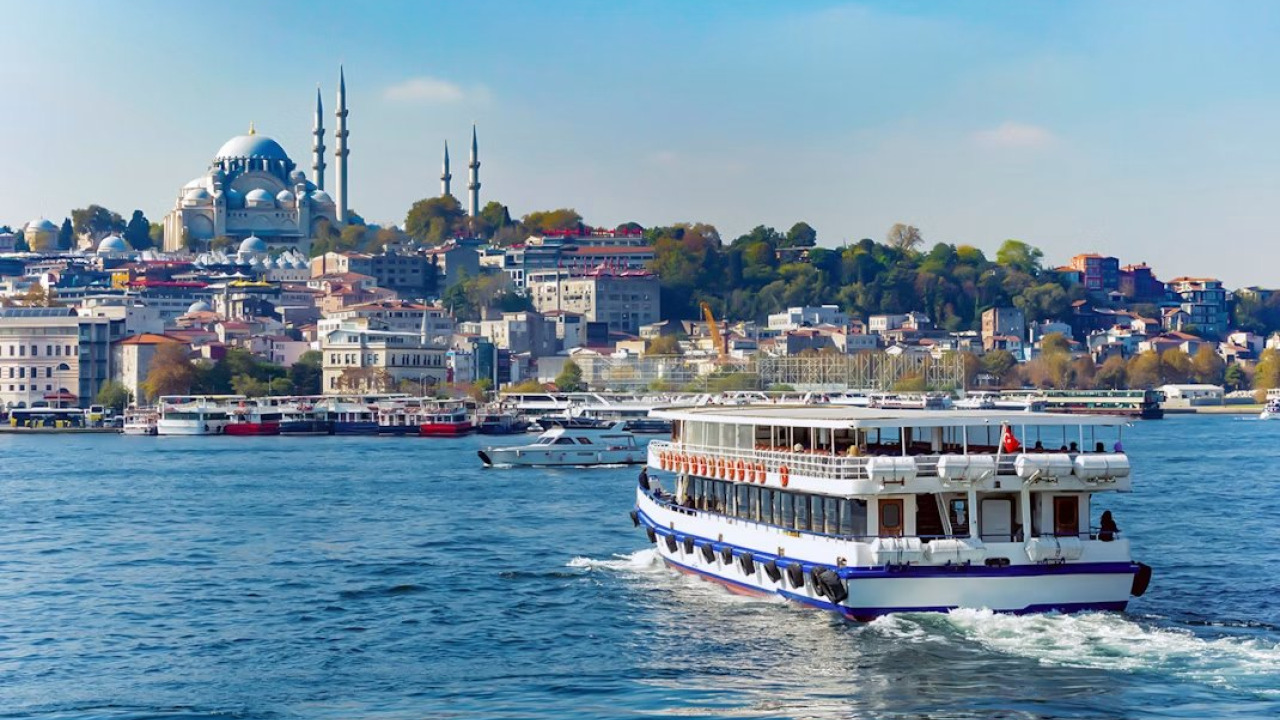

The city's name has changed three times, its borders expanded countless times, yet the epic tale of Byzantion, then Constantinople, and finally Istanbul always began on this very same triangular sliver of land. Stretching majestically between the Golden Horn and the Marmara Sea, and fortified by ancient walls to the west, this captivating area is known today as Istanbul's Historical Peninsula. And therein lies the first delightful dilemma for every visitor planning a trip to the Historical Peninsula: while it appears perfectly walkable on a map, the sheer density of historical wonders within its bounds simply cannot be conquered in a single day. Rather than just listing sights, this guide will reveal how the peninsula is best explored, which sections to prioritize for a single day, and the crucial decisions that will make or break your itinerary. Our aim isn't to lengthen your list, but to expertly narrow your focus for an unforgettable experience.
Quick Facts
| Topic | Information |
|---|---|
| Location | Fatih district; the peninsula between the Golden Horn, Marmara Sea, and land walls |
| Protection Status | UNESCO World Heritage List, "Historic Areas of Istanbul", 1985 |
| Number of Areas | Four distinct protected areas: Sultanahmet, Süleymaniye, Zeyrek, Land Walls |
| Main Transport Line | T1 Kabataş-Bağcılar tram line; six stops in the historical core |
| Recommended One-Day Focus | One protected area and a waterside finish |
| Terrain | Cobblestones, marble courtyards, constant elevation changes between hills |
| End-of-Day Departure | City Line ferries from Eminönü, Marmaray from Sirkeci |
What Makes This Place Unique: Four Protected Areas, One Walkable Scale
The peninsula is often lauded as one grand open-air museum. Yet, its conservation documents meticulously define it not as a single entity, but as four distinct, protected areas. When the Historic Areas of Istanbul were proudly inscribed on the UNESCO World Heritage List in 1985, the heritage zone was delineated into four core components: Sultanahmet Archaeological Park, Süleymaniye Conservation Area, Zeyrek Conservation Area, and the Land Walls Conservation Area. This distinction is far from an academic footnote; it profoundly shapes your travel plans. These four areas exist at varying elevations, boast distinct architectural textures, and require different walking distances to explore.
The true magic of the peninsula lies in this very characteristic. Within the same walkable radius, you'll find Roman-era aqueducts, magnificent Byzantine church architecture, and grand Ottoman külliye (complex) layouts layered one upon another. In essence, you traverse centuries within mere steps; your exhaustion won't be from distance, but from the sheer density of history unfolding before your eyes.
Where the Borders Begin and End
The peninsula's eastern tip is Sarayburnu, its north is the Golden Horn, and its south is the Marmara Sea coast. Its western boundary is defined by the formidable land walls, construction of which began in the early 5th century during the reign of Theodosius II, stretching from the Golden Horn all the way to the Marmara Sea. Thus, "Historical Peninsula" isn't merely a neighborhood name; it designates the entire area enclosed within this ancient defensive line.
Four Areas Don't Fit in One Day
The table below illustrates how the four protected areas fit into a one-day plan.
| Protected Area | What it Covers | Place in a One-Day Plan |
|---|---|---|
| Sultanahmet Archaeological Park | Hagia Sophia, Topkapı Palace, Basilica Cistern, and the surrounding square | The backbone of your day; the first half is dedicated here |
| Süleymaniye Conservation Area | The külliye (complex) built by Mimar Sinan between 1550-1557 and its surrounding wooden architecture | A stop for the afternoon |
| Zeyrek Conservation Area | The mosque converted from a Byzantine monastery and its surrounding residential fabric | Requires a separate half-day |
| Land Walls Conservation Area | The wall line and gates stretching from the Golden Horn to the Marmara Sea | Best left for its own dedicated day |
For those looking to ease the pressure of cramming all four areas into a single day, consider exploring cultural tour programs departing from the city center. These can help you decide which parts of your day to enjoy with a guide and which to explore at your own pace.
What to See in One Day: How to Narrow Your Focus
The success of a one-day itinerary isn't measured by the number of sites visited, but by how efficiently you navigate. On the peninsula, time is often lost in two ways: arriving at a closed door or climbing the same incline twice. Both can be avoided with smart planning.
Key Decisions for Your Day
- How many ticketed indoor sites: Limit yourself to two major indoor sites per day. A third often leads to long queues and rushed visits.
- Which protected area: Choose your primary focus area from the start. Sultanahmet Archaeological Park is the most comprehensive option for first-time visitors.
- Direction: Plan your route from the hills down to the sea. The peninsula is built on seven hills, and descending significantly reduces leg fatigue.
- Exit point: Decide where you'll end your day beforehand. A program that concludes by the water offers ease of transport and a relaxing finish.
Closing Days Can Disrupt Your Plan
Not all attractions on the peninsula operate on the same schedule. Some adhere to museum regulations, others to prayer times, and some to general operating hours. The table below summarizes these differences; however, as hours can change seasonally, always verify with official sources before your visit.
| Attraction | Visiting Schedule (verify before you go) |
|---|---|
| Topkapı Palace Museum (managed by the Directorate of National Palaces) | Closed to visitors on Tuesdays |
| Museums under the Ministry of Culture and Tourism | Closed until 1:00 PM on the first day of religious holidays |
| Hagia Sophia | Prayer and visitor entrances are separate; visitors access the gallery floor with a ticket |
| Basilica Cistern | According to the operator, open every day of the week from 09:00 to 22:00 |
| Mosques | Visits are temporarily paused during prayer times, especially Friday noon prayers |
This guide does not provide specific entrance fees, as prices can vary based on the season, visitor status, and the operating institution, even for the same site. The number of ticketed indoor sites you can visit in a day is primarily determined by time. For current prices and ticket purchase options, always check the official website of the institution operating the site.
Navigating the Peninsula: Day, Time, and Season
When exploring the peninsula, the discussion of seasons often revolves less around general weather and more about shade. Since your itinerary will weave between open squares and indoor structures, where you are at any given time of day significantly impacts your comfort.
| Period | Peninsula-Specific Impact | Decision |
|---|---|---|
| April-May | Squares and külliye courtyards are enjoyable all day | Extend outdoor exploration throughout the day |
| June-August | Midday sun leaves squares without shade | Allocate midday hours for cisterns and mosque interiors |
| September-October | Light falls softly on stone and marble facades | Save photo stops for late afternoon |
| November-March | Days shorten early, rain makes surfaces slippery | Increase indoor site visits, start your day earlier |
Friday Noon and Prayer Time Etiquette
A significant portion of the peninsula's grand structures are active places of worship. Therefore, your daily plan should account for prayer times. By scheduling your visits during the longer intervals between prayers, you can explore these magnificent sites without feeling rushed. Friday noon is the narrowest window for visits, so dedicating that time to outdoor attractions will make your day much smoother. Dress code is also important: shoulders and knees should be covered, and female visitors are expected to cover their heads. Carrying a lightweight scarf in your bag can save you time at the entrance queues.
Key Stops Forming Your Day's Backbone
What makes Sultanahmet Archaeological Park the backbone of your day is the concentration of two monumental structures from different eras, plus an intriguing underground layer, all within easy walking distance.
Hagia Sophia
The structure standing today is the third iteration built on this very spot. Commissioned during the reign of Emperor Justinian, it was constructed between 532 and 537 AD, opening for worship on December 27, 537. Its groundbreaking plan and engineering are attributed to Anthemius of Tralles and Isidore of Miletus. What truly defines the building's identity isn't its sheer size, but the ingenious way its central dome rests upon the supporting system: the dome's immense weight is transferred through arches and pendentives to four massive piers, creating a vast, open interior space without a forest of columns.
Hagia Sophia currently serves as a mosque, and its visitor access is now separate from prayer access. As of January 2024, visitors enter the gallery floor via a dedicated entrance and with a ticket, while the prayer area entrance operates through a different door. This separation makes queue times more predictable for early morning visitors. Be aware that the ramped passages leading to the gallery floor are narrow, so progress can be slow during peak hours.
Topkapı Palace and Sarayburnu
The palace was commissioned by Sultan Mehmed II, the conqueror of Istanbul, and built between 1460 and 1478 at Sarayburnu, the tip of the peninsula, atop the former acropolis of the Eastern Roman Empire. Its location was no accident: from this strategic point, the Marmara Sea, the Bosphorus, and the Golden Horn could all be controlled. For nearly four centuries, the complex served as the administrative, educational, and artistic heart of the empire, before being converted into a museum on April 3, 1924.
The palace isn't a single building, but rather a sprawling series of courtyards, and this layout dictates the rhythm of your visit. As you progress from the outer courtyards inwards, the spaces become more intimate and access more restricted, meaning the latter parts of your tour will be the most densely packed. When planning, remember that the palace is closed on Tuesdays; this crucial detail will require visitors arriving on a Tuesday to completely re-plan their day.
Squares, Cisterns, and Külliyes: Brief Stops
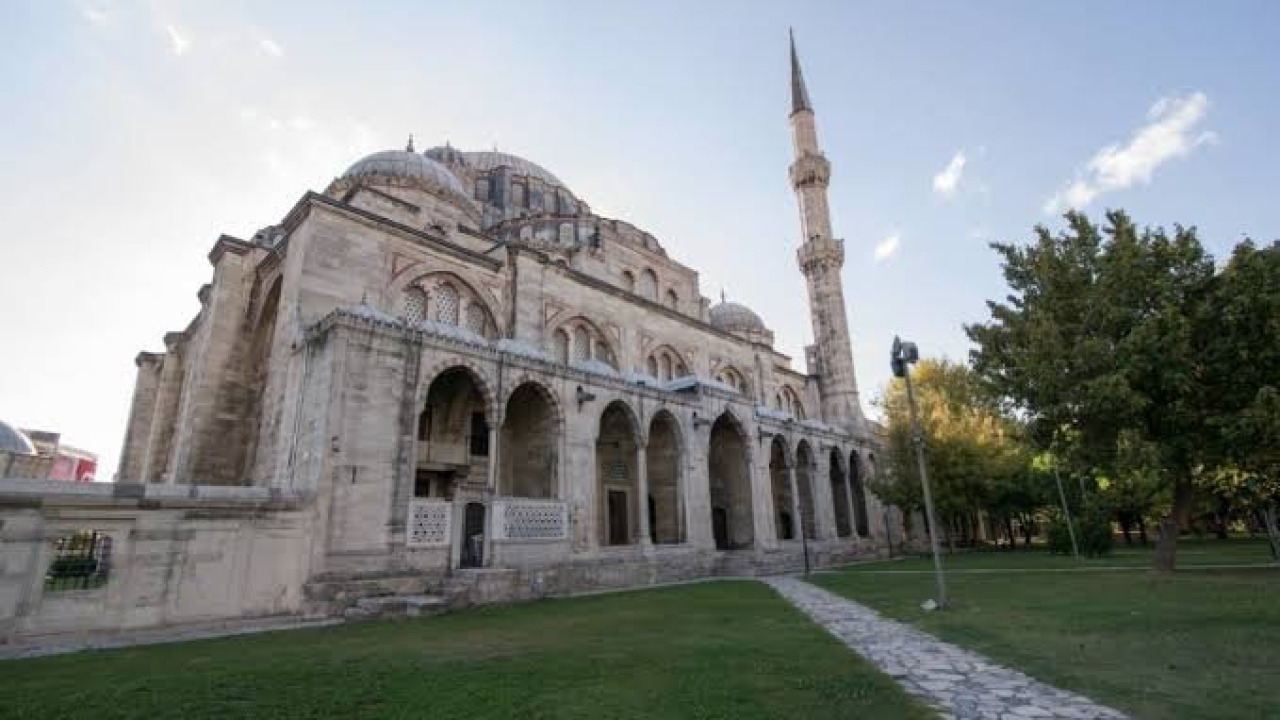
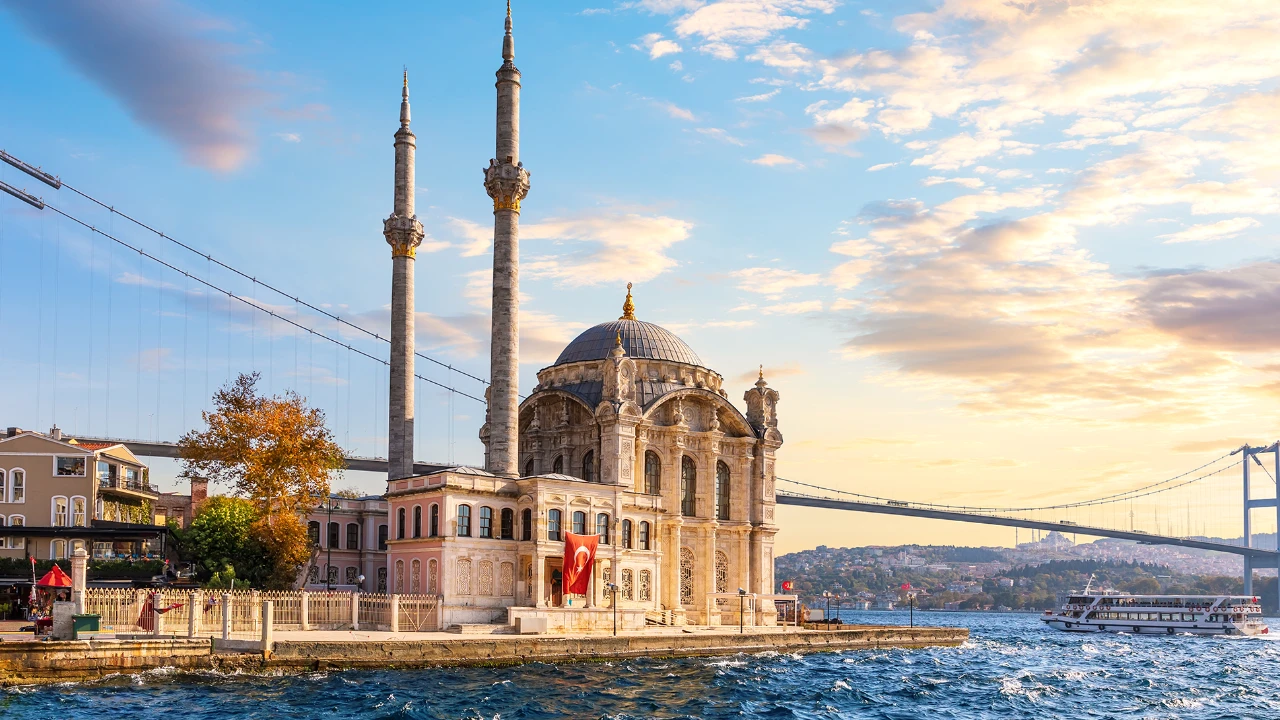
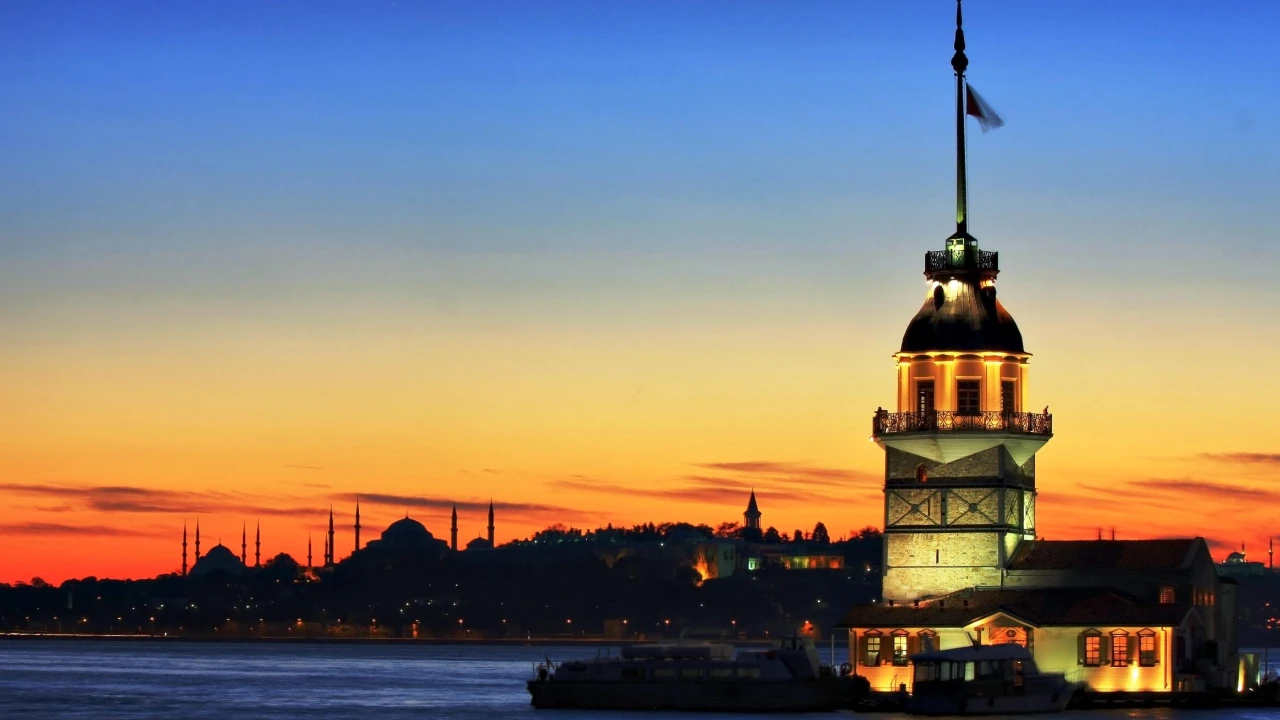
Surrounding this central backbone are numerous other captivating sites, each worthy of a full day's exploration on its own; for a one-day itinerary, these will be brief, impactful stops. Sultanahmet Square stands atop the ancient Roman Hippodrome, where chariot races once thrilled crowds, and its monuments can be admired outdoors without a ticket. To the south of the square, the Sultanahmet Camii (Blue Mosque) reopened for worship in 2023 after extensive restoration work began in 2018. Underground, the Binbirdirek Sarnıcı (Cistern of Philoxenos) is the second-largest example of the city's impressive water storage architecture. Closer to the sea, the Küçük Ayasofya Camii (Little Hagia Sophia) and Sokollu Mehmet Paşa Camii showcase ingenious solutions for building on sloped terrain. To the northwest, Zeyrek Camii reveals its new function acquired during the Ottoman period, having once been a Byzantine monastery. Along the bazaar route, Rüstem Paşa Camii rises above the shops, while the Yeni Cami (New Mosque) dominates the waterfront skyline. Visiting arrangements for these stops vary from site to site and are updated according to restoration schedules; always verify the current status on the official website of the relevant institution before including any in your program.
If one of these brief stops takes you underground, your day's plan shifts: a cistern visit offers a cool refuge during hot hours, and for detailed preparation, you can consult our Basilica Cistern visitor guide. Those wishing to combine the peninsula with a museum-focused program can explore Istanbul cultural tours options to refine their day's scope.
Structuring Your Route: From Hilltop to Sea
The core principle for planning your route on the peninsula revolves around direction. Sultanahmet sits on the first hill, Beyazıt on the second, and Süleymaniye on the third. Instead of constantly climbing throughout the day, structuring a route that descends from the hills towards the coast will conserve your energy. Here's how the sequence works:
- Dedicate your morning to the main area. Start your day at Sultanahmet Archaeological Park; explore the open-air monuments before the crowds gather.
- Complete ticketed indoor sites early. Schedule your first ticketed visit for the morning, and complete your second before noon.
- Move indoors for midday. During hot or rainy hours, underground structures and spacious mosque interiors offer a welcome refuge.
- Transition to the third hill in the afternoon. The route ascending through Beyazıt offers a refreshing break in the külliye courtyards, overlooking the Golden Horn.
- Conclude your day by the water. Descend through the bazaar streets to Eminönü, ending your itinerary at sea level.
This sequence also helps avoid a common mistake on the peninsula: assuming distances on a map are straight lines. What appears as a short distance 'as the crow flies' between two stops might actually involve a valley and a steep climb.
Getting to the Peninsula and End-of-Day Departures
The T1 Line is the Peninsula's Backbone
The reason a one-day plan often revolves around the tram line lies in its scale: the T1 Kabataş-Bağcılar route stretches for 19.3 kilometers with 31 stations, yet your day's share of this network will be a small, crucial segment. The line traverses the peninsula from Eminönü all the way to the land walls. Looking at its stops within the historical core reveals why it's the ideal route: Beyazıt-Kapalıçarşı (Grand Bazaar), Çemberlitaş, Sultanahmet, Gülhane, Sirkeci, and Eminönü are all conveniently located on this single line. This means disembarking at Sultanahmet in the morning and departing from Eminönü in the evening allows you to complete all your walking along this central artery. From the Sultanahmet stop towards Eminönü, there are three stops including Gülhane and Sirkeci; if you get tired during the day, you can easily cover longer flat stretches by tram. With operating hours from 06:00 to 00:00, starting your day early and ending by the water remains comfortably within the line's service window.
Departing by Sea and Rail
At the end of your day, there are two practical ways to depart the peninsula. First, by sea: City Line ferries connecting to Eminönü include routes like Üsküdar-Karaköy-Eminönü, Kadıköy-Karaköy-Eminönü, Ortaköy-Beşiktaş-Eminönü, and Rumelikavağı-Eminönü. Departing by ferry not only rests your legs after a day of walking but also offers stunning views of the peninsula's silhouette from the water. Second, by rail: Sirkeci is a station on the Marmaray line, providing quick access to the Anatolian side or the western suburbs.
For those wishing to combine their waterside itinerary with a cruise or a port-departing cultural program, the Eminönü line offers a natural connection point. Visitors interested in a more detailed look at the peninsula's museum-heavy attractions can explore our Istanbul cultural tours and museums guide.
To Summarize Your Plan
The answer to 'what to see in one day' isn't a list, but a series of smart choices. Designating one of the four protected areas as your main focus, limiting yourself to two ticketed indoor sites, checking closing days in advance, and planning your route from the hills down to the sea – these four decisions are what transform a potentially exhausting marathon into a truly fulfilling day on the peninsula.
Frequently Asked Questions 6
Can Istanbul's Historical Peninsula be explored in one day?
A significant portion of the peninsula's prominent structures are within walking distance of each other, so with an early start and a linear itinerary, the main attractions can certainly fit into a single day. However, trying to cram all four protected areas, numerous museums, and every hidden bazaar into one day would be physically exhausting. A successful one-day program should focus on key squares, major structures, one underground site, and a waterside conclusion.
Where does Istanbul's Historical Peninsula begin and end?
The peninsula lies within the Fatih district, bordered by Sarayburnu to the east, the Golden Horn to the north, the Marmara Sea to the south, and the ancient land walls to the west. Construction of these formidable land walls began in the early 5th century during the reign of Theodosius II, stretching from the Golden Horn to the Marmara Sea.
Which day is problematic for visiting the Historical Peninsula?
Topkapı Palace Museum is closed on Tuesdays, so an itinerary planned for a Tuesday would need a different central focus. Museums under the Ministry of Culture and Tourism are closed until 1:00 PM on the first day of religious holidays. For mosques, prayer times, especially Friday noon prayers, temporarily halt visitor access.
How do I get to Istanbul's Historical Peninsula?
The most practical route is the T1 Kabataş-Bağcılar tram line. Stops like Beyazıt-Kapalıçarşı (Grand Bazaar), Çemberlitaş, Sultanahmet, Gülhane, Sirkeci, and Eminönü are all within the historical core of the peninsula, and the line operates from 06:00 to 00:00. Those coming from the Anatolian side can take the Marmaray to Sirkeci station. For those preferring sea travel, Eminönü pier connects to Üsküdar, Kadıköy, and Bosphorus ferry lines.
How much are the entrance fees in the Historical Peninsula?
Fees vary significantly based on the specific site, the operating institution, the season, and visitor status; additionally, some sites have separate entrances for prayer and general visits. Therefore, it's more practical to plan by category rather than fixed figures: ticketed museum entrances, separately ticketed sections, and guided services are three distinct cost categories. Always check the official website of the relevant institution for current prices.
How should I prepare for walking on the peninsula?
The terrain largely consists of cobblestones, stone paving, and marble courtyards, with continuous elevation changes between the hills. Sturdy, comfortable shoes with good arch support that are easy to slip on and off will make your day much easier, as you'll remove your shoes several times when visiting mosques. Dressing in layers will help you adapt to temperature differences between cool cistern interiors and open, sunny squares.