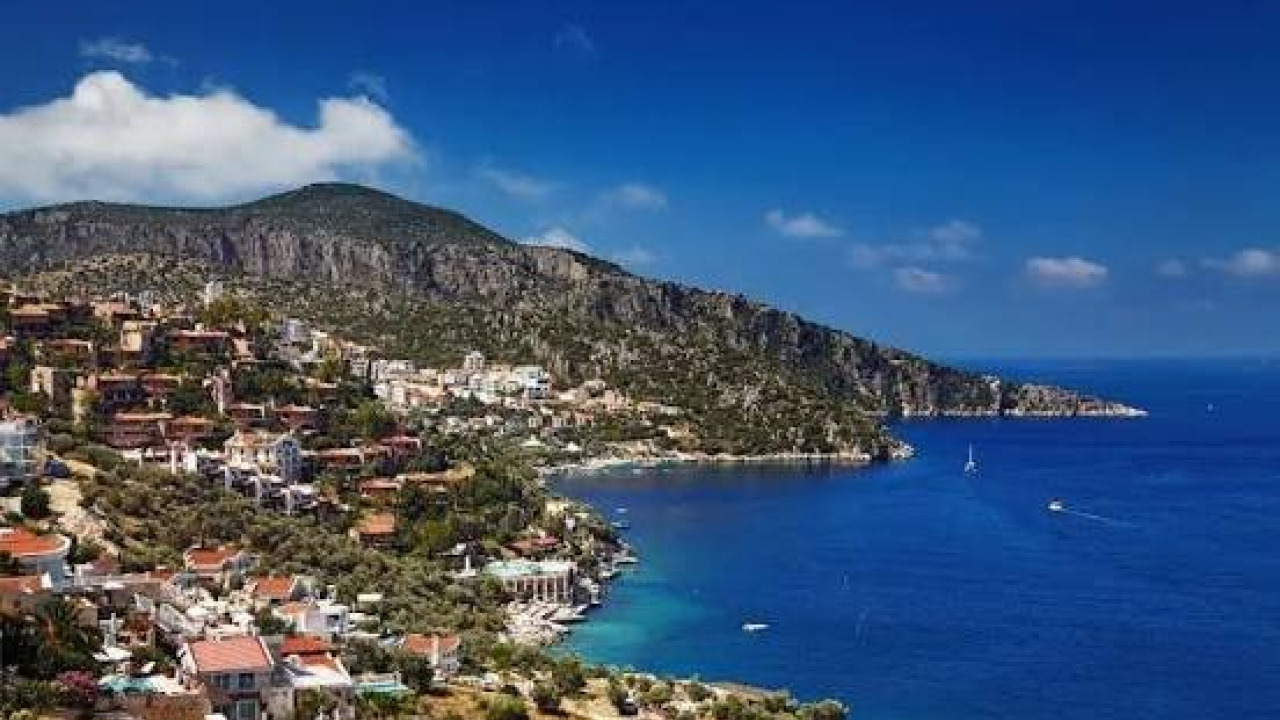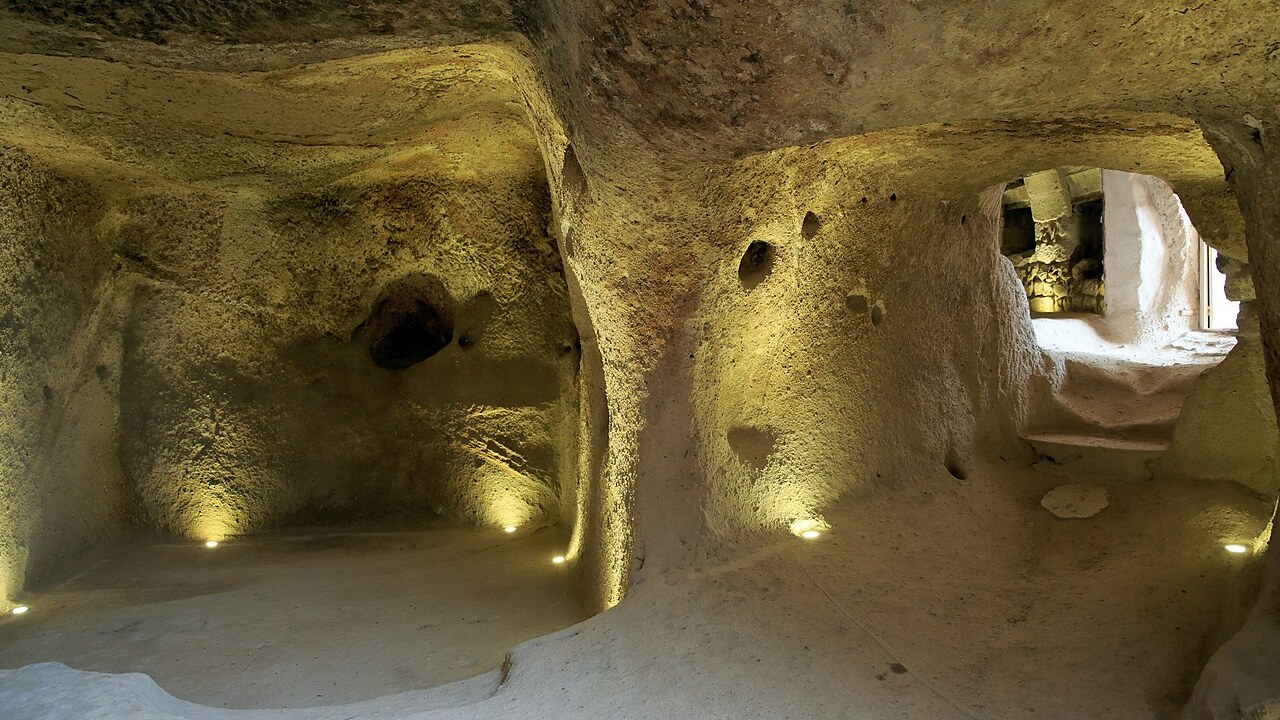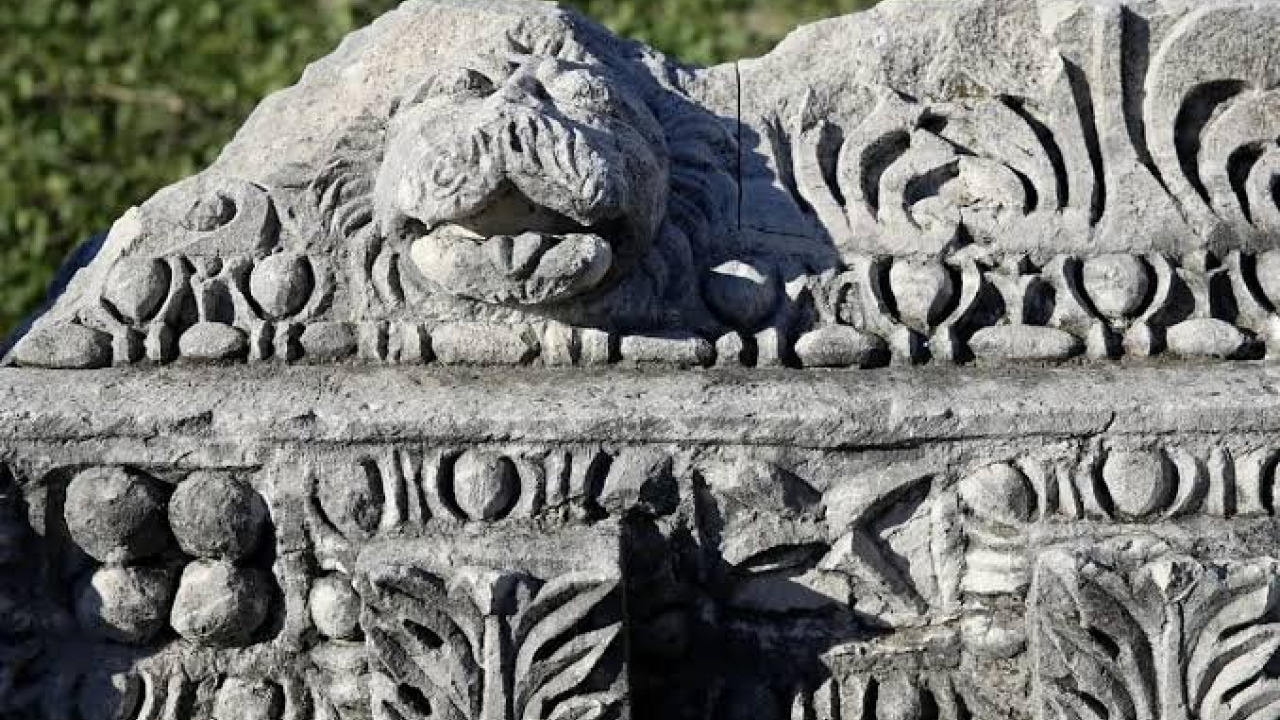

Xanthos Letoon stands as one of Turkey's few dual archaeological sites on the UNESCO World Heritage List. These two remarkable areas, separated by approximately 4 kilometers, grace the banks of the expansive Eşen River valley (known in antiquity as the Xanthos River). Xanthos was the administrative heart and largest known city of the Lycian region, while Letoon served as its religious center—a sacred sanctuary where temples and communal ceremonies converged. In this guide, you'll find practical details on what to see at both sites, how to get there, the best times to visit, opening hours, admission fees, and nearby attractions.
Quick Overview: What is Xanthos Letoon?
Xanthos Letoon is a pair of ancient settlements collectively inscribed on the UNESCO World Heritage List in 1988 as a single, two-part archaeological site. Xanthos is the name of the ancient city perched on a hill overlooking the river in Kınık, a district of Antalya. Letoon, located near Kumluova in Muğla's Seydikemer district, is a sacred sanctuary housing three temples dedicated to Leto and her twins, Apollo and Artemis.
The reason for their joint listing is their functional interdependence: decisions were made in Xanthos, while blessings and ceremonies took place in Letoon. Inscribed decrees of the Lycian League were displayed at Letoon, making the two sites the twin pillars of the same political and religious system. For visitors, the practical upshot is clear: seeing one without the other means only glimpsing half the picture, and exploring both sites takes less than half a day.
A curious detail often surprises visitors: the provincial border changes along the road between Xanthos and Letoon. Xanthos lies within Antalya, while Letoon is in Muğla. The same valley, the same ancient whole, yet two different administrative regions.
Quick Facts
| Topic | Information |
|---|---|
| Location | Xanthos: Kınık, Kaş, Antalya. Letoon: Kumluova, Seydikemer, Muğla |
| Distance Between Them | Approximately 4 km as the crow flies, 5-6 km by road |
| UNESCO Status | On the World Heritage List since 1988, jointly registered as "Xanthos-Letoon" |
| Historical Periods | Lycian, Persian, Hellenistic, Roman, and Byzantine layers |
| Key Structures | Inscribed Obelisk, Harpy Tomb, Roman theater, three temples, sacred spring |
| Recommended Visit Time | Xanthos approx. 1-1.5 hours, Letoon approx. 45-60 minutes |
| Opening Hours | Summer approx. 08:30-19:00, Winter approx. 08:30-17:30 (confirm at ticket office) |
| Admission | Both sites are ticketed; Museum Pass is valid. See practical section below for fee range |
| Best Time to Visit | April-June and September-October; July-August midday is very hot |
| Nearest Airports | Dalaman approx. 100-110 km, Antalya approx. 230-240 km |
| Terrain | Stony, uneven, and sparsely shaded; closed-toe shoes required |
What to See at Xanthos Ancient City
Xanthos, a city founded in the land of the Lycians mentioned in Homer's Iliad, boasts traces dating back to the 8th century BC. A defining moment in the city's identity occurred around 545 BC: when the Persian commander Harpagos arrived to conquer the region, Herodotus recounts that the Xanthians gathered their women, children, and valuables in the acropolis and set them ablaze, then fought to the death. A similar devastation struck again in 42 BC during Brutus's siege in the Roman civil war. The ruins you explore today are layers of reconstruction built upon these two destructions.
The site is located roadside, with remains spread across both sides of the D400 highway. Parking is available at the entrance. Exploring the structures in the following order allows you to save the uphill climb for the end of your visit.
The Inscribed Obelisk and Traces of Lycian Script
Standing at the edge of the Roman agora, this rectangular column is the site's most prominent written document. All four faces are covered in inscriptions, with over 250 lines of text, making it the longest known Lycian record. A section of the text includes Greek verses; this bilingualism provided a crucial foundation for researchers in deciphering the Lycian language. The inscription recounts the achievements of a local ruler and dates to the late 5th century BC.
Practical tip: The inscription's surface is weathered, requiring light from a side angle to discern the letters. Early morning or late afternoon light offers a much more legible surface than the midday sun. If taking photos, wait for the hours when shadows are cast away from the column.
The Harpy Tomb
Rising on the northern edge of the agora, a monolithic column is topped by a tomb chamber. This structure, approximately 7-8 meters high, dates to between 480-470 BC and is one of the widely known examples of the "pillar tomb" type unique to Lycia. It gets its name from the winged female figures depicted in the reliefs adorning all four sides of the tomb chamber. These figures were long interpreted as harpies, though today some researchers identify them as sirens carrying the souls of the dead.
The reliefs you see on-site are plaster casts; the original slabs were taken to England in the 19th century and are now part of the British Museum collection. Their replica status doesn't diminish your understanding of the monument's mass, as the column itself remains in situ. When photographed alongside the second pillar tomb nearby, which carries a sarcophagus, you get to see two distinct types of Lycian tomb architecture in a single frame.
The Nereid Monument and its Empty Pedestal
On the southern side of the city, an area where today only a high podium and foundation stones are visible marks the site of the Nereid Monument. Dating to around 390-380 BC, this structure was a monumental tomb designed in the form of a temple for a Lycian ruler, named after the statues of sea nymphs (Nereids) placed between its columns. In the 1840s, British archaeologist Charles Fellows dismantled the structure piece by piece and transported it to England; today, it is reassembled and displayed at the British Museum.
Consequently, this is the point on the site where the "absence" is most acutely felt. Nevertheless, observing the podium's scale is worthwhile: only by standing here can you truly grasp the volume the structure once occupied in the city's skyline. On guided tours, this stop is often passed quickly, yet it's here that the story of how Lycian art blended with Greek architecture most concretely begins.
The Lion Tomb and Lycian Rock Tombs
The Lion Tomb is among Xanthos's earliest monumental tombs, dating back to the 6th century BC, predating the Persian destruction. It gets its name from the lion reliefs on its body. On the nearby slopes, dozens of rock-cut tombs are arrayed. The facades of these tombs mimic wooden house architecture: horizontal beams, door frames, and even the ends of roof rafters are carved into the stone. The Lycian tradition of placing their dead within "houses" is evident in these facades.
Practical tip: Some of the rock tombs can be seen at close range from the hillside paths, but the terrain consists of loose gravel. Avoid climbing in sandals or slippery-soled shoes. Early morning is advantageous for timing, as the slope receives direct sun in the afternoon.
The Roman Theater
The theater in the city center was built during the Roman Imperial Period in the 2nd century AD, replacing an earlier Hellenistic theater. Parts of the seating rows and the lower walls of the stage building still stand. The rise behind the theater is the Lycian acropolis, the city's original core; the flat area in front is the Roman agora. This trio presents three distinct periods side-by-side from a single vantage point.
From a visitor's perspective, the theater is the natural gathering point of the site: from here, both the Harpy Tomb and the Inscribed Obelisk fit into the same frame. If you climb the seating rows, remember that the step heights are irregular. The stone surfaces become noticeably hot at midday, so it's more comfortable to plan this part of your visit for the morning or late afternoon.
The Agora, Colonnaded Street, and Arch of Vespasian
The Roman agora served as the city's commercial and ceremonial hub. The colonnaded street extending north from here has been preserved as a walking path among the ruins and is the easiest part of the site to navigate. At the city's southern entrance stands an arch dedicated to Emperor Vespasian; dating to the late 1st century AD, this structure is a monument of honor, signifying the importance the Roman administration placed on the city.
This section illustrates the transformation of the Lycian city into a Roman one. Wheel tracks, the foundations of shop rows, and water channels can be traced in the pavement. In the morning light, the column shafts cast long shadows, making this one of the most rewarding areas for photography.
The Acropolises and Byzantine Basilica Mosaics
Xanthos features two acropolises: the Lycian acropolis overlooking the river and the Roman-era acropolis to the northeast. At the Lycian acropolis, the foundations of a palace-like structure and a burnt layer from the 545 BC destruction have been documented. This hill also offers a sweeping panorama of the valley, with the flat expanse of the Eşen Plain, covered in greenhouses, visible from here.
In the eastern part of the city, a large basilica and floor mosaics dating to the 5th-6th centuries AD can be found. The mosaics are kept under protective covers and may be partially concealed depending on the season. Excavation work has been carried out by French teams since the 1950s, so the arrangement you see on-site is the result of long-term scientific study. Timing note: Your chance of seeing the mosaic under its cover increases during daylight hours when a site attendant is present.
Letoon Sacred Site: Leto, Apollo, and Artemis
Letoon is the religious counterpart to Xanthos's administrative power. The site is not a city, but a sacred precinct: temples, a sacred spring, a theater, and ceremonial structures stand together. The cult here dates back at least to the 7th-6th centuries BC; the temple ruins visible today largely date to the Hellenistic Period, specifically the 3rd-2nd centuries BC. Joint decisions of the Lycian League were consecrated here and displayed as inscriptions throughout the site.
Letoon is smaller and flatter than Xanthos. There are no climbs, and the walking path is short, making it more comfortable for families with children and visitors who prefer not to strain their knees.
Three Temples Side-by-Side
At the center of the site, three temples are aligned side-by-side. The westernmost, the largest of the three, is dedicated to Leto and is of the Ionic order; column drums and architectural fragments can be seen arranged around its foundation. The smaller central structure is the temple of Artemis, and within its interior, natural rock is incorporated into the building. The eastern temple of Apollo is of the Doric order.
The mosaic pavement inside the Apollo temple is one of the site's striking details: it depicts a lyre, a bow and quiver, and a sun disk. These three symbols represent Apollo and Artemis, meaning the mosaic tells the story of the twins' shared cult on a single surface. The mosaic may be kept covered for protection. Practical tip: While circling the three temples, simply looking at them from foundation level isn't enough; stepping back slightly to see their alignment on the same axis will help you understand the site's layout.
The Sacred Spring and the Frog Legend
To the west of the temples lies a semicircular fountain structure, or nymphaeum. Much of the structure is now submerged due to rising groundwater and is filled with frogs. This sight remarkably aligns with a local legend.
According to the tale, Leto, pregnant by Zeus, fled Hera's wrath and sought refuge in this valley. Exhausted by thirst, she wished to drink from the spring, but local shepherds drove her away. After reaching the water, Leto transformed the shepherds into frogs. This narrative, recounted by Ovid, along with the association of the Lycian name with the wolf (Greek lykos), forms the region's founding myth. Water levels vary by season: the pool is noticeably full in winter and spring, receding more by late summer. For photography, spring offers the scene closest to the legend.
The Hellenistic Theater
Situated on the hillside in the northeast of the site, the theater is the best-preserved standing structure at Letoon. Most of its seating rows are intact, and its arched entrance corridors are still usable. The vault of the northern entrance features reliefs carved with theater masks; this detail indicates that the structure served not only for ceremonies but also for performances.
From the upper rows of the theater, the alignment of the three temples and the Eşen Plain behind them can be seen in a single frame. During your visit, entering through the arched corridor and ascending allows you to experience the site in the order an ancient visitor would have. The stone paving can be damp and slippery in places, especially after rain, so proceed with caution.
The Letoon Trilingual Inscription
Discovered at the site in 1973, the trilingual inscription is one of the most important documents concerning the Lycian language. The same text is written in Lycian, Greek, and Aramaic and dates to the 4th century BC, approximately 358 BC. The presence of the three languages side-by-side enabled researchers to decipher Lycian words through comparative analysis.
The inscription itself is not on-site but is displayed at the Fethiye Museum. Therefore, for those wishing to complete their Letoon visit in Fethiye, the museum becomes a natural second stop. At the site, the area where the inscription was found and the surrounding stoa remains can be seen. Suggested visit order: first the temples, then the spring, followed by the theater; save the museum for the second half of the same day.
How to Get to Xanthos and Letoon
Both sites are close to the D400 highway between Fethiye and Kaş, so transportation is not overly complex. The challenge begins with public transport: Xanthos is roadside, while Letoon is off a side road accessed via a village.
Getting There by Car: Step-by-Step
- Get onto the D400 Fethiye-Kaş highway. It's approximately a 60-65 km drive from Fethiye, 45-50 km from Kaş, and about 20 km from Kalkan.
- In the Kınık settlement, turn off at the "Xanthos" sign. The ruins are spread on both sides of the road, with parking next to the entrance.
- After finishing your Xanthos visit, return to the D400 and continue towards Ovagelemiş and Kumluova.
- From Kumluova village, follow the "Letoon" signs. The drive from Xanthos to Letoon is about 5-6 km by road, taking around 10 minutes.
- From the Letoon car park, it's a short walk to the site; the flat terrain here makes the visit less tiring than Xanthos.
For Those Using Public Transport
Minibuses operating daily between Fethiye and Kaş stop in Kınık on the D400, making Xanthos accessible by public transport. Letoon is different: services heading towards Kumluova are less frequent, and the site is located further down a village road. For public transport users wanting to see both sites on the same day, a practical solution is to take a taxi from Kınık and arrange for the same vehicle to take you back after visiting Letoon.
Before you leave, ask about the last minibus schedule for your return. Frequency decreases in the late afternoon, and the waiting area in Kınık offers little shade. For those arriving from the airport, a private transfer is a time-saving option for families wishing to visit both sites together.
Suggested Itinerary for Visiting Both Sites in One Day
- Arrive at Xanthos between 08:30-09:00; the early hours are both cool and less crowded.
- Allocate approximately 1-1.5 hours for Xanthos: explore the agora, obelisk, Harpy Tomb, theater, then the acropolis.
- Proceed to Letoon and spend 45-60 minutes: visit the temples, sacred spring, and theater.
- Head towards Kumluova or Gelemiş for lunch.
- In the afternoon, add Patara ancient city and beach to your itinerary; it's about 15 km from the two sites.
- Conclude your day towards Kalkan or Kaş; Kaputaş Beach is suitable for a short break on the return journey.
Xanthos, Letoon, and Nearby Attractions
The Eşen Valley is a region rich in closely located attractions. The table below shows how each stop fits into a one-day or two-day plan. For those who prefer visiting ancient cities together, a guided historical city tour from Travel Tour Shop handles the driving and admission planning.
| Stop | What to See/Do | Distance to Xanthos | Recommended Time | Note |
|---|---|---|---|---|
| Xanthos | Lycian capital, inscriptions, pillar tombs, theater | Starting point | 1-1.5 hours | Uneven terrain, little shade |
| Letoon | Three temples, sacred spring, Hellenistic theater | Approx. 5-6 km | 45-60 minutes | Flat terrain, child-friendly |
| Patara | Ancient harbor city, parliament building, long sandy beach | Approx. 15 km | 2-3 hours | Turtle protection rules apply |
| Kaputaş Beach | Staircase descent, turquoise cove photo op | Approx. 30 km | 1-2 hours | Very crowded midday in summer |
| Kalkan | Stone streets, terraced restaurants, marina | Approx. 20 km | Evening program | Higher price range |
| Saklıkent Canyon | Canyon walk, cold water, mud bath | Approx. 35 km | Half-day | Water shoes required |
| Kaş and Kekova | Boat trip, diving, sunken city | Approx. 45-50 km | Full day | More comfortable to plan for a separate day |
For those looking to expand their itinerary, our things to do in Kaş article covers attractions to the east of these two sites in detail.
When to Visit?
Xanthos and Letoon are open-air sites, so the main variables determining your experience are air temperature and the amount of shade. The valley retains the heat of the plains in summer, while in winter, rainfall can make the ground soft.
| Period | Advantage | Consideration |
|---|---|---|
| March-May | Green valley, mild weather, sacred spring full, fewer visitors | April rains can make ground slippery |
| June | Long daylight hours, water warm enough for a sea break | Temperatures rise quickly in the afternoon |
| July-August | All facilities and tour programs open | Midday in unshaded areas can be challenging, early start essential |
| September-October | Cooler weather, fewer crowds, still swimmable sea | Opening hours shorten by late October |
| November-February | Quiet site, clear photographic light, lower accommodation prices | Rain and mud, short days, some businesses closed |
Best Time of Day to Visit
In summer, the ideal plan is to be at Xanthos when it opens and finish Letoon before noon. Between midday and 4 PM, stone surfaces heat up, relief details flatten under the direct sun, and photos can appear harsh. In spring and autumn, late afternoon is also productive: side light accentuates column shafts and inscription surfaces. In winter, factor in the earlier closing times; a morning start is necessary to fit both sites in.
Tour Options from the Region
Xanthos and Letoon do not typically have dedicated day tour programs; regional tours usually depart from Kaş, Kalkan, and Fethiye. For those who wish to explore ancient cities with a guide, culture tours offer a suitable framework. Visitors preferring to explore the two sites with their own vehicle and dedicate the second half of the day to the sea or nature can consider the following options.
Boat Trips and Bay Routes
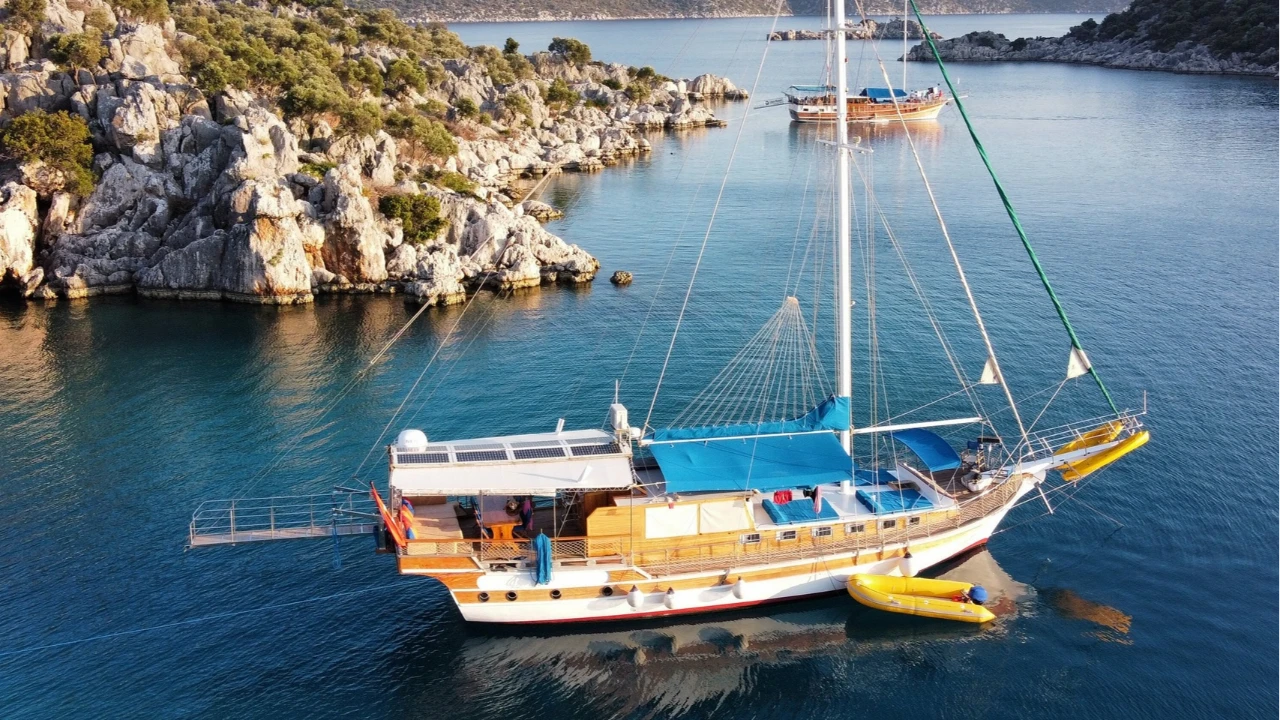
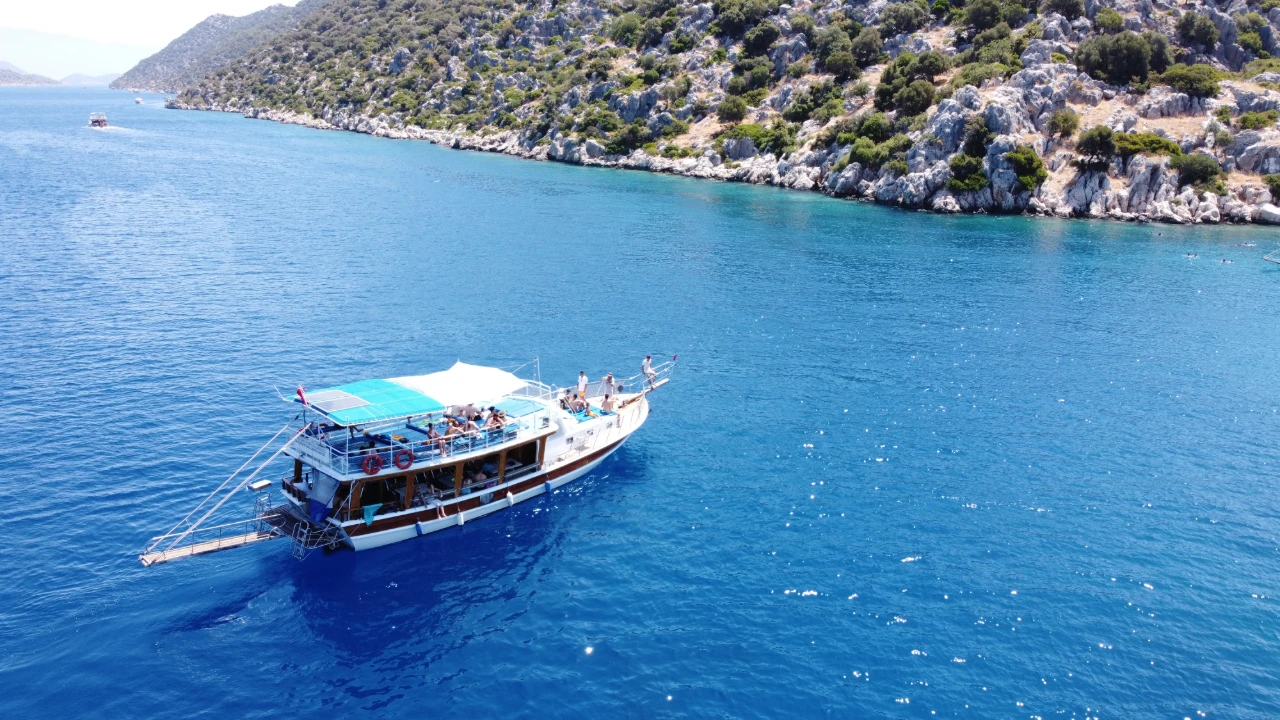
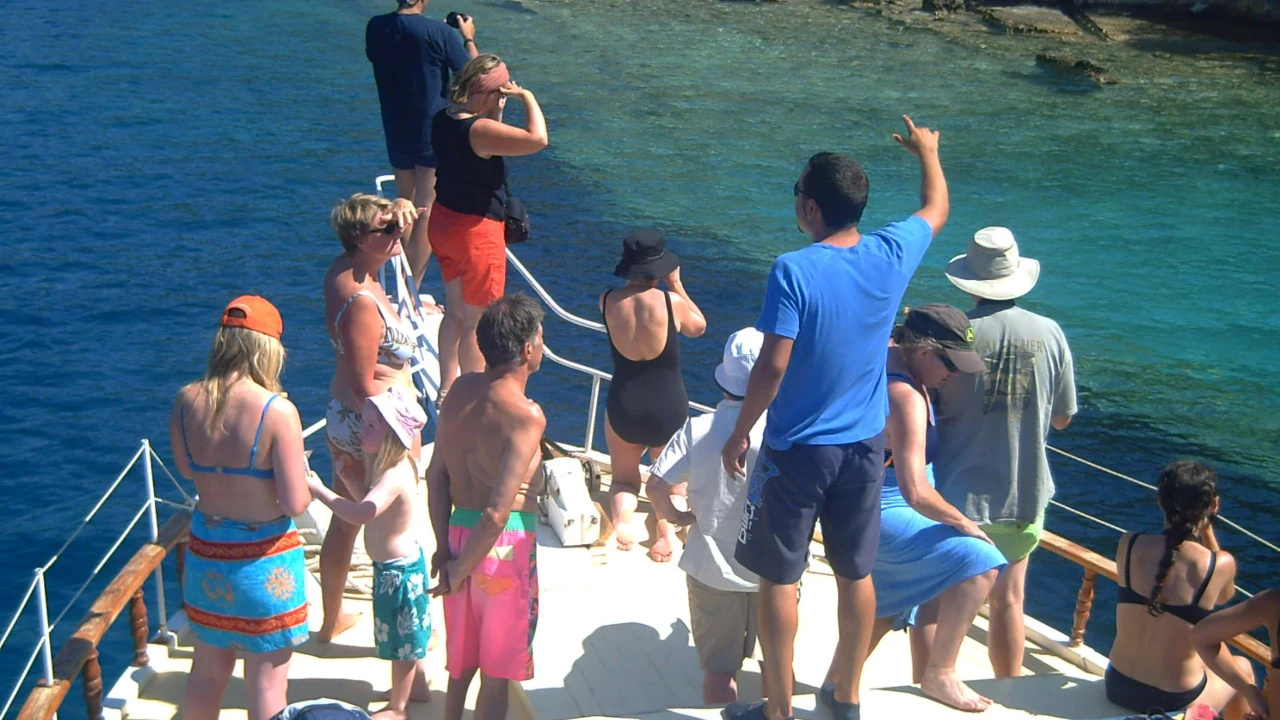
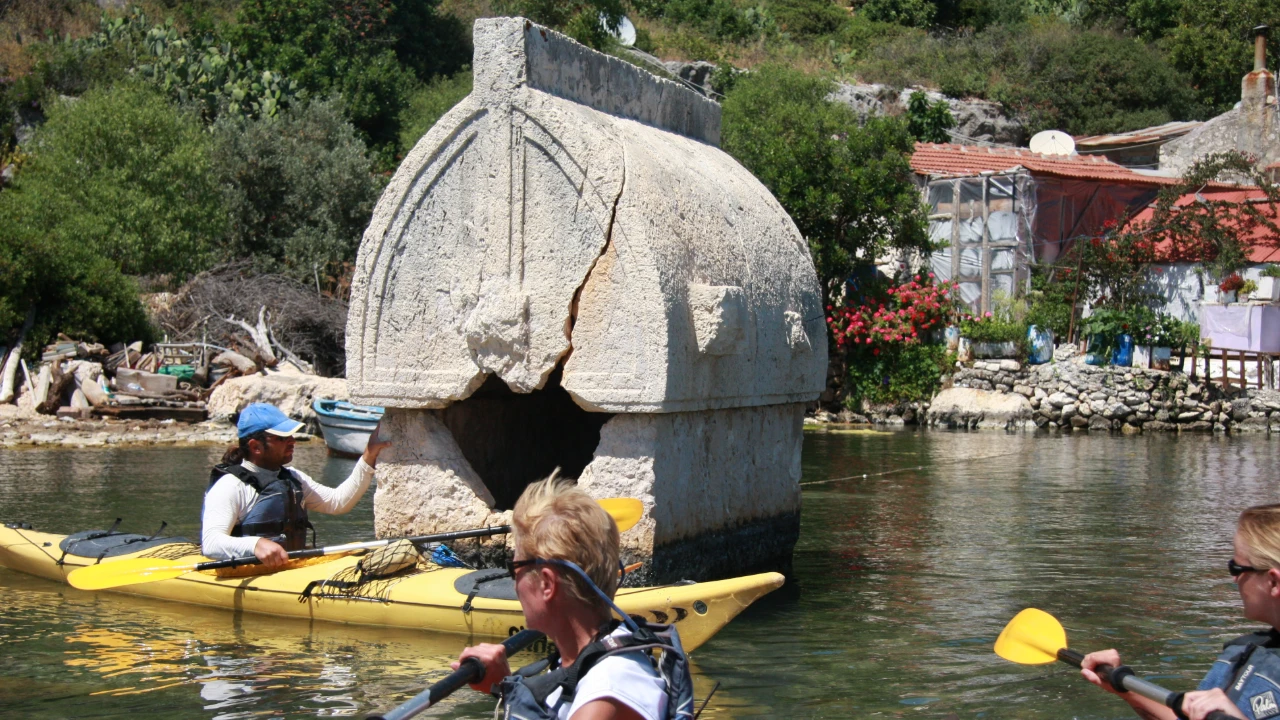
One of the most popular day programs in the region is a boat trip. Tours departing from Kaş generally follow the Kekova and sunken city route, while those from Kalkan head to nearby bays. Taking a boat trip in the afternoon after visiting the ancient cities can balance out the day's fatigue, offering a relaxing program after a walk. Key factors determining tour prices include boat type (shared, small group, or private charter), season, whether meals are included, and the length of the route.
Diving, Snorkeling, and Sea Activities
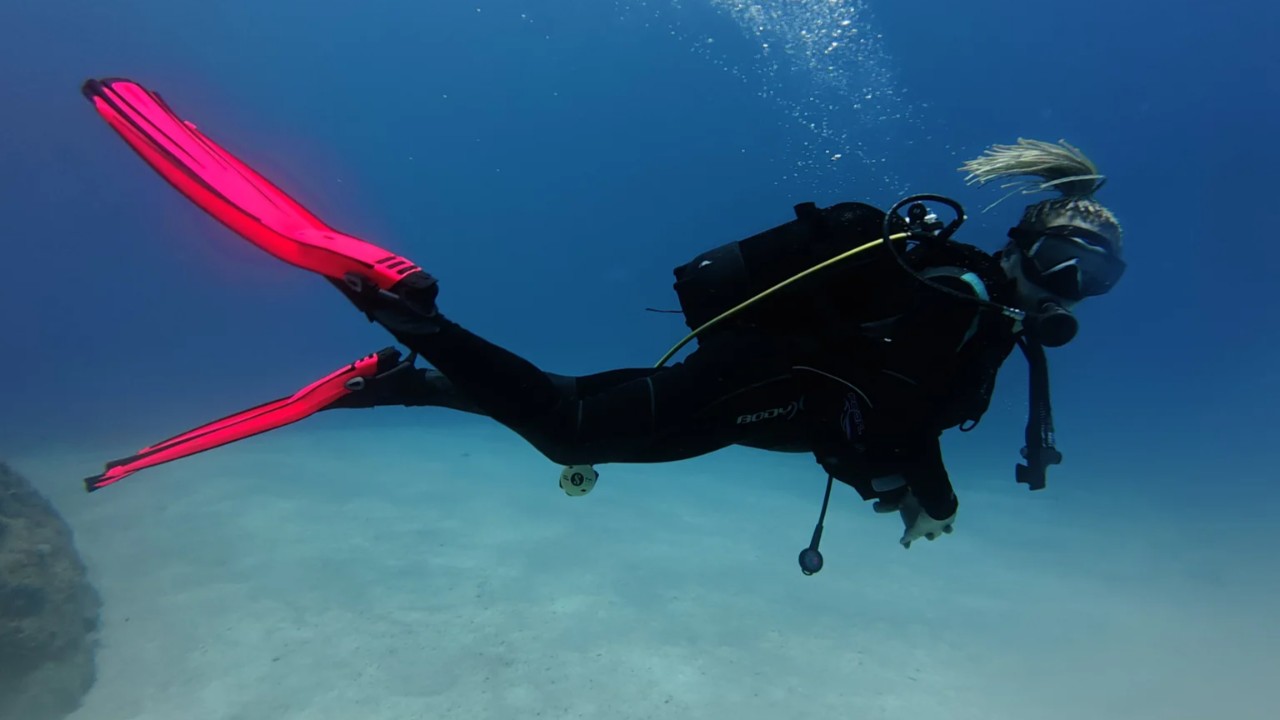
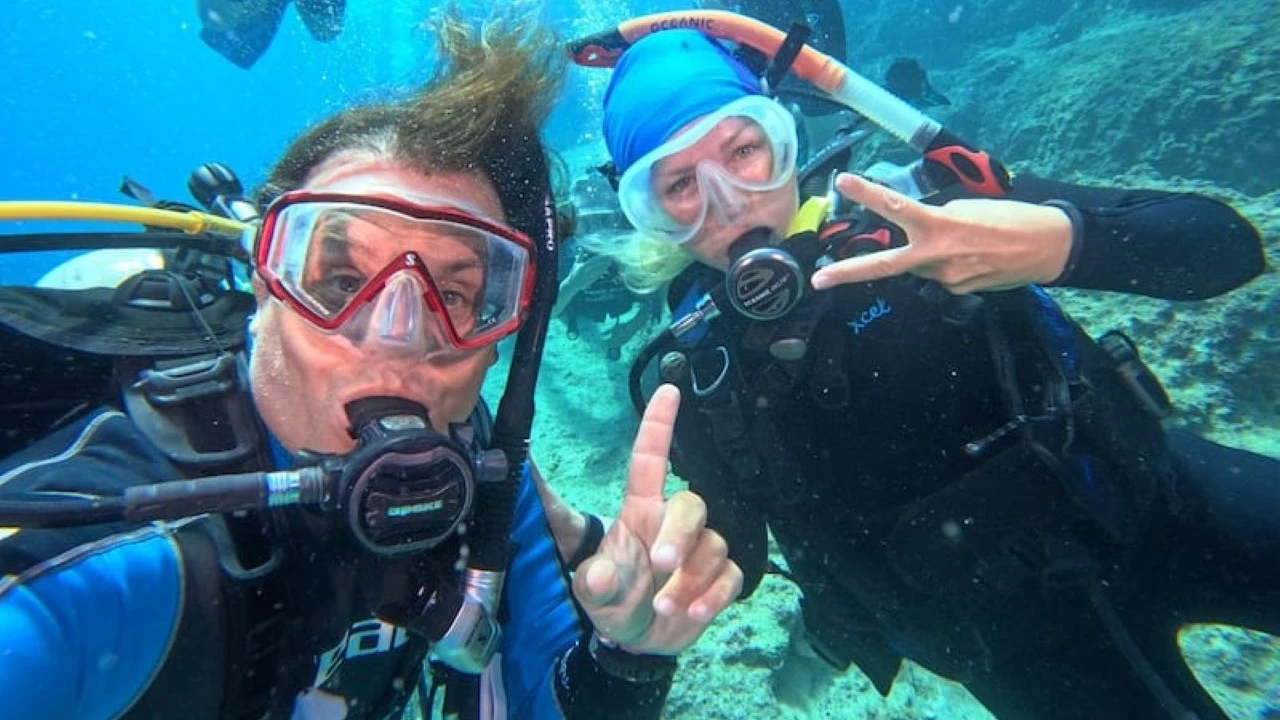
Kaş is a renowned diving center, known for its clear waters and wreck sites. Introductory dives are arranged for inexperienced visitors, while certified divers can explore wreck and wall routes. Snorkeling programs are more suitable for families with children. If you plan to combine diving with an ancient city visit on the same day, dedicate the morning to Xanthos and Letoon, and the afternoon to the sea; diving first can lead to fatigue that shortens your ruins exploration.
Canyon and Nature Hiking Options
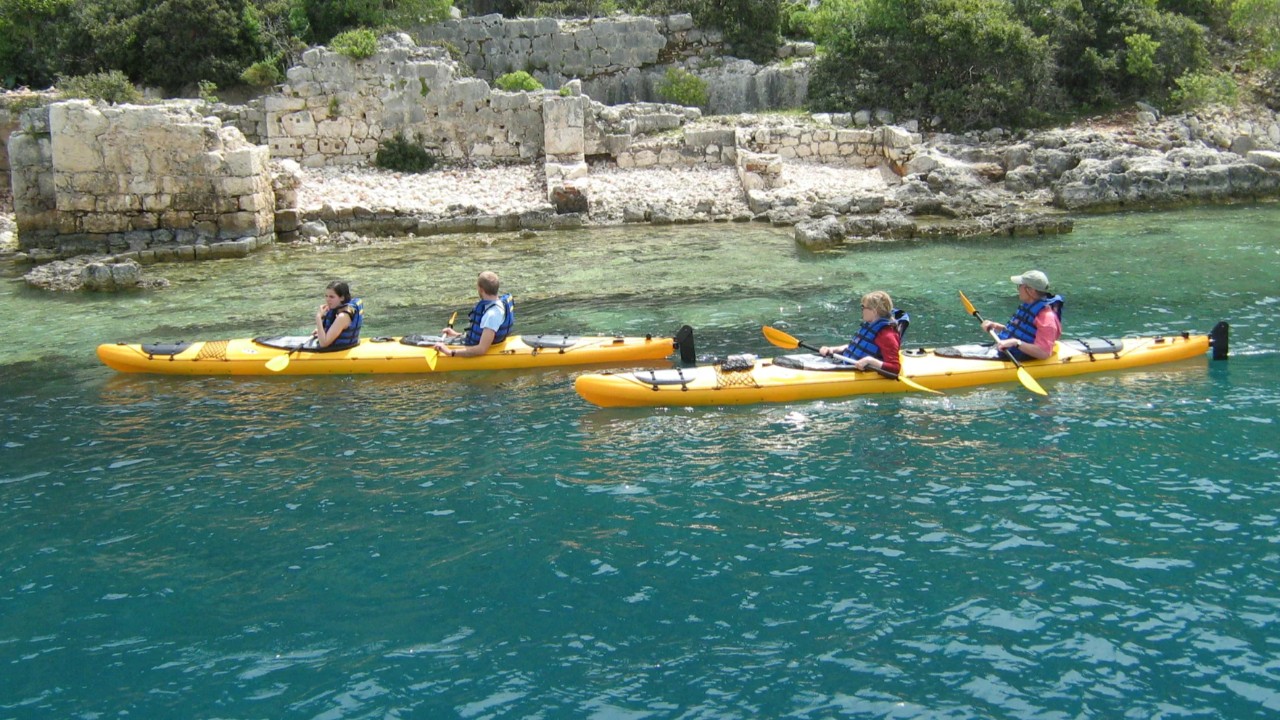
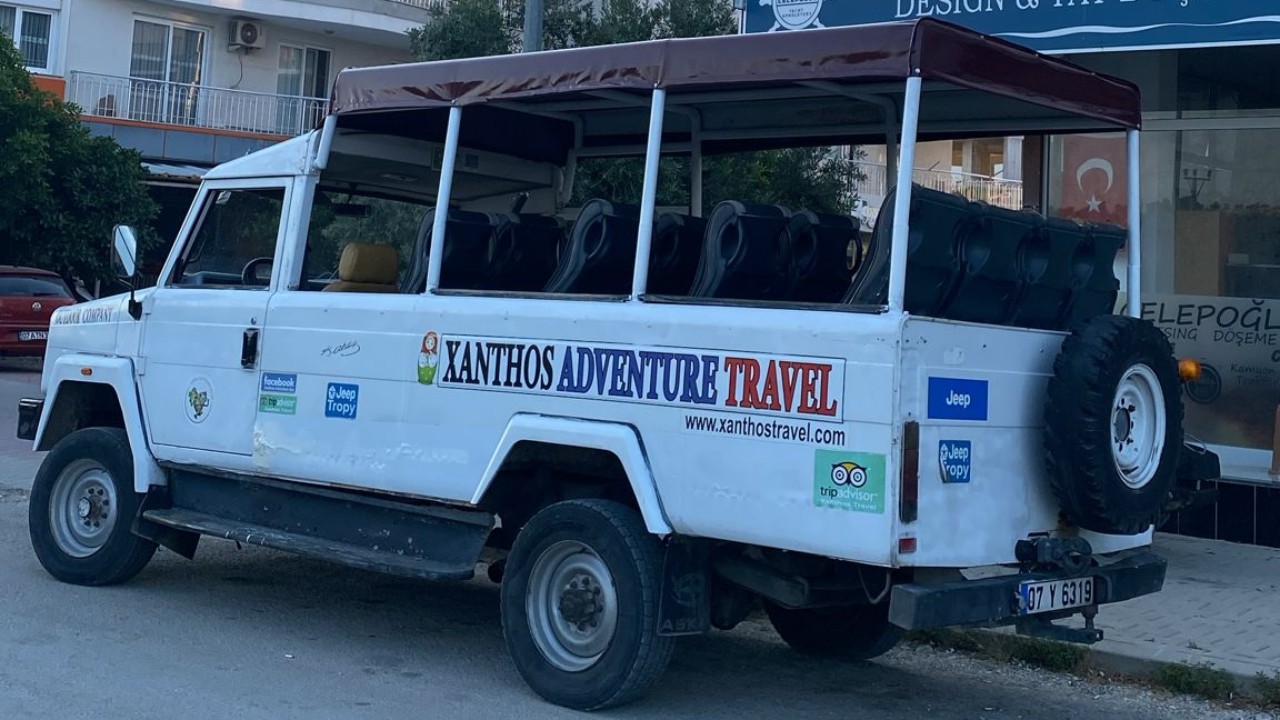
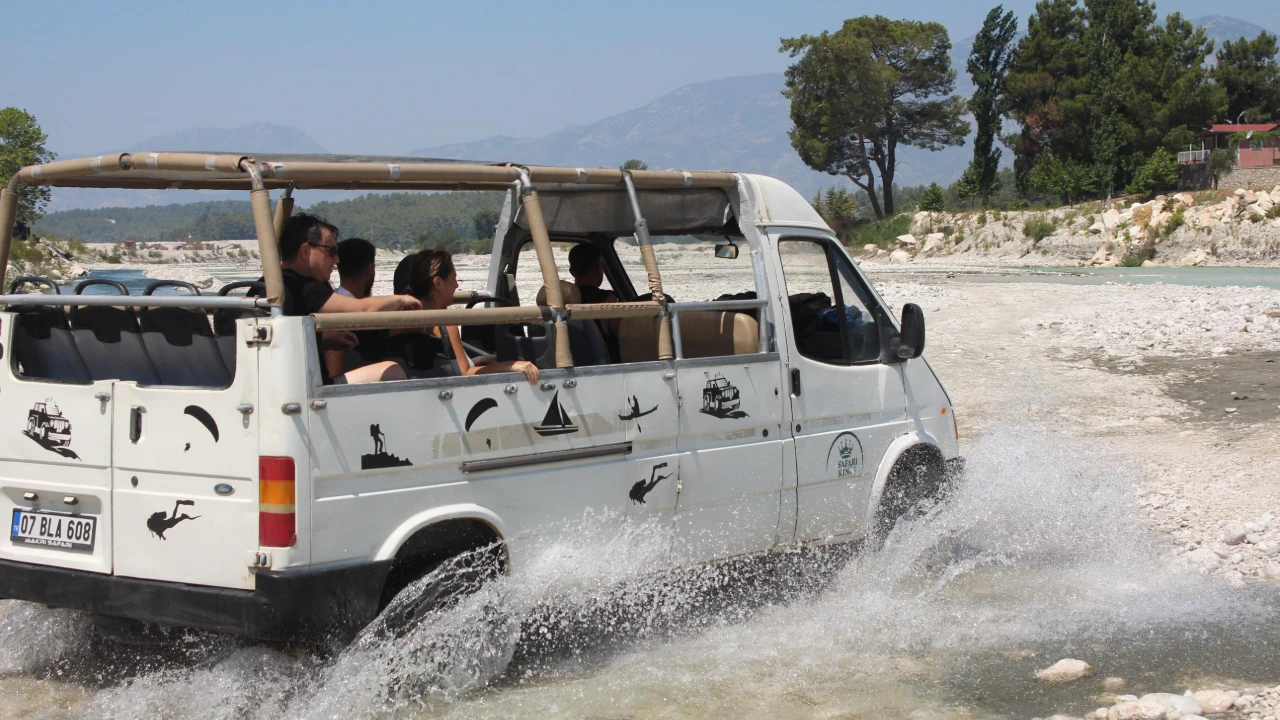
Beyond the ancient cities, the valley is also rich in hiking routes. Saklıkent Canyon offers a cold-water walking experience, while sections of the Lycian Way between Patara and Kalkan boast stunning sea views. For those interested in heading this way, the nature adventure tours category compiles regional programs. Those planning longer stages can refer to the stage information in our Lycian Way hiking route guide.
Practical Tips for the Eşen Valley: Dining, Accommodation, and More
Both sites are located within village-scale settlements, so don't expect on-site cafeterias. Cold drinks and small kiosks might be available at the entrances, but for lunch, you'll need to venture into nearby communities.
Where and What to Eat Nearby
Roadside restaurants around Kınık and Eşen offer a cuisine heavy on tandır (slow-cooked lamb), lamb dishes, and gözleme (Turkish flatbread); prices generally fall in the mid-range. Trout restaurants lining the Eşen River are a natural stop for those seeking shaded seating by the water. In the Kumluova area, greenhouse tomatoes, citrus, and olive oil-based herb dishes stand out; village breakfast establishments open early in the morning.
In Gelemiş village, at the entrance to Patara, guesthouses serve home-cooked meals and gözleme, making it a convenient lunch spot for those adding Patara to their itinerary. For dinner, there are two distinct characters: terraced fish restaurants in the old town's stone streets of Kalkan, and meze and fish-focused establishments around the marina and Uzun Çarşı in Kaş. Prices in these two centers are noticeably higher. For those heading towards Fethiye, the Fish Market operates on a "buy your fish from the stall, have it cooked at a nearby restaurant" system. For group organizations or food-focused programs, explore gastronomy tour options.
Where to Stay
- Gelemiş (Patara) village: Primarily guesthouses, quiet, approx. 15 km from both sites; budget-friendly with excellent breakfasts.
- Kalkan: High concentration of boutique hotels and villas, stone streets and marina, approx. 20 km; suitable for those seeking an evening program.
- Kaş center: Mix of guesthouses and boutique hotels, hub for boat and diving trips, approx. 45-50 km.
- Kumluova and Karadere beach: On the western edge of Patara beach, simple beachfront guesthouses, away from the crowds.
- Fethiye and Ölüdeniz: Wide range of hotels and flight connections, approx. 60-65 km; convenient for those wishing to visit both sites as a day trip.
Admission Fees, Opening Hours, and Duration
Xanthos and Letoon are ticketed sites managed by the Ministry of Culture and Tourism, and the Museum Pass is valid. Entry is free for Museum Pass holders. For visitors without a Museum Pass, the individual fee for each site is in the low to mid-range, generally less than larger sites like Patara; as tariffs are updated periodically, we recommend confirming the exact price at the ticket office or through the Ministry's official channels.
Opening hours are approximately 08:30-19:00 during the summer season and 08:30-17:30 during the winter season, with the last entry usually half an hour before closing. Hours may change by Ministry decision. When planning your budget, the most significant expenses will be: car rental and fuel, whether you opt for a guided tour or individual exploration, group size, and whether you dine at a village restaurant or by the marina.
What to Bring
- Closed-toe, non-slip shoes: The terrain at both sites is stony, and Xanthos involves hillside climbs.
- Hat, sunglasses, and high-factor sunscreen: Shade is very limited.
- At least 1.5 liters of water: On-site water supply may not be reliable.
- Museum Pass and ID: Required for discounted or free entry.
- Small change and cash: Card payments may not be accepted at village businesses.
- Raincoat or light shawl: Sudden downpours can occur in the valley during winter and spring.
- Small flashlight or phone light: Useful in vaulted passages and covered mosaic areas.
Summary: Two UNESCO Sites in One Day
Xanthos and Letoon are two complementary sites: one the administrative heart of Lycia, the other its sacred precinct for temples and ceremonies. The 4-kilometer distance between them makes them one of the few examples in Turkey where two UNESCO-listed sites can be explored in half a day. Xanthos features inscriptions, pillar tombs, and a theater, while Letoon highlights three temples, a sacred spring, and a Hellenistic theater.
When planning your visit, remember three key things: start early, wear closed-toe shoes, and confirm admission fees and opening hours at the ticket office. Completing the second half of your day towards Patara, Kalkan, or Kaş balances the ancient city exploration with a refreshing break by the sea or in nature. If you plan to stay longer in the valley, dividing canyon hikes and boat routes into separate days will ensure you don't rush your experience of these magnificent sites.
Frequently Asked Questions 9
What is the story of Xanthos?
Xanthos made history around 545 BC when its people resisted the attack of Persian commander Harpagos by burning their acropolis and fighting to the death. Following this event, recounted by Herodotus, a similar destruction occurred in 42 BC during Brutus's siege. The city was rebuilt after both destructions, and settlement continued through the Roman and Byzantine periods.
What is the legend of Letoon?
According to the legend, Leto, pregnant by Zeus, fled from Hera and sought refuge in the Eşen Valley. When she tried to drink from a spring, local shepherds drove her away, so Leto transformed the shepherds into frogs. Today, the nymphaeum at Letoon is filled with groundwater, and the sound of frogs can indeed be heard at the site.
What is Xanthos Letoon?
Xanthos Letoon is a two-part archaeological site jointly inscribed on the UNESCO World Heritage List in 1988. Xanthos was the administrative center of Lycia, while Letoon was its religious center. The distance between them is approximately 4 kilometers, and they are situated to be visited together in a single trip.
Which civilization does the ancient city of Xanthos belong to?
The city belongs to the Lycian civilization and is considered the capital of the Lycian region. On the site, the Lycian core was overlaid with Persian influence, Hellenistic arrangements, a Roman-era theater and agora, and a Byzantine-era basilica.
When was the ancient city of Letoon built?
The use of the area as a sacred precinct dates back at least to the 7th-6th centuries BC. The ruins of the three temples visible today largely date to the Hellenistic Period, approximately the 3rd-2nd centuries BC. The theater is also a Hellenistic-era structure, while the church ruins belong to the Byzantine period.
What was Xanthos the capital of?
Xanthos was the capital of the ancient Lycian region and one of the cities with the highest voting rights within the Lycian League. Decisions of the League were made in this city, while the ceremonial and sacred aspects were completed at Letoon, approximately 4 kilometers away.
Can Xanthos and Letoon be visited on the same day?
Yes. The road distance between the two sites is approximately 5-6 kilometers, taking around 10 minutes to drive. If you allocate 1-1.5 hours for Xanthos and 45-60 minutes for Letoon, both sites can be completed in half a day, and the remaining half-day can be combined with Patara, Kalkan, or Kaputaş.
Is there an admission fee for Xanthos and Letoon, and what are the opening hours?
Both sites are ticketed, and the Museum Pass is valid; Museum Pass holders enter for free. For visitors without a Museum Pass, the fee is in the low to mid-range and is updated periodically, so it's advisable to confirm at the ticket office. Opening hours are approximately 08:30-19:00 during the summer season and 08:30-17:30 during the winter season.
How is Xanthos Letoon pronounced?
Xanthos is pronounced 'ZAN-thos'; some sources also use 'Ksanthos.' Letoon is pronounced as it's written, 'Leh-TOON,' and takes its name from the goddess Leto. Both names are used together in the UNESCO registration as 'Xanthos-Letoon.'