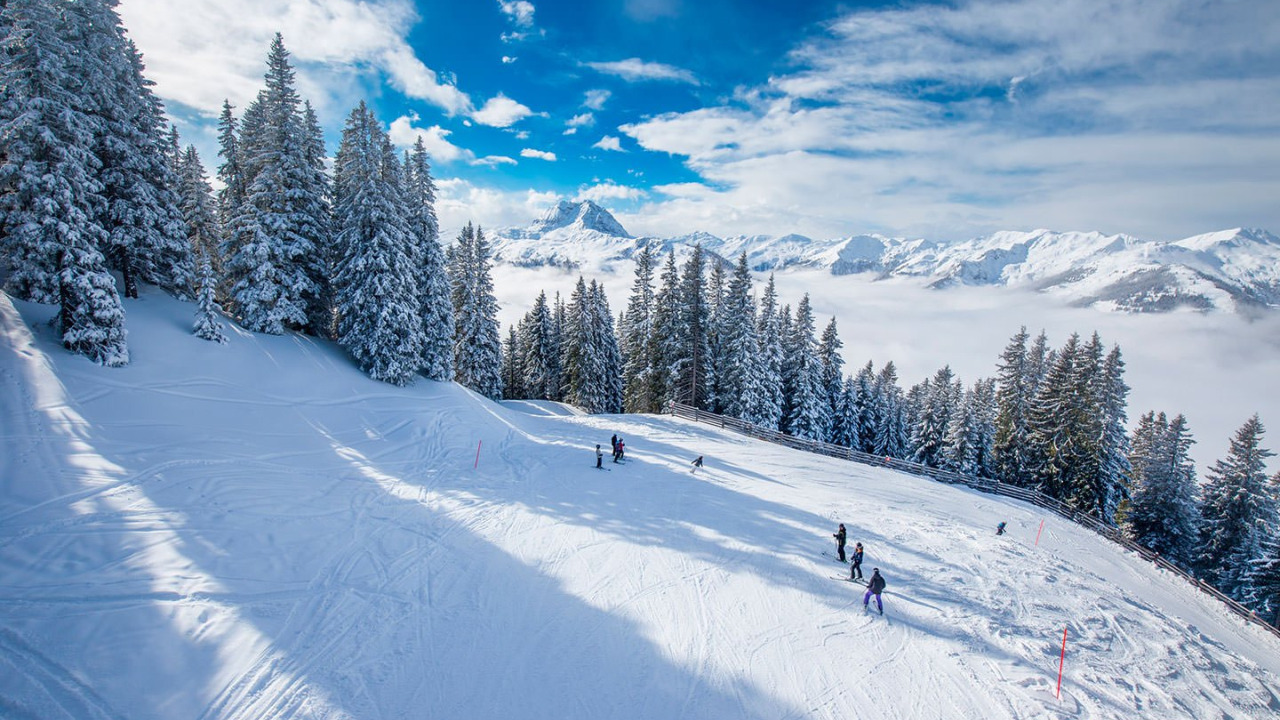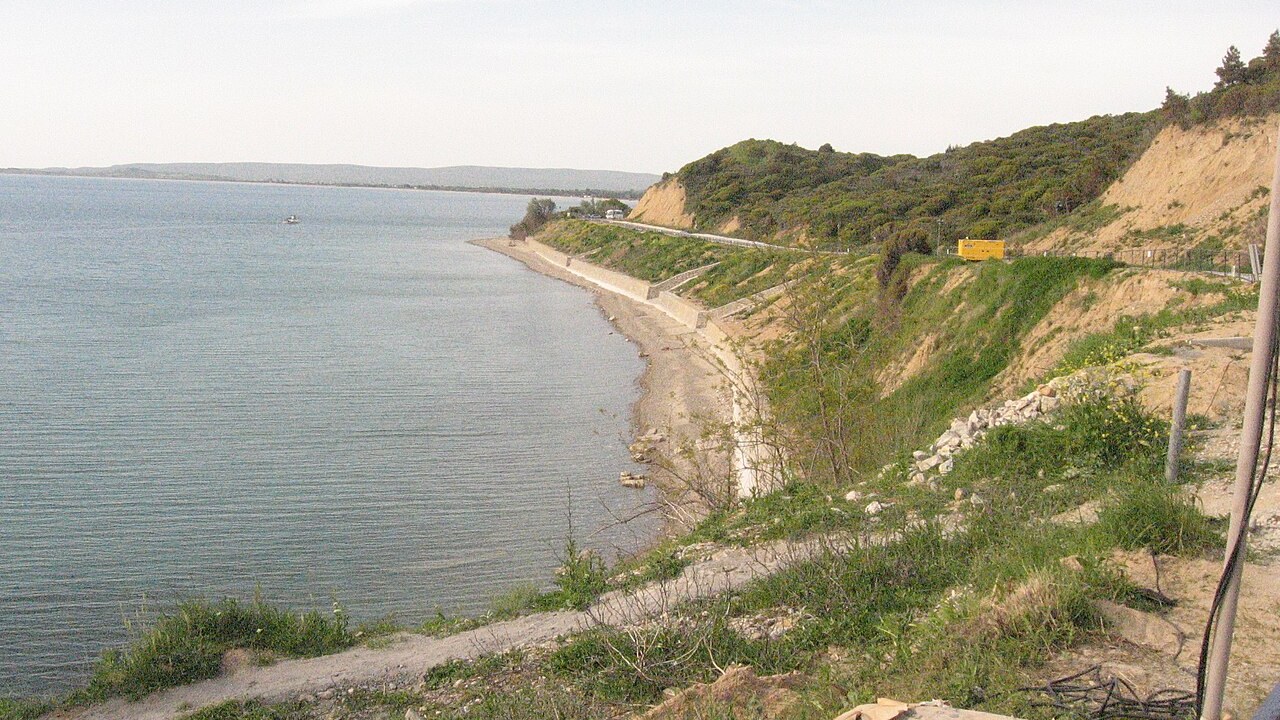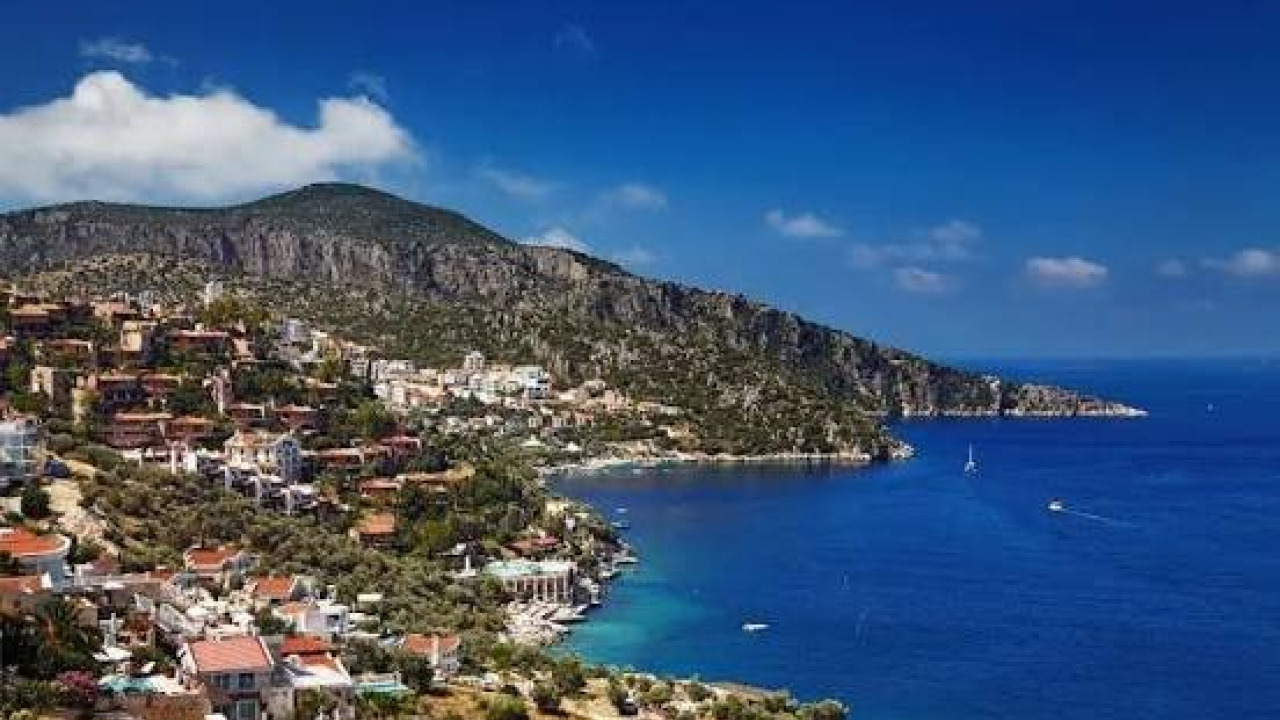

To truly understand Turkey from a local's perspective, you have to stop looking at the map as a "bucket list" and start seeing it as a set of choices. For those of us who live here, the question isn't simply "what should I see?" but rather "given the current season, my budget, and my travel companions, which region is the right fit, and how many days should I dedicate to it?" With 81 provinces spread across seven distinct geographical regions, it is entirely possible to find yourself swimming in the turquoise Mediterranean while snow falls on a central plateau in the very same week.
That is why generic "top 10" lists often make planning harder, they encourage you to rush through everything rather than experiencing something deeply.
This guide transforms common search queries into actionable decisions. We break down which regions suit different traveler profiles, the ideal seasons for each, and realistic timeframes. Our goal isn't to give you a rigid ranking, but to help you decide exactly where to stay based on your calendar and group size.
Local’s Quick Summary: The ideal duration for a Turkey trip varies by region. Seven days are usually sufficient for the Aegean and Mediterranean coasts, while 3-4 days are perfect for Istanbul and Cappadocia. For beach holidays, aim for June to September; for cultural exploration, April-May and September-October are the golden windows.
Quick Facts
| Category | Summary |
|---|---|
| Geographical Regions | Seven: Marmara, Aegean, Mediterranean, Central Anatolia, Black Sea, Eastern Anatolia, Southeastern Anatolia |
| Number of Provinces | 81 |
| UNESCO World Heritage Sites | 22 sites; 20 cultural, 2 mixed |
| The "Classic" First-Timer Route | Istanbul + Cappadocia, optionally adding Pamukkale or the Ephesus Archaeological Site |
| Summer Focus | Aegean and Mediterranean coasts, Black Sea highlands (plateaus) |
| Winter Focus | Marmara and Central Anatolia city culture, snow routes |
| Local Pro Tip | Focus on one region; base your stay in two main hubs |
| Peak Season | July and August (coastal regions) |
| Quiet Season | March, April, October, November |
The division into seven regions isn't arbitrary; the country's transport networks, hotel availability, and seasonal calendars all follow this logic. When a local plans a route, they first pick the region, then select two primary hubs within that region to minimize unnecessary travel.
What Kind of Traveler Are You?
Turkey transforms depending on who is visiting. The first thing a local guide does is analyze the visitor's profile to narrow down the itinerary.
For first-time visitors, the journey almost always begins with the Istanbul and Cappadocia duo. This isn't a coincidence. Both were added to the UNESCO list in 1985 and are connected by frequent flights. A five-night program can comfortably cover both hubs.
For returning visitors, the focus shifts. We typically steer them toward the ancient city trail of the Aegean and Mediterranean or the archaeological treasures of the Southeast. Sites like Göbekli Tepe (listed 2018) and Ephesus (listed 2015), alongside Mount Nemrut (1987) and Hierapolis-Pamukkale (1988), offer deep historical immersion. These dates aren't just milestones; they indicate how well-developed the tourism infrastructure is in those specific areas.
For long-term travelers or those on their third visit, the goal is "regional depth." Exploring the highlands of the Black Sea, the lakes and palaces of Eastern Anatolia, or the peninsulas of the Aegean provides a far more rewarding experience than trying to "sprint" across the entire country.
Matching Your Profile to the Right Region
The following table intersects traveler profiles with the best seasons. The "Local's Tip" column provides the most common adjustment we make to a planned itinerary.
| Profile | Summer Recommendation | Winter & Shoulder Season | Local's Tip |
|---|---|---|---|
| Families | Mediterranean coast, Antalya and surroundings | Marmara city circuit, Central Anatolia | Minimize hotel hops; stay in one hub and take day trips |
| Couples | Aegean peninsulas, Bodrum area | Cappadocia, Mardin | Pair one quaint village with one major city center |
| Budget Travelers | Northern Aegean and Black Sea coast | Central Anatolia | Avoid July and August; utilize the extensive bus and train networks |
| Nature & Adventure | Black Sea highlands, Eastern Anatolia | Snow routes, canyon trekking | Pack layers; night temperatures at high altitudes drop sharply |
| Culture & History | Aegean ancient city trail | Marmara and Southeastern Anatolia | Spread out museum visits; two major sites per day is plenty |
| First-Timers | Istanbul and Cappadocia | Istanbul and Cappadocia | Only add a third stop if you have more than six nights |
| Groups & Friends | Mediterranean coast, boat routes | City culture and gastronomy | Lock in accommodation early to manage a shared budget |
There is a simple observation behind this pattern: dissatisfaction usually doesn't come from picking the "wrong" region, but from squeezing too many regions into one trip. Removing any stay shorter than two nights instantly makes a program feel more relaxing and authentic.
When to Visit: Month-by-Month Decision Matrix
In Turkey, the answer to "when to go" depends entirely on the region. While the Mediterranean coast can be exhaustingly hot in July, the Black Sea highlands are in their prime.
| Month | Best Regions to Visit | Practical Adjustment |
|---|---|---|
| January | Central Anatolia, Eastern Anatolia, Marmara | Combine snow routes with city museums; skip the coast |
| February | Marmara, Central Anatolia | Focus on indoor activities and galleries in Istanbul |
| March | Southeastern Anatolia, Inland Aegean | One of the most balanced months for Göbekli Tepe and Mardin |
| April | Aegean, Mediterranean, Marmara | Perfect for walking through ancient cities; too early for swimming |
| May | Aegean coast, Mediterranean, Pamukkale | The sea season begins, but the crowds haven't arrived yet |
| June | Mediterranean, Aegean, Black Sea highlands | You can combine coastal visits with highland escapes |
| July | Black Sea, Eastern Anatolia, High Altitudes | Coastal heat and crowds peak; move your route upward |
| August | Black Sea, Eastern Anatolia | If you must visit the coast, book your stay very early |
| September | Aegean, Mediterranean | Warm waters, thinner crowds; the most balanced month for the coast |
| October | Cappadocia, Southeastern Anatolia, Aegean | Balanced weather and soft light, ideal for balloons and hiking |
| November | Marmara, Central Anatolia, Inland Aegean | Quiet for cultural routes; accommodation prices drop |
| December | Marmara, Central Anatolia | Combine city culture with winter landscapes in one week |
The demand for winter travel is significant, and the country caters to it well: the cultural hubs of Marmara and Central Anatolia remain open year-round. However, for a sea-focused holiday, venturing outside the May-to-October window usually leads to disappointment.
Regional Breakdown: Highlights and Fit
Once you've picked a region, half the work is done. This table compares the seven regions based on key stops, target audience, and the best time to visit.
| Region | Key Highlights | Best For | Balanced Period |
|---|---|---|---|
| Marmara | Istanbul, Hagia Sophia, Topkapi Palace Museum, Dolmabahçe Palace, Galata Tower, Basilica Cistern, Blue Mosque, Süleymaniye Mosque, Selimiye Mosque | City culture, architecture, gastronomy | April-June, Sept-Nov |
| Aegean | Ephesus Archaeological Site, Pamukkale, Bodrum, Bodrum Castle and Underwater Archaeology Museum | Those wanting history and sea combined | May-October |
| Mediterranean | Antalya, Saklıkent National Park | Families, beaches, canyon trekking | April-November |
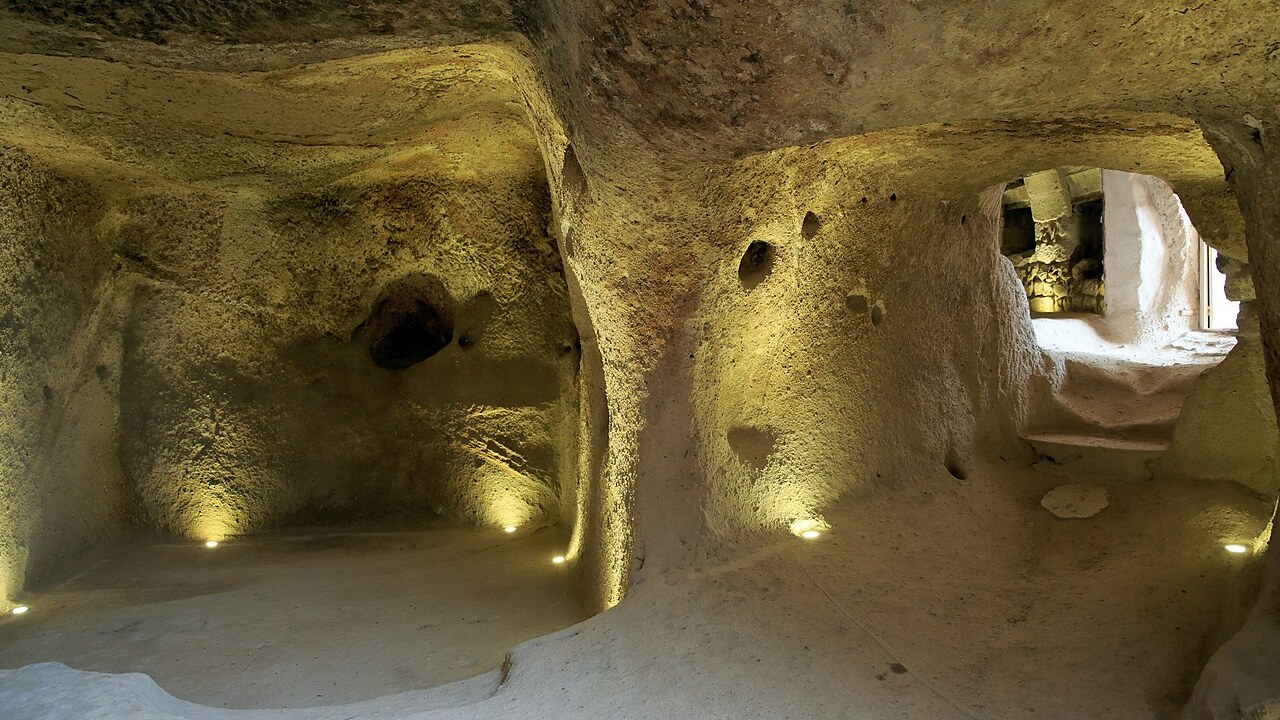
| Central Anatolia | Cappadocia, Göreme National Park, Anıtkabir | Landscapes, hot air balloons, underground cities | March-June, Sept-Nov |
| Black Sea | Highland routes, coastal cities, forested national parks | Cool weather, lush greenery, slow travel | June-September |
| Eastern Anatolia | Ishak Pasha Palace, lake basins, high plateaus | Road trippers, photographers | June-September |
| Southeastern Anatolia | Göbeklitepe, Balıklıgöl, Mardin, Mount Nemrut | Archaeology, stone architecture, cuisine | March-May, Oct-Nov |
A practical rule for moving between regions is distance: if a road trip exceeds six hours, it is better to take a domestic flight or save that region for your next trip. For those looking to compare curated tour options, you can find region-based programs on the Turkey Tours page.
Local-Recommended Route Themes
After choosing a region, the "theme" defines the experience. These four themes can create entirely different programs even within the same region.
Culture and History Route
Of the 22 World Heritage sites in Turkey, 20 are cultural, spread across all seven regions. The historic peninsula of Istanbul and the Selimiye Mosque in Edirne (Marmara), Ephesus (Aegean), Cappadocia (Central Anatolia), and Göbekli Tepe and Mount Nemrut (Southeast) form the backbone of this route. To avoid burnout, we recommend visiting no more than two major sites per day.
For those who prefer guided experiences, the cultural programs available nationwide generally follow this historical spine.
Nature and Adventure Route
Nature decisions are driven by the season. In summer, the Black Sea highlands and Eastern Anatolia plateaus are the stars. In spring and autumn, the canyons and waterfalls of the Mediterranean, such as Saklıkent National Park, offer ideal hiking conditions. If you are planning a camping trip, align your region with the rainfall calendar; we have summarized the best spots in our camping routes collection.
Sea and Coast Route
Locals make a clear distinction here: the Aegean coast is more rugged, focused on hidden bays and wind; the Mediterranean coast features longer sandy beaches, higher temperatures, and a higher density of all-inclusive resorts. The area around Bodrum and the southern Aegean peninsulas are perfect for bay-hopping, while Antalya is better for long-stay vacations. For those wanting to explore the coast from the water, our day boat trip summary explains which programs work best on which coast.
Gastronomy Route
Cuisine in Turkey changes completely as you cross regional borders, meaning a food tour is essentially a regional tour. The fish and corn-based diet of the Black Sea, the copper-pot delicacies of the Southeast, and the olive oil and herb culture of the Aegean create three distinct experiences in one country. We have detailed where to find specific flavors in our regional cuisine guide.






Logistics: Getting Around the Country
The quality of a trip to Turkey is often determined not by the stops themselves, but by how you transition between them. Here is the local logic for building a route:
-
Choose your entry point based on your priority. Istanbul and Antalya have the widest connectivity. If your trip is Aegean-heavy, consider flying into Izmir; for the Southeast, look at Şanlıurfa or Gaziantep.
-
Use domestic flights for long distances. Because the country is vast, flying between Istanbul and Cappadocia or Istanbul and the Southeast saves you an entire day of travel compared to the road.
-
Arrange your airport-to-hotel link in advance. Public transport becomes sparse near midnight; in such cases, booking airport transfer options is the most practical way to secure your arrival.
-
Rent a car for regional exploration. In scattered areas like Cappadocia, the Aegean peninsulas, and the Mediterranean coast, a car opens up the route. In Istanbul, however, a car is usually a liability and a waste of time.
-
Use intercity buses and trains for budget flexibility. The bus network is comprehensive nationwide, and a high-speed train line connects Central Anatolia with Marmara.
-
Schedule regional transitions for the morning. Moving in the afternoon usually results in the entire day being lost to travel.
Keep these three points in mind:
- In coastal regions during July and August, local traffic becomes heavy; start your day trips early to save time.
- In the highlands of Eastern Anatolia and the Black Sea, night temperatures drop significantly; always carry a light layer, even in summer.
- The first and last hours of the day are generally the most comfortable times to visit major museums and archaeological sites.






How Many Days Should You Allocate?
Planning becomes much easier once you let go of the idea of "seeing everything." Here is the practical scale we use:
- 3 to 4 nights: One hub. Istanbul or Cappadocia alone can fill this timeframe.
- 5 to 7 nights: Two hubs. The classic pairing is Istanbul + Cappadocia, or alternatively, the Izmir area + Pamukkale.
- 8 to 10 nights: One region in depth + one major hub. For example, the Southeastern trail + Istanbul.
- 11 nights and above: Two full regions, connected by a domestic flight. Attempting three regions in less time usually results in exhaustion.
Regarding budget, the season and accommodation type matter more than the number of days. The same route in mid-August versus late September can have vastly different costs. Shifting your trip by a week or two outside of peak season is a more effective saving strategy than shortening your stay. Switching to public transport for regional travel also significantly lowers the total cost.
Route Pairing: Combining Two Destinations
The secret to a more fulfilling trip without adding more days is not adding more stops, but choosing two that complement each other. The contrast in the regional table acts as a lever here: North and South Aegean, or the Mediterranean coast and Cappadocia, offer destinations that are geographically reachable but culturally worlds apart.
We use two criteria for pairing. First, distance: if the transit exceeds six hours by road, the second stop must be connected by a flight or removed. Second, character: if both stops are "city culture" or both are "coastal," the second feels like a repeat of the first, lowering the perceived value of the trip.
This logic also applies to routes that extend beyond Turkey. Adding a neighboring country without increasing the number of days often splits the main program too thin. It is far more efficient to leave the second country for a separate trip.
Frequently Asked Questions 5
How many hubs should I choose for my first visit to Turkey?
Staying in two hubs provides the most balanced experience. The combination of Istanbul and Cappadocia allows you to experience both urban culture and a landscape-focused region, with frequent domestic flights connecting the two.
For a beach holiday, should I choose the Aegean or the Mediterranean?
It depends on your expectations. If you are looking for quiet bays and boat tours, the Aegean peninsulas are ideal. If you prefer long sandy beaches and large all-inclusive resorts, the Mediterranean coast is a better fit. September is the most balanced month for both.
How many days does it take to travel across Turkey from end to end?
Trying to fit the entire country into one trip is unrealistic. Even if you spent only two nights in each of the seven regions, you would need at least three weeks. It is far more rewarding to focus on one or two regions per visit.
How should I plan transportation between regions?
For intercity trips exceeding six hours by road, choose domestic flights to save a full day. Booking flights for the morning ensures you can use your arrival day productively.
Which region of Turkey is best for winter travel?
Marmara and Central Anatolia are the highlights in winter. Istanbul's museums and architectural sites can be visited year-round. Cappadocia offers a unique, magical atmosphere with its fairy chimneys covered in snow.