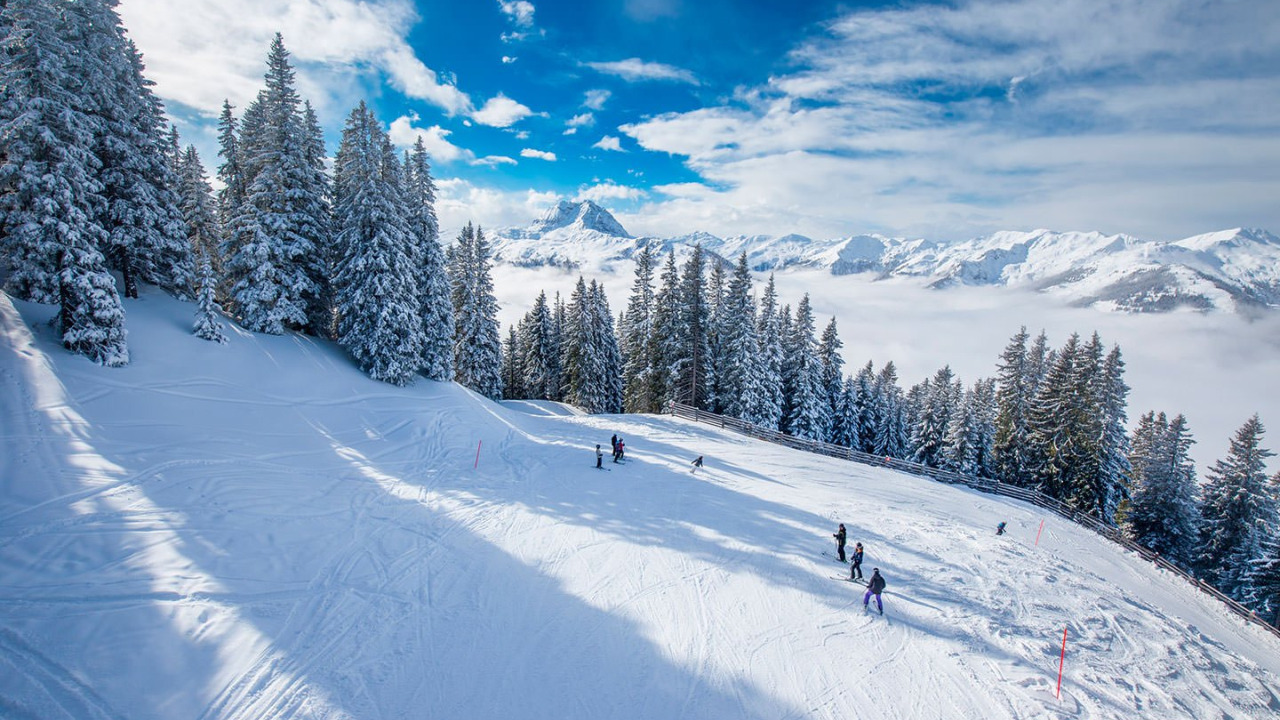

There is nothing quite like the adrenaline rush of gliding down a majestic, snow-capped peak, feeling the crisp winter wind against your face. Carving through pine-fringed slopes, propelled by gravity, offers a unique sense of vitality that makes a winter getaway truly unforgettable. If you are planning a winter escape to Turkey's world-class mountain resorts, you can explore our latest ski tours and winter holiday packages to find the perfect itinerary.
For first-timers, the mountains can feel overwhelming. Common concerns usually revolve around choosing the right slope for their skill level, understanding how skipass tickets work, and knowing the safety protocols in case of an accident. Venturing onto a steep slope too early can lead to unnecessary injuries.
To ensure guest safety, the Turkish Ski Federation and the International Ski Federation (FIS) use a standardized color-coding system for all runs. Combining the right gear with a respect for these slope rules is the secret to a relaxing and exhilarating holiday on the white peaks.
Quick Facts: Ski Resorts and Slope Standards
| Feature | Visitor & Skier Summary |
|---|---|
| Regulations | Turkish Ski Federation Safety Standards & FIS 10 Rules |
| Slope Color Codes | Green (Beginner), Blue (Easy), Red (Intermediate), Black (Expert) |
| Skipass System | RFID electronic cards for contactless access to lifts and gondolas |
| Mandatory Gear | TSE EN 1077 certified helmet and UV-filter goggles |
| Emergency Response | Gendarmerie Search and Rescue (JAK) and Mountain Patrol snow ambulances |
| Ideal Snow Quality | Crystal powder snow found in the peaks of Erzurum and Kayseri |
| Season Window | Continuous skiing from mid-December to early April |
Turkey's Premier Winter Peaks and Regional Trails
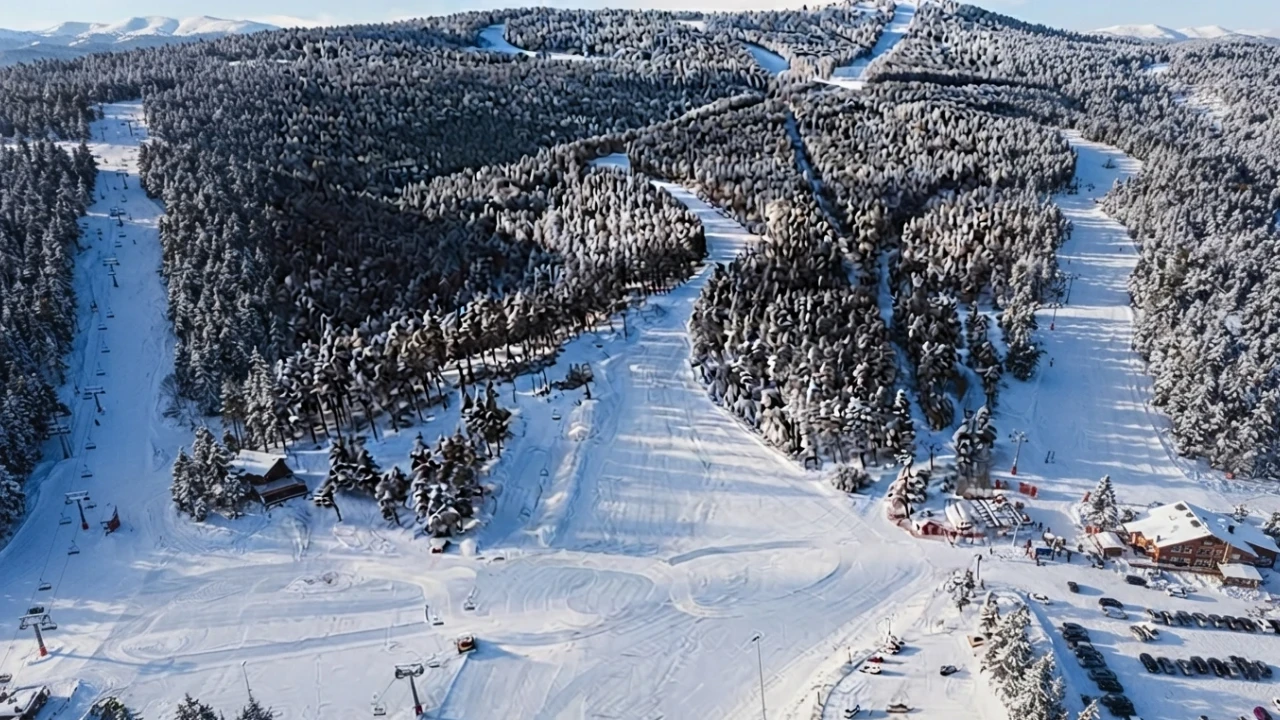
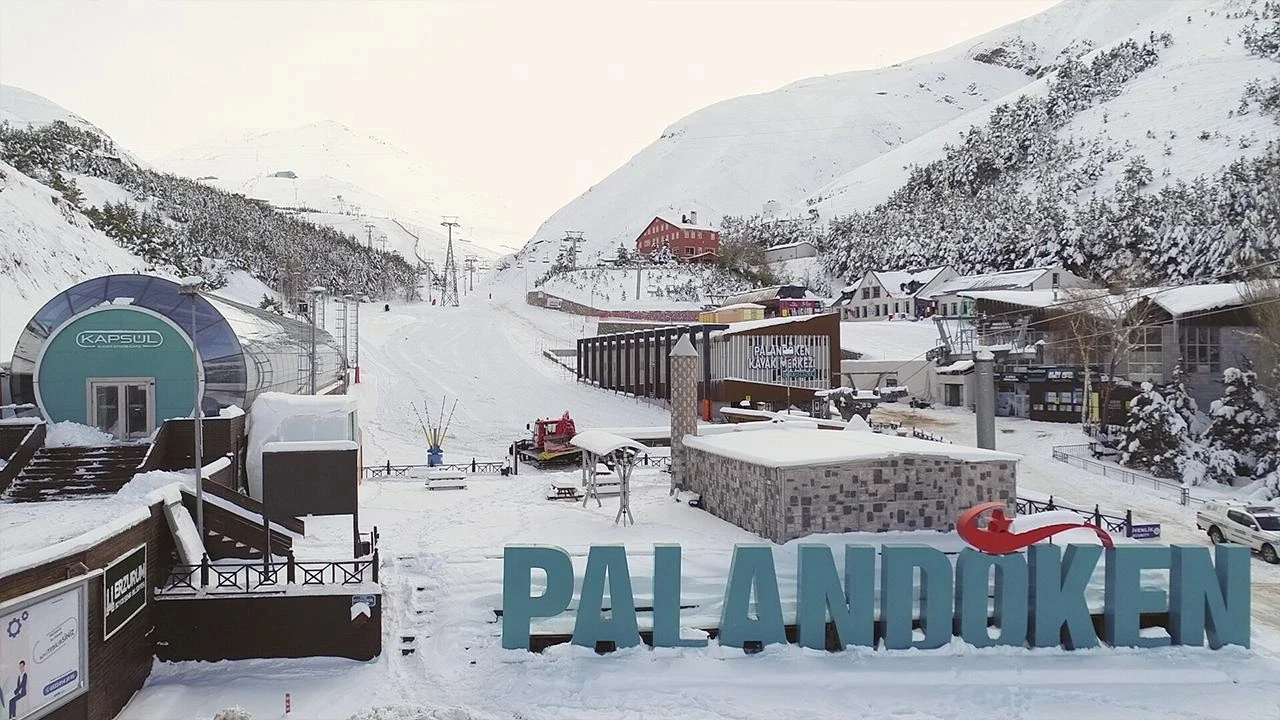
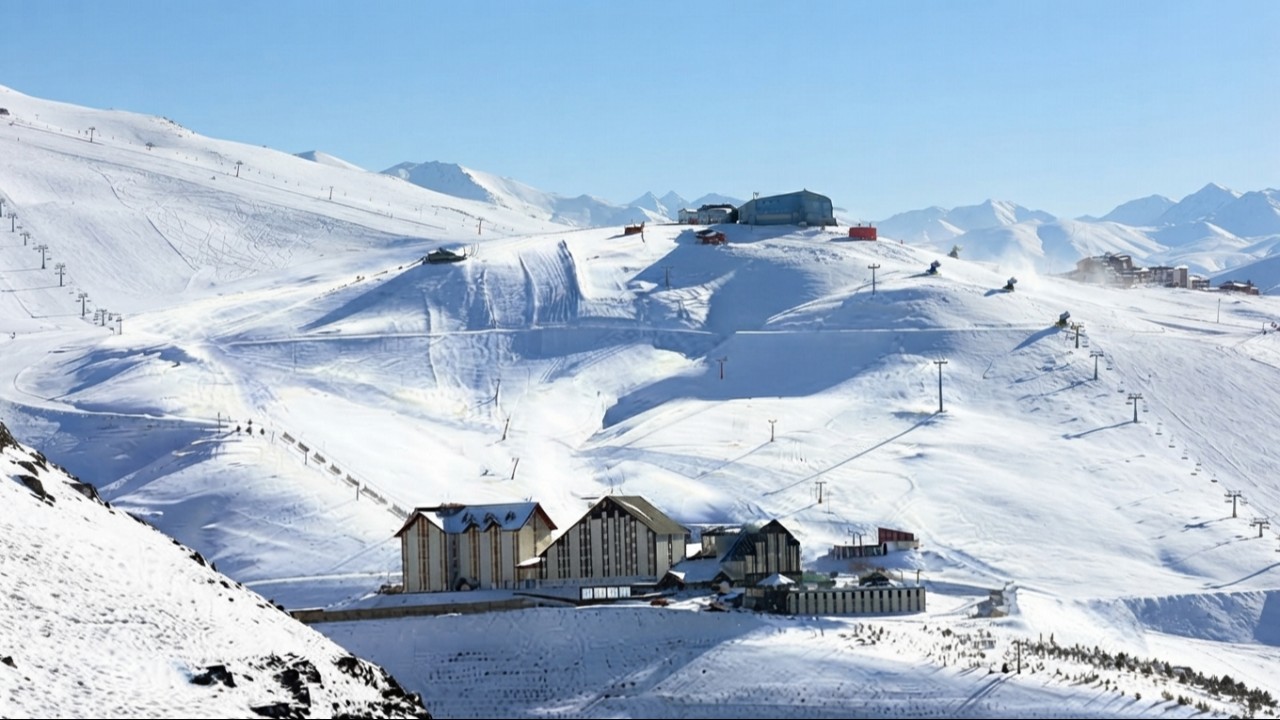
Turkey boasts world-class winter tourism infrastructure, featuring high-altitude mountains and state-of-the-art artificial snow systems. Palandöken Dağı ski resort programs, home to some of the longest and steepest runs, are a favorite for international skiers due to the resort's proximity to the airport (just 15 minutes away). The dry cold of Palandöken keeps the snow crystallized, preventing it from becoming slushy and ensuring a smooth glide all day.
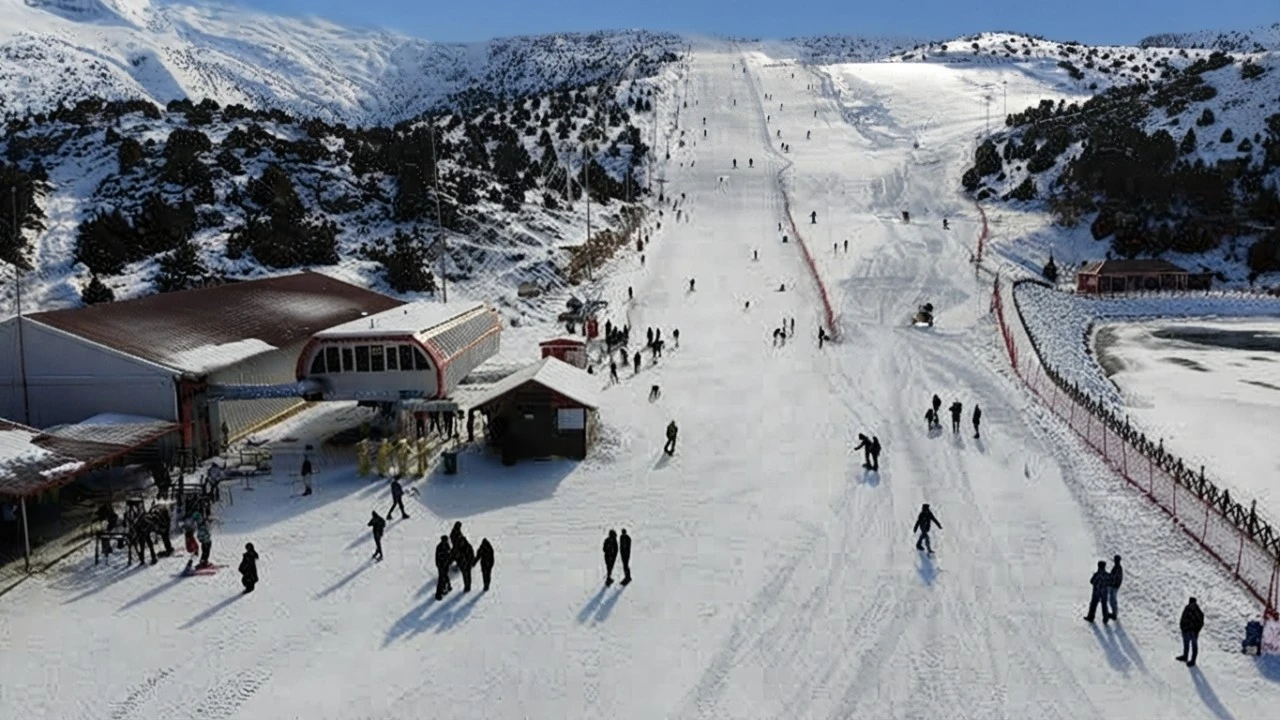
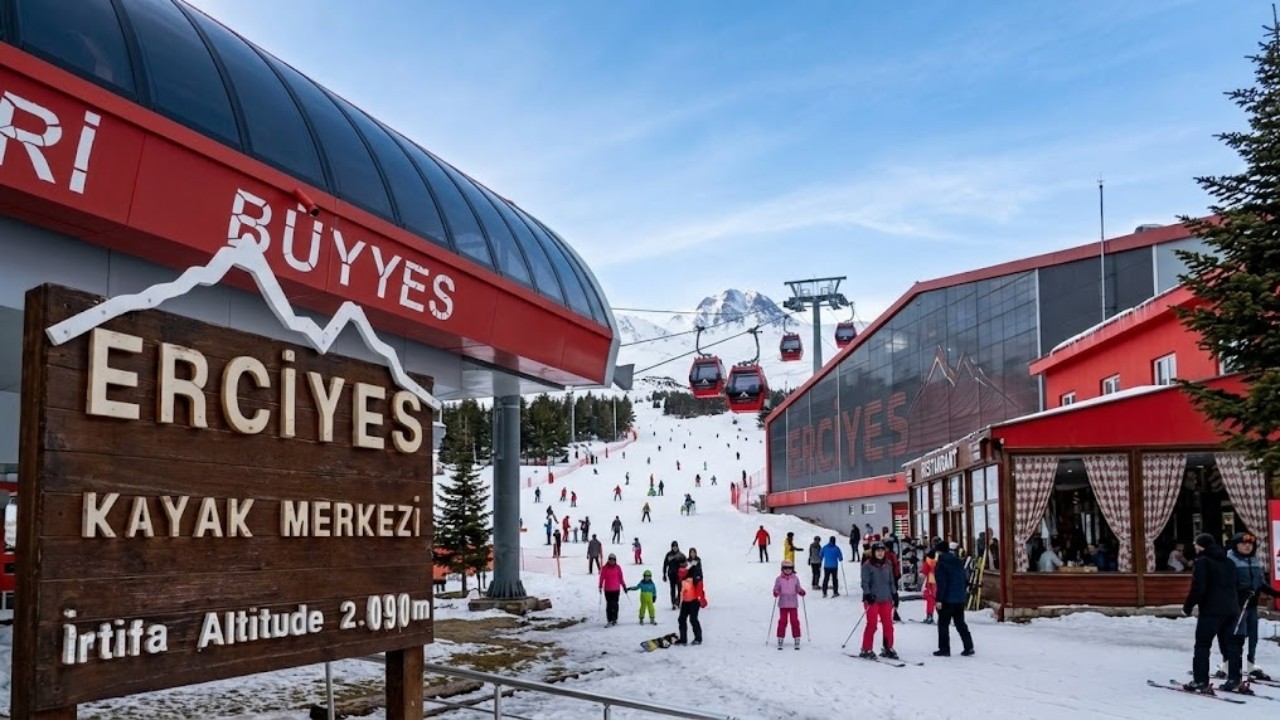
Nestled at the foot of a dormant volcano, winter activities at Erciyes stand out with a connected network of slopes exceeding 100 kilometers and modern lift facilities. The wide valley floors of Erciyes provide expansive safety corridors, making it an ideal spot for beginners and intermediate skiers.
Those looking to explore winter organizations based in Kayseri can combine Kayseri ski tours and mountain stays with luxury mountain hotels and local gastronomic tours. Meanwhile, Erzurum winter routes and ski deals, the winter capital of Eastern Anatolia, offer the luxury of night skiing thanks to their fully illuminated slopes.
Every mountain has a different terrain character, wind protection, and lift speed. Choosing the resort that best matches your technique and your family's expectations is key to a comfortable holiday.
Comparing Slope Color Codes and Gradient Levels
To avoid getting lost or accidentally ending up on a dangerous precipice, it is vital to understand the color codes on the trail map. According to international standards, slopes are divided into four main colors based on their angle of incline and topographical obstacles.
The following table provides a detailed comparison of slope classifications, gradients, and the ideal skier profile for each:
| Slope Color | Gradient (%) | Terrain & Snow Character | Width & Escape Zones | Ideal Skier Profile |
|---|---|---|---|---|
| Green | 10% - 15% (Low) | Perfectly groomed, soft snow | Very wide, obstacle-free school zones | First-timers and children |
| Blue | 15% - 25% (Mild) | Regularly groomed, smooth surface | Wide safety corridors | Those mastering the snowplow and parallel turns |
| Red | 25% - 40% (Moderate) | Hard-packed snow, sudden drops | Medium width, winding paths | Advanced skiers with strong speed control |
| Black | 40%+ (Steep) | Moguls, narrow and icy patches | Steep cliffs, sheer slopes | Professionals and experienced racers |
Green slopes are typically equipped with baby-lifts or magic carpets for beginner training. The goal here isn't speed, but learning how to stop and change direction using the "pizza" (snowplow) technique. Taking a chairlift to the blue slopes before mastering basic balance significantly increases the risk of injury.
Blue slopes are the "pleasure runs" where holidaymakers can cover long distances without overexerting themselves. Red slopes require significant leg strength and edge-control skills due to their steepness. Black slopes are expert-only runs; a small mistake can lead to a wipeout, so they should be avoided by anyone not fully confident in their skills.
The orange safety nets along the edges are designed to protect skiers from cliffs and trees during a fall. Always maintain a safety distance of at least three meters when skiing parallel to these nets.
Skipass Systems and Lift Etiquette
In modern resorts, you reach the peaks via chairlifts, enclosed gondolas, and T-bars. To enjoy unlimited access to these facilities, you use an electronic ticket called a "skipass." These cards use RFID (Radio Frequency Identification) technology, meaning you don't need to physically insert the card into the machine at the turnstile.
RFID Technology and Turnstile Access
Simply place your card in the dedicated zippered pocket on the left sleeve of your ski jacket. As you approach the turnstile, the sensors read the card through the fabric and the gate opens automatically. To avoid signal interference, do not keep your skipass in the same pocket as your smartphone or metal keys.
Ensure your jacket pockets are not lined with metallic foil, as this can cause reading delays. Since most resorts offer a deposit refund for lost cards, it is a good idea to keep your receipt.
Safety on Chairlifts and T-Bars
When boarding a chairlift, keep your poles together and wait for the seat to approach while looking back. Once seated, immediately lower the safety bar and rest your feet on the metal footrests. Never open the safety bar until you are within the last twenty meters of the unloading station.
On T-bars (surface lifts), the bar is held between the legs while skiing in a balanced position; never attempt to sit on the bar. If you lose your balance, let go of the bar immediately and move to the side of the trail to clear the path for those behind you.
Protective Gear and Thermal Layering Standards
The golden rule for surviving the mountain cold and wind is the "layering principle." Cotton underwear is a mistake, it absorbs sweat and stays damp, causing your body temperature to drop rapidly. Your first layer should always be breathable, moisture-wicking thermal base layers.
Layered Clothing and Helmet Standards
The second layer (such as fleece vests) traps body heat, while the outermost layer should be a waterproof and windproof ski jacket and pants. Wearing a ski helmet is a non-negotiable safety requirement on all slopes. In the event of a hard fall or a collision with another skier, a helmet is your primary defense against traumatic brain injuries.
When choosing a helmet, ensure it fits snugly around the head and that the chin strap is securely fastened. According to federation rules, skiing without a helmet is often prohibited.
Goggles and Boot Selection
Ski goggles protect your eyes from "snow blindness" caused by intense UV rays reflecting off the white surface. Double-pane, anti-fog models maintain clarity even in freezing winds. Yellow or orange lenses are best for enhancing contrast on foggy days, while mirrored dark lenses are ideal for bright, sunny weather.
When renting ski boots, they must fit perfectly and grip the shin firmly. Boots that are too loose result in a loss of control over the skis, while boots that are too tight can restrict blood circulation, leading to frozen toes.
Mountain Bag Essentials
To be prepared for sudden weather shifts, always carry the following in your gear bag:
- Spare Thermal Socks and Neck Gaiter: Changing damp clothes for dry ones helps maintain core body temperature.
- Sunscreen and Lip Balm: Protects the skin from high-altitude UV rays and windburn.
- Waterproof Phone Case: Prevents electronic devices from getting wet during falls or from melting snow.
5-Step Protocol for a Safe Day on the Slopes
To ensure a safe experience and avoid injuries, follow this five-step daily protocol:
- Morning Warm-up and Stretching: Spend at least ten minutes stretching your legs, knees, and lower back to prepare your muscles for the cold.
- Weather and Trail Map Review: Check which lifts are open and the current wind conditions; plan a route that matches your skill level.
- Binding (DIN) Check: Have a professional technician confirm that your ski bindings are adjusted to the correct tension based on your weight and height.
- Adherence to FIS 10 Basic Rules: Remember that the skier in front always has the right of way. Never stop in the middle of the trail; always pull over to the side.
- Accident Protocol & Safety Cross: If you see an injured person, plant your skis in a cross shape in the snow about 10 meters above them to warn others, and call 156 (JAK).
Following these five rules transforms skiing from a risky activity into a magnificent passion that strengthens the body and connects you with nature.
Snow Types and the Importance of Edge Maintenance
The composition of the snow changes constantly depending on the time of day and temperature. On icy slopes that freeze overnight, it is essential that the steel edges of your skis are sharp and well-maintained. Dull edges on icy terrain cause the skis to slide sideways, leading to a total loss of braking control.
Edge Grip on Icy Terrain
On steep, icy runs, a correctly sharpened edge angle prevents the skier from spinning out. Check the condition of your edges at the rental shop daily and request sharpening if necessary.
Sharp edges are particularly crucial on red and black slopes, allowing the ski to "bite" into the snow during turns. This technical detail is what allows you to maintain perfect speed balance on steep inclines.
Powder Snow and Off-Piste Safety
For "powder snow", the fresh, fluffy snow that follows a heavy storm or softens in the afternoon sun, wider skis are preferred. Skiing off-piste in deep powder carries an avalanche risk; therefore, you should never venture into uncontrolled areas without a professional guide and an ARVA (avalanche transceiver).
When skiing in deep powder, shift your center of gravity slightly backward to prevent the tips of the skis from diving. Staying within marked safety corridors ensures that mountain patrols can reach you quickly if needed.
Frequently Asked Questions 5
What do the color codes on ski slopes mean?
Green slopes are for beginners with very low gradients (10-15%), blue slopes are easy/intermediate (15-25%), red slopes are advanced (25-40%), and black slopes are expert runs featuring steep drops and moguls (over 40% gradient).
What is a skipass and how do I use it?
A skipass is a contactless RFID ticket that provides unlimited access to all mechanical lifts, including chairlifts, gondolas, and T-bars. It is typically carried in the left sleeve pocket of a ski jacket.
What protective gear should a beginner skier wear?
A TSE EN 1077 certified ski helmet, UV-filter goggles, waterproof gloves, and thermal base layers are mandatory. It is also critical that rental boots fit snugly to prevent ankle injuries.
What should I do in case of an accident on the slope?
Plant your skis in a cross shape in the snow about 10 meters above the injured person to warn oncoming skiers. Immediately call 156 (Gendarmerie Search and Rescue - JAK) or the Slope Patrol to request a snowcat/snow ambulance.
Where are the top ski resorts in Turkey and when is the season?
The main centers are Uludağ (Bursa), Erciyes (Kayseri), Palandöken (Erzurum), and Kartalkaya (Bolu). The season generally opens in mid-December and lasts until the end of March.