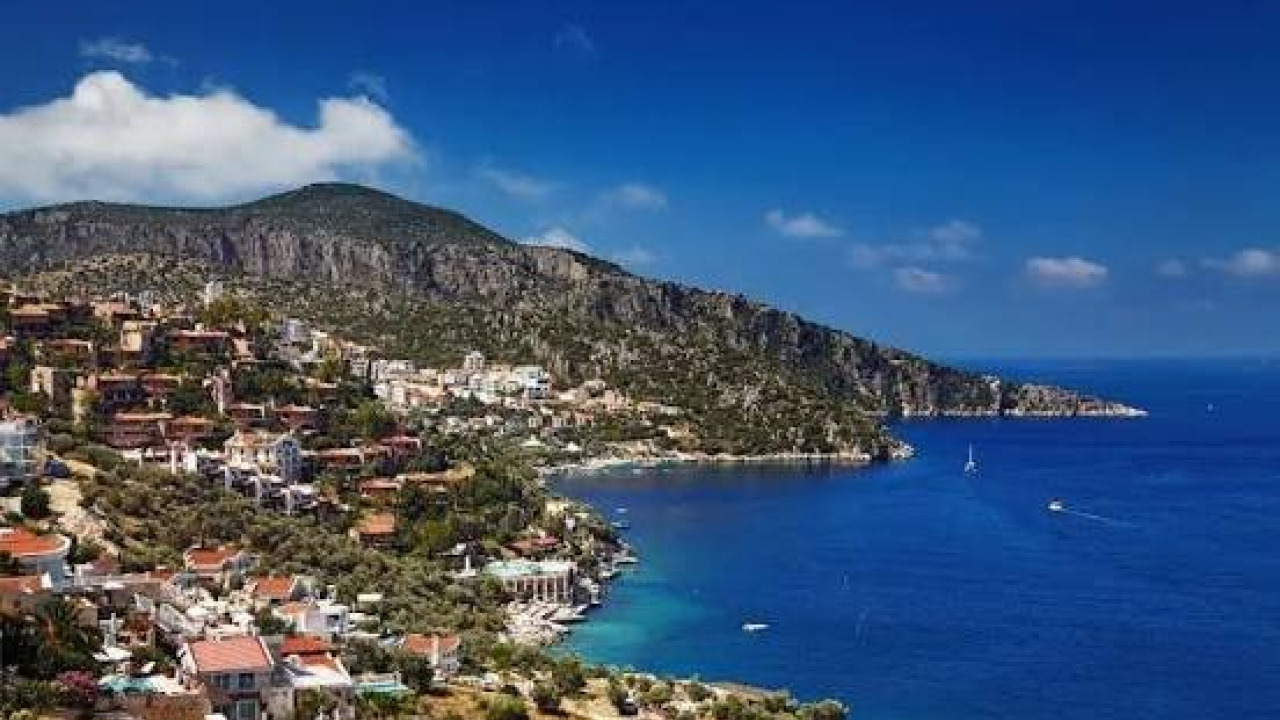

Stretching between the Dardanelles Strait and the Gulf of Saros, the Gallipoli Peninsula serves as a profound open-air museum of human history. As the site of the 1915 Gallipoli Campaign, the region, home to the legendary Anzac Cove and rugged battle lines, stands as one of the world's most respected heritage sites. To walk the historic trenches and explore the war museums alongside expert guides, we recommend checking out our Gallipoli tour programs. From the heights of Conkbayırı to the shores of Seddülbahir, these sacred lands, once symbols of fierce defense, now stand as universal monuments to peace and friendship.
This comprehensive field guide provides essential insights into the Martyrs' Memorial, the 57th Regiment Memorial, the Anzac Cove landing site, the Conkbayırı battle lines, terrain conditions, and practical itineraries for your visit.
Quick Facts: Gallipoli Battlefields and Anzac Cove
Before exploring the historic peninsula and its battlefields, reviewing these essential site parameters will help you plan a smoother journey.
| Parameter | Field & Visit Information |
|---|---|
| Geographic Location | Eceabat district, Çanakkale province, Gallipoli Peninsula Historical Area |
| Site Status | Protected by the Gallipoli Historical Site Management |
| Landing Date | April 25, 1915 (Arıburnu and Seddülbahir landings) |
| Distance from Çanakkale Center | 25-minute ferry to Eceabat, followed by 15-30 km by road |
| Transport & Road Conditions | All memorial roads within the historical area are well-maintained asphalt |
| Terrain & Walking Conditions | Wide memorial plazas, wooden trench walkways, and sloped trails |
| Entry & Museum Status | Memorial sites are free to visit; the Simulation Center requires a ticket |
The 1915 Gallipoli Campaign and the Defense of the Peninsula
The Gallipoli Front was the stage for one of the bloodiest and most decisive struggles of World War I. On March 18, 1915, the Allied naval attempt to force the Dardanelles was repelled by Turkish artillery and the strategic maneuvers of the Nusret Minelayer.
Following the naval failure, Allied forces launched an amphibious operation on the morning of April 25, 1915, aiming to seize the shore batteries by land. The landings at Seddülbahir, Kumkale, and Arıburnu evolved into months of grueling trench warfare.
The military genius displayed by the 19th Division, commanded by Lieutenant Colonel Mustafa Kemal, on the ridges of Conkbayırı and Kocaçimen, prevented Allied forces from overlooking the straits. After eight and a half months of intense land combat, the Gallipoli Peninsula witnessed a final defensive victory as Allied forces eventually withdrew.
The Historical Significance of Arıburnu Coast and Anzac Cove
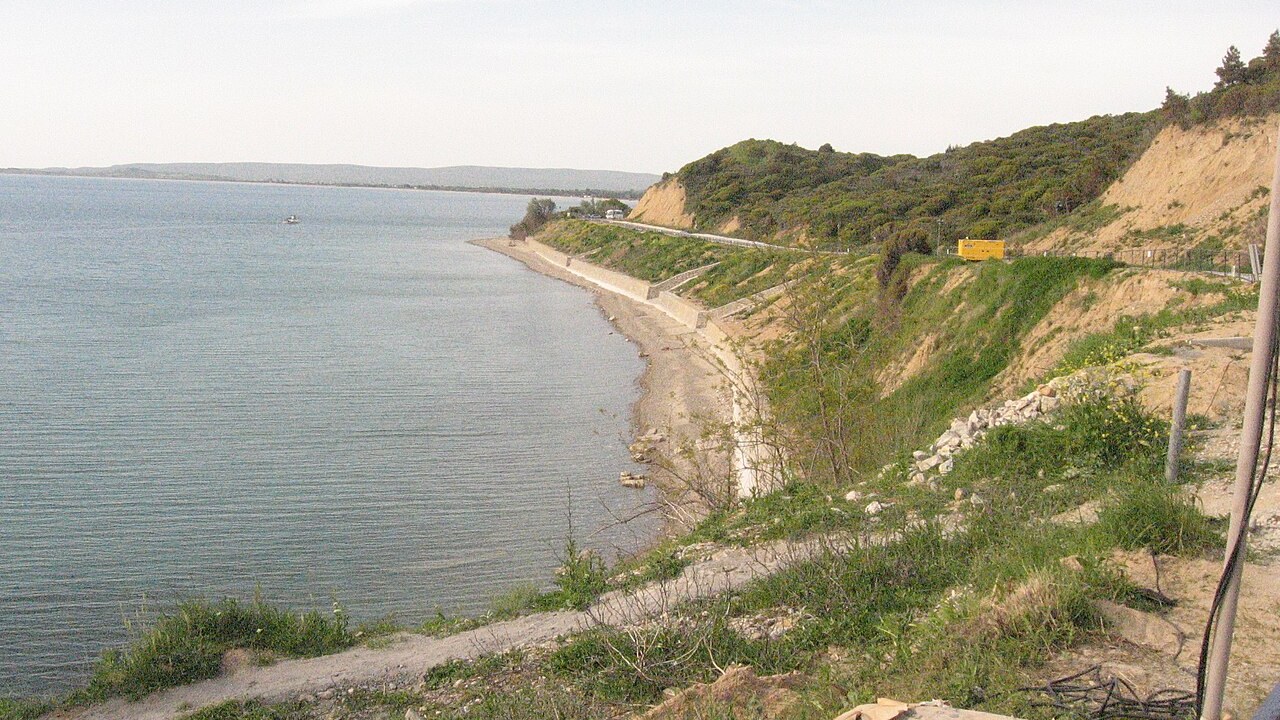
Located on the western coast of the Gallipoli Peninsula facing the Aegean Sea, a narrow stretch of beach approximately 600 meters long has become etched in history as Anzac Cove. In the first light of April 25, 1915, the Australian and New Zealand Army Corps (ANZAC) troops landed on this very shore.
The steep, rugged, and fractured slopes of Arıburnu rising immediately behind the cove presented an immediate geographical obstacle for the soldiers as they hit the beach. Turkish defensive units held the high ground, pinning the landing forces to the shoreline.
Today, Anzac Cove is a spiritual sanctuary where the tragedy of war has transitioned into a symbol of peace and eternal friendship. Every year on the morning of April 25, Australian and New Zealander families gather at the cove to hold Dawn Services for their ancestors. The inscriptions along the coast include the historic letter written by Mustafa Kemal Atatürk in 1934, addressed to the Anzac mothers, a message that has become a cornerstone of world peace literature.
Comparing the Monuments and Memorials of the Gallipoli Historical Area
You can plan your day more effectively by comparing the different battle fronts and memorial sites located across the peninsula.
| Monument & Memorial | Location | Historical Significance | Visit Status |
|---|---|---|---|
| Martyrs' Memorial | Morto Bay / Seddülbahir | A massive four-legged monument symbolizing all Gallipoli martyrs | Large ceremonial area and symbolic cemetery |
| 57th Regiment Memorial | Kılıçbayır / Bomba Sırtı | The regiment that fell during Mustafa Kemal's assault order | Features a fountain, open prayer area, and symbolic graves |
| Conkbayırı Monuments | Conkbayırı Summit | The ridge where Mustafa Kemal's watch was shattered during battle | Observation trenches and panoramic Aegean views |
| Anzac Cove & Arıburnu | Aegean Coast / Arıburnu | The landing beach and site of the April 25 landings | Coastal walking paths and memorial cemetery |
| Seyit Onbaşı Monument | Kilitbahir / Mecidiye | The heroic artilleryman who lifted a 276kg shell | Coastal batteries and statue area |
The Martyrs' Memorial, 57th Regiment, and Conkbayırı Summit
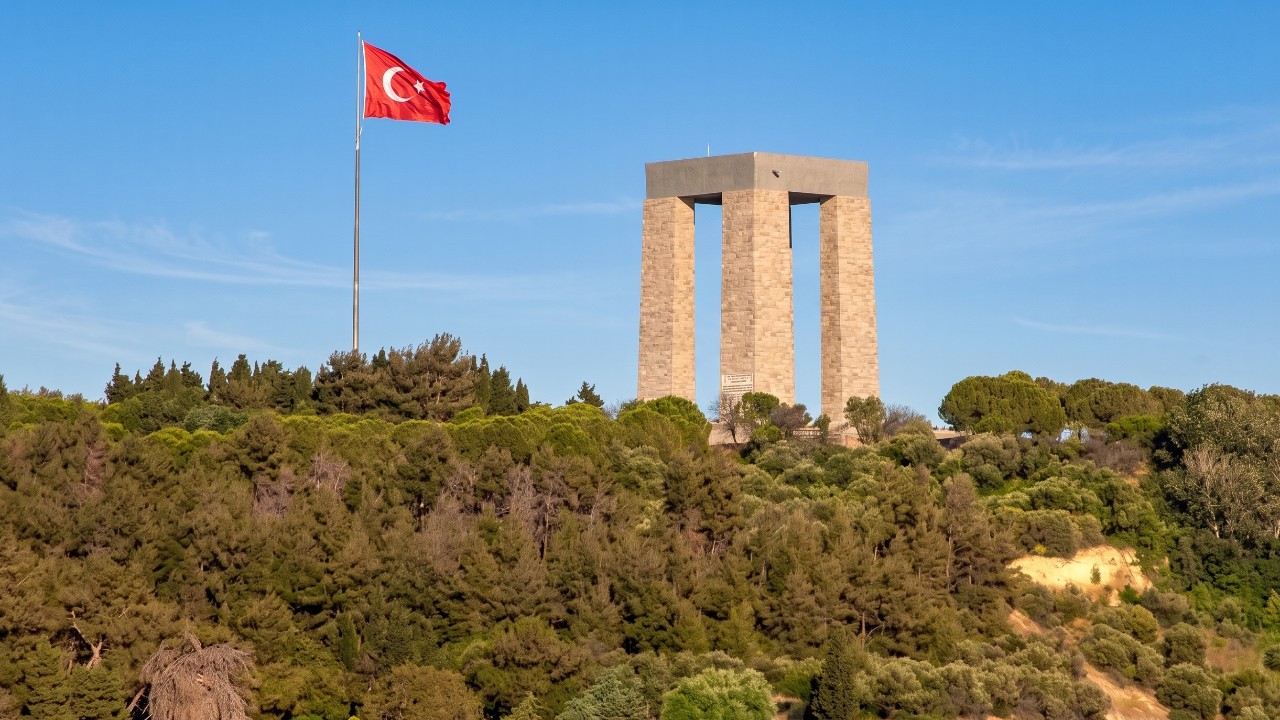
Rising from the heights of Morto Bay at the southern tip of the Gallipoli Peninsula, the Çanakkale Martyrs' Memorial stands 41 meters tall, greeting the entrance to the straits. The ceiling of the monument, supported by four massive pillars, features a relief of the Turkish flag. In the symbolic cemetery surrounding the memorial, the names of the martyrs who traveled from every corner of Turkey to defend the homeland are preserved on marble pedestals.
The 57th Infantry Regiment Memorial, located at Bomba Sırtı, was built to honor the most selfless unit of the war. The legacy of this legendary regiment, which fulfilled Mustafa Kemal's historic command, "I do not order you to attack, I order you to die", is preserved through its courtyard, fountain, and memorial walls.
Conkbayırı was the decisive turning point of the land battles. On this ridge, where Mustafa Kemal survived thanks to a piece of shrapnel that struck his pocket watch, you can find deep trenches and memorials to the fallen soldiers. From the Conkbayırı summit, you can enjoy a breathtaking panoramic view of the deep blue Dardanelles on one side, and the Aegean Sea and Gulf of Saros on the other.
For those wishing to combine this historical journey with ancient wonders like Troy and Assos, exploring our Çanakkale tour routes will add incredible depth to your travel itinerary.
Terrain Conditions and Safety Tips for Visiting
The Gallipoli Peninsula Historical Area covers a vast landscape. While transport between major monuments is provided by road, significant walking is required within the memorial sites and along the trench lines.
The ground around the Martyrs' Memorial and the 57th Regiment is covered with cut stone and marble slabs. However, the terrain at Conkbayırı and along the trench paths consists of soil, limestone sand, and loose gravel. To prevent slipping on sloped terrain, we strongly recommend wearing comfortable, orthopedic walking shoes with rubber soles.
When walking through the trench lines, please stay on the designated wooden platforms and marked paths. Warning signs advise against entering dense forested areas due to the potential presence of unexploded historical ordnance or rusted shrapnel buried in the soil.
During the summer months, the peninsula is exposed to intense sunlight and strong strait winds. It is essential to carry a hat, sunglasses, and plenty of water. In winter and spring, a windproof jacket is recommended to protect against the harsh winds blowing from the Dardanelles.
A 5-Step Gallipoli and Anzac Cove Discovery Protocol
For those wishing to navigate the historical area chronologically and meaningfully, we suggest this 5-step itinerary:
- Kilitbahir Castle and Seyit Onbaşı: Start your journey by heading south from the Eceabat ferry pier to visit the Seyit Onbaşı monument at the Mecidiye Battery.
- Martyrs' Memorial and Morto Bay: Head to the southern tip of the peninsula to explore the grand memorial and the symbolic graves.
- Anzac Cove and Arıburnu Coast: Move to the Aegean coast to read the Atatürk memorial inscriptions and walk the site of the Dawn Service.
- 57th Regiment Memorial and Bomba Sırtı: Climb the Kılıçbayır ridges to visit the trenches and the memorial cemetery of the heroic regiment.
- Conkbayırı Summit and Trench Lines: Conclude your day at Conkbayırı to explore the deep trenches and take in the panoramic views from the summit.
Local Cuisine and Rest Stops
There are no large restaurant complexes within the historical site itself; instead, local businesses in nearby villages provide services. Alçıtepe, Seddülbahir, and Eceabat are the most convenient villages to stop for a break during your tour.
The region's most famous delicacy is the renowned Çanakkale cheese halva (peynir helvası). Served warm, this baked dessert offers a light texture and a fresh cheese aroma that is truly unique. Additionally, restaurants along the Eceabat coast serve fresh daily sardines, either grilled or cooked in vine leaves.
In the village eateries, you can enjoy traditional sac kavurma (sauteed meat), local village soups, and homemade olive oil dishes. Local beverages produced from the region's vineyards and fresh olives also make for a delicious snack during your breaks.
Frequently Asked Questions 5
Where is Anzac Cove located and what is its history?
Anzac Cove is located on the Arıburnu coast of the Gallipoli Peninsula, within the Eceabat district of Çanakkale, facing the Aegean Sea. It is historically significant as the beach where the Australian and New Zealand army units landed on April 25, 1915.
In which district is the Gallipoli Peninsula Historical Area and how do I get there?
The Historical Area is located within the Eceabat district of Çanakkale. You can take a 25-minute ferry from Çanakkale center to Eceabat, and from there, all memorial sites are easily accessible by private car or tour minibuses.
Can you swim at Anzac Cove?
Because Anzac Cove is a sacred protected zone with the status of a military battlefield and memorial cemetery, swimming and beach activities are not permitted. The beach is intended solely for historical visits and commemoration.
Which major monuments should I see when visiting the Gallipoli battlefields?
The must-see landmarks include the Çanakkale Martyrs' Memorial, the 57th Infantry Regiment Memorial, the Conkbayırı Atatürk Victory Monument, Anzac Cove, the Seyit Onbaşı Statue, and Seddülbahir Castle.
How long does a tour of the Gallipoli battlefields take and is there an entrance fee?
The memorial sites and monument areas can be visited for free throughout the day. We recommend dedicating a full day to comprehensively explore all the battle fronts, museums, and memorials on the peninsula.