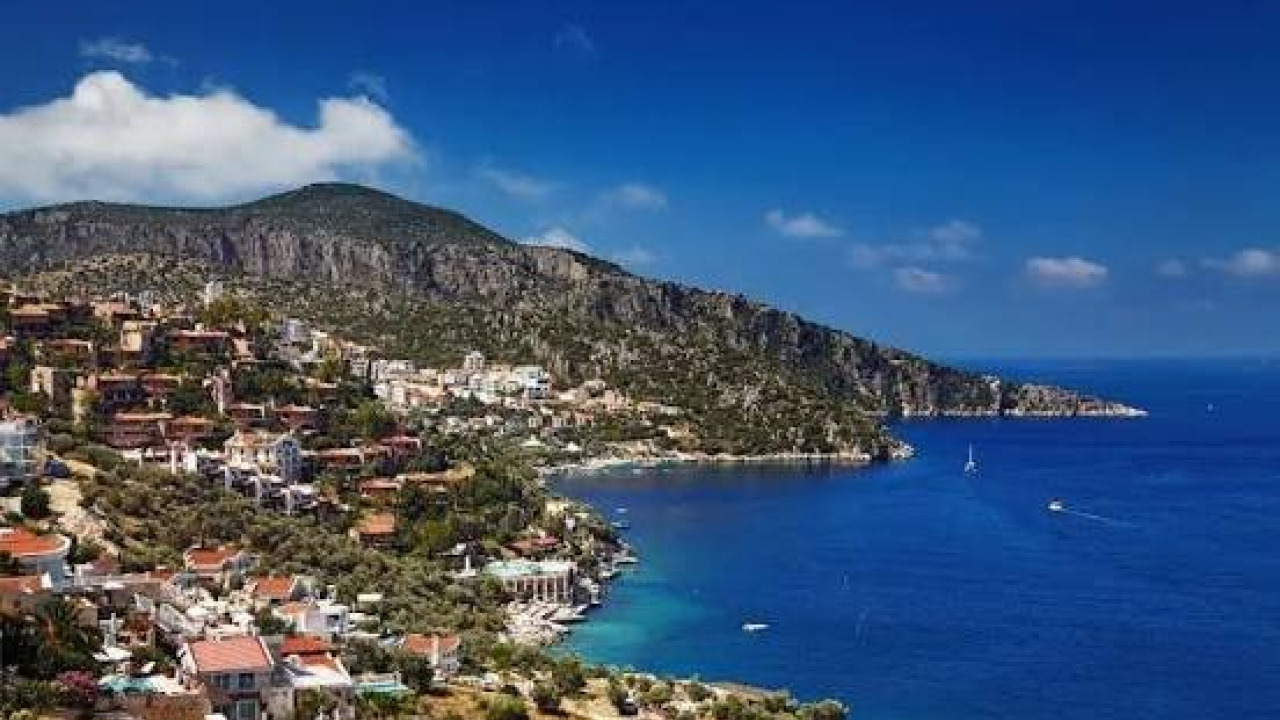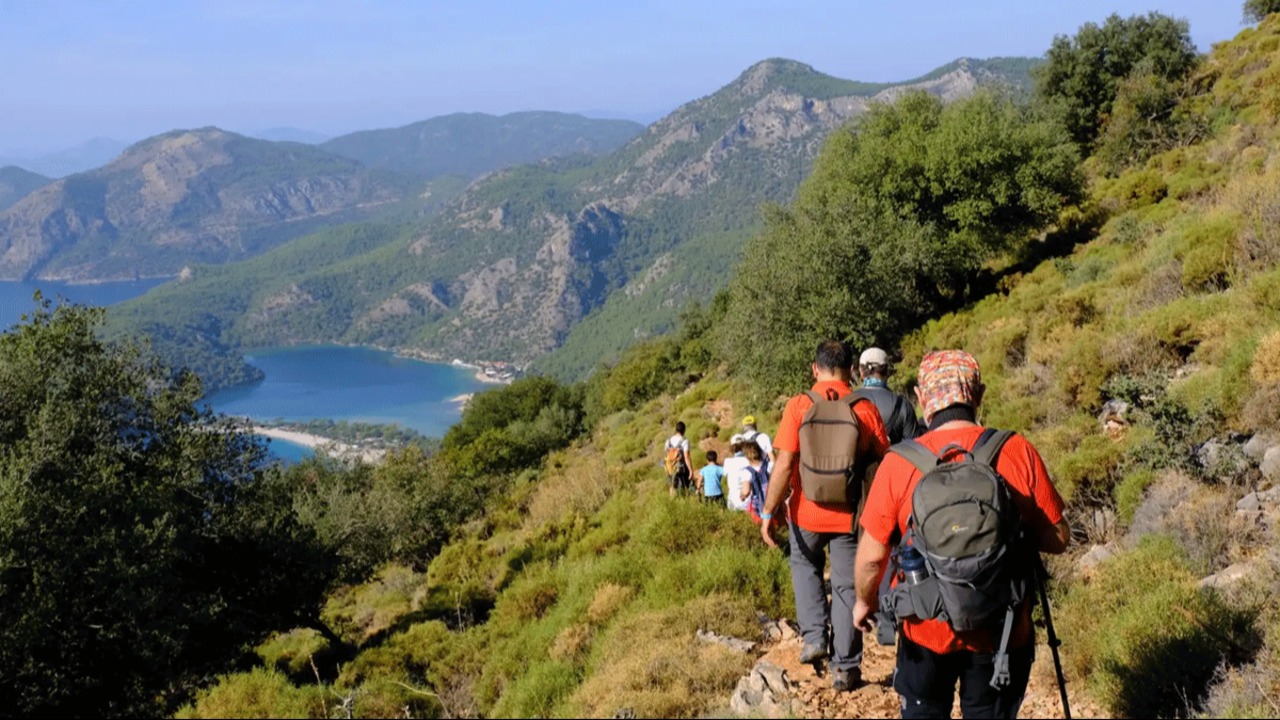

The Lycian Way is a breathtaking long-distance trekking route stretching approximately 760 kilometers from Fethiye to the outskirts of Antalya. Winding through the pine forests, turquoise bays, ancient Lycian cities, and secluded mountain villages of the Mediterranean coast, it is widely regarded as one of the most iconic hiking trails in the world. Rather than a single linear path, the route consists of numerous interconnected stages. This flexibility allows travelers to either tackle short, multi-day sections or commit to a weeks-long odyssey across the entire landscape. Where dramatic mountain ridges meet the shimmering sea, this trail offers a rare blend of archaeological discovery and raw natural beauty.
At Travel Tour Shop, we maintain a rigorous quality standard. We filter out approximately 83% of the tour and transfer providers we work with, listing only those who have proven their local expertise and earned exceptional guest reviews. The route details, stage recommendations, and seasonal insights in this guide are a product of that same quality filter; our goal is to ensure that first-time visitors to the Lycian Way start their journey with realistic expectations and a safe, professional plan.
Quick Facts
| Topic | Details |
|---|---|
| Location | Between Fethiye (Muğla) and Antalya, Teke Peninsula |
| Total Length | Approximately 760 kilometers |
| Traditional Start | Ovacık (Fethiye) |
| Ending Point | Hisarçandır / Geyikbayırı (near Antalya) |
| Difficulty | Moderate to Challenging (varies by stage) |
| Best Time to Visit | Spring (March-May) and Autumn (September-November) |
| Ideal For | Hikers, history buffs, photographers, and camping enthusiasts |
What is the Lycian Way?
The Lycian Way is a long-distance marked trail running along the Teke Peninsula on the Mediterranean coast, identified by red-and-white markers (similar to the French GR system). It takes its name from the Lycian civilization that flourished in this region thousands of years ago. Many of the paths hikers follow today are actually the remnants of ancient roads that once connected villages and city-states; thus, you aren't just walking through nature, but stepping through the transportation network of a lost empire.
The route connects a stunning variety of landscapes: from rocky headlands rising sharply from the sea to inland forests of pine and cedar, and from abandoned stone hamlets to vibrant mountain settlements. This diversity is what sets the Lycian Way apart. One day you may be trekking through coastal coves at sea level, and the next, you could be ascending hundreds of meters to a mountain ridge with a panoramic view of the entire coastline.
History and Significance of the Lycian Way
Since the pre-Christian era, Lycia has been a powerhouse of the southwestern Mediterranean. The Lycians were master sailors and traders, but they are most remembered for establishing the Lycian League—one of the world's first known federative structures. This league operated on a representative system where member cities made collective decisions, serving as an early inspiration for modern federal governance.
While the paths are ancient, the route was officially marked as a long-distance trail in the 1990s and quickly gained international acclaim. The true value of the trail lies in the ruins it intersects. Centers such as Patara, Xanthos, Letoon, Myra, Olympos, and Phaselis appear one after another, showcasing the Lycian culture's iconic rock tombs, theaters, and ancient harbors. Hiking here is akin to walking through a massive open-air museum, where every stage reveals a new layer of history.
Route Overview: From Start to Finish
The traditional starting point is the Ovacık area in Fethiye. From here, hikers typically pass through coastal highlights like Faralya, Butterfly Valley, and Kabak Bay during the first few days. The trail then pivots inland toward mountain villages, passing through Alınca and Sidyma before reaching the expansive beaches and ruins of Patara. From there, the journey continues through the beloved coastal towns of Kalkan and Kaş, followed by the regions of Üçağız, Demre, and Finike.
The final leg of the journey extends through Adrasan, Olympos, Çıralı, and Tekirova toward Kemer, officially concluding near Geyikbayırı / Hisarçandır near Antalya. Completing the entire route usually requires a plan spanning several weeks. However, most visitors choose specific sections that suit their pace: for instance, the coastal stretch between Fethiye and Kaş, or the short but visually stunning stages around Olympos and Çıralı. To organize your arrival and logistics, you can explore Fethiye nature and adventure tours to combine activities and transfers in one seamless itinerary.
Key Stages and Highlight Sections
When planning your trip, it is most practical to break the Lycian Way into logical segments rather than viewing it as one giant trek. Here are the standout sections:
- Ovacık - Faralya - Kabak: The classic opening. These stages feature dense pine forests, breathtaking views of Butterfly Valley, and a descent into Kabak Bay, where cliffs meet the sea.
- Alınca - Sidyma - Patara: A more inland route characterized by mountain villages and sweeping vistas, culminating at the vast sands and ancient ruins of Patara.
- Kalkan - Kaş - Üçağız: A popular stretch focused on coastal towns and turquoise coves, where it's easy to mix hiking with water activities.
- Demre - Finike - Adrasan: A relatively tranquil section that passes the ruins of Myra and fertile plains before returning to the coast.
- Olympos - Çıralı - Tekirova: One of the most famous finales, featuring the eternal flames of Yanartaş, the ruins of Olympos, and the serene shores of Çıralı.
These stages offer varying levels of difficulty. Beginners should stick to coastal sections where water sources and accommodation are more accessible, while experienced trekkers may prefer the long, isolated stretches along the mountain ridges.
Must-See Landmarks Along the Way
The natural and historical landmarks are what make the Lycian Way unforgettable. Don't miss:
- Butterfly Valley: A valley enclosed by towering cliffs, offering a dramatic vista from above. It is the symbolic gateway to the first few days of the trail.
- Patara: Home to one of Turkey's longest beaches and a pivotal ancient port city. It serves as a perfect mid-route resting point.
- Kaş and Kekova: Known for crystal-clear waters, Kaş is the ideal hub to pause your hike for boat trips and diving.
- Myra (Demre): One of the most magnificent examples of Lycian culture, famous for its rock-cut tombs and ancient theater.
- Olympos and Yanartaş: The combination of ancient ruins and the naturally occurring flames of Yanartaş makes this one of the most surreal stops on the route.
- Çıralı: A peaceful sanctuary with a natural coastline, perfect for recovering from the fatigue of the trail.
For those wanting to plan their visit to Butterfly Valley in detail, our Fethiye Butterfly Valley guide provides deeper insights. If you're curious about the Olympos section, check out our Olympos ancient city guide.
Difficulty Level and Preparation
The Lycian Way ranges from moderate to challenging depending on the stage. While some coastal paths are relatively easy, stages that climb mountain ridges involve significant elevation gains and losses. On hot days, exposed sections without shade can add to the difficulty. Therefore, it is essential to choose sections that align with your hiking experience and daily stamina.
Key preparation tips include: high-quality hiking boots broken in for trail conditions, sufficient water carrying capacity, sun protection, and layered clothing for shifting temperatures. Since water sources can be scarce on certain stages, always verify your refill points before starting the day. As mobile coverage can be spotty, carrying offline maps and pre-downloaded route data is highly recommended for safety. Remember, trekking is a physical activity; please plan cautiously based on your own fitness level.
Accommodation and Camping
Accommodation options along the route are diverse, making it easy to customize your experience. In areas like Faralya, Kabak, Kaş, Çıralı, and Olympos, you'll find guesthouses, boutique hotels, and bungalow-style lodges. This means you can complete the route by staying in settlements each night without needing to camp.
For those who prefer the wild, there are many suitable flat areas and traditional campsites along the way. However, we emphasize the importance of "Leave No Trace" principles: respect natural areas, be extremely careful with fire, and carry out all trash. Especially during summer, the risk of forest fires is high, so fire safety is paramount. Booking your accommodation in advance is recommended during peak season to avoid availability issues and to better plan your daily mileage.
The Best Time to Visit
The ideal windows for the Lycian Way are spring and autumn. In the spring (approximately March to May), the landscape awakens with wildflowers, and the air is cool and balanced—perfect for hiking. Crowds are also significantly thinner than in summer. Autumn (approximately September to November) is equally attractive, as the sea remains warm, the light becomes softer for photography, and the hiking conditions are comfortable.
The summer months, particularly July and August, are the most challenging due to the intense Mediterranean heat. The risk of heatstroke is high on unshaded stages. Those who choose to hike during this time typically start at dawn and stick to short, coastal stages where they can dive into the sea to cool off. While winter is quiet and cool, rain and shorter daylight hours can complicate planning; coastal sections are generally safer than the mountains during this period.
Complementary Activities
The Lycian Way is more than just a hike; it's an opportunity to experience the Mediterranean lifestyle. You can easily integrate other activities into your itinerary. Boat tours in coastal towns, cove-hopping, and water sports provide a refreshing break from the trail. For example, adding boat trips around Kaş or cove tours near Adrasan and Olympos can transform your trek into a diverse vacation.
To plan your maritime adventures, explore Kaş boat and cruise tours or Adrasan boat and cruise tours. For those looking to explore other hiking regions, our Turkey trekking and hiking tours and Antalya trekking and hiking tours offer a broader scope of adventure.
Experience the Lycian Way with Travel Tour Shop
Managing transfers, accommodation, and daily activities in one cohesive plan makes your Lycian Way experience both easier and safer. Through Travel Tour Shop, you can compare and book transport to the start and end points, transfers between stages, boat tours, and daily excursions. Because our listings are vetted based on local expertise and genuine guest feedback, you can plan your journey with confidence.
Reviewing your itinerary before booking—checking included services, transport conditions, and durations—helps set clear expectations, especially for first-time visitors. By solving the logistics on a single platform, you can leave the stress behind and focus entirely on the beauty of the hike.
Frequently Asked Questions 5
Where is the Lycian Way and how long is it?
The Lycian Way runs along the Teke Peninsula on the Mediterranean coast between Fethiye (Muğla) and Antalya. Its total length is approximately 760 kilometers. It can be hiked in its entirety or broken down into shorter, manageable stages.
Where does the Lycian Way start?
The traditional starting point is the Ovacık area in Fethiye. From there, the route continues through Faralya, Butterfly Valley, and Kabak, connecting coastal vistas with mountain paths. Hikers are free to choose any specific section of the route.
When is the best time to hike the Lycian Way?
The best times are spring (March-May) and autumn (September-November). During these periods, the weather is temperate and the crowds are smaller. Mid-summer can be grueling for long stages due to the heat.
Is the Lycian Way difficult?
Difficulty varies by stage, ranging from moderate to challenging. Some coastal sections are relatively easy, while mountain ridge stages involve steep climbs and descents. We recommend choosing sections that match your personal hiking experience.
Is accommodation and camping available on the Lycian Way?
Yes. Guesthouses and small hotels are available in areas like Faralya, Kabak, Kaş, Çıralı, and Olympos. There are also numerous designated camping spots along the route. We recommend booking accommodation in advance during peak season and following strict nature conservation rules while camping.