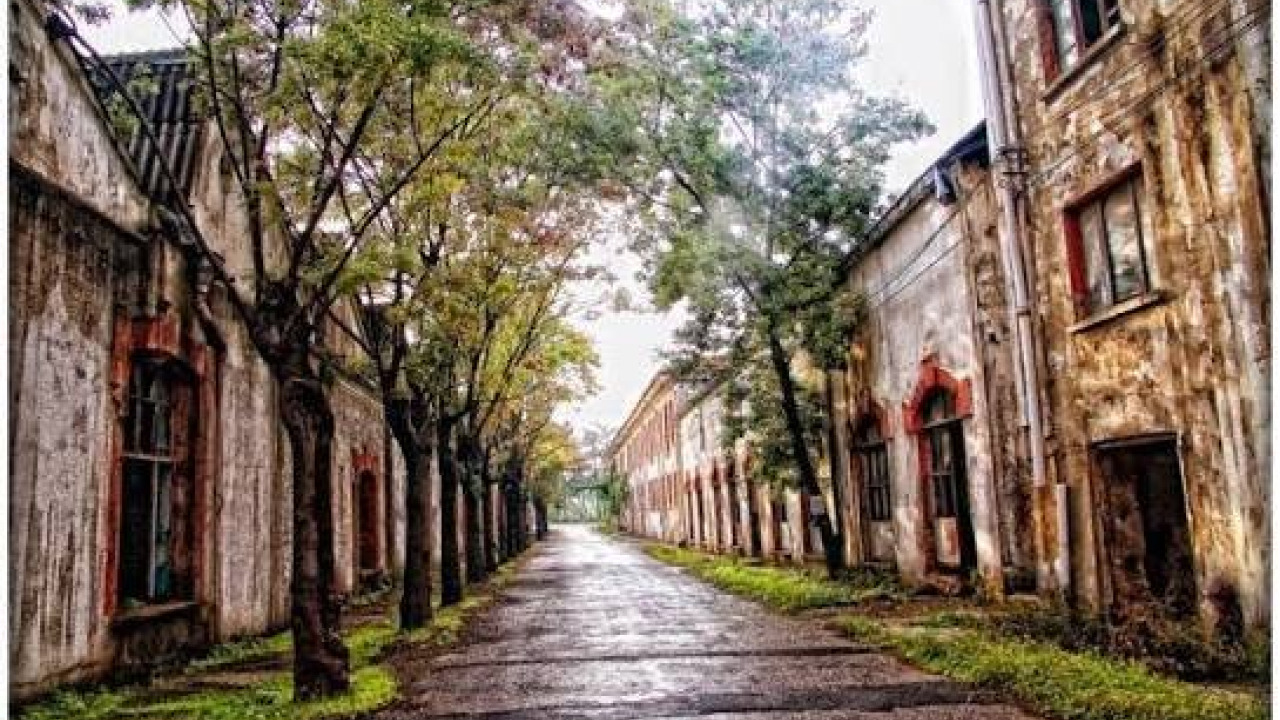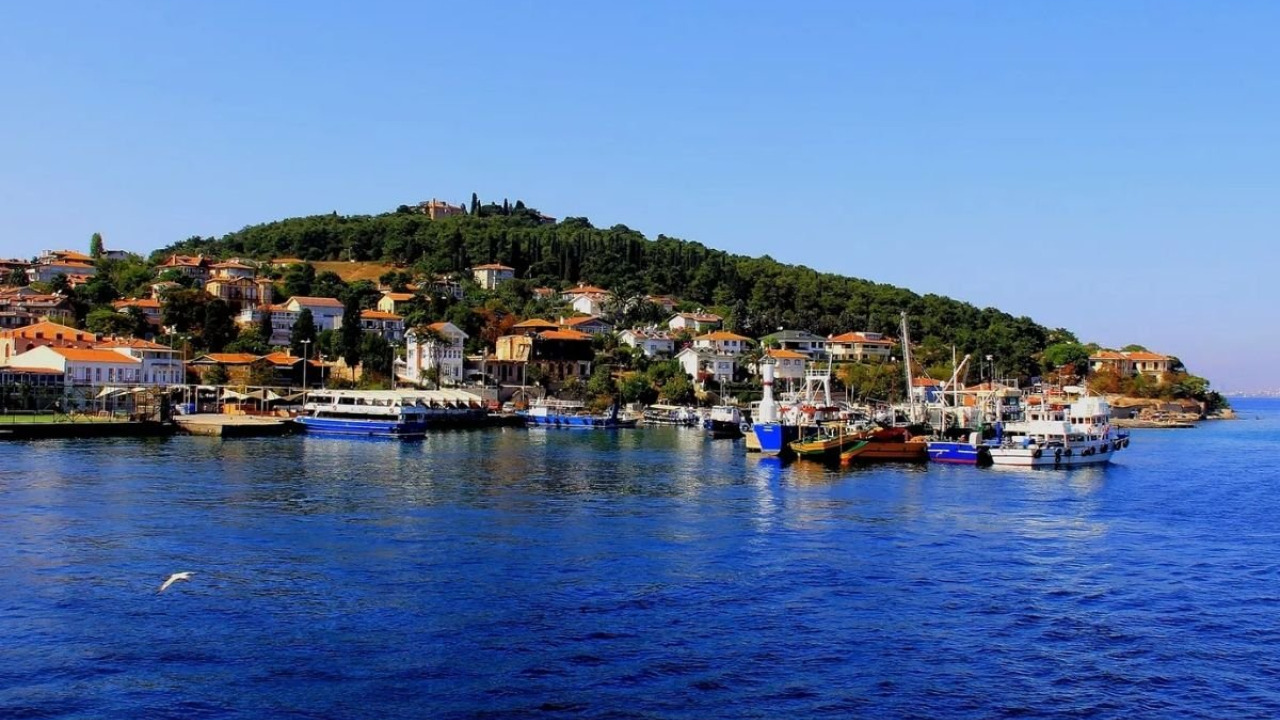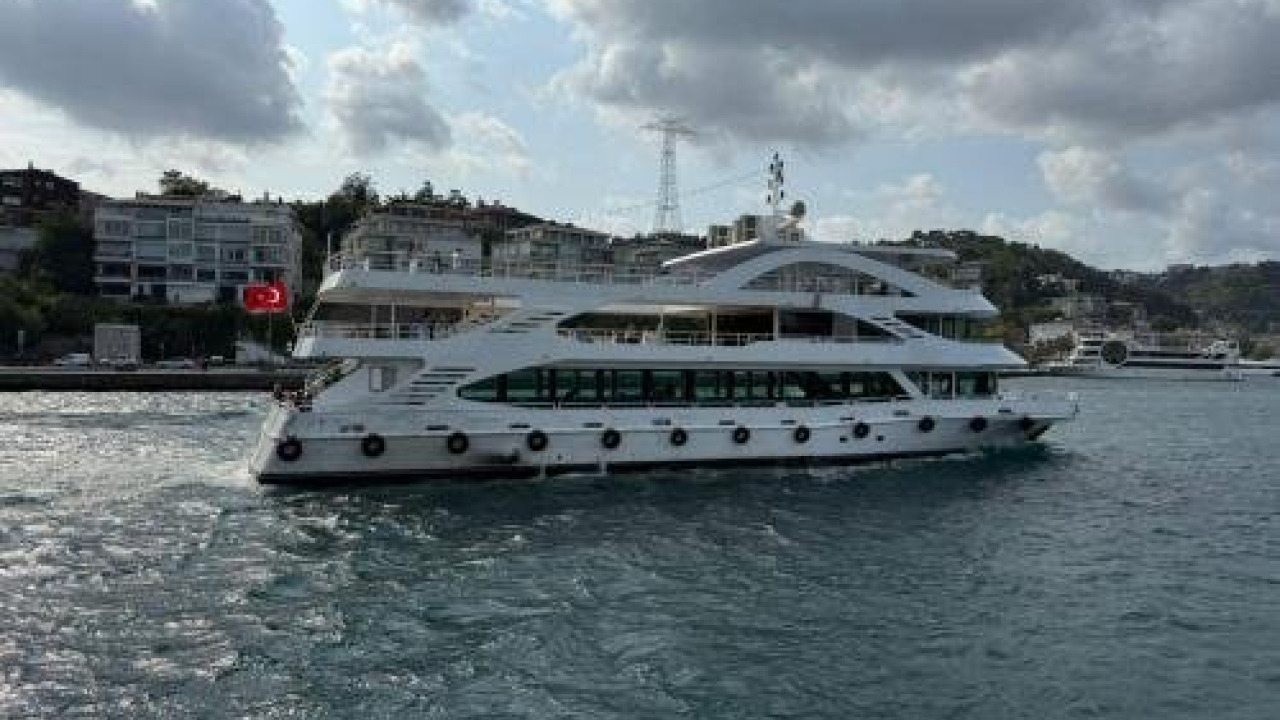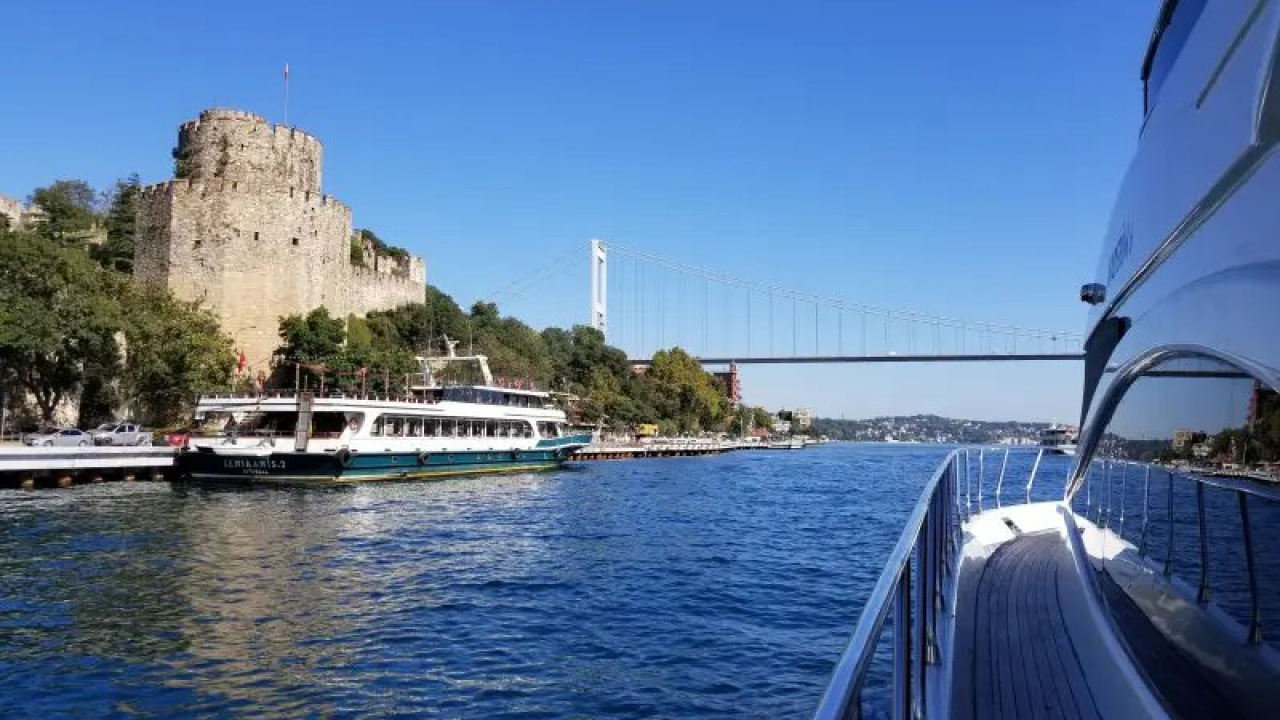
After mid-November, the Bosphorus takes on a different hue. The dazzling bright blue of summer, so captivating from a window, gives way to a deeper, more dynamic surface. The shoreline sharpens, and the structures and trees on the hillsides suddenly become visible as the leaves fall. The deck empties, and the indoor saloon fills. The crowd on the boat transforms from a throng waiting for photo ops into a calm group scattered by the windows. This is why a winter Bosphorus cruise isn't just a chilly replica of the summer itinerary; it's a distinct form of travel with its own unique charm. This guide brings together everything you need to know: typical weather from November to March, what an indoor saloon offers (and doesn't), where to check for cancellations, and how to plan your timing around the shorter daylight hours.
Quick Facts for Your Winter Bosphorus Cruise
| Topic | Information |
|---|---|
| Season Range | November to March; rainy days peak in January |
| Main Departure Piers | Eminönü, Kabataş, Üsküdar |
| January Normals | Average 6.8 °C, average low 4.2 °C, average 16.3 rainy days per month |
| Indoor Saloon | Varies by operator and boat; inquire before booking |
| Cancellation Risk | Announcements for cancellations are issued during storm and lodos (southwest wind) warnings |
| Timing Strategy | Plan your cruise to finish before sunset due to shorter days |
| Weather Data Source | Turkish State Meteorological Service Istanbul provincial normals (1950-2025) |
What Makes a Winter Bosphorus Cruise Different?
The real reason to embark on a Bosphorus cruise in winter isn't the weather itself, but the visibility and the pace. While the shoreline in summer is often obscured by a lush green curtain, after November, this curtain lifts. The facades of buildings, retaining walls, and forest boundaries become clearly visible in their entirety. The same applies to the water: lower humidity means details on the distant shore are much sharper.
The Shoreline Unveiled: A Clearer View in Winter
The ramparts of Rumeli Hisarı, which appear in fragments through the trees in summer, can be admired in full during winter. The same holds true for Anadolu Hisarı and the pavilions nestled within the groves. The oblique winter light accentuates the reliefs on building facades, offering a distinct advantage for those keen on observing the coastal architecture.
Fewer Crowds, Different Pace
With fewer crowds, finding a window seat becomes easier, boarding and disembarking are quicker, and waiting times at the piers are reduced. However, flexibility decreases: as rain and wind can dictate the schedule, having a backup day is a smart move. When choosing among Istanbul Bosphorus boat and ferry tours in winter, the boat's interior is often more crucial than the route itself; the same route can feel entirely different on a boat with a heated indoor saloon versus one that relies mostly on open decks.
Bosphorus Weather from November to March
When planning a winter Bosphorus cruise, the question "how many rainy days" is often more critical than "will it be cold," as cancellations and discomfort usually stem from precipitation and wind. The values below are taken from the provincial normals published by the Turkish State Meteorological Service for Istanbul, covering the measurement period of 1950-2025.
| Month | Average Temperature | Average Low | Average Rainy Days | Impact on Your Cruise |
|---|---|---|---|---|
| November | 12.6 °C | 9.9 °C | 11.3 | Deck still usable, light softens |
| December | 9.0 °C | 6.5 °C | 15.5 | Days shorten, indoor saloon need becomes clear |
| January | 6.8 °C | 4.2 °C | 16.3 | Highest number of rainy days, a backup day is advised |
| February | 6.9 °C | 4.2 °C | 13.9 | Cold persists, clearer weather intervals begin |
| March | 8.5 °C | 5.5 °C | 12.6 | Days lengthen, wind still variable |
The most striking line in the table is January: with an average of 16 rainy days per month, committing to a single date can be risky. Between December and February, the proportion of rainy days is also over half, making a flexible plan a necessity, not a luxury, in winter.
Understanding Poyraz (North Wind) and Lodos (Southwest Wind)
As the Bosphorus is a narrow corridor between the Black Sea and the Marmara Sea, the wind direction is directly felt. The "poyraz" coming from the north significantly cools the air, making the perceived temperature feel lower than measured. The "lodos" from the southwest, while raising the temperature, also stirs up the sea surface. When strong lodos is expected in Istanbul, the IMM (Istanbul Metropolitan Municipality) Disaster Coordination Center issues warnings, and sea transport is among the first services affected.
Are Bosphorus Cruises Cancelled in Winter?
Yes, they can be. Şehir Hatları (the official city ferry operator) issues "Cancelled Services" announcements during adverse weather conditions, and these announcements are updated throughout the day. Decisions are made by the operators and relevant authorities based on wind speed, direction, and visibility. Dense fog and storms are primary reasons, as they make docking difficult. Checking the operator's announcement page before heading out can prevent unpleasant surprises at the pier. It's generally possible for services to continue on days with light rain or moderate winds, but it's always best to verify with current announcements rather than assuming.
Choosing the Right Boat for Your Winter Bosphorus Cruise
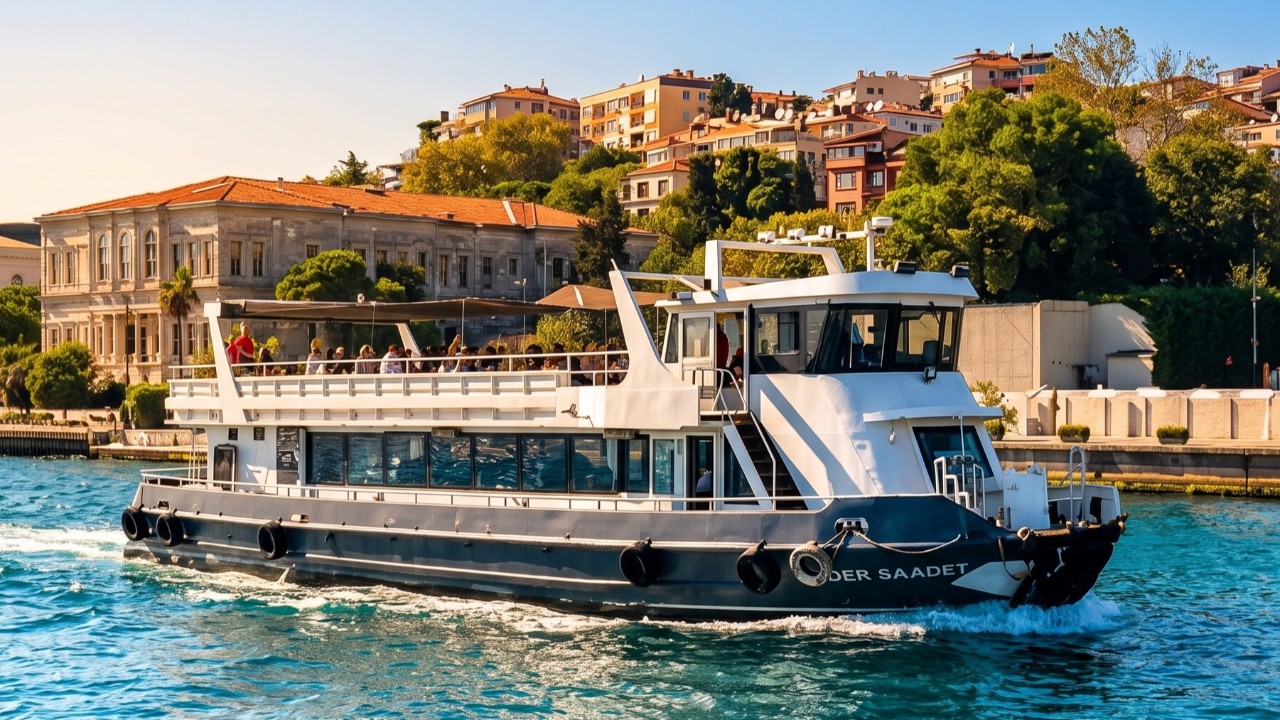
In winter, comfort isn't determined by the route, but by the boat's interior layout. A heated indoor passenger saloon, heating, and hot beverage service are not standard across all boats; these are features that vary by operator and should be confirmed before booking. Two boats offering the same route might be vastly different: one could have a spacious, heated saloon with large windows, while the other might rely predominantly on open decks.
Key questions to ask before booking:
- Does the boat have a heated indoor passenger saloon, and is its capacity sufficient for the number of passengers?
- Do the saloon windows offer good views, and is the seating arranged close to the windows?
- Is hot beverage service or a cafeteria available onboard?
- What is the refund or rescheduling policy if the cruise is cancelled due to adverse weather?
- Does the boarding pier offer a sheltered waiting area, or will you have to wait outdoors?
Since the answers to these questions vary from operator to operator, it's wise to compare. The program descriptions on the Istanbul boat tours page make it easier to see the differences in interior features and scope. For the most current pricing, always refer to the operator's official announcements.
What You'll See Along the Bosphorus Shore in Winter
The coastal landmarks visible on a Bosphorus cruise don't change with the season, but the way you view them does. The following stops are seen from the boat; visiting them internally requires a separate itinerary, and their winter opening hours may differ.
Palaces and Pavilions
Dolmabahçe Palace, commissioned by Sultan Abdülmecid, became a residence for sultans after 1856; Karabet Balyan, Nikoğos Balyan, Ohannes Serveryan, and James William Smith were involved in its construction. On the Asian side, Beylerbeyi Palace was built by Sultan Abdülaziz between 1863-1865. Küçüksu Kasrı (Küçüksu Pavilion) stands on the shore of the recreational area between the Göksu and Küçüksu streams. All three are more legible from the shore in winter because the dense tree cover in front of them thins out.
Fortresses and Bridges
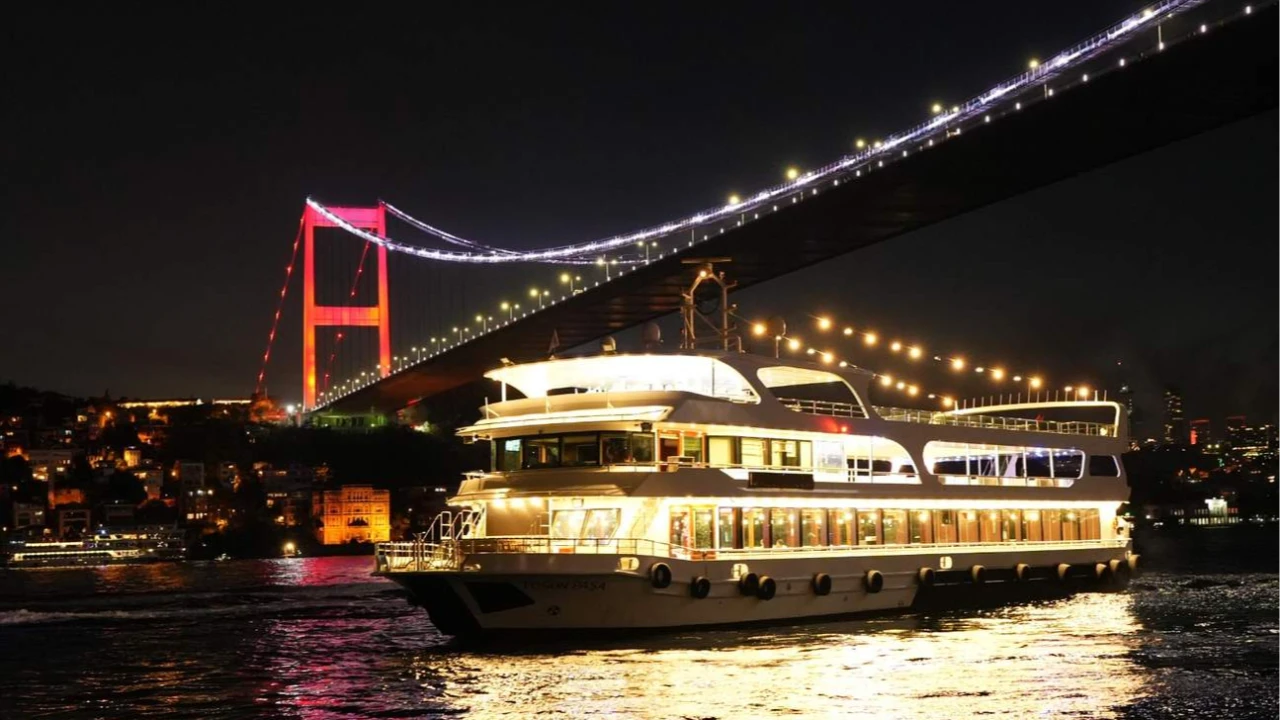
Rumeli Hisarı, along with Anadolu Hisarı on the opposite shore, forms a pair that controls the narrowest section of the Bosphorus; the wind noticeably picks up as the boat passes through this constricted channel. Construction on the fortress, built by Fatih Sultan Mehmet to control this strategic point, began in March 1452 and was completed in August of the same year. Passing under the Bosphorus Bridge and Fatih Sultan Mehmet Bridge offers a unique vista on days when winter clouds hang low; if you venture onto the deck, be prepared for the wind in this section.
Mosques and Towers
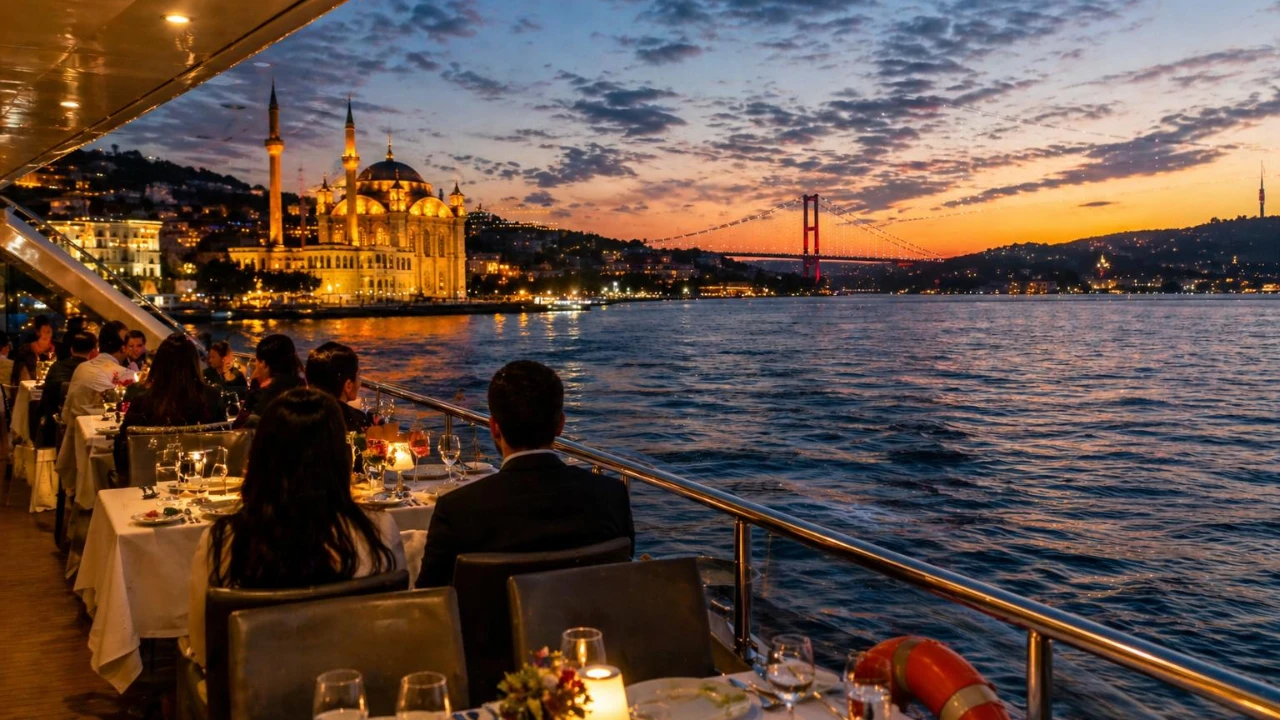
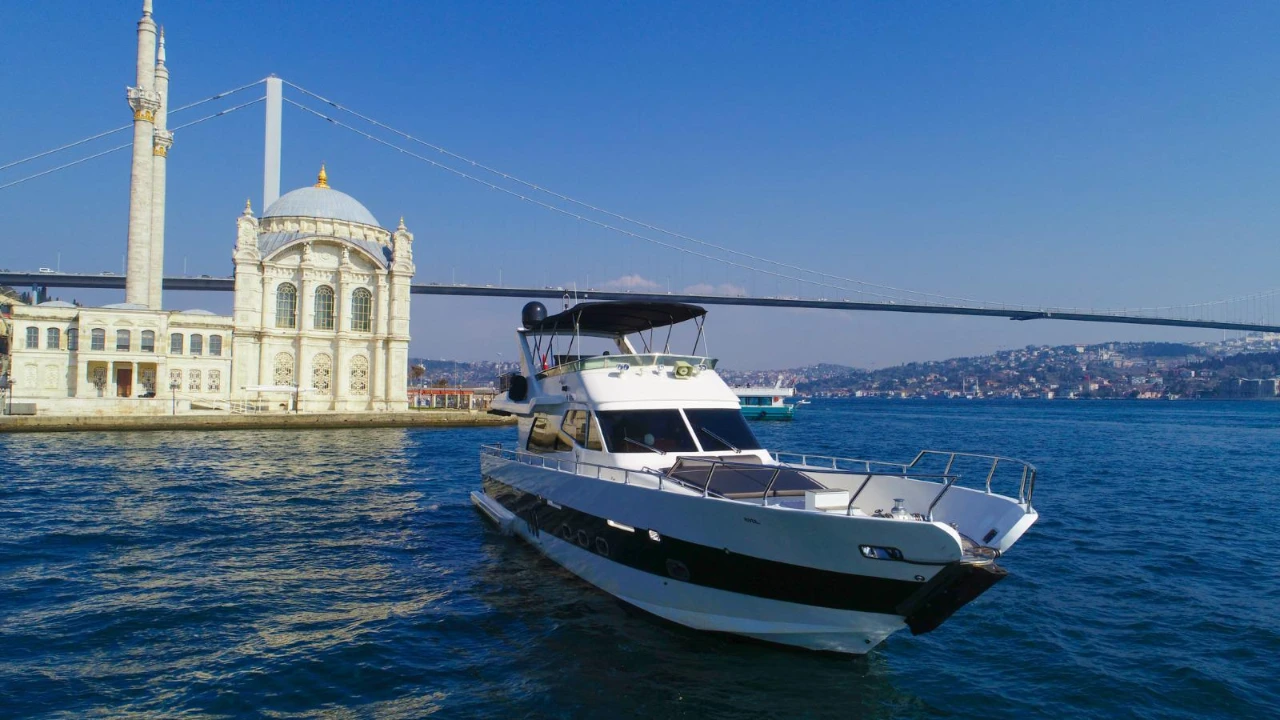
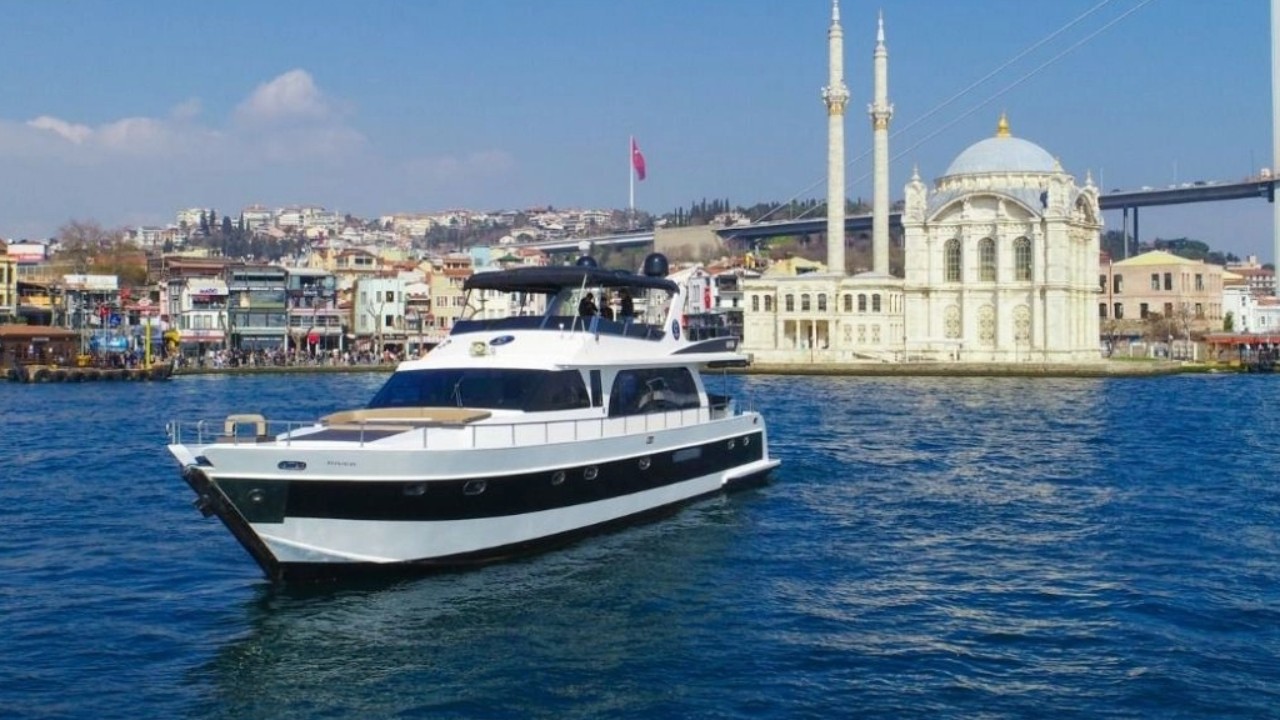
The Grand Mecidiye Mosque in Ortaköy, built in a Neo-Baroque style by architect Nigoğos Balyan in 1853 at the request of Sultan Abdülmecid, features wide, tall windows designed to overlook the Bosphorus. The Kız Kulesi (Maiden's Tower) marks the Marmara end of the route. Visiting the tower requires a separate ticket and boat connection; on a classic Bosphorus cruise, it's admired from the shore.
If you plan internal visits to coastal landmarks in winter, closing times are typically earlier than in summer. The winter period for museums and archaeological sites under the Ministry of Culture and Tourism is from October 1st to April 1st, during which closing times are brought forward.
| Stop | Winter View from the Bosphorus | Visit Note (Confirm Before You Go) |
|---|---|---|
| Dolmabahçe Palace | On the Beşiktaş shore, facade visible along its length | Closed Monday; ticket office 09:00-17:00 |
| Beylerbeyi Palace | Right next to the Asian pillar of the bridge | Closed Monday; ticket office 09:00-17:00 |
| Küçüksu Kasrı | North of Anadolu Hisarı, on the shoreline | Closed Monday; 09:00-17:00, recreational area requires separate ticket |
| Rumeli Hisarı | Sprawls across the hillside at the narrowest point of the Bosphorus | Closed Monday; confirm winter hours |
| Ortaköy Mosque | In the same frame as the bridge, adjacent to the shore | Visitable outside prayer times |
| Kız Kulesi | Off Salacak, southern end of the route | Requires separate ticket and boat connection |
Instead of trying to squeeze internal visits to coastal structures into the same day, it's often more comfortable in winter to dedicate a separate day. Those looking to plan a museum-focused itinerary can benefit from the suggestions in our Istanbul cultural tours and museums guide.
Planning Your Winter Bosphorus Day: A Step-by-Step Guide
In winter, what often derails a plan isn't a surprise, but incorrect sequencing. The following steps will help you conclude your day before dark.
- Confirm the day before. Check the wind forecast and the operator's cancellation announcements the evening before, and again before your morning departure. If there's a storm warning, shifting your date forward or back eliminates the risk of waiting needlessly at the pier.
- Choose your time based on daylight. In winter, the determining factor isn't the route, but how many hours of daylight you have left. For Şehir Hatları's long Bosphorus tour, the Eminönü departure is at 10:35 AM, with arrival at Anadolu Kavağı on the northern tip approximately 1 hour and 50 minutes later. The return journey starts at 3:00 PM, reaching Eminönü pier around 4:40 PM; in December and January, this final segment might coincide with dusk. Those who prefer a day that doesn't end in darkness might opt for shorter programs; which segment suits you is a matter of personal preference. As schedules can change seasonally, confirm with the operator's current announcements before departure.
- Dress in layers. The difference between a heated saloon and an open deck is significant; removable layers, a windproof outer shell, a beanie, and gloves make managing this difference easier. Shoes with good grip are useful for wet decks.
- Secure your spot in the saloon early. When boarding, prioritize seating by the windows. As you move from the cold outside to the warm saloon, camera lenses and glasses may fog up; a microfiber cloth will solve this in seconds.
- Plan your return. After sunset, temperatures drop quickly. Keeping your walking distance short from the pier and including a warm indoor stop in your itinerary will help you end the day comfortably; for a cozy break, the topics in our Istanbul culinary guide offer great ideas.
Piers and Transportation: Practical Options for Winter
In winter, pier selection isn't about the view, but about minimizing time spent in the cold. A boarding point close to a rail system reduces walking minutes and shortens waiting times in the rain.
European Side: Eminönü and Kabataş
Eminönü and Kabataş are stops on the T1 Kabataş-Bağcılar tram line; the 31-station line operates between 06:00 and 00:00, covering both early departures and evening returns. Kabataş also features the F1 funicular line: the 0.64-kilometer line between Taksim and Kabataş takes approximately 2.5 minutes in one direction and operates between 06:00 and 00:00, making it easy to connect to the M2 metro line from Taksim. At Kabataş, you don't directly descend to the metro; the connection is made via this funicular.
Asian Side: Üsküdar
Üsküdar is where the Marmaray and M5 metro lines converge in the same square; the M5 starts from Üsküdar Square and extends through Ümraniye and Çekmeköy to Sultanbeyli, with the section between Samandıra and Sultanbeyli opened to passengers on May 21, 2026. For those joining from the Asian side, the intersection of these two lines shortens the transfer walk in the cold. Asking if the pier has a sheltered waiting area before departure can make waiting more comfortable, especially for families with children.
Due to security reasons, temporary restrictions may be applied at station and pier entrances on some days, so checking the relevant operator's current announcements before departure ensures a smooth journey.
Frequently Asked Questions 5
Can you take a Bosphorus cruise in winter, and are services cancelled?
Bosphorus cruises continue to operate during the winter months, but there is a possibility of cancellations due to adverse weather conditions. Şehir Hatları (the official city ferry operator) issues "Cancelled Services" announcements during situations like storms, dense fog, and strong lodos (southwest wind), and these announcements are updated throughout the day. Decisions are made based on wind speed, direction, and visibility. The most practical precautions are to check the operator's announcement page before heading out and to plan a backup day.
Do winter Bosphorus cruises have indoor saloons, and will it be cold inside?
A heated indoor passenger saloon is not available on every boat; its presence and standard vary by operator and program. The saloon's capacity, window layout, and hot beverage service also differ. Therefore, it's advisable to inquire before booking whether the boat has an indoor saloon, its seating arrangement, and the refund policy in case of cancellation. On a boat with an indoor saloon, it's possible to remove your coat and sit comfortably; if you plan to go out on the open deck, be prepared for the wind.
What is the best time of day for a winter Bosphorus cruise?
Since winter days are short, the itinerary is usually planned to finish before sunset. For Şehir Hatları's long Bosphorus tour, the Eminönü departure is at 10:35 AM, the return from Anadolu Kavağı is at 3:00 PM, and arrival back at Eminönü is around 4:40 PM; in December and January, this final segment might coincide with dusk. As schedules can change seasonally, it's essential to confirm with the operator's current announcements before departure. For shorter programs, midday hours offer a comfortable window in terms of both light and temperature.
How should I dress for a winter Bosphorus cruise?
Layered clothing is the main factor determining comfort in winter, as there's a significant temperature difference between the heated saloon and the open deck. A thin thermal base layer, a middle layer of wool or fleece, and a windproof and waterproof outer jacket make a practical combination. A beanie, scarf, and gloves are useful against the sea wind; choose shoes with good grip, as the deck can be wet.
Which winter month is calmer for a Bosphorus cruise?
According to Istanbul's normals from the Turkish State Meteorological Service, November has an average temperature of 12.6 °C and an average of 11.3 rainy days; in January, the average temperature drops to 6.8 °C, and rainy days increase to 16.3. Looking at this data, November and March are more balanced months for those who want to experience the winter atmosphere while slightly reducing the risk of rain. In January and February, crowds are at their minimum, but flexible date planning is necessary.