
Istanbul's vibrant sea transportation system is built upon three distinct types of vessels: the iconic, spacious city-line ferries (vapurs), modern, enclosed sea buses, and nimble motorboats. All three seamlessly share the same extensive pier network, utilize the ubiquitous Istanbulkart for payment, and offer a refreshing escape from the city's notorious road traffic. For passengers, the real choice isn't just which vessel to board, but which route best suits their adventure. Whether you're crossing to the opposite shore, venturing north up the Bosphorus, exploring the historic Golden Horn, or sailing to the tranquil Princes' Islands, each journey follows a unique route, often departing from specific piers. This comprehensive guide will demystify the system, explain which vessel is perfect for your needs, detail payment and transfer options, and walk you through planning your unforgettable sea voyage, step by step.
Quick Facts
| Topic | Information |
|---|---|
| Vessel Types | Traditional city ferry, sea bus and fast ferry, motorboat, car ferry |
| Public Operator | Istanbul Sehir Hatları; private motorboat operators also run services |
| Key Piers | Eminönü, Kabataş, Beşiktaş, Karaköy, Üsküdar, Kadıköy, Bostancı, Sarıyer |
| Route Categories | Sehir Hatları publishes its routes under three main headings: Istanbul City Lines, Bosphorus Routes, and Princes' Islands Routes (Golden Horn services are included under Istanbul City Lines) |
| Payment | Istanbulkart; discounted transfers available from land to sea transport |
| Tourist Cruises | Long Bosphorus Cruise: Departs Eminönü, goes to Anadolu Kavağı, round trip approx. 6 hours. Short Bosphorus Cruise: Eminönü, Üsküdar, Ortaköy route |
| Ticket Pricing | Bosphorus cruise fares are published separately for local and foreign passengers |
| System Age | Regular steamship services on the Bosphorus began in 1851 |
Ferry, Sea Bus, or Motorboat: Which Vessel Suits Your Journey?
The short answer is this: choose a traditional city ferry for scenic and longer routes, a sea bus for quickly covering long distances in an enclosed cabin, and a motorboat for swift crossings between central piers. While different vessel types depart from the same piers and might seem similar at first glance, the key difference isn't speed, but rather the vessel's intended purpose. The table below summarizes these distinctions.
| Vessel | Key Feature | Best for Which Journey |
|---|---|---|
| Traditional City Ferry | Open deck, large capacity, tea/snack bar | Scenic crossings, long Bosphorus and Princes' Islands routes |
| Sea Bus & Fast Ferry | Enclosed, air-conditioned cabin, high cruising speed | Covering long distances quickly |
| Motorboat | Smaller vessel, frequent departures, short pier-to-pier distances | Quick crossings to the opposite shore |
| Car Ferry | Vehicle deck | Crossing with a car |
Traditional City Ferry
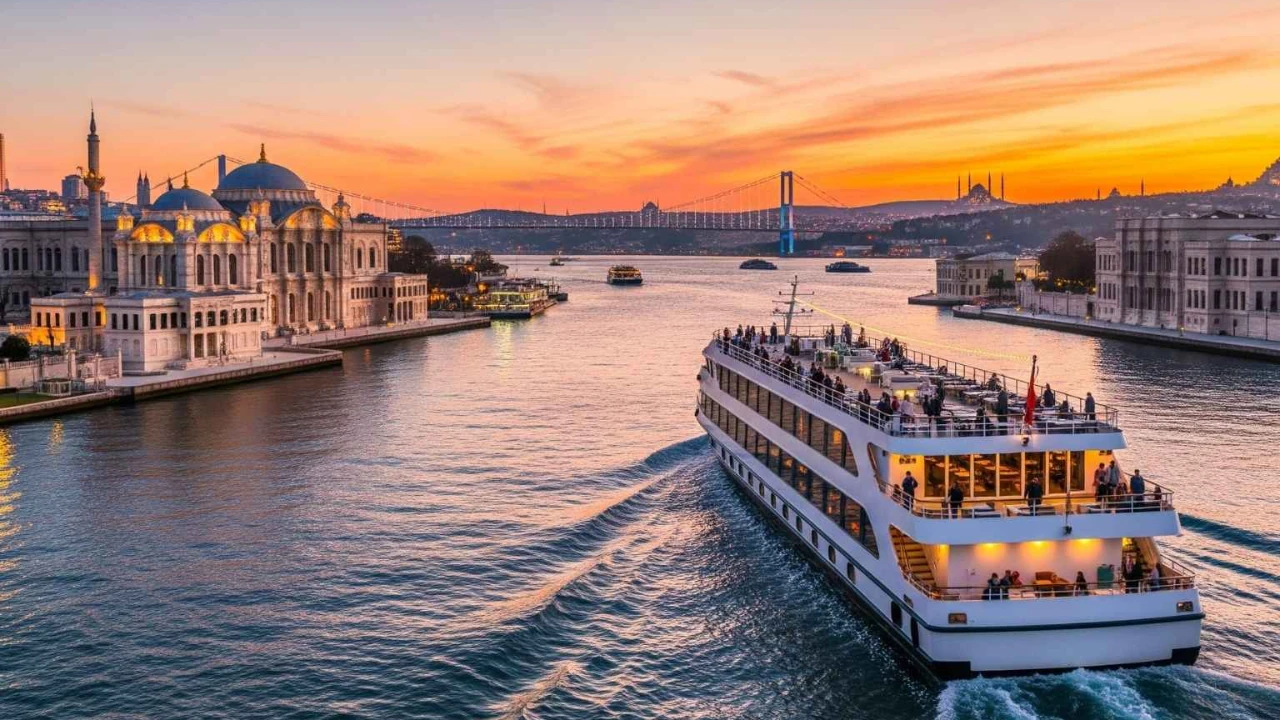
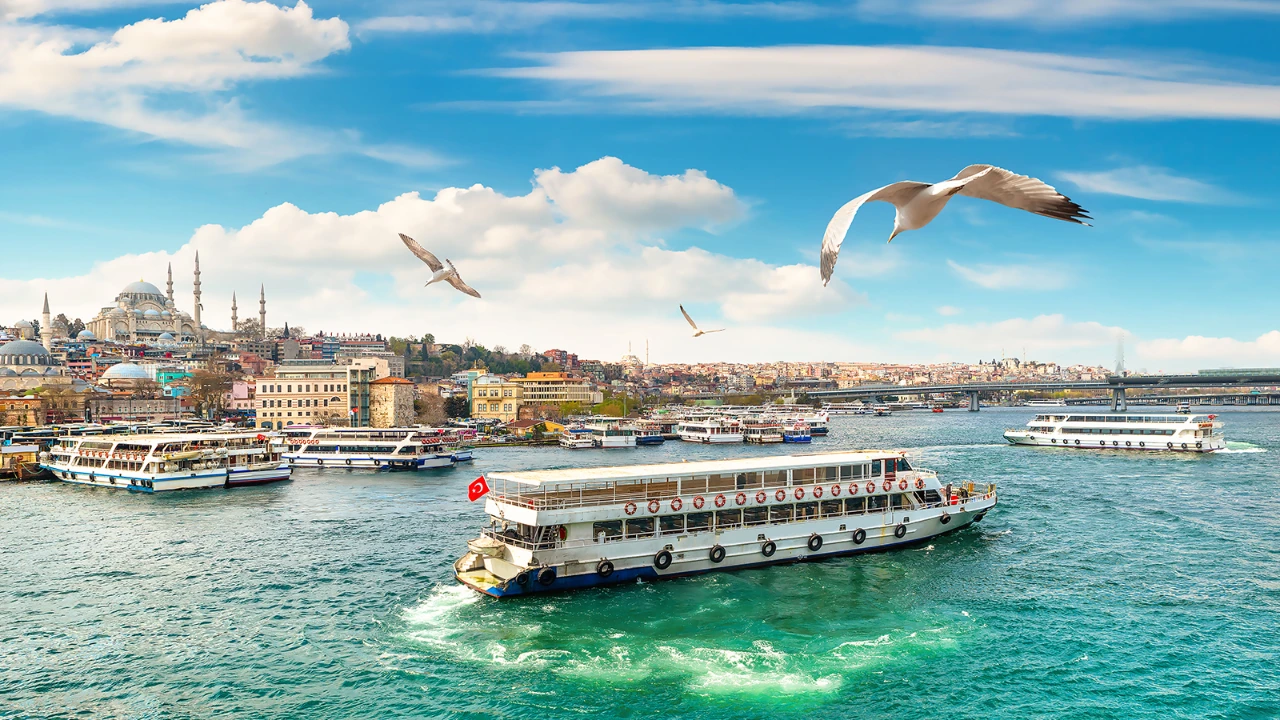
The traditional ferry (vapur) is the most iconic and beloved vessel in the system. It features an enclosed lower salon and a spacious open upper deck, allowing passengers to move between levels throughout their journey. Its high capacity effortlessly handles crowds during peak hours, and the wide deck ensures standing passengers never feel cramped. The onboard tea vendor, passengers engrossed in newspapers, and the quiet competition for a window seat are all part of this vessel's unique charm. Since ferries stop at intermediate piers, the same journey can be enjoyed both for its scenic beauty and as a practical mode of urban transport.
Sea Bus and Fast Ferry
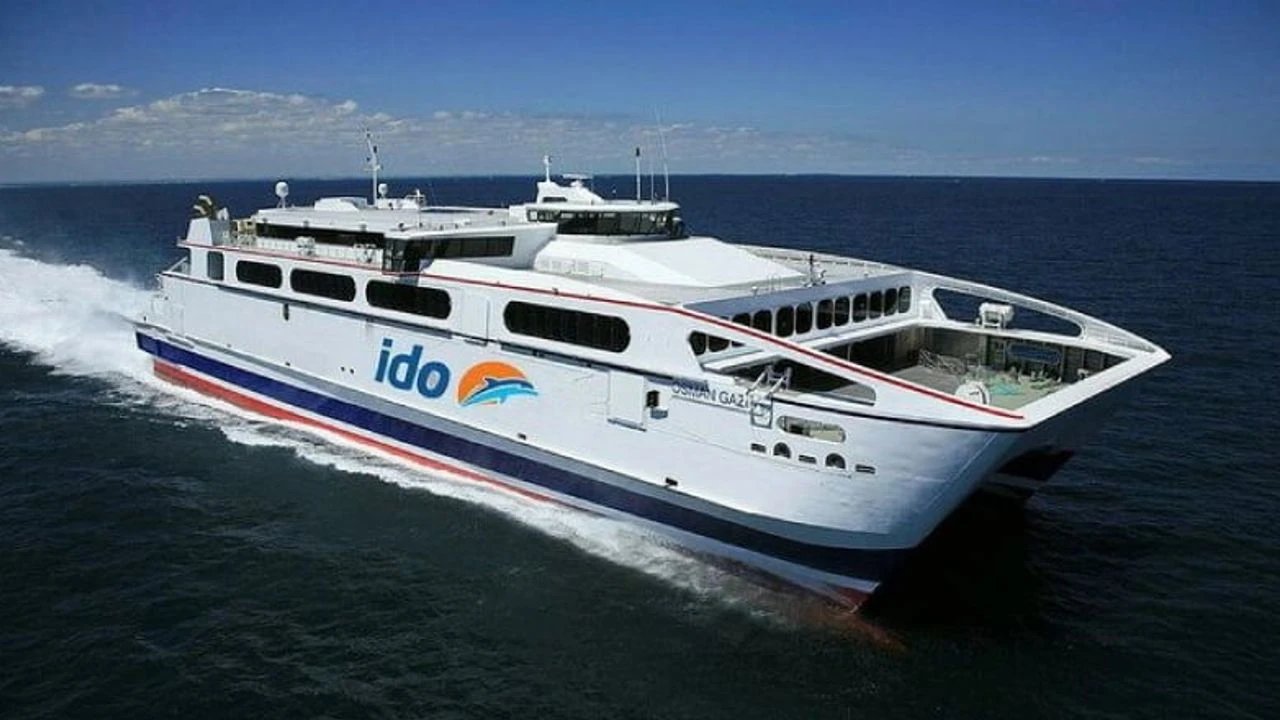
Sea buses and fast ferries consist of entirely enclosed, air-conditioned cabins. The seating arrangement resembles that of a bus, and there's no open deck for passengers to stroll. These vessels aren't designed for sightseeing; their primary purpose is to shorten long distances. Consequently, they operate express services, traveling directly from one end to the other without stopping at intermediate piers. This makes them a popular choice on rainy or cold days. For short inner-city crossings, their advantage is limited, as any time saved on the water might be offset by the walk to and from the pier.
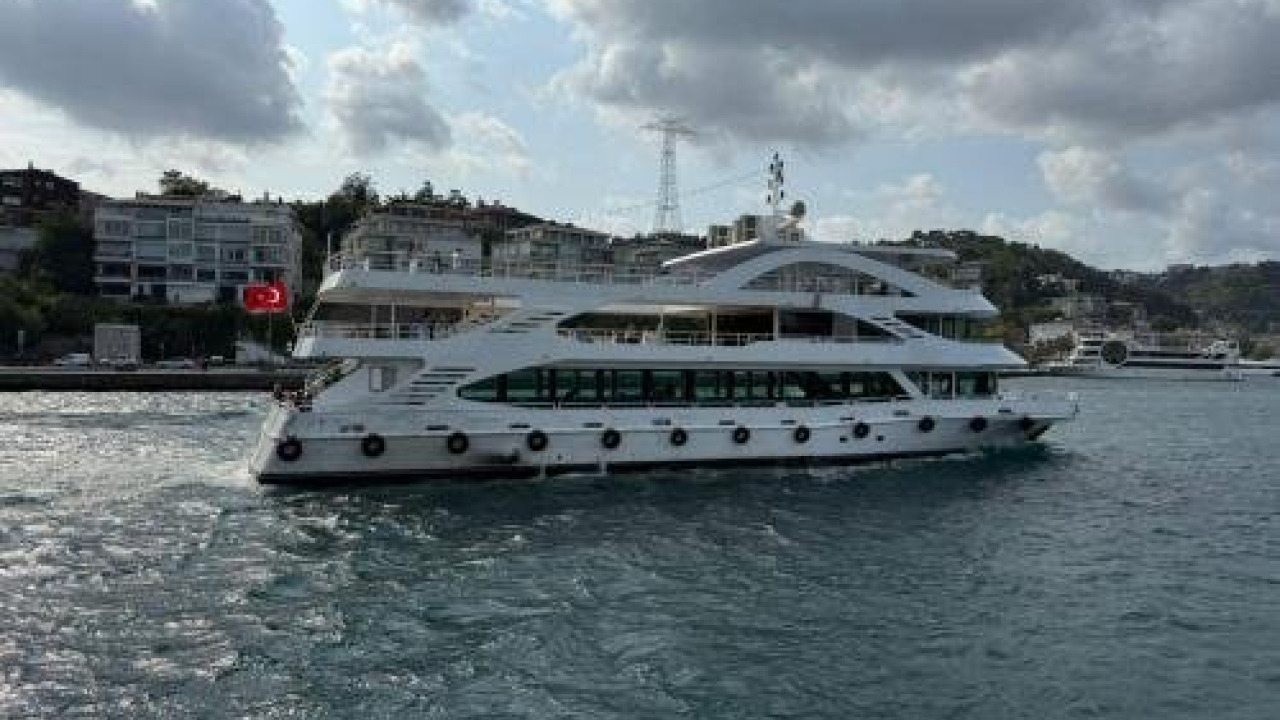
Motorboat, Car Ferry, and Private Boat
Motorboats are small, agile vessels that depart frequently, covering short distances between central piers. Car ferries, on the other hand, belong to a distinct category, transporting both passengers and their vehicles. These specific routes are not typically listed under Sehir Hatları's main inner-city lines but are operated by separate companies; it's advisable to verify their routes and schedules directly with the respective operators. Beyond these three classes, private boats operate on a charter basis rather than a public schedule. While a traditional city ferry serves as daily transportation, a private boat tour is a leisure-focused experience. The operator's own tourist cruises, however, strike a balance between these two concepts. Here, the decision isn't about the vessel type, but rather the amount of time you can dedicate to the day. The Long Bosphorus Cruise, for instance, requires approximately six hours for a round trip – a commitment that might not suit travelers unwilling to dedicate half a day to the sea. Departing from Eminönü, the stops at Beşiktaş, Üsküdar, Kanlıca, Sarıyer, and Rumeli Kavağı serve more as scenic points along the journey rather than final destinations. The longest break is typically taken at Anadolu Kavağı, the route's final stop. For those who prefer to spend their mornings on land, the Short Bosphorus Cruise is an excellent alternative. Limited to Eminönü, Üsküdar, and Ortaköy, this afternoon program fits perfectly into a half-day slot. Tickets for these cruises are separate from regular inner-city line tickets, and different fares apply based on the visitor type: the operator publishes Bosphorus cruise fees separately for local and foreign passengers. For the most current prices and schedules, it's best to consult the official source (sehirhatlari.istanbul, Bosphorus tours fare schedule). Those looking to structure their time on the water more around sightseeing than pure transportation can start by comparing options on the Istanbul boat and yacht tours page.
The Network's Backbone: Routes and Piers
At first glance, the sea route map might seem complex, but the system's structure is quite straightforward. Sehir Hatları publishes its inner-city routes under three main categories: Istanbul City Lines, Bosphorus Routes, and Princes' Islands Routes. Golden Horn services are not a separate category but rather a branch of the Istanbul City Lines; however, for easier planning, they are presented as a distinct row in the table below.
| Route Category | Purpose | Example Endpoints |
|---|---|---|
| Istanbul City Lines | Connects the two shores and central piers | Kadıköy, Kabataş, Karaköy, Eminönü, Beşiktaş, Üsküdar |
| Bosphorus Routes | Links coastal settlements heading north | Sarıyer, Anadolu Kavağı, İstinye, Çengelköy, Emirgan |
| Princes' Islands Routes | Extends to the island group in the Sea of Marmara | Ring services departing from Kabataş, Bostancı, Beşiktaş |
| Golden Horn Branch (under Istanbul City Lines) | Operates a short route following the inner harbor | Golden Horn services connecting Üsküdar, Kadıköy, and Beşiktaş |
Which Pier Serves Which Route Category
Eminönü, Kabataş, Beşiktaş, Karaköy, Üsküdar, Kadıköy, Bostancı, and Sarıyer are among Sehir Hatları's most active piers today, with each serving multiple route categories. Knowing which routes a specific pier accommodates will prevent you from going to the wrong platform and missing your departure. For land-to-pier connections, Kabataş is linked to funicular and tram lines, Eminönü to the tram line heading towards the Golden Horn, Üsküdar to Marmaray and metro lines, and Kadıköy to metro and Moda tram lines.
Princes' Islands and Golden Horn Routes
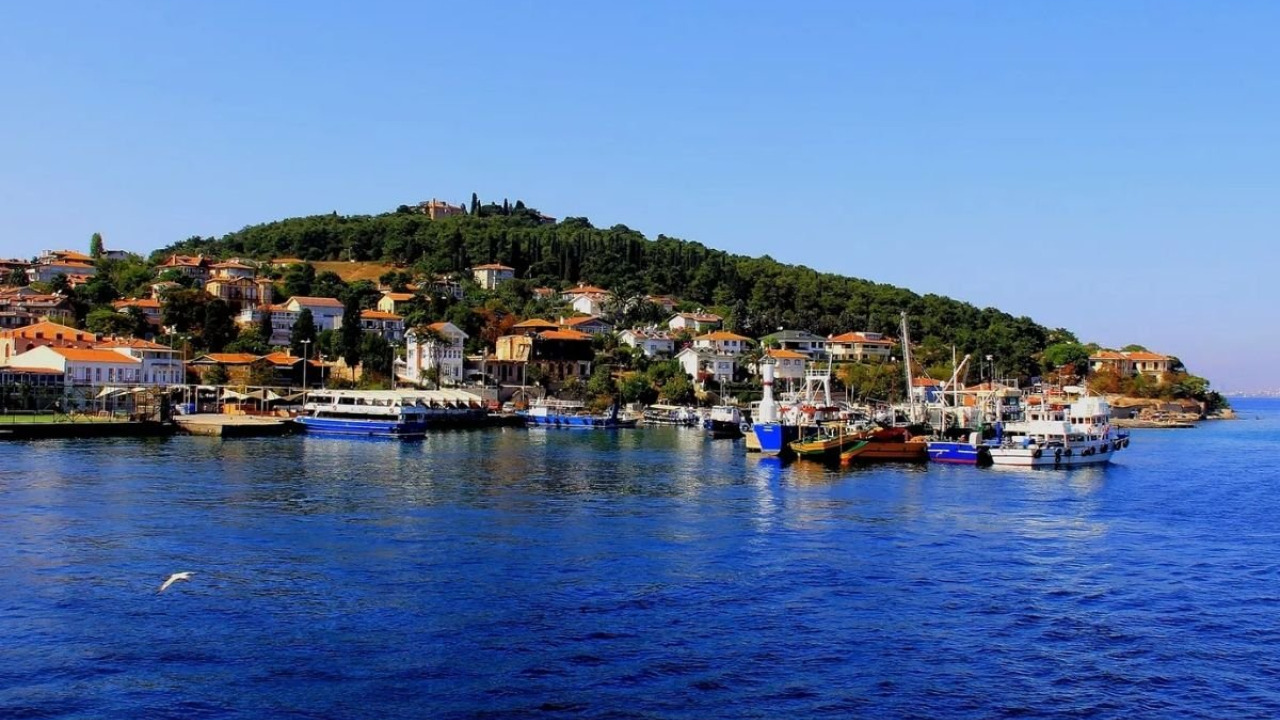
The Princes' Islands routes offer services departing from Kabataş, Bostancı, and Beşiktaş, connecting Büyükada, Heybeliada, Burgazada, and Kınalıada. These circular routes link the islands together within the same journey. The Golden Horn branch, on the other hand, follows the inner harbor, providing short-distance access to historic coastal neighborhoods. For those looking to integrate an island excursion into their day's itinerary, our Princes' Islands travel and transport guide offers valuable insights.
From Şirket-i Hayriye to Today: How the System Evolved
1851: From Rowboats to Steamships
For centuries, passenger transport across the Bosphorus relied on traditional rowboats. However, by the mid-19th century, the limited capacity, safety concerns, and weather vulnerability of these boats could no longer meet the growing demand. This led to the establishment of Şirket-i Hayriye in 1851. Sehir Hatları's corporate history traces its origins to this year, often highlighting the initiative of Cevdet and Fuat Pashas and marking it as one of the Ottoman Empire's earliest joint-stock companies. The company revolutionized transportation between Istanbul and the Bosphorus piers by introducing steamships. The launch of regular services rapidly accelerated the population growth of coastal neighborhoods: any village with a pier soon transformed into a bustling district of the city.
Post-1945: Consolidation and Today's Operations
In 1945, Şirket-i Hayriye was nationalized, and all its rights were transferred to the Sehir Hatları Enterprise, effectively consolidating ferry transportation under a single umbrella. The enterprise then came under the Istanbul Metropolitan Municipality in 2005, and in 2010, it was restructured as Istanbul Sehir Hatları Turizm San. Tic. A.Ş. According to the enterprise's corporate history, this period also saw the addition of new-generation car ferries and panoramic Golden Horn ferries to the fleet. This rich history explains why the system you see at the piers today feels both nostalgic and thoroughly modern. For those eager to explore the city's historical layers from land, our Historic Peninsula and Museums guide offers excellent resources.
How to Board and Pay for Sea Transport
To board sea transport, simply tap your Istanbulkart at the pier turnstile; there's no need to purchase a separate ticket from a booth. Plus, transfers from land-based public transport to sea lines are often discounted. When it comes to payment, there are two key aspects to understand: the transfer window and discounts applicable to specific passenger groups.
Land-to-Sea Transfer Discounts
A frequently overlooked benefit of the Istanbulkart is its transfer policy: according to Sehir Hatları's published fare schedule, discounts are applied for transfers from inner-city public transport to Sehir Hatları services, with a transfer window of 120 minutes. For the discount to apply, your Istanbulkart must be personalized; passengers using an anonymous card cannot avail themselves of this advantage. Transfer discounts are not applicable on Princes' Islands routes, nor are they valid for journeys falling within the late-night window. It's always wise to check the operator's official source for the most current fares and discount conditions before your journey.
Discounted and Free Passes
According to Sehir Hatları's passenger conditions, travelers over 65, disabled passengers, veterans, and martyrs' relatives can travel free of charge. Students, teachers, and passengers between 60 and 65 years old are eligible for discounted fares with the appropriate Istanbulkart type. There is no additional charge for bicycles; cyclists can take advantage of the ferry's spacious deck. Specific conditions apply for pet transport based on species and carrier requirements: dogs are accepted with a leash and muzzle, while cats must be in a carrier bag.
Season and Time: The Daily Rhythm of Sea Transport
Sea transport operates year-round, but the passenger experience changes significantly with the seasons. In summer, open decks are bustling, while in winter, enclosed salons fill up. Factoring this distinction into your planning will directly impact your comfort. On days with strong winds, schedules on certain routes may change, so checking the operator's announcement channels before you set out can save you time and hassle.
| Period | Character of the Sea Journey | Planning Note |
|---|---|---|
| April to June | Decks are cool, days are long | Weekend Princes' Islands routes see increased crowds |
| July to August | Open decks are preferred, evening services are lively | Shade is scarce, carry water and a hat |
| September to October | Light softens, crowds recede | Evening coolness sets in earlier |
| November to March | Enclosed salons are favored, routes return to daily routine | Opt for the salon instead of the deck, days get dark early |
The rhythm also shifts throughout the day. Service frequency increases during morning and evening rush hours, intervals widen during daytime, and a limited schedule operates during the late-night window. Since service frequency varies by route and season, it's essential to verify the schedule for your specific line.
Tea, Simit, and Seagulls on Deck: A Local Experience
The ferry deck has its own unique ecosystem, distinct from seeking out a typical dining spot. The onboard tea vendor serves tea in traditional slender-waisted glasses, a freshly baked simit (sesame bread ring) is usually bought as you board, and seagulls gather at the windy bow, hoping for a share. On short cross-Bosphorus routes, this delightful ritual might only last for a single crossing. However, on longer Bosphorus routes, you'll have ample time to sit, read, chat, and simply watch the shoreline drift by. A simple breakfast enjoyed on the sea has little to do with the city's restaurant culture; here, it's not about a gourmet menu, but the timeless experience of being on the deck itself.
How to Plan Your Sea Journey
The sequence is clear: first the route category, then the pier, then the vessel type, followed by the schedule, and finally, your Istanbulkart. When planned in this order, a sea journey becomes far more predictable than navigating by road. The following steps apply to both daily commutes and leisure-focused excursions.
- Choose your route category: Are you crossing to the opposite shore, heading north up the Bosphorus, or going to the Princes' Islands? You can't select a pier until your route category is determined.
- Identify your pier: Confirm which pier your chosen route departs from; it's possible for two separate, closely located piers to exist in the same neighborhood.
- Match the vessel to your needs: If you prioritize scenic views, choose a ferry. If saving time is key, a sea bus is ideal. For frequent departures and quick hops, a motorboat makes the most sense.
- Verify the schedule: Check the departure time from the operator's current schedule before you leave, and make a note of the return time simultaneously.
- Prepare your Istanbulkart: Ensure your personalized Istanbulkart has sufficient balance before you reach the turnstile, ideally topping it up before entering the pier area.
For those looking to extend their day with a dedicated sea experience, explore the Istanbul boat tours departing from the city center to find an option that fits your preferred time slot.
Essential Tips Before You Set Sail
- Make a note of the last return service time along with your departure time; evening schedules are less frequent than daytime services.
- A personalized Istanbulkart enables transfer discounts, an anonymous card does not; clarify your card type before your journey.
- If traveling with a bicycle, choose off-peak hours instead of rush hour; this allows more maneuvering space on deck.
- If traveling with a pet, prepare a carrier, leash, and muzzle in advance; acceptance rules vary by species.
- For photography, stand on the less windy side of the deck; the bow can get spray on faster routes.
- Journeys on Princes' Islands and Bosphorus routes can be long; carrying water and light snacks is helpful during busy hours.
Frequently Asked Questions 6
What payment method is used for sea transport in Istanbul?
Access through pier turnstiles is made with an Istanbulkart. Discounted card types are available for students, teachers, and specific age groups; passengers over 65, disabled passengers, veterans, and martyrs' relatives travel free of charge. For the most current fares and card conditions, consulting the operator's official source will provide accurate information.
What is the difference between a ferry and a sea bus?
A ferry (vapur) offers a scenic journey with its open deck, large capacity, and onboard tea/snack bar, making stops at intermediate piers. A sea bus, conversely, consists of enclosed, air-conditioned cabins, operates express services from end-to-end, and is designed to cover long distances quickly.
Which route categories does Sehir Hatları operate?
Sehir Hatları publishes its inner-city route program under three main categories: Istanbul City Lines, which connect the two shores; Bosphorus Routes, which extend northwards along the coast; and Princes' Islands Routes, with services departing from Kabataş, Bostancı, and Beşiktaş. Golden Horn services, which follow the inner harbor, are not a separate category but a branch of the Istanbul City Lines, operating connections to Üsküdar, Kadıköy, and Beşiktaş.
How long does the Sehir Hatları Bosphorus cruise last and what route does it follow?
For the Long Bosphorus Cruise, you should allocate approximately six hours for the round trip: the service departing from Eminönü calls at Beşiktaş, Üsküdar, Kanlıca, Sarıyer, and Rumeli Kavağı, with the longest break taken at Anadolu Kavağı, the route's final stop. For those unable to dedicate half a day, the Short Bosphorus Cruise, limited to Eminönü, Üsküdar, and Ortaköy, operates in the afternoon. Tickets for these cruises have different fares based on the visitor type; for current prices and departure times, it's essential to consult the operator's official fare schedule.
When did sea transport begin in Istanbul?
Regular steamship services on the Bosphorus began in 1851 with the establishment of Şirket-i Hayriye. The company was nationalized in 1945 and transferred to the Sehir Hatları Enterprise. The enterprise then came under the Istanbul Metropolitan Municipality in 2005 and achieved its current corporate structure in 2010.
Can I board a ferry with a bicycle?
There is no additional charge for bicycles on Sehir Hatları ferries, and their spacious decks are well-suited for cyclists. However, as the layout differs on enclosed cabin vessels, it's advisable to confirm the current conditions for the specific route with the operator before traveling with a bicycle.