When planning a Golden Horn boat tour, the first question people often ask is: should I see this route from the water or from the shore? The short answer is that both offer distinct experiences. From the water, you get the complete silhouette stretching from Eyüpsultan to Balat, where mosque courtyards, city wall remnants, old industrial buildings, and bridge foundations all line up in the same frame. The shore, however, reveals facade details, courtyards, and street-level views up close. This guide combines both perspectives, detailing which structures are best viewed from the water and which from land, how to navigate between the two ends of the route, which attractions are open on which days, and suggests a half-day itinerary.
Quick Facts
| Topic | Information |
|---|---|
| Route | Between Eyüpsultan and Balat, along the southern shore of the Golden Horn |
| Districts | Eyüpsultan and Fatih |
| Rail Transport | T5 tram line; Fener, Balat, Ayvansaray, and Feshane stations are at shore level |
| Sea Transport | Şehir Hatları (City Lines) Üsküdar-Haliç line; stops at Fener, Balat, Hasköy, Ayvansaray, Sütlüce, and Eyüpsultan piers |
| Key Stops | Eyüpsultan Mosque, Feshane, Ayvansaray city wall remnants, Fener hillside, Balat waterfront, Rahmi M. Koç Müzesi |
| Suggested Duration | Half-day; extends to a full day if a boat trip is included |
| Terrain | Shoreline is flat, Fener and Eyüpsultan hillsides are steep |
Golden Horn: From the Water or from the Shore?
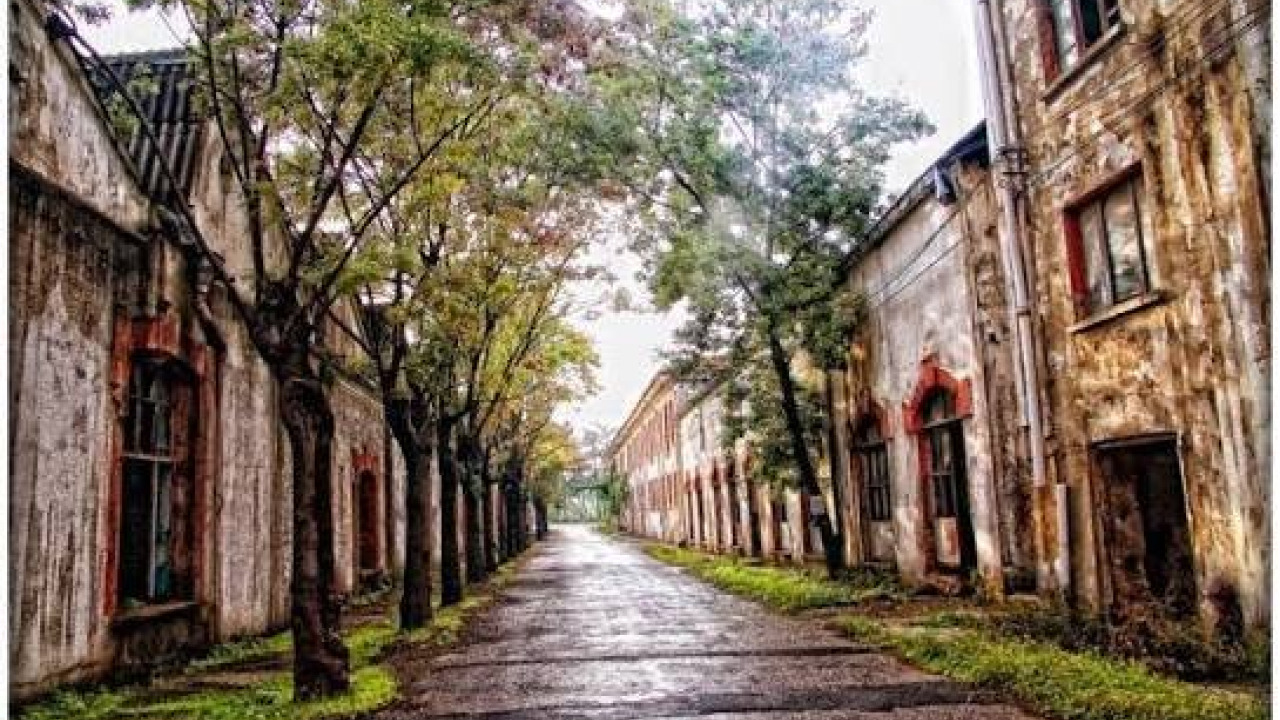
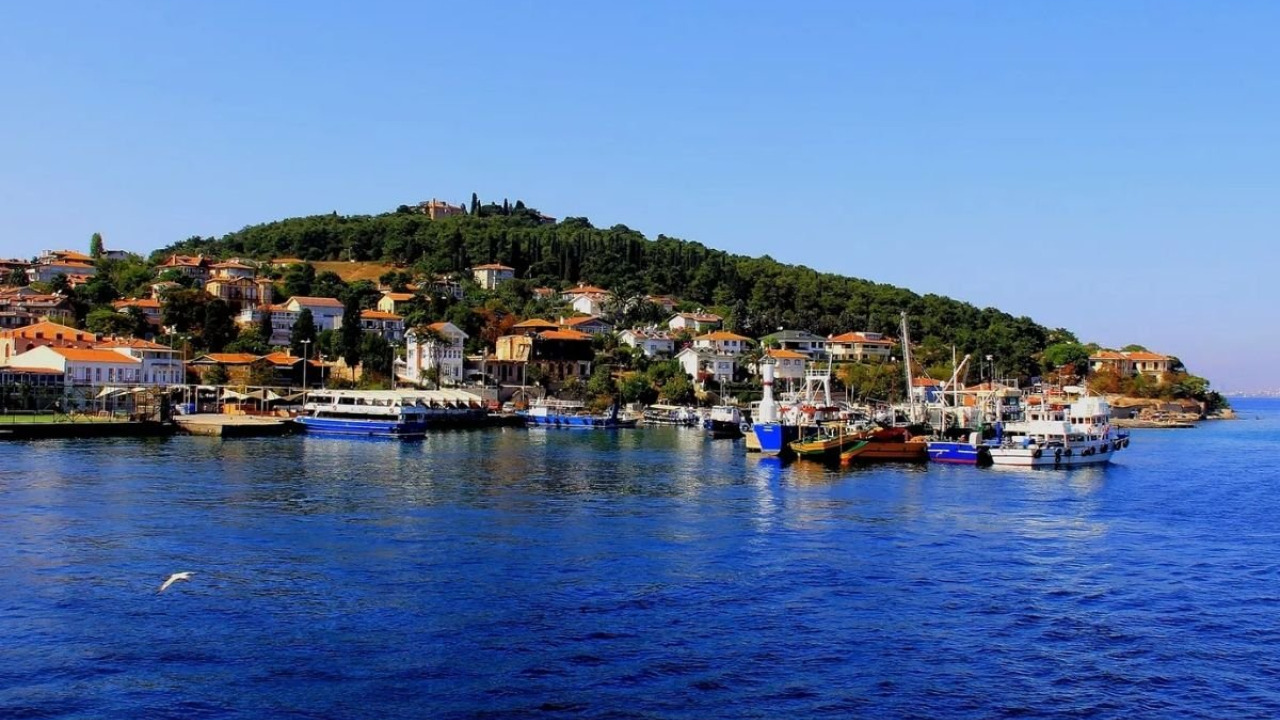
The character of this route completely transforms when you shift your perspective. Viewed from the water, the Golden Horn appears as a narrow, enclosed inlet; the two banks feel close, structures pass by in a continuous line, and the sense of distance shortens. Walking along the shore, the same route stretches out, as the urban fabric changes every hundred meters: a mosque courtyard, a city wall remnant, a workshop facade, a row of residences.
| Perspective | What it shows | Limitations | Best for |
|---|---|---|---|
| From the Water | Entire shoreline silhouette, bridge foundations, opposite bank | No entry into buildings, fixed stops | Those who want the big picture first |
| From the Shore | Facade details, courtyards, street level, neighborhood atmosphere | Steep inclines on hillsides can be tiring | Those who prefer a leisurely pace and want to explore inside |
| Both Combined | Both distant and close-up views of the same route | Extends the day, requires transfers | Those who can turn a half-day into a full day |
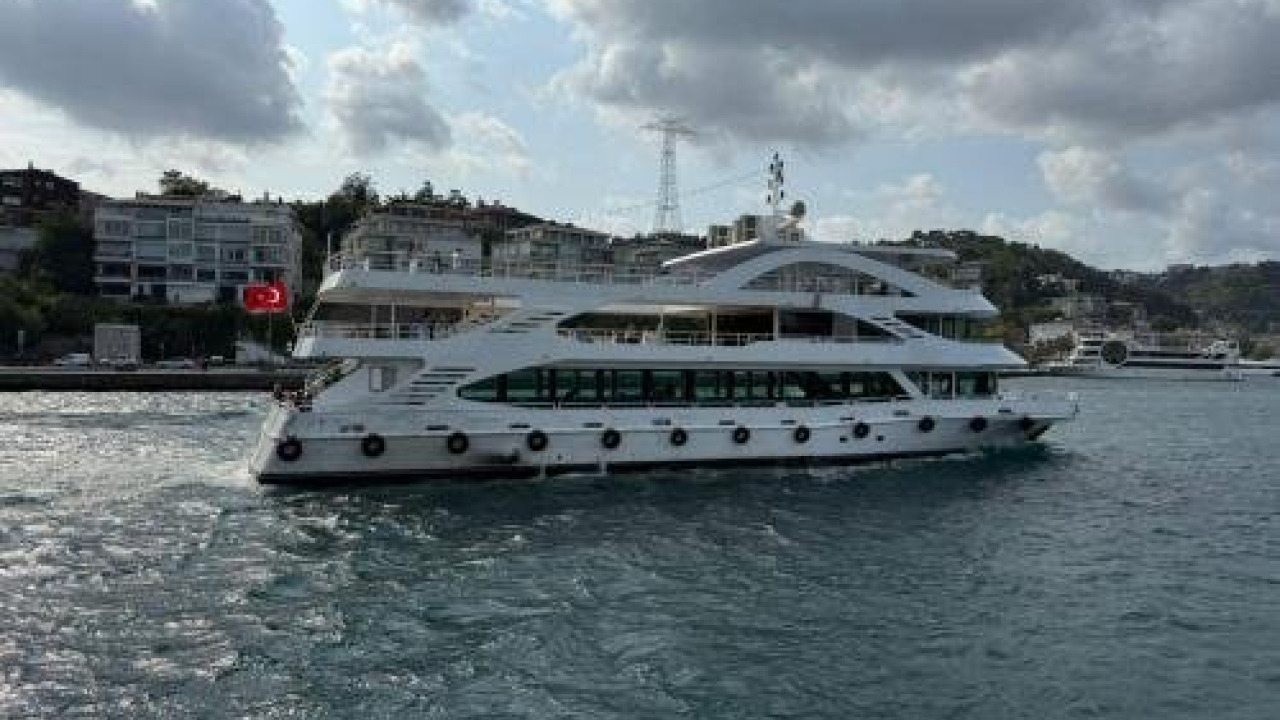
Practical Tip: Planning the boat trip in one direction and the walk in the return direction avoids the feeling of traversing the same shore twice. For those who prefer a guided experience along the shore, explore the Istanbul boat and yacht tours options to plan your day accordingly.
How to Get Between Eyüpsultan and Balat
The T5 Eminönü-Alibeyköy tram line forms the backbone of the shoreline route. According to Metro Istanbul data, the line is 10.1 kilometers long with 14 stations; it takes approximately 32 minutes from end to end, between Eminönü and Alibeyköy Cep Otogarı, operating from 06:00 to 00:00. The first eight stations of the line facing the Golden Horn are Eminönü, Küçükpazar, Cibali, Fener, Balat, Ayvansaray, Feshane, and Eyüpsultan Teleferik; the remaining stations are further inland towards Alibeyköy.
The practical implication of this sequence is that there are two stations, Ayvansaray and Feshane, between Balat and Eyüpsultan Teleferik, meaning the two ends are just three stops apart, and you can alight at any point in between to start your walk. The section of the line running along the Golden Horn is catenary-free, meaning it's powered by a system without overhead lines, so the coastal view isn't obstructed by wires and poles – a significant advantage for photography. Walking is also an option, with the duration varying based on your pace and whether you venture up the hillsides.
Where Does the Golden Horn Boat Trip Go?
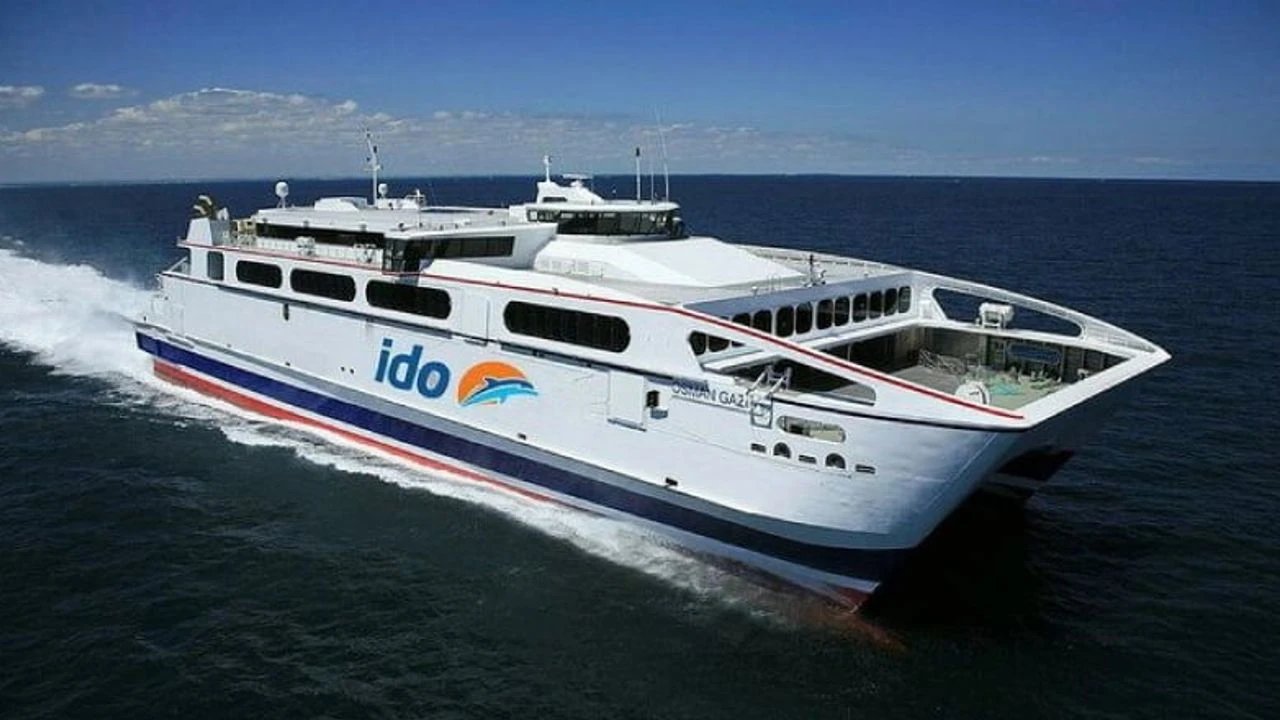
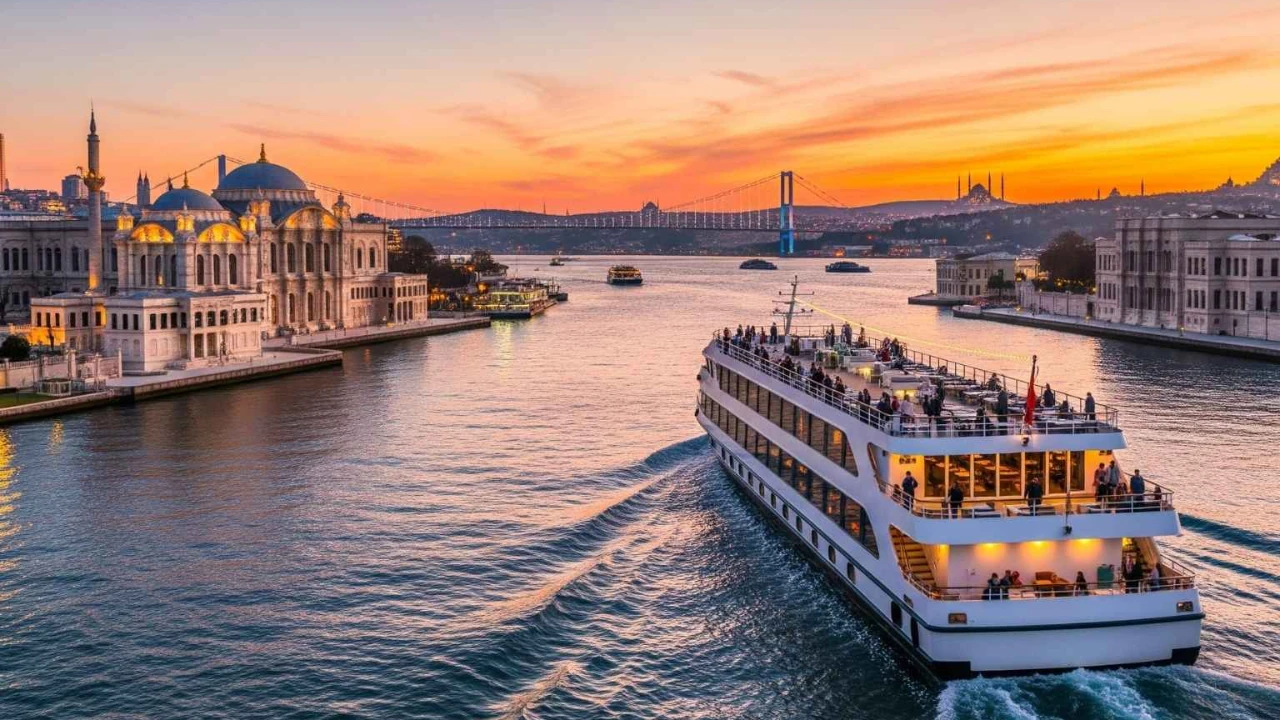
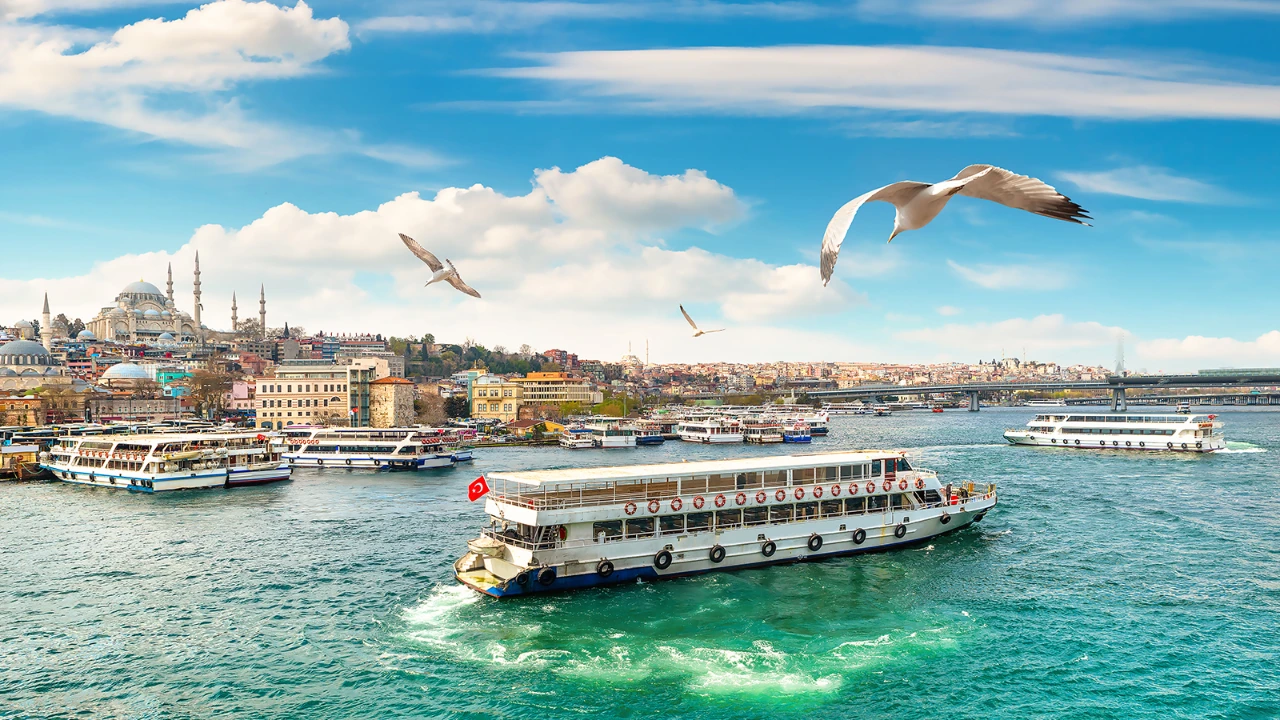
The backbone of the waterborne journey is the Şehir Hatları (City Lines) Üsküdar-Haliç line; according to the company's own schedule, the line stops at Üsküdar, Karaköy, Kasımpaşa, Fener, Balat, Hasköy, Ayvansaray, Sütlüce, and Eyüpsultan piers. The Eyüpsultan-Balat stretch, which this guide focuses on, can thus also be covered by water: there are three additional piers – Hasköy, Ayvansaray, and Sütlüce – between these two main piers. Don't confuse these with the tram stations; they are two separate systems, and the stop names do not perfectly align.
Hasköy pier offers a practical advantage: the Rahmi M. Koç Müzesi is located in this neighborhood, right at shore level; a crossing to the opposite bank can be made from here without disrupting your walking route. Ferry times and pier arrangements are updated periodically, so check sehirhatlari.istanbul before finalizing your plans.
Regarding fares, foreign visitors should be aware of a distinction: Şehir Hatları applies different tariffs for tourist cruises based on visitor type, meaning there are separate fare categories for local and international passengers. Scheduled line services operate independently from these tours. For current rates, refer to the fare schedules page on sehirhatlari.istanbul.
Which Attractions Can You Enter, Which Are Best Viewed from Outside?
The main time-waster along the shoreline is arriving at a closed door. The table below summarizes which stops are open for visits and which are best observed from the street or water. As opening hours change seasonally, always verify current information from the official source of the respective institution.
| Stop | Location | Visit Note |
|---|---|---|
| Eyüpsultan Mosque and Tomb | Northern end of the Golden Horn, short walk from the shore | Open for worship; comfortable to visit outside of prayer times and Friday crowds |
| Artİstanbul Feshane | Eyüpsultan waterfront | Closed Mondays; free admission, exhibition program changes periodically |
| Rahmi M. Koç Müzesi | Hasköy, opposite bank | Closed Mondays; Tuesday to Friday 09:30-17:30, weekends 10:00-19:00 |
| Ayvansaray City Wall Remnants | Adjacent to the shore | Open area; the line of ruins can be observed from street level |
| Fener and Balat Facades | Hillside and waterfront | Mostly residential buildings; viewed from the street |
| Golden Horn Bridge | Between Ayvansaray and Halıcıoğlu | Road bridge; passed under during a boat trip |
Stops Along the Shoreline, in Order
The following stops are listed from north to south, meaning from Eyüpsultan towards Balat. Following this order groups the hillside sections and prevents you from walking the same stretch of shore back and forth. Those looking to incorporate these coastal structures into a guided program can explore options on the Istanbul cultural tours page.
Eyüpsultan Mosque and Square
Located at the northern tip of the route, this structure was built in 1458 by Fatih Sultan Mehmed, according to Eyüpsultan Municipality records, a date confirmed by the inscription above its gate. The original structure was severely damaged in the great earthquake of May 1766. Reconstruction began on July 9, 1798, completed in 28 months with the minarets left in place, and the mosque was reopened for worship on October 24, 1800, with Sultan Selim III attending the Friday prayer. The edifice you see today is this second iteration.
The ablution fountain (şadırvan), plane trees, and the crowds at the tomb's entrance define the daily rhythm of the area. According to Kültür Portalı records, the tomb has an octagonal plan, and at its entrance, there is a 'nakş-ı kadem-i saadet' (a sacred footprint) along with a public fountain (sebil). Queues for visits extend on Fridays and religious holidays; the early morning hours are the most practical way to find the courtyard serene.
Artİstanbul Feshane and Waterfront Square
The Feshane-i Amire, an Ottoman-era fez production facility, was repurposed as Artİstanbul Feshane after extensive restoration. It now serves as an exhibition space, library, and event venue under İBB Kültür Sanat (Istanbul Metropolitan Municipality Culture and Arts). Being adjacent to the shore, its long, low mass is immediately recognizable when viewed from the water.
The venue is closed on Mondays, and according to İBB Kültür Sanat, admission is free; therefore, there's no varying tariff based on visitor type here. The program inside is based on changing exhibitions rather than a permanent display, and visiting hours are updated periodically; check the institution's official website for the current schedule before your visit. The waterfront square in front of the building is ideal for your first extended break during the walk.
Ayvansaray and the Golden Horn End of the Land Walls
The point where Istanbul's land walls meet the Golden Horn is in Ayvansaray. Here, the wall line converges with the sea, and residential structures added over centuries lean directly against the stone wall; on the same street, you'll see both remnants of the defensive structure and civilian buildings built adjacent to it.
Viewed from the water, this section is where the shoreline distinctly rises. When walking from land, however, you'll need to venture into the side streets that follow the wall remnants; if you stay on the main coastal road, much of the wall will be hidden behind rows of buildings. The ground here is cobblestone, so comfortable, sturdy shoes will make your walk easier.
Fener Hillside and its Rising Silhouette from the Shore
Heading south from Ayvansaray, you enter Fener. The character of this neighborhood is more pronounced on its hillside than at the waterfront: stone mansions, institutional buildings, and brick facades sit several streets above the shore level. From the water, Fener's silhouette is recognized by the mass of its red-brick school building; from the shore, the same building appears in glimpses between the streets.
Those wishing to combine Fener with the museum route of the Historic Peninsula in the same itinerary can utilize the stop sequence in the Istanbul cultural tours and museums guide article. If you plan to climb the hillside, save it for the cooler hours of the day.
Balat Waterfront and Transition to Inner Streets
Balat marks the southern end of the route, and its character rapidly changes as you move inland from the waterfront. While the coastal road offers a flat and wide stretch, just a few streets in, you'll find rows of narrow-fronted houses, brightly painted buildings, and a line of antique shops and cafes on the ground floors. If you stay on the waterfront, you won't experience the neighborhood's iconic charm; you need to venture into its heart.
For those who wish to plan a street-by-street exploration of all the neighborhood's attractions, you can use the half-day walking itinerary in the Balat places to visit guide article. Balat serves as the concluding stop in this guide: upon arrival here, the waterborne journey ends, and the walking tour begins.
Rahmi M. Koç Müzesi and Hasköy Waterfront
Located in Hasköy on the northern shore of the Golden Horn, this museum was established by transforming old industrial buildings and opened to visitors in 1994. Its collection, focusing on the history of transport, industry, and communication, spans both indoor and outdoor areas; boats, locomotives, and aircraft bodies in the garden are noticeable even when passing by water.
According to the museum's own information, it is closed on Mondays. It can be visited from Tuesday to Friday between 09:30-17:30, and on Saturdays and Sundays from 10:00-19:00; ticket sales end half an hour before closing. The eve and first day of religious holidays, as well as December 31st and January 1st, are also among the closed days. Since the museum is on the opposite bank, adding it to a Balat-focused walk requires a separate crossing.
Passing Under the Golden Horn Bridge
Cutting across the water between Ayvansaray and Halıcıoğlu, the Golden Horn Bridge is the most prominent modern structure along the shoreline. Construction began in 1971, was completed in 34 months, and the bridge opened to service on September 10, 1974. Passing beneath this structure during a boat trip highlights the scale of modern infrastructure standing right alongside the historic coastal fabric.
The width of the water changes on the north and south sides of the bridge; after passing, the shoreline narrows towards Eyüpsultan. From a photographic perspective, it's interesting how the city wall remnants, residential rows, and bridge piers can all stand side-by-side in the same frame.
How to Plan a Half-Day from Eyüpsultan to Balat
A half-day can be planned with a six-step itinerary moving from north to south, grouping the hillside sections together; this arrangement prevents you from climbing the same incline twice.
- Start in Eyüpsultan: Explore the mosque courtyard and square in the early morning; the queue for the tomb and the courtyard's crowd density increase as the day progresses.
- Descend to the waterfront: Head to Feshane and the waterfront square in front of it; if the exhibition program is suitable on days other than Monday, take your first long break here.
- Arrange your boat trip from here: If you plan to travel by water, arrange it to follow the coastal silhouette from north to south.
- Turn into the city wall remnants at Ayvansaray: From the coastal road, enter the side streets to follow the line of the city walls, then return to the shore.
- Ascend Fener hillside: After seeing the brick-fronted institutional buildings, descend south through the inner streets.
- Finish in Balat: Enter the neighborhood from the waterfront and complete your walk among the rows of houses and market streets.
Best Season and Time for a Golden Horn Shoreline Visit
Spring and autumn are ideal for walking the hillside sections without getting tired, and between 08:00 and 10:00 in the morning is a comfortable window for the shoreline level. The Golden Horn shore can be walked year-round, but the choice of season significantly impacts comfort: the shoreline is exposed to wind, and hillside sections are shadeless in summer.
| Period | Coastal Advantage | Golden Horn Specific Note |
|---|---|---|
| April-June | Longer days, cool for hillside climbs | Waterfront path fills with cyclists and walkers on weekends |
| July-August | Afternoon coastal breeze is refreshing | Little shade at midday, carry water |
| September-October | Light softens on brick and stone facades | Mosque courtyard gets crowded during holiday periods |
| November-March | Crowds thin out, queues shorten | Boat trips may be disrupted by strong southerly winds (Lodos), carry a raincoat |
Dividing the day by spending midday in indoor venues and the late afternoon on hillside sections helps disperse crowds.
Before You Go
- Rahmi M. Koç Müzesi and Artİstanbul Feshane are closed on Mondays; avoid this day for your visit.
- In the mosque courtyard, opt for clothing that covers your shoulders and knees; a headscarf is expected for women.
- When photographing residential facades, keep windows out of your frame, as this is a lived-in neighborhood.
- Due to cobblestones and inclines, wear comfortable, sturdy shoes with good grip.
- If planning a boat trip, check the wind conditions on the morning of your visit.
- Shade is limited along the shore; carry a hat and water, especially during summer months.
Frequently Asked Questions 6
How long does a Golden Horn boat tour take?
The duration varies depending on the route length and number of stops. A program covering the shoreline between Eyüpsultan and Balat typically takes half a day; if a walking segment is added to the boat trip, it can extend to a full day. If traveling by water, the Şehir Hatları Üsküdar-Golden Horn line includes Hasköy, Ayvansaray, and Sütlüce stops between the two main piers.
How do I get from Eyüpsultan to Balat?
The most practical connection is the T5 Eminönü-Alibeyköy tram line. The first eight stations of the line along the Golden Horn are Eminönü, Küçükpazar, Cibali, Fener, Balat, Ayvansaray, Feshane, and Eyüpsultan Teleferik; meaning there are two stations, Ayvansaray and Feshane, between Balat and Eyüpsultan Teleferik. The same stretch can also be covered by water via the Şehir Hatları Üsküdar-Golden Horn line.
Which structures stand out along the Golden Horn shore?
From north to south, highlights include the Eyüpsultan Mosque and its tomb, Artİstanbul Feshane, the city wall remnants at Ayvansaray, the stone institutional buildings on the Fener hillside, and the rows of houses in Balat. On the opposite bank, the Rahmi M. Koç Müzesi in Hasköy represents the industrial heritage of the shoreline.
Which day is Rahmi M. Koç Müzesi closed?
According to the museum's own information, it is closed on Mondays. It can be visited from Tuesday to Friday between 09:30-17:30, and on Saturdays and Sundays from 10:00-19:00; ticket sales end half an hour before closing. The eve and first day of religious holidays, as well as December 31st and January 1st, are also among the closed days.
Who built the Eyüpsultan Mosque?
The original structure was built in 1458 by Fatih Sultan Mehmed. After being severely damaged in the 1766 earthquake, the current mosque was completed in 28 months, with construction starting on July 9, 1798, and opened for worship on October 24, 1800.
Which season is suitable for visiting the Golden Horn shore?
Spring and autumn are ideal for walking the hillside sections without getting tired. During summer months, morning and late afternoon hours are preferred, as shade is limited along the shore. In winter, crowds decrease, but boat trips may be disrupted by strong southerly winds (Lodos) on windy days.