The story of Beykoz Kundura Factory begins in 1810, when a tannery acquired by order of Sultan Mahmud II began producing harnesses, belts, and boots for the Ottoman army. This sprawling complex on the Bosphorus's Yalıköy shore operated continuously from that date until 1999, reaching an annual production of 2.5 million pairs by 1977. Once a bustling hub for shoe and leather manufacturing, providing livelihoods for thousands, this industrial powerhouse has now been reborn as a vibrant center for cinema, performing arts, and exhibitions. In this guide, you'll discover the factory's two-century-long saga, its current functions, and all the practical information you need for your visit.
Quick Facts
| Information | Detail |
|---|---|
| Location | Yalıköy Mahallesi, Süreyya İlmen Caddesi No:1, 34820 Beykoz / İstanbul |
| Established | 1810, as a facility producing leather materials for the Ottoman army |
| Sümerbank Era | 1933 - 1999 |
| Production Ceased | 1999 |
| Current Function | Film set, culture and art center, exhibition space |
| Permanent Exhibition | Kundura'nın Hafızası: Bir Fabrikaya Sığan Dünya (Memory of Kundura: A World Within a Factory) (June 2021) |
| Exhibition Admission | Free, appointment required |
| Exhibition Visiting Hours | Wednesday - Sunday, 13:00 - 20:00 |
| Construction Material | Rubble stone and brick |
| Parking | On-site parking is free |
| Transportation | Üsküdar, İstinye, Yeniköy, Sarıyer ferry lines; 15, 15D, 15F, 15T, 15BK, 121A bus lines |
What is Beykoz Kundura Factory and Why is it Important?
Beykoz Kundura is a vast industrial complex nestled on the Bosphorus shore in Istanbul's Beykoz district. Its uninterrupted production from the Ottoman Empire to the Republic era grants it a unique place within Turkey's industrial heritage. Today, the complex no longer produces goods; instead, it preserves and shares its two-century memory through exhibitions, film shoots, and cultural programs.
An Industrial Hub on the Northern Bosphorus
For centuries, Beykoz has been not only a popular recreational spot in Istanbul but also a significant production center. The district excelled in areas like leather processing, glassmaking, and shoe manufacturing, leveraging the Bosphorus's advantageous sea transport. The Yalıköy area, where the factory was established, offered a prime location for both raw material imports and product shipments.
Two Centuries of Production History
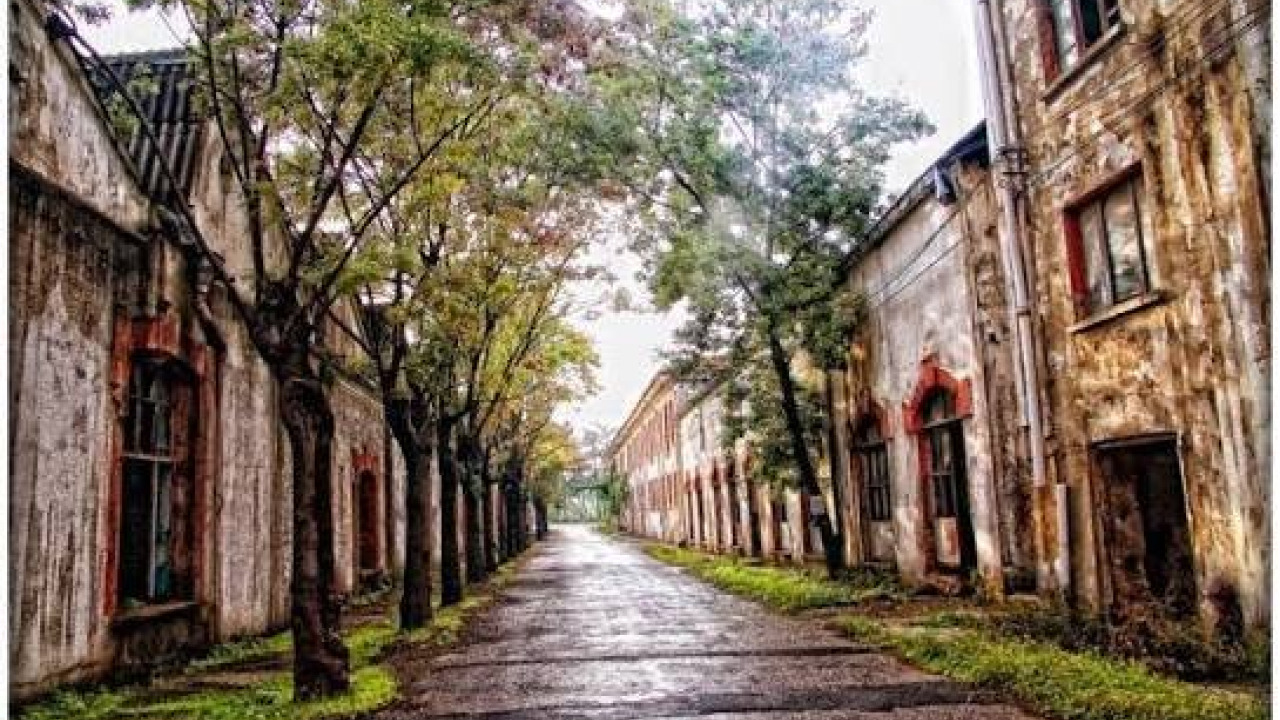
The structures within the complex showcase the industrial aesthetics of their era, featuring striking rubble stone and brick walls, expansive windows, and high-ceilinged production halls. During restoration, the raw texture of these buildings was preserved, with modern ventilation, lighting, and sound solutions discreetly integrated. Visitors stepping inside won't forget they're in a former factory; its technical identity is maintained, enriched with a new cultural layer.
From Founding to Closure: The Factory's History
The complex's story begins with Beykoz's first industrial venture and continued uninterrupted until the end of the 20th century.
Ottoman Era: From Tannery to Army Factory
Beykoz's first industrial facility was a paper factory established in 1804 at Hünkar İskelesi, initiated by Sultan Selim III. Adjacent to the mill used by this factory, a tannery was acquired in 1810 by order of Sultan Mahmud II, beginning the production of leather goods like harnesses, belts, and boots for the army. Following the abolition of the Janissary Corps in 1826, new sections were added to the facility, and military shoe production from goat leather commenced. During Sultan Abdülmecid's reign, steam-powered machinery was introduced, and by 1912, production capacity increased, allowing for shoe manufacturing for the general public as well.
The Republic and Sümerbank Years
With the establishment of the Republic, the enterprise was first affiliated with the General Directorate of Military Factories, then changed hands, being transferred in 1933 to the newly founded Sümerbank, taking the name Sümerbank Leather and Shoe Industry Enterprise. Beykoz Kundura was one of the four factories established under Sümerbank. From 1943 onwards, its products were distributed by the state to civil servants and soldiers. A connection forged in 1947 with the Bat'a shoe factory in Czechoslovakia led to the construction of the New Shoe Building in the 1950s, boosting efficiency. A cooperative formed to address the housing needs of factory workers directly shaped the neighborhood fabric of Beykoz. Production peaked in 1977, reaching an annual output of 2.5 million pairs.
Production Halt and Privatization
The environmental impact of leather processing led to the gradual closure of the leather division in the 1990s. Production completely ceased in 1999. In the early 2000s, the facility was privatized, becoming part of ARY Holding, and a repurposing process began under the management of Ali Rıza Yıldırım. The decision to preserve the existing structure rather than demolish and rebuild laid the foundation for its current identity.
The table below chronologically summarizes the complex's milestones.
| Year | Development |
|---|---|
| 1804 | Beykoz Paper Factory established at Hünkar İskelesi |
| 1810 | Tannery acquired, leather production for army began |
| 1826 | Military shoe production began after Janissary Corps abolished |
| 1933 | Facility transferred to Sümerbank |
| 1947 | Connection established with Bat'a factory in Czechoslovakia |
| 1977 | Annual production reached 2.5 million pairs |
| 1999 | Production completely ceased |
| 2005 | Complex repurposed as a film set |
| 2010 | First TV series filmed |
| 2015 | Kundura Hafıza oral history project began |
| 2018 | Kundura Cinema and Kundura Stage programs launched |
| 2021 | Permanent exhibition opened to visitors |
Transformation of Industrial Heritage: From Factory to Cultural Hub
To see a factory merely as concrete and iron is to disregard the memory it holds. For years, Beykoz Kundura was home to the labor of hundreds; today, artistic creation continues within these same walls.
Kundura Cinema and Kundura Stage
Transformed from one of the old production halls, Kundura Cinema has, since 2018, featured a program of restored classics, independent productions, and special selections. The expansive volume created by the high ceilings and the raw texture of the space offer a unique viewing experience, distinct from standard theaters. Kundura Stage, which also launched its program that year, is designed with an interdisciplinary approach, hosting performances, dance, and music events. For those planning Istanbul's cultural itineraries and looking to venture beyond the usual routes, following this calendar is an excellent starting point. Visitors keen to explore industrial heritage alongside art venues can check our Istanbul cultural tour programs page for guided alternatives.
Kundura Hafıza (Memory) and Permanent Exhibition
Initiated in 2015 with oral history interviews, the Kundura Hafıza project has endowed the venue with the character of a memory institution alongside its identity as an art center. The permanent exhibition, opened in June 2021, brings together machinery remaining from the factory, photographs, documents, and objects donated by former employees and their families. Accompanying oral history recordings illuminate the human side of production. Researchers can also make separate appointments for archive studies.
Identity as a Film Set
The complex was repurposed as a film set in 2005; the first TV series was filmed in 2010, and since then, it has hosted numerous national and international productions. Among the sets on site, the 'İzmir Kordon' was built for the TV series Vatanım Sensin. Areas like Kundura Kordon, Çarkhane (Gear House), Deri Dolapları (Leather Cabinets), Helikopter Hangarı (Helicopter Hangar), and Eski Kundura (Old Shoe Factory) offer a flexible setting for producers, capable of accommodating different periods and atmospheres. The film sets are not open for daily visits; these areas are used for production activities.
Visitor Information: Hours, Fees, and Appointments
Beykoz Kundura does not operate as a public museum every day. The complex welcomes visitors on event days; the permanent exhibition, however, can be explored five days a week during specific hours.
| Visit Type | Day & Time | Fee | Registration |
|---|---|---|---|
| Permanent Exhibition | Wednesday, Thursday, Friday, Saturday, Sunday 13:00 - 20:00 | Free | Appointment required |
| Cinema, Stage & Concert Events | Subject to event calendar | Ticketed per event | With ticket |
| Workshop Programs | Program-dependent | Varies by program | Registration required |
| Archive Research | By appointment | Free | Appointment required |
| Film Sets | Closed to visitors | Closed to visitors | Closed to visitors |
How to Make an Appointment?
- Go to the exhibition registration form in the 'Visit' section of the official website.
- Select your desired date and time slot.
- Fill out a separate form for each visitor in your group; group registrations are not accepted.
- After receiving your confirmation message, arrive at the complex at your scheduled time.
Visitors arriving without an appointment will not be admitted to the exhibition area. There is a separate application process for school and university groups; student groups are expected to be accompanied by a responsible teacher.
Expected Conduct During Your Visit
- Photography and videography are restricted to areas permitted by management. Prior authorization is required for commercial and professional shoots.
- Visitors are expected to maintain silence in exhibition halls and historic production areas, avoiding behavior that might disturb other guests.
- For preservation purposes, please do not touch the displayed machinery and objects.
- Throughout your visit, please follow the guidance of the staff.
- Wedding organizations are not hosted at the complex; rental services are focused on events and shoots.
How to Get There?
As the complex is situated on the Beykoz coastline, it's accessible by both sea and land. The following sequence offers a practical route for visitors coming from the city center.
- After deciding on your visit day, choose whether to travel by sea or land; ferry services are limited throughout the day.
- If opting for sea travel, take a ferry from Üsküdar, İstinye, Yeniköy, or Sarıyer to Beykoz.
- If preferring land travel, reach the Beykoz coastline from the Üsküdar direction using bus lines 15, 15D, 15F, 15T, 15BK, or 121A.
- From the Beykoz coastline, head towards Yalıköy Mahallesi, Süreyya İlmen Caddesi No:1 to reach the complex entrance.
Getting There by Ferry
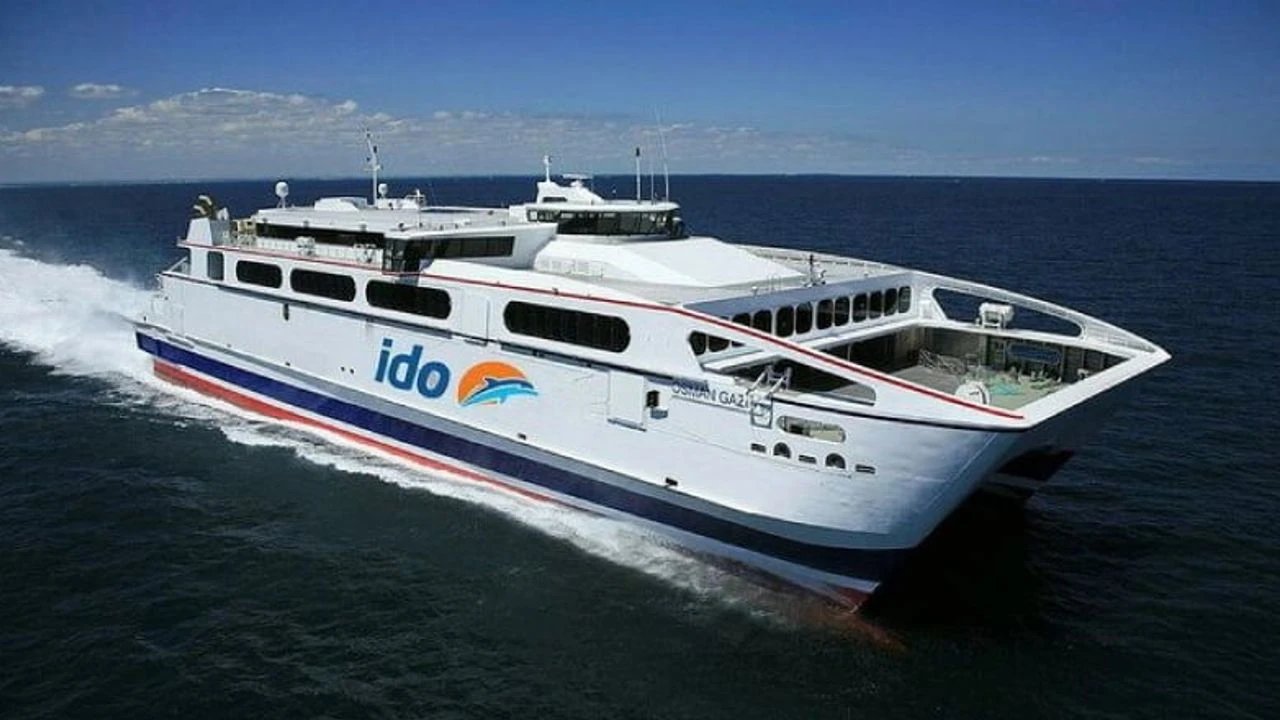
Şehir Hatları (City Lines) ferries from Üsküdar, İstinye, Yeniköy, and Sarıyer serve Beykoz. As ferry schedules vary by route and season, it's advisable to check both your outbound and return journeys on the same day. A visit reached by crossing the Bosphorus makes the journey itself part of the experience.
Bus and Private Car
On the land side, bus lines 15, 15D, 15F, 15T, 15BK, and 121A provide service to the Beykoz coastline. For those arriving by private car, the complex offers free parking, a significant convenience compared to many cultural venues along the Bosphorus. After sorting out your transportation, if you wish to continue your day with a pre-planned itinerary, you can explore suitable options among our Istanbul day cultural tour programs.
| Option | Route or Address | Note |
|---|---|---|
| Ferry | Üsküdar, İstinye, Yeniköy, Sarıyer Şehir Hatları | Schedules vary by season |
| Bus | 15, 15D, 15F, 15T, 15BK, 121A | Serves the Beykoz coastline |
| Private Car | Süreyya İlmen Caddesi No:1, Yalıköy | Complex parking is free |
| Walking | Beykoz coastline | A short walk along the coast leads to the entrance gate |
What to See at the Factory?
The core of your visit will be the permanent exhibition and the complex's open areas. If your visit coincides with a program day, you can also add a screening or performance to your itinerary.
- Permanent exhibition: Machinery remaining from the factory, production documents, photographs, and objects donated by former employees.
- Oral history recordings: Narratives compiled from interviews conducted since 2015.
- Industrial architecture: Rubble stone and brick walls, high-ceilinged halls, steel construction details.
- Open areas with Bosphorus views: The complex's coastline, especially a tranquil spot at sunset.
- Demirane restaurant: An on-site dining option for before or after events; serves by reservation.
- Workshop programs: Scheduled activities for adults and children, depending on the calendar.
Beykoz Itinerary: Places to Visit Alongside the Factory
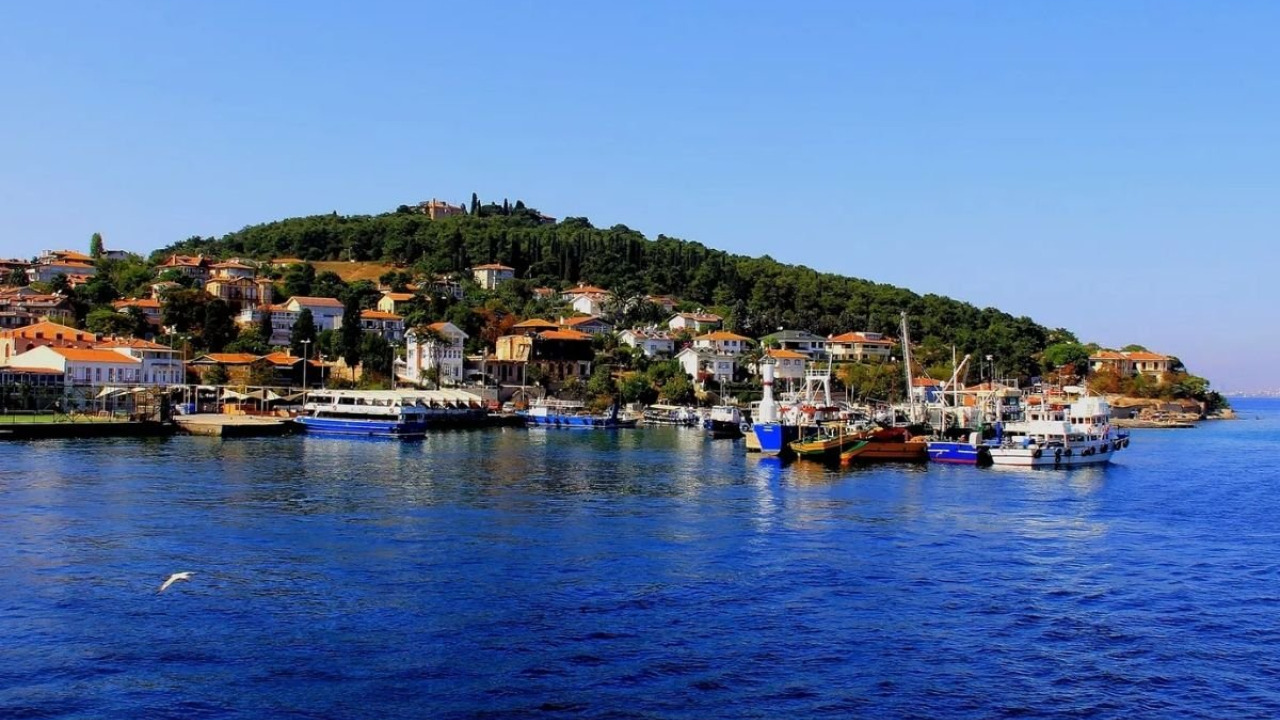
Compared to other tourist centers in Istanbul, Beykoz has preserved its nature and history more effectively. It's entirely possible to combine a visit to the Kundura complex with other stops in a single day. A route starting from Yoros Castle and Anadolu Kavağı, then following the coastline down to the complex, allows you to experience the northern tip of the Bosphorus comprehensively. Beykoz's groves and historic fountains can also be explored along the same route. For those wishing to add the city's classic itineraries to their program, our Istanbul historical city tours and Istanbul islands tours offer alternative day trip suggestions.
Practical Tips for Your Visit
- Visiting the exhibition mid-week helps you avoid weekend crowds.
- Check the event calendar before making an appointment; catching both the exhibition and a show on the same day makes for an efficient program.
- As the complex spans a large area, comfortable shoes are recommended.
- If you wish to catch the sunset, choose an appointment slot towards the end of the 13:00 - 20:00 visiting hours.
- When planning your ferry return, note the last departure time in advance.
- If your photography plans involve professional equipment, apply for permission beforehand.
Frequently Asked Questions 8
How much is the admission fee for Beykoz Kundura Factory?
Visiting the permanent exhibition is free throughout the year. An appointment is required for your visit. Events such as cinema screenings, stage shows, and concerts are ticketed separately, with prices varying by program. Parking at the complex is also free.
What are the visiting days and hours for Beykoz Kundura Factory?
The permanent exhibition can be visited on Wednesdays, Thursdays, Fridays, Saturdays, and Sundays between 13:00 and 20:00. The complex as a whole does not operate as a public museum every day; visitors are admitted on event days. It is recommended to check the current program before your visit.
How can I get to Beykoz Kundura Factory?
The complex is located at Yalıköy Mahallesi, Süreyya İlmen Caddesi No:1, Beykoz. For sea travel, you can use Şehir Hatları (City Lines) ferries from Üsküdar, İstinye, Yeniköy, and Sarıyer. For land travel, bus lines 15, 15D, 15F, 15T, 15BK, and 121A serve the Beykoz coastline. Those arriving by private car can use the complex's free parking.
Who owns Beykoz Kundura Factory?
The factory was part of Sümerbank between 1933 and 1999. After production ceased, the facility was privatized in the early 2000s, becoming part of ARY Holding, and was repurposed under the management of Ali Rıza Yıldırım. Today, the complex is managed as a private enterprise.
Why did Beykoz Kundura Factory close?
Due to the environmental impact of leather processing, the leather division was gradually closed in the 1990s, and production completely ceased in 1999. The structures were not demolished; instead, the facility was repurposed as a film set starting in 2005, and later as a cultural and arts center.
Which TV series and films were shot at Beykoz Kundura?
The complex was repurposed as a film set in 2005; the first TV series was filmed in 2010, and since then, it has served as a set for national and international productions. The 'İzmir Kordon' set on site was built for the TV series Vatanım Sensin. The film sets are not open to visitors; these areas are used for filming activities.
Can I take photos at Beykoz Kundura?
Photography for personal use is permitted in areas designated by management. For professional and commercial shoots, prior permission and completion of necessary procedures are required. Staff will inform visitors about photography conditions in the exhibition halls and historic production areas.
Can weddings be held at Beykoz Kundura?
The complex does not host wedding organizations. Rental services are focused on film and TV series shoots, advertising productions, corporate events, and galas. For detailed information, it is necessary to contact the complex's rental department.