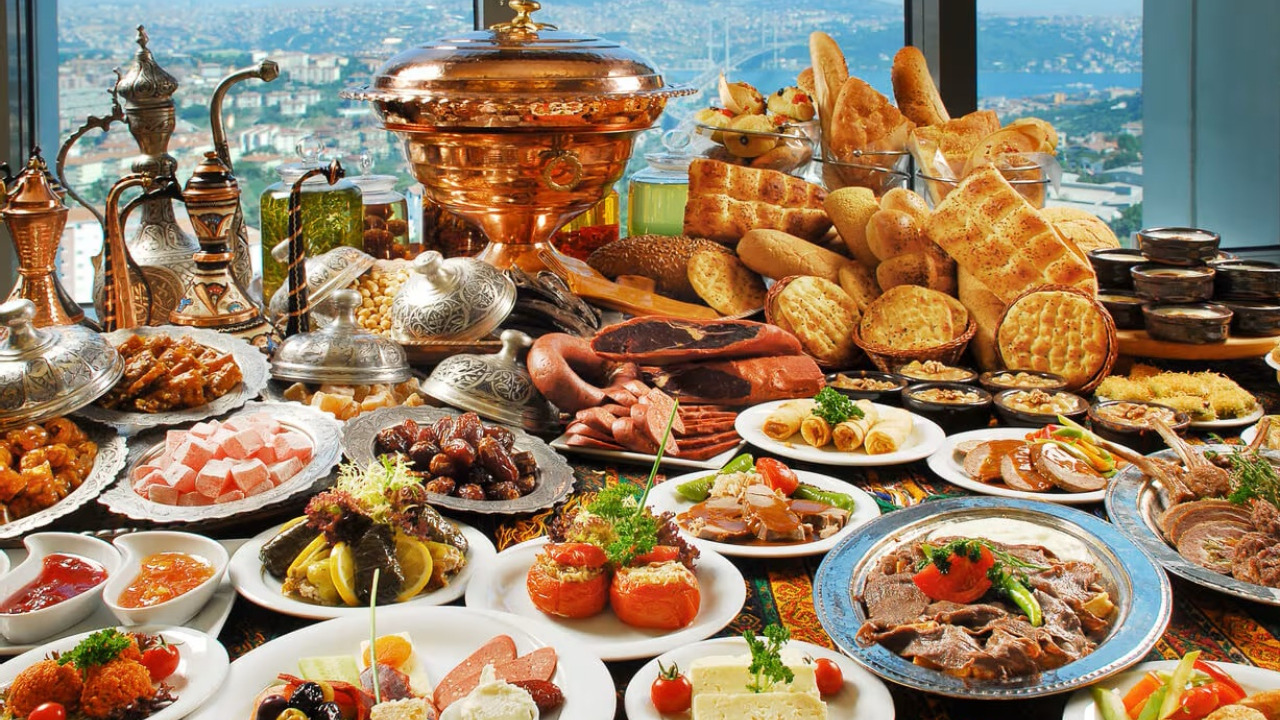

Istanbul's cuisine is far more than just a regional diet; it is a living tapestry woven from the collective memories of the civilizations that called this city home. Having served as the capital for the Roman, Byzantine, and Ottoman Empires, Istanbul seamlessly blends the sophisticated elegance of royal courts with the vibrant, fast-paced energy of street culture. Here, the fresh catches of the Black Sea, the olive oil-rich traditions of the Aegean, the hearty meats of Anatolia, and the aromatic spices of the East converge in a refined gastronomic symphony.
At Travel Tour Shop, we view Istanbul not merely as a list of dishes, but as a gastronomic geography to be explored layer by layer. In this guide, we will walk you through the city's culinary identity—from secret palace recipes and the timeless tradition of fish and meze to the irresistible aromas of street carts and the sweetness of traditional desserts. Our goal is to help you plan a conscious gourmet experience by understanding the heritage behind every bite.
Quick Facts
| Category | Details |
|---|---|
| City | Istanbul (Marmara Region, spanning two continents) |
| Culinary Character | Imperial cuisine: A blend of palace refinement, cosmopolitan heritage, and street-food practicality |
| Must-Try Dishes | Balık ekmek, midye dolma, hünkârbeğendi, döner, kokoreç, various mezes |
| Desserts | Baklava, güllaç, kazandibi, tavukgöğsü, keşkül, Turkish delight |
| Beverages | Turkish coffee, boza, salep, steeped black tea |
What Defines Istanbul's Cuisine? A Cultural Overview
Istanbul's food is often described as "Imperial Cuisine." This is because the city has spent centuries acting as a melting pot, absorbing ingredients and cooking techniques from every corner of the known world. The ancestral Turkic traditions of Central Asia, the legacy of the Anatolian Seljuks, the influences of Medieval Arabic and Persian courts, and the lingering habits of the Byzantine era all intertwine here.
The hallmark of this cuisine is balance. Spices are used to elevate the natural aroma of the food rather than overpower it. Meat dishes are often paired with fruits like plums, apricots, quinces, and figs to create a sophisticated sweet-and-savory harmony. Olive oil-based vegetable dishes are staples, and seafood is a natural part of the daily diet. Compared to the bolder, meat-heavy profiles of inland Anatolia, Istanbul's cuisine is more refined, cosmopolitan, and deeply attuned to the seasons.
The Legacy of the Ottoman Palace
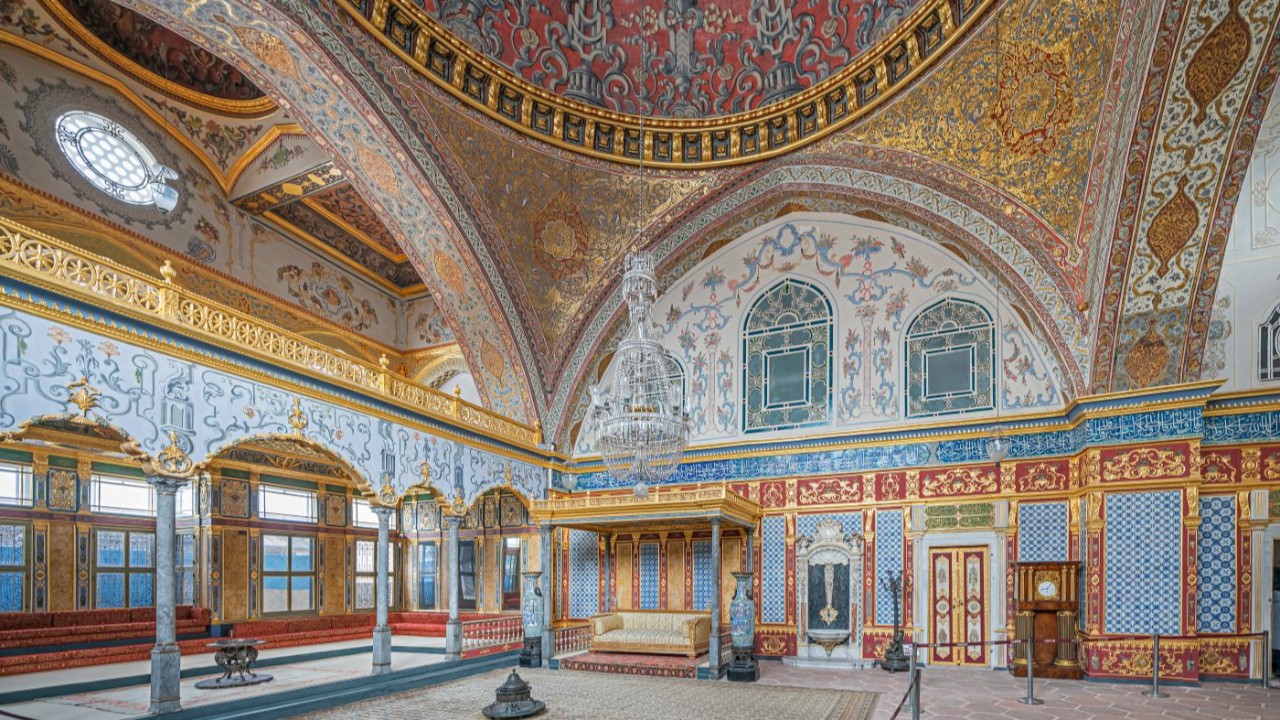
The backbone of the city's culinary identity is the Matbah-ı Amire—the kitchens of Topkapı Palace. Palace dishes were built on patience, precision, and visual artistry. The signature of this tradition is the daring use of fruit in savory meat dishes, the addition of pine nuts and currants to pilafs, and a disciplined approach to seasoning.
A Cosmopolitan Melting Pot
For centuries, Istanbul was a sanctuary where Turks, Greeks, Armenians, Jews, and Levantines lived side-by-side. This multicultural fabric translated directly onto the dinner table. Greek influence strengthened the culture of mezes, seafood techniques, and olive oil dishes. Armenian cuisine contributed a masterful balance of spices and unique appetizers like topik. Sephardic Jewish traditions introduced vegetable-forward recipes, such as leek patties. Today's Istanbul cuisine is the beautiful, shared result of these diverse layers.


Exquisite Tastes of the Ottoman Palace
In restaurants that preserve the palace tradition, you can see how humble ingredients are transformed into sophisticated masterpieces. These dishes reflect the historical depth of the city, balancing simplicity of ingredients with elegance in presentation.
Hünkârbeğendi (literally "The Sultan Liked It") is a timeless classic featuring tender lamb served atop a velvety puree of roasted eggplant, flour, milk, and cheese. Mutancana is a slow-cooked lamb stew balanced with dried apricots, figs, plums, almonds, and honey—a perfect example of the sweet-and-savory palace style. For those seeking comfort, lamb neck and shanks are slow-braised until they effortlessly fall off the bone. Meanwhile, cherry leaf wraps (vişneli yaprak sarması) offer a refreshing, tangy twist on traditional stuffed vine leaves, cooked with fresh cherries and olive oil.
A common misconception is that palace food is overly heavy. In reality, Ottoman royal cuisine was designed for balance: meats were softened with dried fruits to aid digestion, and olive oil vegetables occupied a large portion of the menu. If you want to explore these flavors through a curated lens, you can check out our Istanbul gastronomy organization tours.
Bosphorus Seafood and Meze Culture
In a city that bridges two seas, fish is not just food—it's a way of life. The seafood restaurants lining the Bosphorus are the heart of the city's gastronomic scene, and here, the calendar is dictated by the seasonal catch.
The "fish calendar" is sacred in Istanbul. Bluefish (lüfer) and bonito (palamut) dominate the autumn, anchovies (hamsi) and horse mackerel (istavrit) take over in winter, and turbot (kalkan) is the star of spring. Grilled bluefish, prepared Istanbul-style, is considered one of the most prestigious seafood experiences. Lakerda, a silky, salt-cured bonito fillet typically served with red onions, is a gourmet favorite. On street corners and in traditional taverns, you'll find midye dolma (stuffed mussels) and crispy midye tava (fried mussels), bridging the gap between street food and fine dining.
No fish feast is complete without mezes. Small plates of olive oil vine leaves, topik, fava (broad bean puree), fried calamari, and sea beans provide a refreshing prelude to the main course. This meze culture reflects the social, sharing nature of Istanbul—where meals are not rushed but are instead an accompaniment to long, winding conversations.
Istanbul's Street Eats: From Simit to Kokoreç
To truly understand the soul of the city, you must step away from the white tablecloths and eat at the piers, in the narrow alleys, and from mobile carts. Istanbul's street food is a gourmet odyssey in its own right.
Simit, the iconic sesame-crusted bread ring dipped in molasses and baked in stone ovens, is the city's ultimate companion to a glass of tea. Balık ekmek (fish sandwich) is a quintessential experience; grilled fish served in fresh bread with plenty of onions, usually enjoyed from the boats in Eminönü or along the Galata Bridge against a backdrop of historic silhouettes. In Ortaköy, the Kumpir (giant baked potato) is a must, mashed with butter and cheese and loaded with a dizzying array of toppings. For the night owls, the Islak Hamburger (wet burger) of Beyoğlu—steamed in a garlic-tomato sauce—is a legendary late-night staple.
The list goes on: Nohutlu pilav (chickpea rice) with shredded chicken and black pepper is a hearty street meal, while Döner and various kebabs are found everywhere. İskender, though originating in Bursa, is an Istanbul favorite served with yogurt and sizzling buttered tomato sauce. Kokoreç (grilled lamb intestines) and midye tava are the go-to's for the nightlife crowd. Additionally, Sultanahmet meatballs, served with a side of onion salad (piyaz), carry a century of history. To discover these gems through a themed program, explore our gastronomy organization tours.
Traditional Desserts and Beverages
In Istanbul, the dessert course is the most revered part of the ritual. The city offers a stunning contrast between heavy, syrup-soaked treats and light, creamy milk puddings.
Kazandibi is a caramelized milk pudding cooked in copper trays to achieve a scorched, creamy bottom. Tavukgöğsü is a unique, stretchy milk pudding made with shredded chicken breast—a surprising delicacy that is an acquired but rewarding taste. Keşkül is a classic palace dessert made with milk, sugar, and crushed almonds. On the syrupy side, Baklava with its layers of phyllo and pistachios is world-famous, while Güllaç, a starch-leaf pudding with milk and walnuts, is the symbol of the Ramadan month. Of course, Turkish Delight (lokum) remains the gold standard for both dessert and gifting.
The beverage culture completes the experience. Turkish coffee, served with its signature foam and a piece of delight, is a ritual of conversation. In winter, the city sips on boza (a fermented grain drink) and salep (a warm, creamy orchid root drink). And then there is the tea—strong, black, and served in tulip-shaped glasses—which accompanies every moment from breakfast to midnight.
A Culinary Roadmap for Istanbul
For those wanting to taste the city in three days, we recommend a route that balances different culinary layers. This is a guide to the identity of the neighborhoods rather than specific shops, so feel free to adapt it to your pace.
Day 1: The Historic Heart. Start your morning with a simple breakfast of fresh simit, old kashar cheese, and olives. Wander through the Spice Bazaar, letting the aromas guide you. For lunch, try the classic meatball and piyaz duo. End your day at a restaurant specializing in palace cuisine with a plate of hünkârbeğendi or mutancana.
Day 2: The Modern Pulse. Focus on the Karaköy and Beyoğlu axis. Begin with traditional börek and poğaça (savory pastries), head to the Galata Bridge for a balık ekmek lunch, and take a mid-afternoon break at a traditional pudding shop for some kazandibi. Spend your evening indulging in a meze-heavy dinner.
Day 3: The Bosphorus Breeze. Dedicate your final day to the waterfront. Enjoy a kumpir in Ortaköy and a dollop of powdered-sugar yogurt in Kanlıca. Depending on the season, treat yourself to a fresh, local fish dinner overlooking the water.
Pro Tips: Before visiting a fish restaurant, ask which fish is "in season" to ensure the freshest experience. For popular Bosphorus spots, booking in advance is highly recommended. To avoid traffic and enjoy the view, use the ferry lines to move between districts—it's the best way to whet your appetite. To combine these themes into one seamless trip, browse all our tour options to create your custom plan.
Bringing Istanbul Home: Culinary Shopping
If you want to recreate these flavors in your own kitchen, there are a few essential items to bring back. From the area around the Spice Bazaar, pick up high-quality red pepper flakes (pul biber), sumac, oregano, and the pine nuts and currants essential for Istanbul-style pilafs. Freshly ground Turkish coffee from the historic roasters of Eminönü is a must. For sweets, look for handmade Turkish delight (pistachio, rose, or pomegranate) and nostalgic akide candies (mint or cinnamon). Shopping in the bazaars is not just about the purchase; it's about learning how these products are prepared and stored, turning your home table into an extension of your Istanbul journey.
Frequently Asked Questions 6
What makes Istanbul's cuisine different from other regions of Turkey?
Unlike the spicier, meat-centric profiles of inland Anatolia, Istanbul's cuisine is a cosmopolitan blend. It is characterized by the refinement of the Ottoman palace, a heavy emphasis on olive oil dishes, fresh seafood, and a sophisticated sweet-and-savory balance in meat dishes.
What are the must-try Istanbul street foods?
The essentials include simit, balık ekmek (fish sandwich), midye dolma (stuffed mussels), kumpir (loaded baked potato), ıslak hamburger (wet burger), nohutlu pilav (chickpea rice), döner, and kokoreç. Areas like Eminönü, Ortaköy, Beyoğlu, and Kadıköy are the best hubs for these.
Is Ottoman palace food too heavy or rich?
Contrary to popular belief, palace cuisine was designed for balance. Spices are used subtly, meats are paired with dried fruits to aid digestion, and a wide variety of olive oil-based vegetable dishes ensure the menu remains balanced.
Which desserts should I try in Istanbul?
For creamy options, try kazandibi, tavukgöğsü, and keşkül. For syrup-based treats, baklava and the seasonal güllaç are top choices. Turkish delight is a classic for both snacking and gifting.
When is the best time to eat fish in Istanbul?
It depends on the season. Bluefish and bonito are best in autumn, anchovies and horse mackerel in winter, and turbot in spring. Always opt for the local, seasonal catch at Bosphorus restaurants for the best taste.
What are the best culinary souvenirs from Istanbul?
Spices and pine nuts from the Spice Bazaar, freshly roasted Turkish coffee from Eminönü, and handmade Turkish delight or akide candies are the most traditional and beloved choices.