
Nestled approximately 30 kilometers northwest of Karak city center in southern Jordan, Wadi Bin Hammad is a captivating narrow canyon. What makes this wadi truly special are the warm, mineral-rich waters seeping from its rock walls, the lush hanging gardens they sustain, and the constant stream flowing underfoot throughout your hike. The trail requires no technical climbing; hiking guides classify it as easy, though you will need to wade in and out of the water to progress. The wadi is part of a larger water network that descends from the Karak plateau towards the Dead Sea basin, meaning both altitude and climate can change noticeably within a few hours. This guide will walk you through what the wadi offers, how to get there, the best time to visit, how to assess flood risks, and how to plan your day.
Quick Facts
| Topic | Information |
|---|---|
| Location | Karak Governorate, Jordan; approx. 30 kilometers northwest of the city center |
| Wadi character | Narrow canyon with continuous flowing water; hanging gardens and warm mineral springs |
| Trail type | Linear out-and-back; hiking guides suggest 4-7 kilometers round trip |
| Duration | 1-3 hours, depending on how far you venture |
| Difficulty | Easy; no technical equipment needed, involves walking in water |
| Status | Mentioned as a protected area in Jordan Trail documents |
| Best season | Spring and autumn; flood risk assessed during rainy periods |
| Entry | Fee required; guided services are charged separately |
| Nearby hub | Karak city (castle, archaeological museum, accommodation, dining) |
What to See in the Wadi: From the Source Towards the Dead Sea
The progression through the wadi is naturally guided, as the route follows the flowing water from start to finish. The four stops below trace a path from the entrance into the canyon's depths and then towards the wadi's upper rim.
The "Siq": A Narrow Corridor Between Sandstone Walls
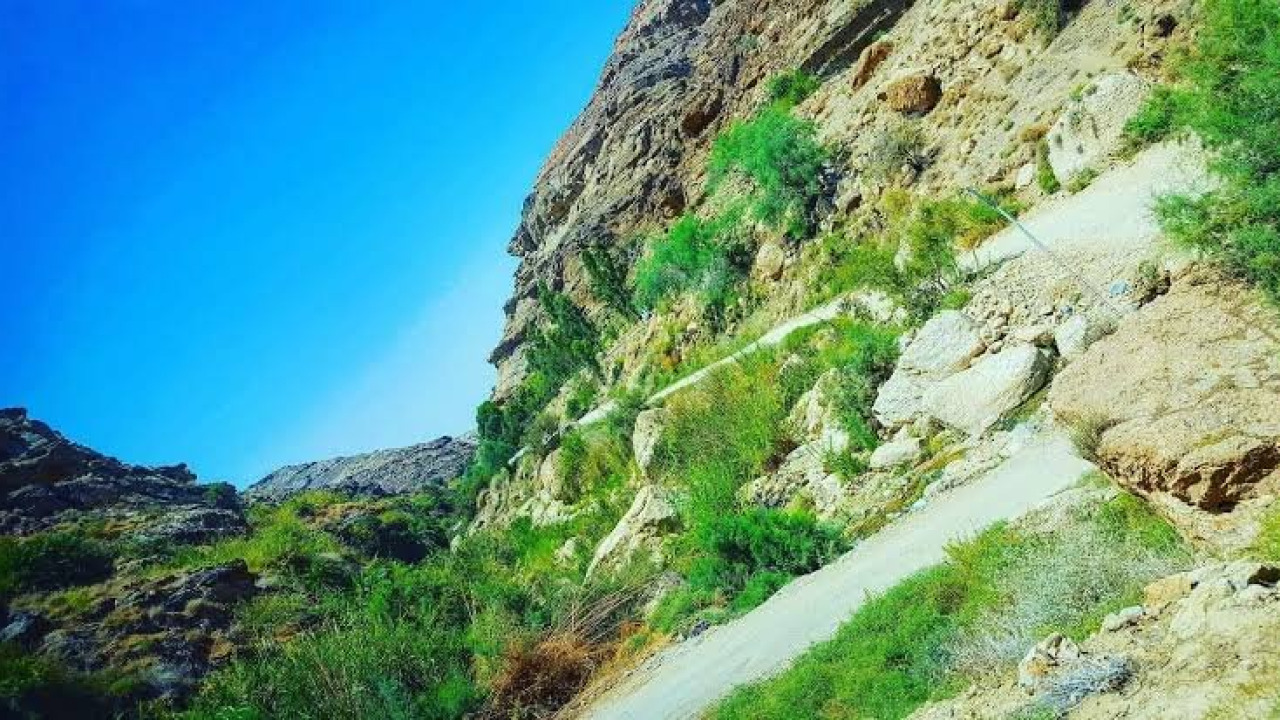
The hike begins at the furthest point accessible by vehicle. The road from Karak descends through fruit orchards, ending at a flat area where mineral baths are located; beyond this, the terrain is impassable for cars. This narrow canyon corridor is locally known as the "Siq," reminiscent of Petra's famous entrance: towering sandstone walls rise on either side, the gap narrowing to just a few meters in places, leaving only a thin ribbon of sky visible overhead.
This constricted section defines the wadi's character. The walls cast shade throughout the day, keeping the canyon floor cool, preventing water evaporation, and allowing moss and fern growth to thrive. The terrain constantly shifts: sometimes gravel, sometimes smooth rock, sometimes water reaching below the knee. Practical tip: Footwear that offers good grip and can handle getting wet will directly impact your comfort during the journey.
Hanging Gardens and the Wadi's Unique Microclimate
The visual signature of the wadi is its vibrant vegetation, bursting from rock crevices and clinging to the walls. Descriptions of the area often highlight these "hanging gardens" emerging from every sandstone crack, along with date palms, Mediterranean myrtle, and wild orchids. The reason for this lushness isn't romantic, but rather mechanical: the constant seepage of water from the walls, combined with the shade and humidity created by the narrow canyon, forms a unique microclimate absent from the surrounding arid plateau.
The result is a landscape that transforms completely within a few hundred meters: a dry plateau above, and a perpetually dripping green wall below. For photography, morning and late afternoon hours are most rewarding; the harsh overhead light at midday tends to wash out the wall textures.
Warm Springs, Cascades, and the Healing Narrative
A portion of the water seeping from the walls is warm; the area is locally known as the "Wadi Bin Hammad baths," and many visitors come specifically for these springs. As the water passes through the rock, it acquires minerals, forming small pools and cascading streams. Locals believe the waters possess healing properties, and the region is often featured in Jordanian press under the heading of health tourism. However, this is not a medical promise: no clinical evidence has been presented to suggest that the mineral water cures illnesses. Individuals with skin conditions or rheumatic ailments should consult their physician before entering the water.
The pools are natural areas; there are no chlorinated or supervised facilities. Water temperature varies from spot to spot, so it's wise to check with your hand before entering. Please note that soap and shampoo should not be used in the spring waters.
The Wadi's Upper Rim: Majdalein and the Jordan Trail
The lesser-known side of Wadi Bin Hammad isn't within the canyon itself, but along its rim. The "Three Wadis to Karak" section, which is the fourth segment of the Jordan Trail, stretches from Wadi Zarqa Ma'in to Karak. Official data describes this stage as 75 kilometers, taking four days, with a total ascent of 3,535 meters and a descent of 2,678 meters. The route passes the ruins of Majdalein on the edge of Wadi ibn Hammad, then descends 300 meters into Wadi el Tawahin, and finally ascends to Karak Castle via Wadi ez Zaiyatin.
Understanding this distinction prevents planning errors: the long route traverses the wadi's upper rim, while the warm-water trail on the canyon floor is a separate, shorter excursion. In the same documents, Wadi ibn Hammad is referred to as a protected area. For travelers seeking structured canyon hiking experiences, our nature and adventure tours in Turkey category offers options with a similar pace.
How to Get to Wadi Bin Hammad
Main Routes via Amman and Karak
The practical route to the wadi passes through Karak city. The Jordan Tourism Board describes Karak as a city situated 900 meters above sea level, approachable from the east via the historic King's Highway or from the west via the Dead Sea road. Coming from Amman, you have two options: the Desert Highway offers a fast and direct connection, while the King's Highway, descending south from the Madaba area, provides scenic wadi passes and village stops, making the same distance a much longer journey.
Public transport operates to Karak city, but there are no regular routes to the wadi entrance itself. Most visitors opt for a rental car or arrange for a driver from Karak. If hiring a driver, it's crucial to agree on a return time beforehand, as there are sections within the canyon where phone reception is unavailable.
The Final Descent from Karak to the Wadi Entrance
The road heading northwest from central Karak descends through agricultural lands towards the wadi. This section was long known for its steepness and rough surface; however, the local government has implemented a phased road renovation program, and visitor traffic has increased as access improved. Given the persistent incline, a high-clearance vehicle will make the drive more comfortable, and dirt sections can become slippery immediately after rain.
| Stage | Route | Approximate duration | Notes |
|---|---|---|---|
| Amman to Karak | Desert Highway | Approx. 2.5 hours driving | Fast connection, limited scenery |
| Amman to Karak | King's Highway, Madaba route | Full day with stops | Scenic wadi passes and village stops |
| Dead Sea coast to Karak | Road climbing the western slope | Approx. 1 hour driving | Karak is 900 meters above sea level; road constantly ascends |
| Karak to wadi entrance | Northwest agricultural road | Approx. 30 kilometers | Final section is steep; high-clearance vehicle recommended |
| Wadi entrance to canyon | On foot | 4-7 kilometers round trip | No vehicle access; involves walking in water |
When to Visit
The wadi's season depends on two variables: temperature and rainfall. Even in mid-summer, the canyon floor remains shaded and cool, so the primary limiting factor isn't the summer heat, but rather the flood risk posed by winter rains.
| Period | Wadi conditions | Notes |
|---|---|---|
| March - May | Abundant water, dense vegetation, mild temperatures | May need to wait a few days after rainfall |
| June - August | Hot on the plateau; canyon shade provides coolness | Local sources indicate average summer wadi temperatures around 40°C, so early starts are crucial |
| September - November | Temperatures drop, water becomes clearer | Rainfall season begins from November onwards |
| December - February | Cool and wet; highest flood risk of the year | Local sources state wadi temperatures rarely drop below 10°C in winter |
Flood Risk and the Rule of Not Entering the Canyon
Jordan's rainy season roughly spans from November to March, and during this period, the risk of flash floods is subject to official warnings. In narrow wadis, the danger doesn't come from where the rain falls directly, but from the catchment basin where water collects: a downpour on the plateau can turn a seemingly dry canyon into a dangerous torrent within minutes. Jordanian authorities issue flood warnings during the rainy season, sometimes leading to road closures; the siren system installed in Petra is a testament to the seriousness of this risk.
In practice, the rule is simple: if there's rainfall in the area or dark clouds are visible over the plateau, do not enter the narrow canyon. If water levels are rising, move to higher ground. Before setting out, checking the weather forecast for the Karak area and asking officials at the wadi entrance about the day's conditions will provide sufficient preparation.
Karak Castle: A Natural Stop After the Wadi
Construction Period and Changes of Hands
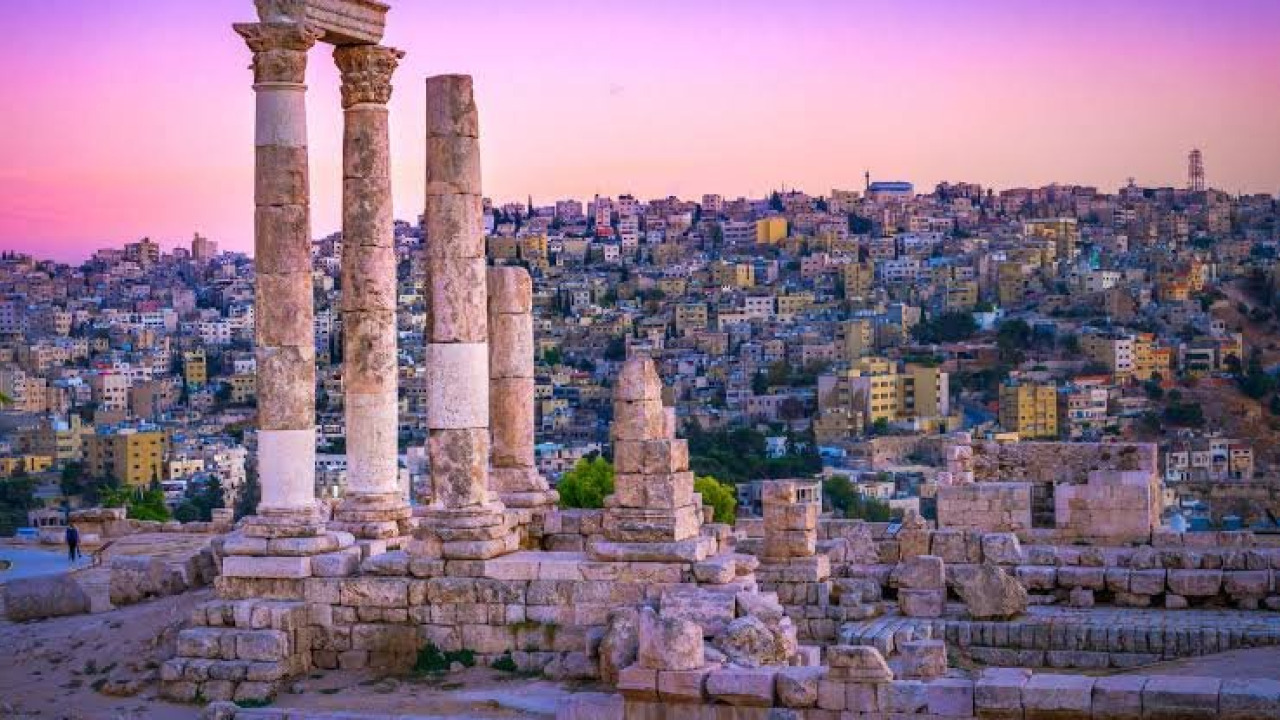
Karak Castle can easily be incorporated into the same day as your wadi trip. Sources generally agree that its construction began around 1142 by Payen le Bouteiller, Lord of Oultrejourdain, during the reign of King Fulk of Jerusalem. Its strategic location allowed it to control the trade route between Damascus and Mecca. Following Saladin's sieges in the 1180s and the defeat at Hattin in 1187, the Crusader castles in the region changed hands between 1188-1189, with Karak falling under Ayyubid rule.
A common misconception needs clarification: Karak Castle is not on the UNESCO World Heritage List. The castle was considered as a candidate at one point, but the committee noted that there were more representative examples of Crusader castle architecture elsewhere.
Visiting Hours and Entry Information
According to the Jordan Tourism Board, the Karak Archaeological Museum inside the castle is open from 08:00-18:00 during summer months and 08:00-15:00 in winter. As the castle's own visiting hours vary seasonally and may differ across sources, it's advisable to confirm on the official website before your visit to avoid any wasted time. Entry is subject to a fee, and Karak Castle is included in the Jordan Pass; check jordanpass.jo for the most current coverage.
In the square surrounding the castle, 19th-century Ottoman administrative buildings have been restored and converted into a visitor center, restaurants, and handicraft shops. For those who enjoy exploring medieval castles as part of a structured itinerary, our cultural tours in Turkey category offers similar route planning logic.
Dining and Accommodation Options
Karak's Jameed Connection
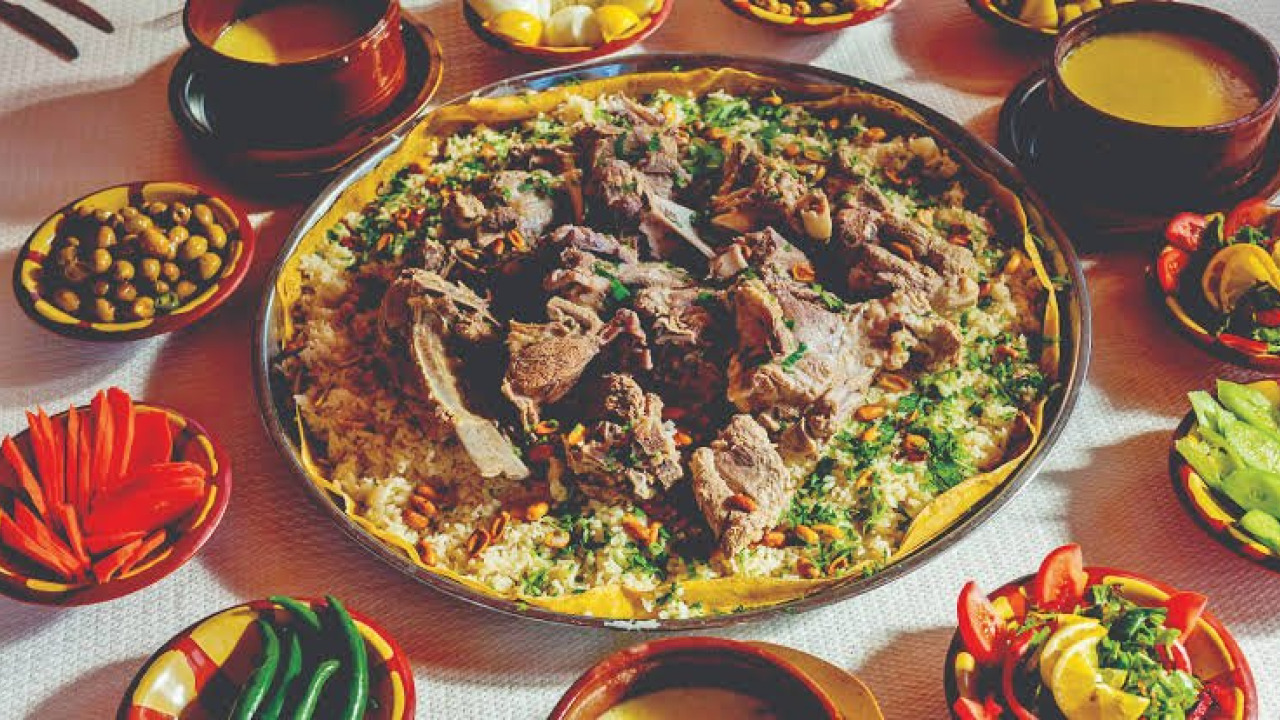
There are no restaurants, snack bars, or water vendors inside the wadi; all food and drink provisions should be completed before entering. Karak, however, is one of the country's hubs for Jordan's renowned dish, Mansaf: the dried yogurt (jameed) that forms the base of Mansaf is produced in this region. A practical plan is to head back to Karak city center after your canyon trip and enjoy a late lunch at one of the establishments around the castle square. Homemade dishes like Maqluba and lentil rice can be found in family-run eateries. Any packaging brought into the wadi must be carried out; there is no waste collection infrastructure in the area.
Karak City and Castle Surroundings
The closest accommodation to the wadi is in Karak city center. The area around the castle and square serves as a practical base for those wishing to descend into the wadi early in the morning. Since the city is 900 meters above sea level, summer nights are cooler here compared to the Dead Sea coast. Options are limited and on a smaller scale, so booking in advance is advisable during peak season.
Dead Sea Coastline and Northern Madaba
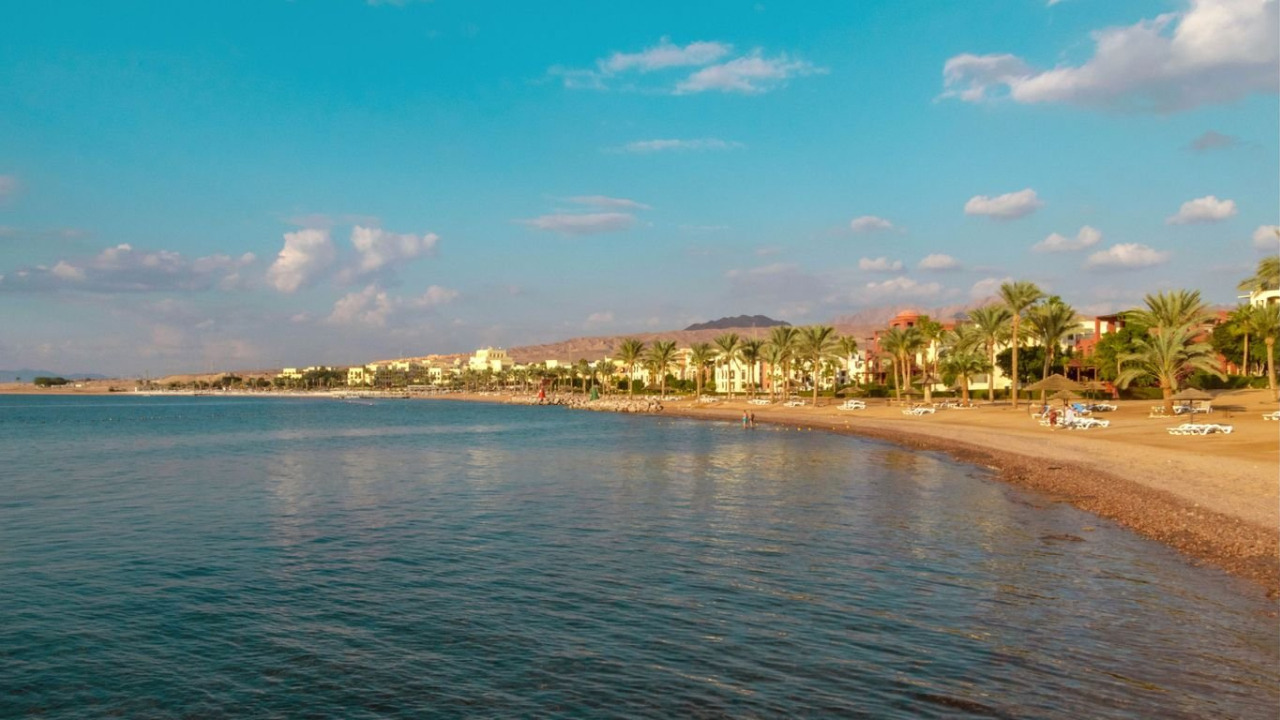
Those seeking a wider range of facility options might base themselves in the hotel zone along the northeastern Dead Sea coast or in Madaba, located on the King's Highway. While comfort increases, this also means additional driving towards the wadi each day. For those planning a broader Middle East itinerary, our Egypt travel guide article offers similar planning insights for a neighboring region.
Morning in the Canyon, Afternoon at the Castle: Planning Your Day
- Depart from Karak shortly after sunrise, following the northwest road down to the wadi entrance; an early start helps you beat both the heat and the crowds.
- At the parking area, organize your gear: wear water-friendly shoes, place items needing to stay dry in a waterproof bag, and leave unnecessary weight in the vehicle.
- Follow the water through the narrow corridor; determine your turnaround point based on time, as the trail is linear and you'll walk the same distance back.
- Rest in the pools with warm springs, then return to the entrance via the same path and change your clothes.
- In the afternoon, head up to Karak, visit the castle and archaeological museum, and conclude your day with a late meal around the square.
- The next day, descend to the Dead Sea basin via the western road or head north towards Madaba on the King's Highway.
What to Bring and What to Watch Out For in the Wadi
- Water-resistant, grip-soled shoes and quick-drying clothing: A large portion of the trail involves walking in water, and cotton garments become heavy when wet.
- Waterproof bag: This is essential for protecting your phone and documents in the canyon, as slipping is common.
- Plenty of drinking water and snacks: There are no vendors in the wadi, and spring water is not potable.
- Hat, sunglasses, and sunscreen: While the canyon is shaded, the entrance section and parking area are exposed.
- Small first-aid kit: Scrapes and sprains on slippery rocks are common occurrences.
- Modest, covered attire: Local families also use the area for recreation, especially on weekends.
- Trash bag: Everything you bring in must be carried back out with you.
Key Takeaways for Your Wadi Trip
Here's your planning sequence: Base yourself in Karak, descend into the wadi early in the morning, confirm rainfall conditions at the start of the day, pre-determine your turnaround time, and dedicate the afternoon to the castle and city center. The wadi doesn't demand technical skills, but it does require preparation due to wet terrain, seasonal flood risks, and a lack of facilities. The narrative of healing attributed to the warm waters is part of the region's cultural heritage and should not be interpreted as a medical promise.
Frequently Asked Questions 6
Where is Wadi Bin Hammad and what city is it near?
The wadi is located in the Karak Governorate in southern Jordan, approximately 30 kilometers northwest of the city center. Its water network descends from the Karak plateau towards the Dead Sea basin. Most visitors use Karak city as their base, as accommodation, dining, and castle visits are all concentrated there.
How long does the Wadi Bin Hammad hike take and is it difficult?
The trail is a linear out-and-back route; hiking guides estimate the distance at 4-7 kilometers and the duration at 1-3 hours, depending on how far you venture. They classify the difficulty as easy. No technical climbing or ropes are required, but you will need to wade in and out of water and walk on wet rocks throughout the journey.
What is the best season to visit Wadi Bin Hammad?
Spring and autumn offer mild temperatures and stable water levels. While the canyon's shade provides coolness in summer, temperatures on the plateau rise, making an early start preferable. The rainy season from November to March increases the risk of flash floods; during this period, if there is rainfall in the region, do not enter the narrow canyon.
Are the warm waters in the wadi healing?
Local people believe these waters have healing properties, and the area is often mentioned in Jordanian press under the topic of health tourism. However, this is not a medical promise; no clinical evidence has been presented to suggest that the mineral water cures illnesses. Visitors with health concerns should consult their physician before entering the water.
Can you get to Wadi Bin Hammad by public transport?
Public transport operates to Karak city, but there is no regular route to the wadi entrance. The final section is a road descending through agricultural lands to the northwest, and due to its incline, a high-clearance vehicle makes for a more comfortable drive. Most visitors use a rental car or arrange for a driver from Karak.
Is a visa required to enter Jordan?
Visa requirements vary by nationality and are updated periodically; please confirm through the electronic services portal of the Jordanian Ministry of Interior before your travel. The Jordan Pass system, which includes entry to Karak Castle, is a separate arrangement, and its coverage can be checked on jordanpass.jo.