
For travelers eyeing Wadi Araba for a camping adventure, the first question is almost always the same: do I need a permit to pitch a tent here? The short answer is, it depends on which part of the terrain you're in. The official trail information from the Jordan Trail Association clearly states that wild camping is legal across much of the route, but not within the boundaries of the Dana Biosphere Reserve. While setting up camp in the valley's open, undeveloped sections is common practice, the rules shift once you enter a protected area: accommodation is restricted to designated areas and requires prior arrangement with reserve management. Near border zones, guidance from local authorities is paramount.
Quick Facts
| Topic | Information |
|---|---|
| Location | Southwest Jordan; the rift valley stretching between the Gulf of Aqaba and the southern end of the Dead Sea |
| Administrative Structure | Wadi Araba sub-district, part of Aqaba Governorate; settlements include Rahma, Bir Mathkur, and Kureykıra |
| Terrain Character | Gravel plains and dry riverbeds; scattered sand dunes and acacia groves |
| Protected Area Connections | Western edge of Dana Biosphere Reserve (Feynan), Fifa Nature Reserve, Aqaba Bird Observatory |
| Camping Regulations | Wild camping outside reserves; designated areas within reserves by management |
| Favorable Period | Late September to April; February and March ideal in the south |
| Entry Points | Dead Sea route in the north, Aqaba in the south |
| Recommended Duration | 2 to 4 nights |
Visa requirements vary by nationality and are updated periodically; always confirm with the official Jordan Tourism Board website before your trip.
Where Do You Need a Camping Permit, and Where Don't You?
Wadi Araba isn't a uniform camping ground; it's a vast rift valley where different legal regimes coexist. Where you pitch your tent will dictate the rules you encounter.
The Difference Between Inside and Outside Protected Areas
The section of the Jordan Trail extending from Dana to Petra follows the valley's eastern edge, descending into the Araba plains via Wadi Feynan. The association summarizes the camping rules for this section in two sentences: wild camping is legal along the route, except within the Dana Biosphere Reserve. Entry to the reserve is subject to a fee, and arrangements must be made in advance with reserve management.
Dana serves as an excellent example to understand this distinction. Established in 1989 and officially listed by the Royal Society for the Conservation of Nature (RSCN) as covering 292 square kilometers, the reserve descends from a 1,500-meter plateau near Qadisiyah to the desert plains of Wadi Araba. Since it encompasses both mountain forest and desert floor under the same name, the beginning and end of a single hike might be subject to different rules.
Border Zones, Settlement Areas, and the Rule of Courtesy
An international border runs along the western edge of the valley, and this strip is under administrative oversight. Approach this not as a political issue, but a logistical one: when choosing a campsite, adhere to the advice of reserve rangers or licensed local guides. The Jordan Trail Association's safety recommendation aligns with this; they suggest informing someone of your whereabouts and walking with a local guide to mitigate risks. The tourist police hotline is published as 117777.
Around settlements, custom, not written law, prevails. Areas around wells, sheepfolds, and pastures are vital for local livelihoods; retreating a few hundred meters away is both good practice and ensures you're undisturbed by animal movements at night.
| Terrain Type | Camping Arrangement | What to Expect |
|---|---|---|
| Open desert outside reserves | Wild camping is widely practiced | No infrastructure; water, fuel, and waste entirely your responsibility |
| Inside Dana Biosphere Reserve | Wild camping is not permitted | Entry fee, prior arrangement, designated areas |
| Wetland reserves (e.g., Fifa) | Visits are observation-focused | Sensitive habitat; overnight stays not expected |
| Near border zones | Local authority guidance is essential | Checkpoints, route notification |
| Around settlements and pastures | Consulting the land-using household is appropriate | Do not pitch tents near wells or sheepfolds |
Wadi Araba vs. Wadi Rum: Two Distinct Deserts Often Confused
In many sources, these two names are frequently confused, yet their statuses and landscapes are distinctly different.
Why Their Statuses Aren't the Same
The Wadi Rum Protected Area was inscribed on the UNESCO World Heritage List in 2011 with a mixed status, recognized for both its natural and cultural values; thousands of rock carvings and inscriptions have been documented there. Wadi Araba does not hold such a world heritage status. Protection in the valley is provided by nationally designated reserves: the western edge of Dana and the Fifa Nature Reserve, declared in 2011, are prime examples.
Which Desert Suits Which Traveler?
Wadi Rum, with its established camp operators and regular tourist flow, is ideal for a first desert experience. Wadi Araba, on the other hand, is a less developed area with limited infrastructure and low visitor density; it's designed for the self-sufficient traveler who can carry their own water, fuel, and navigate independently.
| Criterion | Wadi Araba | Wadi Rum |
|---|---|---|
| Location | Rift valley between Aqaba and the Dead Sea | Sandstone plateau east of Aqaba |
| Protection Status | National reserves (Dana western edge, Fifa) | UNESCO World Heritage, mixed status, 2011 |
| Visitor Infrastructure | Limited, absent in most areas | Visitor center and established camp operators |
| Landscape | Gravel plains, dry riverbeds, distant mountain silhouettes | Massive sandstone formations and red sands |
| Suitable Profile | Self-sufficient, seeking solitude | Seeking organized camps and guided tours |
Self-Sufficiency in an Arid Landscape
The challenge of desert camping isn't in the scenery, but in resource management; the three defining variables are water, temperature differences, and distance.
Water Planning and Carrying Arrangements
The oft-repeated phrase "no water in the desert" isn't entirely accurate. There are wetlands fed by permanent springs on the valley floor; the area around Fifa is an example, and riverbeds with flowing water are named in the Jordan Trail's Araba section descriptions. Nevertheless, these sources are scattered, vary seasonally, and cannot be considered readily available for drinking. The correct approach is to carry all your drinking water and consider any on-site water as a backup.
Calculate the quantity based on conditions, not a fixed number: temperature, daily hiking distance, availability of shade, and group size are all determining factors. For vehicle-supported camps, carrying water in jerry cans is easy; for hiking, resupply points should be integrated into your route plan from the outset.
Temperature Swings, Night Chills, and Essential Gear
The desert heats up by day and cools rapidly at night; this significant temperature swing dictates the core of your equipment list.
- A sleeping bag with a wide temperature rating and an insulating mat to protect from the ground
- Wind-breaking outer layer, synthetic mid-layer, long-sleeved top for sun protection
- Dust-proof covers; fine sand gets into zippers and lenses
- Offline maps and GPS; cellular coverage isn't consistent throughout the valley
- Sunscreen, a wide-brimmed hat, and spare glasses
- A first-aid kit including items for burns, cuts, and insect bites
- Durable bags to carry out all your waste
Practical tip: pitch your tent on a raised area at the edge of a dry riverbed, not within it. Short spring rains can gather on distant slopes and turn into sudden flash floods along the wadi.
Must-See Spots in Wadi Araba
The stops are arranged from north to south, each offering a distinct landscape and experience.
Feynan and the Araba Side of Dana Reserve
On the eastern edge of the valley, Feynan, at the lower end of the Dana Biosphere Reserve, is where archaeology meets nature. According to the Jordan Tourism Board, copper deposits were mined and processed here thousands of years ago; the area features Roman-era aqueduct and mill ruins, along with traces of early Byzantine monasteries and churches. The same source notes that the reserve records 800 plant and 449 animal species, with 25 of them threatened. What to see: dark mounds formed by smelting waste, canal traces, and expansive views overlooking the plateau. The first light of morning highlights the contrast between the slag heaps and the light-colored ground.
Fifa Nature Reserve: The Northern Tip of the Valley
Declared by the RSCN in 2011, Fifa is located south of the Dead Sea, in one of the lowest sections of the Jordan Rift Valley; its lowest point is approximately 420 meters below sea level, and the area is listed as a wetland under the Ramsar Convention. Permanent springs, agricultural drainage water, and seasonal wadi flows sustain its marsh and reed bed ecosystem. What to see: a rare transitional landscape in Jordan where desert meets wetland. Visits are daytime and observation-focused; due to its sensitive nature, camping is not permitted here but in the surrounding open terrain.
Aqaba Bird Observatory: The Southern Tip of the Valley
At the southern end of the valley, opening towards Aqaba, lies the bird observatory operated by the RSCN. According to the institution's data, 271 bird species have been recorded at the station, accounting for over 61% of the species documented in the country; the area serves as a crucial resting stop on the world's second most important bird migration route. What to see: pools created with treated water, attracting migratory species. Timing is critical: spring and autumn migration periods are productive for observation.
Sand Dunes, Acacia Plains, and Bedouin Life
Wadi Araba is not a continuous sea of sand; much of the terrain consists of gravel plains and dry riverbeds, with sand dunes concentrated in specific sections. Acacia groves and muddy basin areas intermingle across these plains. A significant portion of the local population comes from Bedouin tradition; practical knowledge of camping culture, from preparing tea to navigation, continues to thrive here. What to do: guided walks with local experts, conversations around an evening campfire, and stargazing under the low light pollution of the desert sky. For travelers seeking a similar theme in Turkey, the nature and adventure tours in Turkey category offers a point of comparison.
Getting There from Turkey and Moving Within the Valley
There's no direct route into the valley; entry is made from either end, and movement within is vehicle-dependent.
Air and Road Connections
Scheduled flights from Turkey to Jordan land in the capital, Amman; for those wishing to enter from the southern end, King Hussein International Airport in Aqaba is the second gateway, usually requiring a connecting flight. Travelers coming from Amman follow the Dead Sea route to the northern end, while those from Aqaba reach the southern end. Public transport does not enter the valley; bus routes extend only to settlements along the main road.
Vehicles, Guides, and Navigation Within the Valley
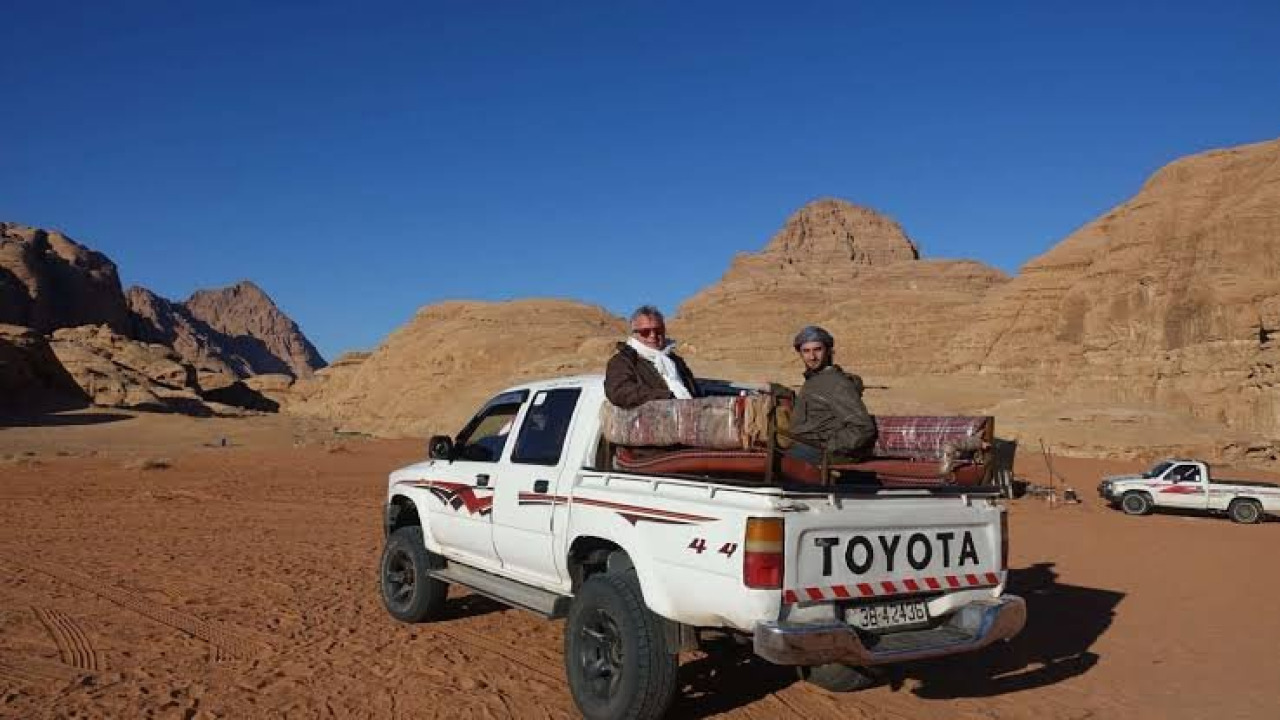
The side roads on the valley floor are graded and sandy; using a high-traction vehicle is the common solution. Engaging a local guide is less about comfort and more about safety, as guides know water sources, passable wadis, and suitable ground for camping.
Traversing the Valley from North to South
The following itinerary distributes three nights across the valley's diverse characteristics, structuring each day around short drives and extended breaks.
- Enter from the southern end of the Dead Sea, dedicating the first half-day to the wetland transition around Fifa; spend the night in an open plain away from settlements.
- On the second day, follow the eastern edge and proceed towards Feynan; explore the copper mining ruins and Roman-era water structures in the cool morning, spending midday in the shade.
- Arrange accommodation in advance for the section where you'll enter the reserve boundary; wild camping is not permitted within this boundary, and entry is subject to a fee.
- On the third day, descend into the central section and set up camp where sand dunes are concentrated; extinguish your fire early and dim lights for optimal stargazing.
- On the final day, head south to Aqaba, concluding your itinerary with a visit to the bird observatory; the station charges an entry fee and has limited visiting days, so confirm in advance.
What Each Month Brings
The Jordan Trail Association identifies February and March as the most favorable months for hiking in the country's south; they also find the period between September and mid-November suitable. Desert floor camping plans should follow this calendar.
| Period | Conditions | Camping Notes |
|---|---|---|
| November to January | Warm days, distinctly cold nights | Thick sleeping bag and windbreaker; nights are long |
| February to March | Most favorable period in the south | Flash floods in wadis possible after short rains |
| April | Warming begins, days lengthen | Early morning starts, midday breaks |
| May to early September | Intense heat | Not suitable for desert floor camping |
| Late September to mid-November | Second favorable window | Autumn migration is productive for observation |
Food, Drink, and Accommodation Zones
Instead of seeking restaurants in the valley, you'll need to set up your own kitchen and resupply in settlements.
Desert Dining and Resupply
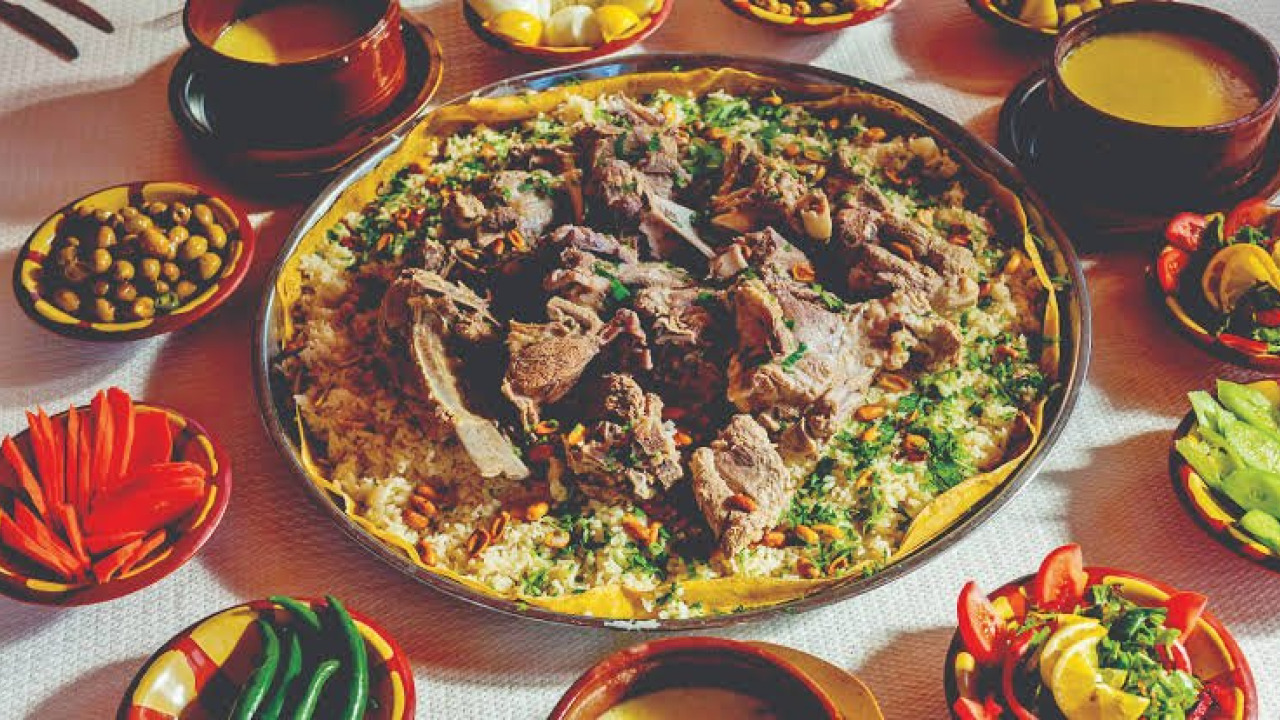
Settlements along the Aqaba to Dead Sea route are the primary resupply points; fresh bread, hummus-like dips, dates, and nuts form the backbone of your camp diet. Among the region's known cooking methods, zarb involves slow-cooking meat and vegetables in a sealed, underground oven and requires advance notice to prepare. For camping, opt for durable, low-water-demand ingredients.
Where Accommodation is Concentrated
Accommodation is concentrated in three zones of the valley: the resort area around the Dead Sea at the northern end, the ecological accommodation zone at the lower end of the Dana Reserve in the central section, and Aqaba city center at the southern end. In the rest of the valley floor, accommodation is by tent. Those planning a hotel-focused itinerary will plan their nights in these three zones, descending into the valley during the day. For those seeking a city-centered, history-rich itinerary, cultural tours in Turkey offer a similar structure in a nearby geography; travelers wishing to combine desert and ancient settlements on the same route can benefit from our Egypt travel guide article.
Frequently Asked Questions 6
Do I need a permit to camp in Wadi Araba?
It depends on the section of the terrain. According to the Jordan Trail Association's official trail information, wild camping is legal across much of the route; however, within the Dana Biosphere Reserve, wild camping is not permitted, entry is subject to a fee, and accommodation must be arranged in advance with management. Near border zones, adherence to local authority guidance is required.
Are Wadi Araba and Wadi Rum the same place?
No. Wadi Rum is a sandstone plateau east of Aqaba and was inscribed on the UNESCO World Heritage List in 2011 with mixed status. Wadi Araba, on the other hand, is the rift valley between the Gulf of Aqaba and the southern end of the Dead Sea and does not hold world heritage status; protection is provided by national reserves like the western edge of Dana and Fifa.
How do I get to Wadi Araba?
Flights from Turkey land in Amman; those wishing to enter from the southern end use Aqaba's airport. The valley is entered from the Dead Sea route in the north or Aqaba in the south. Since public transport does not enter the valley, a high-traction vehicle or guided transfer is the common solution.
Which months are suitable for camping in Wadi Araba?
The Jordan Trail Association considers February and March the most favorable period for the country's south, also finding September to mid-November suitable. Mid-summer is not appropriate for desert floor camping; between November and January, days are mild, but nights are distinctly cold.
Is water available in Wadi Araba?
There are wetlands fed by permanent springs and wadis with flowing water on the valley floor; the area around Fifa is an example. These sources are scattered and vary seasonally. Carrying all your drinking water with you is the correct approach.
How many days are enough to spend in Wadi Araba?
To see the northern end, the Feynan area, and the southern end together, 2 to 4 nights is a realistic range. If you're focusing on one section, two nights are sufficient; traversing the valley from end to end will allow for a more relaxed pace over closer to four nights.