
Every year, more travelers are ditching predictable hotel stays in favor of something more authentic—waking up to the sound of birds and opening their tent flap to a turquoise bay or a lush, green forest. Thanks to its incredible geographical diversity, Turkey offers endless possibilities for camping enthusiasts, from serene lakeside retreats and high-altitude plateaus to coastal spots nestled beside ancient ruins. Whether you prefer well-equipped campsites with electricity and showers or seek the raw beauty of wild camping, this guide brings together the best camping spots in Turkey, complete with location details, transport tips, and practical advice.
At Travel Tour Shop, we take a rigorous approach to adventure. We vet our suppliers heavily, excluding approximately 83% of candidates to ensure we only recommend businesses with proven local expertise and glowing guest reviews. We have applied this same high standard to this list, selecting these camping locations based on their natural beauty, accessibility, and overall visitor experience. Our goal is to provide a realistic, high-quality resource for both first-time campers and seasoned outdoor adventurers.
Quick Facts
| Topic | Information |
|---|---|
| Scope | 10 camping regions across Turkey (forests, plateaus, lakes, coastlines) |
| Camping Types | Equipped campsites, national park camping, wild camping, glamping |
| Highlights | Yedigöller, Kabak Koyu, Salda Lake, Köprülü Kanyon, Gito Plateau |
| Best Season | Summer and early autumn (June–October); winter camping requires specialized gear |
| Transport | Most spots accessible via private car, local minibuses (dolmuş), or transfers |
| Suitability | Options available for families, groups, and solo travelers |
| Note | Permits and fees may apply in national parks and protected areas |
Camping Culture and Types in Turkey
Before heading out, it is essential to understand the different ways to camp in Turkey. Equipped campsites offer amenities like toilets, showers, electricity, and often small shops or restaurants, making them a comfortable starting point for beginners. In national parks, camping is usually supervised by rangers and often requires a daily fee per tent. Wild camping is a more minimalist experience, setting up camp in the heart of nature without permanent facilities; this requires more preparation and a higher sense of responsibility. Recently, glamping has become increasingly popular, offering the charm of the outdoors with the luxury of pre-set tents, comfortable beds, and essential comforts.
Regardless of the style you choose, the golden rule is to respect nature: leave no trace, manage your fires carefully, and avoid disturbing wildlife. For those looking to plan nature-based group experiences with professional guidance, exploring Turkey nature and adventure tours is an excellent way to expand your horizons.
Forest and Plateau Camping Routes
Forests and high-altitude plateaus are the classic choices for campers seeking shade, fresh air, and hiking opportunities. These regions offer a refreshing, cool alternative to the summer heat.
Yenice Forests (Karabük)
The Yenice Forests are a biodiversity hotspot, recognized by the WWF as a priority area for forest conservation in Europe. With its monumental trees, deep canyons, and endless shades of green, it is a paradise for hikers and campers alike. The forest becomes particularly breathtaking in autumn when the canopy transforms into vibrant hues of gold and crimson. For first-timers, sticking to marked trails is the best way to stay safe while exploring the area.
Yedigöller National Park (Bolu)
When people think of camping in Turkey, Yedigöller is often the first name mentioned. Setting up camp under the beech, oak, and hornbeam trees surrounding landslide lakes like Büyükgöl, Sazlıgöl, İncegöl, and Nazlıgöl offers a deeply tranquil experience. As it is a national park, camping is supervised and subject to a per-tent fee, though basic facilities like toilets and water are available. The autumn colors attract many photographers, so expect sites to fill up quickly in October.
Gito Plateau (Rize)
For those who dream of waking up above a sea of clouds, Gito Plateau is an unforgettable destination. Located at an altitude of approximately 2,000 meters in the Kaçkar Mountains, the view from your tent as clouds drift beneath you is nothing short of magical. Due to the high altitude, nights remain chilly even in summer; bringing a high-quality sleeping bag and waterproof gear is essential. Access is typically via Çamlıhemşin, and the road conditions usually require a sturdy vehicle.
Erikli Plateau (Yalova)
If you are looking for a quick escape from Istanbul, Erikli Plateau is a perfect choice, featuring beautiful waterfalls and lush greenery. You can pitch your tent among chestnut and linden trees and cool off by the natural pools formed by the falls. Its proximity to the city makes it ideal for weekend trips, though arriving early is recommended during peak periods to secure a good spot. Those looking to explore more extensive hiking routes can find inspiration in Turkey trekking and nature walking tours.
Seaside and Lakeside Camping
Camping by the water is a summer favorite, offering the perfect combination of swimming and sunset views.
Kabak Koyu (Fethiye)
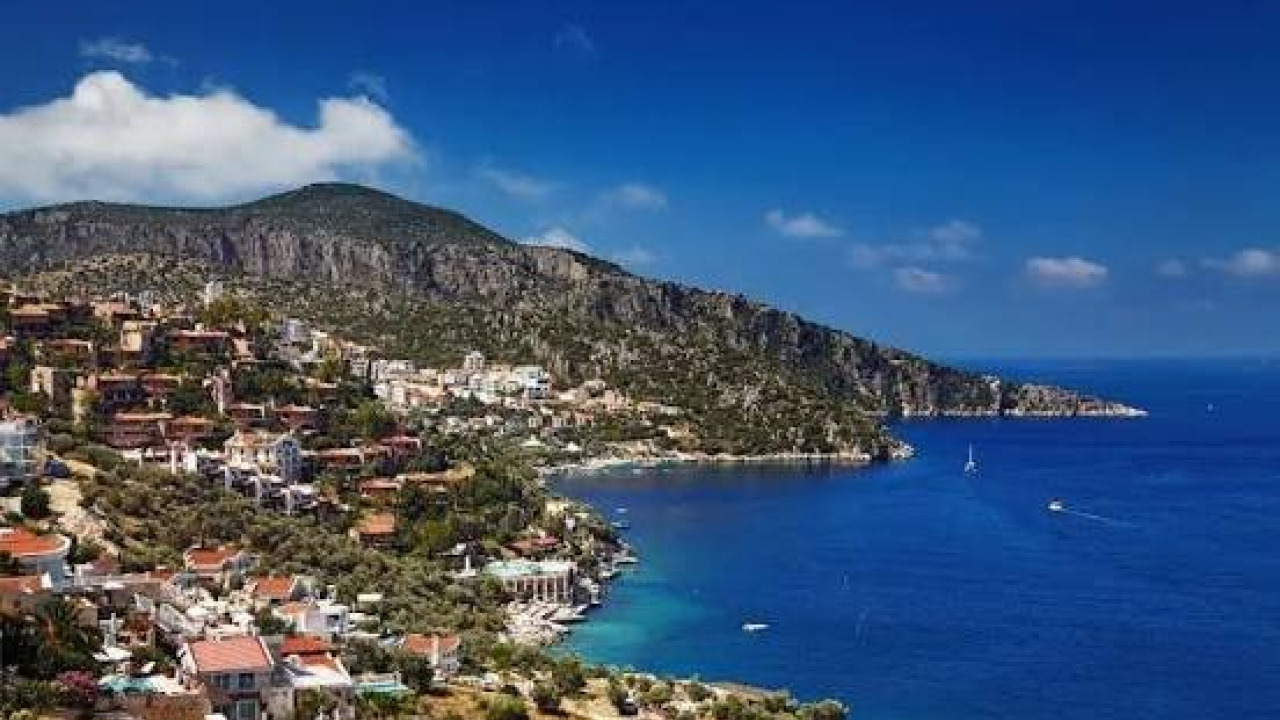
Tucked away behind steep cliffs and surrounded by pine forests, Kabak Koyu is a magnet for backpackers and younger travelers. The area offers a mix of wild camping spots and glamping-style businesses that provide showers, electricity, and meals. The turquoise waters and the vast, unpolluted night sky make it a dream destination. Since the descent to the bay involves steep paths, we recommend wearing sturdy shoes and traveling light. To combine this with other adventures, check out our Fethiye nature and adventure tours.
Salda Lake (Burdur)
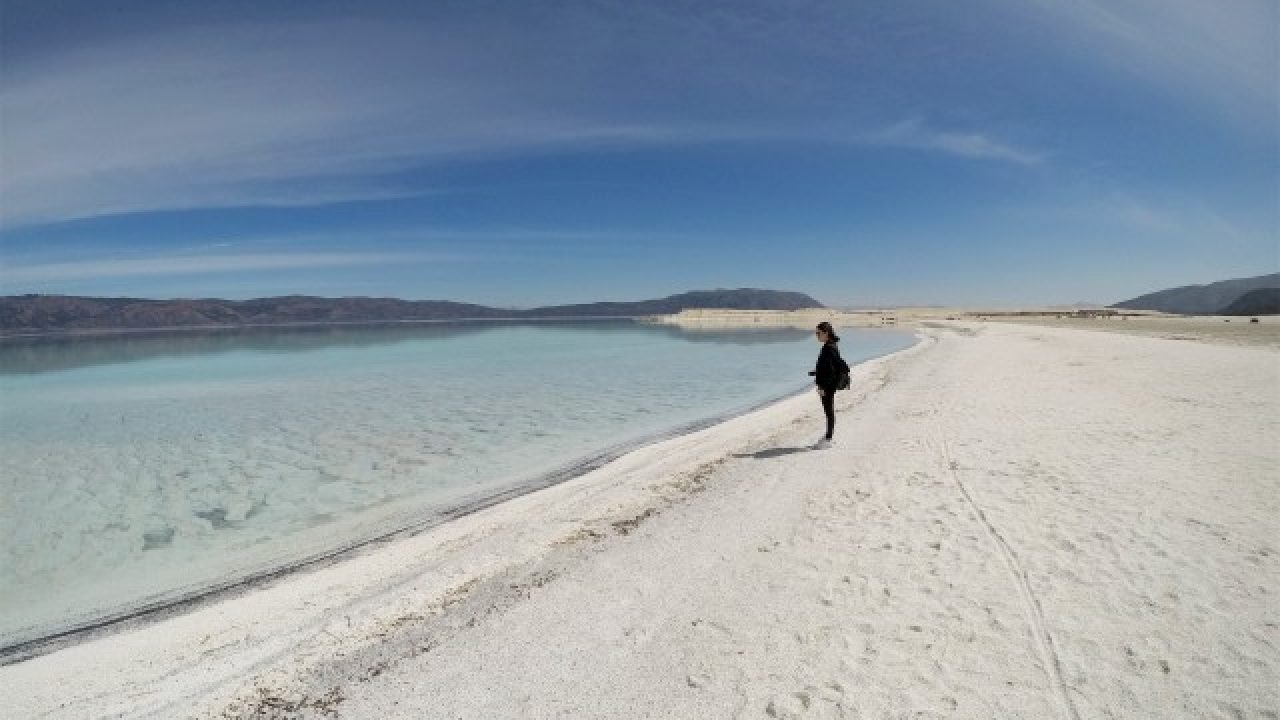
Famous for its white sands and striking turquoise water, Salda Lake is geologically unique—so much so that NASA has used it as a reference for Mars research. To protect its fragile ecosystem, camping is not permitted everywhere; visitors must use designated areas established by the municipality and the nature park. Because parts of the shoreline are strictly protected, following all signage is both a legal and environmental necessity. The lake's colors are most vivid in summer, making the June–September period peak season.
Cunda Island / Patrica Burnu (Ayvalık)
For a more laid-back experience, Patrica Burnu at the edge of Cunda Island offers the chance to camp under olive trees with a gentle Aegean breeze. It is a favorite for those seeking peace and quiet. Being close to the island center makes it easy to restock on supplies and essentials. Since shaded areas can be limited, it is wise to bring plenty of water and sun protection for the summer months.
Adventure and View-Centric Camping
If you want to pair your camping trip with activities like rafting, climbing, or trekking, these spots offer high-energy experiences.
Köprülü Kanyon (Antalya)
Camping under cypress and pine trees along the icy waters of the Köprüçay River is a top choice for adventure seekers. Within the boundaries of Köprülü Kanyon National Park, you can spend your days rafting or ziplining and your nights by a campfire to the sound of the river. As it is a national park, specific rules apply to camping and activities. The rafting season typically runs from spring through autumn. For a professionally organized adventure, look into Antalya rafting tours.
Nemrut Crater Lake (Bitlis)
Located west of Lake Van in Bitlis, the Nemrut Caldera offers the rare opportunity to camp inside a massive volcanic crater. The lush green plains surrounding the crater lakes provide excellent camping grounds, and the low light pollution makes it a premier spot for stargazing. Because of the high altitude and enclosed terrain, we recommend planning your visit for the summer months and checking weather forecasts closely. Access is usually via Tatvan.
Kaş / Sleeping Giant (Antalya)
The "Sleeping Giant" hill, which rises behind Kaş with a silhouette resembling a human figure, offers a camping experience with sweeping views of Kaş and the Greek island of Meis. This spot is highly sought after for sunset watching and stargazing. The climbing path can be steep in places, so proper footwear and sufficient water are mandatory. Since it is an exposed location, ensure your tent is securely anchored against the wind.
Transport and Access
Getting to camping sites in Turkey varies significantly depending on the location. For well-known areas like Yedigöller, Köprülü Kanyon, and Salda, a private vehicle is the most practical option. If using public transport, you should aim for the nearest district center and then use local minibuses (dolmuş) or private transfers. For high-altitude spots like Gito Plateau and Nemrut Crater Lake, road conditions can be challenging, so a capable vehicle and careful driving are essential.
When visiting a new region, we recommend mapping out your route in advance and planning for fuel and water needs. In coastal areas like Kabak Koyu or Cunda, you may need to park your car in a designated area and walk the remaining distance to your site. For those traveling with heavy gear, arranging a transfer from the airport or city center is a great way to reduce pre-camping fatigue.
Best Seasons and Timing
The ideal time to camp depends on the altitude and climate of your chosen destination. For seaside and lakeside spots (Kabak Koyu, Salda, Cunda), the period between June and September is ideal for swimming and enjoying long daylight hours. Forest and plateau routes (Yenice, Yedigöller, Gito, Erikli) are perfect in summer to escape the heat, while autumn offers spectacular colors for photography.
In high-altitude areas like Nemrut and Gito, nights can be cold even in summer, so plan your trip for the peak summer months for maximum comfort. We do not recommend winter camping for beginners, as it requires specialized equipment and significant experience. Regardless of when you go, always check the weather forecast and be prepared for sudden rain.
Accommodation, Food, and Fire Safety
You have several accommodation options: pitch your own tent, opt for a pre-set tent at a glamping site, or stay in nearby bungalows and pensions while exploring the camping areas during the day. For beginners, a dome-style, three-season tent that is easy to set up is a practical choice. If you need to rent equipment, we recommend researching local rental businesses before you arrive.
Regarding food, equipped campsites often have small shops or restaurants, but for wild camping, you must carry all your supplies. Buying fresh local produce from the nearest village or town is a great way to enjoy delicious meals while supporting the local economy. Always carry more drinking water than you think you will need. When it comes to fire, safety is paramount: only light fires in designated fire pits or areas enclosed by stones, avoid tree roots, and ensure the fire is completely extinguished with soil and water before you leave.
Permits, Safety, and Route Suggestions
Camping in national parks and nature reserves must be done in designated areas and in accordance with local regulations; unauthorized camping in protected zones can lead to fines. Therefore, it is best to check the current rules and fees with the relevant park authority before you go. For safety, always let someone know your location and keep your phone charged. In areas with wildlife, store food in sealed containers away from your tent to avoid unwanted visitors.
For those with limited time, here are some suggested itineraries: * The Northwest Explorer: Combine Yedigöller and Yenice. * The Coastal Dreamer: A trip spanning Kabak Koyu, Salda, and Cunda. * The Adventure Seeker: Focus on the Köprülü Kanyon and Kaş region.
For first-timers, we suggest starting with a more accessible, well-equipped location to gain confidence before heading into more remote wilderness.
Frequently Asked Questions 6
Where can you go camping in Turkey?
Turkey offers a vast range of camping environments, including forests, plateaus, lakes, and coastlines. Notable regions include the forests of Yedigöller and Yenice, the plateaus of Gito and Erikli, the shores of Salda Lake, and the coastal beauty of Kabak Koyu. Your choice should depend on your preferred level of comfort, transport access, and the season.
Is camping in national parks paid?
Yes, camping in national parks such as Yedigöller or Köprülü Kanyon usually requires a daily fee per tent. These areas typically provide basic amenities like toilets and water. It is wise to confirm current rates and regulations with the local national park administration before your trip.
Is there a penalty for unauthorized camping?
In national parks, nature reserves, and protected areas, camping is only permitted in designated zones. Setting up camp outside these areas can result in administrative fines. In non-protected areas or private property, you must obtain permission from the landowner and follow local rules.
What tent should a beginner choose?
For beginners, a dome-style, wind-resistant, double-layered tent suitable for three seasons is a practical option. When choosing a tent, consider its capacity; it is often more comfortable to choose a tent that can accommodate your group plus your gear. A waterproof base and a good sleeping bag are also essential.
What should I keep in mind for campfire safety?
Only light fires in established fire pits or areas clearly bounded by stones. Avoid lighting fires near tree roots or dry grass to minimize the risk of wildfires. Always ensure the fire is completely out using soil and water before you leave the site or go to sleep.
Is it better to camp by the sea or on a plateau?
This depends entirely on your preference and the season. If you want to swim and stay cool in the summer, coastal spots like Kabak Koyu or Salda are ideal. If you want to escape the heat and enjoy lush, green scenery, the plateaus and forests like Gito or Yedigöller are better choices. You can also combine both into one longer trip.