For those planning a trip to Tahtakale, the first question is almost always the same: where to begin? The answer lies in the direction. If you start at Eminönü's shore, at sea level, and follow Hasırcılar and Uzunçarşı streets up to Beyazıt Square, you'll tackle the incline just once, with fresh legs. Those walking in the opposite direction will face the same climb twice. Sahaflar Çarşısı (the Booksellers' Market) is also located at the end of this route, on the Beyazıt side. Thus, the route naturally dictates a sequence, and following it comfortably fills half a day. The sections below outline this path step-by-step: which day to visit, which structures are currently open, when the market truly comes alive, and where the walk concludes are all detailed.
Quick Facts
| Topic | Information |
|---|---|
| Location | Fatih district, Tahtakale neighborhood; between Eminönü shore and Beyazıt Square |
| Route Direction | Uphill from the shore; ends at Beyazıt Square |
| Main Axis | Hasırcılar Street and Uzunçarşı Street |
| Key Stops | Yeni Cami (New Mosque), Rüstem Paşa Camii, Tahtakale market atmosphere, Sahaflar Çarşısı |
| Rail Transport | T1 Kabataş-Bağcılar tram line; five stops between Eminönü and Beyazıt-Kapalıçarşı (Grand Bazaar) |
| Suggested Duration | Half a day; extends past midday if you linger in the market |
| Ticket Status | No stops on this route require a museum ticket |
| Day Choice | Merchant activity on weekdays; structures and squares can be visited daily |
When is the Best Day to Visit Tahtakale?
The day you choose depends on what you want to experience: opt for weekdays if you wish to see a bustling wholesale trade district in full swing, or weekends if you prefer to explore the historical structures and squares without the crowds. This distinction is unique to Tahtakale, as it's not a museum-like area but a vibrant market quarter still actively conducting business. The street activity isn't a performance; it's genuine cargo and sales traffic. When the shutters come down, what remains is the architecture.
The Eminönü-Beyazıt walking route published by the Istanbul Governorship suggests this path as a Sunday itinerary, including Kapalıçarşı (Grand Bazaar) and Sahaflar Çarşısı. This recommendation is consistent for monuments; however, expectations for the shops should be adjusted accordingly. Since the market and shop operating hours depend on the merchants' schedules, it's wise to verify shutter status before heading out to avoid wasted time.
| Day | What stands out | What to keep in mind |
|---|---|---|
| Weekdays | Wholesale trade, cargo cart traffic, active hans (caravanserais) | Be prepared to make way for merchants in narrow streets |
| Saturdays | Retail activity increases, a more moderate pace for visitors | Crowds become noticeably denser in the afternoon |
| Sundays | Architecture, square, and mosque visits; quiet street photography | Shops may be closed, diminishing the full market experience |
Why Start the Route from Eminönü's Shore?
Because Tahtakale is a slope rising from the shore, and Eminönü marks the lowest point of the route. Starting here reduces the climb to a single, continuous ascent. Moreover, it reveals the region's commercial logic in the correct sequence: goods have historically arrived at the shore, then dispersed to the inland markets. Your walk will follow this natural flow, not reverse it.
Yeni Cami (New Mosque) and Pier Square
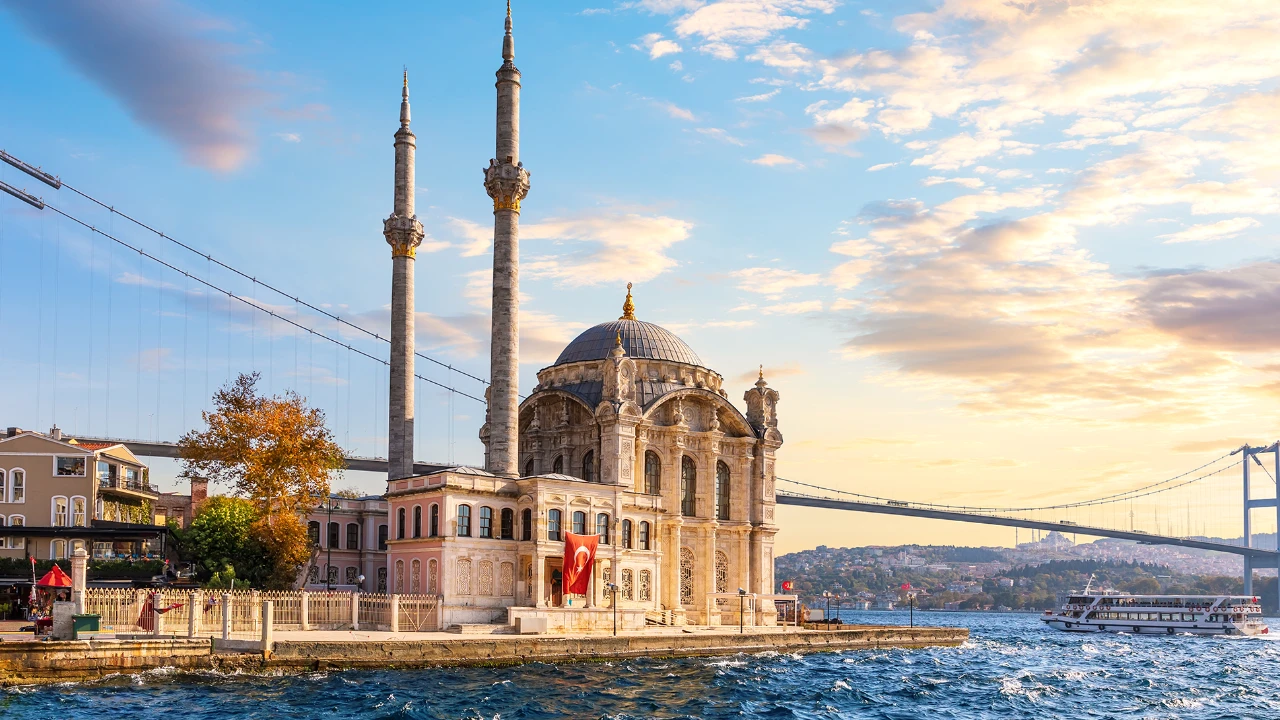
The starting point on the shore is marked by Yeni Cami (New Mosque). The structure underwent extensive restoration beginning in 2016 and, according to the Istanbul Governorship's announcement, reopened for worship on January 6, 2023. The same announcement noted the renewal of the lead covering on the eaves and domes, and the restoration of historical tiles. The square also serves as a navigational reference: with your back to the sea, the market district rises directly before you.
Transition from Shore to Market
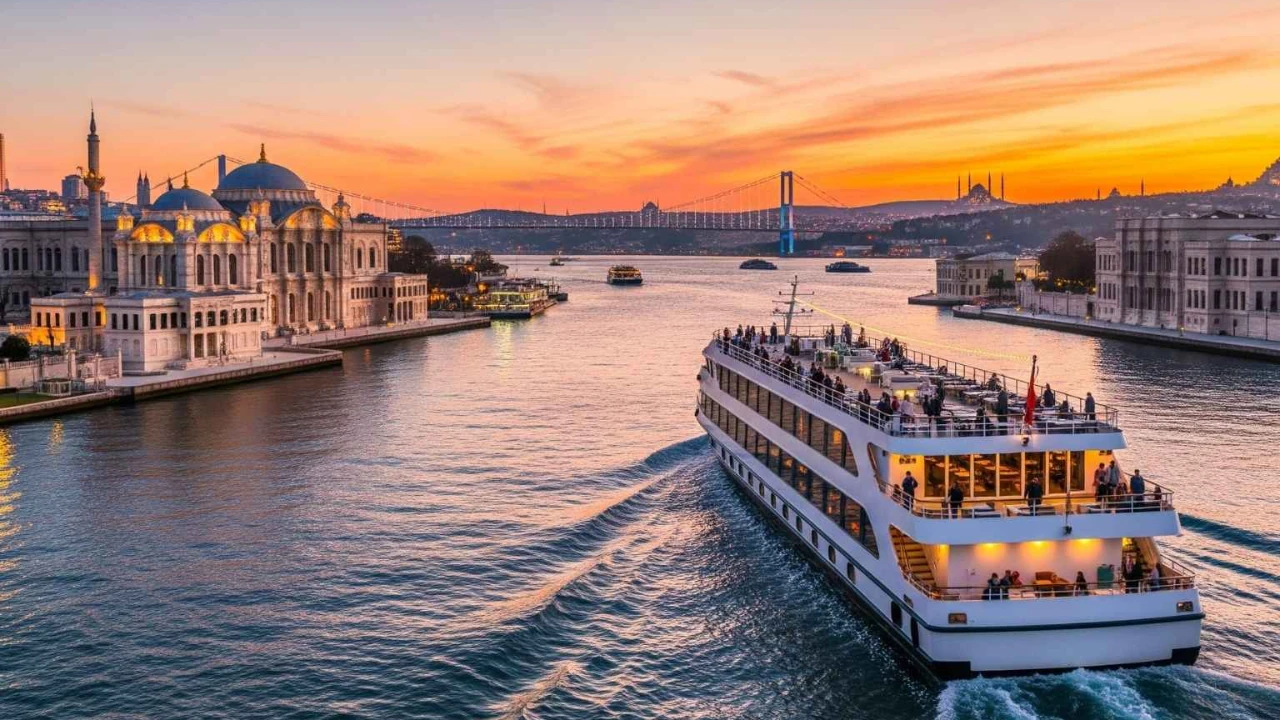
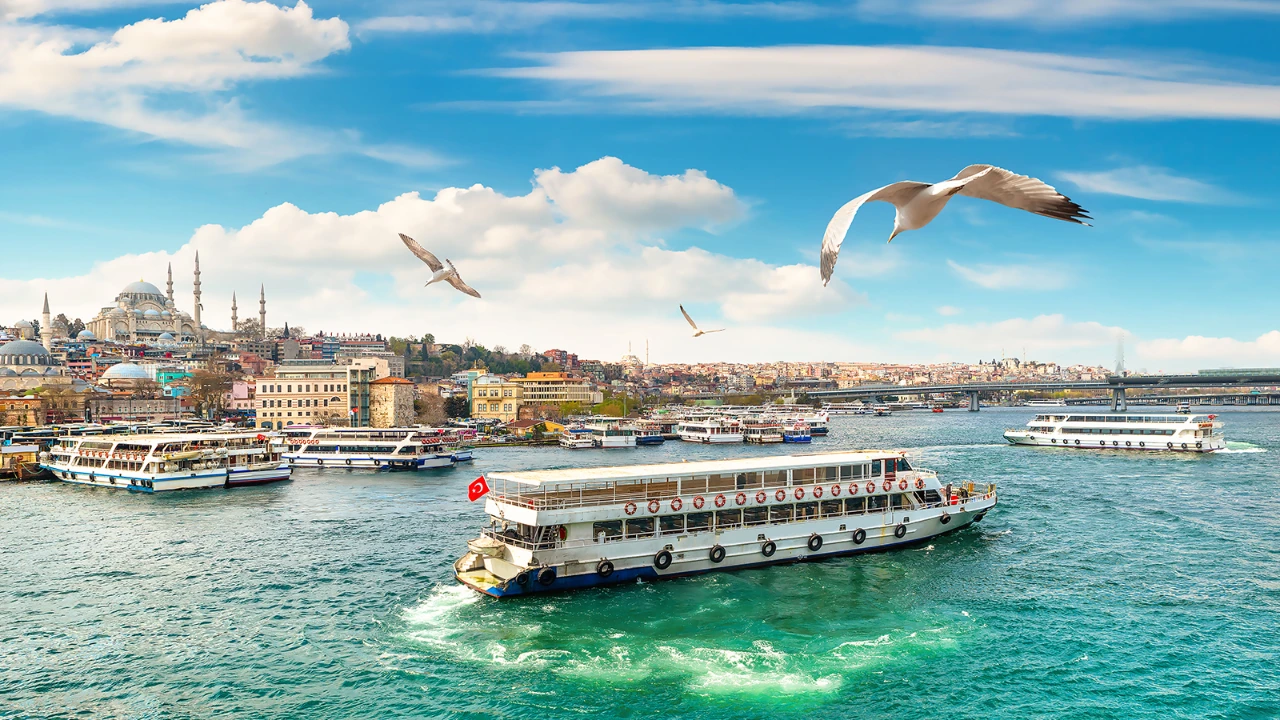
As you transition from the shore to the market, you'll see the bustling facade of the Mısır Çarşısı (Spice Bazaar). That market is a topic for another article and serves merely as a gateway on this route. Eminönü is also home to the ferry pier, making it a natural starting point for those who wish to combine their walking day with a program on the water. If you're considering a water-based activity before or after your walk, the options below depart from this very spot.
What to See in Tahtakale?
Tahtakale is a district that has preserved its commercial function from Byzantine and Ottoman times to the present day; its name is linked in historical sources to an old description referring to a settlement at the foot of the castle. What you explore here today isn't a museum, but a living, breathing market organism: packagers, herbalists, haberdashers, and warehouses line the streets in succession. Those considering a guided experience can choose an itinerary that covers this vibrant area from the Istanbul city center cultural tours offered by Travel Tour Shop.
Rüstem Paşa Camii (Rustem Pasha Mosque)
The architectural heart of the route is Rüstem Paşa Camii. According to Istanbul Metropolitan Municipality Cultural Heritage records, the structure was commissioned by Rüstem Paşa, son-in-law of Sultan Süleyman the Magnificent and Grand Vizier of his era, with Mimar Sinan as its architect. Its construction year is accepted as 1561, and the complex was completed by his wife, Mihrimah Sultan, after Rüstem Paşa's death. The mosque stands right in the heart of the market, at the intersection of Hasırcılar and Uzunçarşı streets in the Fatih district.
The value of this structure on the route comes from its elevation difference. The shops and warehouses at street level, with their vaulted ceilings and pointed arched openings, form the platform upon which the mosque rises. In essence, the place of worship sits atop the commerce that financed it. From the street, the building is hidden, but ascending the stairs leaves the hustle and bustle behind. Inside, the tile ornamentation is one of the most extensive examples in Sinan's mosques; records indicate that when İznik production proved insufficient, a separate tile workshop was established in Kütahya. According to the General Directorate of Foundations, the restoration that began in 2016 was completed, and the mosque reopened for worship on Friday, November 20, 2020, making it suitable for visits today.
Hasırcılar and Uzunçarşı Streets
These two streets, intersected by Rüstem Paşa Camii, form the backbone of the route, both lying within the Tahtakale neighborhood. The Hasırcılar side faces the shore, while the Uzunçarşı side ascends towards Beyazıt. Therefore, to navigate without getting lost, consider the mosque a directional marker, not a turning point. The streets are narrow for pedestrians but vitally wide for cargo carts; when you see bundles being carried at shoulder height, stepping aside is both a matter of safety and courtesy.
A Glimpse into the Han District
As you ascend along Uzunçarşı Street, glimpses into active han structures like Büyük Valide Han and Zincirli Han can be caught through their courtyard gates. These are profound topics in themselves, so here they are mentioned only as markers along the route. For those keen on a day focused on history and architecture, the area offers a multi-layered cast of attractions within a short distance.
What You'll Find in Sahaflar Çarşısı Today?
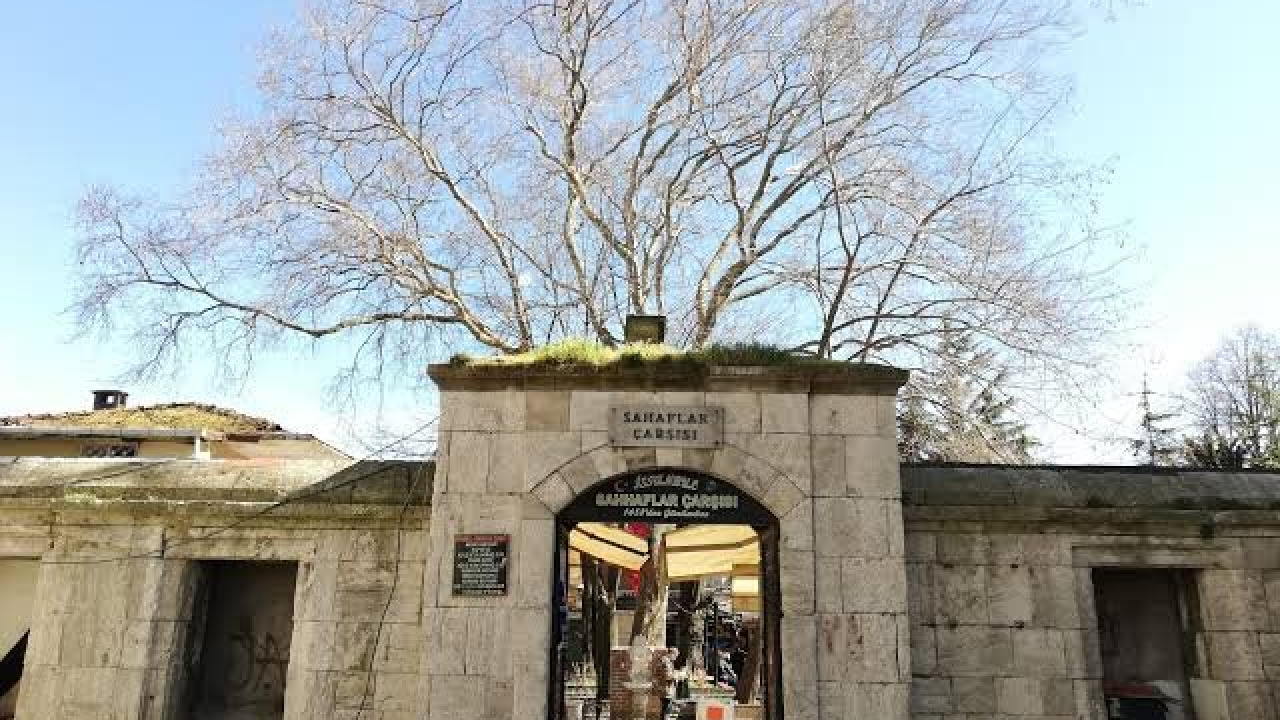
Today, Sahaflar Çarşısı is a small-scale, vibrant booksellers' market. According to Fatih District Governorship records, it houses 23 shops, 17 of which are two-story. It's important to set expectations according to this scale; it's not a book fair, but rather a series of stalls arranged around a courtyard.
The Market's Scale and Layers of History
According to the same records, the market's history dates back to the 15th century, with shops initially catering to the needs of madrasa students. After the construction of Kapalıçarşı (Grand Bazaar) was completed in 1460, the booksellers' shops moved there. Following the 1894 Istanbul earthquake, it relocated to its current spot, then known as Hakkaklar Çarşısı (Engravers' Market). In a 1950 fire, the market was completely destroyed, and thousands of manuscripts within were lost. The Istanbul Provincial Directorate of Culture and Tourism records state that after the fire, the structure was rebuilt with reinforced concrete and dedicated to book sales. The bust of İbrahim Müteferrika in the center of the courtyard stands as a symbol of this continuity.
Today, the shelves offer a wide range of items, from rare editions to textbooks, along with products reflecting book arts. For those seeking rare prints, the market is a treasure hunt, though the outcome varies with each visit. Academic publications, second-hand textbooks, and prints like engravings or postcards are more commonly found on the stalls.
Beyazıt Camii (Beyazıt Mosque) and Square
The market is situated between Beyazıt Camii and the Sedefçiler Gate, which opens to Kapalıçarşı (Grand Bazaar); thus, the final two stops of your walk are side-by-side. For Beyazıt Camii, the Fatih District Governorship, citing the inscription above its entrance, states that construction began in 1500 and was completed in 1505, describing the complex as the largest architectural ensemble after the Fatih Complex. Those curious about the history of the neighboring market can continue with our article on the commercial past of Kapalıçarşı (Grand Bazaar); the reason Sahaflar stands exactly here becomes clear with that story.
The Route: Step-by-Step from Shore to Beyazıt
The following sequence is designed to ensure you only ascend the incline once. Since the time spent lingering at each stop varies from person to person, feel free to adjust the total duration to your own pace.
- Start at the Shore: Emerge onto the pier square in Eminönü, take in the facade of Yeni Cami, and turn your back to the sea.
- Enter Hasırcılar Street: Turn into the inner streets beside the Mısır Çarşısı (Spice Bazaar), entering the first ring of the market district from the shore.
- Ascend to Rüstem Paşa Camii: At the intersection of Hasırcılar and Uzunçarşı, climb the stairs to the platform and admire the intricate tilework.
- Climb Uzunçarşı Street: Ascend towards the Kapalıçarşı (Grand Bazaar) area, peeking into the courtyard gates of the hans.
- Finish at Beyazıt: Reach the square from the Beyazıt-side exit of Kapalıçarşı (Grand Bazaar), and conclude your walk in the courtyard of Sahaflar Çarşısı.
Transport and Walking Notes
The most practical way to reach the route is via the T1 Kabataş-Bağcılar tram line. According to Metro Istanbul's line page, this line is 19.3 kilometers long, has 31 stations, and operates between 06:00 and 00:00. The useful detail for this route is that between Eminönü and Beyazıt-Kapalıçarşı, there are stops at Sirkeci, Gülhane, Sultanahmet, and Çemberlitaş, meaning the tram circles the historical peninsula. The walking route, however, directly connects these two points through the heart of Tahtakale; therefore, walking is often a shorter path than taking the tram.
- The ground is continuously stone-paved; non-slip shoes with good grip will significantly ease the uphill walk.
- Keep your load light: a large backpack in the narrow streets will hinder both you and the merchants' cargo traffic.
- When visiting mosques, plan your visit outside of prayer times. Opt for clothing that covers your shoulders and knees. A headscarf is expected for female visitors.
- There are no ticket booths along this specific route; however, if you extend your day to include museums in the Historical Peninsula, then budgeting for entrance fees will be necessary. Tariffs at these museums vary by visitor type, with different rates for local and foreign visitors. Before expanding your plans, check the official website of the relevant institution for current prices.
- When taking photos, please ask for permission before framing the interiors of workshops and warehouses; these are active workplaces.
After concluding your walk in Beyazıt, it's possible to extend your day with a museum-focused program. Our Historical Peninsula and Museums Guide provides a useful framework for planning this continuation.
Choosing the Best Season and Time
In the market district, the time of day is more decisive than the season: early mornings are for unloading goods, while the afternoon sees the peak of visitor density. The table below summarizes the seasonal differences.
| Period | From a walking perspective | Tahtakale-specific note |
|---|---|---|
| April-June | Uphill walk is cool, days are long | Market pace is steady, favorable for street photography |
| July-August | Midday heat can be stifling in narrow streets | Shift your visit to early morning or late afternoon |
| September-October | Light softens on stone facades | Cargo traffic increases due to seasonal shopping |
| November-March | Streets are quieter, queues are shorter | Wet stone paving can be slippery, exercise caution on ascents and descents |
For those preferring a guided experience, this route can be structured as a half-day module within broader Istanbul cultural tours. Practical tip: If you find yourself needing to start your walk from Beyazıt, instead of reversing the route, take the tram down to Eminönü and begin your journey from the shore as recommended.
Summing Up Your Route
The success of your Tahtakale itinerary hinges on two key decisions: direction and day. Starting from the shore ensures a single, uninterrupted uphill climb. Choosing a weekday highlights the bustling, active market, while a weekend visit emphasizes the serene architecture. Sahaflar Çarşısı marks the conclusion of this route, and with its 23 shops, it's important to set your expectations correctly from the outset regarding its scale.
Frequently Asked Questions 5
Where is Tahtakale located?
Tahtakale is a historic commercial district located in Istanbul's Fatih district, nestled between Eminönü's shore and Beyazıt Square. Hasırcılar Street and Uzunçarşı Street are the two main arteries of the area, both within the boundaries of the Tahtakale neighborhood.
How long does a Tahtakale visit take?
If you walk without lingering at stops, the route is short. However, exploring the market's vibrant atmosphere will easily fill half a day. The duration is determined not by distance, but by the time spent at key stops like Rüstem Paşa Camii and Sahaflar Çarşısı.
Where is Sahaflar Çarşısı and what is sold there?
The market is located between Beyazıt Camii and the Sedefçiler Gate, which leads to Kapalıçarşı (Grand Bazaar). According to Fatih District Governorship records, it houses 23 shops, 17 of which are two-story. The shelves offer a range of books, from rare editions to textbooks, as well as products reflecting book arts.
Is Rüstem Paşa Camii open for visitors?
Yes. According to the General Directorate of Foundations, the restoration that began in 2016 has been completed, and the mosque reopened for worship on Friday, November 20, 2020. Visiting outside of prayer times is generally more suitable.
How to get to Tahtakale by public transport?
The most direct way is to take the T1 Kabataş-Bağcılar tram and alight at the Eminönü stop, then walk from the shore into the inner streets. The Beyazıt-Kapalıçarşı stop on the same line is at the other end of the route. Between Eminönü and this stop, there are stations at Sirkeci, Gülhane, Sultanahmet, and Çemberlitaş.