
Located in the heart of Istanbul's historic peninsula, the Grand Bazaar (Kapalıçarşı) is one of the oldest and largest covered markets in the world, boasting a legacy that spans nearly 600 years. More than just a shopping destination, it is a living monument to Ottoman culture, Turkish hospitality, and centuries of global trade. With thousands of shops offering everything from shimmering gold and jewelry to hand-woven carpets and artisanal leather, it is a sensory explosion. In this guide, we dive into the history, architecture, shopping secrets, and the legendary art of bargaining to help you make the most of your visit.
At Travel Tour Shop, we are committed to quality. We have filtered out approximately 83% of the guides and tour providers we work with, listing only those who have proven their expertise through local experience and exceptional guest reviews. The insights provided in this guide are a reflection of that rigorous quality standard.
Quick Facts
| Topic | Details |
|---|---|
| Location | Beyazıt, Istanbul Historic Peninsula |
| Established | 15th Century (Era of Mehmed the Conqueror) |
| Size | Approx. 30,000 m², 60+ streets |
| Number of Shops | Over 4,000 |
| Transport | T1 Tram (Beyazıt-Kapalıçarşı stop) |
| Nearby Landmarks | Nuruosmaniye, Beyazıt, Spice Bazaar, Süleymaniye |
A Journey Through History
The origins of the Grand Bazaar date back to the 15th century, shortly after the conquest of Istanbul. Commissioned by Mehmed the Conqueror, the market began as a few structures—most notably the Inner Bedesten—and expanded over centuries into the massive complex we see today. During the Ottoman era, it served as the primary hub for merchants traveling along the Silk Road and the Spice Road, acting as the commercial bridge between Europe and Asia.
Despite enduring fires, earthquakes, and numerous restorations over the centuries, the bazaar has always been rebuilt, preserving its authentic spirit. This resilience makes the Grand Bazaar not just a marketplace, but a vital piece of Istanbul's urban memory.


Architectural Wonders
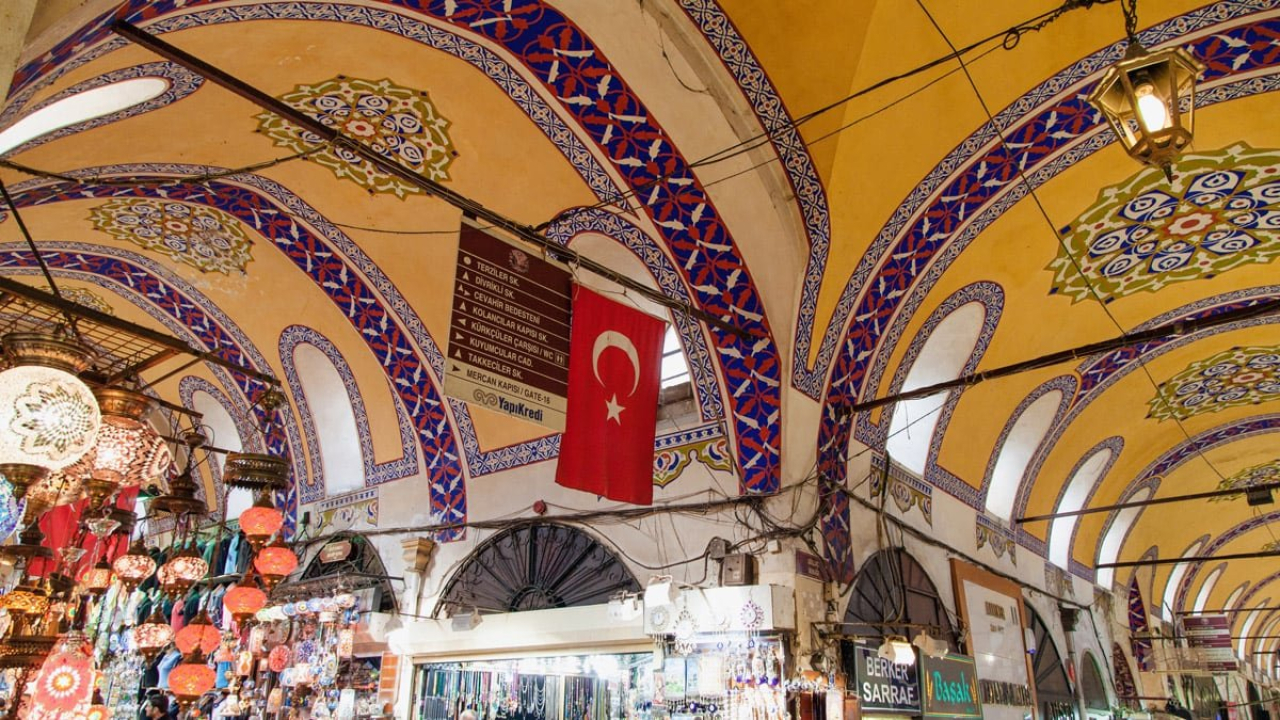
Spanning roughly 30,000 square meters, the Grand Bazaar is a labyrinth of over 60 streets and 4,000 shops. Its vaulted ceilings, arched corridors, and ancient cobblestone paths transport visitors back in time. At the very heart of the complex lies the Inner Bedesten, the historic core where the most precious goods were traditionally traded.
The bazaar is organized by trade: jewelers, carpet sellers, antique dealers, and leather craftsmen are clustered in their own designated quarters. This traditional guild system is still evident today. While the bazaar has many entrances, the Nuruosmaniye and Beyazıt gates are the most popular entry points for tourists.
The Hans and Bedestens: Hidden Gems
The Grand Bazaar is more than just a series of streets; it is a collection of historic hans (caravanserais) and bedestens (covered markets). The Inner Bedesten (Cevahir Bedesteni) is the oldest section, featuring thick walls and high security to protect the most valuable jewelry and antiques. Nearby, the Sandal Bedesteni was once the epicenter of the textile trade.
Surrounding the main market are historic hans like Zincirli Han and Cebeci Han. Once used as lodging for traveling merchants and as artisan workshops, these courtyards now host boutique jewelers and traditional craftsmen. Known in Ottoman records as "Çarşı-yı Kebir" (The Great Bazaar), the complex is essentially a city within a city, with over 20 gates and an intricate web of alleys.
What to Buy: The Best of the Grand Bazaar
The Grand Bazaar is world-renowned for its diverse array of high-quality goods. Here are the top categories to explore:
- Gold and Jewelry: The bazaar is Turkey's premier gold trading hub; many jewelers across the country use the Grand Bazaar's market rates as their benchmark.
- Turkish Carpets and Kilims: Hand-woven carpets and Anatolian kilims are the most sought-after treasures for international visitors.
- Leather Goods: From jackets to bags, the bazaar offers a wide selection of premium Turkish leather.
- Ceramics and Handicrafts: Look for authentic İznik tiles, hand-hammered copperware, and traditional souvenirs.
Pro Tip: To ensure authenticity and the best price, we recommend comparing a few different shops before making a final purchase.
The Art of Bargaining
Bargaining is not just about the price—it's a cultural dance. Engaging with the shopkeepers and negotiating is a fundamental part of the Grand Bazaar experience. This tradition has persisted for centuries and offers visitors a unique social interaction. To get the best deal, maintain a polite and friendly tone, browse a few shops to get a sense of the market value, and take your time. Often, the conversation and the tea shared during the process are as rewarding as the purchase itself.
Dining and Taking a Break
When you need a breather from the hustle and bustle, the bazaar offers several atmospheric spots to recharge. Historic eateries inside the walls serve traditional Turkish cuisine, while tiny coffee houses offer frothy Turkish coffee and tea. On hot days, refreshing sherbets and freshly squeezed fruit juices are the way to go.
The "tea break" culture of the local shopkeepers reflects the daily rhythm of the bazaar. Additionally, small prayer rooms (mescits) and historic fountains provide quiet moments of reflection, turning a shopping trip into a full-day cultural exploration.
Grand Bazaar vs. Spice Bazaar: What's the Difference?
A common question for visitors is whether the Grand Bazaar and the Spice Bazaar are the same. They are not.
The Grand Bazaar is located in Beyazıt and is a massive complex specializing in gold, carpets, leather, and general souvenirs. The Spice Bazaar (Mısır Çarşısı), located in Eminönü next to the New Mosque, focuses primarily on spices, nuts, Turkish delight (lokum), and traditional foodstuffs. Because they are within walking distance of each other, most visitors explore both in a single day, though they offer very different atmospheres and products.
Tips for Navigating the Labyrinth
With over 60 streets, the Grand Bazaar can feel like a maze. To make your visit easier, we suggest entering through one of the main gates and following Kalpakçılar Caddesi, the primary artery of the market.
Don't be afraid to get lost—wandering aimlessly is part of the charm. Just keep an eye on the street signs and gate names to find your way back. Keep in mind that most shops are closed on Sundays, so plan your visit for a weekday or Saturday. Early mornings are the best time for those seeking a quieter atmosphere and better photo opportunities.
For a deeper dive into the history and to find the most reputable shops, hiring a professional guide is highly recommended.
Nearby Attractions
The Grand Bazaar's central location makes it the perfect jumping-off point for exploring the historic peninsula. Within walking distance, you'll find:
- Nuruosmaniye Mosque: Located right next to the Nuruosmaniye gate.
- Beyazıt Square and the Sahaflar Bazaar: Famous for its historic second-hand bookstores.
- Süleymaniye Mosque: One of Mimar Sinan's greatest architectural masterpieces.
- Spice Bazaar: The go-to spot for spices and sweets in Eminönü.
- Hagia Sophia, Topkapi Palace, and Basilica Cistern: A short distance away in the Sultanahmet area.
This proximity allows you to create a comprehensive itinerary of Istanbul's cultural highlights in a single day. For more details, check out our Hagia Sophia guide and our Topkapi Palace article.
How to Get There
Getting to the Grand Bazaar is straightforward. The most convenient method is the T1 tram line; get off at either the Beyazıt-Kapalıçarşı or Çemberlitaş stop, and you'll be just a short walk from the gates. You can also use the metro, buses, taxis, or private transfers. If you are coming from Sultanahmet, a scenic walk through the historic district is a wonderful way to experience the city's texture on your way to the bazaar.
When to Visit
The Grand Bazaar is a year-round destination. Since it is fully covered, it is a perfect refuge from the winter cold or the scorching summer heat. Weekday mornings are the most comfortable time for shopping and photography. Crowds peak during the lunch hour and on weekends.
Essential Visitor Tips
To ensure a smooth and enjoyable visit, keep these practical tips in mind: - Meeting Point: Because it's a labyrinth, agree on a specific gate as a meeting point if you are traveling in a group. - Certification: For high-value purchases, especially gold and antiques, always ask for a certificate of authenticity. - Payment: While most shops accept credit cards, carrying some cash is practical for smaller purchases. - Etiquette: It is polite to ask shopkeepers for permission before taking photos of their merchandise. - Embrace the Chaos: Getting lost is part of the adventure—just follow the street signs to find your way out.
Explore Istanbul with Travel Tour Shop
Visiting the Grand Bazaar and the historic peninsula with a professional guide ensures you uncover the hidden stories of the city and are directed toward the most authentic artisans. Through Travel Tour Shop, you can compare Istanbul cultural tours, guide services, and transfer options with transparent pricing and clear itineraries.
Explore our curated selection of Turkey cultural tours and our cultural tours category page. Because our tours are vetted by local experts and previous guests, you can plan your historic peninsula adventure with complete confidence.
Frequently Asked Questions 6
What is the Grand Bazaar famous for?
The Grand Bazaar is world-renowned for its gold and jewelry, hand-woven carpets and kilims, leather goods, İznik ceramics, and traditional handicrafts. It is also famous for its centuries-old bargaining culture.
Is the Grand Bazaar the same as the Spice Bazaar?
No. The Grand Bazaar is a massive complex in Beyazıt offering a wide range of goods. The Spice Bazaar is a separate, smaller market in Eminönü specializing in spices and traditional foods. They are within walking distance of each other.
What should I buy at the Grand Bazaar?
Top recommendations include gold jewelry, authentic carpets, leather products, İznik ceramics, and traditional Turkish souvenirs.
When was the Grand Bazaar built?
The core of the bazaar was established in the 15th century during the reign of Mehmed the Conqueror, following the conquest of Istanbul, and expanded over the following centuries.
Is the Grand Bazaar open on Sundays?
Most shops are closed on Sundays. It is best to plan your visit for a weekday or Saturday.
How do I get to the Grand Bazaar?
The easiest way is via the T1 tram line, stopping at either Beyazıt-Kapalıçarşı or Çemberlitaş. From there, it is a short walk to the entrance.