The Golden Horn Shipyards in Istanbul are far more than just a port area or an industrial zone; they are the beating heart of the Ottoman Empire's maritime power and an enduring testament to this region's deep connection with the sea. Stretching from Kasımpaşa towards Hasköy, this historic complex encompasses the Haliç, Camialtı, and Taşkızak shipyards, representing the modern-day iteration of the Tersane-i Amire, founded by Fatih Sultan Mehmed in 1455.
Today, the area is a fascinating transitional space where a working industrial heritage stands alongside burgeoning cultural and artistic functions. In this guide, we'll delve into the shipyards' history, explore what you can actually find there today, confirm if the facility is still active, outline transportation options, and provide a step-by-step itinerary for a visit ranging from half a day to a full day. For those eager to witness Istanbul's industrial and maritime legacy firsthand, guided Istanbul culture tours often include routes that pass through or near this remarkable area.
Golden Horn Shipyards: Quick Facts
| Category | Detail |
|---|---|
| Location | Istanbul, Beyoğlu district, Kasımpaşa neighborhood |
| Founded | 1455, during the reign of Fatih Sultan Mehmed |
| Historical Name | Tersane-i Amire |
| Scope | Haliç, Camialtı, and Taşkızak shipyards |
| Area Size | Haliç Shipyard approximately 70 acres |
| Quay Length | 475 meters |
| Technical Facilities | 3 stone docks, 2 ship construction slips |
| Current Function | Maintenance base for Şehir Hatları fleet and cultural area |
| Nearest Transport | Kasımpaşa ferry pier, M2 Haliç metro station |
| Recommended Visit Duration | Approximately 1 to 4 hours, half a day for an extended route |
Tersane-i Amire: A Naval Legacy Spanning from 1455 to Today
Founded During the Reign of Fatih Sultan Mehmed
The Golden Horn Shipyards are among Istanbul's most deeply rooted maritime facilities, with their foundations laid in 1455, shortly after the city's conquest. While the shores were known for maritime activities during the Byzantine era, after the conquest, a decision was made to construct a new, grand shipyard in the Golden Horn rather than merely utilizing the smaller Byzantine remnants. The Golden Horn's sheltered position from winds and its natural harbor structure were decisive factors in this choice.
The facility stood as one of the largest capacity shipyards of its time. Initially, the new shipyard comprised a few sections, a divanhane (council hall), and an assembly area. Significant investments were made in Tersane-i Amire during Güzelce Kasım Paşa's vizierate in the 16th century, and the facility was further expanded and modernized during the periods of Cezayirli Hasan Paşa and Küçük Hüseyin Paşa.
A City Within a City
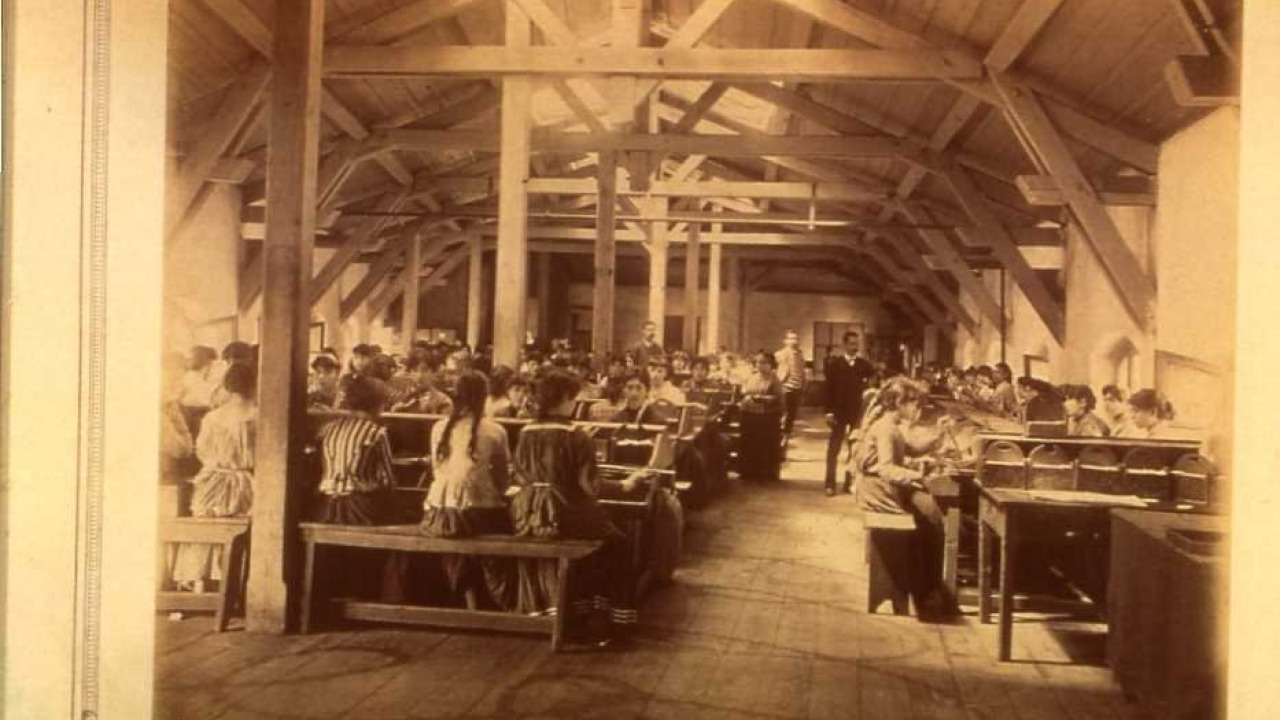
Tersane-i Amire was not merely a place where ships were built; it was a self-sufficient settlement in its own right. Mosques, barracks, hospitals, administrative buildings, and workshops all coexisted within its walls. The administrative heart of the settlement was the Divanhane building, where the naval bureaucracy operated. This structure was a city within a city, reflecting the Ottoman organizational prowess and engineering vision. The shipyard is also remembered as one of the first centers of industrialization during the Ottoman period.
The naval preparations of figures who shaped Ottoman maritime history, from Barbaros Hayrettin Paşa to Piri Reis, relied on the capabilities of this shipyard; a significant portion of the fleets embarking on campaigns launched from here.
Some of the firsts in Turkish maritime history also occurred along this stretch. In 1827, the first floating dock and the first steamship were built here. Submarines developed by Swedish manufacturer Thorsten Wilhelm Nordenfelt, powered by steam, were brought in parts in 1884-85 and assembled at the Taşkızak Shipyard; the Abdülhamid was launched in 1886, followed by the Abdülmecid the next year. These were recorded as the first submarines in Turkish naval history.
Republican Era and Beyond
During the Ottoman Empire's decline, the shipyard also lost its former prominence; during the occupation years, its structures were in ruins. The articles of the Treaty of Lausanne concerning Istanbul brought the shipyard's relationship with the naval forces to a critical juncture, and military shipyard activities were moved to Gölcük in 1930-31. However, its civilian maritime function continued: the Gülcemal ferry, which made the first transatlantic voyage from Istanbul to America and was used by Atatürk on his domestic tours, underwent maintenance and repair at the Taşkızak Shipyard in 1928.
What to See at the Golden Horn Shipyards Today?
The Three Shipyards: A Current Overview
The most frequent question visitors ask is what actually exists in the area today. The status of the three facilities grouped under the name Golden Horn Shipyards differs.
| Shipyard | Location | Current Status |
|---|---|---|
| Haliç Shipyard | Kasımpaşa | Ongoing maintenance and repair operations for Şehir Hatları |
| Camialtı Shipyard | Between Kasımpaşa and Hasköy | Part of the Tersane Istanbul transformation project; sections gradually opening |
| Taşkızak Shipyard | Towards Hasköy | Part of the Tersane Istanbul transformation project; sections gradually opening |
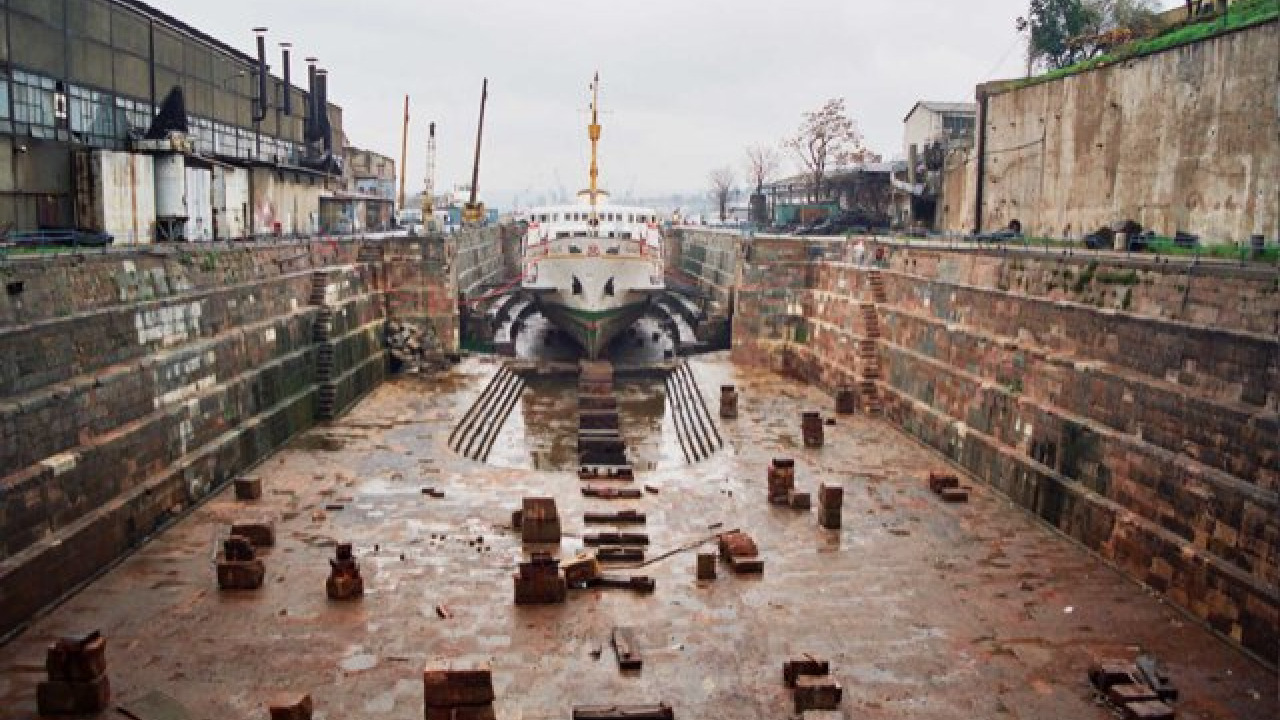
The Haliç Shipyard spans an area between Kasımpaşa Stream and Atatürk Bridge. This approximately 70-acre site features a 475-meter quay, 3 stone docks, and 2 ship construction slips. The headquarters of Şehir Hatları (Istanbul City Lines) are also located within this shipyard's boundaries.
A section of the area gained a cultural function in 2024. An exhibition and workshop space named İstanbul Sanat opened in the historic buildings at Bedrettin Mahallesi, Şişhane Caddesi. This section is closed on Mondays and may be temporarily closed between exhibition periods; it's wise to check the current status before you set out.
Registered Structures and Monumental Works
Numerous protected structures are found within the shipyard area. The main registered assets in the area include:
- Çorlulu Ali Paşa Mosque, Çorlulu Ali Paşa Bath, and Çorlulu Ali Paşa Fountain
- Mehmet Dede Tomb
- Two historic walls and a tower
- Aynalıkavak Kasrı Bath
- 17 industrial buildings, 3 examples of civil architecture, and 2 above-ground ruins
- 5 monumental trees: 4 pine trees and 1 mastic tree
This collection of structures represents a continuous cultural, architectural, and industrial whole that has evolved from the 15th century to the present day. The slips, stone docks, and brick-built workshop buildings are rare examples where European industrial architecture can be read alongside local stonework.
Is the Golden Horn Shipyard Still Active?
Yes, it is. Among the three Golden Horn shipyards, the Haliç Shipyard is the one that continues its operations, working under the umbrella of Şehir Hatları. Having operated continuously since 1455, its operational period now exceeds 570 years, making it one of the world's longest continuously operating shipyards.
The shipyard handles the maintenance and repair of 28 passenger ferries, 3 service boats, and 6 pier pontoons belonging to the Şehir Hatları fleet. Additionally, vessels belonging to public institutions and the private sector can also be dry-docked here. The facility has an annual capacity of approximately 6,965 DWT (deadweight tons) for shipbuilding and repair, and 1,000 tons for sheet metal processing. The Paşabahçe Ferry, which lay idle for 12 years, was rebuilt and restored here over approximately 1.5 years and returned to service; Şehir Hatları's sea taxis and electric sea taxis were also produced and launched at this shipyard. The last new construction activity took place in 2009, when 3 passenger boats, each 42 meters long, were produced.
The dimensions of the three stone docks of different sizes are as follows:
| Dock | Length | Width | Depth |
|---|---|---|---|
| Dock No 1 | 124.00 m | 24.50 m | 10.00 m |
| Dock No 2 | 86.00 m | 18.50 m | 9.00 m |
| Dock No 3 | 156.00 m | 18.50 m | 9.00 m |
This table clearly shows that the shipyard is a working industrial facility, not a mere tourist backdrop. As a visitor, it's more realistic to structure your visit around the cultural areas and coastal walks, rather than expecting free access to the dock and slip regions.
Tersane Istanbul Project: From Industrial Heritage to Mixed-Use Hub
Project Scope
The Golden Horn Marina and Complex Project, located in Beyoğlu's Camiikebir neighborhood, is publicly known as Haliç Port or Tersane Istanbul. The project area spans 252,000 square meters and is planned to include parking, hotels, a cultural center, and a congress area.
The area was tendered in 2013 under a build-operate-transfer model for 49 years. The tender program included 2 marinas, each with a capacity for 70 yachts, hotels, apartment units, office buildings, commercial units, food and beverage areas, congress and cultural centers, as well as cinema and entertainment facilities. Published project information defines 5 hotels with 1,100 rooms, 600 apartment units, 4 museums, and a parking capacity for 5,700 vehicles. The timeline was planned as 4 years for construction and 45 years for operation.
Conservation Status and Controversies
The project area is under conservation. The entirety of parcel number 1045, where the tender took place, is within a historical site designated by the conservation board decision dated 22.03.1995 and numbered 6482. Between 1995 and 2009, 39 structures in the area were individually registered; the total number of registered structures within the shipyard complex reached 52. The conservation-oriented master development plan produced for the area received approval from the relevant conservation board in 2010.
The process faced objections from professional chambers. In 2015, the Istanbul branches of the relevant engineering, architecture, and urban planning chambers jointly filed a lawsuit against the project. In the same year, it was revealed that an unauthorized concrete plant had been established in the shipyard area to supply concrete for tunnel work.
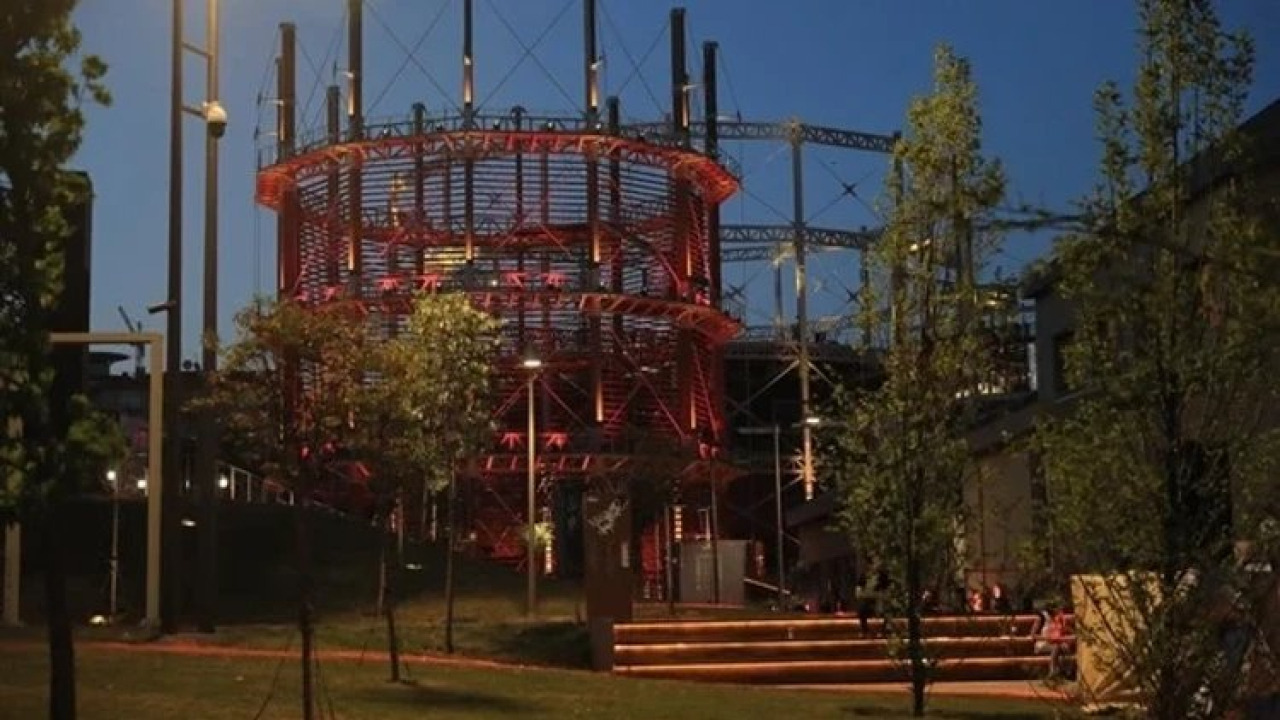
The project has been gradually opening to the public. As of autumn 2024, hotels, dining venues, event spaces, and a coastal promenade stretching along the Golden Horn have begun to open; construction and landscaping work continues in some parts of the area. Therefore, today, the region features both a working shipyard and newly opened lifestyle and event spaces side-by-side; checking which sections are open to visitors beforehand will make planning your trip easier.
How to Get to the Golden Horn Shipyards
The most enjoyable way to reach the area is by sea; seeing the Golden Horn from the water allows you to grasp the shipyard's silhouette as a whole. Here's a step-by-step guide:
- Board a Şehir Hatları Golden Horn line ferry and disembark at the Kasımpaşa pier. The line departs from Üsküdar and calls at Üsküdar, Karaköy, Kasımpaşa, Fener, Balat, Hasköy, Ayvansaray, Sütlüce, and Eyüpsultan piers in sequence; the journey between Karaköy and Kasımpaşa takes approximately 5 to 10 minutes.
- After exiting the pier, follow the Golden Horn coastal walking path. The shipyard walls, slip structures, and brick-fronted workshop buildings are a short walk away.
- If you prefer to come by land, get off at the Haliç station of the M2 metro line. This station, opened in 2014, is located on the Haliç Metro Bridge, and you can descend to the Kasımpaşa side via the pedestrian walkways on either side of the bridge.
- If you plan to include Fener and Balat in your itinerary, use the T5 tram line. This line follows the historical peninsula's shore of the Golden Horn; meaning it runs on the opposite bank of the shipyard and offers a perspective looking across at the area.
| Transport Option | Line or Stop | Note |
|---|---|---|
| Ferry | Golden Horn line, Kasımpaşa pier | Departs from Üsküdar and Karaköy, directly reaches the shipyard side |
| Metro | M2 line, Haliç station | Station is on the Haliç Metro Bridge |
| Tram | T5 line, Cibali, Fener, Balat, Ayvansaray | Follows the opposite shore, suitable for a Fener Balat trip |
| Walking | Karaköy and Tophane coastal path | Proceeds via Kılıç Ali Paşa Mosque |
Some stations on the T5 line along the Golden Horn shore may be temporarily closed due to ongoing work. It's beneficial to check the current status of the line before you set out to avoid disrupting your plans.
What to See in the Area: Walking Route and Nearby Attractions
If you're planning a full-day trip, the following sequence will allow you to explore the area without rushing:
- Start your morning from the Karaköy and Tophane line; the Kılıç Ali Paşa Mosque and its surrounding historical fabric make for an excellent starting point.
- Cross to Kasımpaşa by ferry or coastal walk; the shipyard walls, quay line, and historic structures transformed into cultural areas are concentrated here.
- In the afternoon, proceed towards Hasköy; Aynalıkavak Kasrı and the industrial heritage museums along the Golden Horn are located on this route.
- In the late afternoon, take a break by the shore; sunset, when the golden light hits the brick facades, is the most photogenic moment in the area.
Key highlights that will catch your eye along the route can be summarized as follows:
- Slips and stone docks: The inclined platforms where ships are launched into the sea are the most tangible traces of a working shipyard.
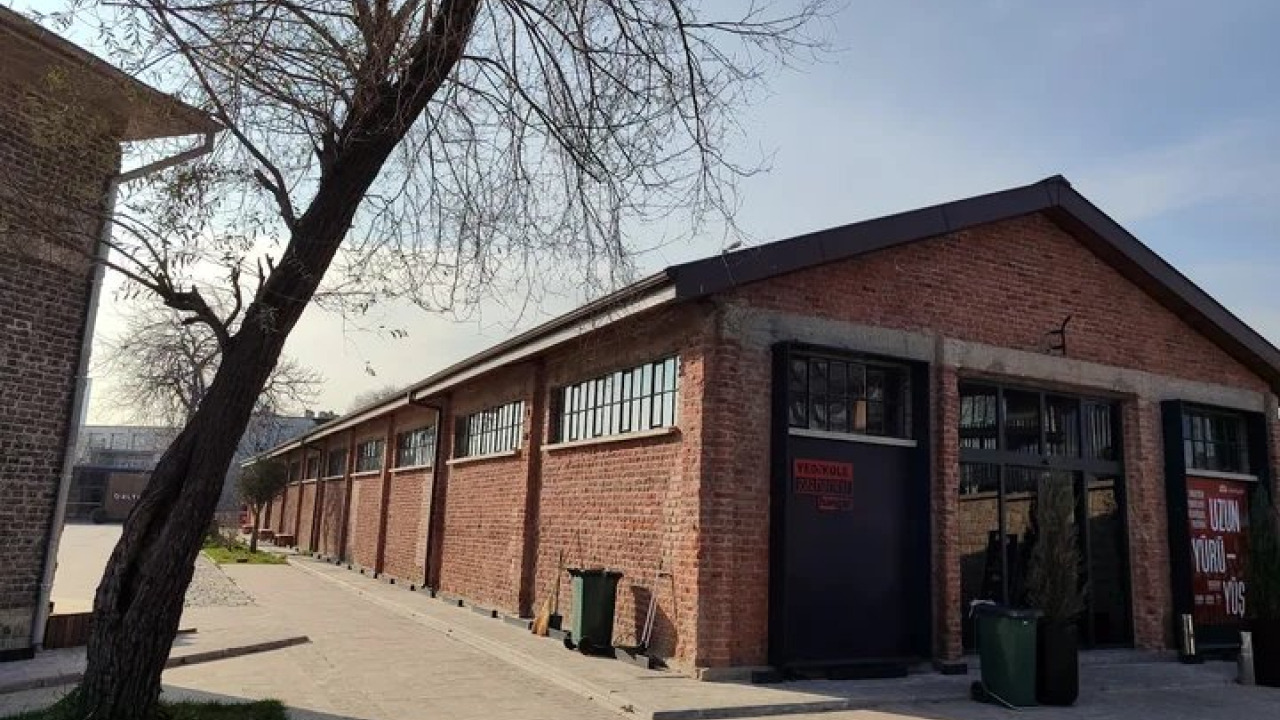
- Brick-fronted workshop buildings: Wide windows, high ceilings, and large doors facing the Golden Horn reflect the engineering understanding of the era.
- Culture and exhibition spaces: The art venue in a section of the shipyard offers an example of industrial volumes meeting contemporary exhibitions.
- Monumental works: The mosque, bath, fountain, tomb, and tower ruins showcase the area's layered history.
- Opposite shore view: Points where the silhouette of Fener and Balat can be seen from the shipyard quay bring both sides of the Golden Horn into the same frame.
- Coastal promenade: The new pedestrian path, lined with hotels, restaurants, and event venues that have opened in the transformation area, follows the same route as the historic quays.
If you prefer to explore the region with a guided and narrated program, Beyoğlu culture tours and Beyoğlu historical city tours options include routes covering the Kasımpaşa and Hasköy line.
Craft and Workshop Culture Around the Shipyards
For centuries, the Golden Horn shore didn't just produce ships; a network of handicrafts like rope making, sailcloth weaving, and woodworking formed a vital ecosystem supporting the shipyard. Traces of this craft culture can still be found in the neighborhoods surrounding the shipyard: small workshops, artisan shops, and production methods sustained through master-apprentice relationships define the character of the streets between Kasımpaşa and Hasköy.
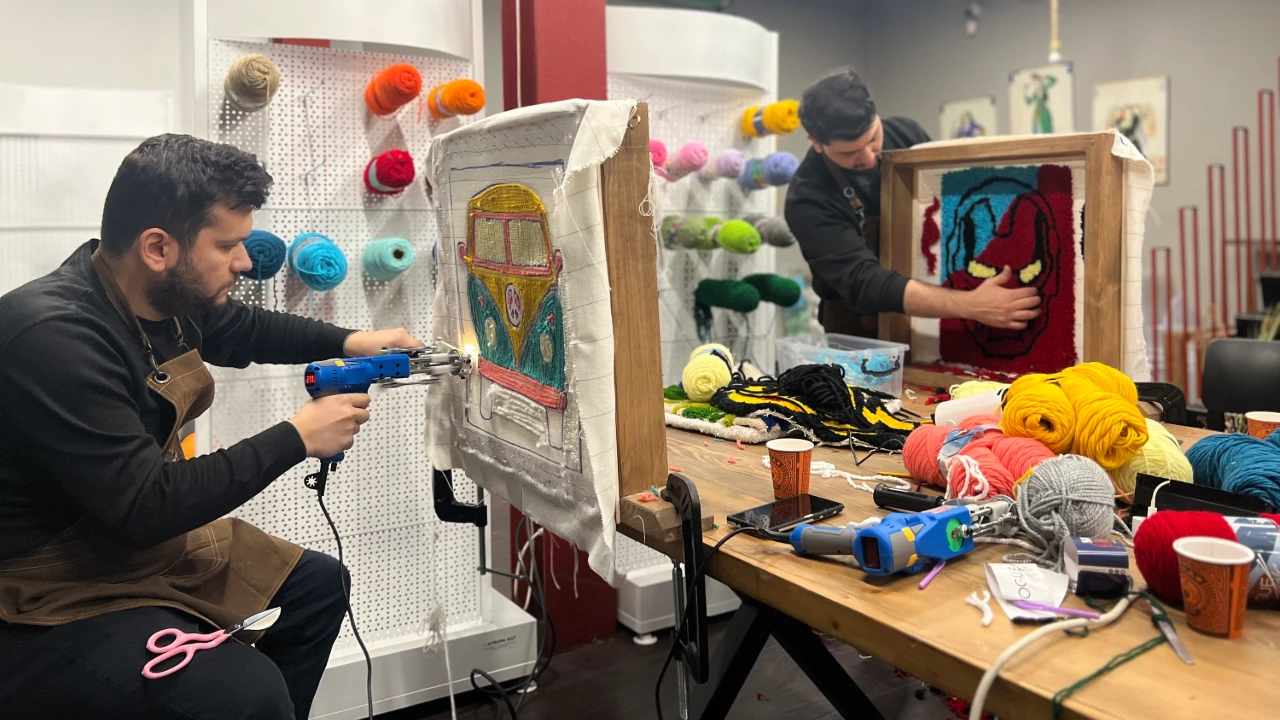
For visitors looking to combine their shipyard visit with traditional handicrafts, weaving workshops offer an excellent complement. Knotting techniques, natural dyeing processes, and hands-on demonstrations at the loom add a story of manual production alongside the industrial heritage. If you're seeking such a program, Istanbul carpet weaving workshop tours can be combined with cultural routes around the shipyard on the same day.
Visitor Tips and Best Time to Visit
Visitors typically spend 1 to 4 hours in the area. If you extend your walking route towards Hasköy and include nearby museums in your itinerary, you can easily fill half a day. Visitors with limited time can choose from Istanbul day trips and cultural routes that combine Kasımpaşa and Hasköy stops with other Beyoğlu attractions on the same day.
| Period | Weather & Crowds | Highlights |
|---|---|---|
| Spring (April - June) | Mild, moderate crowds | Long coastal walks and ample daylight |
| Summer (July - August) | Hot and humid, busy | Early mornings and sunset hours are best |
| Autumn (September - November) | Mild, decreasing crowds | Soft light for photography |
| Winter (December - March) | Rainy and windy, quiet | Indoor exhibition spaces and museum visits |
Practical notes to make your trip easier:
- Plan your visit for a weekday; the coastal path and ferries get significantly more crowded on weekends.
- The cultural area is closed on Mondays, so steer clear of the first day of the week.
- The coastal path is paved with stone and can be uneven in places; opt for comfortable, non-slip shoes.
- The working sections of the shipyard are closed to visitors; do not expect access to the dock and slip areas.
- The wind along the Golden Horn shore can feel stronger than inland; a light windbreaker will serve you well in transitional seasons.
- For photography, aim for about an hour before sunset; the brick facades catch their warmest tones at this time.
Frequently Asked Questions 6
Is the Golden Horn Shipyard still active?
Yes, it is. Among the three Golden Horn shipyards, the Haliç Shipyard is the one that continues its operations, working under the umbrella of Şehir Hatları. It has been operating continuously since 1455, with its operational period exceeding 570 years. The shipyard handles the maintenance and repair of 28 passenger ferries, 3 service boats, and 6 pier pontoons belonging to the Şehir Hatları fleet; vessels belonging to public institutions and the private sector can also be dry-docked here.
What can I see at the Golden Horn Shipyard?
The approximately 70-acre area in Kasımpaşa features a 475-meter quay, 3 stone docks, and 2 ship construction slips; the headquarters of Şehir Hatları are also within these boundaries. The area also contains registered historical assets such as the Çorlulu Ali Paşa Mosque, Bath, and Fountain, Mehmet Dede Tomb, Aynalıkavak Kasrı Bath, historic wall and tower ruins, 17 industrial buildings, and 5 monumental trees. A section of the historic buildings has been used as an exhibition and workshop space since 2024.
Can I reach the Golden Horn Shipyard by ferry?
Yes. The Şehir Hatları Golden Horn line departs from Üsküdar and calls at Üsküdar, Karaköy, Kasımpaşa, Fener, Balat, Hasköy, Ayvansaray, Sütlüce, and Eyüpsultan piers in sequence; the journey between Karaköy and Kasımpaşa takes approximately 5 to 10 minutes. From the pier, the shipyard area is a short coastal walk away. Alternatively, the M2 metro line's Haliç station can be used.
What is the Tersane Istanbul project?
Tersane Istanbul is the name of the Golden Horn Marina and Complex Project, also known as Haliç Port. It covers an area of 252,000 square meters in Beyoğlu's Camiikebir neighborhood and includes functions such as hotels, apartment units, offices, commercial units, congress and cultural centers, and a marina. The area was tendered in 2013 under a build-operate-transfer model for 49 years. The project has been gradually opening; as of autumn 2024, hotels, dining and event spaces, and the coastal promenade have begun to open, with work continuing in some sections. The project area holds historical site status, and the process has been subject to lawsuits filed by professional chambers.
How much time should I allocate for a visit to the Golden Horn Shipyards?
Visitors typically spend 1 to 4 hours in the area. For just the coastal path and cultural area, 2 hours might suffice. If you extend the route from Kasımpaşa towards Hasköy, adding Aynalıkavak Kasrı and nearby museums, it becomes a half-day program. For those wishing to include Fener and Balat, a full day allows for more relaxed planning.
Which season is best for visiting the Golden Horn Shipyards?
Spring and autumn months offer the most balanced conditions for long coastal walks. During the summer months, due to heat and humidity, early mornings and sunset hours are preferable. In winter, as the wind along the Golden Horn shore can be strong, the program can be focused on indoor exhibition spaces and museums. Weekdays in any season generally provide a calmer visiting experience compared to weekends.