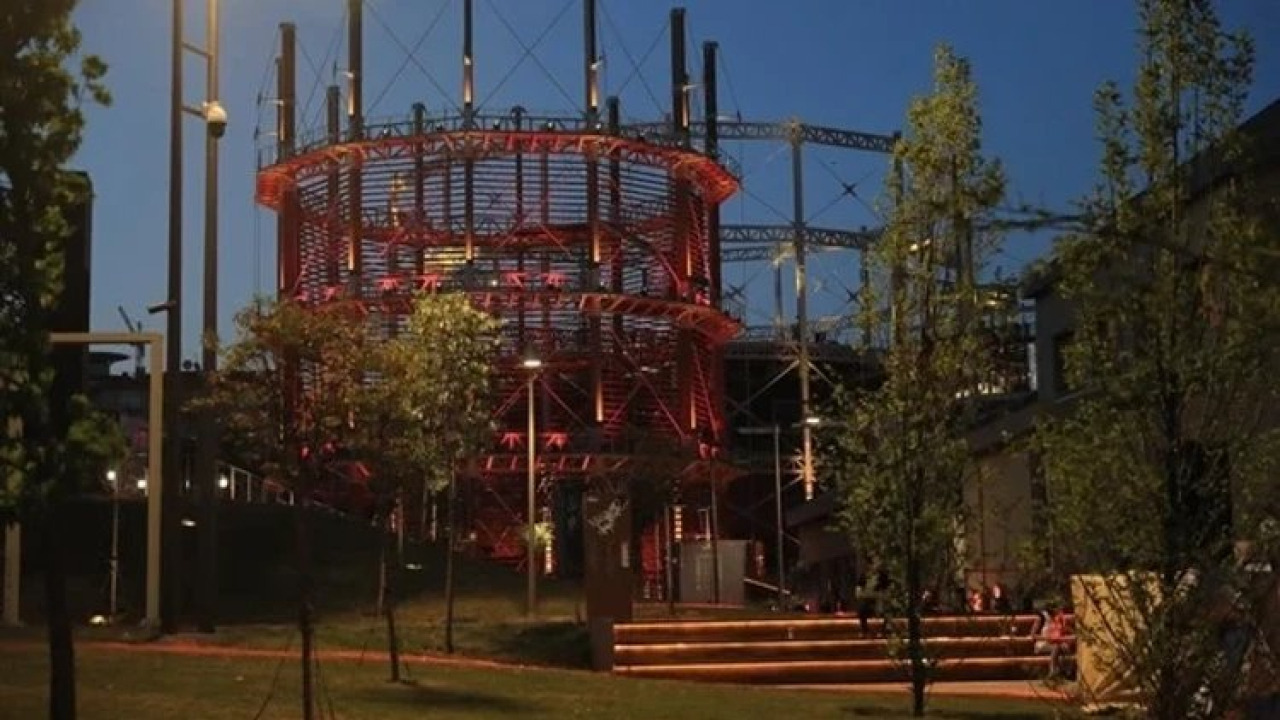
Kadıköy, on Istanbul's Asian side, is a vibrant district renowned for its historical charm and bustling daily life, with every street telling a unique story. Right in the heart of this district, in the Hasanpaşa neighborhood, a phoenix-like structure has risen from its ashes: Hasanpaşa Gazhanesi, now known as Müze Gazhane. Originally established as a factory producing coal gas, the complex underwent a long period of abandonment before being reborn as a thriving cultural hub for the city, complete with museums, a library, theater stages, and a lively public square. Below, you'll find the fascinating history of this transformation, what the complex offers, and all the practical details you need to know before your visit.
Quick Facts
| Title | Information |
|---|---|
| Official Name | Hasanpaşa Gazhanesi / Müze Gazhane |
| Also Known As | Kurbağalıdere Gazhanesi, Kadıköy Gazhanesi |
| Address | Hasanpaşa, Kurbağalıdere Caddesi No 125, 34722 Kadıköy / Istanbul |
| Construction Began | August 1, 1891 |
| Opened for Service | 1892 |
| Gas Production Ended | June 13, 1993 |
| Opened as Cultural Center | July 9, 2021 |
| Architect-Contractor | Guglielmo Semprini |
| Complex Units | Climate Museum, Cartoon and Humor Museum, Science Center, Galeri Gazhane, Afife Batur Library, two theater stages, bookstore, cafe, and restaurant |
| Closed Day | Monday |
| Visiting Hours | Most units 10:00 AM - 6:00 PM; Gazhane Square 9:00 AM - 10:00 PM; library 24 hours |
| Admission | As of Summer 2026, complex and museum units are free; ticketed events are separate |
| Recommended Visit Duration | Half-day, full-day with event attendance |
What is Hasanpaşa Gazhanesi and Why is it Important?
Gasworks (Gazhaneler) were industrial facilities where coal gas, produced by heating and distilling coal in closed containers, was distributed to the city's network. In the era before electricity, streetlights, homes, and workplaces were illuminated by this gas, which was also used for heating. Hasanpaşa Gazhanesi is one of Istanbul's four main gasworks; the others are Dolmabahçe, Yedikule, and Kuzguncuk. Among Istanbul cultural tours focusing on Istanbul's industrial heritage, Gazhane stands out as a primary stop showcasing the Asian side's industrial past.
The Need for Illumination on the Asian Side
In the second half of the 19th century, the Asian side of Istanbul was illuminated by gas supplied from the Kuzguncuk Gasworks starting in the 1860s. As the city expanded, the gas produced by this facility became insufficient, leading to the idea of a new gasworks. A contract signed on July 28, 1891, between Parisian iron manufacturer Charles George (known in Ottoman records as Monsieur Charles George) and Şehremini Rıdvan Pasha, granted a 50-year concession for the lighting and heating of the region extending from Kadıköy and Üsküdar along the Anatolian coast to the Beykoz border, using gas derived from coal.
From Coal to Coal Gas: How Production Worked
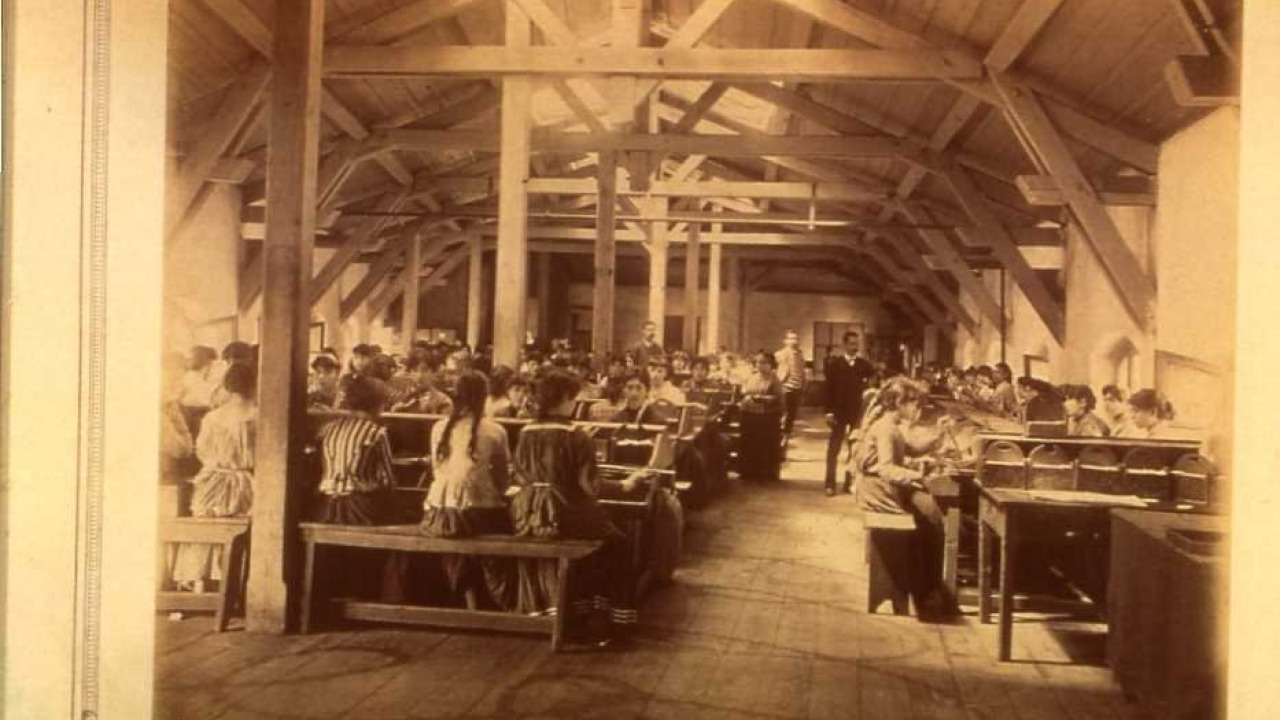
Architect-contractor Guglielmo Semprini began construction on August 1, 1891, and the facility commenced operations in 1892 under the name Üsküdar-Kadıköy Gas Company. Its proximity to Kurbağalıdere was no coincidence: coal brought via the stream was transported into the complex by a rail system, processed, and converted into coal gas. Equipped with the advanced engineering of its time, this production line operated continuously until World War I. During the war years, when finding hard coal became difficult, even olive pits were used to produce gas to keep production going.
Chronology from Establishment to Closure
| Date | Event |
|---|---|
| July 28, 1891 | Signing of 50-year lighting concession agreement |
| August 1, 1891 | Construction begins |
| 1892 | Gasworks opens for service |
| 1924 | Operating agreement extended for another 50 years |
| 1926 | Acquired by Istanbul Coal Gas and Electricity Industrial Enterprises Inc. |
| 1938 - 1944 | Kadıköy Gasworks continues as an independent operation |
| 1945 - 1993 | Operates under IETT (Istanbul Electric Tramway and Tunnel Establishments) |
| June 13, 1993 | Production halted due to decreasing gas demand |
| 1994 | Decision to dismantle remaining parts, neighborhood resistance, and declaration as a protected site |
| 1996 - 1998 | Gazhane Environmental Volunteers organize and form a cooperative |
| March 7, 2014 | Restoration work begins |
| July 9, 2021 | Opens to the public as Müze Gazhane |
| 2022 | Building / Conservation Branch Award at the National Architecture Awards |
From Abandonment to Müze Gazhane: A Conservation Struggle
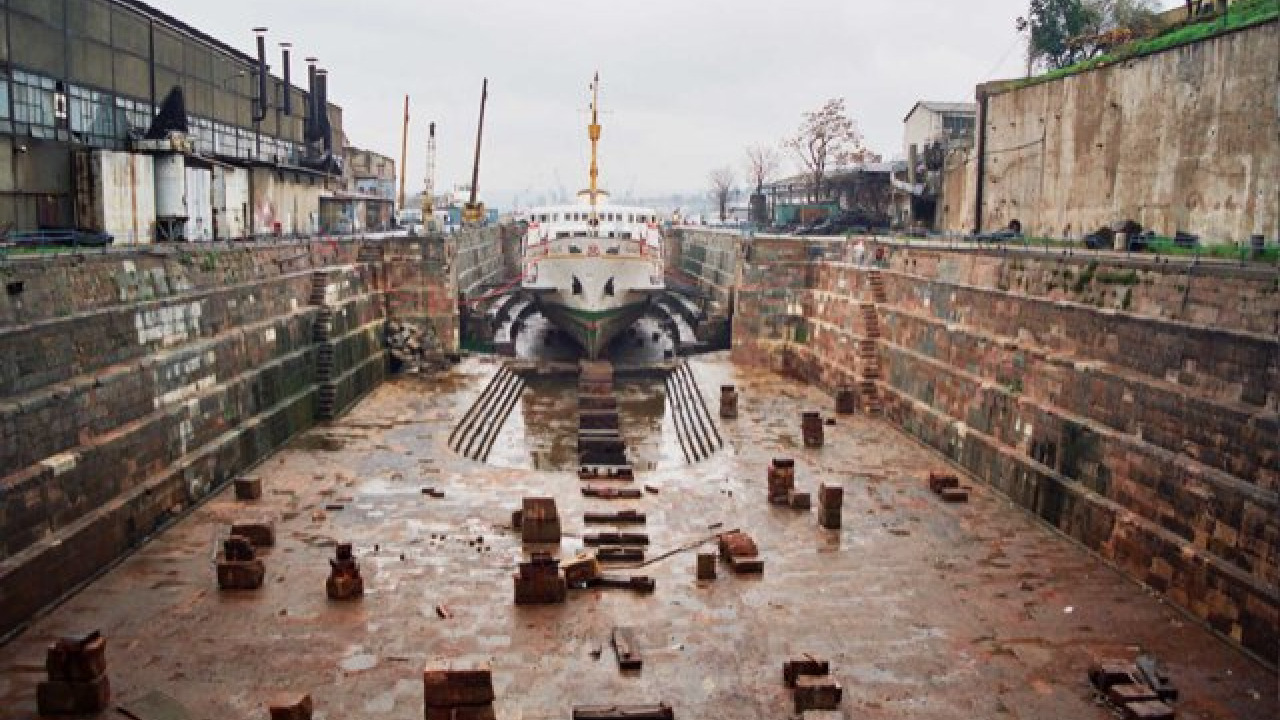
With the widespread adoption of natural gas, the demand for coal gas dwindled, and production ceased on June 13, 1993. Subsequently, the site was used for various functions like storage, a garage, a junkyard, and a coal depot, leading to rapid deterioration of its structures. In 1994, when a decision was made to dismantle the remaining production units, the story took a dramatic turn.
Neighborhood Volunteers' Resistance
Opposition from local residents and civil society organizations halted the demolition, and the area was declared a protected site. The Gazhane Environmental Volunteers, who began organizing in 1996, transformed into a cooperative in 1998 and kept the demand for the complex to become a cultural center on the agenda for years. Festivals they organized in 2009 brought this demand into the public eye. This is why architectural circles refer to this process as a 'pioneering conservation struggle': the determined insistence of citizens behind the project was as crucial to the outcome as the project itself.
The Long Road to Restoration and the 2022 Award
The restoration project was prepared by Istanbul Technical University between 1998 and 2001, but approval from the Conservation Board was pending until 2014. The tender for the work was issued on January 8, 2014, and on-site work began on March 7, 2014. The project progressed as a collective effort involving numerous experts and students, under the consultancy of architectural historian Prof. Dr. Afife Batur, and led by Gülsün Tanyeli and Kani Kuzucular. The complex opened as Müze Gazhane on July 9, 2021, and was honored with the Building / Conservation Branch Award at the 2022 National Architecture Awards.
Architectural Fabric and Industrial Aesthetics
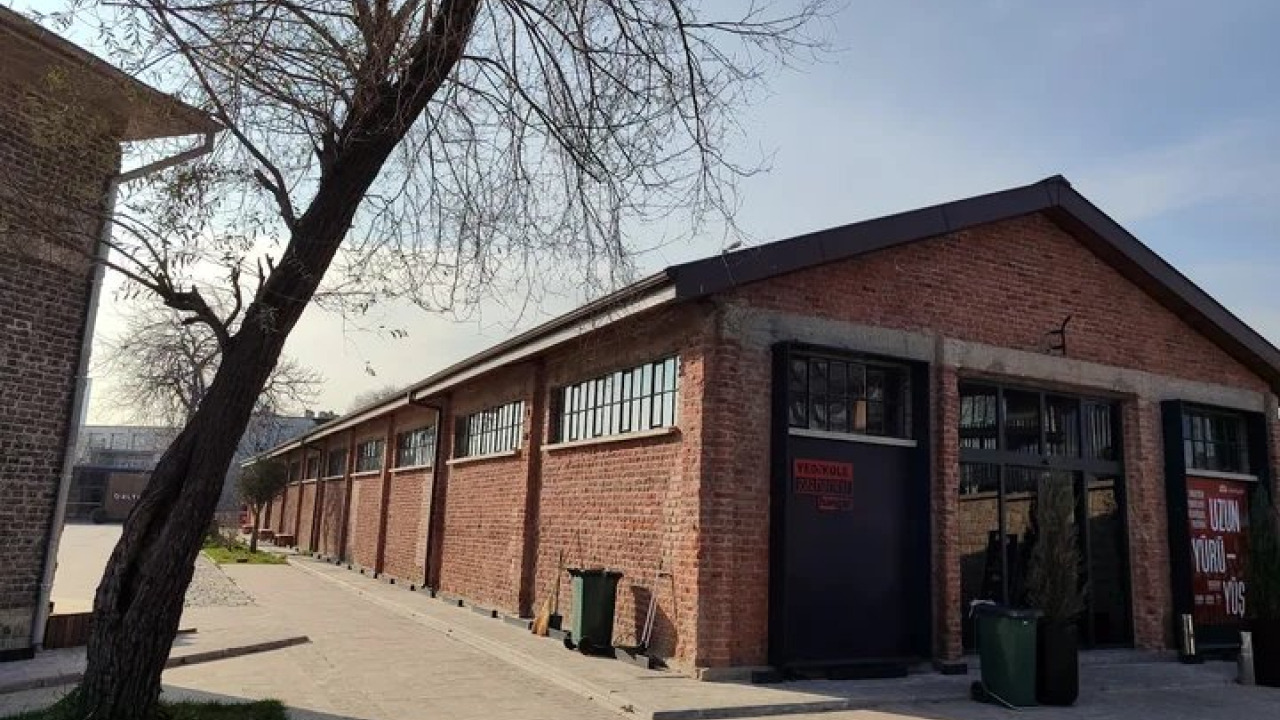
The first thing you'll notice upon stepping into the complex is that its industrial character has been carefully preserved. Brick walls, soaring volumes, cast-iron details, and the sheer mass of the gas production structures vividly showcase the engineering prowess of the era.
Re-functionalization Approach
The re-functionalization of the museum and library buildings, along with interior and furniture designs, was carried out by do[x]architecture. The design team adopted the principle of minimally altering the structures and preserving their existing integrity. Structural elements, machinery, and machine bases remaining from the factory era were not removed but integrated into the design. Water and moisture-resistant birch marine plywood was chosen as the primary material. This approach created one of Turkey's strongest examples of what is known globally as 'adaptive reuse'.
Functional Scheme: Two Islands, One Square
The original functions of the buildings during the factory's operation and their interrelationships served as the starting point for the new functional plan. The museum buildings, temporary exhibition space, science center, workshops, bookstore, and museum shop were conceived together to form an 'activity island.' The library, co-working spaces, and cafe were planned as a second cluster. One of the administrative buildings was transformed into a visitor information, ticket, and cloakroom area. Even technical spaces, such as the mandatory parking lot, were converted into areas suitable for concerts.
What's Inside Müze Gazhane?
The complex offers a far broader program than the word 'museum' might suggest. The following units are all situated around the same courtyard, making it easy to visit several during a single trip.
Climate Museum
Designed with the goal of becoming Turkey's first public climate center, the Climate Museum answers questions such as what climate is, how it has changed throughout history, how today's global climate change differs from past shifts, and its social and economic impacts, through written and visual content. Supported by exhibitions and talks, this section aims to raise awareness about sustainable living conditions.
Science Center and Children's Workshops
Comprising three main sections and 24 exhibition units, the Science Center addresses themes such as understanding energy, energy transformation, types of energy, the future of energy, and its impact on climate change. The integration of workshops with children's play areas, hands-on activity zones, and simulation equipment offers children the opportunity to learn through experience. This section, a popular destination for school trips, may occasionally be closed for maintenance; if you're planning a visit with children, it's advisable to check current announcements beforehand. Those who appreciate workshop culture can expand this experience with Kadıköy traditional Turkish arts tours organized in the district.
Afife Batur Library
Dedicated to academician, architect, and architectural historian Prof. Dr. Afife Batur, the library offers a selection of approximately 10,000 books across categories such as general culture, art, science, history, urban studies, ecology, architecture, philosophy, and sociology. In addition to a digital archive section, it features silent study and reading areas. The library's 24-hour accessibility has made it one of the primary study hubs on the Asian side for students, academics, and researchers.
Galeri Gazhane and Temporary Exhibitions
Bringing urban and cultural arts to the complex with temporary exhibitions, Galeri Gazhane opened its doors with Serkan Taycan's "Towards the City" exhibition. The gallery is open every day of the week except Monday; as it may be temporarily closed until a new exhibition schedule begins, checking the program before your visit is recommended.
Theater Stages and Event Program
The Istanbul Metropolitan Municipality City Theaters welcome audiences at the complex with the 301-seat Grand Stage (Büyük Sahne) and the 130-seat Square Stage (Meydan Sahne). In addition to classics, modern plays by young writers are staged, and both adult and children's plays are featured within the same season. Concerts held in the square during summer months completely transform the complex's atmosphere.
Complex Units and Hours
| Unit | What it offers | Visiting Hours |
|---|---|---|
| Climate Museum | Permanent exhibition focused on climate crisis | 10:00 AM - 6:00 PM, closed Monday |
| Science Center | 24 exhibition units, children's workshops | 10:00 AM - 6:00 PM, closed Monday |
| Cartoon and Humor Museum | Cartoon collection and exhibitions | 10:00 AM - 6:00 PM, closed Monday |
| Galeri Gazhane | Temporary contemporary art exhibitions | 10:00 AM - 6:00 PM, closed Monday |
| Afife Batur Library | ~10,000 books, digital archive, silent study | 24 hours |
| Istanbul Bookstore | Book and museum shop | 11:00 AM - 10:00 PM |
| Beltur restaurant and cafe | Indoor and outdoor dining | 10:00 AM - 10:00 PM |
| Gazhane Square | Outdoor event and seating area | 9:00 AM - 10:00 PM |
Things you shouldn't miss while spending time at the complex:
- The light on the brick facades and cast-iron details at sunset; this is the most productive time for photography.
- Preserved machine bases and structural elements from the factory era within the interiors.
- The spacious green area and outdoor seating in the square; ideal for a picnic-like break on weekends.
- The information board in the visitor advisory building; you can see the day's event program here.
- Vegetarian, vegan, and gluten-free options on the Beltur menu.
How to Get There? Transportation and Visit Information
Müze Gazhane is easily accessible by public transport thanks to its central location in Kadıköy. The following steps provide a practical guide to reaching the complex from anywhere in the city.
- From your current location, head to the Kadıköy or Söğütlüçeşme transfer centers; if you're coming from the European side, Marmaray, Metrobus, or the Kadıköy ferry are the most direct options.
- If you used Marmaray or Metrobus, get off at the Söğütlüçeşme stop and walk for about 5 minutes towards Kurbağalıdere Street.
- If you're coming by metro, get off at the Acıbadem stop on the Kadıköy - Tavşantepe line; the complex is just a short walk away.
- If you prefer the bus, take the 8A line from Kadıköy pier and get off at the Hasanpaşa stop.
- After passing through the main entrance, stop by the information building on your left to learn about the day's event and exhibition program.
| Transport Type | Stop or Line | Walk |
|---|---|---|
| Marmaray | Söğütlüçeşme | Approx. 5 minutes |
| Metrobus | Söğütlüçeşme | Approx. 5 minutes |
| Metro | Acıbadem, Kadıköy - Tavşantepe line | Short walk |
| Bus | Hasanpaşa, 8A line | Near the stop |
| Ferry | Kadıköy pier, then bus or metro transfer | With transfer |
Helpful notes before your visit:
- Museum and gallery units are closed on Mondays; on that day, it only makes sense to visit for the square and dining areas.
- Check the current event calendar in advance; theater plays and some temporary events are ticketed.
- Since the complex spans a large open area, opt for comfortable shoes.
- If you plan to work in the library, remember that there are separate silent and vocal study areas.
- During summer evenings on concert days, crowds increase; arriving early will allow you to explore the complex more comfortably.
Adding Müze Gazhane to Your Kadıköy Itinerary
Gazhane easily fits into the beginning or end of your Kadıköy itinerary. Exploring the complex in the morning and then heading down to the bazaar in the afternoon is an effective sequence for those wishing to avoid crowds.
Half-Day Trip Suggestion
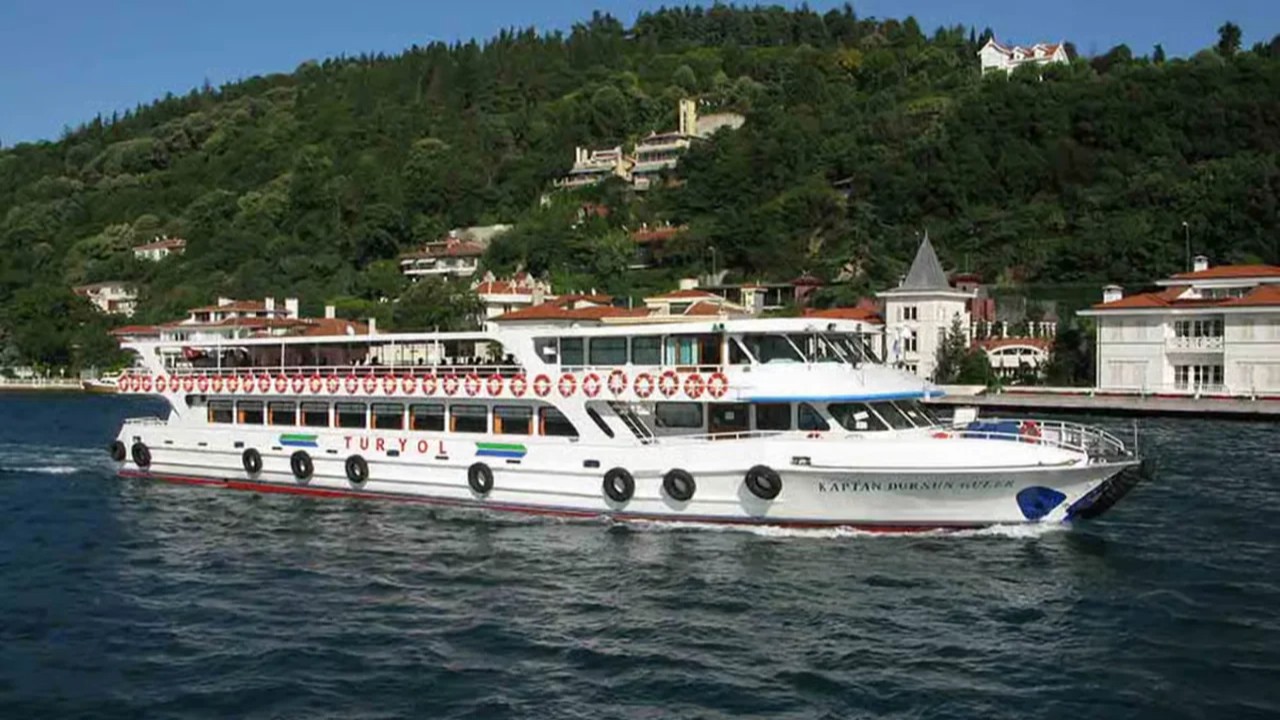
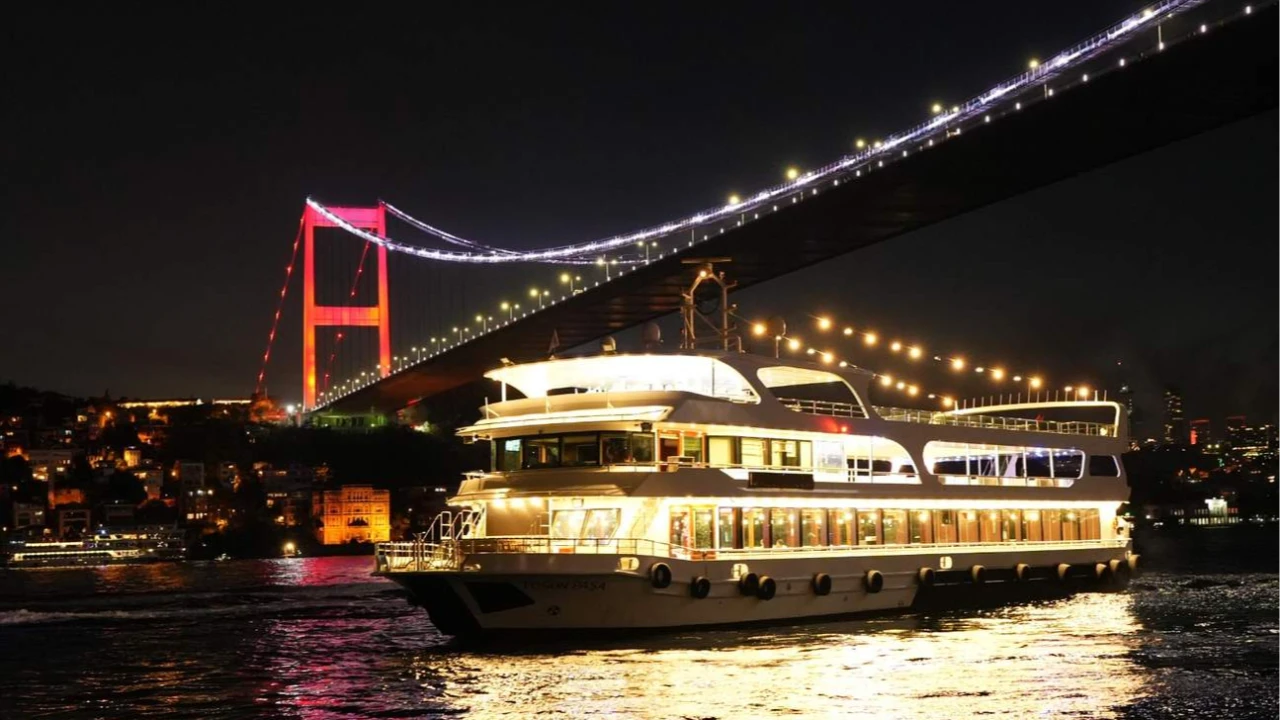
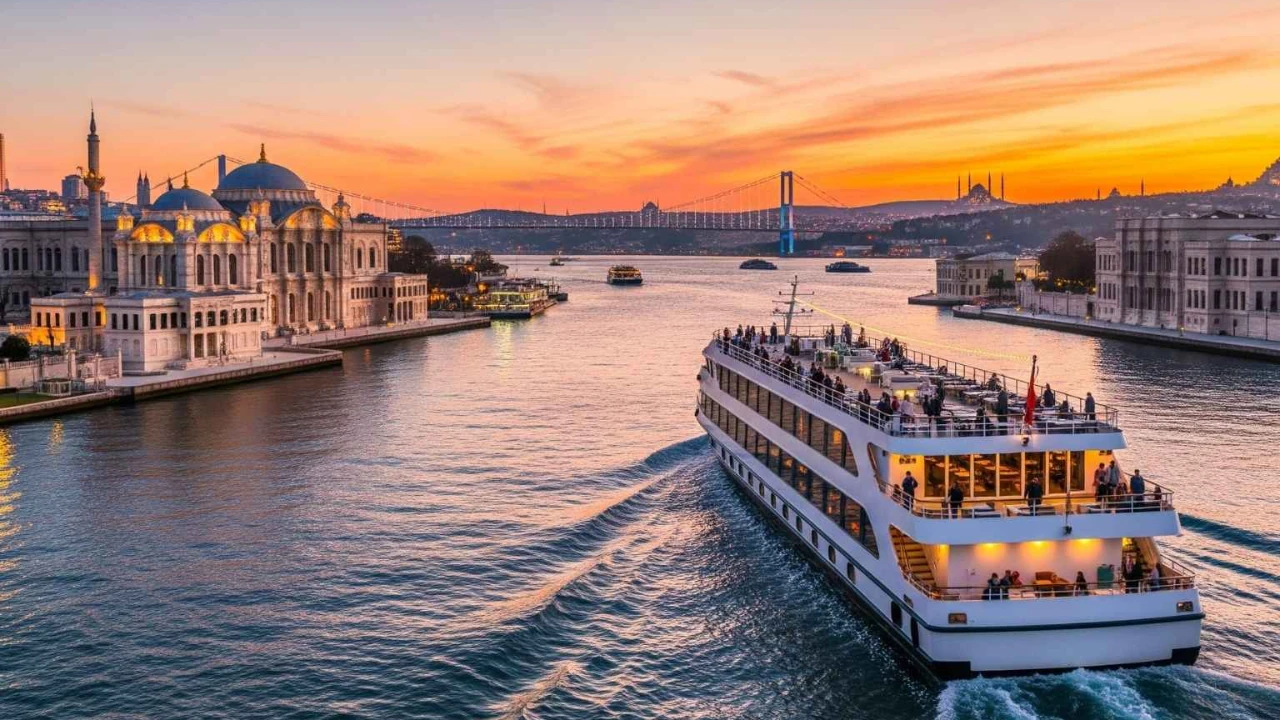
Arrive at Gazhane around 10:00 AM and start with the Climate Museum and Galeri Gazhane; then visit the library and bookstore. After a lunch break at the on-site cafe, head down from Hasanpaşa to the Kadıköy bazaar and wander through the streets of antique booksellers and record shops. For those interested in a craft-focused day, Kadıköy marbling art tours can add a workshop experience to your program. If you wish to conclude your day on the Moda coast, Istanbul Bosphorus boat tours offer a beautiful evening finale.
Who is it Suitable For?
Gazhane appeals to diverse interests simultaneously, making it ideal for mixed groups: architecture and industrial heritage enthusiasts, families with children, students, and art lovers can all craft their own itineraries within the same complex. Istanbul day cultural tours, designed for those who wish to explore several stops in the city during the day, also include the Kadıköy side in their routes.
Frequently Asked Questions 7
Where is Müze Gazhane and how do I get there?
Müze Gazhane is located in the Hasanpaşa neighborhood of Kadıköy district, Istanbul, on Kurbağalıdere Street. You can reach it by taking Marmaray or Metrobus to Söğütlüçeşme stop and walking for about 5 minutes, by taking the Kadıköy - Tavşantepe metro line to Acıbadem stop, or by taking the 8A bus from Kadıköy pier to Hasanpaşa stop.
Is there an admission fee for Müze Gazhane?
As of Summer 2026, admission to the complex and units like the Climate Museum, Cartoon and Humor Museum, Science Center, and Galeri Gazhane is free. Theater plays and some temporary events may require tickets or prior registration; therefore, it's advisable to check the current event calendar before your visit.
Which days is Gazhane open, and what are the visiting hours?
Most units within the complex are open daily from 10:00 AM to 6:00 PM, except Mondays. Gazhane Square is open from 9:00 AM to 10:00 PM, Istanbul Bookstore from 11:00 AM to 10:00 PM, and the Beltur restaurant and cafe from 10:00 AM to 10:00 PM. The Afife Batur Library and its vocal study area are open 24 hours.
What can I find at Müze Gazhane?
The complex features the Climate Museum, the Cartoon and Humor Museum, a Science Center with three main sections and 24 exhibition units, Galeri Gazhane hosting temporary exhibitions, the Afife Batur Library with approximately 10,000 books, two theater stages (301-seat and 130-seat), a bookstore, children's workshops, cafes and restaurants, and a public square dedicated to outdoor events.
Who restored Hasanpaşa Gazhanesi?
The restoration project was prepared by Istanbul Technical University between 1998 and 2001. Following approval from the Conservation Board in 2014, implementation began on March 7, 2014, and was completed in 2021. The project was led by Gülsün Tanyeli and Kani Kuzucular, under the consultancy of Prof. Dr. Afife Batur, with do[x]architecture handling the re-functionalization and interior designs of the museum and library buildings.
Are there activities for children at Müze Gazhane?
Yes. The Science Center, with its three main sections and 24 exhibition units, aims for children to learn about energy, transformation, and climate through hands-on experience; the integration of workshops with play areas and simulation equipment supports this experience. As the Science Center may occasionally be closed for maintenance, it's advisable to check current announcements before your visit.
Are there dining options at Müze Gazhane?
Yes. The complex features Beltur-operated restaurant and cafe concepts offering both indoor and outdoor dining. Menus include vegetarian, vegan, and gluten-free options; these venues are open from 10:00 AM to 10:00 PM.