
Many visitors planning a trip to Istanbul's Spice Bazaar step inside expecting just another shopping spree, only to find themselves back out the same door a quarter-hour later. But here's a little secret: the bazaar isn't just a collection of shops; it's a living, breathing part of history, designed as a revenue stream to support the magnificent mosque next door. Its gates were strategically placed to connect with the surrounding trade streets. Once you grasp this ingenious layout, navigating the bazaar transforms from a simple 'which way in?' to an integral part of your exploration. This guide will walk you through the bazaar's vibrant interior, its attached külliye (mosque complex), and fascinating nearby sights, all while highlighting what's open for visitors today.
Quick Facts
| Topic | Information |
|---|---|
| Location | Eminönü, Fatih district; the arasta (market street) of the Yeni Cami complex |
| Commissioned by & Period | Turhan Sultan, 1660-1664 |
| Number of Gates | Six: Balık Pazarı, Hasırcılar, Ketenciler, Yeni Cami, Haseki, Çiçek Pazarı |
| Opening Hours | 08:00-19:30; Closed on October 29th and religious holidays |
| Number of Shops | 113 |
| Daily Visitors | 30,000-40,000 people |
| Transportation | T1 and T5 tram Eminönü stop, Marmaray at Sirkeci, Eminönü ferry piers |
| Time for Bazaar Block | Two to three hours, including the külliye and Rüstem Paşa Camii |
What Sets This Bazaar Apart from Others Nearby?
What truly sets this bazaar apart from its labyrinthine neighbors is its ingenious gate system. Unlike the sprawling Grand Bazaar, the Spice Bazaar is laid out as a straightforward, two-winged corridor. At the ends of each wing and near the center of the longer one, you'll find opposing gates, totaling six exits to the outside world. This design means you're not lost in a maze; instead, you choose your destination street even before you step out.
Historically, as recorded by the Culture Portal, three of these six gates were dedicated to herbalists and three to cotton merchants, and these names have remarkably endured. Simply reading the gate names offers a fascinating glimpse into the historical trades that once thrived in each direction.
| Gate | Assigned Merchants in 17th Century | Today's Route Equivalent |
|---|---|---|
| Balık Pazarı | Herbalists | Direction towards the fish market and herbalist stalls by the shore |
| Hasırcılar | Herbalists | Hasırcılar Street; closest exit to Rüstem Paşa Camii stairs |
| Ketenciler | Herbalists | Outer row named after linen and textile merchants |
| Yeni Cami | Cotton Merchants | Entrance opening to the külliye courtyard and square |
| Haseki | Cotton Merchants | Side exit bearing the foundation's name |
| Çiçek Pazarı | Cotton Merchants | Direction facing the open-air flower and seedling stalls |
For visitors who wish to experience this historical connection between the külliye and the market firsthand, without having to plan their own route, the programs on our Istanbul city center cultural tours page keep the bazaar complex on the same itinerary as the külliye stops.
Where Does the Spice Bazaar Get Its Name, and Who Built It?
The bazaar was commissioned by Turhan Sultan, mother of Sultan Mehmed IV, between 1660 and 1664. Its evocative name, "Mısır Çarşısı" (Egyptian Bazaar), doesn't refer to its architecture but rather its origins: both the funds for its construction and the majority of the exotic goods and spices sold within its walls came from Egypt. According to the Culture Portal, the construction began under chief royal architect Kâzım Ağa and was completed by Mustafa Ağa. This name, "Spice Bazaar," became widely adopted from the mid-18th century, roughly a century after its establishment.
The history of the külliye (mosque complex) to which the bazaar belongs stretches back even further. The construction of the Yeni Cami (New Mosque) was initiated in 1598 by Safiye Sultan but was left incomplete after the death of Mehmed III and Safiye Sultan's relocation to the Old Palace. Turhan Sultan revived the project after the devastating fire of 1660, and the külliye was ceremonially inaugurated on October 30, 1665. Interestingly, the bazaar itself began operations a few years prior, meaning the foundation's income generator was up and running even before the mosque it was designed to support.
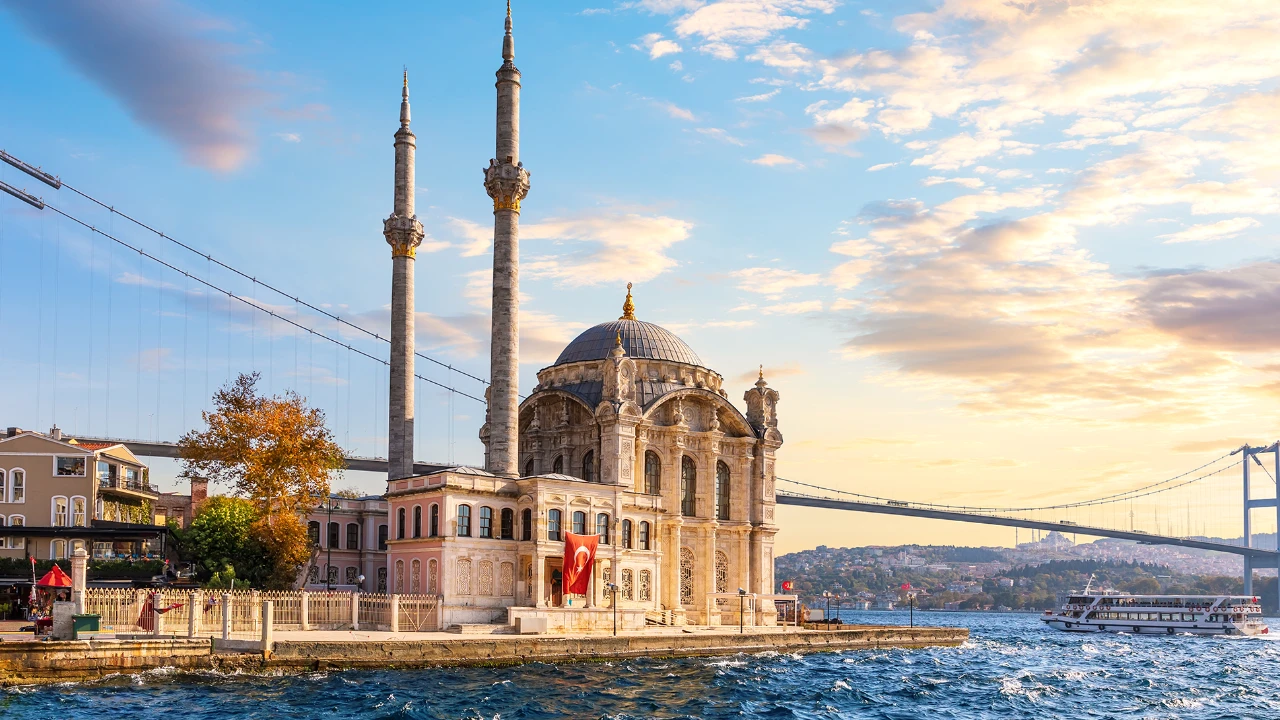
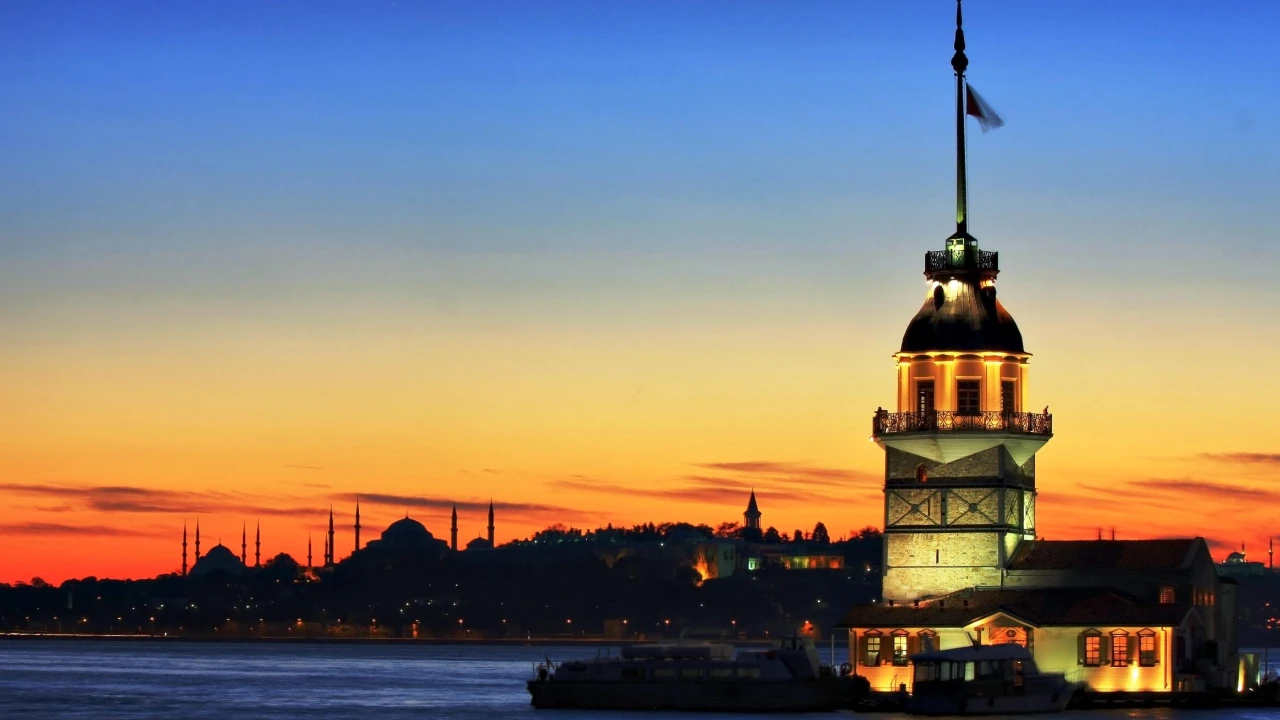
What to See in the Bazaar Complex?
The Bazaar's Two-Winged Corridor
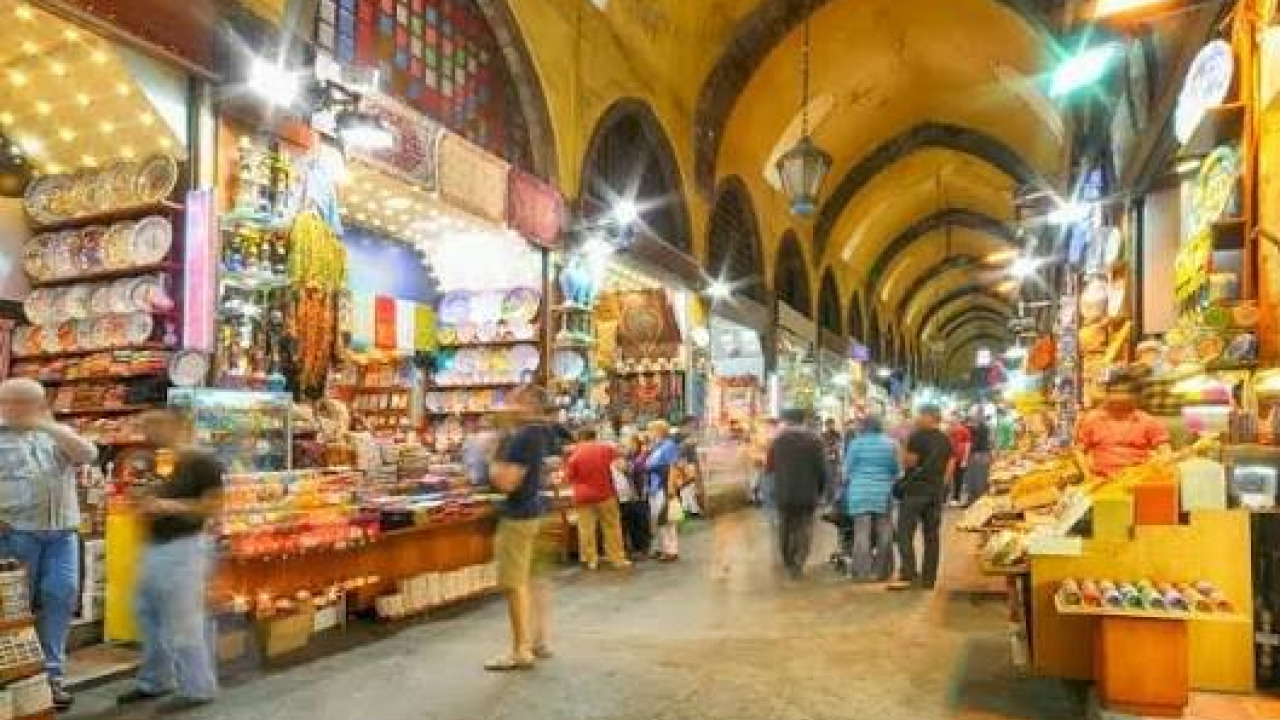
Today, this bustling corridor is home to 113 shops, welcoming an astonishing 30,000 to 40,000 visitors daily, according to Istanbul Governorship records. This sheer volume underscores why when you visit is often more crucial than what you're seeing: the same pathway that offers a leisurely stroll at 9 AM can become a shoulder-to-shoulder shuffle by afternoon. While spices and Turkish delight are the star attractions, you'll also discover an array of jewelers, specialty food vendors, and souvenir shops. The bazaar's infrastructure underwent a significant renovation by the General Directorate of Foundations between 2013 and 2018, meaning the flooring and lighting are modern touches, but rest assured, the magnificent domes and vaulted ceilings proudly preserve their original, centuries-old design.
The Yeni Cami (New Mosque) and Külliye Courtyard
This grand mosque is the very heart of the complex, financially supported by the bazaar's rents. The Yeni Cami (New Mosque) itself is a testament to a prolonged construction saga, begun by Architect Davut Ağa, continued by Dalgıç Ahmed Ağa, and finally brought to completion by chief royal architect Mustafa Ağa. Today, it stands open for worship. Following extensive restorations that began in 2016 – which included replacing 175 tons of lead on its eaves and domes and strengthening its walls – the mosque proudly reopened its doors on January 6, 2023. The courtyard is freely accessible; however, if you wish to enter the mosque's interior, plan your visit outside of prayer times, especially avoiding the bustling Friday noon prayers when the courtyard also fills to capacity.
The Hünkar Kasrı (Sultan's Pavilion)
Often missed by visitors, the Hünkar Kasrı (Sultan's Pavilion) is a hidden gem nestled on the southeast side of the mosque. The Culture Portal describes this three-story pavilion, with its impressive long corridor, as a prime example of 17th-century Ottoman architecture. Inside, you'll be captivated by exquisite 17th-century tiles, intricate mother-of-pearl inlay, bronze plasterwork, and stunning Edirnekâri artistry. The detailed woodwork on the entrance door and the beautifully tiled fireplaces are particularly striking. Currently, the pavilion serves as an exhibition space, located at Arpacılar Caddesi No: 29. As exhibition schedules can vary, it's always a good idea to check for current announcements at the entrance.
Rüstem Paşa Camii (Rüstem Pasha Mosque)
Just a short stroll from the Hasırcılar gate, you'll discover another brilliant example of the endowment system that supports Istanbul's historical fabric: the Rüstem Paşa Camii. According to Istanbul Metropolitan Municipality's Cultural Heritage records, this mosque uniquely sits atop a raised platform of shops and cellars, nestled amidst the bustling commercial hub where Hasırcılar and Uzunçarşı streets converge. This means you won't enter from street level; instead, you'll ascend a staircase hidden between the shops, with the mosque's ongoing upkeep funded by the very businesses beneath it.
This mosque is renowned as one of Architect Sinan's masterpieces, where he employed tile decoration with unparalleled intensity. Such was the demand for its exquisite Iznik tiles that when supplies ran low, a dedicated workshop was established in Kütahya to meet the need. Construction began in 1561 and was completed by his wife, Mihrimah Sultan, after Rüstem Paşa's passing. Following extensive restorations that commenced in 2016, the mosque joyfully reopened for worship on Friday, November 20, 2020, and remains open to visitors today.
Hasırcılar Street and the Outer Stalls
The vibrant exterior of the bazaar is just as integral to the experience as its interior. Hasırcılar Street, a narrow lane bustling with local coffee shops, dried fruit vendors, and herbalists, offers a more authentic, unhurried pace compared to the main bazaar corridor. Meanwhile, the open-air stalls facing the Çiçek Pazarı (Flower Market) gate burst with colorful flowers and seedlings. Stepping out of the enclosed bazaar and spending a few moments here truly connects you to the everyday rhythm of Istanbul life. If you venture further uphill, you'll find yourself in the wholesale streets of Tahtakale, but that's a whole other adventure, beyond the scope of this particular route.
What Time Does the Spice Bazaar Open, and Which Days Is It Closed?
According to Istanbul Governorship records, the Spice Bazaar welcomes visitors from 08:00 to 19:30, operating seven days a week. It only closes its doors on October 29th (Republic Day) and during religious holidays. This is a crucial detail for your itinerary planning: given that the Grand Bazaar is closed on Sundays, the Spice Bazaar complex – including the külliye and Rüstem Paşa Camii – can become the perfect anchor for your weekend exploration.
In fact, choosing the right time of day is often more impactful than the season itself, as the bazaar's enclosed corridors mean crowds can swell regardless of the weather outside.
| Time Slot | What Changes in the Corridor | Decision Note |
|---|---|---|
| Weekdays 08:00-10:00 | Shops are just opening, easy to navigate | Ideal for photography and chatting with vendors |
| Weekdays 12:00-14:00 | Loading and vendor traffic increases | Walking speed decreases, congestion at narrow gates |
| Weekend afternoons | All six gates become crowded | Entering through side gates instead of the main square gate offers more ease |
| Sunday | Bazaar open, surrounding covered bazaar closed | Including this block on a Sunday won't leave your itinerary empty |
| Weeks before holidays | Demand for spices, dried fruits, and Turkish delight peaks | The bazaar is closed on the holiday itself, plan for before |
| November-March | Enclosed corridor offers advantage in rain | Open-air stalls outside may close earlier |
How Long Does It Take to Explore the Bazaar and Its Surroundings?
Simply strolling through the main corridor takes about half an hour. However, to truly soak in the atmosphere and explore the külliye courtyard, the Hünkar Kasrı facade, and the Rüstem Paşa Camii, allocate a comfortable two to three hours for the entire complex. A smart tip: start your exploration from the main square and work your way uphill to avoid retracing your steps through the busiest gates.
- Start at the Square: Exit the tram stop and take in the külliye's exterior facade and the bazaar's wing facing the square from a distance, noting the gate names.
- Enter the Courtyard: Take a breather in the Yeni Cami courtyard and plan your visit to the interior outside of prayer times.
- Admire the Pavilion: See the Hünkar Kasrı facade on the mosque's southeast side; if an exhibition is open, enter according to the announcement at the door.
- Walk the Corridor End-to-End: Enter through the Yeni Cami gate and follow the wing to its end, pausing at the opposing gates in the middle to observe the layout from above.
- Exit via Hasırcılar Gate: Proceed along the street and ascend to Rüstem Paşa Camii via the stairs between the rows of shops.
- Return to the Outer Stalls: Explore the open-air section facing the Çiçek Pazarı gate, then descend to the square and the waterfront.
Should You Arrive at the Bazaar by Land or Sea?
Both land and sea options leave you with just a short walk, but they dictate your approach: whether you enter the complex from the bustling square side or the picturesque waterfront wing.
By Tram and Marmaray
Travelers reaching the bazaar complex by rail will disembark at Eminönü station. According to Metro Istanbul, this hub seamlessly connects the T1 and T5 tram lines with the Şehir Hatları (City Lines) ferry piers. The T5 Eminönü-Alibeyköy line, tracing the beautiful Golden Horn coast, spans 10.1 kilometers with 14 stations; its Eminönü and Küçükpazar stops opened on August 30, 2023. This newer line is a fantastic option for those looking to link their bazaar visit with an exploration of the charming Golden Horn neighborhoods on the same day.
| Line | Disembarkation Point | Note |
|---|---|---|
| T1 Kabataş-Bağcılar Tram | Eminönü | 19.3 km line; transfer to T5 and ferry piers at Eminönü |
| T5 Eminönü-Alibeyköy Tram | Eminönü | 10.1 km, 14 stations; Eminönü station opened on August 30, 2023 |
| Marmaray | Sirkeci | Those coming from the Anatolian side reach the bazaar complex by walking |
| Şehir Hatları Ferries | Eminönü piers | Services are arranged seasonally; confirm current schedule from the operator's announcement |
| Bosphorus Tour Ticket | Eminönü | Different fare categories apply depending on visitor type; current amount on the official fee page |
Arriving by Ferry from the Waterfront
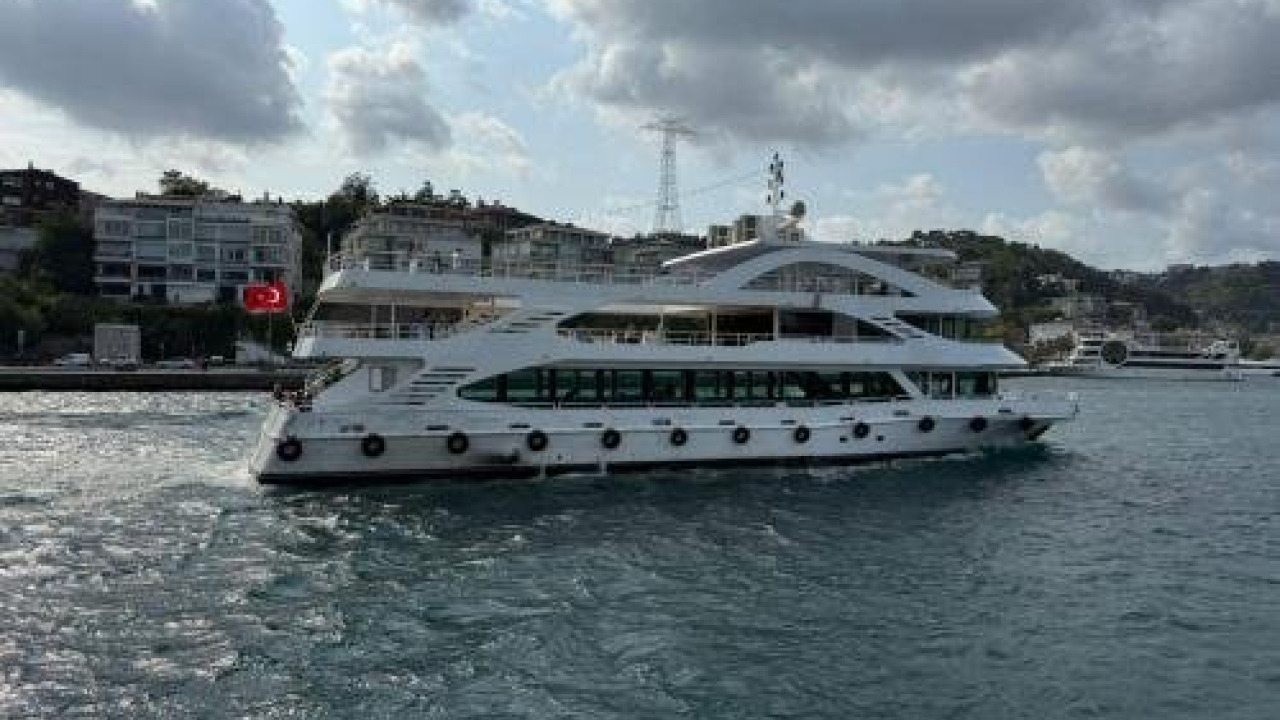
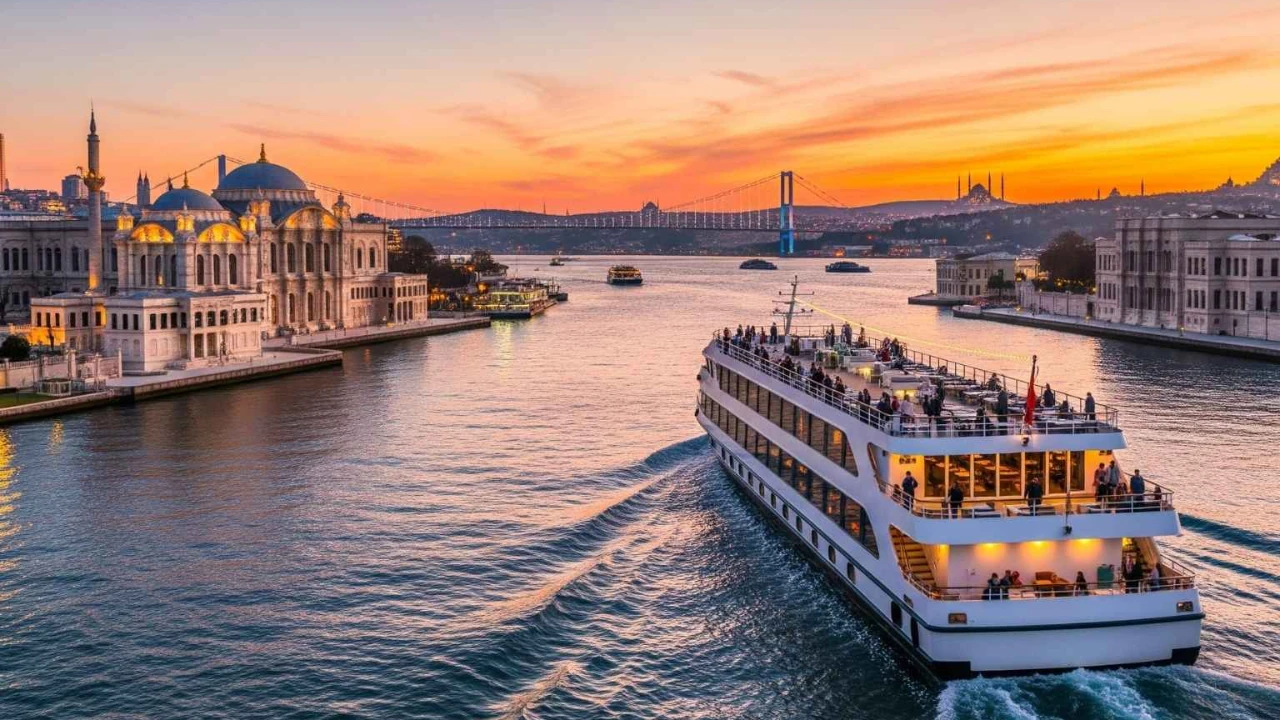
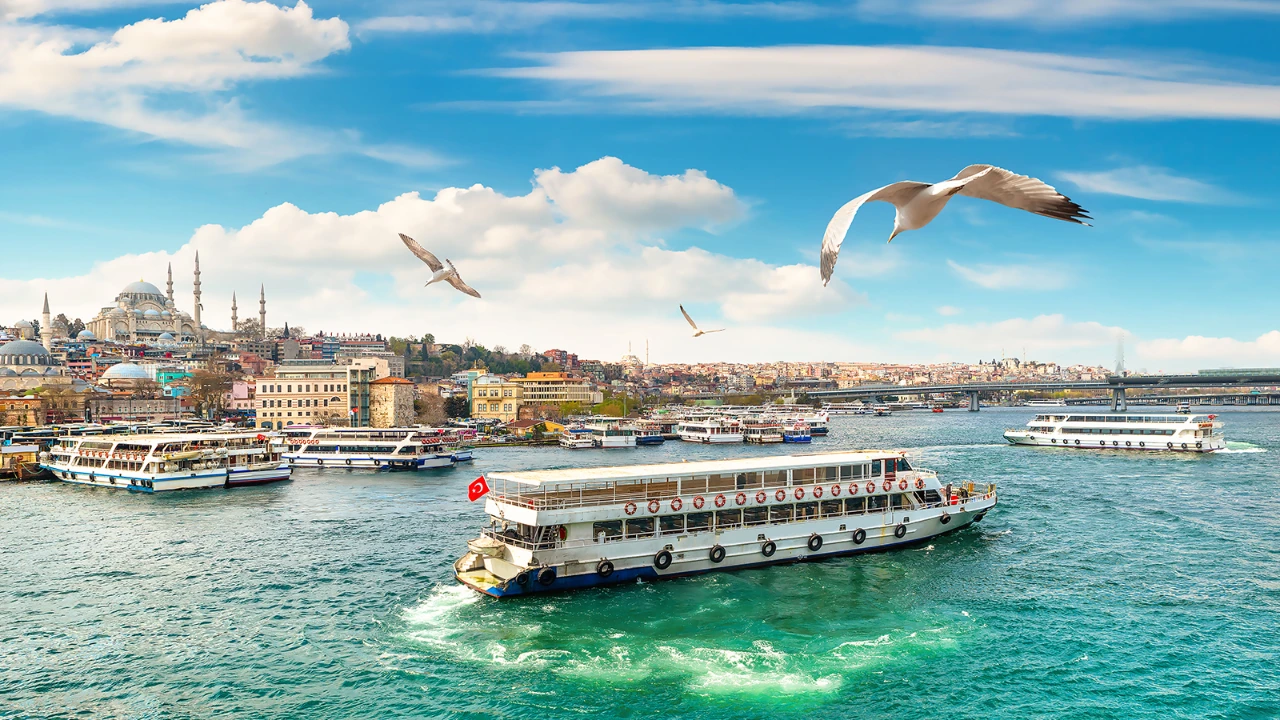
For those eager to pair their bazaar visit with a scenic journey on the water, arriving by ferry is incredibly convenient. Step off the pier, cross the coastal road, and you're right at the bazaar's waterfront wing. This makes it ideal for visitors who prefer to explore the aromatic spices in the morning and then embark on a leisurely Bosphorus cruise in the afternoon. Since ferry departure times can vary by pier and operator, a pro tip is to align your boarding time with when you expect to finish at the bazaar, rather than rushing your visit to catch a specific ferry. This ensures a more relaxed and enjoyable day.
What to Look Out For When Buying Spices and Turkish Delight?
While the Spice Bazaar offers a treasure trove of goods, spices and Turkish delight are undoubtedly the main draws. Therefore, your shopping strategy should align with best practices for food purchases. Prices fluctuate based on the shop, product origin, and weight, so this guide won't list specific figures. For accurate pricing, always refer to the shop's own labels and scales.
- Ask for products by weight and ensure you see them weighed; for packaged goods, check the production and expiry dates.
- Inquire about the same product at a few shops on both sides of the corridor, and compare by weight, not just by packaging appearance.
- Opt for products stored in sealed containers or freshly ground in front of you, rather than those left open.
- Ask for permission from vendors before taking photos inside their shops, of their stalls, or of them; capturing the general view of the corridor is usually fine.
- If you plan to take food items abroad, check your home country's import regulations beforehand, as some countries restrict plant-based products.
- Goods are transported within the bazaar by handcarts; choose to stand in front of a shop rather than in the middle of the corridor.
Practical tip: Having your spices packed in an airtight container rather than a cloth bag prevents odors from spreading and protects other items in your luggage. For those curious about how the spices you buy here are used in local cuisine, check out the traditional dishes in our Istanbul cuisine guide article.
To Recap Your Route
Your visit to the Spice Bazaar truly comes alive when you understand its deeper purpose: not merely a collection of shops, but the vital financial engine of a grand foundation. The bazaar's vibrant corridor, the majestic külliye, and the exquisite Rüstem Paşa Camii are all interconnected, forming a cohesive historical narrative, and all are comfortably within walking distance. Plan your visit for a morning, ideally outside of religious holidays, and you can comfortably explore the entire complex in two to three hours. If you're eager to extend your day with more historical wonders, consider adding the fascinating stops from our Historical Peninsula and museums guide to your itinerary. For those who prefer a curated experience, explore our diverse Istanbul cultural tour options.
Frequently Asked Questions 6
What are the Spice Bazaar's opening hours?
According to Istanbul Governorship records, the Spice Bazaar is open to visitors from 08:00 to 19:30 and operates seven days a week. It is closed on October 29th (Republic Day) and during religious holidays. The most comfortable time to walk through the corridor is weekday mornings between 08:00 and 10:00; in the afternoon, both loading traffic and visitor density increase.
Is the Spice Bazaar open on Sundays?
Yes, the bazaar is also open on Sundays. This is a useful distinction for planning your itinerary, especially since the Grand Bazaar is closed on Sundays: the Spice Bazaar complex, including the külliye and Rüstem Paşa Camii, remains open for exploration on the last day of the week in an Istanbul plan.
Who built the Spice Bazaar, and where does its name come from?
The bazaar was commissioned by Turhan Sultan, mother of Mehmed IV, between 1660 and 1664, as the arasta (market street) of the Yeni Cami (New Mosque) complex. Construction began with chief royal architect Kâzım Ağa and was completed by Mustafa Ağa. According to the Culture Portal, the name "Spice Bazaar" (Mısır Çarşısı) began to be used from the mid-18th century due to the building being constructed with taxes collected from Egypt and the majority of goods sold in its shops originating from Egypt.
How do I get to the Spice Bazaar?
According to Metro Istanbul data, you can transfer from the T1 Kabataş-Bağcılar tram line's Eminönü station to the T5 tram line and the Şehir Hatları (City Lines) ferry piers. Those arriving from the Anatolian side can take the Marmaray to Sirkeci and walk. For visitors coming from neighborhoods along the Golden Horn, the 14-station T5 Eminönü-Alibeyköy line offers a direct option.
What structures can be visited around the Spice Bazaar?
The Yeni Cami (New Mosque), adjacent to the bazaar, reopened for worship on January 6, 2023, following restorations that began in 2016. The Hünkar Kasrı (Sultan's Pavilion), located on the mosque's southeast side, is currently used as an exhibition space, according to the Culture Portal. Rüstem Paşa Camii, reached by walking a few minutes from the Hasırcılar gate, reopened for worship on November 20, 2020, and is known as the structure where Architect Sinan most extensively used tile decoration.
What is sold at the Spice Bazaar?
Sales primarily consist of various spices and Turkish delight. Among the 113 shops in the bazaar, you'll also find jewelers, food vendors, and souvenir shops. When buying food, asking for products by weight, seeing them weighed, and checking production and expiry dates on packaged items ensures a safe shopping experience.