Nestled in the heart of Anatolia, at the historic crossroads of the Silk Road, Sivas is renowned not only for its majestic Seljuk stone architecture but also for its deeply rooted culinary heritage. The harsh continental climate, a strong tradition of livestock farming, and centuries of cultural blending have shaped Sivas cuisine into a comforting, hearty, and soulful tradition. Meat, wheat, and keş (dried yogurt) form the three pillars of this gastronomy. In this guide, we answer the question "What to eat in Sivas?" by exploring everything from warming soups and succulent meats to handmade pastries and syrup-soaked desserts.
At Travel Tour Shop, we believe that the most authentic way to get to know a region is through its plates. We have curated the local flavors of Sivas based on on-the-ground observations and local insights, highlighting which dishes shine in which season. Below, you will find an overview of the cuisine's character, the must-try dishes, and a practical gourmet itinerary.
Quick Facts
| Category | Details |
|---|---|
| City | Sivas (Central Anatolia, historic Silk Road junction) |
| Culinary Character | Meat, grain (wheat and bulgur), and dried yogurt (keş) based; hearty and winter-ready |
| Signature Dishes | Sivas Köftesi, Sivas Kebab with vegetables, Divriği Pilavı, Hingel, Madımak |
| Desserts | Kelle Tatlısı, Hurma Tatlısı, Sivas Paper Halva |
| Best Season | Spring (for Madımak and fresh herbs) and Autumn/Winter (for soups and meat dishes) |
The Essence of Sivas Cuisine: Meat, Grain, and Keş
When you think of Sivas cuisine, three elements immediately come to mind: meat, grains, and dried yogurt. In a geography where winters are long and biting, nutrient-dense and filling meals are a necessity. The backbone of the table is formed by livestock grazed on wild thyme and herbs, the richness of wheat and bulgur, and keş—a traditional dried yogurt.
Another defining tradition of the region is the winter preparation that spans the summer and autumn months. During this time, local women gather in a spirit of community (imece) to cut and dry noodles and mantı dough, string up eggplants and peppers to dry, bake buttery katmer and buns, and preserve kavurma (fried meat) in jars. This culture of preservation explains why the Sivas table is so diverse and seasonally driven. For those wishing to taste this cuisine while exploring the Seljuk monuments of Sivas, we recommend checking out our cultural tours options.
What to Eat in Sivas? Must-Try Meat Dishes
The pinnacle of Sivas cuisine is undoubtedly its meat dishes. The region's livestock tradition gives these plates a distinct, bold character. The following three delicacies are the definitive answers to "What is the most famous dish in Sivas?"
Sivas Köftesi (Sivas Meatballs)
The first name that comes to mind is Sivas Köftesi. Registered with a geographical indication by the Turkish Patent and Trademark Office, the standout feature of this meatball is its purity: it contains nothing but meat and salt. No onions, breadcrumbs, or spice mixes are added, allowing the natural flavor of the meat to take center stage. It is typically served with roasted peppers, tomatoes, and traditional Sivas tırnak pidesi (finger bread). A well-prepared Sivas Köfte releases its natural juices upon the first bite, reflecting the superior quality of the local livestock.
Sebzeli Sivas Kebabı (Sivas Kebab with Vegetables)
The Sivas Kebab with vegetables is a feast typically prepared in summer and autumn when eggplants and peppers are fresh. Lamb, tail fat, eggplant, tomatoes, and garlic are skewered and cooked vertically in special ovens. Once cooked, the meat and vegetables are slid onto hot pides fresh from the oven. While it shares similarities with kebabs from neighboring provinces, its specific arrangement and cooking technique give it a unique identity. A glass of homemade yayık ayranı (churned yogurt drink) is the perfect accompaniment.
Divriği Pilavı (Divriği Rice/Bulgur Pilaf)
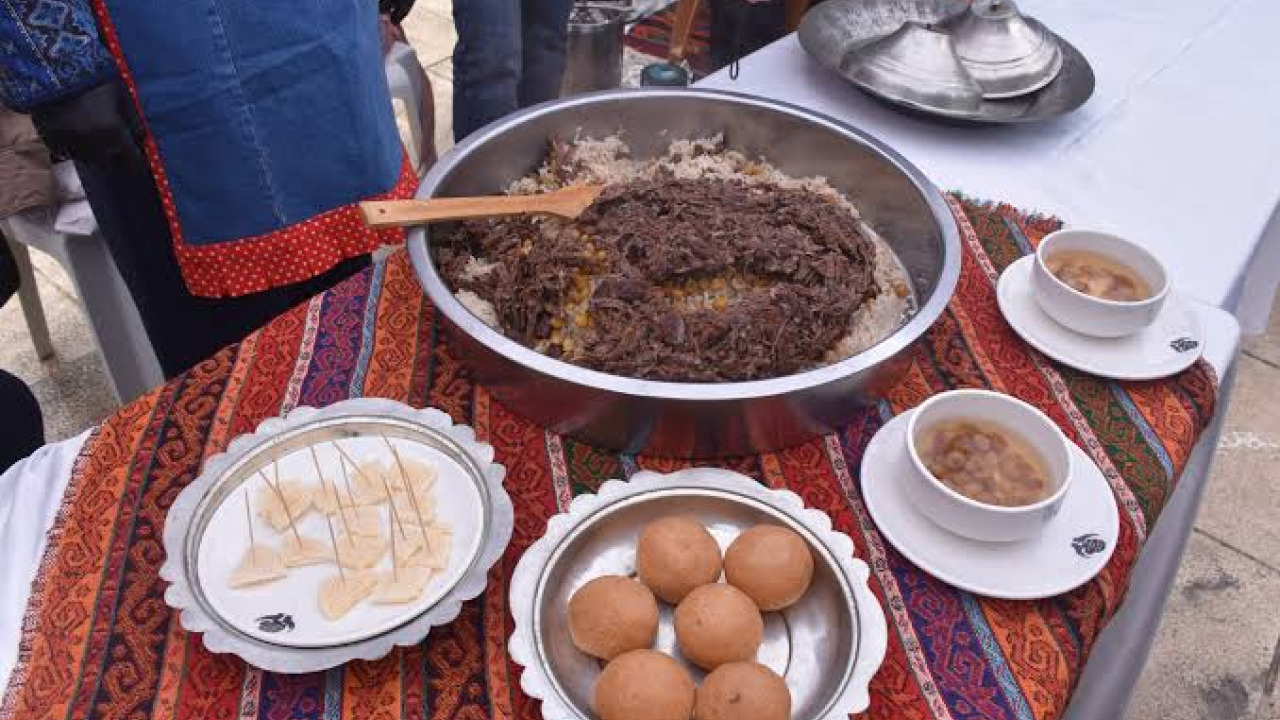
Unique to the historic district of Divriği, this pilaf is a dish of such richness that it recalls the Ottoman palace kitchens. Prepared in layers, it combines tender, shredded lamb, chickpeas, currants, almonds, and a special blend of spices. Often the centerpiece of weddings and special invitations, this pilaf is served as a main course rather than a side dish. For those visiting the UNESCO World Heritage Divriği Great Mosque, this pilaf is the gastronomic equivalent of the town's architectural grandeur.
Warming Sivas Soups
In Sivas, the dining ritual often begins with a soul-warming soup. Many of these are filling enough to be main courses and reflect the region's grain and yogurt culture. Dried yogurt, crushed wheat, and lentils are brought back to life in these bowls.
Pesahtan (Peskütan) Soup
One of the most characteristic starters in Sivas is Pesahtan soup, also known locally as Peskütan. It is cooked with dried yogurt curd, yarma (crushed wheat), and lentils, then topped with mint and red pepper flakes sizzled in butter. With its slightly tangy taste and thick consistency, it is a classic for the colder months.
Ayran Aşı Soup
Unlike the cold ayran aşı found in many parts of Turkey, in Sivas, this soup is often consumed hot. It is prepared by cooking crushed wheat and chickpeas in a yogurt base, garnished with wild mountain thyme (yarpuz) or mint. Its creamy and nutritious structure makes it a staple of winter tables.
Kesme Soup
This is a bone-broth soup where finely hand-cut dough meets green lentils, crowned with plenty of butter and mint. Also known as kesme aşı, this dish brings Sivas's noodle and dough tradition to the table in soup form.
Fresh from the Oven: Pastries and Breads
As part of Central Anatolia—the granary of Turkey—Sivas offers a wide variety of flour-based products. The early morning queues in front of local bakeries are a testament to the vitality of this tradition.
Sivas Katmeri
Unlike the sweet katmer found in other regions, Sivas Katmeri is a savory pastry. The dough, made from flour, water, and salt, is rolled out paper-thin, brushed with generous amounts of melted butter, and folded. It emerges from the oven crispy on the outside and soft and layered on the inside. It is a local classic for breakfast, enjoyed with tulum cheese and strong black tea.
Sivas Çöreği and Kete
Filling the bakery shelves with the scent of butter and flour, Sivas Çöreği is known for its long shelf life. Stuffed versions filled with a roasted mixture are also common; these are traditionally patterned with a fork and glazed with egg yolk before baking. Similarly, the pastries known as Sivas ketesi are part of this bakery culture and are often chosen as a practical snack for travelers.
Hingel (Sivas Dumplings)
Hingel is the unique version of mantı (dumplings) in Sivas, and it is significantly larger than the classic Kayseri version. A square piece of dough is filled with either potato or minced meat and closed in a triangular or braided shape. After boiling, it is topped with sizzled butter and garlic yogurt. Potato-filled hingel is particularly popular in Sivas.
Madımak and Local Vegetable Dishes
While known as a meat-heavy cuisine, wild herbs and dried vegetables hold a significant place in Sivas. These dishes highlight the seasonal and natural side of the kitchen.
Madımak is one of the symbolic dishes of Sivas. In spring, the madımak herb is hand-picked from the fields, finely chopped, and cooked with a bit of çemen (fenugreek paste) for aroma, bulgur, and garlic, then finished with burnt butter. Served with yogurt, Madımak is considered the dish that heralds the arrival of spring for the people of Sivas.
Pehli (or pehlili bostan) is a slow-cooked dish where lamb (usually the neck or ribs) is simmered with eggplant, peppers, and tomatoes in a clay pot or oven. Eaten by dipping bread into its rich sauce, this dish is a beautiful example of the region's slow-cooking tradition. You may also encounter turşu mıhlaması (pickle sauté) and dried vegetable dishes on winter tables. Ancient Anatolian dishes like kelecoş and herse are still kept alive here, further proving the central role of dried yogurt and wheat.
The Famous Desserts of Sivas
Following the heavy meals of Sivas, desserts are typically syrup-based and have a crunchy texture.
Kelle Tatlısı is a labor-intensive but visually stunning delicacy. Thin layers of baklava phyllo are filled with walnuts, hazelnuts, currants, cinnamon, and allspice, rolled up, twisted, and arranged in a tray. After baking until golden, it is drenched in syrup. It is prized for its crispy exterior and rich, flavorful interior.
Hurma Tatlısı is a syrup-based dessert similar to kalburabastı but with a Sivas twist. Thanks to the yogurt and solid fat added to the dough, it achieves a crumbly, melt-in-the-mouth texture; it is usually the star of holiday tables. Additionally, Sivas Paper Halva, with its thin and fragile structure, is a beloved dry sweet and a popular choice for souvenirs.
Gourmet Route: Where to Eat in Sivas
To get to know Sivas through its flavors, a two-day weekend plan is a great start. The following route summarizes what to taste based on the flow of the day, without recommending specific establishments.
Day One can be dedicated to the city center and classic flavors. Start the day with hot Sivas Katmeri from a historic bakery, paired with tulum cheese and tea. After visiting Seljuk masterpieces like the Double Minaret Madrasa and Buruciye Madrasa, head to a local meatball shop for the registered Sivas Köftesi. For dinner, the Sivas Kebab with vegetables and a side of yayık ayranı is the way to go.
Day Two focuses on history and local herbs. Try Sivas Çöreği and local jams for breakfast. For lunch, opt for a lighter alternative like Madımak or potato Hingel. Before leaving the city, complete your trip by shopping for çemen, tulum cheese, and vacuum-packed Katmer. Those who want to place gastronomy at the center of their travels can benefit from the programs in our gastronomy and organized tours category.
What to Buy from Sivas? Gastronomic Souvenirs
For those who want to take the flavors of Sivas home, a few local products stand out. Sivas Çemeni is a garlic-rich, spicy, and appetizing paste that is a favorite addition to breakfast tables. Registered Zara Honey, sourced from the high-altitude plateaus of the Zara district, is another renowned product.
For those who want to cook at home during winter, dried or canned Madımak is a practical option. Sivas Katmeri, now available vacuum-packed for travel, is also a top item on the souvenir list. Dried okra from Divriği and local buns are also frequently found in travelers' suitcases. If you wish to combine your Sivas trip with different themes, you can compare all our tour options to find the program that suits you best.
Frequently Asked Questions 6
What is the most famous dish in Sivas?
The symbolic dish of Sivas is the geographically registered Sivas Köftesi. It is known for containing only meat and salt, served with roasted peppers, tomatoes, and tırnak pidesi. Divriği Pilavı and Sivas Kebab with vegetables are also prominent meat dishes of the region.
What should I eat in Sivas?
In Sivas, you can try Sivas Köftesi, Sivas Kebab with vegetables, and Divriği Pilavı for meat; Pesahtan, Ayran Aşı, and Kesme soup for starters; Sivas Katmeri, Çörek, and Hingel for pastries; and Madımak and Pehli for vegetable-based dishes.
What is the most famous dessert in Sivas?
The standout desserts are Kelle Tatlısı and Hurma Tatlısı. Kelle Tatlısı is known for its walnut-filled, syrup-soaked rolls, while Hurma Tatlısı has a crumbly texture similar to kalburabastı. Sivas Paper Halva is also a popular dry sweet.
What is Sivas famous for?
Sivas is famous for its registered Sivas Köftesi, savory Sivas Katmeri, garlic çemen, Madımak dish, and Zara honey. Beyond food, it is a cultural hub known for its Seljuk-era madrasas and thermal springs.
What is the best season to taste Sivas cuisine?
Spring is the time when fresh Madımak and local wild herbs hit the table. Autumn and winter are the seasons when soups, hearty meat dishes, and oven-baked pastries take center stage. Different seasons reveal different faces of the cuisine.
What can I buy as a souvenir from Sivas?
Recommended souvenirs include çemen, tulum cheese, registered Zara honey, vacuum-packed Sivas Katmeri, dried Madımak, and Sivas Paper Halva. These products reflect the culinary culture of the region in a long-lasting form.