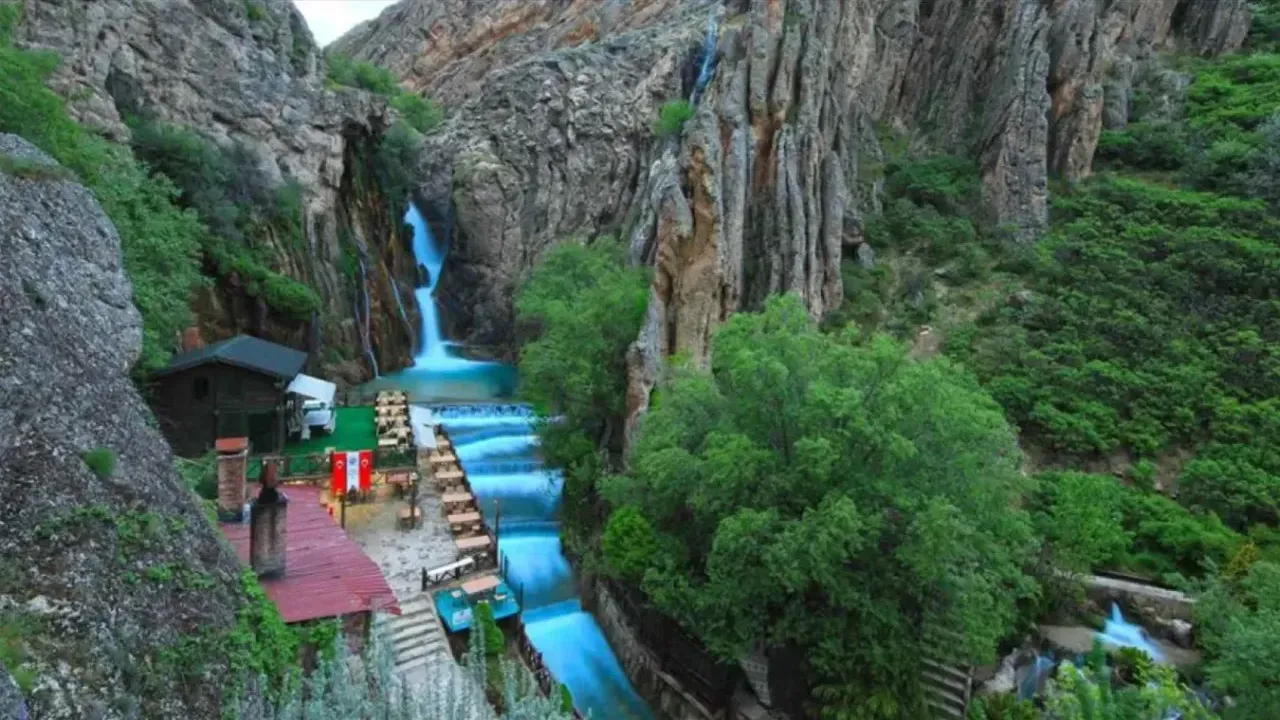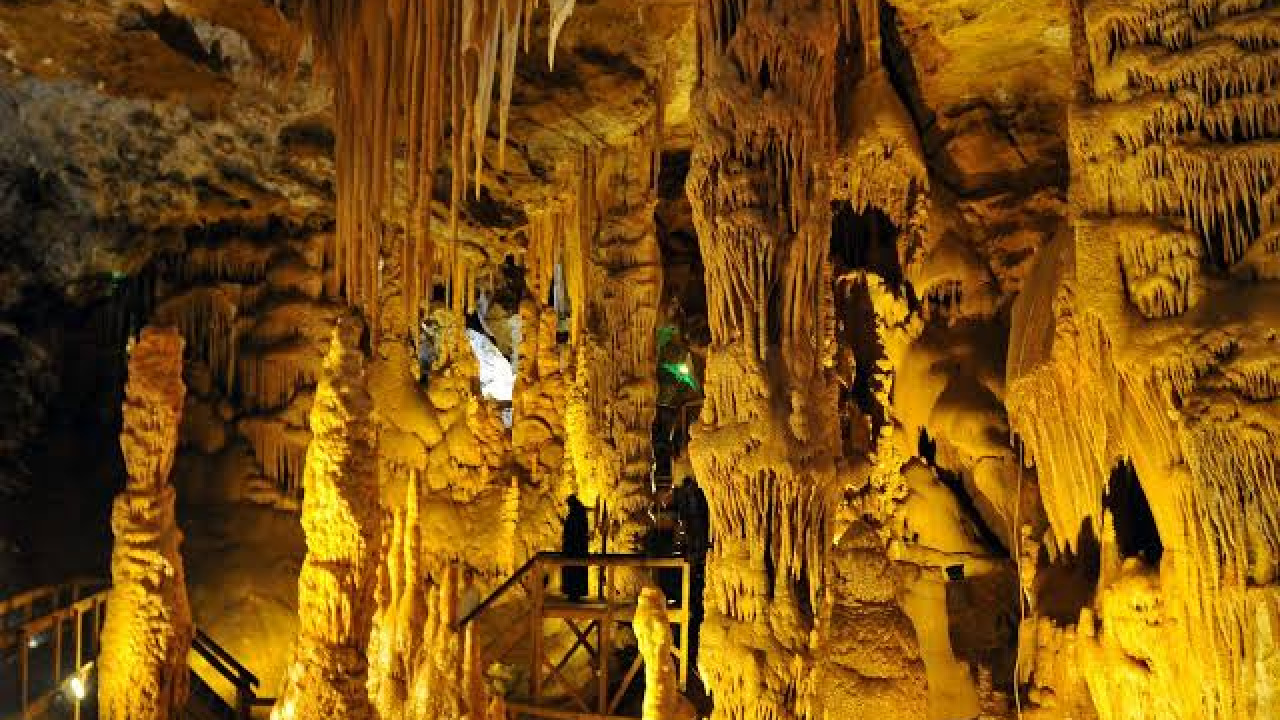
When you think of Artvin, imagine highlands that touch the clouds, emerald lakes cradled by dense forests, roaring rivers, and the haunting beauty of medieval Georgian churches. Perched on the northeastern edge of Turkey, bordering Georgia, Artvin is a sanctuary for nature lovers. From the mystical depths of Borçka Karagöl and the panoramic vistas of Şavşat Karagöl to the UNESCO-recognized Macahel Biosphere Reserve and the adrenaline-pumping Çoruh River, this region is a hidden gem of the Black Sea.
In this guide, we break down Artvin by district, theme, and adventure level, helping you decide when to visit and how to navigate this rugged paradise.
At Travel Tour Shop, we operate on the ground across the Black Sea region. We have curated the following routes and tours based on our own quality standards to ensure your itinerary matches your expectations. Because of the steep terrain and scattered settlements, a well-planned trip to Artvin is essential to save time and effort; consider this guide your starting point.
Quick Facts
| Category | Details |
|---|---|
| Province | Artvin (Eastern Black Sea, Georgia border) |
| Best Time to Visit | June - September (Highlands are open); October (Autumn foliage) |
| Recommended Duration | 3 - 5 days |
| Top Highlights | Borçka Karagöl, Şavşat, Karagöl-Sahara, Macahel, Kafkasör, Çoruh |
| Transportation | Rize-Artvin Airport or Batumi; road connections |
What Makes Artvin Special? The Iconic Lakes
The crown jewels of Artvin are undoubtedly its lakes. To truly understand the region, start with the two "Karagöls" (Black Lakes)—which, despite sharing a name, offer entirely different atmospheres.
Borçka Karagöl Nature Park
Borçka Karagöl is often the first stop for any traveler. Formed by a landslide in the early 19th century that blocked a river, this lake is a masterpiece of nature. Surrounded by towering trees that reflect vivid colors on the water's surface, it offers a serene, almost mystical experience. Located on a high plateau, the lake feels secluded and intimate. You can wander the forest trails, admire the reflections from wooden observation decks, and simply breathe in the silence. Its high ratings among global travelers make it a "must-see" on any Artvin itinerary.
Karagöl-Sahara National Park and Şavşat Karagöl
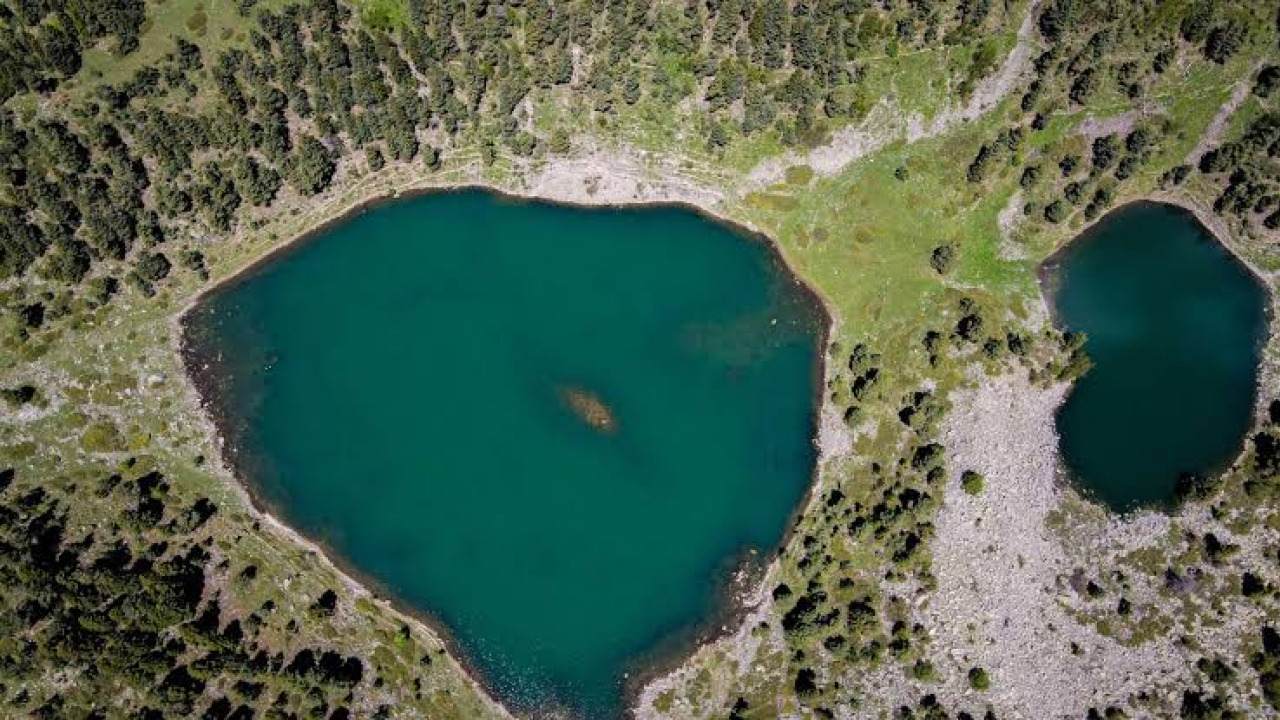
In the Şavşat district, Karagöl-Sahara National Park offers a different kind of magic. Unlike its counterpart in Borçka, Şavşat Karagöl is a panoramic wonder, surrounded by wide alpine meadows, rolling hills, and distant peaks. The national park is renowned for its dense spruce and fir forests and rich wildlife. Located about 60 kilometers from the city center, it is a haven for photographers and hikers.
The lake's colors shift throughout the day as the surrounding forest reflects in the water; early morning and sunset are the golden hours for the most striking views. With picnic areas and easy walking loops, it's a perfect spot to unwind. We recommend pairing a visit to Şavşat Karagöl with nearby highlands and castles to maximize your day and minimize travel time.
Şavşat: The "Slow City" (CittaSlow) and Highlands
Şavşat is a member of the international CittaSlow (Slow City) network, making it the ultimate destination for those looking to escape the urban grind. With its traditional wooden houses reminiscent of the Swiss Alps, vast pastures, and endless shades of green, it invites you to slow down. Beyond the national park, don't miss the historic Şavşat Castle and the unique natural formations of the Şavşat Fairy Chimneys.
The highland (yayla) culture is most vibrant here. Kafkasör, located near the city center, is famous for its traditional festivals during the summer months. For those venturing deeper, the Bilbilan and Arsiyan highlands offer breathtaking views of high-altitude lakes and meadows. Arsiyan, in particular, is a favorite for trekkers due to its scattered glacial lakes. Note that highland roads typically open in late spring and remain accessible until early autumn. Since accommodation in the highlands is often rustic and limited, we strongly recommend booking in advance.
Macahel (Camili) Biosphere Reserve
Tucked away in the north of Borçka, right against the Georgian border, lies the Macahel (Camili) Valley. This is one of Turkey's few UNESCO-recognized biosphere reserves. Comprising six traditional villages, the valley is famous for its untouched rainforests, endemic flora, and legendary Caucasian beekeeping. The local Caucasian honey, protected by a geographical indication, is a prized product of the region.
Reaching Macahel requires navigating winding mountain roads, so we recommend a guided tour. Parts of the road can be unpaved and are sensitive to weather conditions, meaning you should allocate plenty of time for the round trip. With its wooden bridges, cool streams, and quiet village life, Macahel is perfect for those seeking a truly off-the-beaten-path experience. Many travelers combine this visit with Borçka Karagöl.
Çoruh River: White-Water Rafting and Canyons
Artvin isn't just for those seeking peace; it's a playground for adrenaline junkies. The Çoruh River is one of the fastest-flowing rivers in the world and has hosted international rafting and canoeing competitions. During the spring thaw, the river's volume increases, creating challenging rapids for various skill levels. All rafting activities are led by professional teams with full safety gear (life jackets and helmets). If you're looking to combine nature with a thrill, explore our nature and adventure tours category.
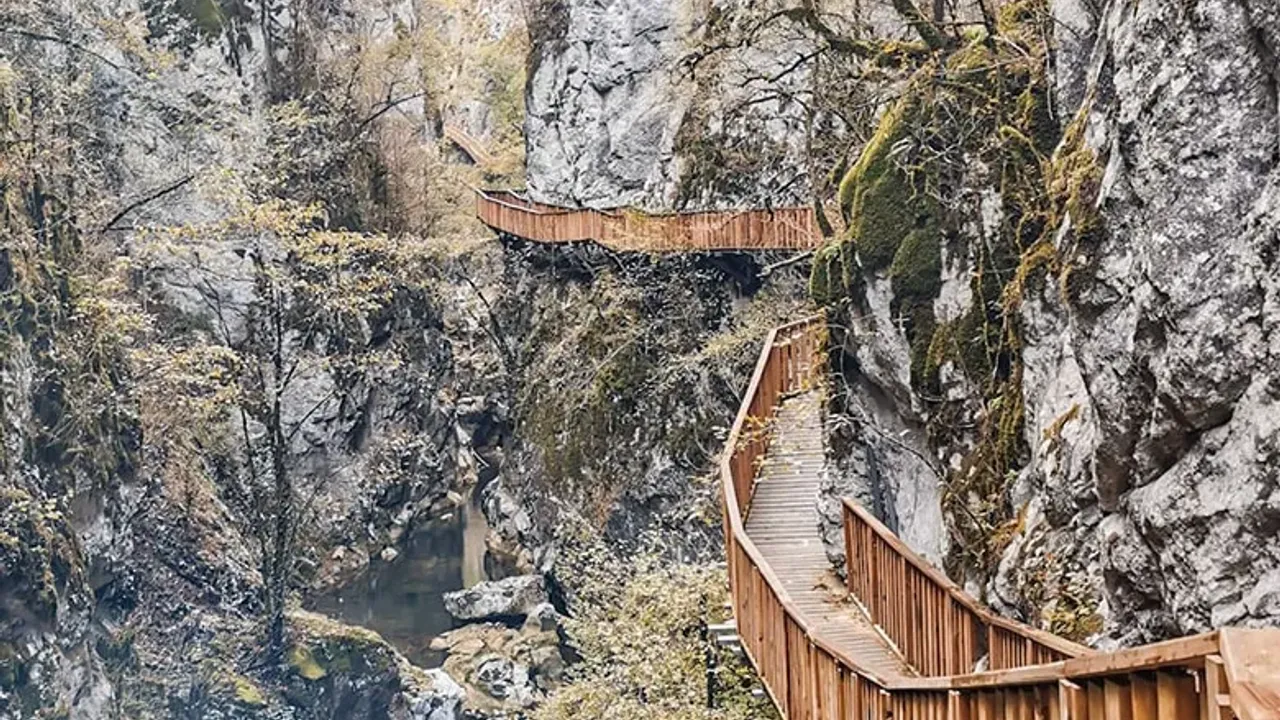
The valleys are equally stunning. The glass observation deck in Hatila Valley National Park allows you to peer down 220 meters into the rugged canyon. Along the road to Şavşat, the Cehennem Deresi (Hell's Creek) Canyon Nature Park offers wooden walkways that lead you deep into a dramatic gorge. For waterfall lovers, the Mençuna and Maral waterfalls in Borçka, and Deliklikaya in Murgul, are essential stops. To reach Mençuna, you'll cross the historic Double Bridges and enjoy a lush forest walk—a refreshing break in the humid greenery. Since paths can be slippery, sturdy hiking boots are a must.
The Artvin Side of the Kaçkars: Barhal, Yusufeli, and Trekking
While the northern face of the Kaçkar Mountains overlooks Rize, the southern and eastern slopes extend into Artvin's Yusufeli district. The villages of Barhal (Altıparmak) and Tekkale serve as the gateways to high-altitude glacial lakes and alpine valleys. Trails following the Barhal Stream are ideal for mountaineers and campers aiming for the Kaçkar peaks.
These routes involve significant elevation gain and require proper equipment and guide support. For those interested in multi-day trekking and camping expeditions, check out our trekking and hiking tours. Please note that this guide focuses specifically on the Artvin side of the Kaçkar massif, not the Ayder or Pokut plateaus of Rize.
The History of Artvin: Georgian Churches and Stone Bridges
Artvin's appeal goes beyond nature; it possesses a rich architectural legacy from the medieval Georgian Kingdom. Around Yusufeli, the İşhan and Barhal churches draw history buffs with their intricate stonework. Near the center, the Dolishane Church, dating back to the 10th century, is a testament to the region's ancient craftsmanship. For those interested in fortifications, the Ferhatlı (Ardanuç) Castle and Şavşat Castle offer a glimpse into the region's strategic military past.
The historic arched stone bridges connecting the valleys are equally captivating. The Ortaca (Double) Bridges, where two rivers meet, are perfect for a stroll through the woods. These bridges were once vital links for trade and travel between remote villages. In the city center, Artvin Castle and the Atatepe (Atatürk Statue) viewpoint provide a bird's-eye view of the city and the surrounding peaks.
This historical layer transforms an Artvin trip from a nature excursion into a cultural journey, reminding visitors of the diverse civilizations that have coexisted on this borderland for centuries.
When and How to Visit Artvin
The best time to visit Artvin's highlands and lakes is between June and September, when the roads are open and the landscapes are at their most vibrant. If you want to witness the stunning autumn palette of yellows, reds, and oranges, October is the ideal month. While the city center and lower elevations are accessible in winter, most highland roads are closed due to heavy snow.
Getting There: The most convenient airports are Rize-Artvin Airport and Batumi Airport in Georgia. Many travelers enter via Batumi (accessible with a new ID card/passport) and then travel by road. Once in the region, transportation is primarily by car. Because the roads are narrow, winding, and weather-dependent, we highly recommend organized transport and professional guides to ensure a comfortable and efficient trip. You can browse all our tour options to find the perfect fit.
Pro Tip: Regardless of the season, always pack a raincoat, a windbreaker, and a warm sweater. Sudden fog and rain are common. Waterproof, non-slip hiking shoes will significantly improve your experience on the trails.
Frequently Asked Questions 6
What is Artvin most famous for?
Artvin is renowned for its landslide lakes (Borçka Karagöl), national parks (Karagöl-Sahara), the Macahel Biosphere Reserve, white-water rafting on the Çoruh River, highlands like Kafkasör, and its medieval Georgian churches. It is a destination for those seeking nature and history away from mass tourism.
What is the difference between Borçka Karagöl and Şavşat Karagöl?
Borçka Karagöl is a landslide lake surrounded by dense, mystical forests, offering a more enclosed and intimate feel. Şavşat Karagöl, located within the larger Karagöl-Sahara National Park, is a panoramic wonder surrounded by open meadows and mountains. They are located in different districts.
How do I get to Artvin?
The closest airports are Rize-Artvin Airport and Batumi Airport (Georgia). From the airport, you can reach Artvin by road. Since the sights are spread out, organized transportation is the most practical way to see multiple locations.
How many days are enough to explore Artvin?
Due to the rugged terrain and distances between sites, a 3 to 5-day itinerary is usually sufficient to cover the main highlights. We recommend splitting your trip by district (Center, Borçka, Şavşat, and Yusufeli) to avoid travel fatigue.
What should I eat in Artvin?
Don't miss muhlama (kuymak), local honey from Borçka and Macahel, anchovy dishes, corn bread, collard green (kara lahana) meals, and highland cheeses. The traditional Caucasian honey from Macahel is a must-try for foodies.
Can you visit Artvin in winter?
The city center, Artvin Castle, and Atatepe are accessible in winter. However, the roads to Macahel, the upper parts of Borçka Karagöl, and the high plateaus are usually closed due to snow. Winter itineraries should focus on lower-altitude attractions.