When exploring the hidden gems of Turkey, Bayburt stands out as a captivating intersection of rugged landscapes and ancient whispers. From the imposing fortress overlooking the city to the mysterious subterranean galleries of Aydıntepe and the legendary tales of Dede Korkut, this region is a treasure trove for the curious traveler. Serving as a bridge between the Black Sea coast and the highlands of Eastern Anatolia, Bayburt blends the raw beauty of the mountains with the serene flow of the Çoruh River.
In this guide, we have curated the ultimate itinerary, combining historic city center landmarks, breathtaking nature trails, the internationally acclaimed Baksı Museum, and authentic local flavors. Whether you are planning a quick weekend getaway or integrating Bayburt into a broader Eastern Anatolia tour alongside Erzurum and Trabzon, this guide will help you map out your adventure.
At Travel Tour Shop, we evaluate every destination based on accessibility, seasonal appeal, and timing. Rather than giving you an endless list, we focus on the highlights that make Bayburt a meaningful destination, ensuring your journey is both seamless and enriching.
Quick Facts
| Category | Details |
|---|---|
| Province | Bayburt (Transition zone between Eastern Anatolia & Black Sea) |
| Best Time to Visit | May to September (Continental climate, ideal for outdoor exploration) |
| Recommended Duration | 1 to 2 days; 3+ days if combined with regional tours |
| Must-See Attractions | Bayburt Castle, Aydıntepe Underground City, Baksı Museum, Dede Korkut Tomb, Çoruh River |
| Transportation | Nearest airports are Erzurum and Trabzon; road access via Kop Mountain and Zigana passes |
Bayburt Castle and the Historic City Center
Perched atop steep cliffs, Bayburt Castle is the crown jewel of the city and one of the most significant fortifications in Turkey. It is an essential first stop for anyone wanting to grasp the scale and history of the region.
Bayburt Castle (Çini Maçin)
Known in historical texts as "Çini Maçin" due to the purple and blue tiles that once adorned its walls, the castle offers a breathtaking panoramic view of the city and the Çoruh River winding below. Walking among the ancient bastions feels like stepping back in time. We recommend visiting during the "golden hour" just before sunset for the best lighting and photography. Be sure to wear comfortable walking shoes, as the terrain is stony and uneven.
Clock Tower, Ulu Cami, and Traditional Bayburt Houses
Descending from the castle into the heart of the city, you'll find the pulse of local life. The Clock Tower is a central landmark, surrounded by cozy cafes perfect for a quick Turkish tea break. The Bayburt Ulu Cami (Grand Mosque) showcases the region's architectural heritage through its understated stone craftsmanship. For a glimpse into local living, the traditional Bayburt Houses—built with a distinctive blend of wood and stone—offer a charming look at regional vernacular architecture. Since these sites are clustered together, the city center is best explored on foot. For a moment of relaxation, the Kaleardı City Park provides a lush green escape right in the center.
Aydıntepe Underground City and Çimağıl Cave
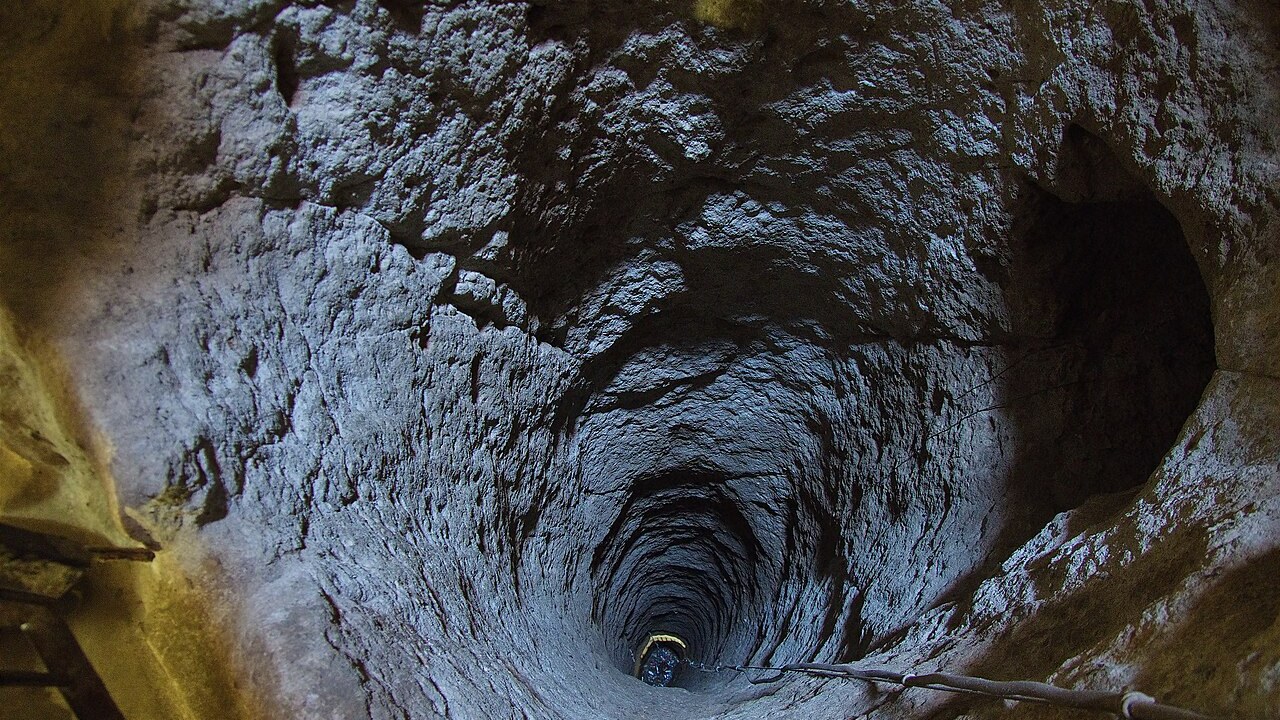
One of the most intriguing aspects of Bayburt is its subterranean history. The Aydıntepe Underground City is a marvel of ancient engineering, carved directly into the soft tuff rock without the use of any construction materials. With its network of galleries, rooms, ventilation shafts, and water wells, it provides a vivid look at how ancient civilizations created shelters for survival.
Since Aydıntepe is a district closely linked to the city center, you can easily visit the underground city on the same day as your city tour. Because the temperature underground remains cool even in the height of summer, we suggest bringing a light cardigan for your comfort.
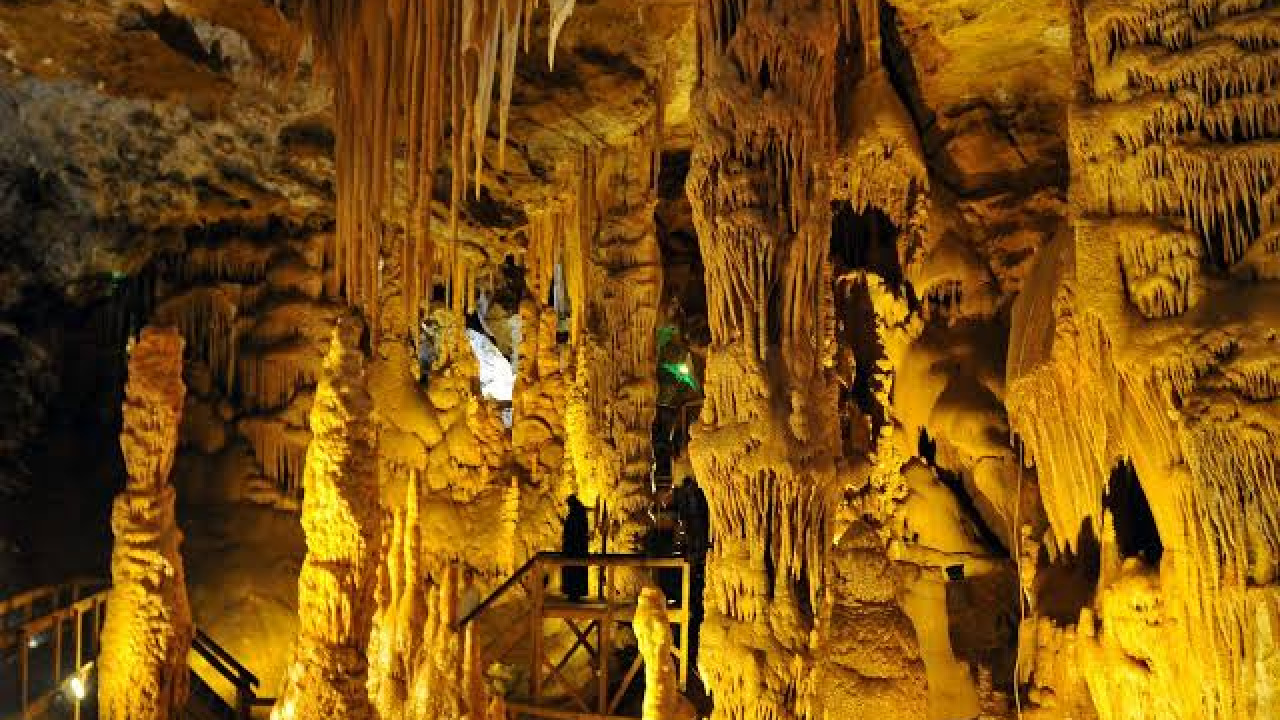
For those drawn to natural wonders, the Çimağıl Cave is another must-visit. Tucked away in a steep valley, the cave features stunning stalactites and a refreshing atmosphere that will fascinate geology enthusiasts. Together, these two sites offer a perfect contrast between the city's surface history and its hidden depths. As the ground can be damp, non-slip footwear is highly recommended. You can explore similar heritage-focused journeys in our cultural tours category.
In the Footsteps of Dede Korkut: Tombs, Monuments, and Museums
Bayburt is deeply intertwined with the epic stories of Dede Korkut, the legendary sage and storyteller of the Oghuz Turks. This cultural legacy is woven into the very fabric of the city.
Dede Korkut Tomb and Kümbet
The Dede Korkut Tomb is a place of pilgrimage for those wishing to honor the oral traditions of Anatolia. Nearby, the Dede Korkut Kümbet (conical tomb) stands as a testament to the region's unique funerary architecture. These sites transform Bayburt from a mere geographical point into a living library of Anatolian folklore.
Bayburt Dede Korkut Museum and Kenan Yavuz Ethnography Museum
In the city center, the Bayburt Dede Korkut Museum provides a comprehensive look at the region's archaeological and ethnographic wealth. For a more immersive experience, the Kenan Yavuz Ethnography Museum—located in a village about an hour from the center—is a highlight. It brings traditional village life, handicrafts, and everyday objects to life through a "living museum" concept, making it an educational and engaging stop for families with children. Museums are also a great way to keep your itinerary flexible during unpredictable weather. We recommend checking seasonal closing times in advance to optimize your schedule.
Baksı Museum: Contemporary Art in the Steppe
In recent years, the Baksı Museum has put Bayburt on the international art map. Located about 45 kilometers from the city center in Bayraktar Village (formerly known as Baksı), the museum sits on a high hill overlooking the Çoruh Valley. Founded by painter and academic Prof. Dr. Hüsamettin Koçan, the museum won the Council of Europe Museum Prize in 2014.
This architectural masterpiece blends contemporary art with traditional handicrafts under one roof. More than just a gallery, Baksı is a cultural complex featuring exhibition halls, a library, and guest houses. Due to its distance from the center, we suggest dedicating at least half a day to this visit. The drive itself is rewarding, offering stunning vistas of the valley. The juxtaposition of avant-garde art against the backdrop of the stark Anatolian steppe makes this a compelling stop even for those who aren't typically "art people."
Nature Trails: Çoruh River, Sırakayalar Waterfall, and Kop Mountain
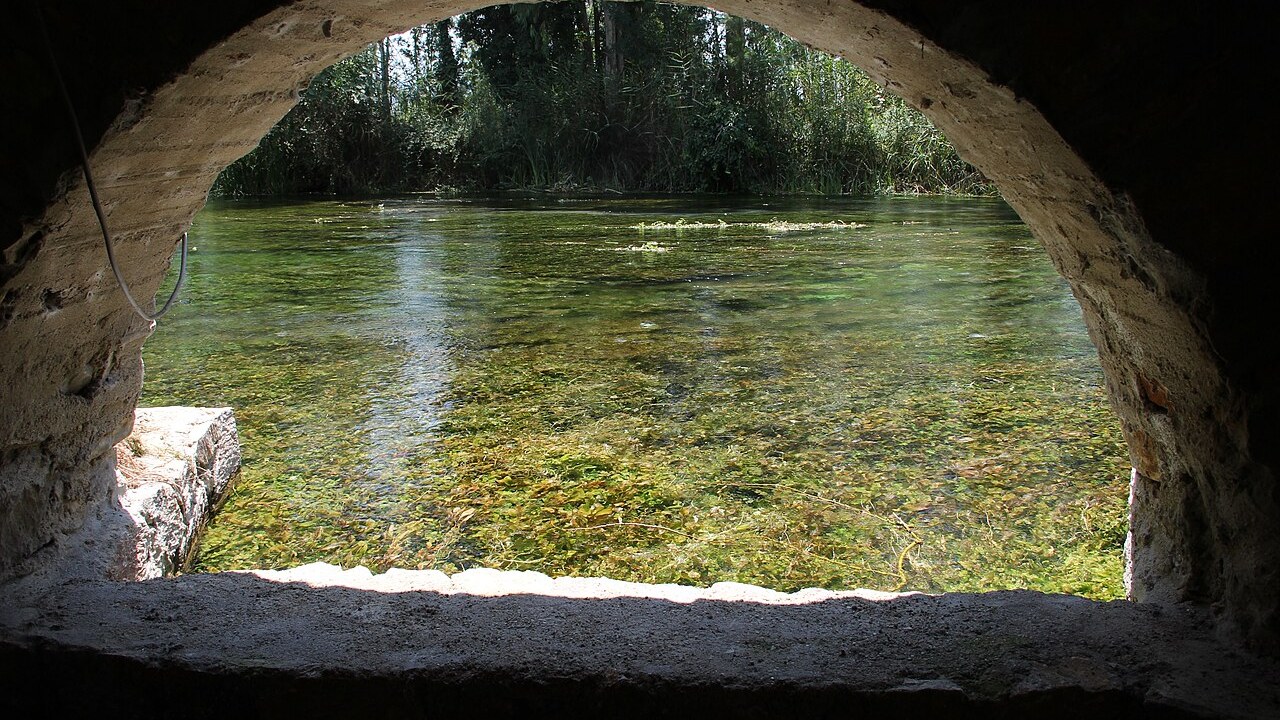
Bayburt's natural beauty is as compelling as its history. The walking paths and parks along the Çoruh River, which bisects the city, are perfect for a leisurely stroll. For adrenaline seekers, the Çoruh is renowned for its rafting opportunities, making it a hub for adventure tourism.
During spring and summer, Sırakayalar Waterfall is a refreshing escape. With its surrounding picnic areas and the soothing sound of cascading water, it is an ideal spot for photography and relaxation. Additionally, the historic Korgan Bridge offers a picturesque viewpoint over the river and is a great addition to a short nature walk.
For a blend of history and nature, visit the Kop Mountain Defense Historical National Park. This site marks one of the toughest defense lines of World War I; the Kop Martyrs' Monument serves as a poignant point of reflection. Due to the high altitude, Kop Mountain remains cool even in summer, so a light jacket is a must. If you are looking for more action-packed itineraries, check out our nature and adventure tours category.
What is Bayburt Famous For? Local Flavors and Ehram
A visit to Bayburt is incomplete without diving into its local gastronomy. The region is famous for hearty, traditional dishes such as kesme çorba (cut noodle soup), lor dolması (curd cheese stuffing), and galacoş. For a true local experience, try the Bayburt-style döner in the city center. For those with a sweet tooth, local Turkish delight (lokum) and pestil (dried fruit leather) are perfect treats and make excellent souvenirs.
In terms of craftsmanship, Ehram is the standout. This traditional hand-woven wool fabric is a living example of the region's weaving culture. Once used for daily clothing and blankets, Ehram has evolved into stylish shawls and accessories. A short stroll through the local bazaar is the best way to experience this culture and pick up a piece of authentic Ehram or some local sweets as a lasting memory of your trip.
When and How to Visit Bayburt
Bayburt has a continental climate, meaning extremes of temperature. The best window for visiting the highlands, the Baksı Museum, and outdoor sites is between May and September. While winter brings stunning snow-covered landscapes, it can make accessing some outdoor sites difficult; during this time, we recommend focusing your itinerary on the museums and city center.
As Bayburt does not have its own commercial airport, most travelers arrive via Erzurum or Trabzon airports. From there, the journey to the city is made by road via the Kop Mountain or Zigana passes—both of which offer breathtaking mountain scenery that makes the transit part of the adventure.
Most visitors find that 1 or 2 days are sufficient to cover the main highlights. Consequently, many travelers combine Bayburt with visits to Erzurum, Trabzon, or Gümüşhane to create a comprehensive Eastern Anatolia and Black Sea circuit. For these multi-city trips, guided tours are highly recommended to handle the logistics and provide deep regional insights. You can compare different durations and themes in our full list of tour options.
Frequently Asked Questions 6
What are the best places to visit in Bayburt?
The top attractions include Bayburt Castle, Aydıntepe Underground City, Baksı Museum, the Dede Korkut Tomb and Kümbet, Kenan Yavuz Ethnography Museum, Çoruh River, Sırakayalar Waterfall, Çimağıl Cave, and the Kop Mountain Martyrs' Monument. In the center, the Clock Tower, Ulu Cami, and traditional Bayburt Houses are easily accessible on foot.
What is Bayburt famous for?
Bayburt is renowned for the legendary culture of Dede Korkut, its imposing historical castle, and the award-winning Baksı Museum. Gastronomically, it is known for kesme çorba, lor dolması, and galacoş, while Ehram (traditional wool fabric) is its most famous handicraft.
What should I eat in Bayburt?
Don't miss the local kesme çorba, lor dolması, and galacoş. Bayburt-style döner is also a popular choice in the city center. For dessert, local lokum and pestil are highly recommended.
How do I get to Bayburt?
Since there is no airport in Bayburt, the most common route is to fly into Erzurum or Trabzon and then travel by road via the Kop Mountain or Zigana passes.
Is the Aydıntepe Underground City suitable for people with claustrophobia?
The tunnels and rooms in Aydıntepe are relatively spacious and well-ventilated, and you don't have to crouch excessively in most areas. However, those with severe claustrophobia should proceed with caution or keep their visit brief.
How many days do I need to explore Bayburt?
Most of the main sights can be seen in 1 or 2 days. If you include the Baksı Museum and surrounding nature spots, 2 days provide a more relaxed pace. If combined with Erzurum or Trabzon, your trip may extend to 3 or more days.